Visiting Aruba in September: Everything To Know
Searching for what it is like to visit Aruba in September? Discover the weather, demand, prices, sargassum conditions, and best things to do.
Thinking about visiting Aruba in September? This is one of the island’s hottest and quietest months, with exceptionally warm water, fewer visitors, and some of the year’s best opportunities to save on accommodations.
September also begins Aruba’s low season. The trade winds gradually weaken, humidity feels more noticeable, and the chance of a passing shower increases toward the end of the month. Here is your September guide—from weather and tourism demand to daylight hours, sargassum conditions, and the best experiences.
Check out this complete Aruba travel guide to elp with the rest of your planning.
Aruba Weather in September
September is generally Aruba’s hottest month. Expect intense sunshine, warm nights, increasingly muggy conditions, and slightly weaker trade winds than you would experience earlier in summer. Rain remains limited, although showers become more likely as October approaches.
Temperature
Average temperatures reach approximately 90°F (32°C) during the day and fall to around 81°F (27°C) at night.
The temperature changes very little after sunset, so evenings remain warm and humid. Air-conditioned accommodations can make a noticeable difference, especially for travelers who are sensitive to heat.
Rainfall & Trend
September is a transitional month between Aruba’s drier summer weather and the wetter period that develops from October into December.
Aruba’s tourism authority lists average September rainfall at approximately 1.2 inches, although totals vary between climate datasets. The chance of a wet day gradually rises from around 9% at the beginning of September to 13% at the end.
Most rainfall arrives in short bursts rather than prolonged periods. A morning or overnight shower may be followed by several hours of usable beach weather.
Humidity & Climate
September feels hot and muggy, particularly away from the shoreline. The trade winds are still present but gradually weaken as the month progresses.
Average wind speed decreases from approximately 18 mph at the beginning of September to around 16 mph near the end. The lighter breeze can make afternoon sightseeing feel considerably hotter than the temperature alone suggests.
Water Temperature
The Caribbean Sea remains around 83°F (28°C) throughout September.
This is among the warmest water Aruba experiences all year, making September excellent for swimming, snorkeling, diving, paddleboarding, and long boat excursions.
Hurricane Season
September falls within the Atlantic hurricane season, which runs from June 1 through November 30.
Aruba is located outside the main hurricane belt, so direct hurricane impacts are uncommon. However, tropical systems elsewhere in the Caribbean can occasionally disrupt the trade winds or bring additional clouds, rain, and rougher water.
September Weather Summary
September brings Aruba’s hottest average temperatures, very warm swimming water, diminishing winds, and an increasing chance of brief showers. It is still a dependable beach destination, but planning outdoor activities earlier in the day is smart.
Sunrise & Sunset in September
- Daylight Hours: Aruba receives approximately 12 hours and 1 minute to 12 hours and 21 minutes of daylight.
- Sunrise Time: Sunrise remains close to 6:29 AM throughout September.
- Sunset Time: Sunset shifts from approximately 6:50 PM at the beginning of the month to around 6:30 PM by the end.
- Monthly Change: Aruba loses approximately 20 minutes of daylight during September.
Sunrise barely changes during the month, while sunset becomes steadily earlier. You will still have enough daylight for a beach morning, afternoon sightseeing, and sunset along the western coastline. Times vary slightly from year to year.
September is Low Season in Aruba
Tourism Demand & Pricing
September marks the beginning of Aruba’s off-season, which continues through November. Visitor numbers are generally lower than during winter, creating a quieter atmosphere at resorts, beaches, restaurants, and attractions.
September and October are also frequently among the least expensive months to visit. Travelers may find better rates on accommodations, flights, rental cars, and vacation packages than they would from December through April.
This guide to the cheapest and most expensive times to visit Aruba explains how September compares with the rest of the year.
You generally do not need to reserve as far ahead as you would during Christmas, New Year’s, or spring break. However, booking early can still help you secure a particular resort, room category, or beachfront location.
If you want to know what you will spend, this Aruba vacation cost guide will break down the daily travel budget you will need.
Value & Vibe
September is one of the best months for travelers seeking a quiet and potentially more affordable Aruba vacation.
Popular beaches have more open space, restaurant reservations are easier to find, and the main tourism areas feel less hectic. The tradeoff is that September is hotter and less breezy than much of the year, and some businesses may use the slower season for maintenance or temporary closures.
Best Things To Do in September
September’s warm sea, lighter crowds, and lower tourism demand make it easy to enjoy the island without maintaining a packed schedule.
Visit Aruba’s Beaches Early
Spend the morning at Eagle Beach, Palm Beach, or Arashi Beach before the strongest heat develops.
Eagle Beach provides broad stretches of sand and a peaceful atmosphere. Palm Beach offers convenient access to restaurants, resorts, watersports, and boat excursions, while Arashi Beach is a popular choice for swimming and snorkeling.
Go Snorkeling or Diving
September’s 83°F water makes swimming, snorkeling, and diving exceptionally comfortable.
Try Boca Catalina or Arashi Beach for accessible snorkeling along Aruba’s northwestern coast. Mangel Halto is another popular option, although currents and water conditions should always be checked before entering.
Morning excursions are generally the most comfortable because the sun is less intense and the chance of a developing shower is lower.
Try Paddleboarding or Kayaking
The trade winds gradually weaken during September, which can create easier conditions for paddleboarding and kayaking than during Aruba’s windier months.
Choose a protected area along the western or southern coastline and begin early. Wind and water conditions can still change, so check locally before launching.
Explore Arikok National Park Early
Visit Arikok National Park shortly after it opens to explore Aruba’s desert terrain, caves, hiking areas, and rugged coastline before temperatures peak.
September’s heat can feel intense inside the park, where there is limited shade. Bring more water than you think you will need and avoid planning strenuous hikes during the middle of the afternoon.
Explore Oranjestad and San Nicolas
Use a cloudier morning or afternoon to explore beyond Aruba’s resort beaches.
Walk through Oranjestad for colorful Dutch Caribbean architecture, waterfront restaurants, shopping, and historic buildings. In San Nicolas, you can see large murals, galleries, local businesses, and a quieter side of Aruba.
Take a Sunset Cruise
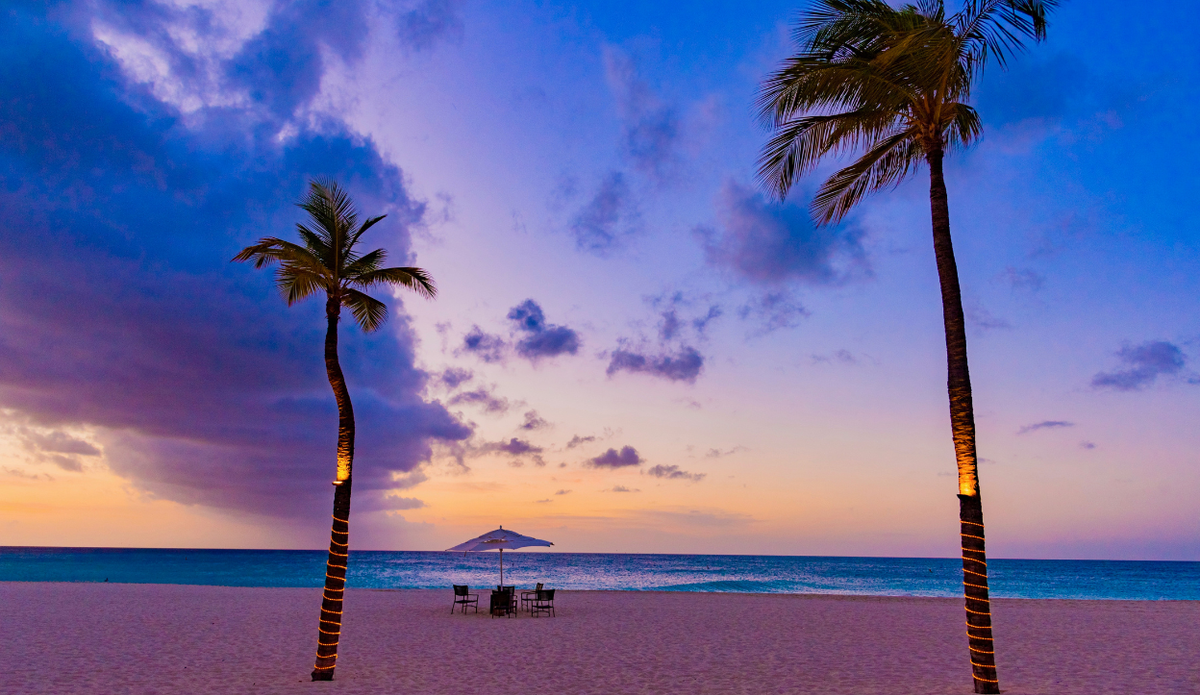
Sunset occurs between approximately 6:30 PM and 6:50 PM during September, making an afternoon cruise easy to fit into your day.
The evenings remain warm, and the lighter tourism demand can make excursions feel less crowded. Departures may occasionally change because of showers or conditions created by distant tropical weather.
For a more detailed list, check out this guide to the best things to do in Aruba.
Sargassum in Aruba in September
Overview & Seasonality
- September falls near the end of the Caribbean’s more active sargassum period.
- Conditions vary significantly between years.
- Sargassum movement depends on winds, waves, and ocean currents.
- Aruba generally experiences less severe exposure than several other Caribbean destinations.
Regional assessments have described sargassum in Aruba as a concern rather than a constant threat. Aruba also benefits from its position behind Bonaire and Curaçao along some wind and current pathways.
Beach Impact & Geography
Temporary accumulations remain possible in September, particularly along exposed and undeveloped sections of coastline.
The main resort beaches around Eagle Beach, Palm Beach, and Aruba’s northwestern shore are generally more dependable. However, beach conditions can change quickly, and no destination can promise a completely seaweed-free coastline every day.
Local Mitigation
Resorts and beach crews regularly maintain Aruba’s principal tourism beaches. Smaller accumulations near major hotels are often addressed faster than seaweed reaching remote or undeveloped areas.
Aruba’s Public Works department has responsibility for sargassum response, although regional information notes that the island does not yet have a standalone official sargassum-management policy.
Sargassum Overview
| Category | September in Aruba |
|---|---|
| Seasonality | Near the end of the more active Caribbean period |
| Overall Risk | Variable but generally lower than many Caribbean destinations |
| Most Exposed Areas | Windward and undeveloped stretches of coastline |
| Resort Beaches | Usually more dependable and regularly maintained |
| Best Strategy | Check a live beach camera before choosing where to swim |
Sargassum is unlikely to dominate an Aruba vacation in September, but isolated arrivals remain possible. Checking current conditions is more reliable than relying exclusively on seasonal averages.
September Highlights
| Category | September in Aruba Highlights |
|---|---|
| Weather | Very hot and humid, with gradually weakening trade winds |
| Temperatures | Approximately 90°F during the day and 81°F at night |
| Rainfall | Usually limited, but the chance of showers increases late in the month |
| Water | Approximately 83°F and among the warmest of the year |
| Crowds & Pricing | Low season with fewer visitors and strong potential savings |
| Daylight | Approximately 12 hours and 1 to 21 minutes |
| Top Activities | Beaches, snorkeling, paddling, Arikok, and sunset cruises |
| Pro Tip | Plan active sightseeing early and spend the hottest hours near the water |
Summary of Visiting Aruba in September
Pros
- September is one of Aruba’s least crowded months.
- Accommodation and flight prices can be lower than during winter.
- The Caribbean Sea is exceptionally warm.
- Beaches and restaurants feel quieter.
- Reservations are generally easier to secure.
- Conditions are excellent for swimming, snorkeling, and diving.
- Direct hurricane impacts remain uncommon.
- Sunset stays late enough for full sightseeing days.
Cons
- September is usually Aruba’s hottest month.
- Warm nighttime temperatures provide little relief.
- Humidity can make afternoons feel hotter.
- The trade winds weaken as the month progresses.
- Brief showers become more likely near the end of September.
- The Atlantic hurricane season remains active.
- Some businesses may close temporarily for low-season maintenance.
- Sargassum remains possible during the tail end of the regional season.
Not A Member of Jetsetter Alerts? ✈️
Sign up for our cheap flight alerts to get notified of any amazing deals on flights to Aruba!
We let you know about any amazing flash sales & mistake fares around the world!
Planning to Visit Aruba during a different month?
 Jetsetter Alerts
 Jetsetter Alerts
 Jetsetter Alerts