Visiting Aruba in June? Here's Everything You Need To Know
Searching for what it is like to visit Aruba in June? Discover the weather, demand, prices, sargassum conditions, and best things to do.

Thinking about visiting Aruba in June? This is one of the island’s driest and windiest months, with hot beach weather, warm water, and fewer visitors than during the winter peak season.
June also brings long days and excellent conditions for sailing, windsurfing, and kitesurfing. Here is your June guide—from weather and tourism demand to daylight hours, sargassum conditions, and the best experiences.
Check out this Aruba travel guide to help with the rest of your planning.
Aruba Weather in June
June brings hot days, warm evenings, minimal rainfall, and some of Aruba’s strongest trade winds. The breeze makes beach conditions comfortable, although the midday sun can still feel intense when exploring inland areas.
Temperature
Average daytime temperatures remain around 89°F (32°C), while nighttime temperatures stay close to 80°F (27°C).
Temperatures change very little during the month. Even after sunset, the island remains warm enough for outdoor dining, nightlife, and evening walks without needing a jacket.
Rainfall & Trend
June is normally a dry month in Aruba, with the chance of a measurable wet day remaining around 5%.
Published monthly rainfall totals differ depending on the weather station and averaging method, but the overall pattern is consistent: June receives little rain, and any showers are usually brief. A passing shower may occur overnight or early in the morning before sunshine returns.
Wind & Climate
June falls within Aruba’s windy season, which generally runs from May through October. It is commonly the island’s windiest month, with average wind speeds around 21 mph and predominantly easterly winds.
The steady trade winds provide welcome relief from the heat and create strong conditions for sailing, windsurfing, and kitesurfing. They can also make unsecured hats, towels, and lightweight beach items difficult to manage.
Water Temperature
The Caribbean Sea remains around 81°F (27°C) throughout June.
The water is comfortably warm for swimming, snorkeling, scuba diving, paddleboarding, and boat excursions without requiring a wetsuit.
Hurricane Season
The Atlantic hurricane season begins on June 1 and continues through November 30.
Aruba sits south of the main Atlantic hurricane belt, so direct hurricane impacts are extremely rare. Tropical systems elsewhere in the Caribbean can occasionally interrupt the trade winds or bring additional clouds, waves, and brief rainfall.
June Weather Summary
June brings hot temperatures, limited rain, warm swimming water, and powerful trade winds. It is an excellent month for beach days and watersports, although the wind and strong sun should be considered when planning outdoor activities.
Sunrise & Sunset in June
- Daylight Hours: Aruba receives approximately 12 hours and 49 to 52 minutes of daylight.
- Sunrise Time: Sunrise shifts from around 6:13 AM at the beginning of June to approximately 6:18 AM near the end.
- Sunset Time: Sunset moves from approximately 7:02 PM early in the month to around 7:09 PM by June 30.
- Longest Day: The June solstice produces Aruba’s longest period of daylight of the year.
June provides some of the year’s latest sunsets, leaving enough time for a morning beach visit, an afternoon excursion, and sunset along the western coast. Exact times vary slightly depending on the year.
June is Shoulder Season in Aruba
Tourism Demand & Pricing
June generally functions as a shoulder-season month in Aruba. It falls after the December-to-April peak season but before the quieter late-summer and fall travel periods.
Resorts and beaches are typically less crowded than they are during winter. However, demand can increase as schools begin their summer breaks and families start taking vacations. This is an inference based on Aruba’s published peak, summer, and off-season travel patterns.
Hotel rooms, flights, vacation rentals, and rental cars can be more affordable than during the winter high season.
This guide to the cheapest and most expensive times to visit Aruba will compare June with the rest of the year.
To plan out your travel budget, our Aruba vacation cost guide gives you a deep dive of the daily cost for lodging, food, attractions, and more.
Value & Vibe
June offers a useful balance between reliable weather and manageable tourism demand.
Nearly every major resort, restaurant, excursion, and attraction is operating, but the island usually feels less crowded than it does during peak season. Travelers who enjoy warm water, long days, and breezy beaches may find June especially appealing.
Best Things To Do in June
June’s strong trade winds, dry weather, and long daylight hours make it easy to combine beach time, watersports, sightseeing, and local culture.
Spend the Morning at Aruba’s Beaches
Visit Eagle Beach, Palm Beach, or Arashi Beach during the morning before the strongest afternoon sunshine develops.
Eagle Beach provides a broad stretch of sand and a more peaceful setting. Palm Beach offers convenient access to resorts, restaurants, watersports, and boat excursions, while Arashi Beach is a popular choice for swimming and snorkeling.
The wind can make the temperature feel deceptively comfortable, so continue applying sunscreen and drinking water even when you do not feel overheated.
Go Windsurfing or Kitesurfing
June is one of Aruba’s best months for wind-powered watersports because it is typically the windiest month of the year.
Experienced riders can take advantage of the strong and consistent trade winds, while beginners can arrange lessons with local instructors. Conditions near Fisherman’s Huts and other exposed areas may be better suited to experienced riders on especially windy days.
Take a Sailing or Snorkeling Cruise
Aruba’s strong June breeze creates excellent sailing conditions along the western coastline.
Morning excursions often combine snorkeling with stops near reefs or shipwreck sites. Afternoon cruises may include swimming, drinks, and sunset views.
Travelers who are sensitive to motion sickness should prepare before departure because windy conditions can make the water feel choppier.
Go Snorkeling or Diving
The sea remains around 81°F throughout June, providing comfortable conditions for snorkeling and scuba diving.
Try Boca Catalina or Arashi Beach for accessible snorkeling along the northwestern coastline. Mangel Halto is another popular option, although currents and local conditions should always be checked before entering.
Morning trips are often preferable because popular snorkeling areas are quieter and the sun feels less intense.
Explore Arikok National Park Early
Visit Arikok National Park shortly after it opens to see Aruba’s caves, desert scenery, hiking areas, and rugged coastline before midday temperatures peak.
The strong wind can make the heat feel manageable, but much of the park has limited shade. Bring plenty of water and avoid strenuous hiking during the hottest part of the afternoon.
A four-wheel-drive vehicle or guided tour is recommended when attempting rougher routes, particularly those leading toward the Natural Pool.
Experience Dera Gai
Aruba celebrates Dera Gai, or St. John’s Day, on June 24. This cultural harvest festival has been observed for approximately a century and includes traditional music, dancing, symbolic games, and bright yellow and red clothing.
Events may take place in different communities, so check Aruba’s current event calendar shortly before your visit for confirmed locations and times.
Explore Oranjestad and San Nicolas
Spend a morning or late afternoon exploring Aruba beyond the main resort beaches.
Walk through Oranjestad to see colorful Dutch Caribbean architecture, waterfront restaurants, shopping areas, museums, and historic buildings.
Visit San Nicolas for outdoor murals, galleries, local restaurants, and a quieter atmosphere. You can combine the town with a visit to Baby Beach or another attraction in southern Aruba.
Watch the Sunset Along the Western Coast
June sunsets occur shortly after 7:00 PM, giving you some of Aruba’s longest sightseeing days.
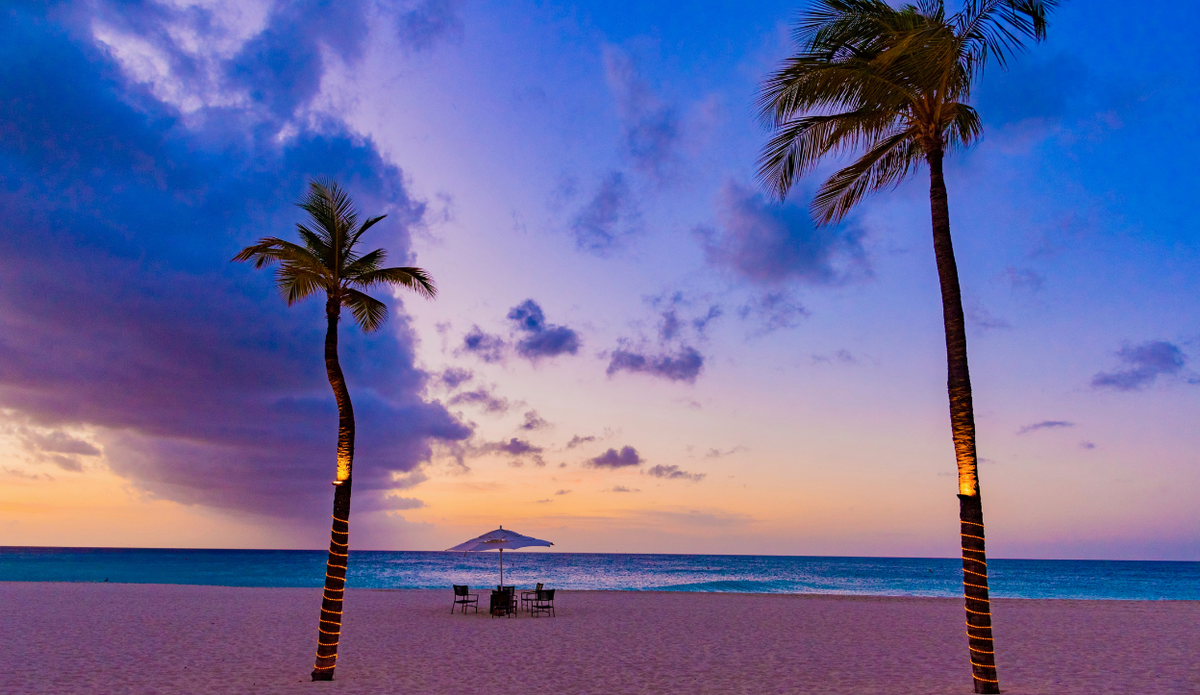
Eagle Beach, Palm Beach, and the California Lighthouse area are convenient places to watch the sunset. The late sunset also makes it easy to schedule a full afternoon excursion before returning to the coast.
Plan out your daily itinerary with our guide to the best things to do in Aruba.
Sargassum in Aruba in June
Overview & Seasonality
- June falls within the Caribbean’s active sargassum period.
- Sargassum across the tropical Atlantic and Caribbean often reaches its highest regional levels during June or July.
- Conditions vary considerably between years.
- Floating mats move according to ocean currents, waves, and wind direction.
June therefore carries a greater seasonal possibility of sargassum than Aruba’s winter months. However, higher regional levels do not mean every beach in Aruba will be affected.
Beach Impact & Geography
Aruba generally experiences less severe sargassum exposure than many other Caribbean destinations. The issue has been described locally as a concern rather than a constant threat.
Exposed sections of Aruba’s eastern and southeastern coastline are more vulnerable to floating vegetation. The main beaches along the calmer western and northwestern coast—including Eagle Beach, Palm Beach, and Arashi Beach—are generally more dependable.
Conditions can change quickly, so a beach that is clear one day may receive a small accumulation after winds or currents shift.
Local Mitigation
Aruba’s Public Works department is responsible for responding to sargassum arrivals when cleanup becomes necessary.
The main resort beaches are regularly maintained, and isolated accumulations near hotels may be removed quickly. Remote and undeveloped beaches may not receive the same level of daily grooming.
Sargassum Overview
| Category | June in Aruba |
|---|---|
| Seasonality | Part of the active Caribbean sargassum period |
| Overall Risk | Variable, although Aruba is usually less affected than many islands |
| Most Exposed Areas | Eastern and southeastern stretches of coastline |
| Resort Beaches | Western beaches are generally more dependable |
| Local Action | Public Works coordinates response and cleanup when needed |
| Best Strategy | Check recent conditions or a beach camera before leaving |
Sargassum is possible in Aruba during June, but it is unlikely to affect every beach or dominate the entire trip. The western resort coastline is generally the best place to start when isolated accumulations appear elsewhere.
June Highlights
| Category | June in Aruba Highlights |
|---|---|
| Weather | Hot, dry, sunny, and exceptionally windy |
| Temperatures | Approximately 89°F during the day and 80°F at night |
| Rainfall | Minimal, with only a small daily chance of a brief shower |
| Water | Approximately 81°F and comfortable for swimming |
| Crowds & Pricing | Shoulder season with lower demand than winter |
| Daylight | Approximately 12 hours and 49 to 52 minutes |
| Top Activities | Beaches, sailing, windsurfing, snorkeling, Arikok, and Dera Gai |
| Pro Tip | Secure lightweight belongings and avoid strenuous sightseeing at midday |
Summary of Visiting Aruba in June
Pros
- June is one of Aruba’s driest months.
- Strong trade winds provide relief from the heat.
- Excellent conditions for windsurfing, kitesurfing, and sailing.
- Fewer crowds than during the winter peak season.
- Accommodation rates can be lower than they are from December through April.
- Warm water for swimming, snorkeling, and diving.
- Some of the longest daylight hours of the year.
- Dera Gai provides an opportunity to experience Aruban culture.
- Direct hurricane impacts remain extremely rare.
Cons
- Strong winds may become inconvenient on the beach.
- Boat excursions can feel choppy on especially windy days.
- Daytime temperatures remain hot.
- The sun can feel intense during inland sightseeing.
- June marks the beginning of Atlantic hurricane season.
- Sargassum is possible during the active regional period.
- Family travel demand may increase after schools begin summer break.
- Popular beachfront accommodations should still be reserved early.
Not A Member of Jetsetter Alerts? ✈️
Sign up for our cheap flight alerts to get notified of any amazing deals on flights to Aruba!
We let you know about any amazing flash sales & mistake fares around the world!
Planning to Visit Aruba during a different month?
 Jetsetter Alerts
 Jetsetter Alerts
 Jetsetter Alerts