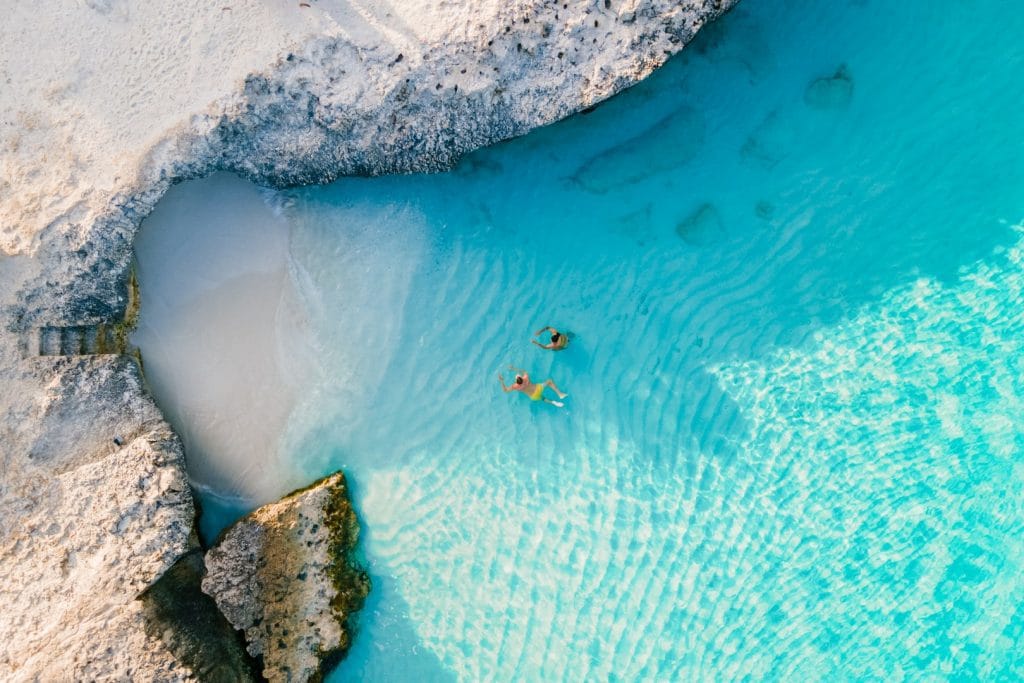
Visiting Aruba in August: Everything To Know
Here is your August guide—from weather and tourism demand to daylight hours, sargassum conditions, and the best experiences.
Thinking about visiting Aruba in August? This is one of the island’s hottest months, with warm swimming water, strong trade winds, and fewer visitors than during the winter peak season.
Check out our complete Aruba travel guide can help with the rest of your planning.
Aruba Weather in August
August brings hot days, very warm nights, steady easterly trade winds, and limited rainfall. The sun can feel intense during the afternoon, but Aruba’s persistent breeze makes the heat more manageable near the coast.
Temperature
Average daytime temperatures remain around 90°F (32°C), while nighttime temperatures stay close to 81°F (27°C).
Temperatures change very little throughout the month. Even after sunset, conditions remain warm and humid, so air-conditioned accommodations can make a noticeable difference.
Rainfall & Trend
Aruba averages approximately 1.2 inches of rainfall during August. This is slightly wetter than July, but August still falls before the island’s official October-to-December rainy season.
The chance of measurable rain gradually increases from approximately 4% at the beginning of August to 9% near the end. When showers occur, they are usually brief and may happen early in the morning, overnight, or during the afternoon.
A forecast showing a chance of rain should not automatically cause concern. It is common for a passing shower to affect one part of Aruba while the resort beaches remain dry.
Humidity & Climate
August feels hot and muggy, but it remains part of Aruba’s windy season, which generally runs from May through October. The easterly trade winds provide relief along beaches, hotel areas, and exposed coastlines.
Average wind speeds gradually decrease from approximately 20 mph at the beginning of August to 18 mph near the end. The difference is noticeable but generally not enough to eliminate Aruba’s characteristic breeze.
Away from the coastline, particularly inside Arikok National Park or while walking through town during midday, the heat can feel significantly stronger.
Water Temperature
The Caribbean Sea averages approximately 82°F to 83°F (28°C) during August.
The water becomes slightly warmer as the month progresses, providing comfortable conditions for swimming, snorkeling, diving, paddleboarding, and sailing.
Hurricane Season
August falls within the Atlantic hurricane season, which runs from June 1 through November 30.
Aruba is south of the main hurricane belt, and direct hurricane impacts are extremely rare. Tropical systems elsewhere in the Caribbean can occasionally influence the island by reducing the trade winds or bringing additional clouds, waves, and brief showers.
August Weather Summary
August brings intense sunshine, hot afternoons, warm nights, strong trade winds, and very comfortable swimming water. Rain remains limited, although brief showers become slightly more likely toward the end of the month.
Sunrise & Sunset in August
- Daylight Hours: Aruba receives approximately 12 hours and 22 minutes to 12 hours and 40 minutes of daylight.
- Sunrise Time: Sunrise shifts from approximately 6:26 AM at the beginning of August to around 6:29 AM by the end.
- Sunset Time: Sunset moves from approximately 7:06 PM early in the month to around 6:51 PM on August 31.
- Monthly Change: Aruba loses approximately 18 minutes of daylight during August.
The early sunrise makes morning beach visits and excursions easy to schedule, while sunsets remain late enough for a full afternoon of sightseeing. Exact times vary slightly depending on the year.
August is Shoulder Season in Aruba
Tourism Demand & Pricing
August falls within Aruba’s summer shoulder season. It is generally quieter than the December-to-April peak season but not quite as slow as the September-to-November low season.
Families traveling before the new school year can keep resorts active during the first half of August. Visitor numbers usually begin declining later in the month as summer vacations end in the United States and Europe.
Travel cost can be more affordable than it is during winter.
Our guide to the cheapest and most expensive times to visit Aruba explains how August compares with the rest of the year.
To know how much you're going to spend, our Aruba vacation cost guide breaks down the daily budget you will need.
Value & Vibe
August offers a good balance between dependable weather and reduced tourism demand.
Beaches and restaurants are usually less crowded than they are in winter, while nearly every major resort, excursion, and attraction remains available. The tradeoff is hotter weather, particularly during the afternoon and in places without shade.
Travelers who enjoy warm water, breezy beaches, and a more relaxed resort atmosphere may find August especially appealing.
Best Things To Do in August
August’s strong trade winds, warm water, and long days make it easy to combine beach time with watersports and sightseeing.
Visit Aruba’s Beaches Early
Spend the morning at Eagle Beach, Palm Beach, or Arashi Beach before the strongest afternoon sunshine develops.
Eagle Beach provides a broad stretch of sand and more space to spread out. Palm Beach offers easy access to restaurants, watersports, resorts, and boat tours, while Arashi Beach is a good choice for swimming and snorkeling.
August’s breeze can make the beach feel comfortable, but the sun remains powerful. Use reef-safe sunscreen, drink plenty of water, and do not underestimate how quickly you can burn.
Go Snorkeling or Diving
August’s 82°F to 83°F water is ideal for snorkeling and diving.
Try Boca Catalina or Arashi Beach for accessible snorkeling along Aruba’s northwestern coastline. Mangel Halto is another popular location, although swimmers should always check currents and local conditions before entering.
Morning outings are usually best because the sun is less intense and popular snorkeling areas are often quieter.
Try Windsurfing or Kitesurfing
August falls within Aruba’s windy season, making it a good month for windsurfing and kitesurfing.
Experienced riders can take advantage of the strong trade winds, while beginners can book a lesson with a local instructor. Conditions vary by location, and some areas are considerably better suited to advanced riders than first-timers.
The winds gradually weaken toward the end of August, but they normally remain strong enough for wind-powered activities.
Take a Sailing or Snorkeling Cruise
August’s persistent breeze makes sailing along Aruba’s western coastline especially enjoyable.
Morning snorkeling cruises typically stop near reefs or shipwreck sites, while afternoon trips may combine swimming with sunset views. The sea can feel choppier on windy days, so travelers who are prone to motion sickness should prepare before departure.
Explore Arikok National Park Early
Visit Arikok National Park shortly after it opens to explore Aruba’s desert scenery, caves, hiking areas, and rugged coastline before temperatures peak.
There is limited shade inside much of the park, and August afternoons can become extremely hot. Bring plenty of water, wear sun protection, and avoid planning strenuous hikes during the middle of the day.
A four-wheel-drive vehicle or guided tour is recommended when exploring rougher roads, particularly routes leading toward the Natural Pool.
Explore Oranjestad and San Nicolas
Use a cloudier morning or late afternoon to explore Aruba beyond the resort district.
Walk through Oranjestad to see colorful Dutch Caribbean architecture, waterfront restaurants, shopping areas, museums, and historic buildings.
Visit San Nicolas for large outdoor murals, local galleries, restaurants, and a quieter atmosphere. The town can be combined with a stop at Baby Beach or another attraction in southern Aruba.
Watch the Sunset From Aruba’s Western Coast
August sunsets occur between approximately 6:51 PM and 7:06 PM, giving you plenty of time for a full day before heading to the coast.
Eagle Beach, Palm Beach, and the California Lighthouse area are convenient sunset locations. A late-afternoon cruise is another good option for seeing the coastline as temperatures begin to ease.
To help fill your daily itinerary, check out our guide to the best things to do in Aruba.
Sargassum in Aruba in August
Overview & Seasonality
- August falls within the Caribbean’s more active spring and summer sargassum period.
- Regional sargassum volume can vary dramatically from one year to another.
- Floating mats are moved by wind, waves, ocean currents, and changing weather patterns.
- Aruba generally receives less severe sargassum than many other Caribbean destinations.
August therefore carries a greater seasonal possibility of sargassum than winter, but that does not mean Aruba’s main beaches will necessarily be affected during your trip.
Beach Impact & Geography
Aruba’s most exposed areas include sections of its eastern and southeastern coastline. Regional information identifies Boca Grandi and Boca Prins among the locations more susceptible to sargassum arrivals.
The main tourism beaches along Aruba’s calmer western and northwestern coastline—including Eagle Beach, Palm Beach, and Arashi Beach—are generally more dependable.
Conditions can still change from day to day. A beach that is clear one morning could receive floating vegetation later, while another part of the island remains unaffected.
Local Mitigation
Sargassum is considered a concern in Aruba rather than a constant threat. Severe impacts occur much less frequently than they do on some neighboring islands, and Aruba’s Public Works department coordinates cleanup responses when necessary.
The main tourism beaches receive priority when cleanup is required. Remote and undeveloped beaches may not be cleared as quickly, especially along Aruba’s rugged windward coastline.
Sargassum Overview
| Category | August in Aruba |
|---|---|
| Seasonality | Part of the more active Caribbean sargassum period |
| Overall Risk | Variable, but Aruba is usually less affected than many islands |
| More Exposed Areas | Boca Grandi, Boca Prins, and sections of the windward coast |
| Resort Beaches | Western beaches are generally more dependable |
| Local Action | Public Works coordinates cleanup when significant arrivals occur |
| Best Strategy | Check a live camera or recent beach conditions |
Sargassum is possible in Aruba during August, but it is unlikely to affect every beach or dominate the entire trip.
The western resort coast is normally the safest choice when isolated accumulations appear elsewhere.
August Highlights
| Category | August in Aruba Highlights |
|---|---|
| Weather | Hot, sunny, humid, and windy, with limited rainfall |
| Temperatures | Approximately 90°F during the day and 81°F at night |
| Rainfall | Around 1.2 inches, with showers becoming slightly more likely late in the month |
| Water | Approximately 82°F to 83°F and excellent for swimming |
| Crowds & Pricing | Summer shoulder season with fewer visitors than winter |
| Daylight | Approximately 12 hours and 22 to 40 minutes |
| Top Activities | Beaches, snorkeling, windsurfing, sailing, and Arikok |
| Pro Tip | Schedule active sightseeing early and stay near the water during midday |
Summary of Visiting Aruba in August
Pros
- Fewer crowds than during Aruba’s winter peak season.
- Hotel and flight prices can be lower than they are from December through April.
- Extremely warm water for swimming, snorkeling, and diving.
- Strong trade winds provide relief from the heat.
- Good conditions for sailing, windsurfing, and kitesurfing.
- Long daylight hours for beaches and sightseeing.
- Rainfall remains relatively limited.
- Direct hurricane impacts are rare.
Cons
- August is one of Aruba’s hottest months.
- Nighttime temperatures remain warm and humid.
- The afternoon sun can feel extremely intense.
- Strong winds may create choppy conditions on some boat trips.
- Brief showers become slightly more likely late in the month.
- August remains part of the Atlantic hurricane season.
- Sargassum is possible during the active regional season.
- Some family-oriented resorts may remain busy early in the month.
Not A Member of Jetsetter Alerts? ✈️
Sign up for our cheap flight alerts to get notified of any amazing deals on flights to Aruba!
We let you know about any amazing flash sales & mistake fares around the world!
Planning to Visit Aruba during a different month?
 Jetsetter Alerts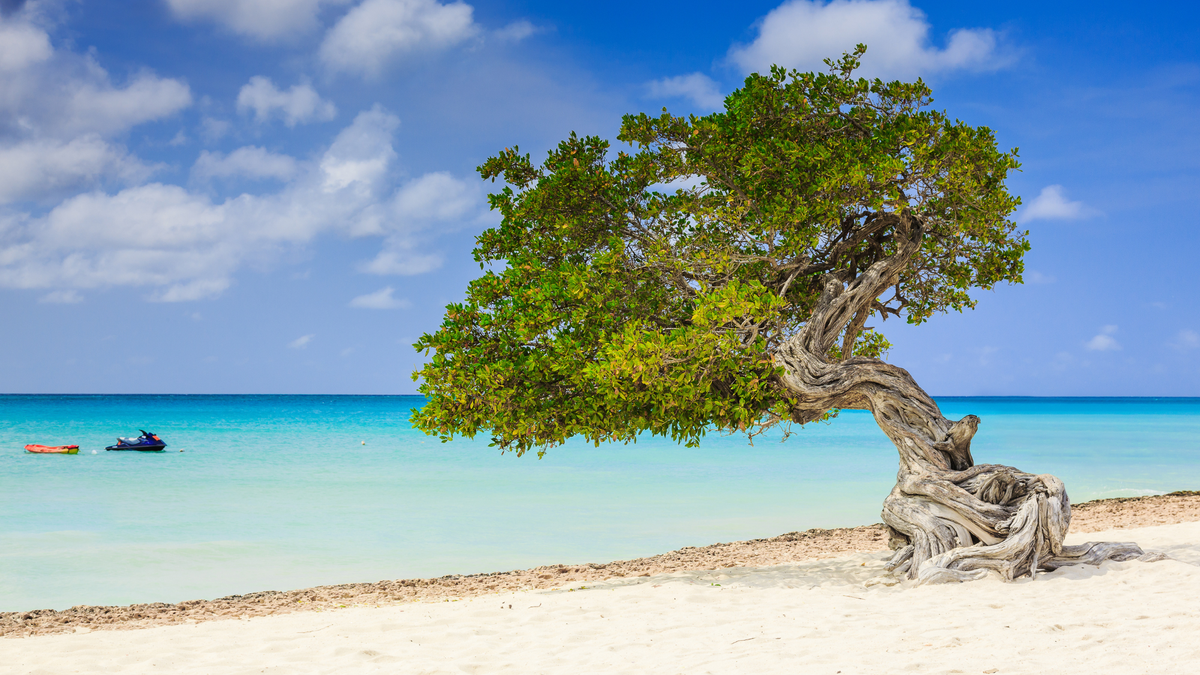
 Jetsetter Alerts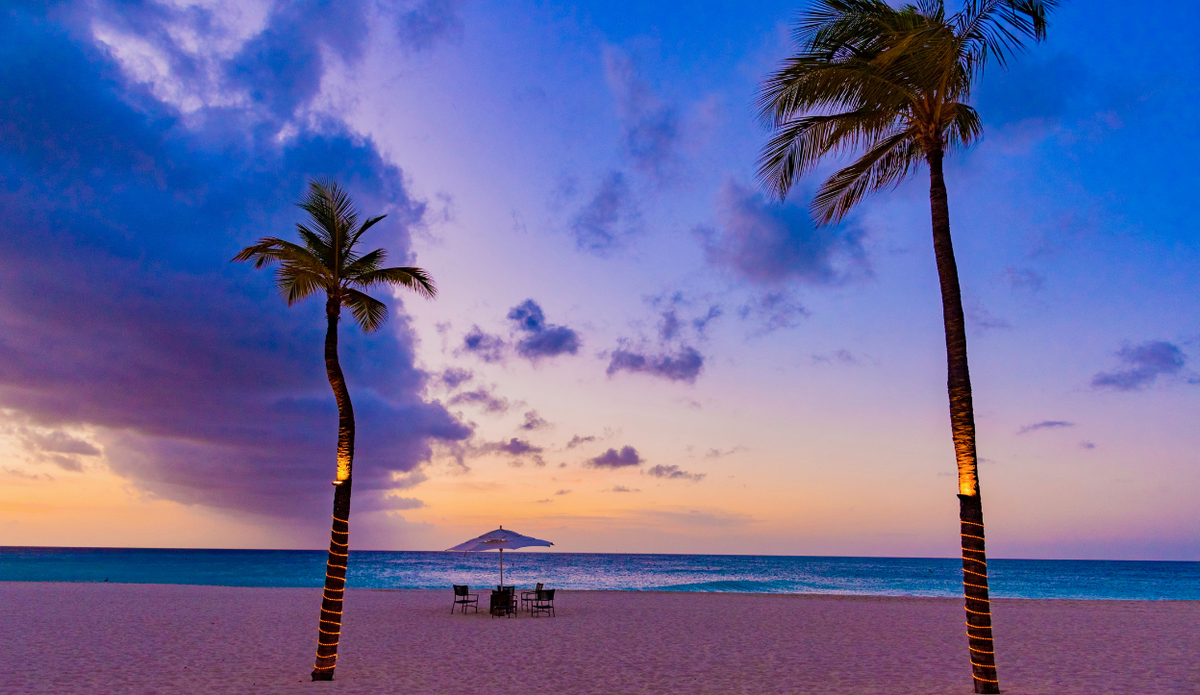
 Jetsetter Alerts