
Top Outdoor Destinations in Hungary For Nature Lovers
Discover Hungary's best destinations for outdoor lovers to explore.
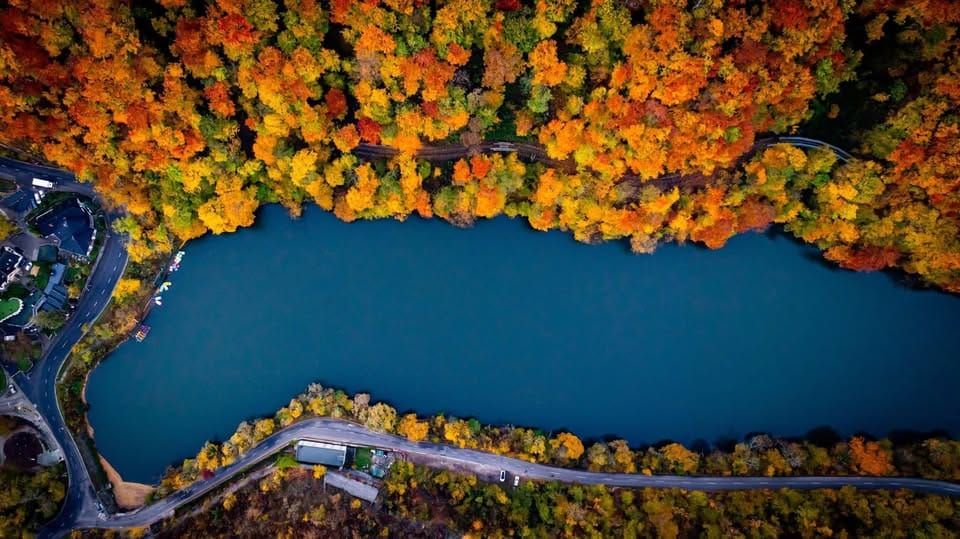
Hungary may be famous for Budapest, castles, and thermal baths, but it is also a strong outdoor destination for hikers, paddlers, campers, birdwatchers, and lake lovers.
This guide organizes Hungary’s best nature spots by category, so readers can quickly find the top rivers, lakes, national parks, hiking trails, camping bases, mountain escapes, caves, waterfalls, and wildlife areas for an outdoor-focused trip.
Need help planning your trip? Check out our complete Hungary Travel Guide.
Waterways For Kayaking, Canoeing, Swimming And Scenic Trips
Danube River And The Danube Bend
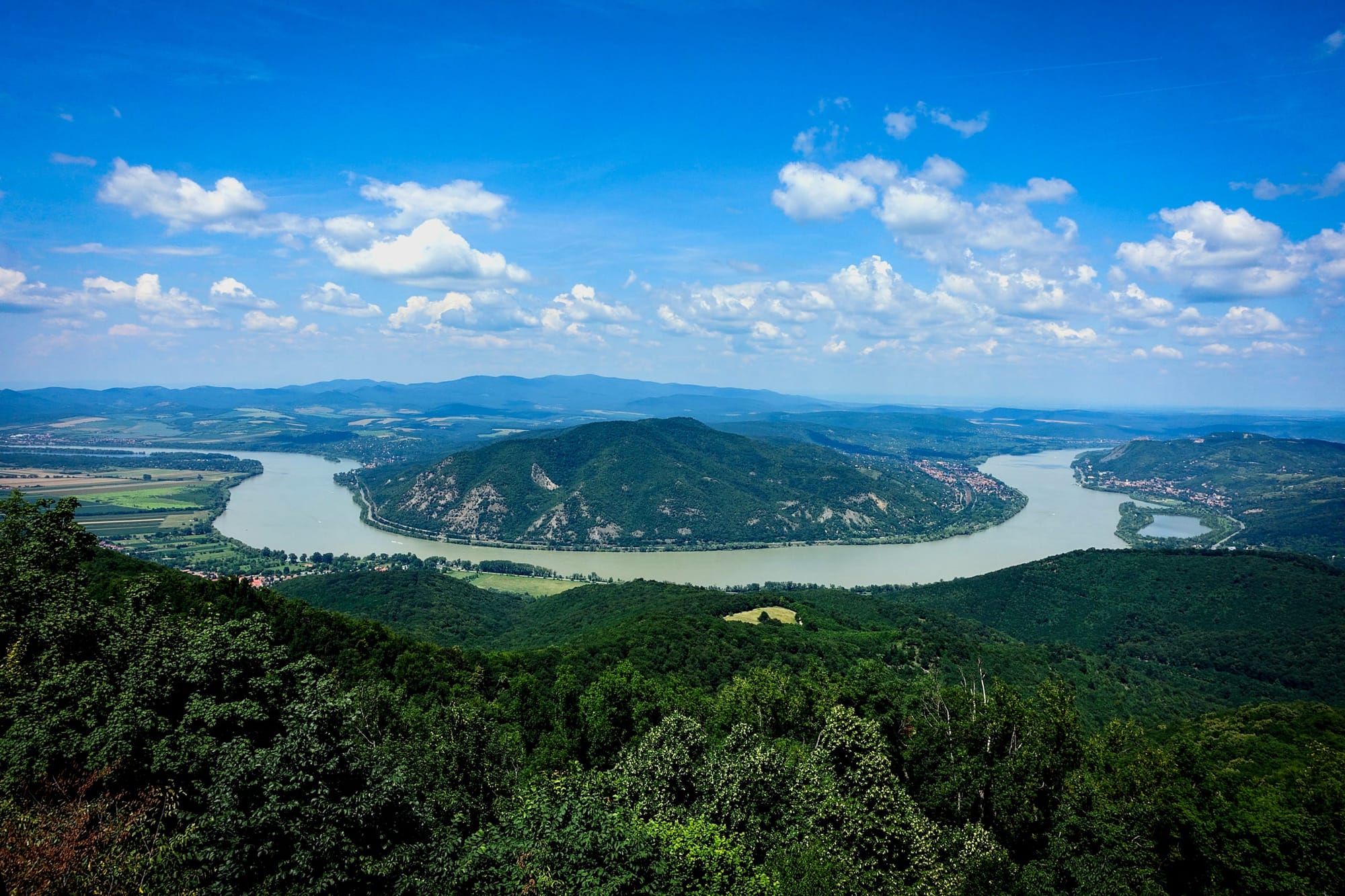
The Danube is Hungary’s most famous river and one of the best places to combine outdoor scenery with historic towns. The Danube Bend near Visegrád, Esztergom, Nagymaros, and Szentendre is especially beautiful, with forested hills, castle views, islands, and riverside villages. It is a top choice for kayaking, canoeing, boat trips, cycling along the river, and scenic hiking from nearby lookouts. For travelers staying in Budapest, the Danube also connects naturally with a walk along the Danube Promenade. Visit Hungary highlights the Danube Bend as one of the country’s great active travel areas, with hiking trails and river-based routes close to the capital.
Szigetköz And The Mosoni-Danube
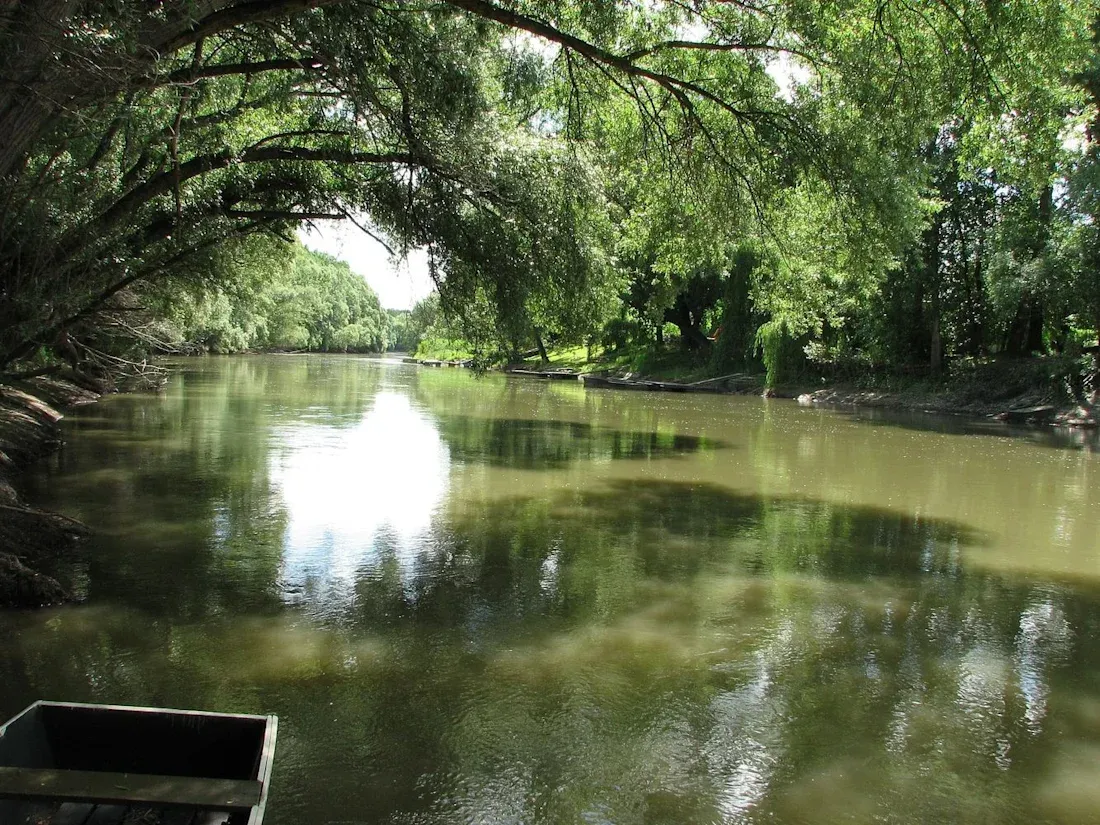
Szigetköz is one of Hungary’s best paddling regions, located in the northwest near Győr, where the Danube breaks into islands, side channels, and quiet waterways. It is ideal for canoeing, kayaking, cycling, birdwatching, and relaxed camping-style trips. Visit Hungary notes that Szigetköz has more than 800 kilometers of waterways and a cycle path along the Danube shoreline, making it one of the strongest outdoor regions in western Hungary.
Tisza River And Upper Tisza
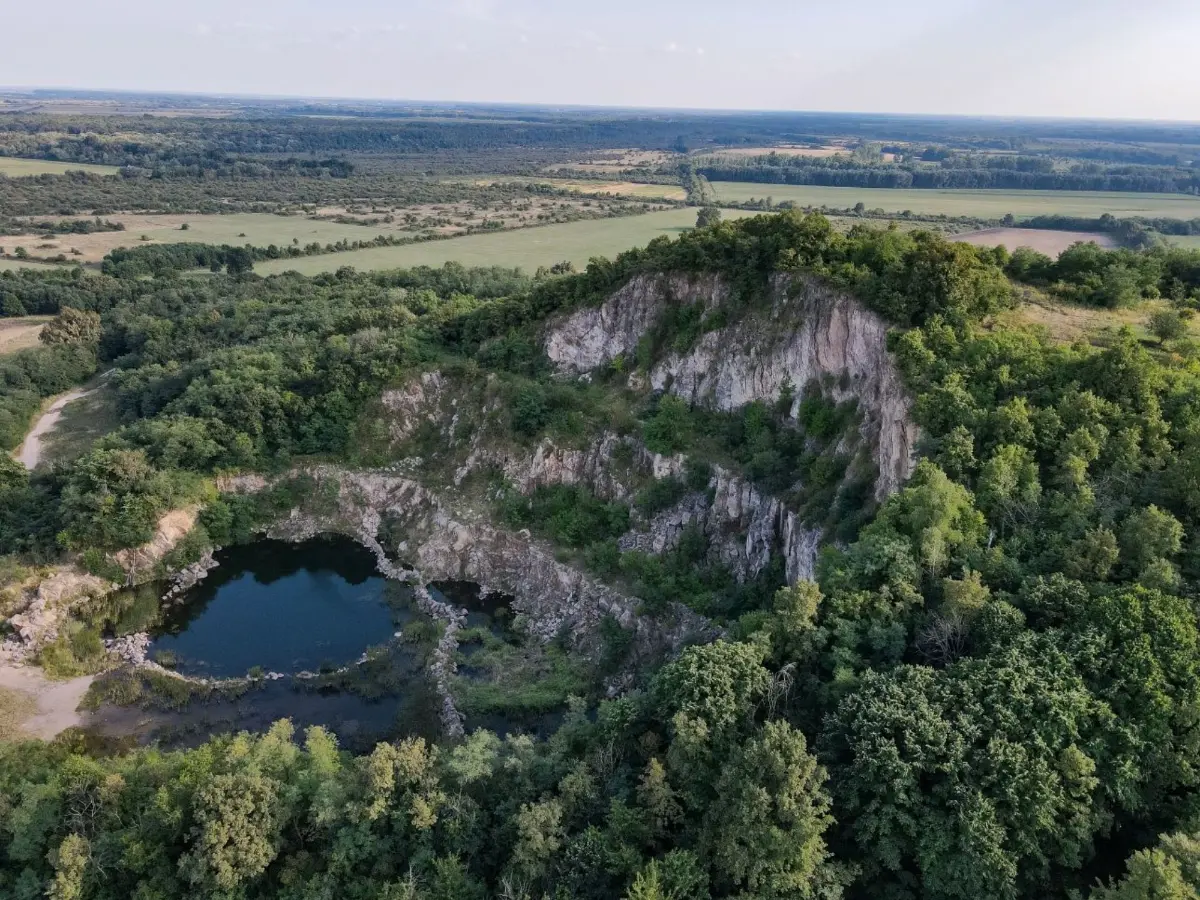
The Tisza is one of Hungary’s best rivers for slower, nature-focused water travel. It is especially good for canoeing, kayaking, riverside camping bases, birdwatching, and multi-day paddling routes. The Upper Tisza feels wilder and more rural than the Danube, making it a better fit for travelers who want quiet water, villages, forests, and a less polished outdoor experience. Visit Hungary includes the Upper Tisza among the country’s notable water touring routes for rowers, canoeists, and kayakers.
Dráva River
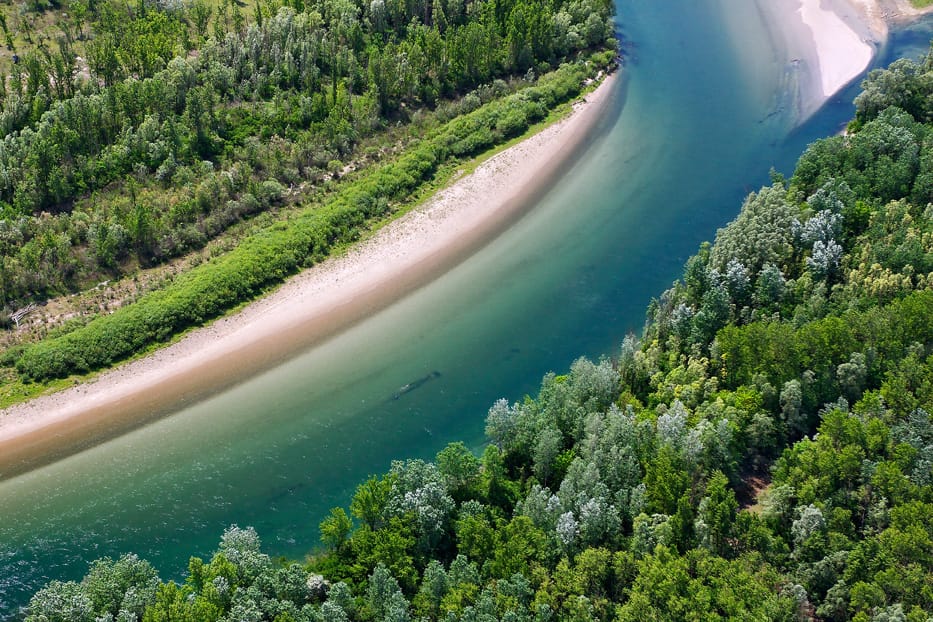
The Dráva is one of Hungary’s most natural-feeling river landscapes, flowing along the southern border region. It is best for canoeing, kayaking, floodplain forests, wildlife, and travelers who want a more remote nature experience. Because parts of the river run through protected landscapes near Duna-Dráva National Park, this is a good choice for guided eco-tours rather than casual urban-style paddling. Visit Hungary lists the Dráva among Hungary’s water tour routes, and Hungary’s national park network describes Duna-Dráva National Park as a river-wilderness experience.
Körös Rivers
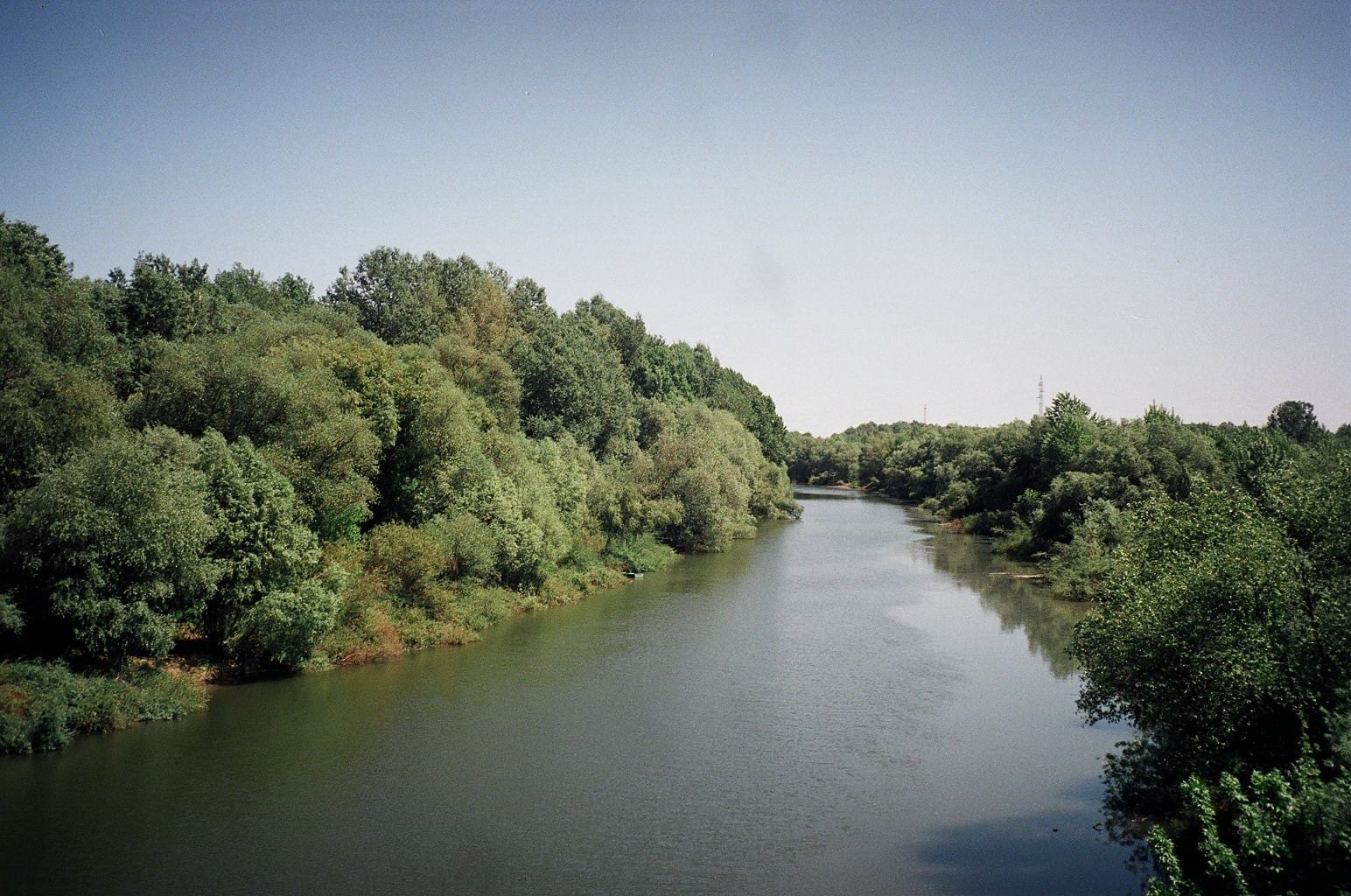
The Körös rivers in southeastern Hungary are excellent for calm kayaking and canoeing, especially around oxbow lakes, backwaters, and rural wetlands. This is a good region for nature lovers who want easy paddling, fishing villages, quiet banks, and birdlife rather than mountain scenery. Visit Hungary specifically mentions exploring the Körös rivers and the Living Water Canal by kayak or canoe, with Szanazug and the Szarvas Arboretum among the nearby outdoor highlights.
Bodrog And Bodrogköz
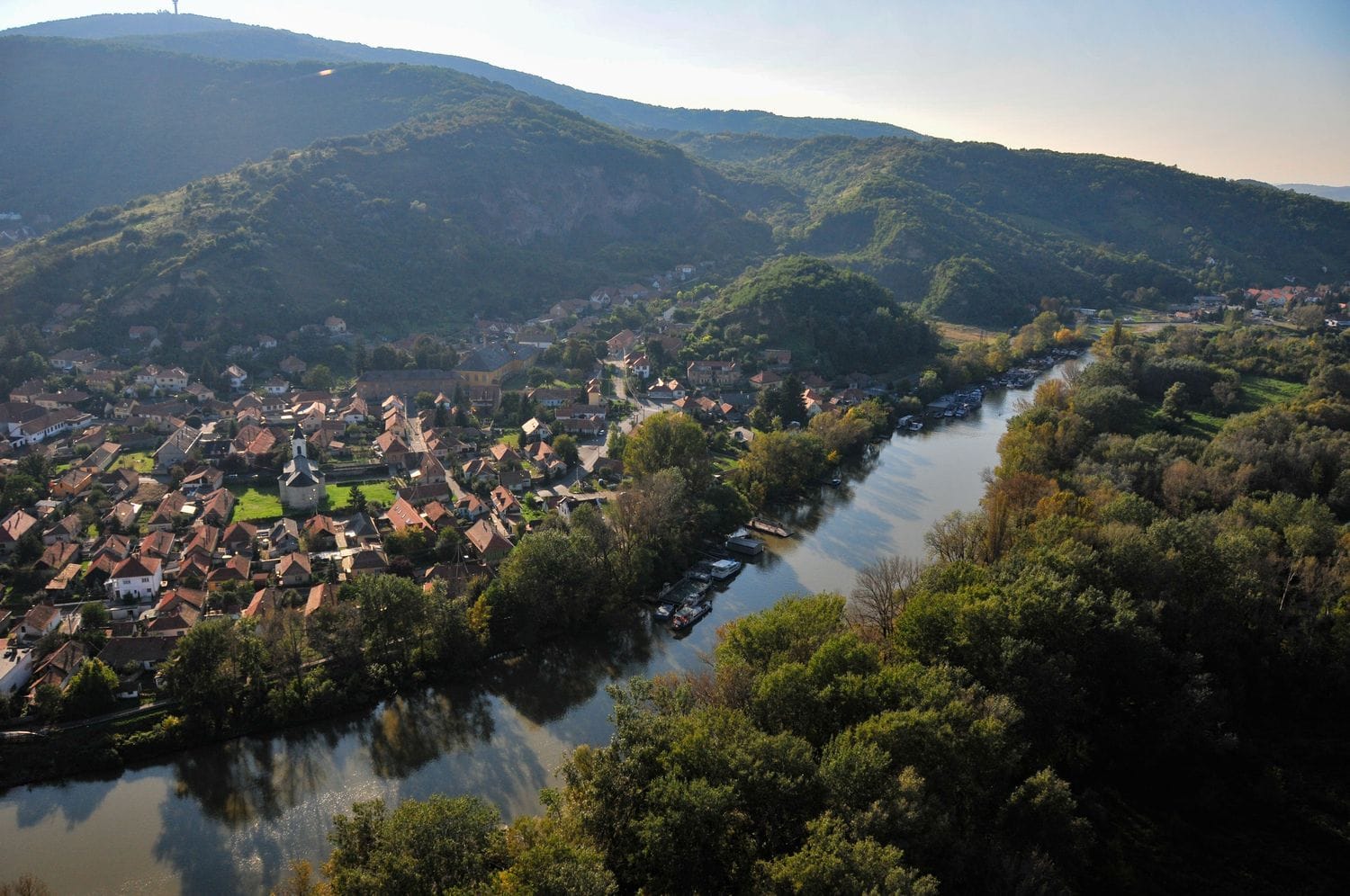
The Bodrog and Bodrogköz region near Tokaj is a strong choice for paddlers who want water, wine country, wetlands, and slow travel in northeastern Hungary. The area works especially well for canoeing, birdwatching, and pairing nature with Tokaj’s historic wine region. Visit Hungary includes Bodrogköz among Hungary’s water tour areas for canoeists and kayakers.
Rába River
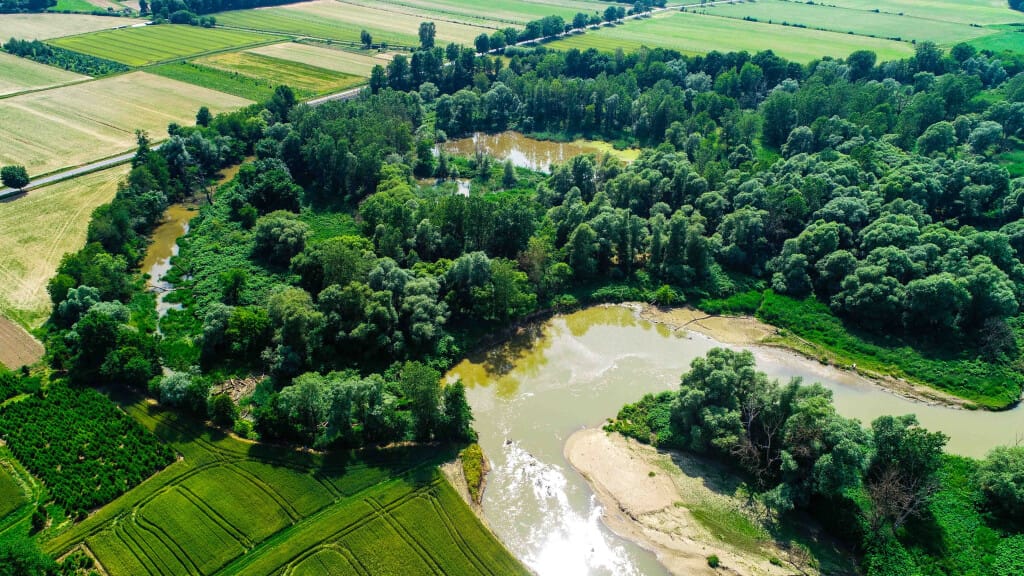
The Rába is a good option for travelers looking for a more active river trip in western Hungary. It is better suited to paddlers who want a livelier river feel than the calm lake and backwater routes. The river also pairs well with western Hungary itineraries that include Őrség, Kőszeg, Sárvár, or Győr.
Lake Balaton
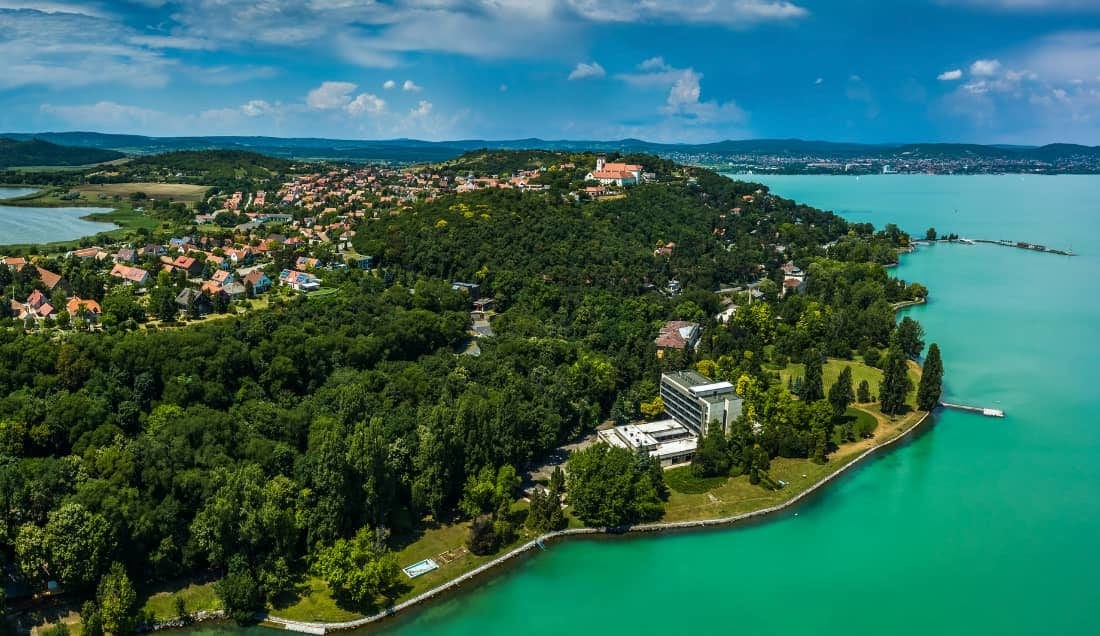
Lake Balaton is Hungary’s most famous lake and the country’s classic summer nature destination. It is best for swimming, sailing, stand-up paddleboarding, cycling, camping, lakeside towns, and hiking on the northern shore. Nature lovers should focus especially on the Tihany Peninsula, Badacsony, the Káli Basin, the Keszthely Hills, and Balaton Uplands National Park. Visit Hungary describes Balaton as a year-round outdoor destination, and National Geographic’s Hungary travel coverage notes that the lake is surrounded by beaches and watersports areas.
Lake Tisza
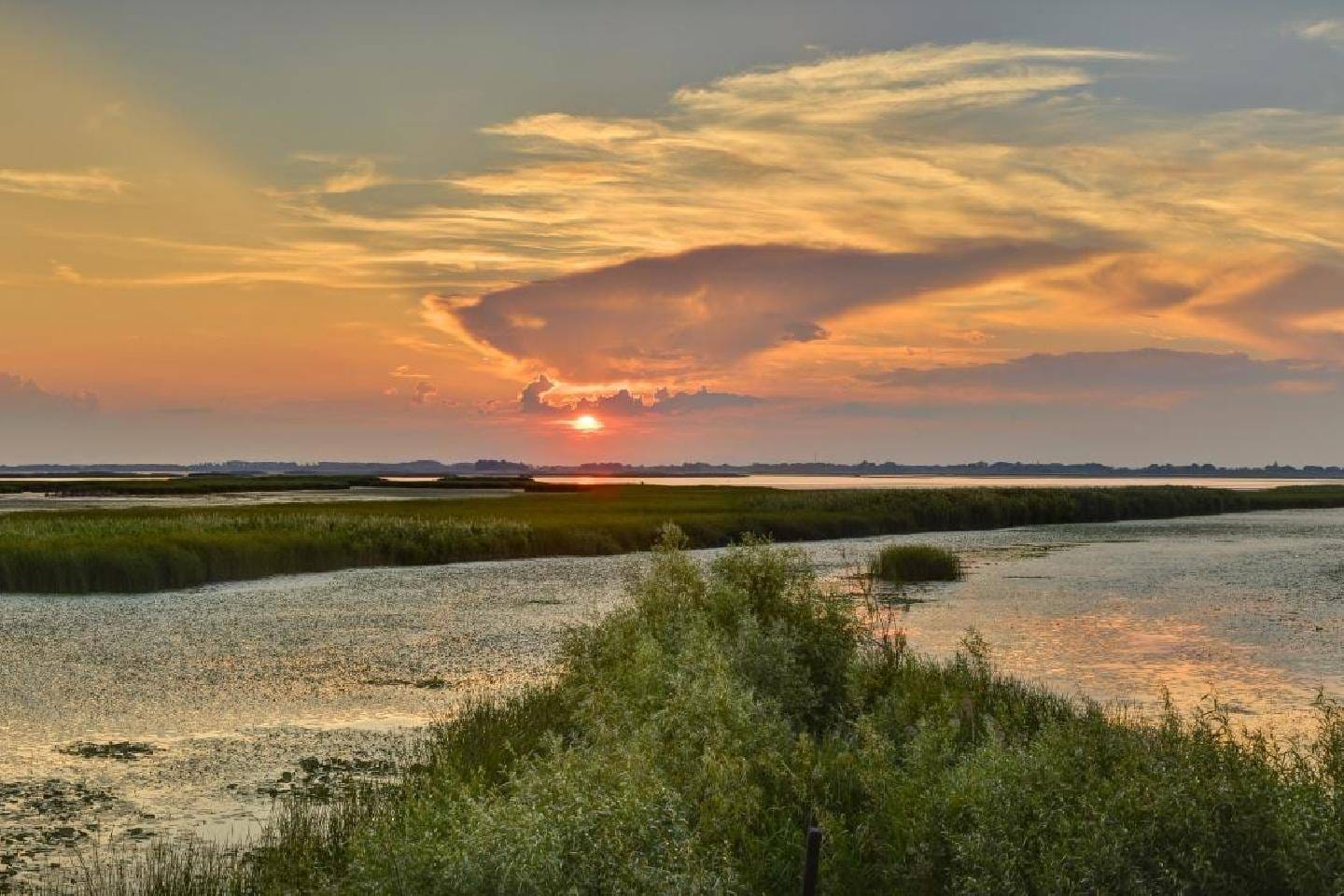
Lake Tisza is one of the best places in Hungary for kayaking, canoeing, birdwatching, fishing, and quiet lake escapes. It has reedbeds, lagoons, islands, boardwalks, and nature trails, making it feel more wild and exploratory than Lake Balaton. The Lake Tisza Boardwalk lets visitors walk through reeds and lagoons with species-rich birdlife, while Visit Hungary notes that the lake is excellent for canoe trips, hiking, birdwatching, and photography.
Lake Velence
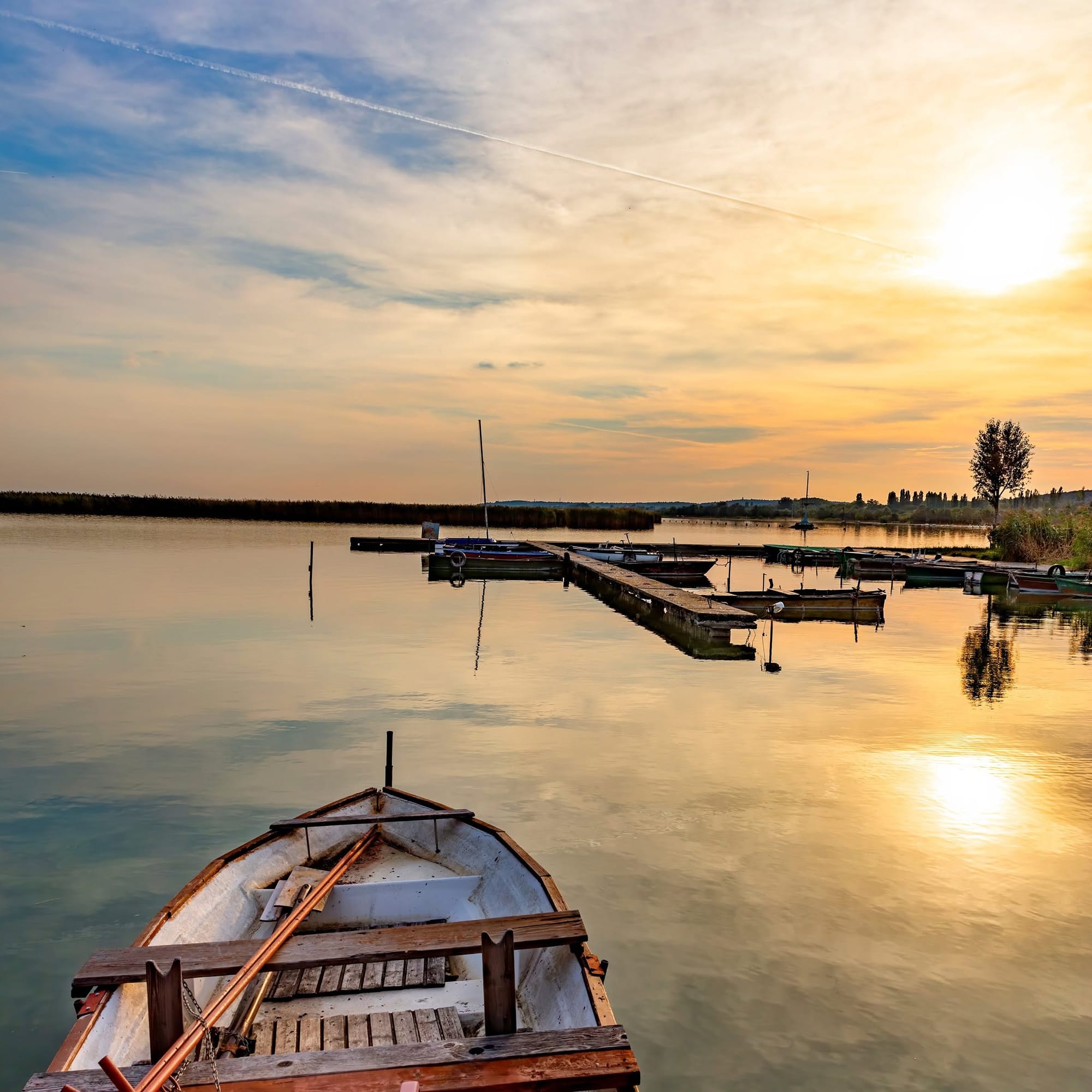
Lake Velence is one of the easiest lake escapes from Budapest. It is popular for swimming, cycling, birdwatching, and simple weekend outdoor breaks. The lake is smaller and more relaxed than Balaton, which makes it a good fit for travelers who want water scenery without committing to a full Balaton itinerary.
Lake Fertő / Neusiedl
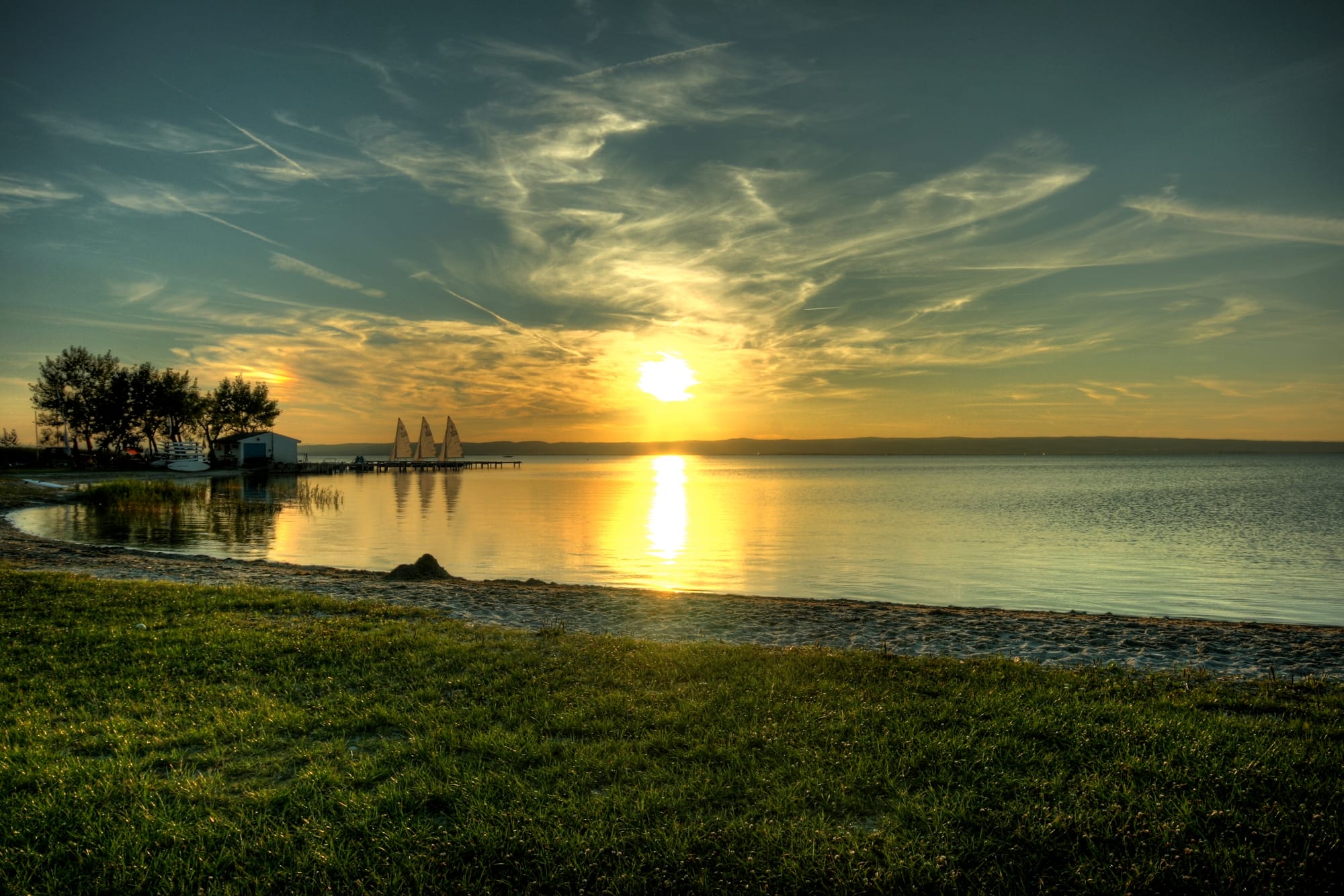
Lake Fertő, shared with Austria, is one of Hungary’s best lake areas for birdwatching, cycling, reedbed scenery, and open-sky landscapes. It is especially appealing for travelers visiting Sopron or Fertő-Hanság National Park. Visit Hungary promotes birdwatching in Fertő-Hanság National Park, and the Hungarian national parks network describes the area as a realm of wild geese.
Lake Hévíz
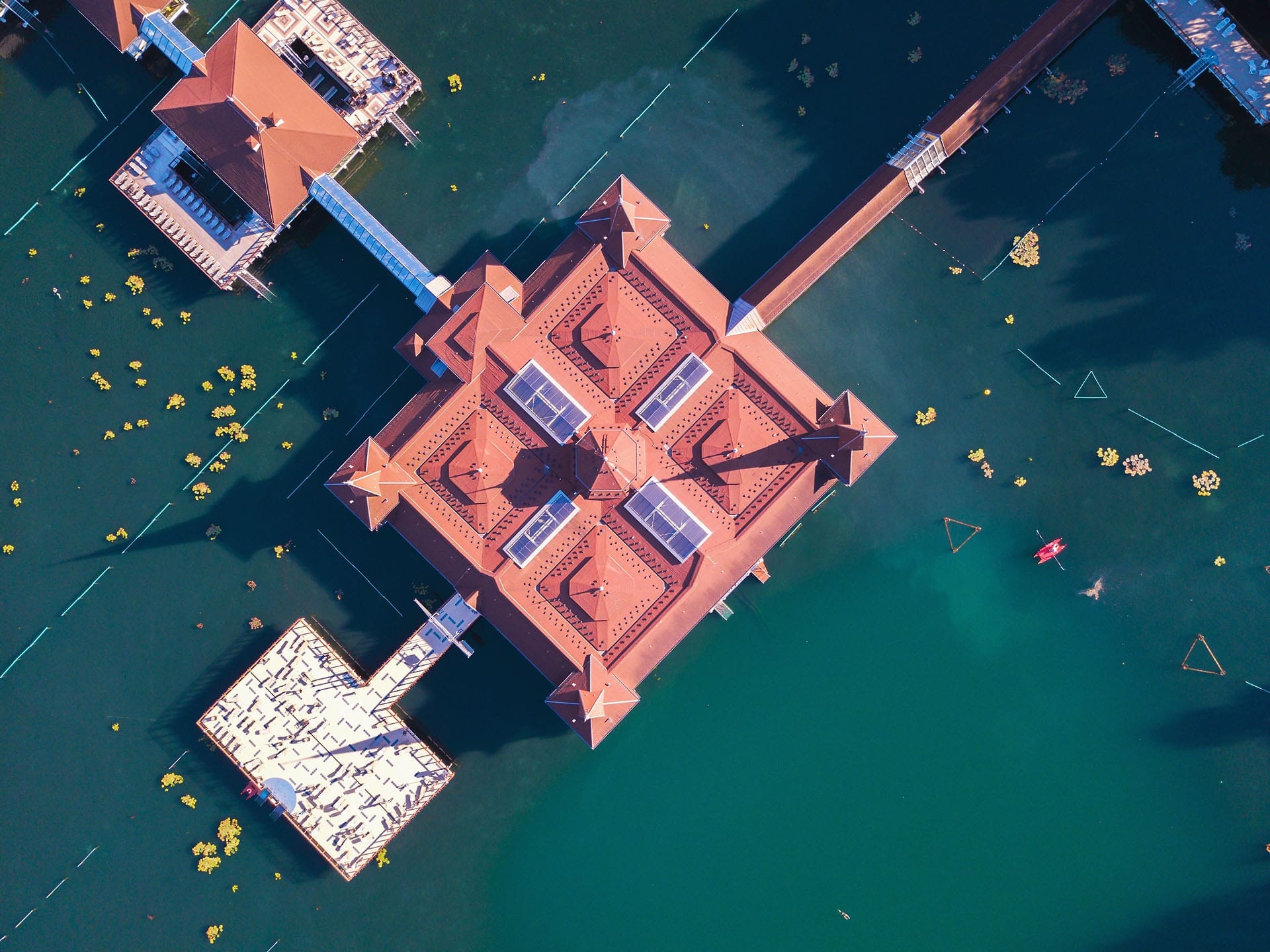
Lake Hévíz is more of a thermal nature experience than a kayaking or camping destination, but it belongs on this list because it is one of Hungary’s most unique water sights. Steam rising from warm water, floating water lilies, and the surrounding spa-garden atmosphere make it a memorable nature-and-wellness stop near Lake Balaton.
Lake Hámori
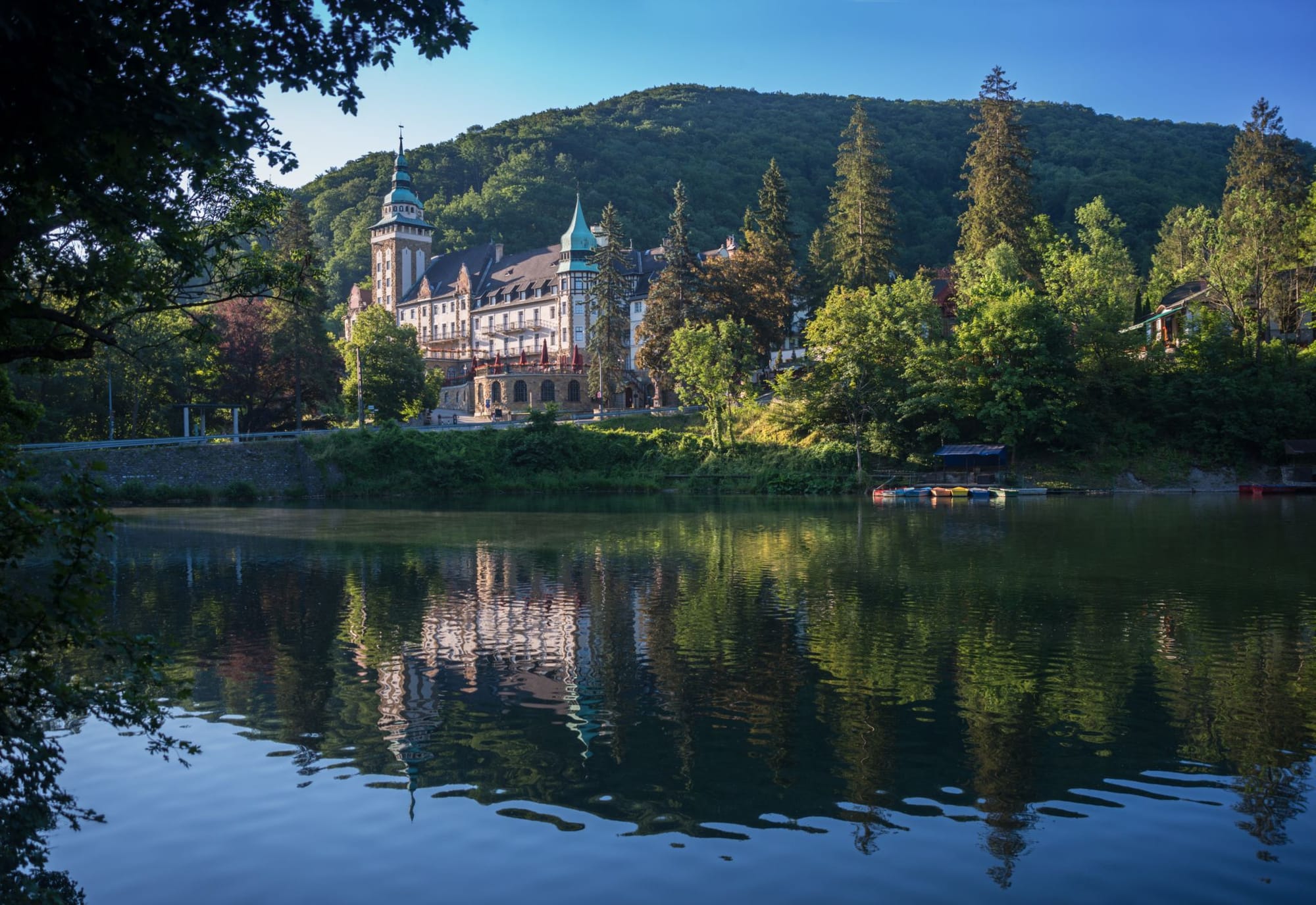
Lake Hámori in Lillafüred is one of Hungary’s most beautiful mountain lake settings. It is surrounded by forested slopes, walking paths, caves, gardens, and the palace-like Palotaszálló hotel. It is best for scenic walks, boating, photography, and combining a lake visit with the Bükk Mountains.
Megyer-hegy Tarn
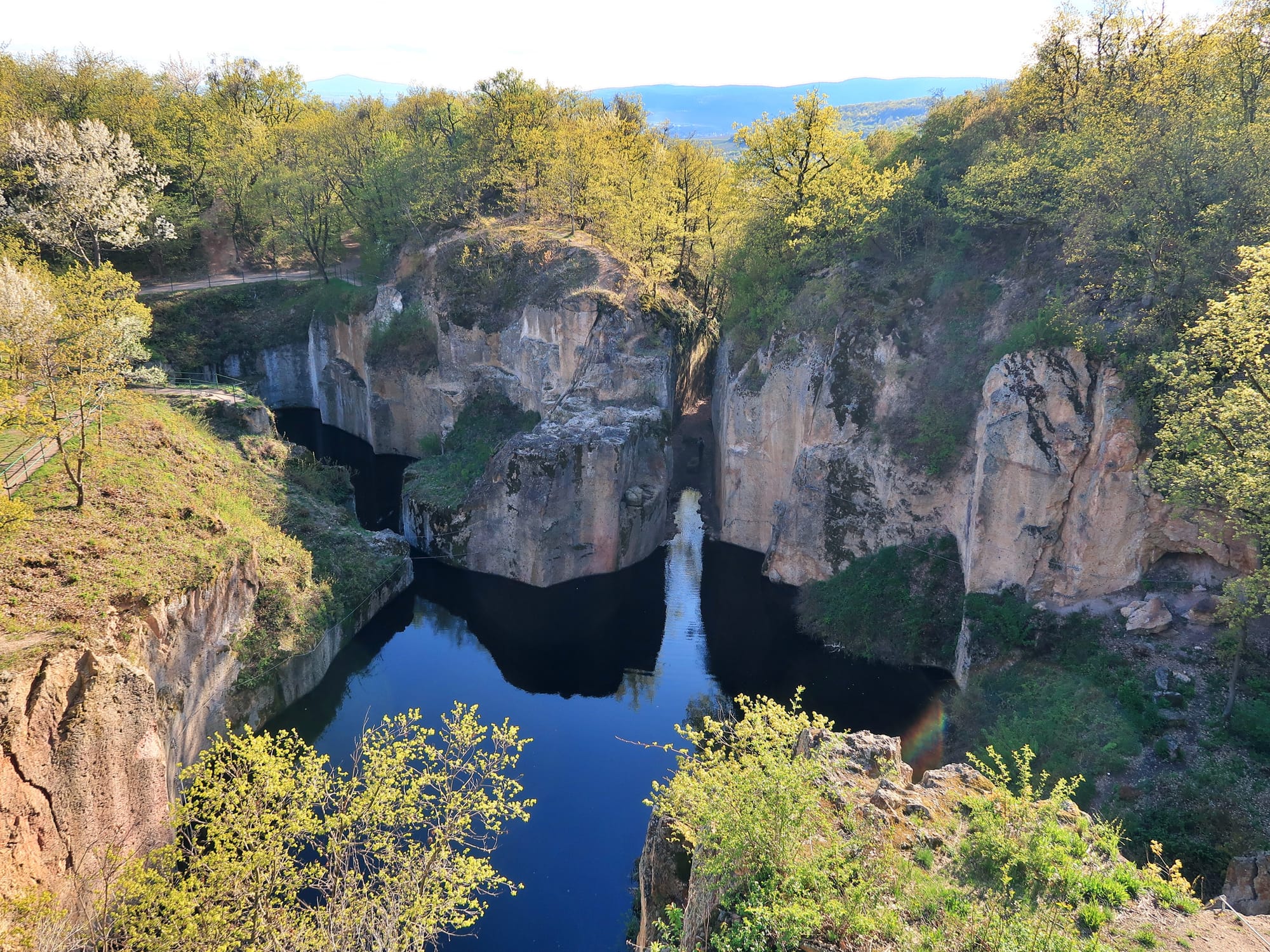
Megyer-hegy Tarn near Sárospatak is one of Hungary’s most photogenic small lakes. The water sits inside an old quarry-like rock basin, creating a dramatic natural amphitheater. It is best for hiking, photography, picnics, and travelers exploring the Zemplén region. Tripadvisor reviews frequently describe it as a secluded walk with birdlife, picnic spots, and a beautiful hidden setting near Sárospatak.
Bokodi Lake
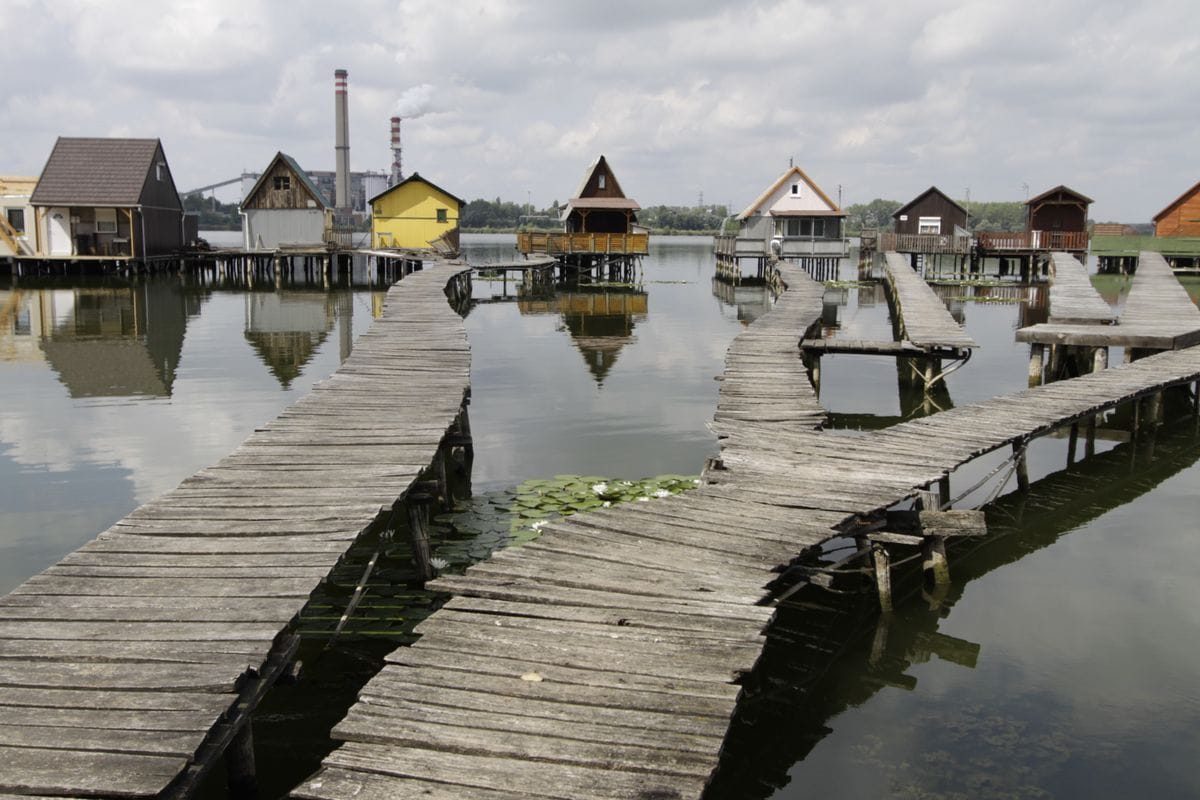
Bokodi Lake is known for its stilted fishing cabins and long wooden walkways over the water. It is not a classic wilderness lake, but it is one of Hungary’s most unusual waterside photography spots. It works best as a short scenic stop rather than a full outdoor base.
National Parks In Hungary
Hungary has ten national parks, each protecting a different kind of landscape: caves, plains, wetlands, river forests, volcanic hills, mountains, and traditional rural regions. Hungary’s official national parks network lists Aggtelek, Balaton Uplands, Duna-Dráva, Bükk, Duna-Ipoly, Fertő-Hanság, Hortobágy, Kiskunság, Körös-Maros, and Őrség.
Hortobágy National Park
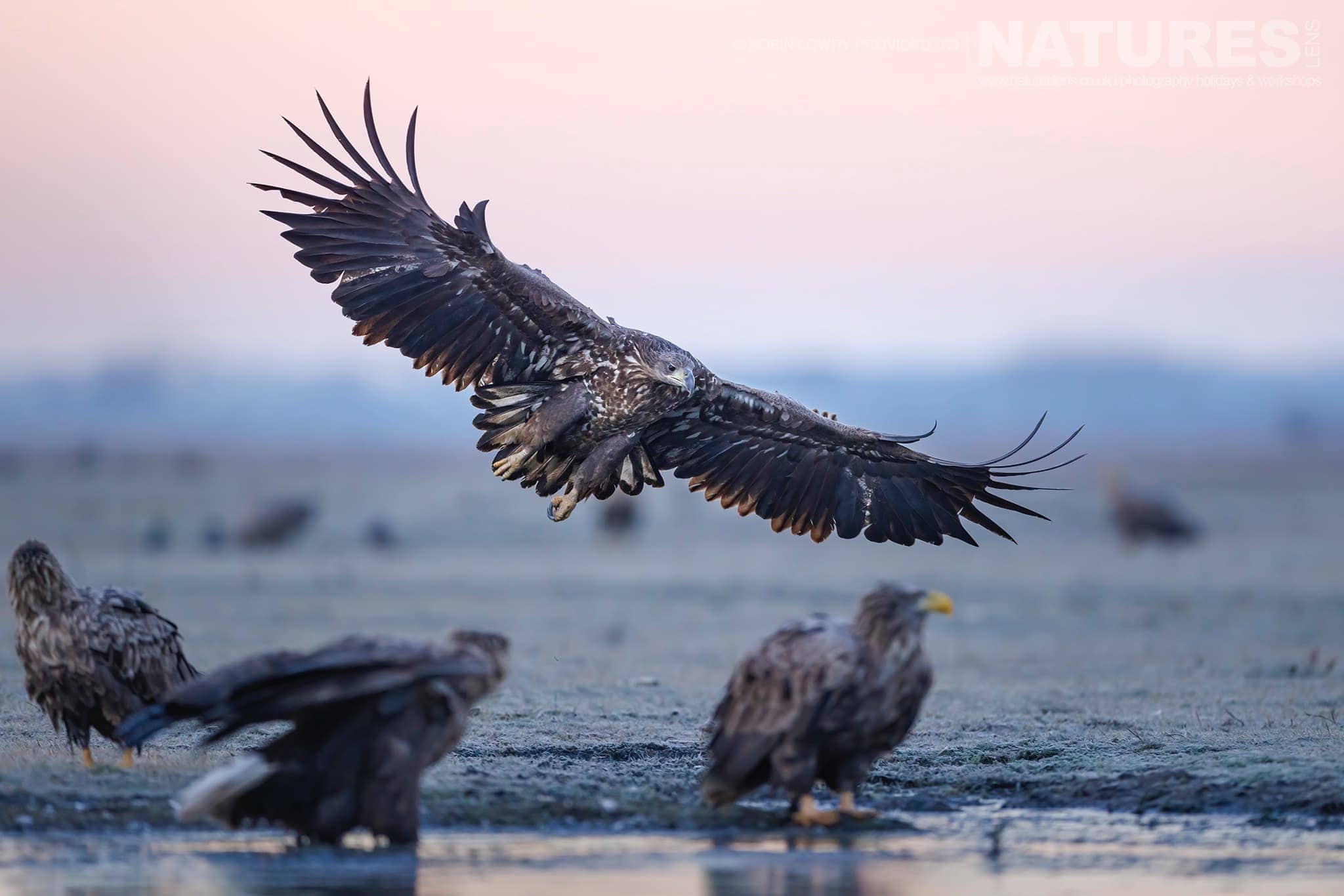
Hortobágy is Hungary’s most iconic national park for wide-open landscapes, traditional herding culture, birdwatching, grasslands, and huge skies. It is not a mountain or lake destination; its beauty is in the flatness, silence, wildlife, sunsets, and sense of space. It is especially good for birders, photographers, and travelers who want to experience the Hungarian puszta.
Aggtelek National Park
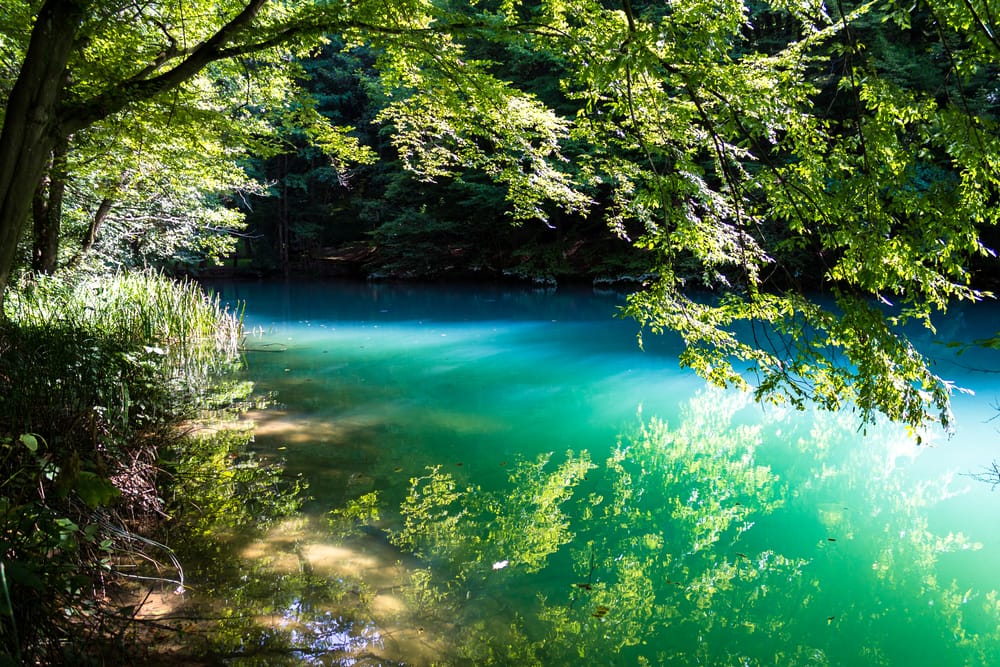
Aggtelek National Park is the top choice for cave lovers. Its biggest draw is the Baradla Cave system, part of the UNESCO-listed Caves of Aggtelek Karst and Slovak Karst. UNESCO highlights the Baradla-Domica system as a major cross-border cave network richly decorated with stalagmites and stalactites.
Balaton Uplands National Park
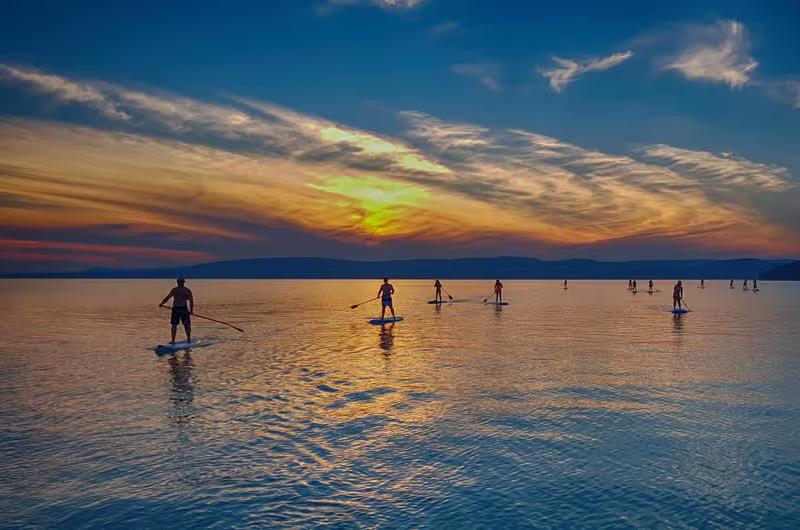
Balaton Uplands National Park is one of Hungary’s best all-around nature regions. It includes volcanic hills, basalt formations, vineyards, lake viewpoints, the Káli Basin, Tihany, and the Tapolca Lake Cave area. It is perfect for scenic hiking, cycling, geology, lake views, and outdoor travelers who want nature without being far from villages and food stops.
Bükk National Park
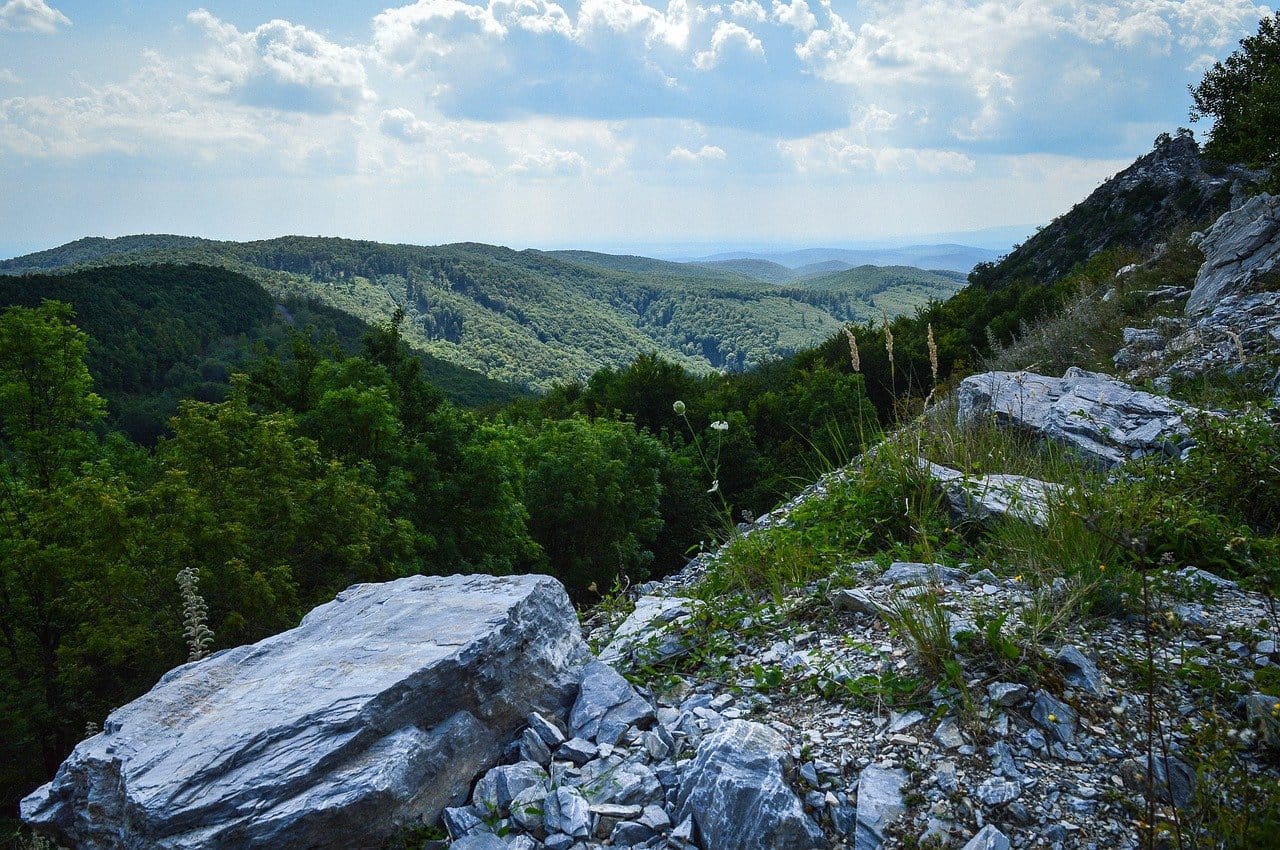
Bükk National Park is one of Hungary’s top mountain and forest areas, especially for hikers. It includes limestone plateaus, beech forests, caves, valleys, waterfalls, and scenic retreats like Lillafüred and Szilvásvárad. Visit Hungary recommends the Mátra and Bükk for summer hiking and specifically mentions Lillafüred, Szilvásvárad, and Szalajka Valley as beautiful outdoor escapes.
Duna-Ipoly National Park
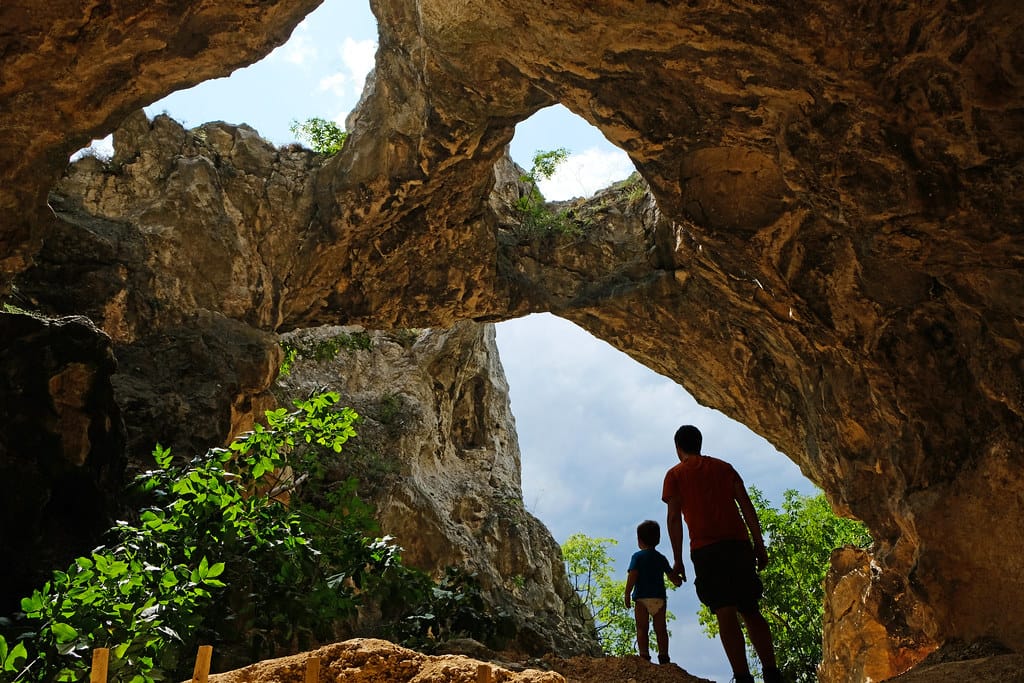
Duna-Ipoly National Park is one of the best nature areas near Budapest because it includes parts of the Danube Bend, Pilis, Visegrád Mountains, and Börzsöny landscapes. It is ideal for hiking, river views, gorges, caves, forest walks, and easy day trips from the capital.
Duna-Dráva National Park
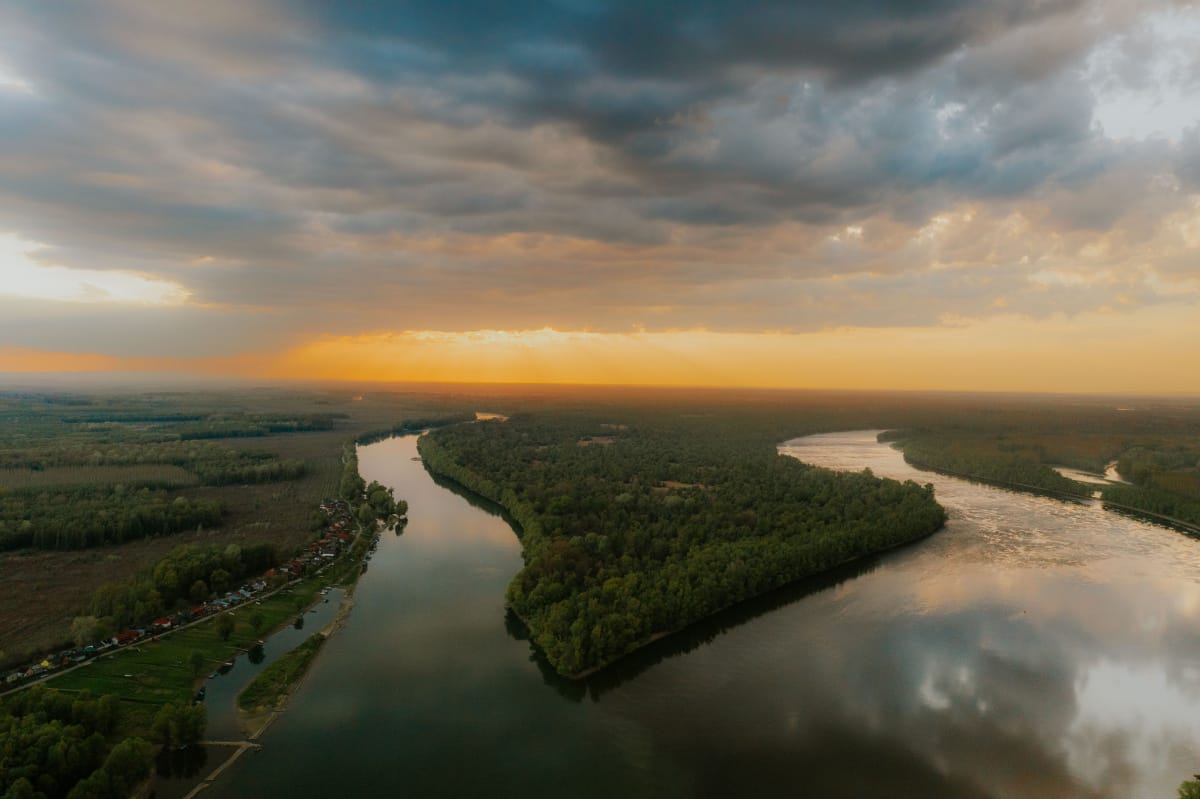
Duna-Dráva National Park protects river landscapes, floodplain forests, wetlands, and wildlife-rich habitats along southern Hungary’s major rivers. It is a strong destination for paddling, birdwatching, and travelers who want a wilder, less crowded side of Hungary.
Fertő-Hanság National Park
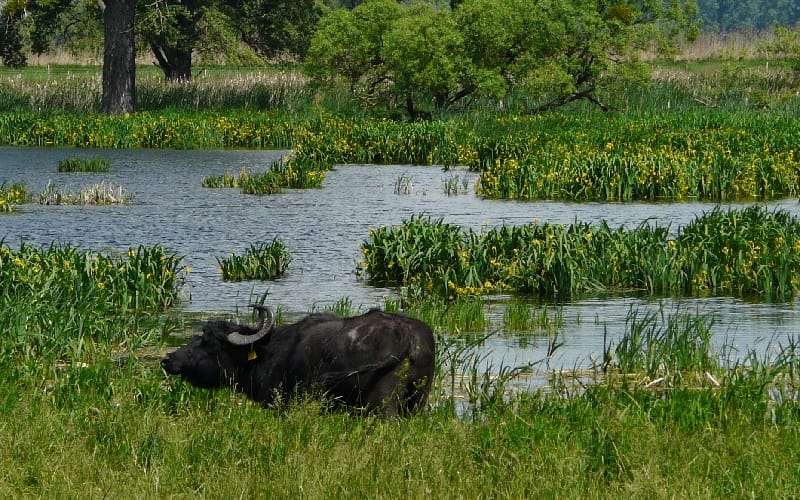
Fertő-Hanság National Park is best for birdwatching, cycling, reedbeds, lake scenery, and wild-geese landscapes near Sopron and Lake Fertő. It is a great match for travelers who enjoy flat landscapes, wetlands, and cross-border nature routes with Austria.
Őrség National Park
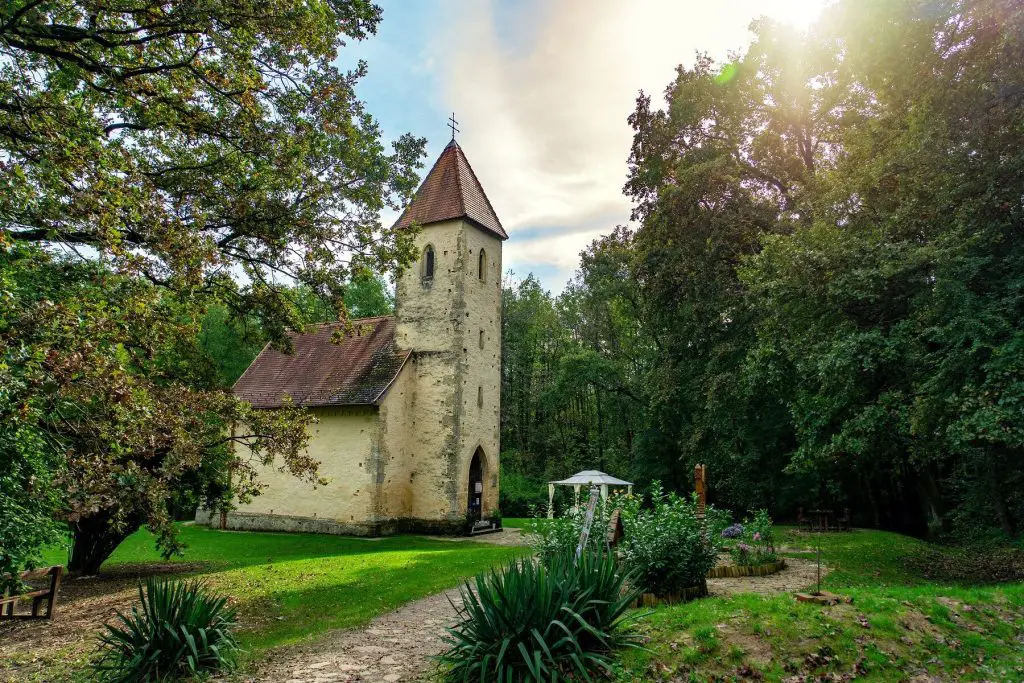
Őrség National Park is ideal for slow nature travel, forest walks, meadows, traditional villages, rural guesthouses, mushrooms, crafts, and peaceful camping-style escapes. It feels more intimate than Hungary’s dramatic national parks and is best for travelers who want countryside, culture, and quiet.
Kiskunság National Park
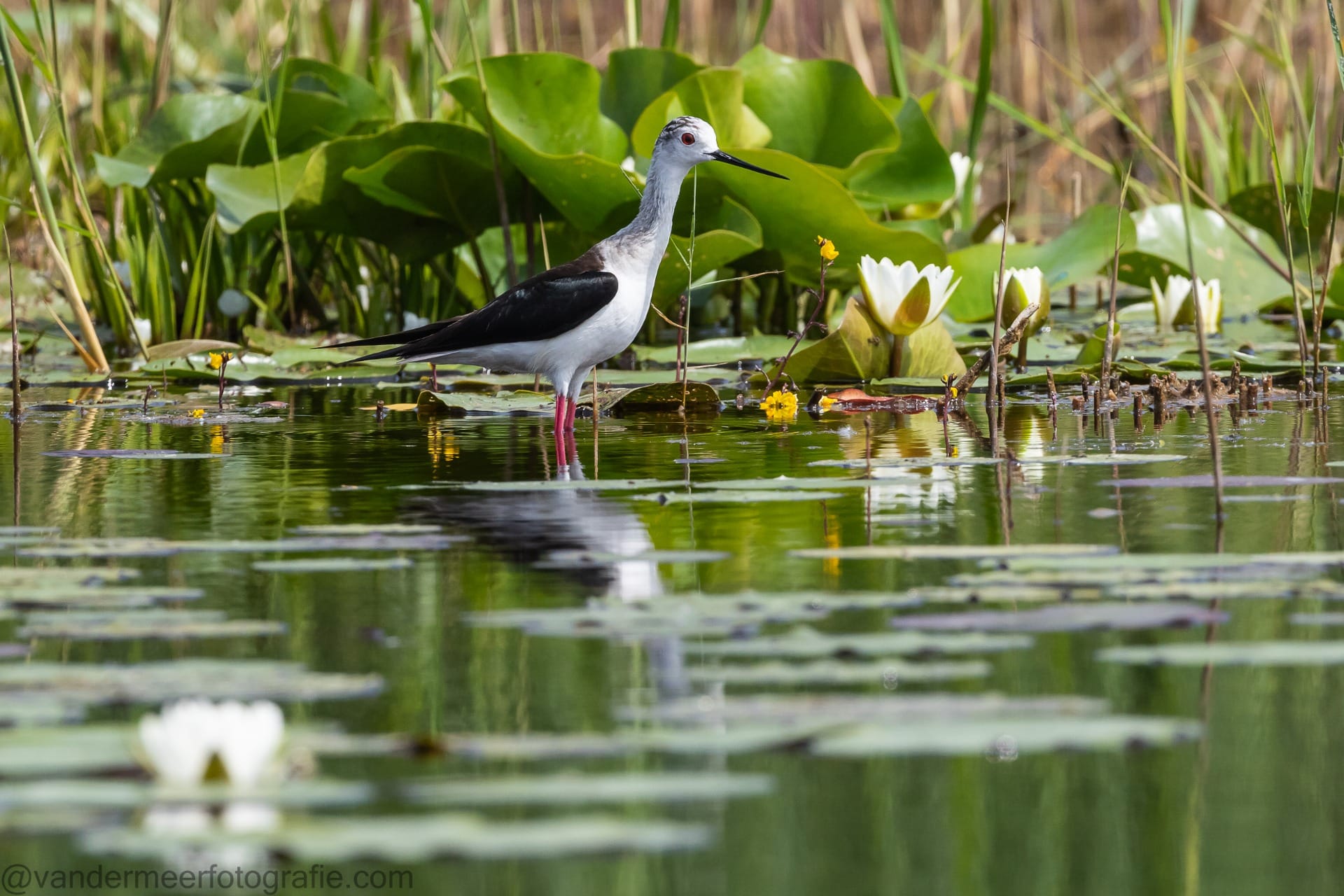
Kiskunság National Park protects sandy plains, saline lakes, grasslands, wetlands, and bird habitats between the Danube and Tisza. It is best for birdwatching, photography, horse culture, and experiencing a lesser-known Great Plain landscape.
Körös-Maros National Park
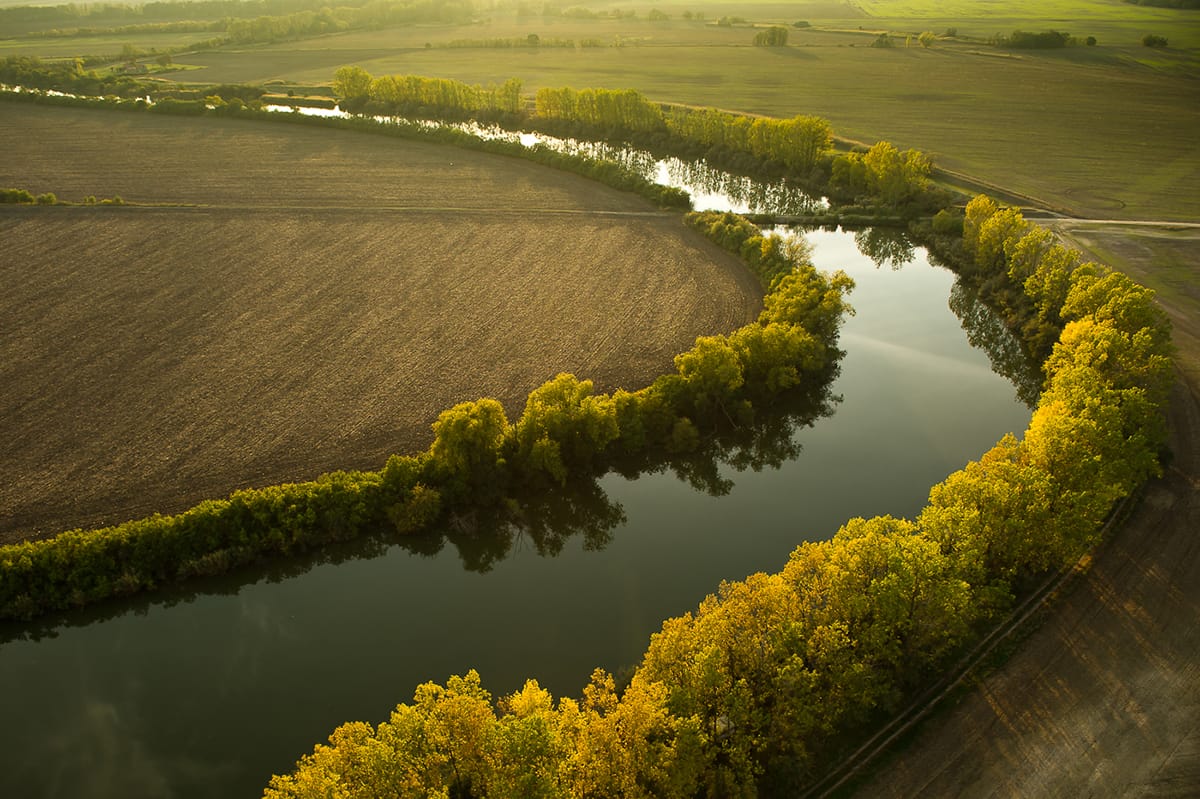
Körös-Maros National Park is one of Hungary’s best national parks for wetlands, river backwaters, steppe landscapes, and birdlife in the southeast. It pairs naturally with kayaking on the Körös rivers and nature-focused trips around Gyula, Szarvas, and Békés County.
Top Hiking Trails And Viewpoints In Hungary
National Blue Trail
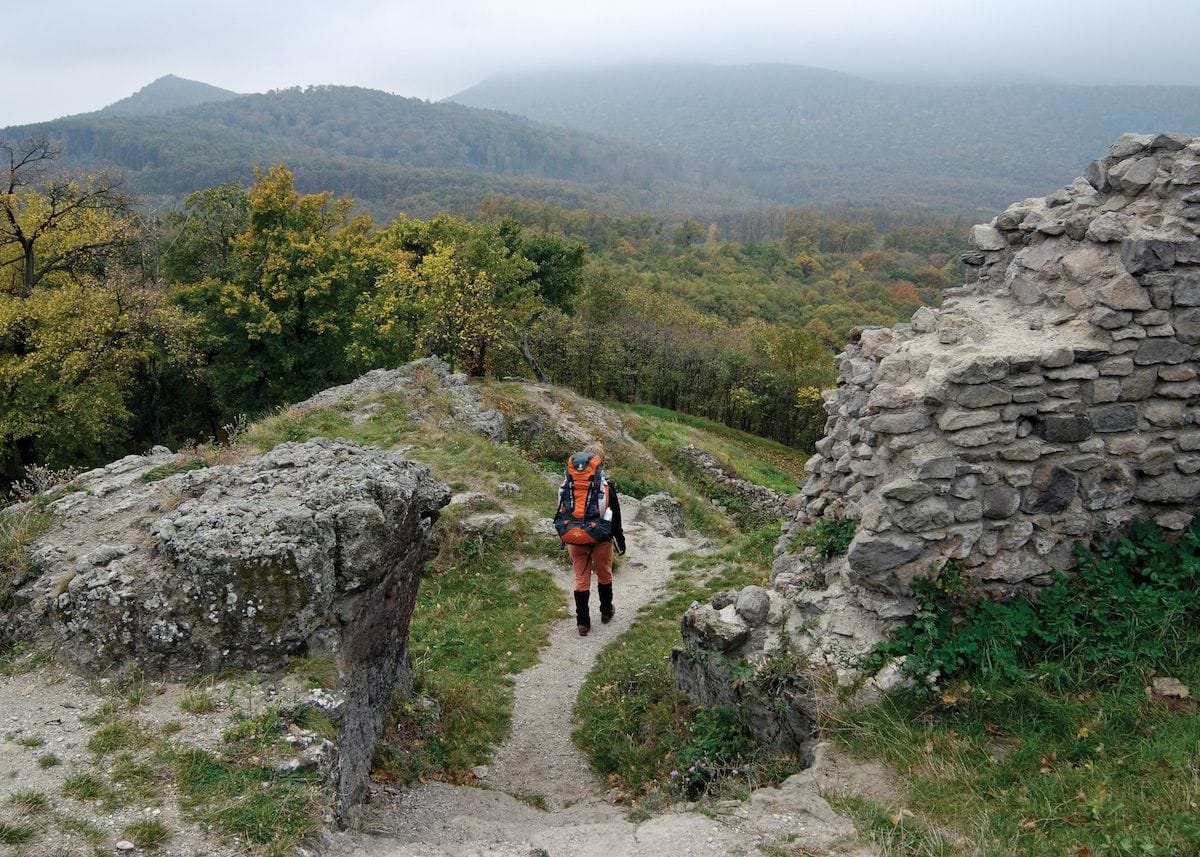
The National Blue Trail is Hungary’s most famous long-distance hiking route. It connects many of the country’s most important natural and historic regions, including northern Hungary’s mountains, Lake Balaton, and Budapest. Visit Hungary describes it as the country’s best-known hiking trail, offering variety in every season.
Prédikálószék Trail
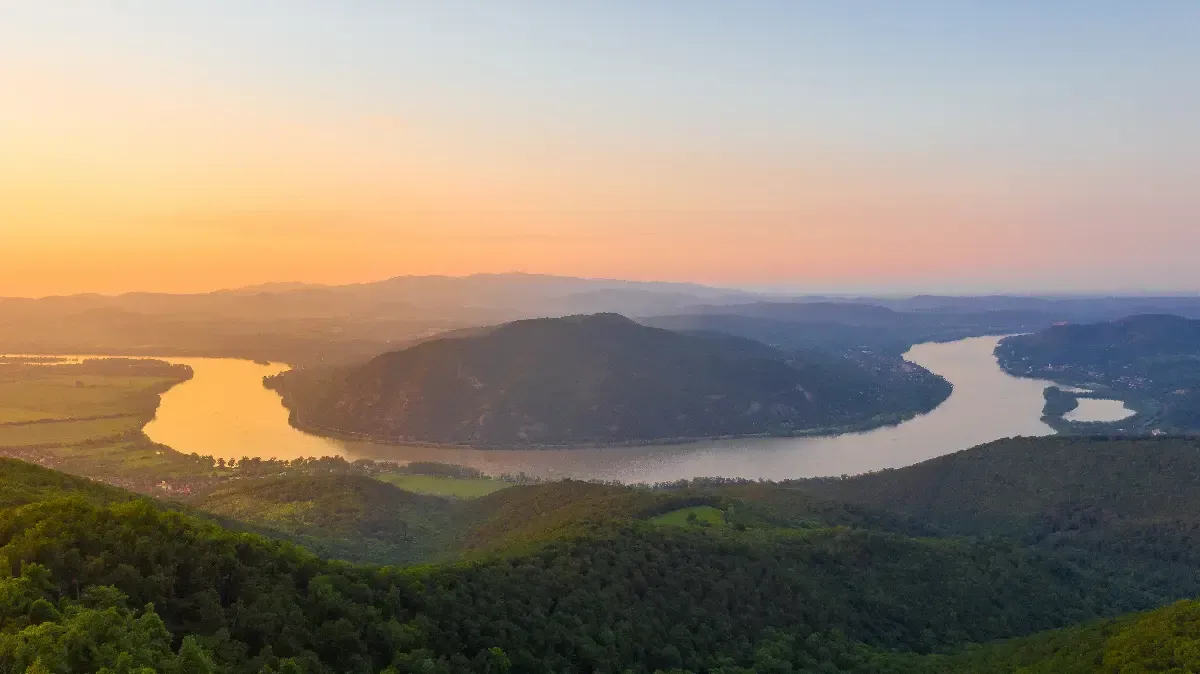
Prédikálószék is one of the best hiking viewpoints in Hungary, overlooking the Danube Bend from above. The route from Dömös is steep in sections but rewards hikers with one of the country’s most famous river panoramas. Visit Hungary lists the Prédikálószék route as a 10.6-kilometer Danube Bend hike from Dömös.
Rám Gorge
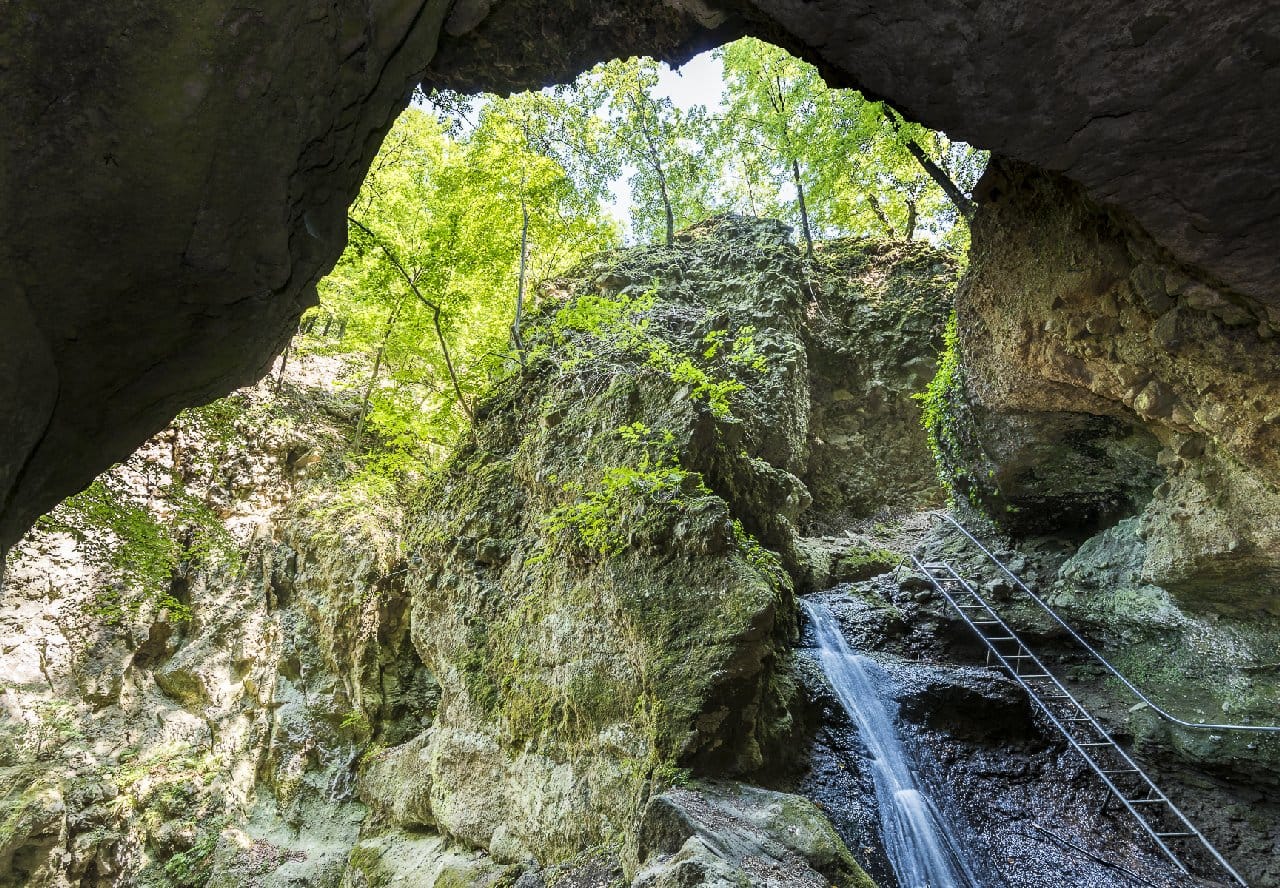
Rám Gorge is one of Hungary’s most adventurous short hikes, with ladders, narrow rock passages, and a ravine setting near Dömös. It is a great choice for hikers who want something more exciting than a normal forest path. Visit Hungary lists the Rám Gorge route as an 8.8-kilometer trail from Dömös.
Spartacus Trail
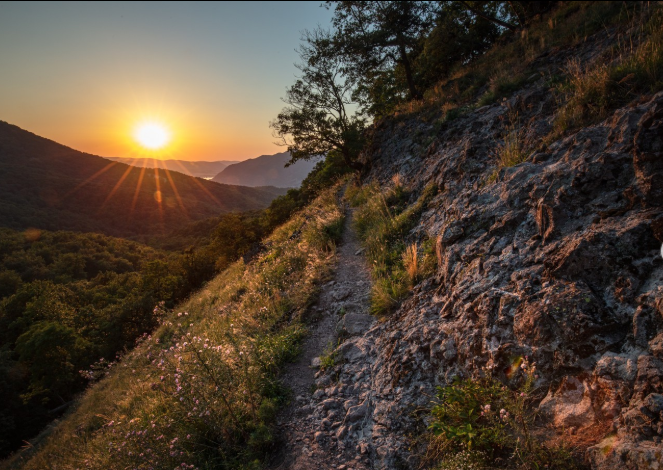
The Spartacus Trail is one of the most beloved hikes in the Visegrád Mountains. It has a wilder, narrower feel than many easier forest walks and is popular for its views, valleys, and old woodland atmosphere. Visit Hungary describes it as a 14-kilometer route starting from Pilisszentlászló with a cult-like reputation among hikers.
Galyatető
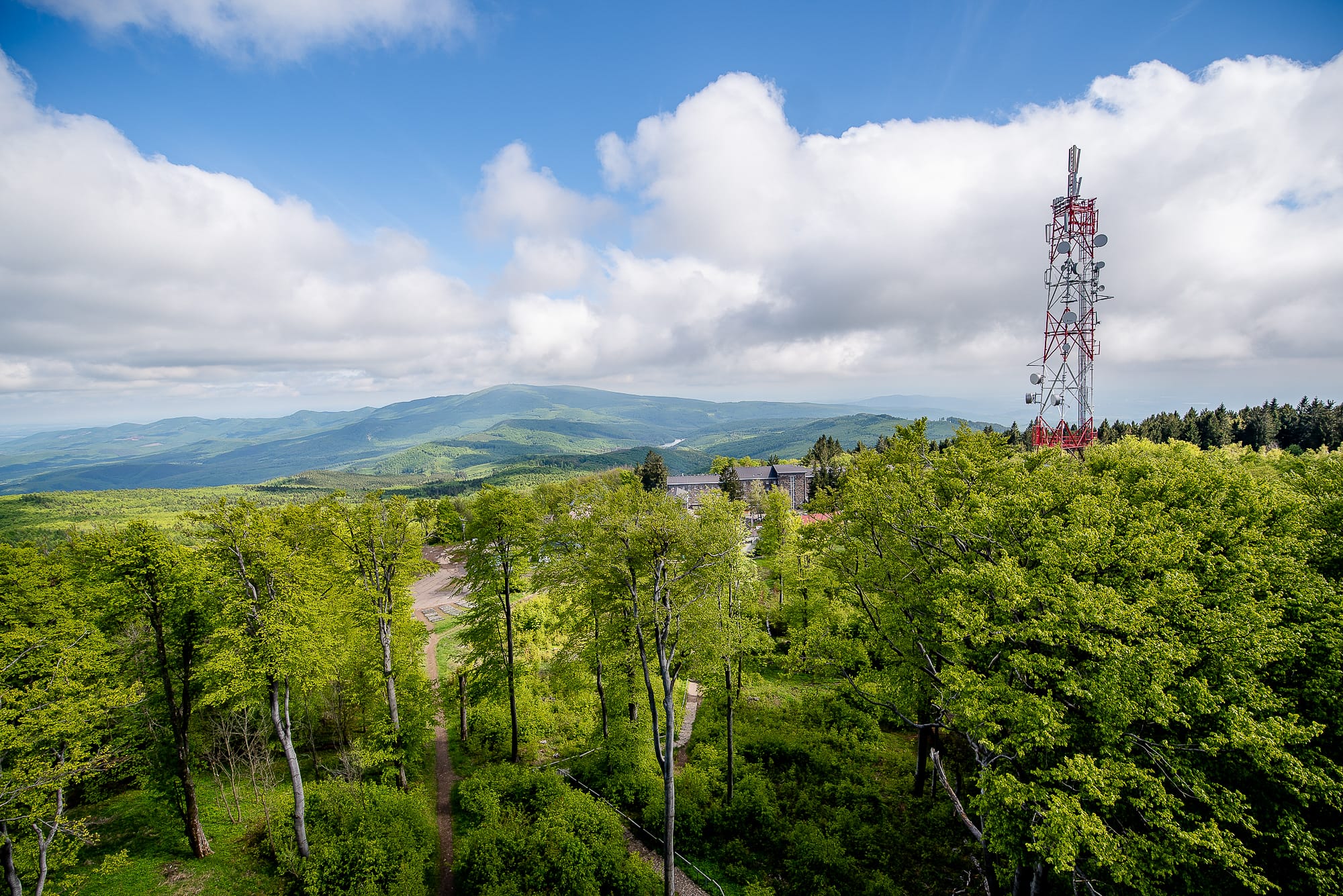
Galyatető is another major Mátra hiking base and viewpoint. It is a strong choice for hikers who want forest trails, cooler mountain air, and panoramic lookout stops without needing a technically difficult route. Visit Hungary describes Galyatető as Hungary’s second-highest point and a good hiking destination for nature enthusiasts.
Badacsony
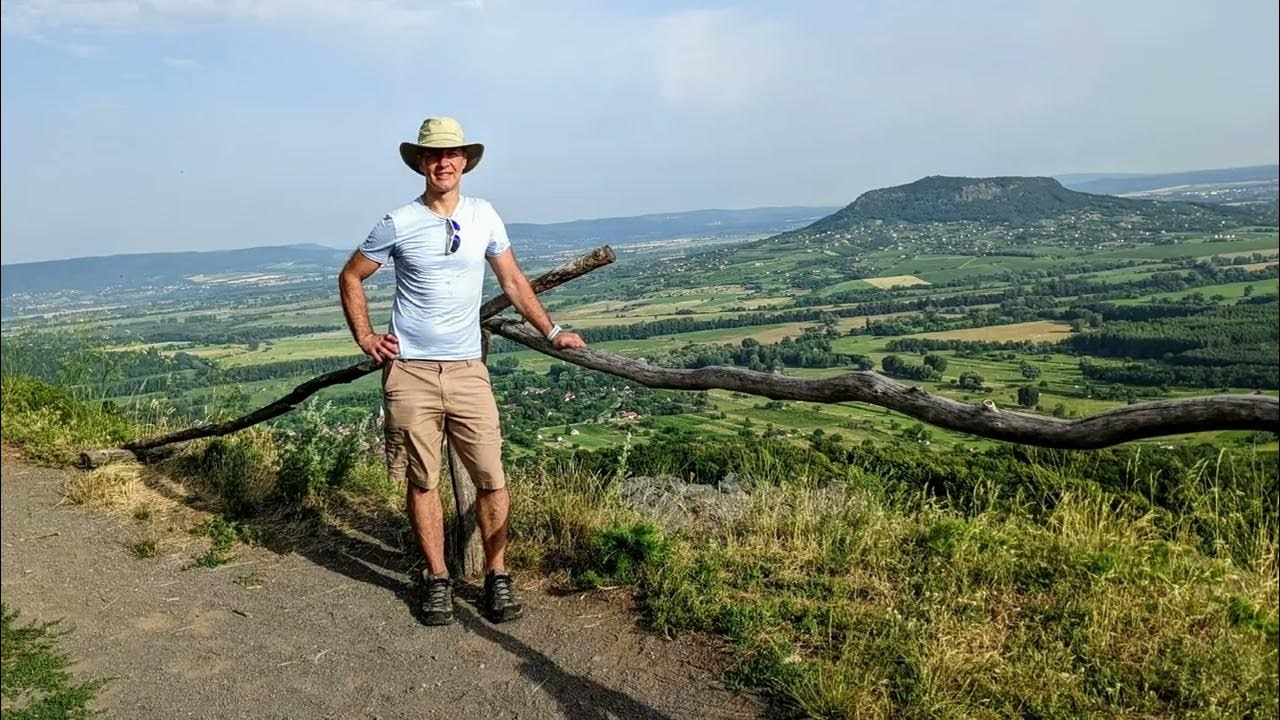
Badacsony is one of the best Lake Balaton hikes, combining volcanic geology, vineyards, basalt formations, lake views, and wine-country scenery. It is perfect for travelers who want a hike that ends with food, wine, and sunset over Balaton.
Hegyestű
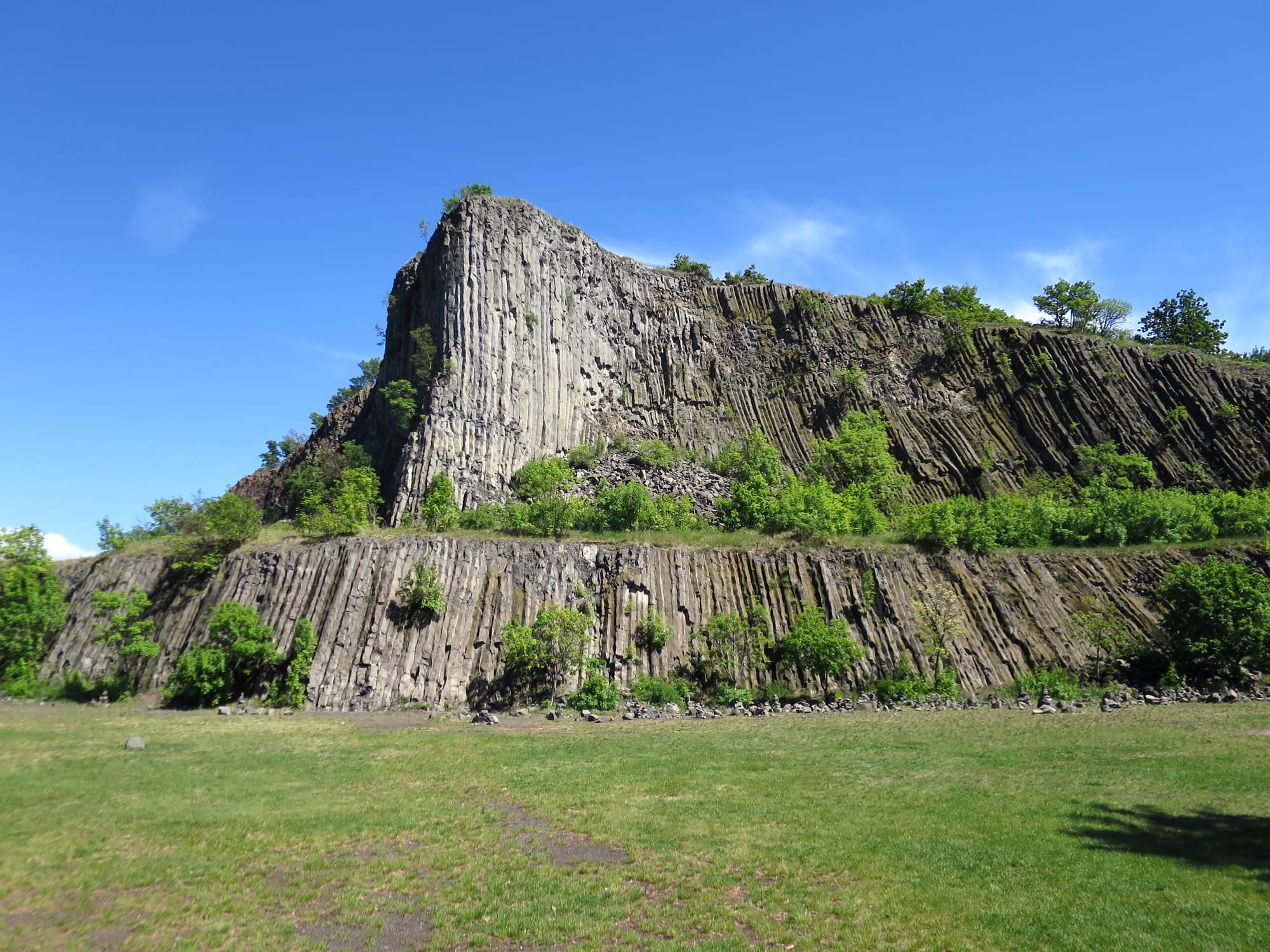
Hegyestű is one of the most striking geological viewpoints in the Balaton Uplands. The exposed basalt columns make it visually different from typical lake hikes, and the surrounding views over the Káli Basin and Balaton region are excellent for photography.
Írott-kő
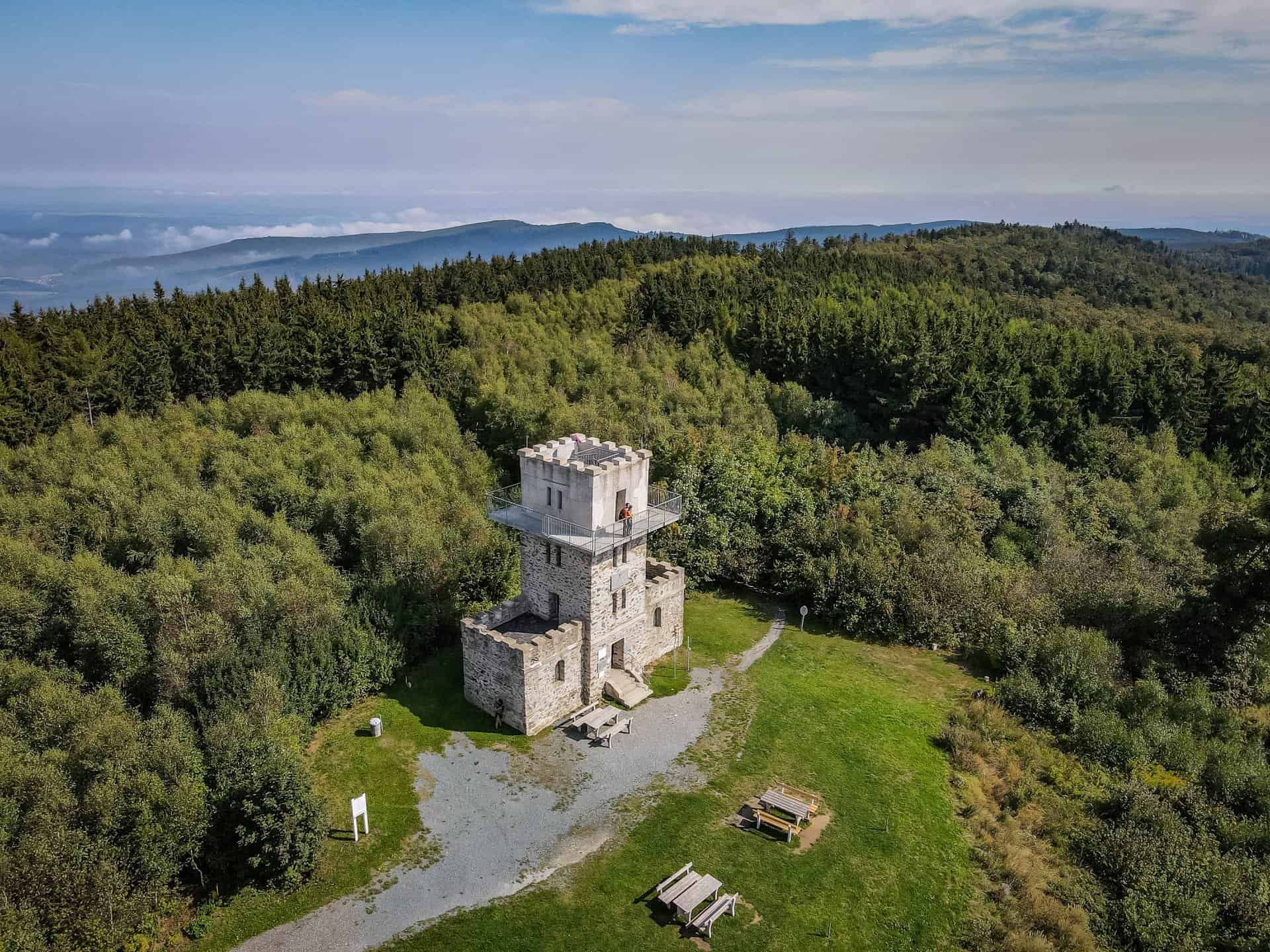
Írott-kő is the highest point of western Hungary’s Kőszeg Mountains and a meaningful hiking destination because it sits near the Austrian border. It is ideal for forest hikes, cooler air, borderland scenery, and travelers exploring Kőszeg or western Transdanubia.
Cuha Valley
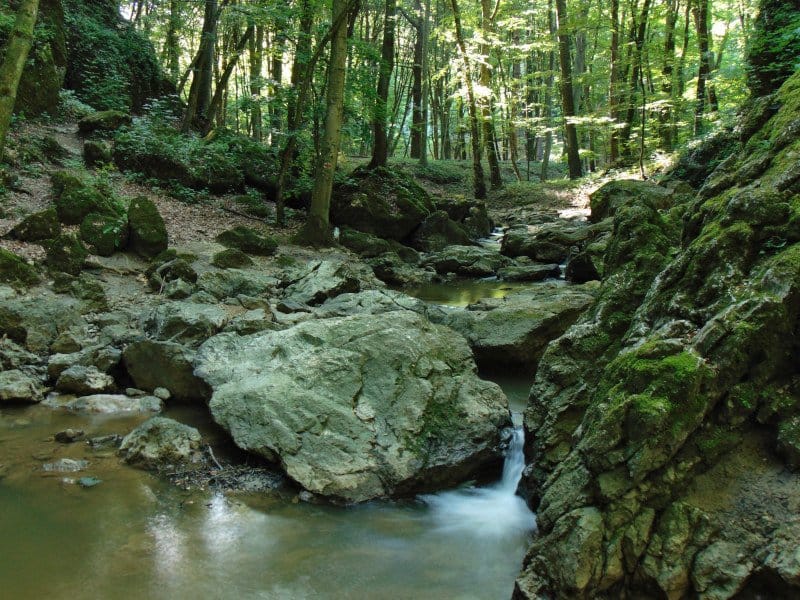
Cuha Valley in the Bakony Mountains is a beautiful forest-and-stream hiking area with bridges, rocky passages, and a relaxed woodland feel. It is a good option for hikers looking for something scenic but less crowded than the Danube Bend.
Mountain Retreats And Forest Escapes
Lillafüred
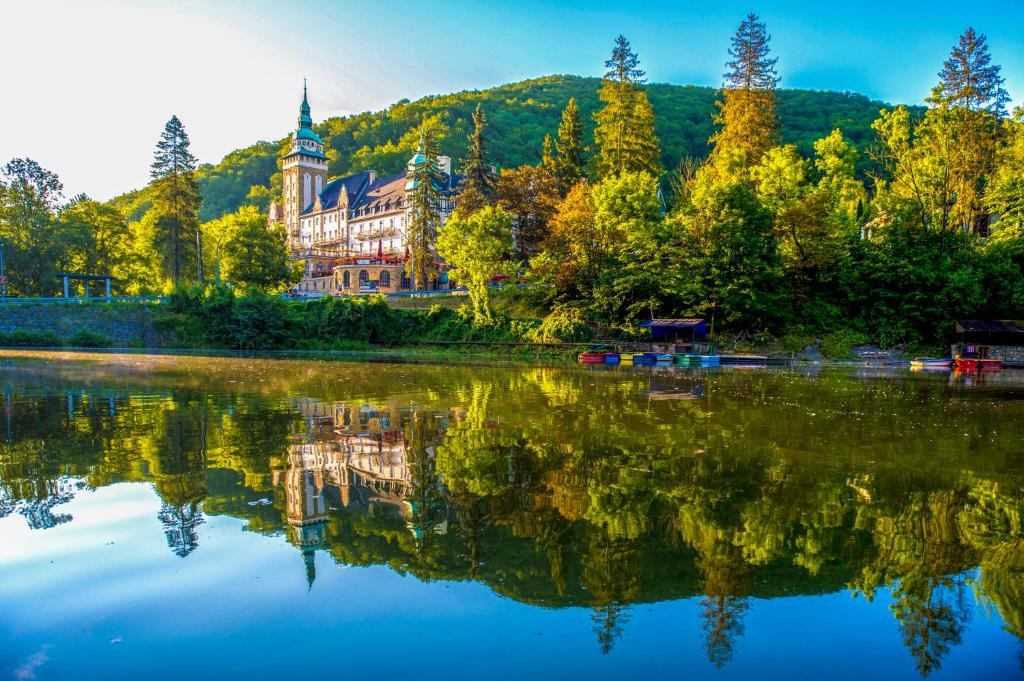
Lillafüred is one of Hungary’s most beautiful mountain retreats, located in the Bükk Mountains near Miskolc. Nature lovers come for Lake Hámori, the Lillafüred waterfall, caves, forest railways, hanging gardens, and shaded hiking trails. It is one of the best places in Hungary for a romantic or scenic nature base.
Szilvásvárad And Szalajka Valley
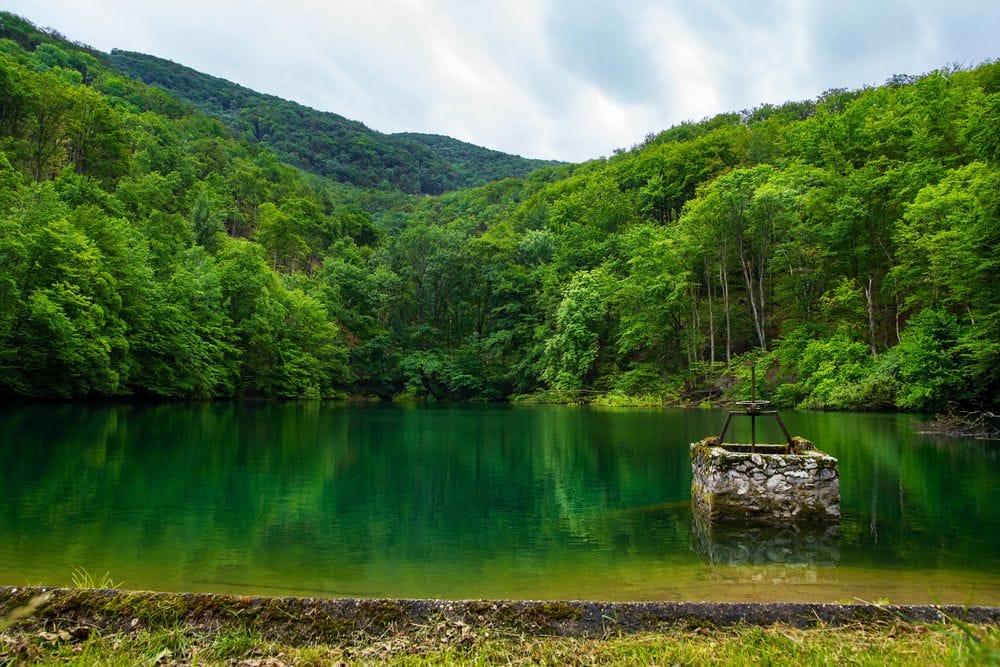
Szilvásvárad and Szalajka Valley are perfect for forest walks, family-friendly hiking, small waterfalls, trout lakes, and the famous Fátyol Waterfall. The official Szilvásvárad tourism site calls the Veil Waterfall one of the most beautiful natural sights in the valley and in Hungary, with high conservation value.
Mátrafüred And Mátraháza
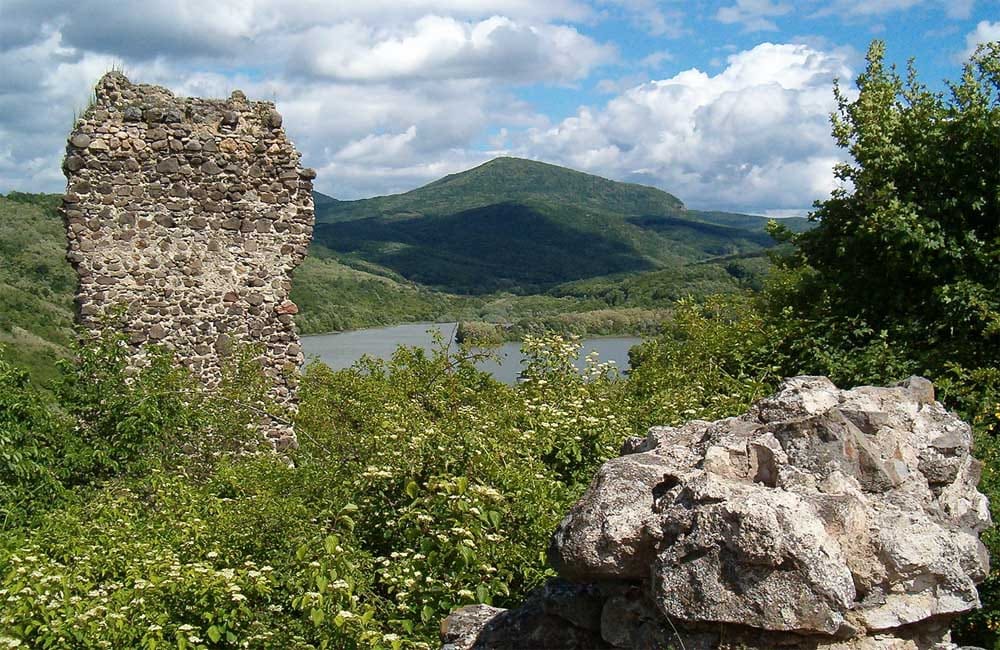
Mátrafüred and Mátraháza are two of the best Mátra Mountain bases for hiking, forest stays, fresh air, viewpoints, and access to Kékestető. They work well for travelers who want a cooler mountain retreat without going far from northern Hungary’s towns and vineyards.
Kőszeg Mountains
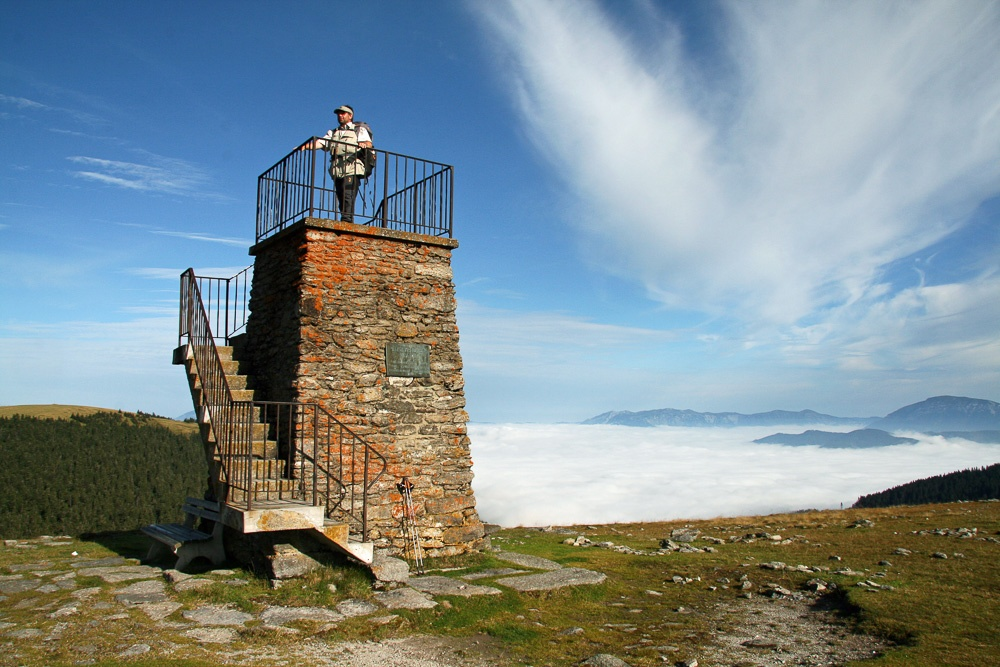
The Kőszeg Mountains are one of the best western Hungary retreats for forest hiking, small-town charm, borderland scenery, and quiet mountain walks. Kőszeg itself makes a charming base, especially for travelers who like historic towns and nature in the same trip.
Zemplén Mountains
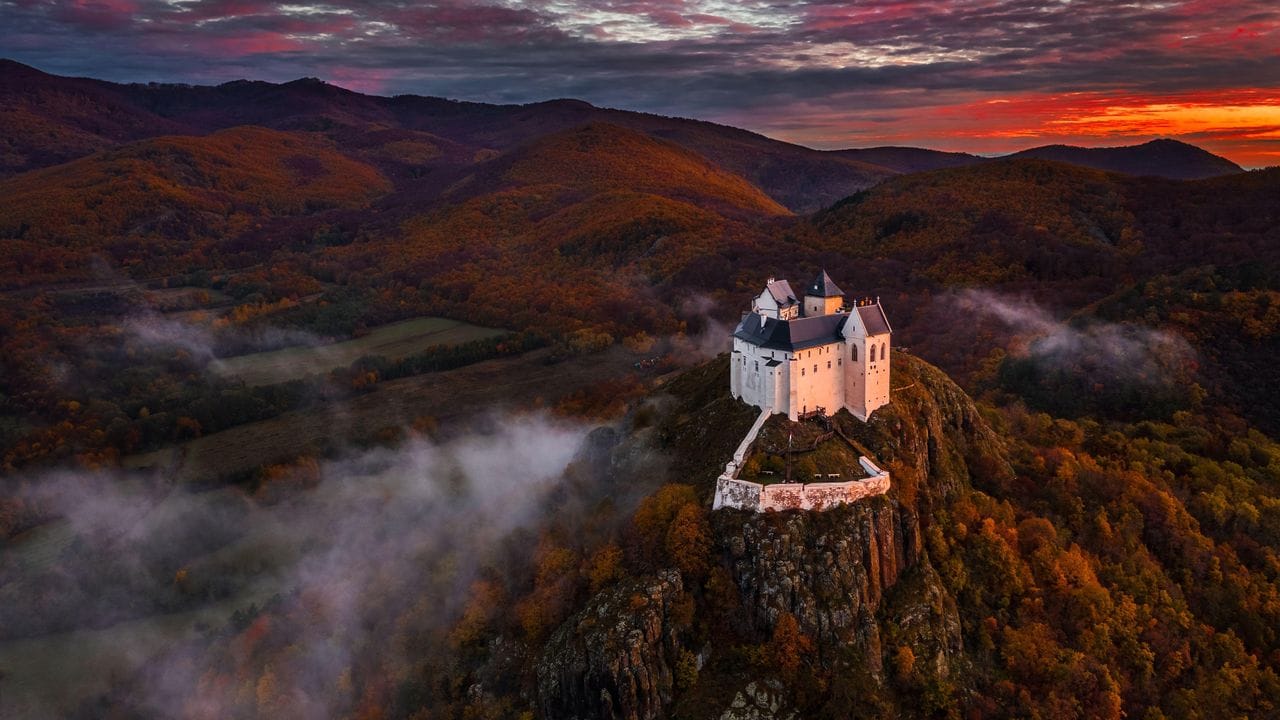
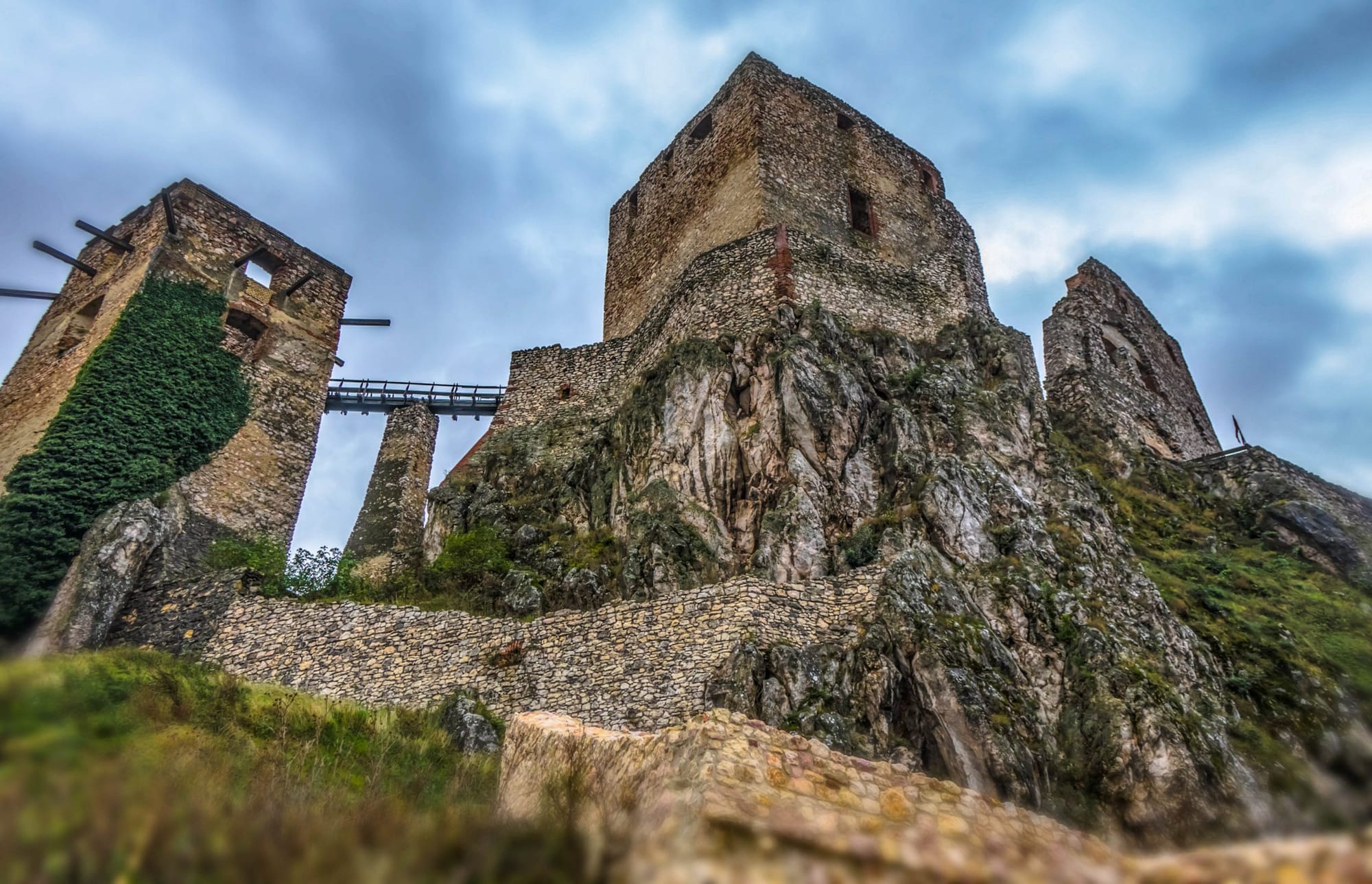
The Zemplén Mountains are among Hungary’s most underrated outdoor regions. They are best for forest hikes, castle-view routes, wildlife, remote villages, and dramatic spots like Füzér Castle and Megyer-hegy Tarn. This is a great choice for travelers who want fewer crowds and a wilder northeast Hungary feel.
Börzsöny Mountains
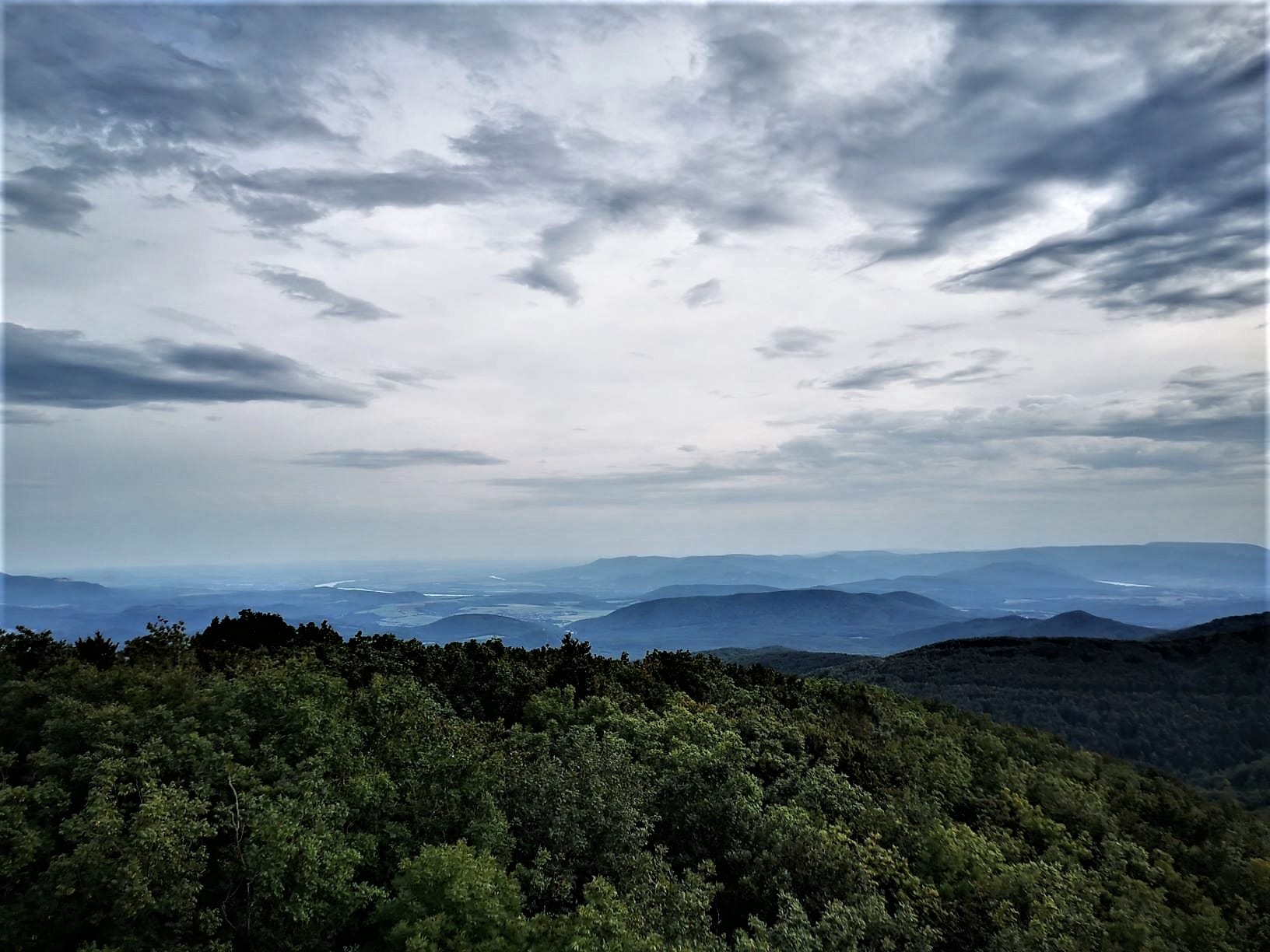
The Börzsöny Mountains are a strong hiking region north of Budapest, with dense forests, ridges, wildlife, old railways, and access to the Danube Bend. They are best for hikers who want a more rugged alternative to the Pilis and Visegrád Mountains.
Bakony Mountains
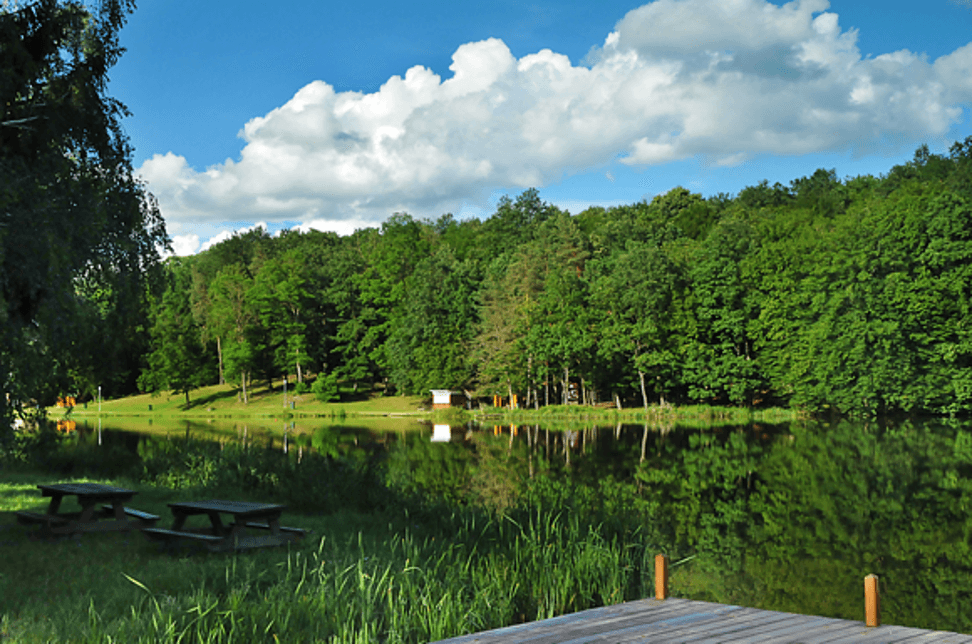
The Bakony Mountains are ideal for forest hiking, gorges, stream valleys, caves, and peaceful villages. The region pairs well with Lake Balaton, Veszprém, and western Hungary itineraries.
Őrség
Őrség is less about dramatic peaks and more about peaceful rural nature. It is one of Hungary’s best places for slow outdoor travel, small guesthouses, cycling, wildflower meadows, traditional villages, and quiet forest walks.
Caves, Gorges And Geological Wonders
Baradla Cave
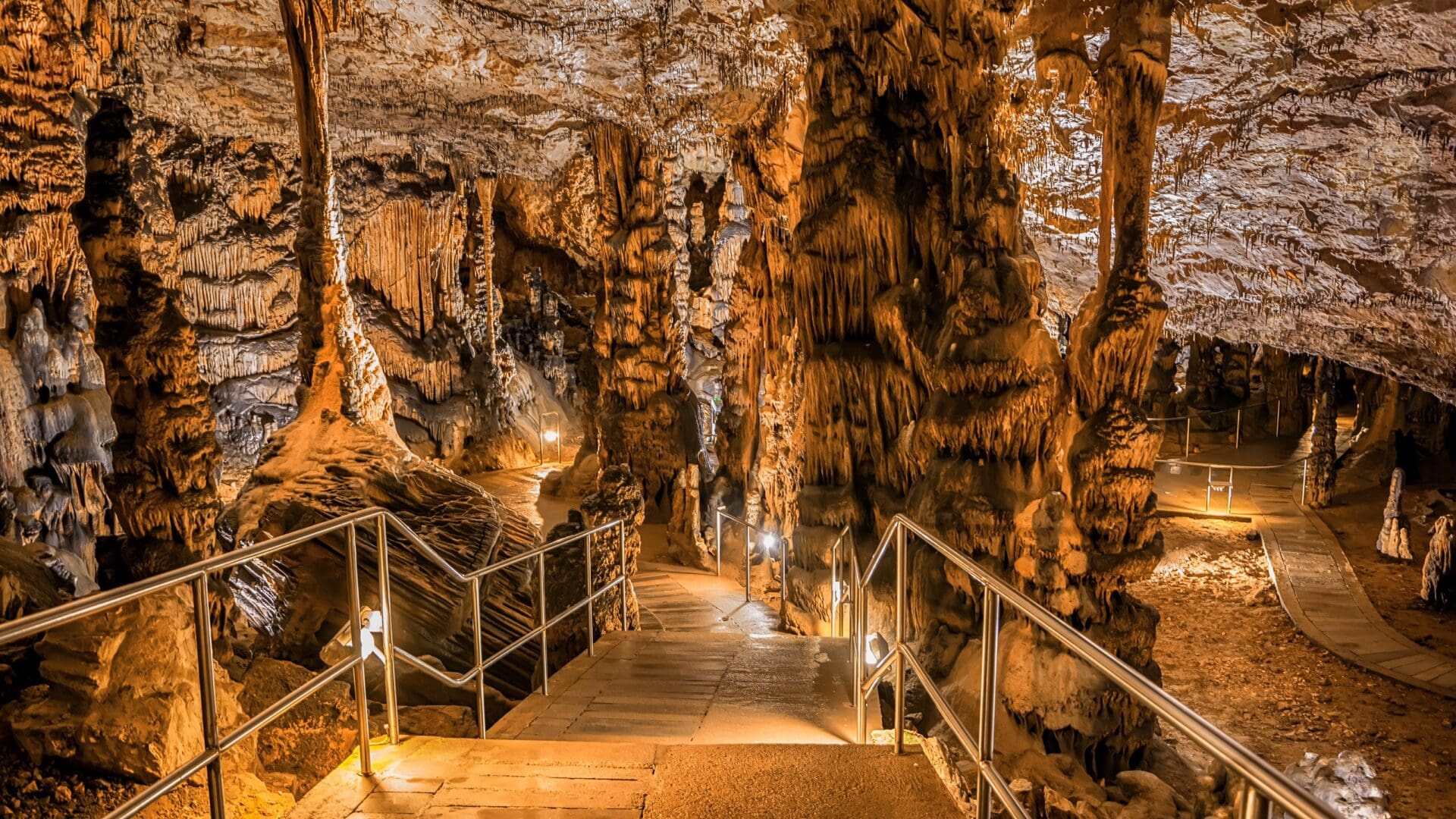
Baradla Cave in Aggtelek is Hungary’s most important cave experience and one of the country’s great natural wonders. It belongs to the UNESCO-listed Aggtelek Karst and Slovak Karst cave system, known for major stalactite and stalagmite formations.
Tapolca Lake Cave
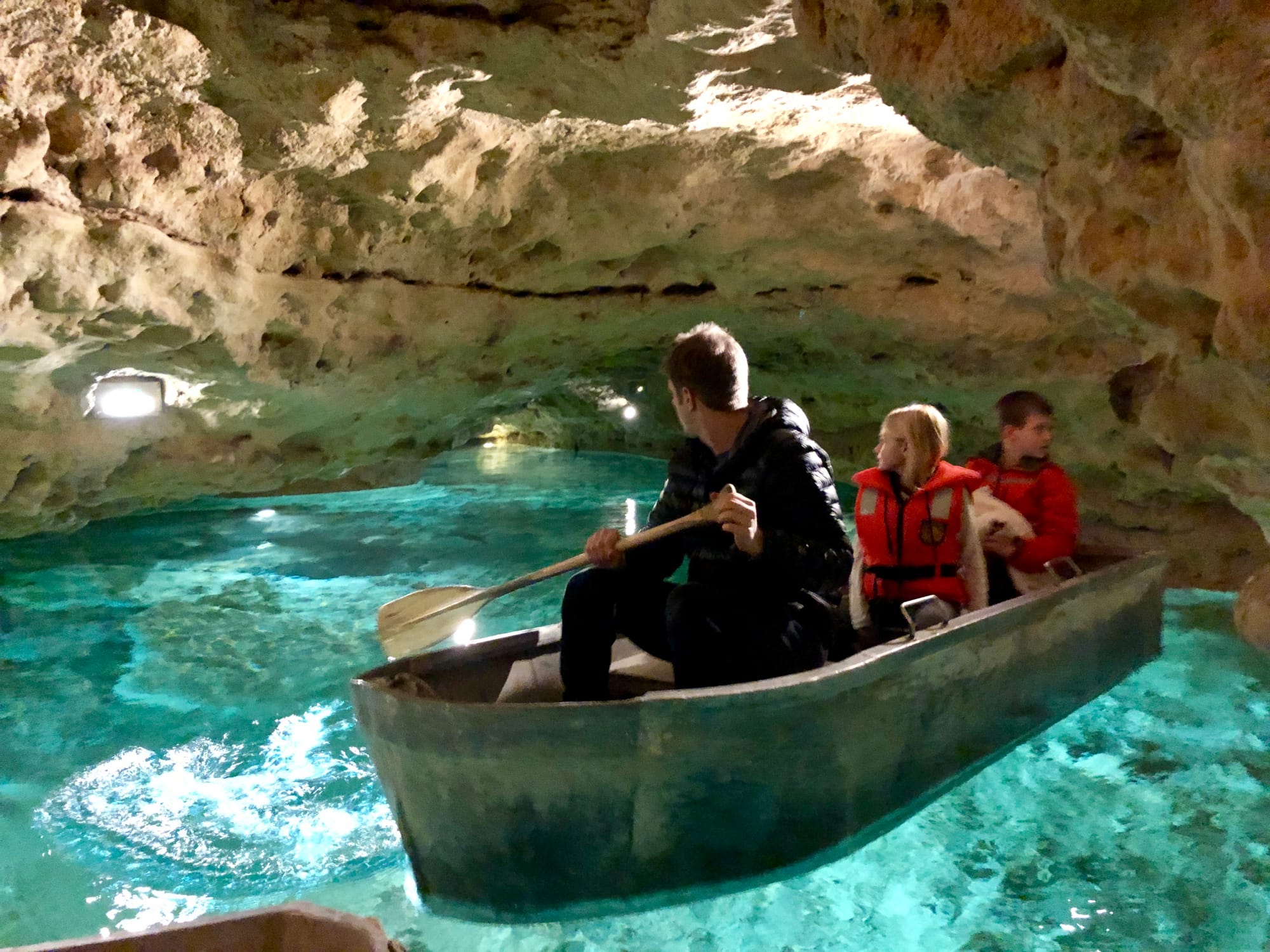
Tapolca Lake Cave is one of Hungary’s most unusual nature experiences because visitors can take a short boat ride through an underground cave lake beneath the town. The Balaton Uplands National Park visitor center describes the experience as an underground boat trip under the streets of Tapolca, with exhibitions about karst regions and cave formations.
Pál-völgyi Cave
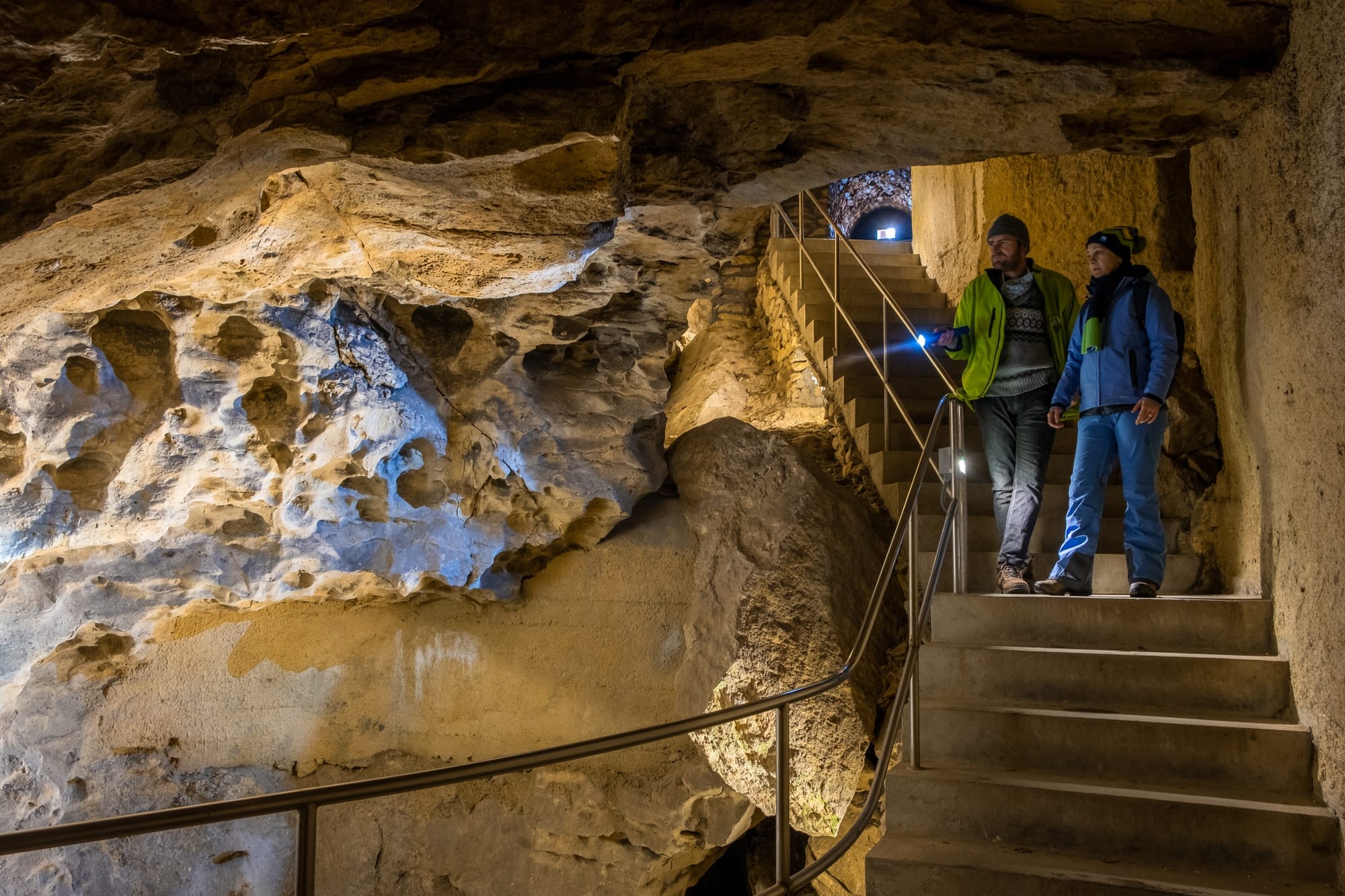
Pál-völgyi Cave is one of the top cave experiences in Budapest, ideal for travelers who want a nature adventure without leaving the capital. It is best for limestone formations, underground walking, and adding a geological stop to a Budapest itinerary.
Szemlő-hegy Cave
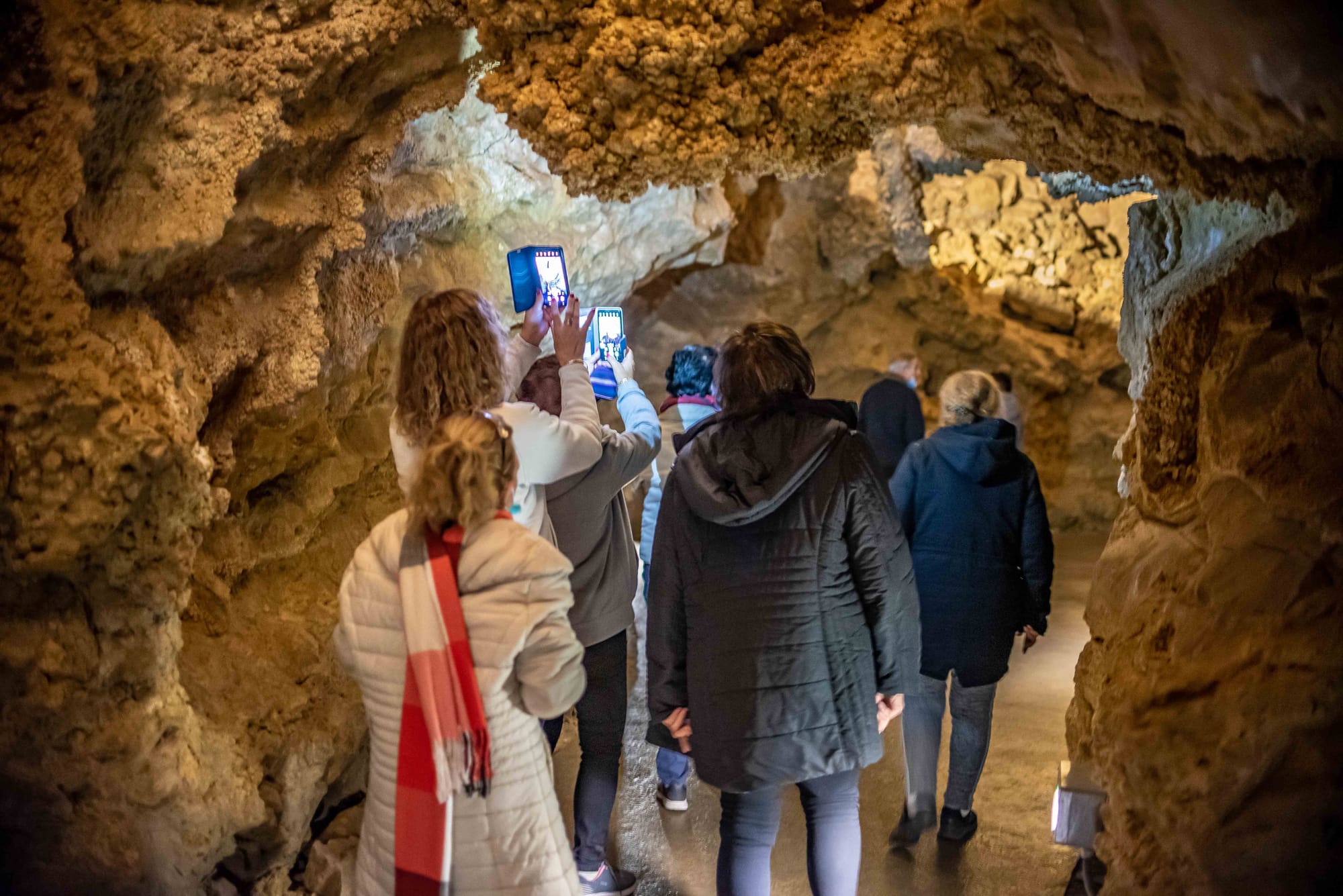
Szemlő-hegy Cave is another Budapest cave option, known for easier access and beautiful mineral formations. It is a good choice for travelers who want a gentler cave visit than more rugged adventure-cave routes.
Rám Gorge
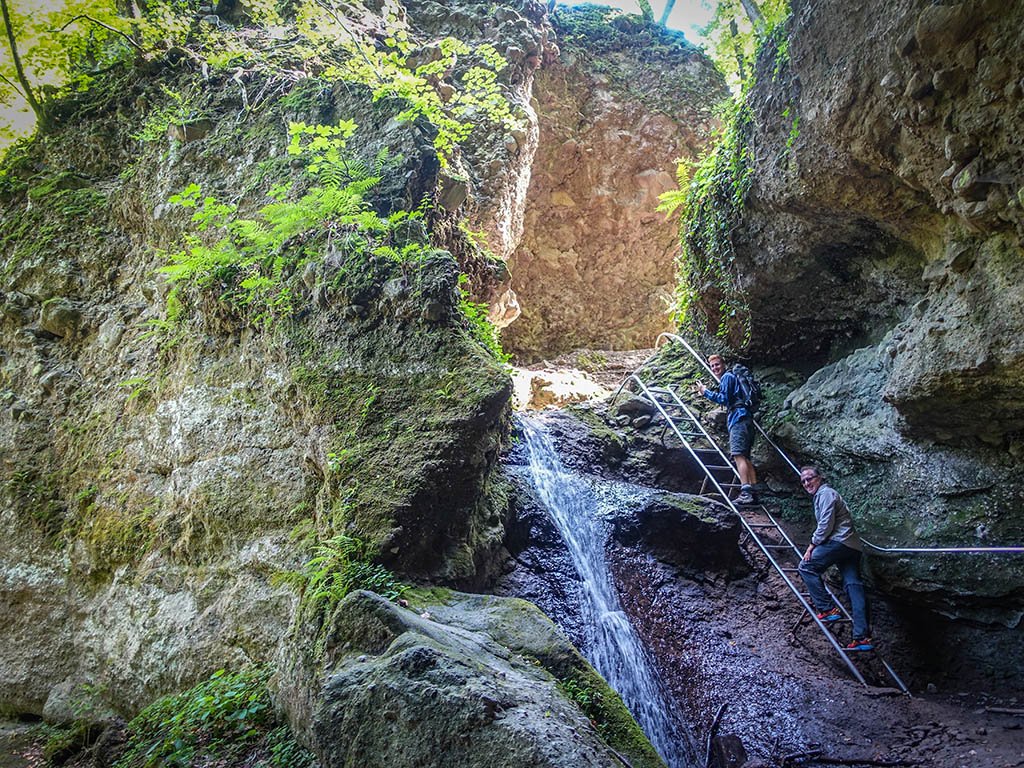
Rám Gorge also belongs in the geological-wonders category because it is one of Hungary’s most memorable ravine hikes. The ladders, rocks, and narrow passages make it feel more adventurous than most forest trails near Budapest.
Hegyestű Geological Site
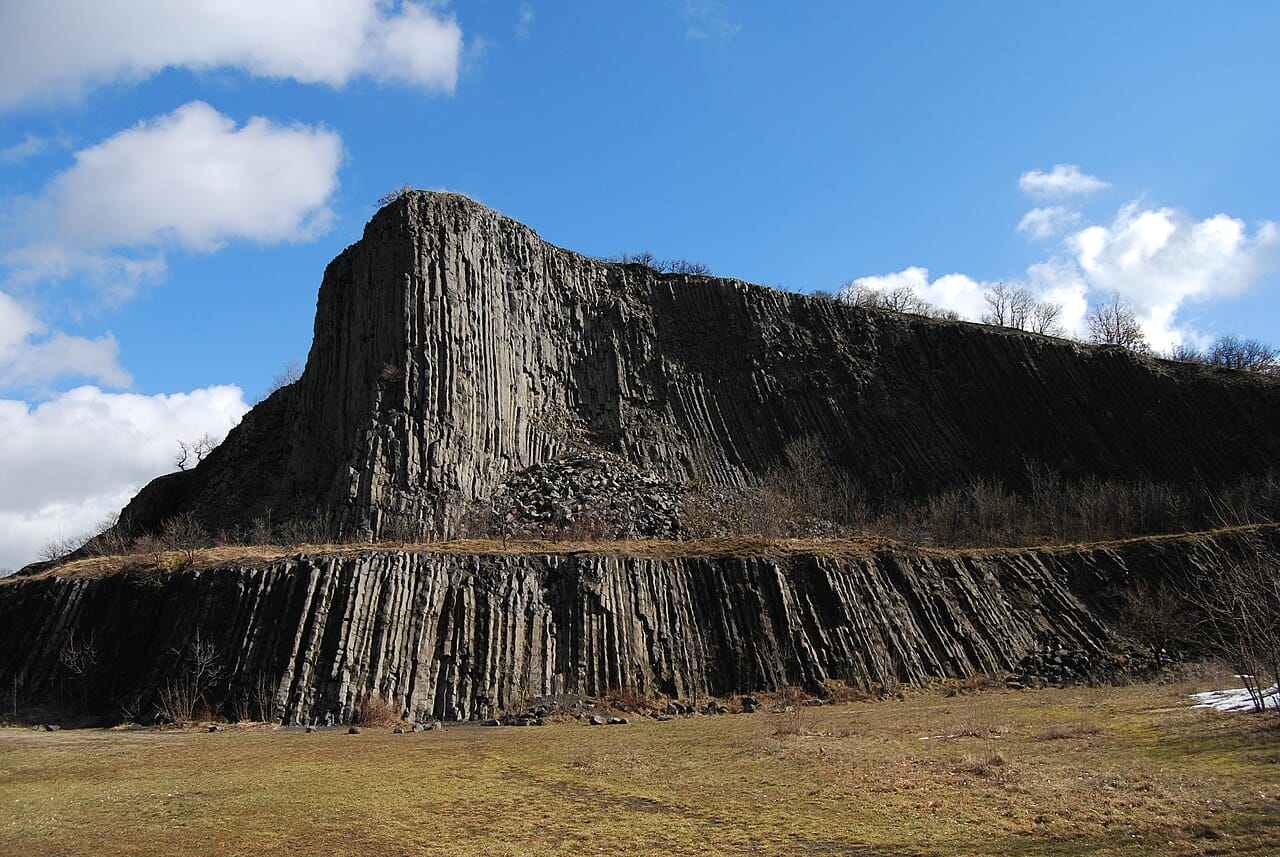
Hegyestű is one of the best places in Hungary to see volcanic geology above ground. Its basalt columns, exposed rock face, and Balaton Uplands views make it a strong stop for hikers, photographers, and anyone interested in landscapes shaped by volcanoes.
Megyer-hegy Tarn
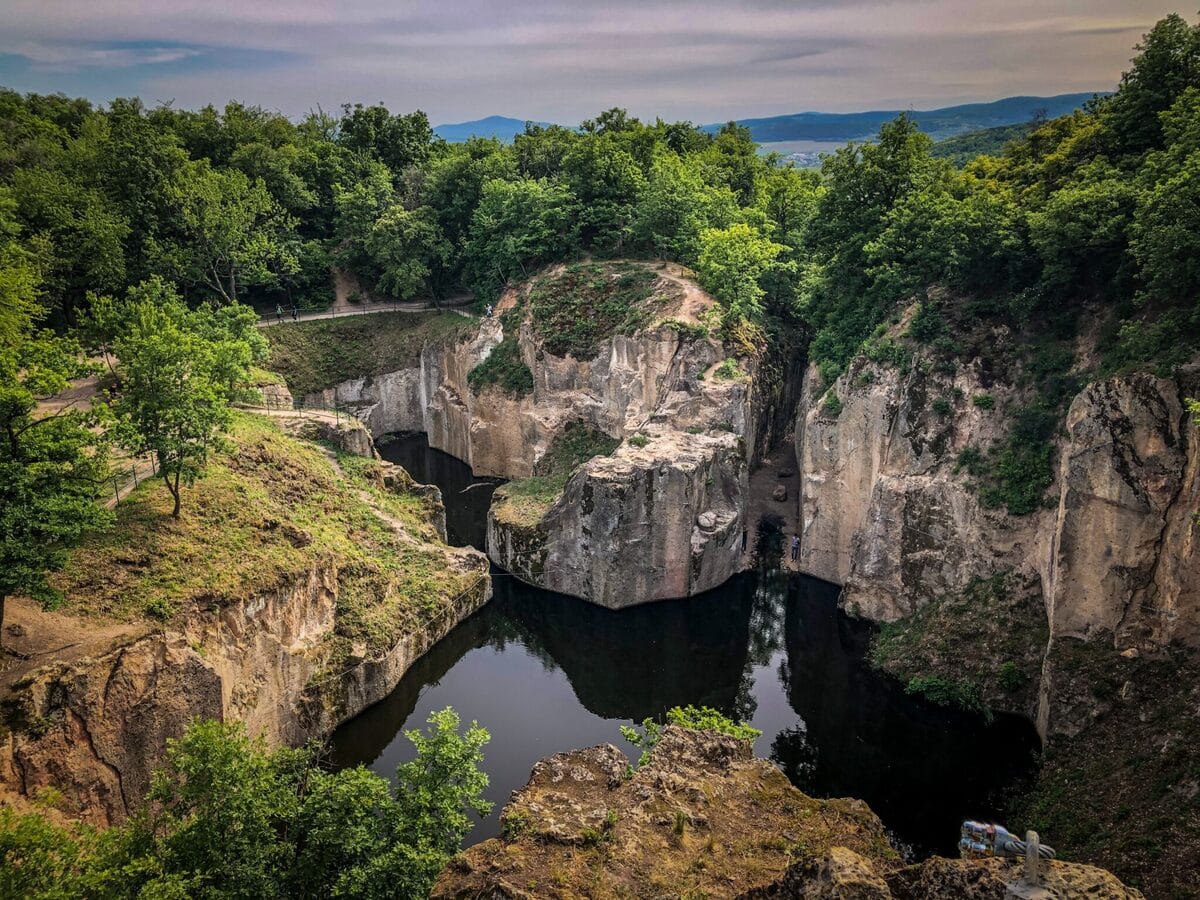
Megyer-hegy Tarn fits here as well because its beauty comes from the combination of rock walls, water, and a former quarry landscape. It is one of the best small geological beauty spots in northeastern Hungary.
Waterfalls, Springs And Cool Forest Walks
Fátyol Waterfall
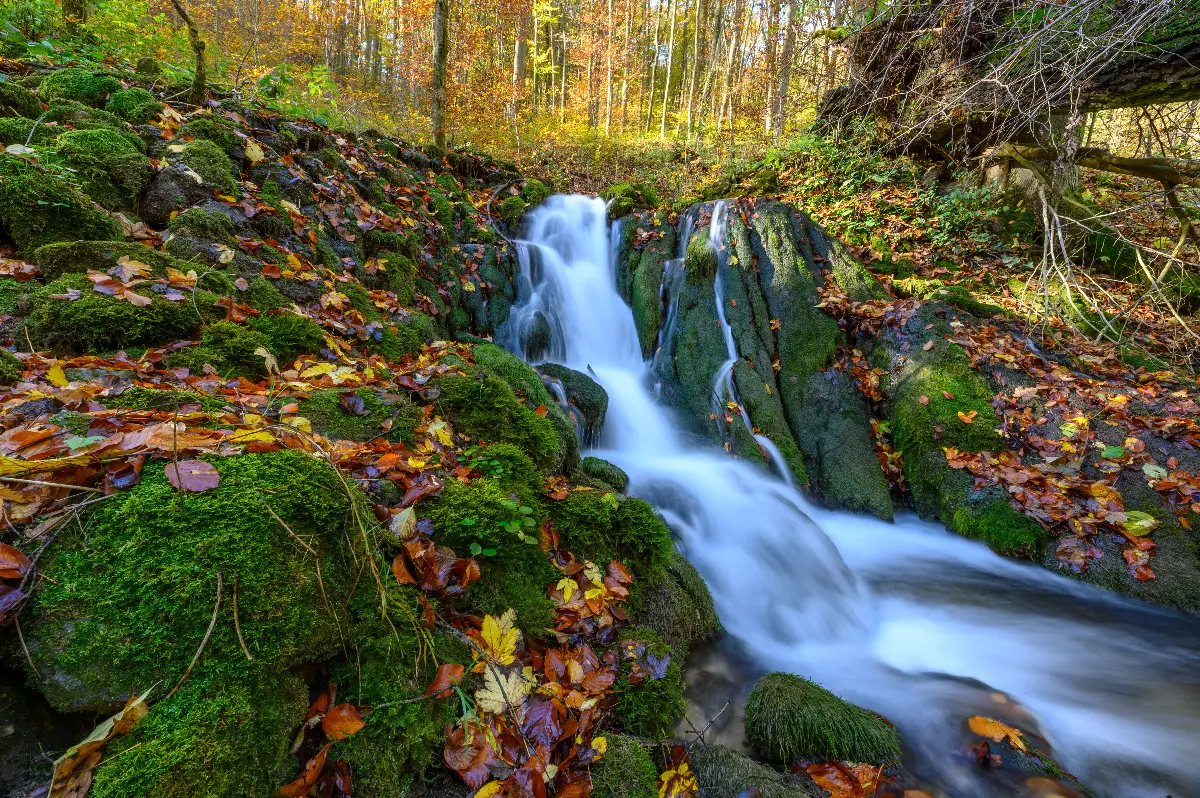
Fátyol Waterfall in Szalajka Valley is one of Hungary’s most beautiful waterfall sights. It cascades over limestone steps in a delicate, veil-like pattern, making it more graceful than powerful. This is one of the best nature walks for families, photographers, and travelers exploring Bükk National Park.
Lillafüred Waterfall
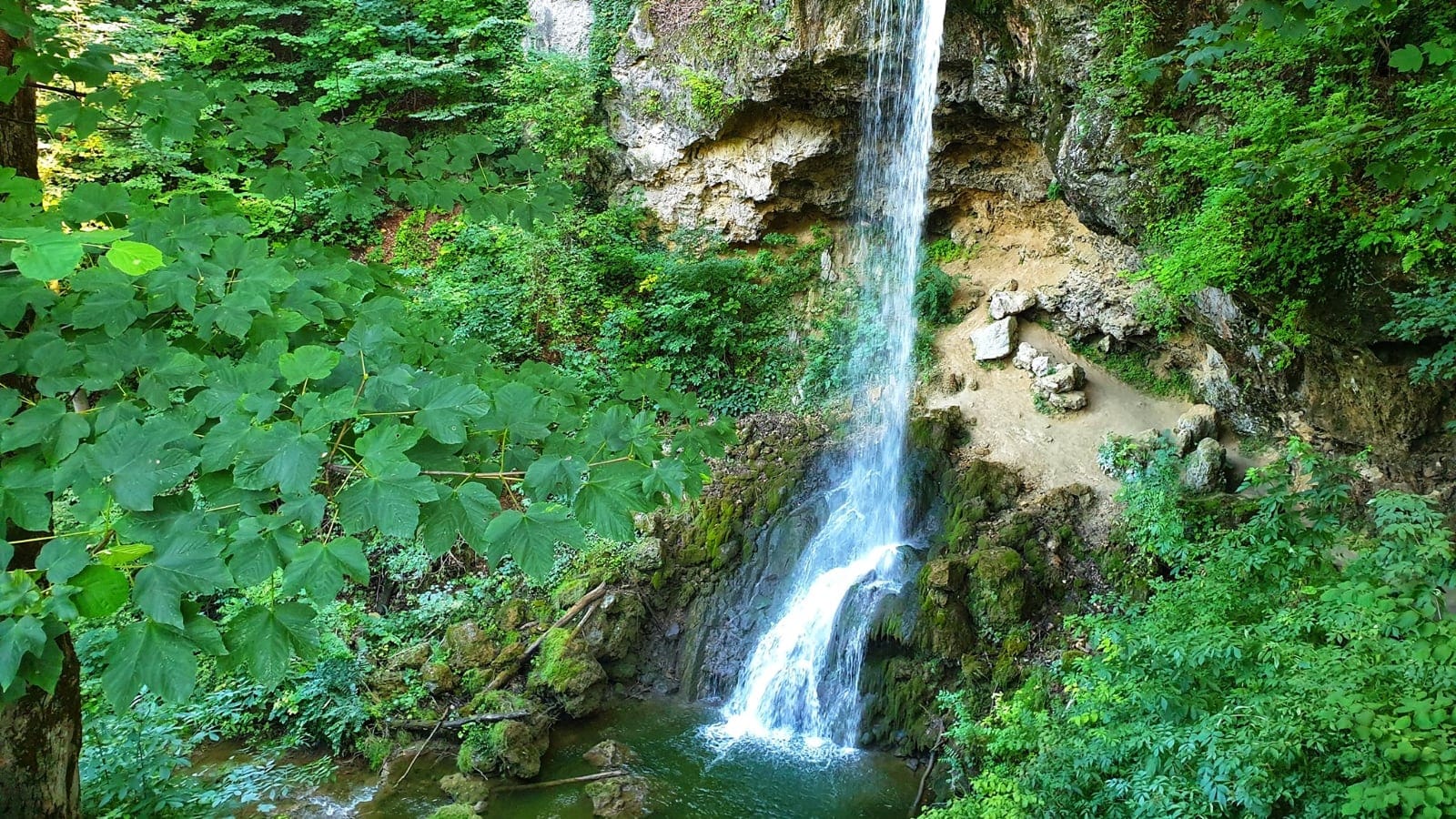
Lillafüred Waterfall is one of Hungary’s most dramatic waterfall settings, especially because it sits below the hanging gardens near the palace hotel. It pairs naturally with Lake Hámori, Anna Cave, Szent István Cave, and forest walks in the Bükk Mountains.
Jegenye Valley
Jegenye Valley near Budapest is a good short nature escape for travelers who want a forest walk, stream scenery, and small waterfall views without leaving the capital region for a full day. It is especially useful for locals or repeat visitors looking beyond the main tourist sights.
Cuha Valley
Cuha Valley in the Bakony is one of Hungary’s prettiest stream-valley walks. It has a shaded woodland atmosphere, small bridges, rocky sections, and a peaceful countryside feeling that works well in spring, summer, and autumn.
Apátkút Valley
Apátkút Valley near Visegrád is a beautiful forest-and-stream area that pairs well with Danube Bend hikes. It is a good choice for families and casual hikers who want nature near Visegrád without committing to the steepest viewpoint trails.
Szinva Stream And Lillafüred Hanging Gardens
The Szinva Stream area around Lillafüred is one of the most pleasant places in Hungary for a cool forest walk. The stream, waterfall, gardens, caves, lake, and mountain air make it one of the most complete nature retreats in the Bükk region.
Top Camping, and Glamping Base Areas
Lake Balaton
Lake Balaton is the best-known camping and outdoor base in Hungary because it has beaches, campsites, cycling routes, watersports, restaurants, and lakeside towns. It is ideal for travelers who want comfort and nature together.
Lake Tisza And Tiszafüred
Lake Tisza is one of the best camping-style bases for paddlers, birdwatchers, anglers, and families. Tiszafüred and Poroszló are especially useful bases for canoe trips, lake tours, boardwalk visits, and quiet waterfront stays.
Őrség
Őrség is one of Hungary’s best regions for peaceful rural stays, guesthouses, camping-style escapes, cycling, and slow nature travel. It is better for quiet countryside than nightlife or big attractions.
Danube Bend
The Danube Bend is an excellent outdoor base for travelers who want hiking, river trips, castles, viewpoints, and easy access from Budapest. Visegrád, Nagymaros, Zebegény, Dömös, and Szentendre all work as scenic bases.
Szigetköz
Szigetköz is one of the best places in Hungary for canoe-camping-style trips, island waterways, cycling, and relaxed river villages. It is particularly good for active travelers who prefer paddling to hiking.
Bükk Mountains
The Bükk Mountains are ideal for travelers who want forest accommodations, cool air, caves, waterfalls, and hiking. Lillafüred, Miskolc, Szilvásvárad, and nearby villages all make practical bases.
Mátra Mountains
The Mátra region is one of Hungary’s best outdoor bases for mountain air, forest hiking, viewpoints, and winter scenery. Mátrafüred, Mátraháza, Kékestető, and Galyatető are especially useful for nature-focused stays.
Hortobágy
Hortobágy is a strong base for birdwatchers, photographers, horse culture, puszta landscapes, and travelers who want open countryside rather than lakes or mountains. It is especially memorable around sunrise, sunset, and migration seasons.
Easiest Nature Escapes Near Budapest
Normafa And János Hill
Normafa and János Hill are among the easiest nature escapes from Budapest. They are best for short hikes, forest paths, lookout views, picnics, and fresh air without needing a car.
Margaret Island
Margaret Island is the easiest green escape in central Budapest. It is best for walking, jogging, cycling, gardens, fountains, riverside views, and a gentle outdoor break between major city sights.
Szentendre Island
Szentendre Island is a quieter Danube escape north of Budapest, good for cycling, riverside villages, paddling access, and relaxed day trips. It works well for travelers who want a softer outdoor experience than mountain hiking.
Pilis Mountains
The Pilis Mountains are one of the best quick hiking areas from Budapest, with forest trails, caves, viewpoints, and access to the Danube Bend. They are ideal for half-day or full-day nature trips.
Visegrád Mountains
The Visegrád Mountains are slightly more dramatic than the Pilis and are especially good for Danube viewpoints, castle-area hikes, Rám Gorge, Prédikálószék, and Spartacus Trail.
Best Nature Spots By Activity
Best For Kayaking And Canoeing
- Lake Tisza
- Szigetköz
- Tisza River
- Danube Bend
- Körös Rivers
- Dráva
- Bodrogköz
Best For Hiking
- National Blue Trail
- Prédikálószék
- Rám Gorge
- Spartacus Trail
- Kékestető
- Galyatető
- Badacsony
- Bükk National Park
- Balaton Uplands
Best For Camping-Style Trips
- Lake Balaton
- Lake Tisza
- Szigetköz
- Őrség
- Danube Bend
- Bükk Mountains
- Mátra
Best For Birdwatching
- Hortobágy
- Lake Tisza
- Fertő-Hanság
- Kiskunság
- Körös-Maros
- Gemenc
Best For Caves And Geology
- Aggtelek
- Baradla Cave
- Tapolca Lake Cave
- Pál-völgyi Cave
- Szemlő-hegy Cave
- Hegyestű
- Megyer-hegy Tarn
Best For Lake Scenery
- Lake Balaton
- Lake Tisza
- Lake Fertő
- Lake Velence
- Lake Hévíz
- Lake Hámori
- Megyer-hegy Tarn