
Cost To Visit Hungary: Travel Budget Guide (2026)
This Hungary cost and budget guide covers cost of lodging, food, transport, attractions, day trips, plus daily and weekly budgets in USD.
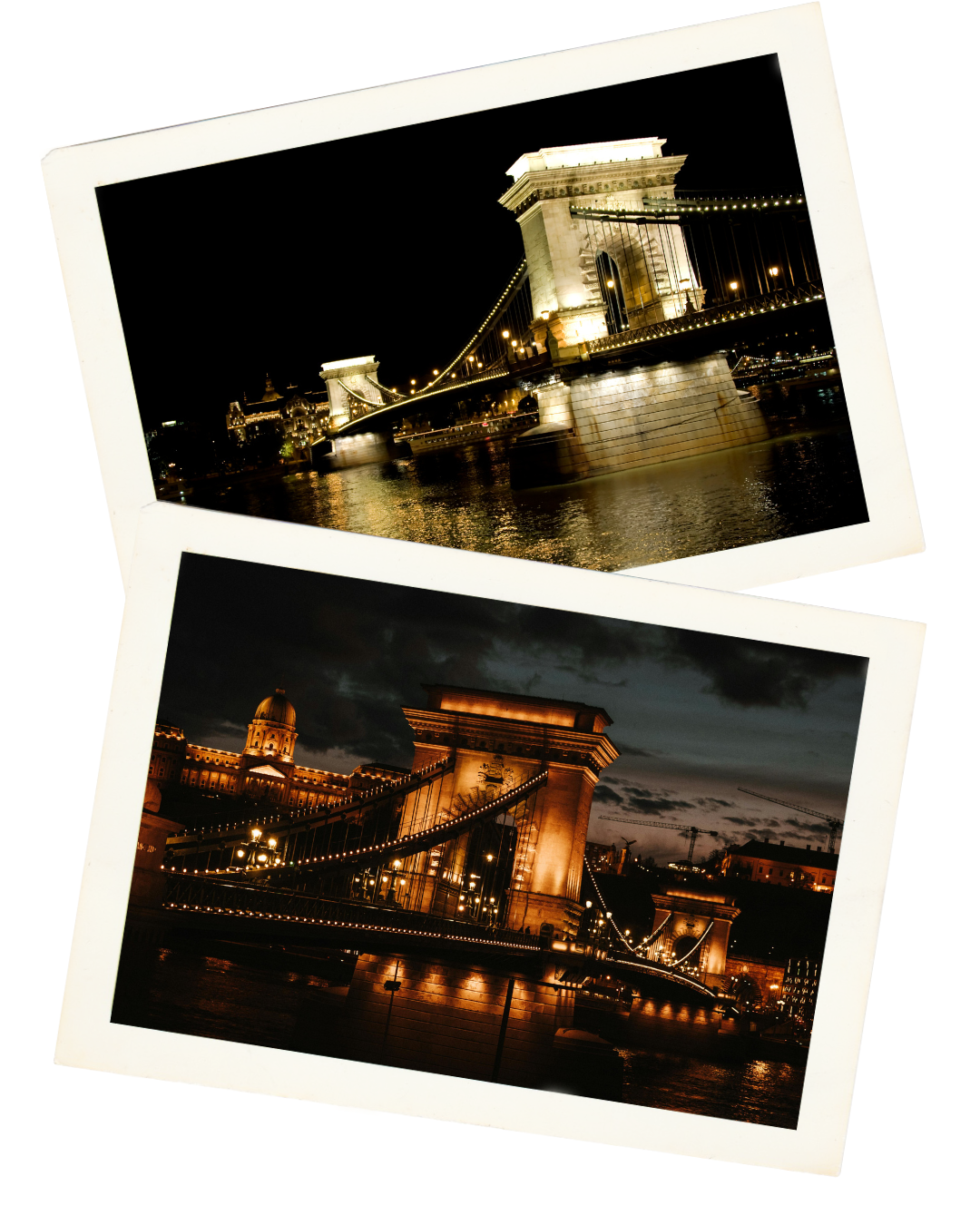
Hungary is one of the better-value countries to visit in Central Europe, especially if you want a European trip with impressive architecture, thermal baths, wine regions, historic towns, and good public transportation without Western Europe prices. It is not as cheap as parts of the Balkans, but it is usually more affordable than Austria, Switzerland, France, the Netherlands, and many major Italian destinations.
In this guide, you’ll find the average cost to visit Hungary, including the daily budget you will need, accommodation prices, food costs, transportation, attractions, day trips, and which areas of Hungary are cheapest or most expensive.
Our Hungary Travel Guide will help you plan your trip, or you might want to check out:
Is Hungary Cheap To Visit?
Yes, Hungary can be cheap to visit compared with many popular European countries, but it depends heavily on where you stay and how much of your trip is centered around Budapest.
Budapest is still good value for a European capital, but it is no longer the ultra-cheap city some travelers remember from years ago. Hotels, thermal baths, river cruises, cocktail bars, and central restaurants have all become more expensive. That said, you can still keep costs reasonable by staying outside the most tourist-heavy areas, using public transportation, eating at local restaurants, and mixing paid attractions with free walks along the Danube, Castle Hill, City Park, and local markets.
Outside Budapest, Hungary usually gets noticeably cheaper. Cities like Eger, Pécs, Szeged, Debrecen, and many smaller towns often have lower hotel prices, cheaper meals, and fewer expensive tourist traps. Lake Balaton is the big exception, especially in summer, when popular lakeside towns can cost more than many travelers expect.
For many travelers, Hungary stays affordable when you:
- Use trains, buses, trams, and metro lines instead of taxis
- Stay in Pest or outer central Budapest neighborhoods instead of the most expensive riverfront and Castle District hotels
- Add smaller cities like Eger, Pécs, Szeged, or Debrecen to balance out Budapest costs
- Visit thermal baths on weekdays instead of peak weekend slots
- Eat at casual Hungarian restaurants, bakeries, markets, and lunch-menu spots
- Travel in spring, fall, or winter instead of peak summer and Christmas market periods
Hungary’s Cheapest and Most Expensive Areas
Hungary is a country guide, so it is important to know where your money goes furthest. The biggest difference is usually Budapest versus the rest of the country, but Lake Balaton, spa towns, and wine regions also vary a lot by season.
Most Expensive Areas In Hungary
- Central Budapest: The most expensive part of the country for hotels, nightlife, international restaurants, river-view rooms, and major attractions. Areas near the Danube, District V, the Castle District, and the most popular parts of District VII tend to cost more.
- Buda Castle and Danube-view hotel zones: Great for views and atmosphere, but usually expensive for lodging. Use the Buda Castle guide and best areas of Budapest if you are deciding whether the location is worth the extra cost.
- Lake Balaton in July and August: Balatonfüred, Siófok, Tihany, and popular lakeside resort areas can be pricey in peak summer, especially on weekends.
- Luxury spa hotels and wellness resorts: Places around Hévíz, Balaton, and upscale countryside wellness hotels can be expensive, especially if meals and spa access are bundled.
- Christmas market Budapest: Late November through December can push hotel rates higher, especially for central stays.
Best-Value Areas In Hungary
- Eger: One of Hungary’s best-value city breaks, with affordable guesthouses, wine cellars, a historic castle, and a relaxed old town.
- Pécs: Often cheaper than Budapest while still offering museums, architecture, cafés, and a warm southern-Hungary feel.
- Szeged: A good-value university city with attractive squares, lower food prices, and easier hotel rates outside major events.
- Debrecen: Usually cheaper than Budapest and useful for travelers heading toward Hortobágy National Park or eastern Hungary.
- Smaller Danube Bend towns: Szentendre, Visegrád, and nearby towns can be affordable as day trips, though overnight stays vary by season.
- Rural national park areas: Parts of Hortobágy, Bükk, and other countryside regions can be budget-friendly if you use local guesthouses. For nature-focused trips, the Hungary national parks guide is a good internal resource.
Good Middle-Ground Areas
- Pest side of Budapest: Often better value than luxury riverfront or Castle District stays, while still keeping you close to restaurants, transit, and nightlife.
- District VI, VII, VIII, IX, and XIII in Budapest: These can offer better hotel and apartment value than District V, depending on the exact street and season.
- Lake Balaton outside July and August: Balaton can be much better value in May, June, September, and early October.
- Wine regions like Eger, Tokaj, and Villány: Affordable if you travel independently, but costs rise with private drivers, tastings, and boutique hotels.
Hungary uses the Hungarian Forint. All costs are shown in Ft and converted to $ USD.
Hungary Vacation Costs
Below is a detailed expense breakdown for accommodations, food, transportation, and attractions, followed by day trip costs and realistic daily and weekly budgets.
Avg. Accommodation Cost
Peak Season
- Budget Travelers: Ft 12,000–28,000 ($39–$92) per night
- Mid-Range Travelers: Ft 28,000–65,000 ($92–$213) per night
- Luxury Travelers: Ft 85,000–220,000+ ($279–$721+) per night
Shoulder-Season
- Budget Travelers: Ft 9,000–22,000 ($30–$72) per night
- Mid-Range Travelers: Ft 22,000–55,000 ($72–$180) per night
- Luxury Travelers: Ft 70,000–180,000+ ($230–$590+) per night
Off-Season
- Budget Travelers: Ft 7,000–18,000 ($23–$59) per night
- Mid-Range Travelers: Ft 18,000–45,000 ($59–$148) per night
- Luxury Travelers: Ft 55,000–150,000+ ($180–$492+) per night
- Note: Budapest, Lake Balaton in summer, Danube-view hotels, and wellness resorts usually sit on the higher end. Eger, Pécs, Szeged, Debrecen, and smaller regional towns are often easier on the wallet. For Budapest-specific planning, use the cost to visit Budapest and best places to stay in Budapest guides.
Food Cost
Budget Travelers
- Breakfast: Ft 1,000–2,500 ($3–$8)
- Lunch: Ft 2,000–4,000 ($7–$13)
- Dinner: Ft 2,500–5,500 ($8–$18)
Mid-Range Travelers
- Breakfast: Ft 2,500–4,500 ($8–$15)
- Lunch: Ft 4,000–8,000 ($13–$26)
- Dinner: Ft 7,000–15,000 ($23–$49)
Luxury Travelers
- Breakfast: Ft 5,000–9,000 ($16–$30)
- Lunch: Ft 9,000–18,000 ($30–$59)
- Dinner: Ft 18,000–45,000+ ($59–$148+)
- Reality: Hungary can be very affordable for food if you use bakeries, market halls, local lunch menus, casual Hungarian restaurants, kebab shops, and self-catering apartments.
- Budapest’s most tourist-heavy areas around the Danube, ruin bars, rooftop bars, brunch cafés, and international restaurants cost the most.
- Smaller cities like Eger, Pécs, Szeged, and Debrecen usually have better-value restaurants than central Budapest.
Transportation Cost
Airport → City
- Budapest 100E airport bus: Ft 2,500 ($8) one way
- Regular transit combinations from the airport area: Ft 1,000–2,000 ($3–$7) depending on route and ticket type
- Taxi to central Budapest: Ft 11,000–18,000 ($36–$59) in many normal conditions
- Private transfer: Ft 15,000–30,000+ ($49–$98+)
Getting Around Hungary
Long-Distance Buses
- Short regional bus ride: Ft 1,500–4,000 ($5–$13)
- Longer intercity bus ride: Ft 3,000–9,000 ($10–$30)
- Higher-demand or longer tourist routes: Ft 8,000–18,000+ ($26–$59+)
Trains
- Short regional train ride: Ft 1,500–4,000 ($5–$13)
- Budapest to nearby day-trip cities such as Eger, Szentendre-area routes, or Gödöllő-area routes: often around Ft 2,000–6,000 ($7–$20) depending on exact route and ticket type
- Longer intercity routes, such as Budapest to Pécs, Szeged, Debrecen, or Balaton towns: often around Ft 4,000–12,000 ($13–$39) each way depending on distance, class, and timing
Local Transit
- Budapest single ticket: Ft 500 ($2)
- 30-minute ticket: Ft 600 ($2)
- 90-minute ticket: Ft 850 ($3)
- 24-hour Budapest travelcard: Ft 2,750 ($9)
- 72-hour Budapest travelcard: Ft 5,750 ($19)
- Local transit in other Hungarian cities: usually inexpensive, often Ft 400–800 ($1–$3) per ride depending on the city
Taxis / Ride Services
- Short Budapest taxi ride: Ft 2,500–6,000 ($8–$20)
- Longer central ride: Ft 6,000–12,000+ ($20–$39+)
- Late-night, airport, bad traffic, and cross-city rides can cost more
Rental Car
- Compact car in off-season: Ft 12,000–28,000/day ($39–$92/day)
- Compact car in shoulder season: Ft 16,000–35,000/day ($52–$115/day)
- Compact car in peak season: Ft 22,000–45,000+/day ($72–$148+/day)
- Fuel + parking typical daily cost: Ft 8,000–20,000+ ($26–$66+)
- Hungary does not require a rental car for most first-time visitors. Budapest is much easier by public transportation, and trains or buses work well for many city-to-city routes.
- A car becomes more useful if you are visiting villages, wine regions, rural national parks, Lake Balaton viewpoints, or multiple countryside stops in one day.
Attractions
- Hungarian Parliament Building: one of the most popular paid attractions in Hungary; guided entry is usually around Ft 7,000–14,000 ($23–$46) depending on nationality and eligibility. A strong booking match is this Budapest Parliament Building entry and audio guide.
- Széchenyi Thermal Baths: one of Budapest’s signature experiences; usually around Ft 10,500–17,800 ($34–$58) depending on day, ticket type, and upgrades. Here is the matching Széchenyi Spa day ticket.
- Fisherman’s Bastion: many lower areas are free, while the upper terraces are usually around Ft 1,700 ($6) during paid hours. A related booking option is the Fisherman’s Bastion entry and tour page.
- St. Stephen’s Basilica: usually around Ft 4,000–6,500+ ($13–$21+) depending on whether you add the treasury, panoramic terrace, or guided access. A close match is this St. Stephen’s Basilica entry option.
- Buda Castle: the grounds are free to wander, while museums, galleries, caves, and guided experiences add cost. Budget around Ft 0–8,000+ ($0–$26+) depending on what you visit.
- Danube river cruise: one of the most popular Budapest activities; basic sightseeing cruises often start around $13–$25, while dinner cruises cost much more. This Budapest City Highlights Sightseeing Cruise is a strong direct match. You can also pair this with a walk along the Danube Promenade.
- House of Terror Museum: one of Budapest’s most important modern-history museums; usually around Ft 4,000 ($13) for a standard adult ticket.
- Dohány Street Synagogue: one of the biggest paid religious and cultural attractions in Budapest; often around Ft 14,500 ($48) for adult entry packages. A matching booking page is the Dohány Street Synagogue entry ticket page.
- Andrássy Avenue, Heroes’ Square, City Park, bridges, markets, and many viewpoints: free to explore unless you add museums, baths, or guided tours.
- Eger Castle: usually around Ft 2,400–4,500 ($8–$15) depending on ticket type and exhibitions. If you are booking a place page instead of a tour, the direct TripAdvisor page for Eger Castle is a better fallback.
- Visegrád Citadel: usually around Ft 2,800 ($9) for adult entry. A related booking page is Visegrád Castle tickets and tours.
- Tihany Abbey near Lake Balaton: usually around Ft 3,400 ($11) for adult entry. A strong day-trip match is this Lake Balaton day tour from Budapest.
- Hortobágy National Park and Puszta experiences: basic visits can be inexpensive, but guided ranch visits, horse shows, and full-day tours can rise quickly. A strong activity match is this Puszta full-day tour with lunch and show.
For more Budapest ideas, use the best things to do in Budapest guide.
Popular Hungary Day Trip Costs
| Day Trip | Transportation Cost (Round Trip) | Top Attraction | Attraction Cost |
|---|---|---|---|
| Danube Bend from Budapest | $8–$35 | Szentendre, Visegrád, Esztergom, and river viewpoints | $0–$25 |
| Szentendre from Budapest | $6–$20 | Old town, galleries, riverfront, and open-air museum options | $0–$20 |
| Gödöllő from Budapest | $5–$18 | Royal Palace of Gödöllő | $10–$20 |
| Eger from Budapest | $16–$35 | Eger Castle, old town, wine cellars, and thermal bath options | $8–$30 |
| Lake Balaton and Tihany from Budapest | $20–$55 | Tihany Abbey, Balatonfüred, lakefront walks, and seasonal boat rides | $0–$35 |
| Puszta countryside experience from Budapest | $18–$50 | Horse show, ranch visit, countryside meal, and Great Plain scenery | $20–$70+ |
| Hortobágy National Park | $10–$70 | Puszta landscapes, visitor center, wildlife areas, and horse culture | $5–$50 |
| Pécs from Budapest | $20–$50 | Pécs Cathedral, Zsolnay Cultural Quarter, and historic center | $5–$25 |
Daily Budget Needed For Hungary
| Season | Daily Total (Per Person) |
|---|---|
| Peak | $55–$95 |
| Shoulder | $45–$80 |
| Off-Season | $38–$70 |
| Season | Daily Total (Per Person) |
|---|---|
| Peak | $115–$205 |
| Shoulder | $95–$175 |
| Off-Season | $80–$150 |
| Season | Daily Total (Per Person) |
|---|---|
| Peak | $310–$720+ |
| Shoulder | $260–$610+ |
| Off-Season | $220–$520+ |
Weekly Budget (7 Days)
| Season | Lodging (7 nights) | Food (7 days) | Transport | Attractions | Total |
|---|---|---|---|---|---|
| Peak | $273–$644 | $126–$273 | $45–$130 | $40–$150 | $484–$1,197 |
| Shoulder | $210–$504 | $112–$250 | $40–$115 | $35–$130 | $397–$999 |
| Off-Season | $161–$413 | $100–$225 | $35–$100 | $30–$115 | $326–$853 |
| Season | Lodging (7 nights) | Food (7 days) | Transport | Attractions | Total |
|---|---|---|---|---|---|
| Peak | $644–$1,491 | $300–$630 | $80–$220 | $100–$300 | $1,124–$2,641 |
| Shoulder | $504–$1,260 | $260–$560 | $70–$190 | $85–$260 | $919–$2,270 |
| Off-Season | $413–$1,036 | $230–$500 | $60–$170 | $75–$230 | $778–$1,936 |
| Season | Lodging (7 nights) | Food (7 days) | Transport | Attractions | Total |
|---|---|---|---|---|---|
| Peak | $1,953–$5,047+ | $650–$1,750+ | $200–$650+ | $250–$900+ | $3,053–$8,347+ |
| Shoulder | $1,610–$4,130+ | $560–$1,500+ | $180–$560+ | $225–$800+ | $2,575–$6,990+ |
| Off-Season | $1,260–$3,444+ | $490–$1,300+ | $160–$500+ | $200–$700+ | $2,110–$5,944+ |
Hungary Travel Seasons
Peak Season (June–August, plus late November–December in Budapest)
Hungary is busiest in summer, especially in Budapest and around Lake Balaton. Budapest also gets a second high-demand period during Christmas market season.
- Highest hotel prices in central Budapest and Lake Balaton resort towns
- More expensive thermal bath, cruise, and tour demand in Budapest
- Best weather for Lake Balaton, outdoor dining, festivals, and long sightseeing days
- More crowds at Parliament, Castle Hill, Fisherman’s Bastion, and the major baths
- Christmas market season can make Budapest more expensive even though it is technically winter
Shoulder-Season (April–May, September–October)
This is usually the best value period for many travelers.
- Better balance of weather and price
- Pleasant conditions for Budapest, Eger, Pécs, Szeged, and wine regions
- Lower accommodation pressure than midsummer in many places
- Easier sightseeing weather than July and August
- Good time to use the best time to visit Budapest guide for city-specific planning
Off-Season (January–March, November outside Christmas market dates)
This is usually the cheapest time to visit Hungary, especially if you avoid major holidays and Christmas market weekends.
- Lower hotel prices in many areas
- Better odds of deals in Budapest apartments and hotels
- Colder weather, shorter days, and less outdoor dining
- Great period for thermal baths, museums, cafés, and budget city breaks
- Lake Balaton is much quieter and not ideal for a classic summer lake trip
Frequently Asked Questions
Yes, Hungary is still one of the better-value countries to visit in Central Europe, especially compared with Austria, Switzerland, France, the Netherlands, and many major Italian destinations. It is not as cheap as some Balkan countries, but it can be very affordable if you travel outside the most expensive parts of Budapest and Lake Balaton.
Hungary is cheapest when you:- Use public transportation instead of taxis
- Stay outside the most expensive riverfront and Castle District hotel zones
- Eat at casual Hungarian restaurants, bakeries, and markets
- Add lower-cost cities like Eger, Pécs, Szeged, or Debrecen
- Visit in spring, fall, or winter outside Christmas market dates
Budapest is the most expensive part of most Hungary trips, but it is still manageable for budget and mid-range travelers with smart planning.
For one week in Hungary, a realistic budget is about $325–$1,200 for budget travelers, $775–$2,650 for mid-range travelers, and $2,100–$8,350+ for luxury travelers, not including international flights.
A practical one-week budget looks like this:- Budget traveler: simple lodging, casual food, public transport, and a few paid attractions
- Mid-range traveler: comfortable hotels, restaurants, thermal baths, day trips, and some taxis
- Luxury traveler: high-end hotels, river-view rooms, private transfers, fine dining, spa hotels, and guided tours
Your total will be higher if most of the trip is in central Budapest or Lake Balaton during July and August.
There is no single cheapest area in all of Hungary, but some of the best-value places to stay are usually Eger, Pécs, Szeged, Debrecen, and smaller regional towns outside Budapest and Lake Balaton’s summer resort zones.
These areas are often cheaper because they have:- Lower hotel demand than central Budapest
- More affordable guesthouses and apartments
- Cheaper local restaurants and cafés
- Less pressure from international tourism
- Good sightseeing without needing expensive guided tours every day
If you want to lower your Hungary trip cost, spend a few nights outside Budapest instead of using the capital as your only base.
Yes, Budapest is usually more expensive than most other parts of Hungary. It has the highest concentration of international tourism, premium hotels, river cruises, cocktail bars, fine dining, thermal baths, and paid attractions.
Budapest costs more for:- Central hotels and apartments
- Danube-view rooms
- Thermal bath tickets
- River cruises and guided tours
- Restaurants in the most tourist-heavy districts
Budapest can still be affordable if you stay in a less expensive neighborhood, use the metro and trams, and balance major paid attractions with free walking routes.
The cheapest months to visit Hungary are usually January, February, March, and November, excluding major holidays and Christmas market dates. These months often have lower accommodation demand, especially outside the most popular central Budapest areas.
Cheapest periods to consider:- January after New Year
- February
- Early March
- November before the main Christmas market rush
The tradeoff is colder weather and shorter days, but it can be a great time for thermal baths, museums, cafés, and a lower-cost Budapest city break.
Yes, $1,000 can be enough for Hungary if you are traveling in a budget style and your flights are already paid for. It is usually realistic for about 7 to 14 days depending on your accommodation, season, and how many paid tours you add.
A $1,000 Hungary budget works best if you:- Stay in hostels, guesthouses, apartments, or budget hotels
- Travel outside peak summer and Christmas market periods
- Use public transportation
- Limit taxis, private transfers, and rental cars
- Choose only a few bigger paid attractions or tours
It will feel tighter if you want a mid-range hotel in central Budapest, several thermal bath visits, river cruises, and multiple organized day trips.
Food in Hungary can cost as little as $18–$40 per day for budget travelers, around $45–$90 per day for mid-range travelers, and $100–$230+ per day for luxury travelers.
Food costs depend most on where you eat:- Markets, bakeries, lunch menus, and casual local restaurants are the cheapest
- Central Budapest brunch cafés, international restaurants, and riverside dining cost more
- Fine dining, hotel breakfasts, wine pairings, and rooftop bars raise the daily average quickly
Outside Budapest, restaurant prices are often easier to manage, especially in cities like Eger, Pécs, Szeged, and Debrecen.
No, most first-time visitors do not need a rental car in Hungary. Budapest is easier by metro, tram, bus, and walking, while trains and buses connect many major cities and popular day-trip destinations.
A rental car is most useful for:- Rural villages
- Wine regions
- National parks
- Lake Balaton viewpoints and smaller towns
- Multi-stop countryside itineraries
For a Budapest-focused trip, a rental car usually adds cost and stress because parking, traffic, and city navigation are less convenient than public transportation.