
50+ Landmarks In Hungary For History and Cultural Lovers
Explore Hungary’s top historical and cultural landmarks, including castles, churches, monuments, ruins, and heritage sites across the country.
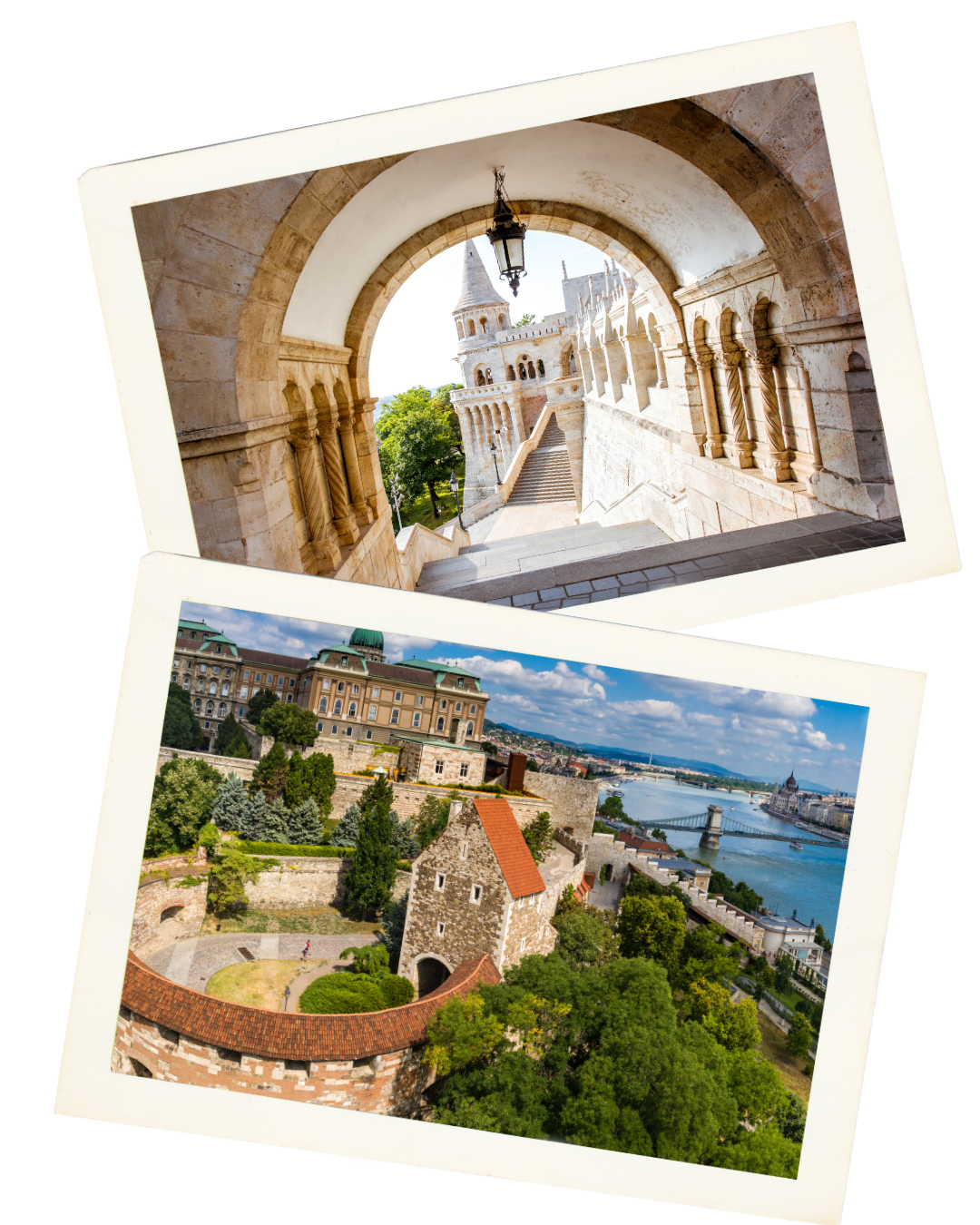
Hungary is packed with historic landmarks, from royal castles and Roman ruins to Ottoman baths, national monuments, churches, synagogues, palaces, fortresses, and haunting memorials. This large list starts with Hungary’s most famous historical sights, especially in Budapest, then across the country to important sites.
Need help planning your trip? Check out our complete Hungary Travel Guide.
Hungarian Parliament Building
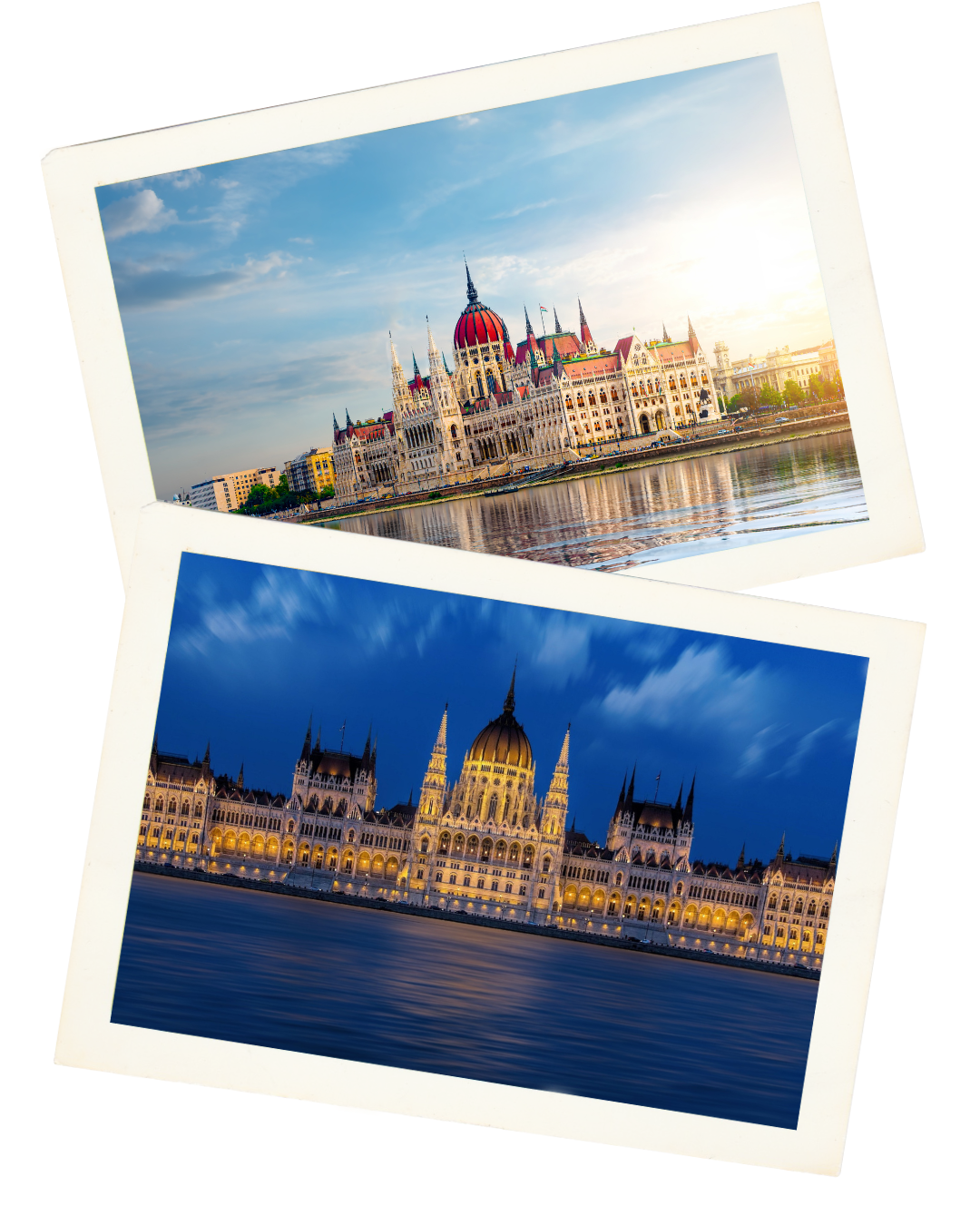
The Hungarian Parliament Building is the most iconic historical landmark in Hungary and the defining sight of Budapest’s Danube riverfront. Construction began in 1885, the building was inaugurated in 1896 for Hungary’s millennium celebrations, and it was completed in 1904. Its neo-Gothic towers, massive dome, riverside setting, and illuminated night views make it both a political landmark and one of Europe’s grandest architectural sights.
Buda Castle
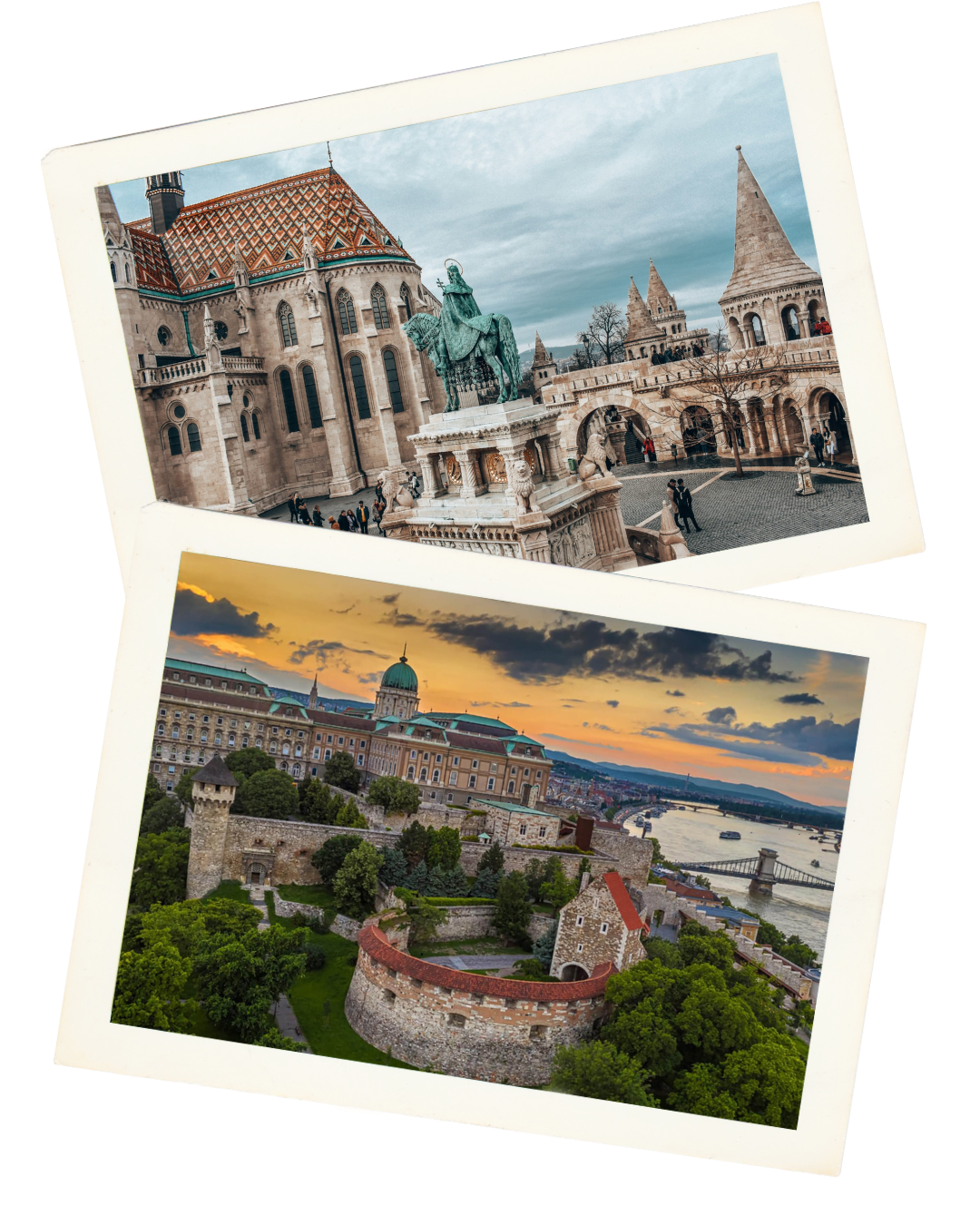
Buda Castle dominates Castle Hill on the west side of the Danube and has been one of Hungary’s most important royal and political landmarks for centuries. The Castle District is part of Budapest’s UNESCO-listed historic landscape, and Visit Hungary describes Buda Castle as a medieval royal residence that now houses museums and cultural institutions.
Fisherman’s Bastion
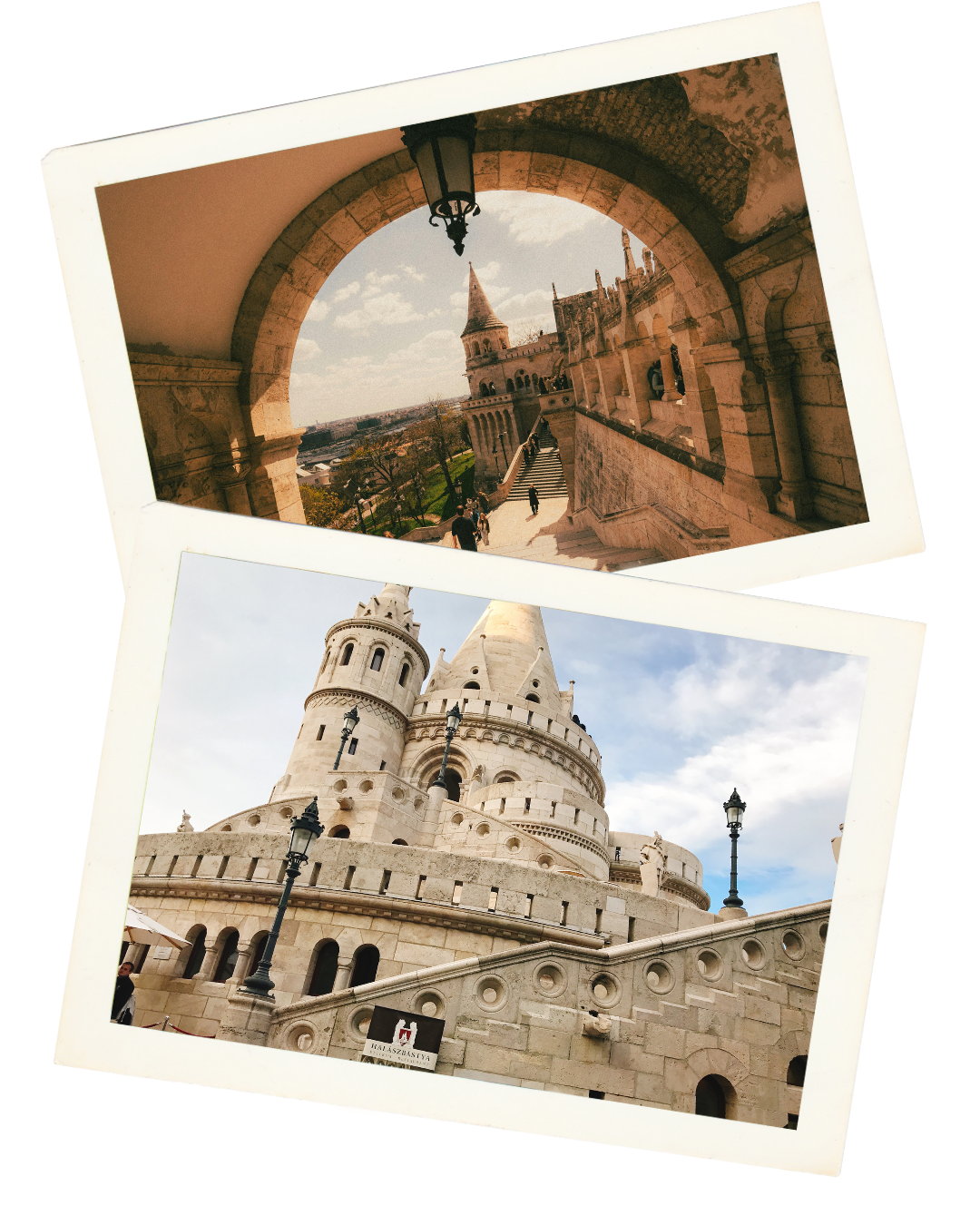
Fisherman’s Bastion is one of Budapest’s most photogenic historic landmarks, with white stone towers, Neo-Romanesque terraces, and sweeping views of the Parliament Building across the Danube. It was built between 1895 and 1902 as part of the city’s millennium-era improvements celebrating 1,000 years of the Hungarian state. Fisherman's Bastion and Buda Castle (the royal palace complex) are physically connected by the continuous historic fortification walls running along the edge of Castle Hill.
Matthias Church
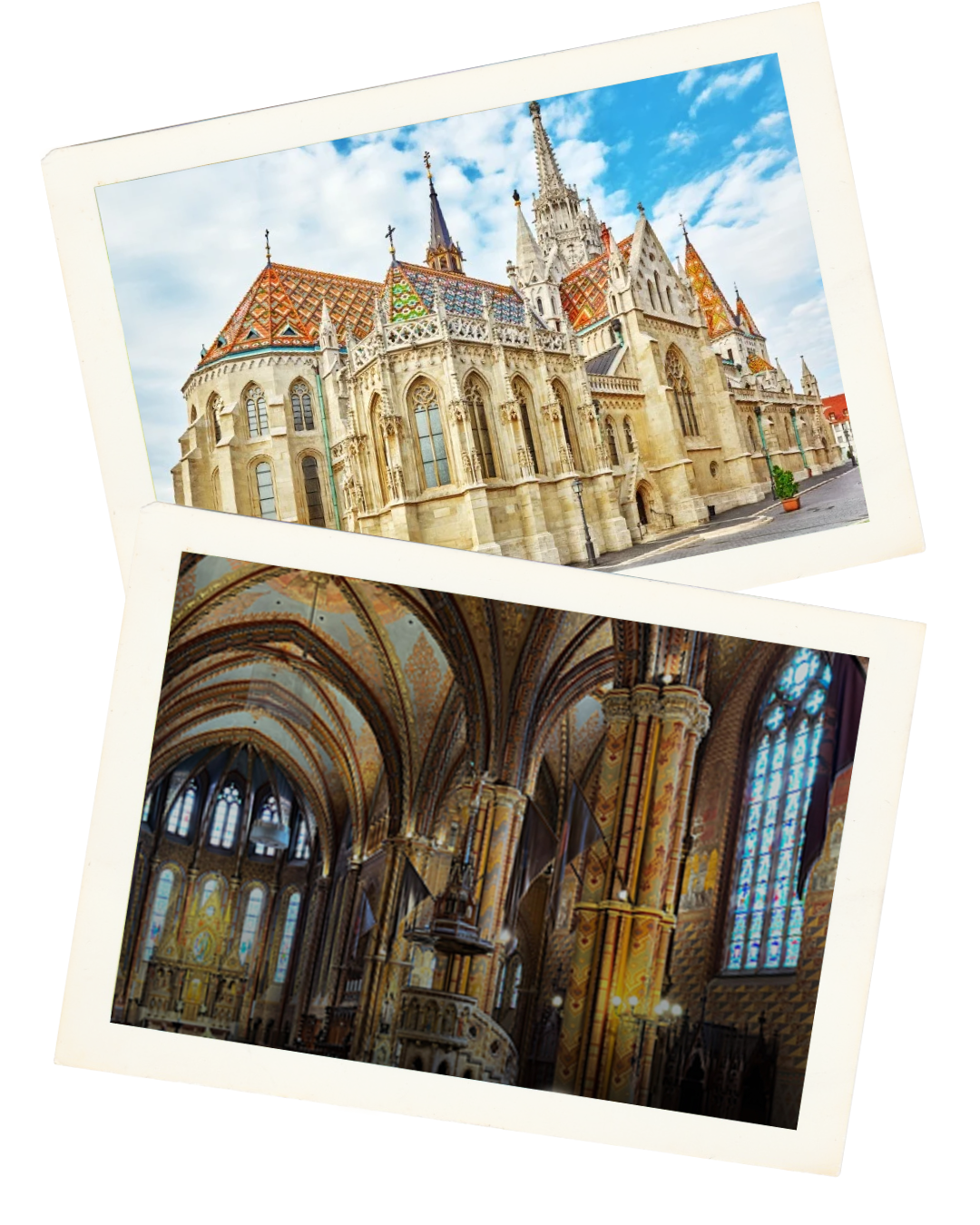
Matthias Church is one of the central landmarks of the Buda Castle District, known for its colorful tiled roof, Gothic details, and long role in royal ceremonies. It served as a coronation church, became a mosque during Ottoman rule, and later returned to Catholic use, making it one of the best places in Budapest to see Hungary’s layered religious and political history.
St. Stephen’s Basilica
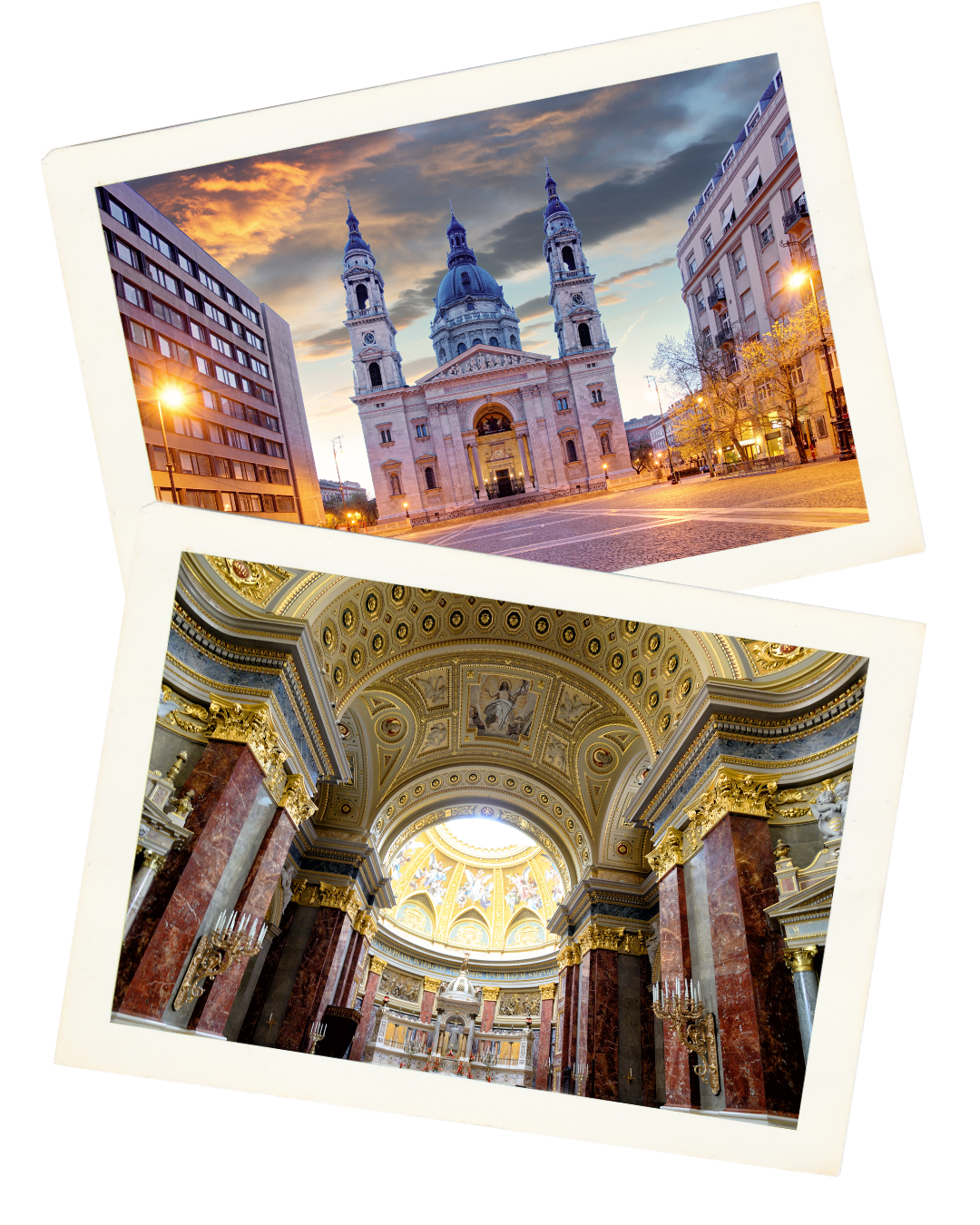
St. Stephen’s Basilica is one of Budapest’s great religious landmarks, dedicated to Hungary’s first king, Stephen I. Construction began in 1851 and the basilica was completed in 1905, with a grand dome, richly decorated interior, and the Holy Right relic connected to St. Stephen.
Heroes’ Square
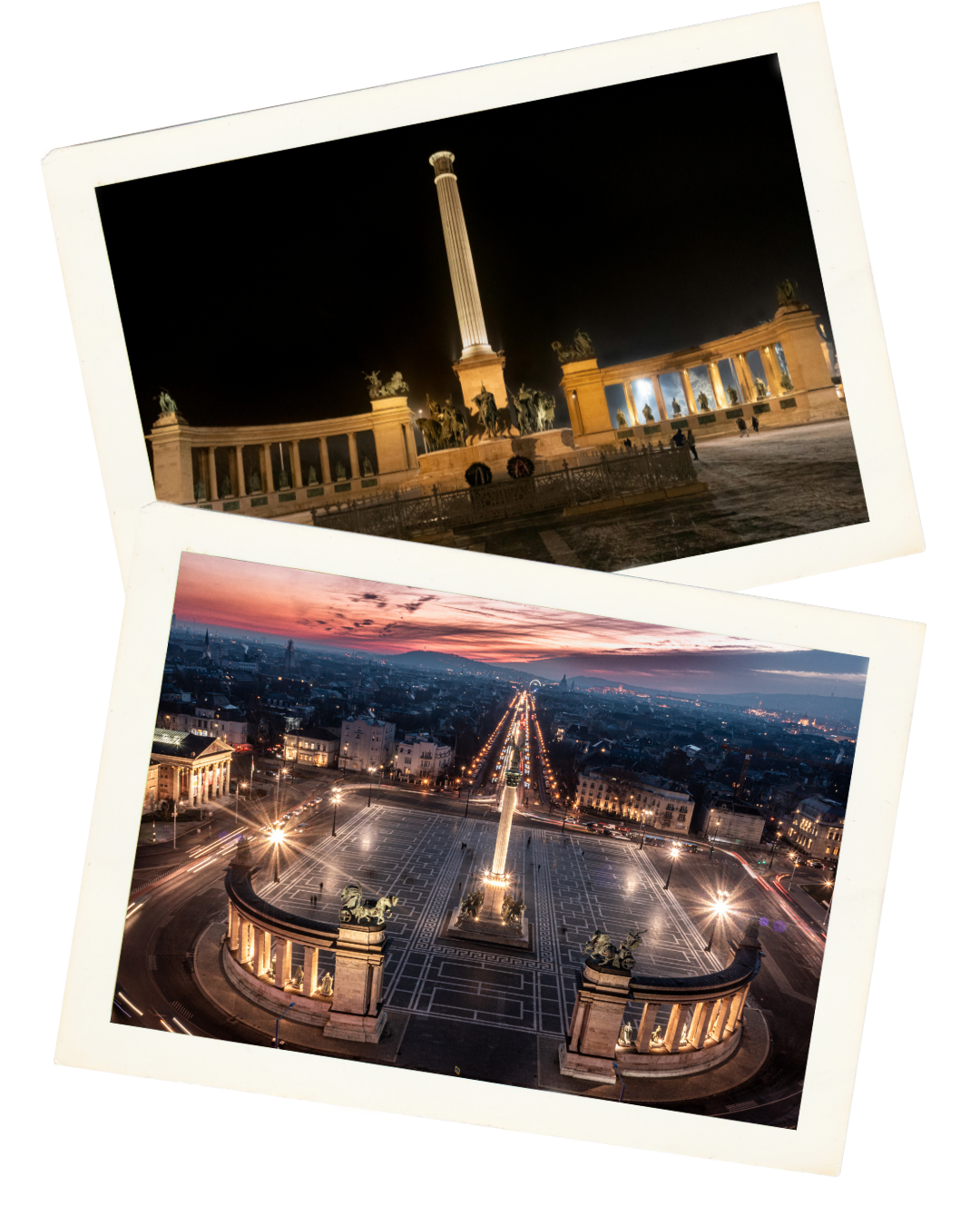
Heroes’ Square is one of Hungary’s most important national monuments, centered on the Millennium Memorial. The square was created to honor the 1,000th anniversary of the Hungarian conquest of the Carpathian Basin and has also hosted major national events, including the 1989 reburial ceremony of Imre Nagy.
Széchenyi Chain Bridge
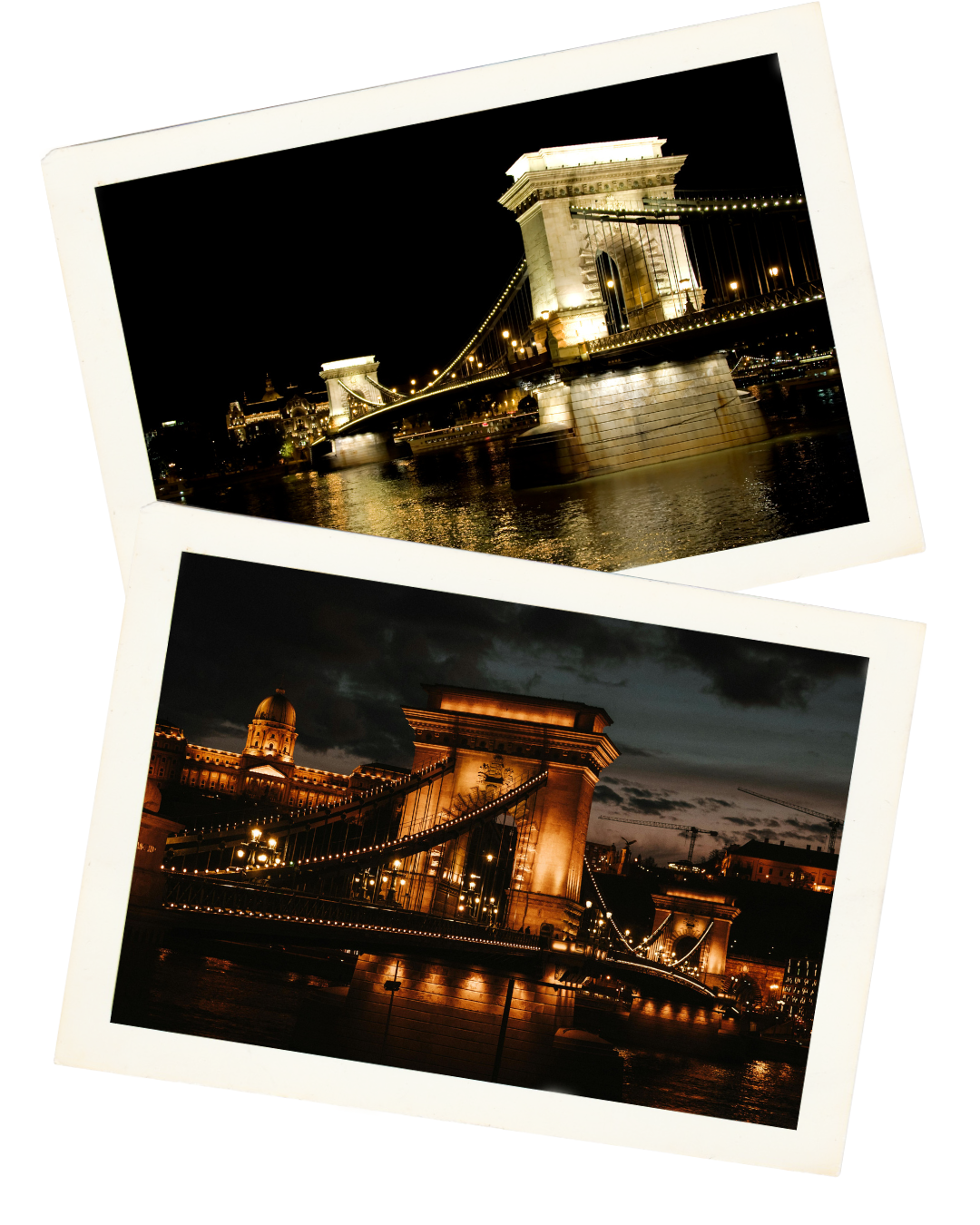
The Széchenyi Chain Bridge is one of Budapest’s most recognizable historic structures, linking Buda and Pest across the Danube. Even though it functions as a bridge, it feels like a monument: stone lions, suspension chains, river views, and a powerful symbolic role in connecting the two sides of the capital.
Shoes On The Danube Bank
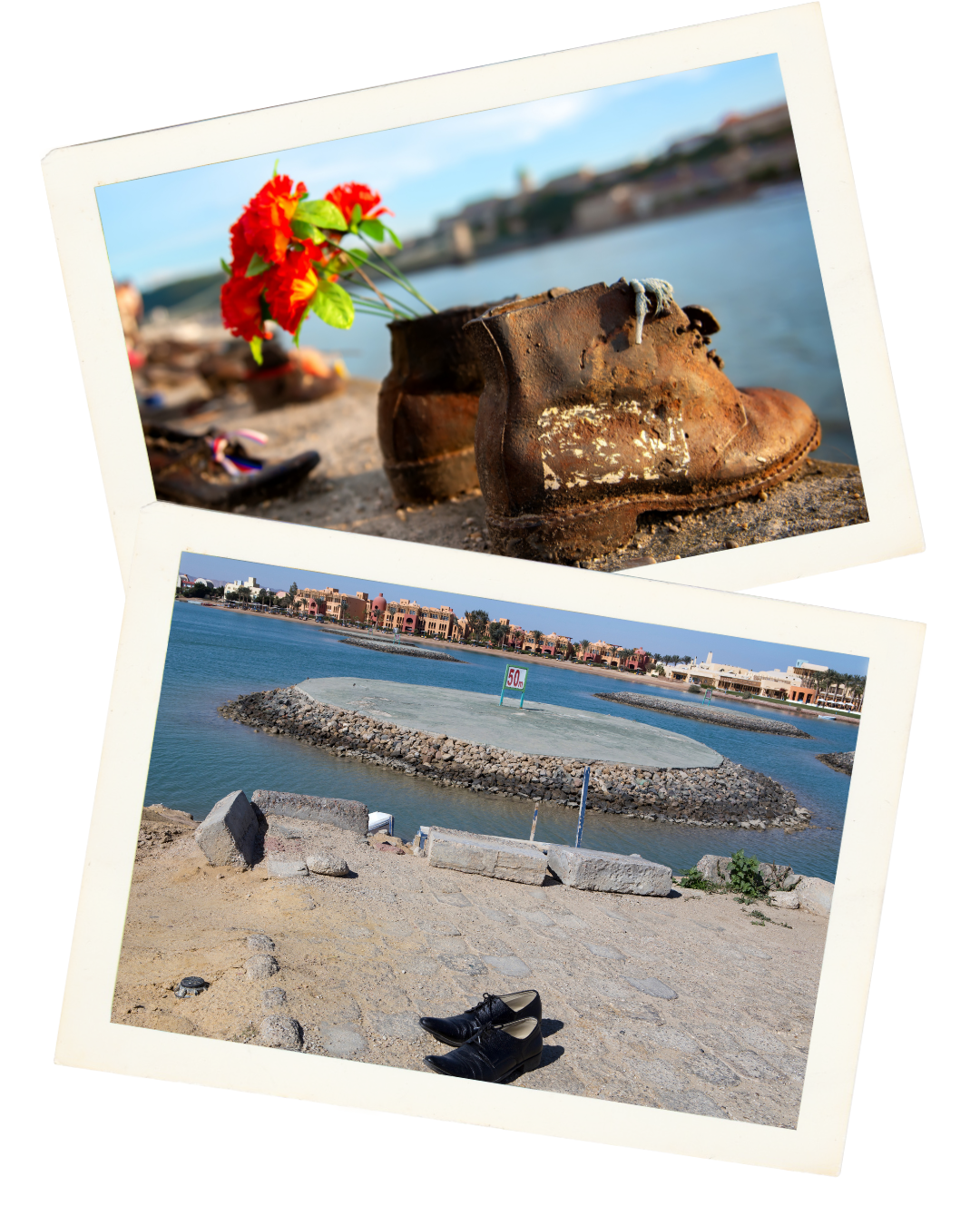
The Shoes on the Danube Bank memorial is one of Budapest’s most emotional landmarks. Located along the Danube Promenade, the memorial honors Hungarian Jews who were shot on the banks of the Danube in 1944 and 1945 by members of the Arrow Cross.
Andrássy Avenue
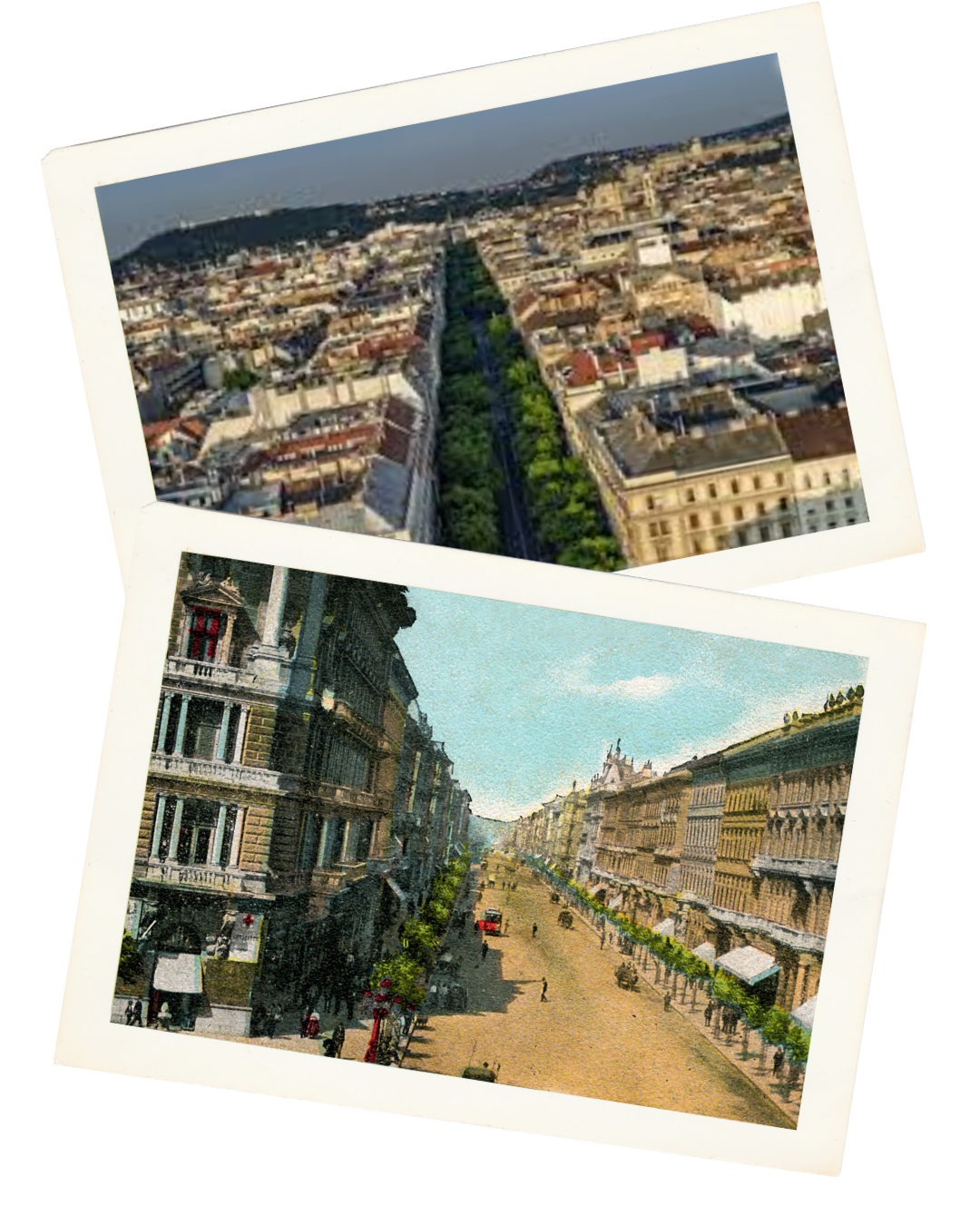
Andrássy Avenue is one of Budapest’s grand historic boulevards and part of the city’s UNESCO-listed heritage area. Construction began in 1872 and was completed in 1885, creating a ceremonial avenue lined with mansions, theaters, embassies, cafés, and major cultural landmarks.
Hungarian State Opera House
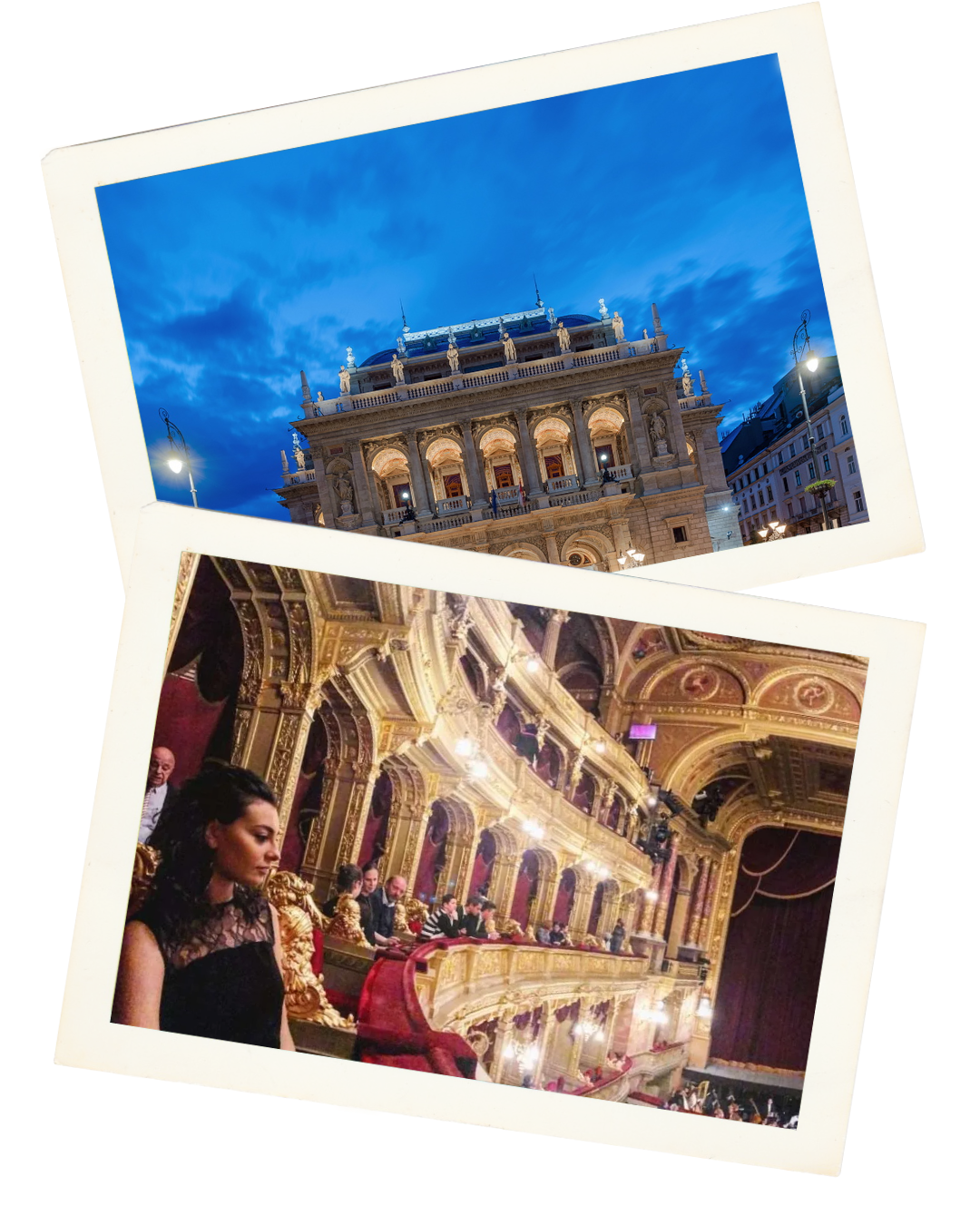
The Hungarian State Opera House is one of the most beautiful historical buildings on Andrássy Avenue. Opened in 1884 and designed by Miklós Ybl, it represents Budapest’s late 19th-century cultural ambition, with a richly decorated interior and a façade that still makes it one of the city’s architectural highlights.
Dohány Street Synagogue
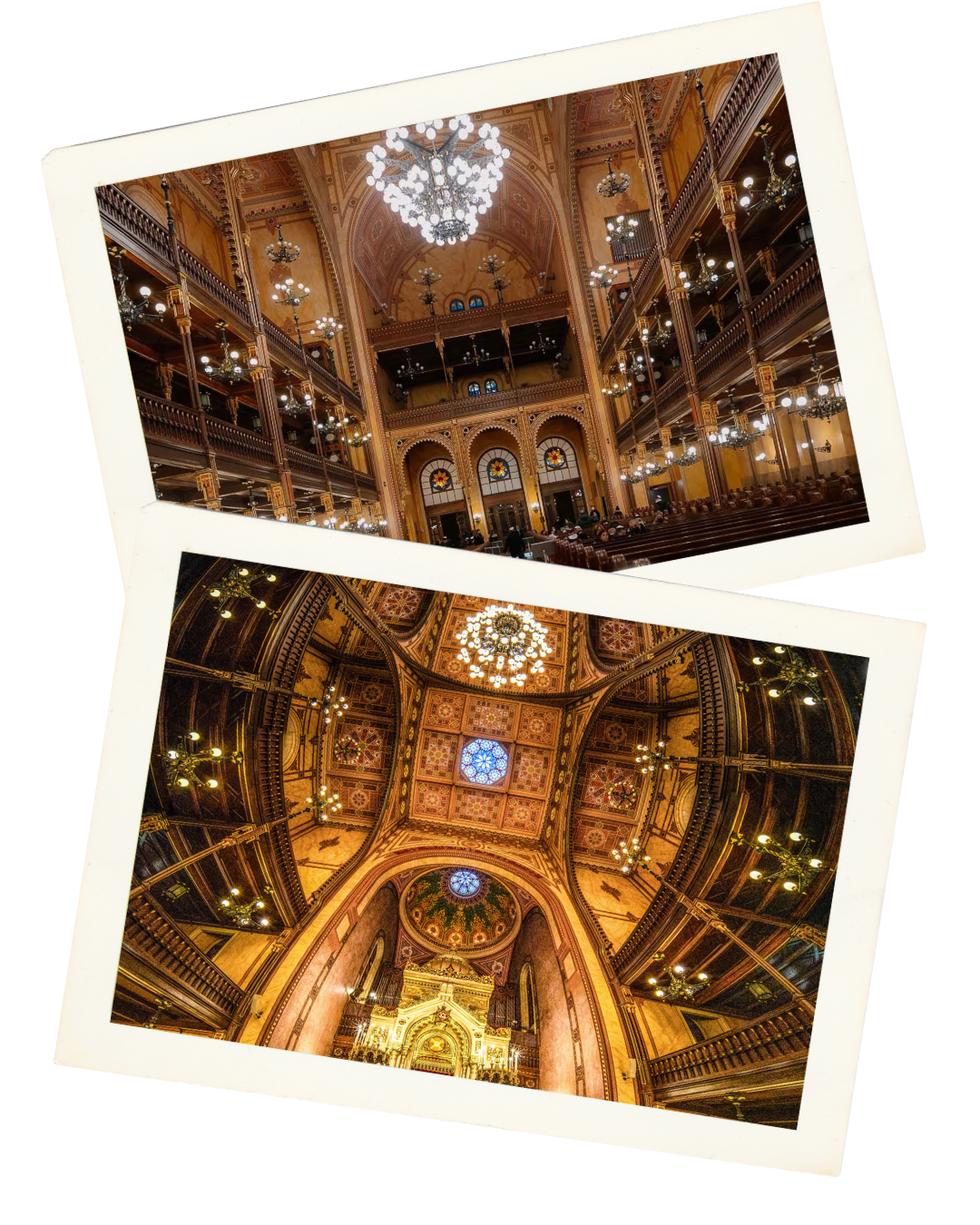
Dohány Street Synagogue is the largest synagogue in Europe and one of Hungary’s most important Jewish heritage landmarks. Built between 1854 and 1859, the complex includes the synagogue, Heroes’ Temple, a cemetery, a memorial garden, and a Jewish museum, while also standing near the historic border of the Budapest Ghetto.
Gellért Hill Citadella And Liberty Statue
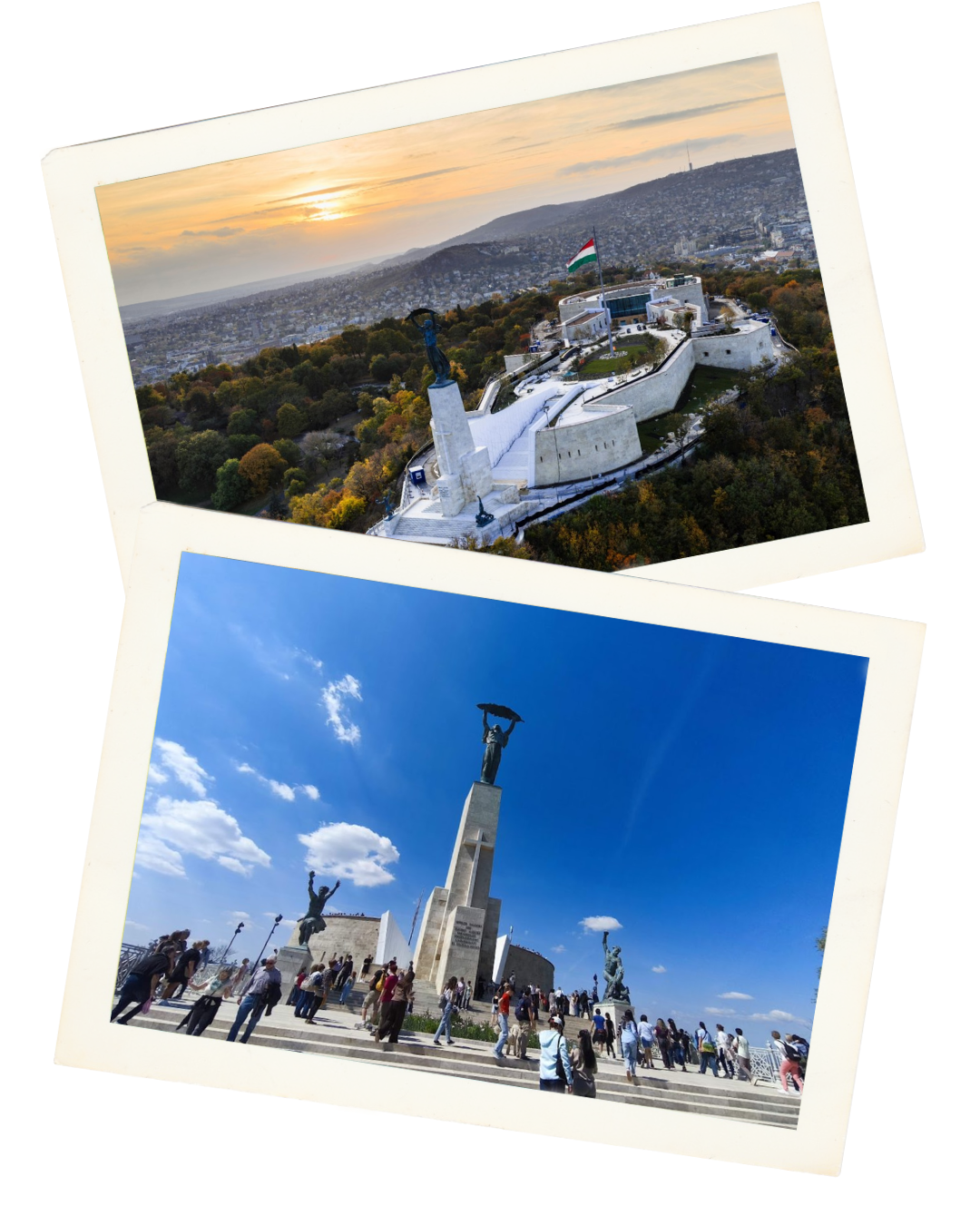
Gellért Hill is one of Budapest’s most dramatic historic viewpoints, crowned by the Citadella and the Liberty Statue. The Liberty Statue was erected in 1947 after World War II and has carried changing meanings over time, from Soviet liberation symbolism to a broader monument associated with freedom and remembrance.
Memento Park
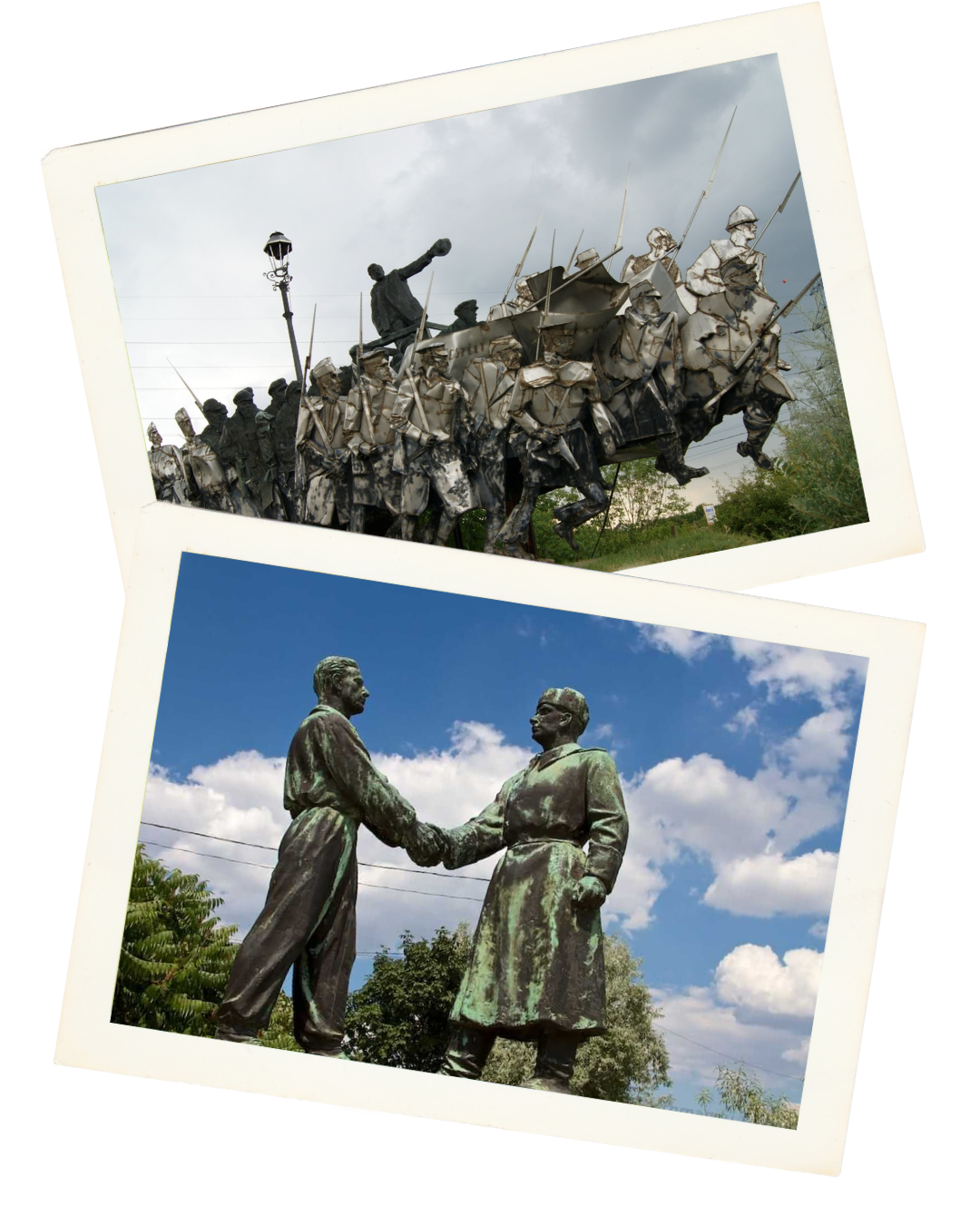
Memento Park is an open-air museum filled with monumental statues and plaques from Hungary’s Communist period. Instead of seeing these works in central squares, visitors encounter them gathered together outside the city, where the scale of the sculptures feels both dramatic and unsettling. It is one of the best museums in Hungary for understanding how public monuments, propaganda, and collective memory changed after 1989.
Vajdahunyad Castle
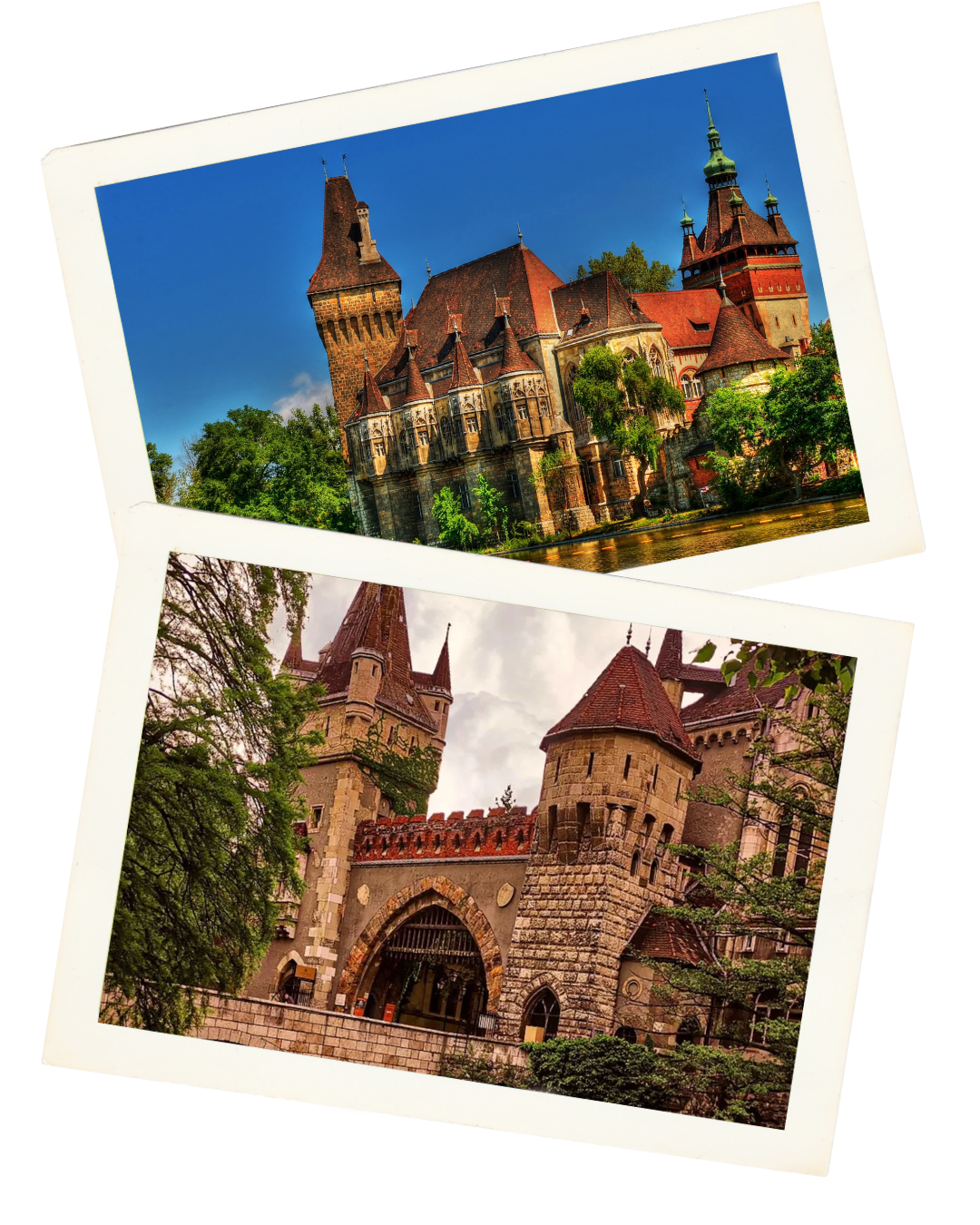
Vajdahunyad Castle in City Park is one of Budapest’s most unusual historic-looking landmarks because it was originally created for the 1896 Millennium Exhibition. Its design combines Romanesque, Gothic, Renaissance, and Baroque architectural elements, making it feel like a romantic summary of Hungarian architectural history in one place.
Great Market Hall
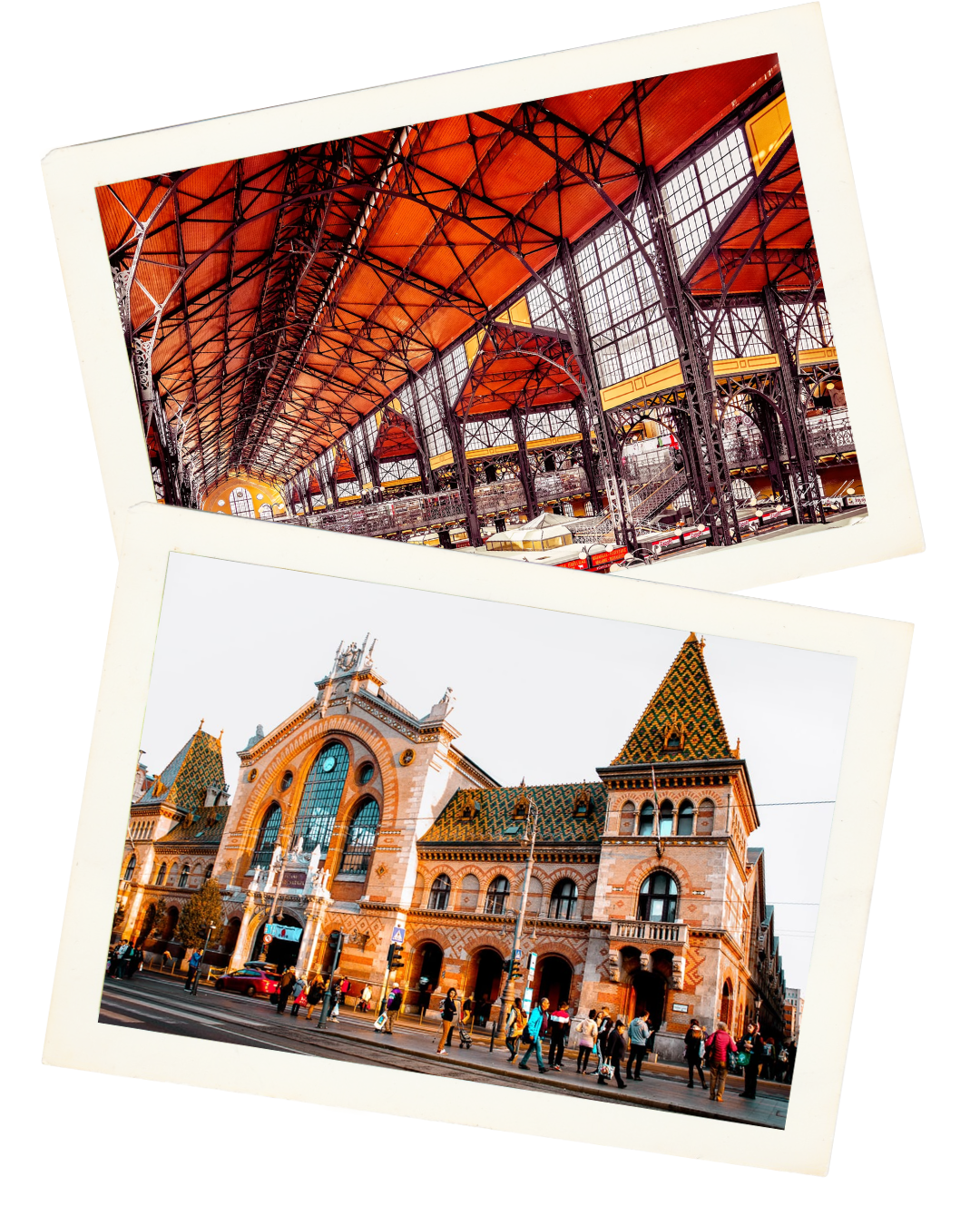
The Great Market Hall is one of Budapest’s most famous historic commercial buildings. Opened in 1897 and designed by Samu Pec, it is known for its vast iron-and-brick market hall, decorative roof, food stalls, and lively atmosphere that still makes it one of the best everyday landmarks in the city.
Széchenyi Thermal Bath
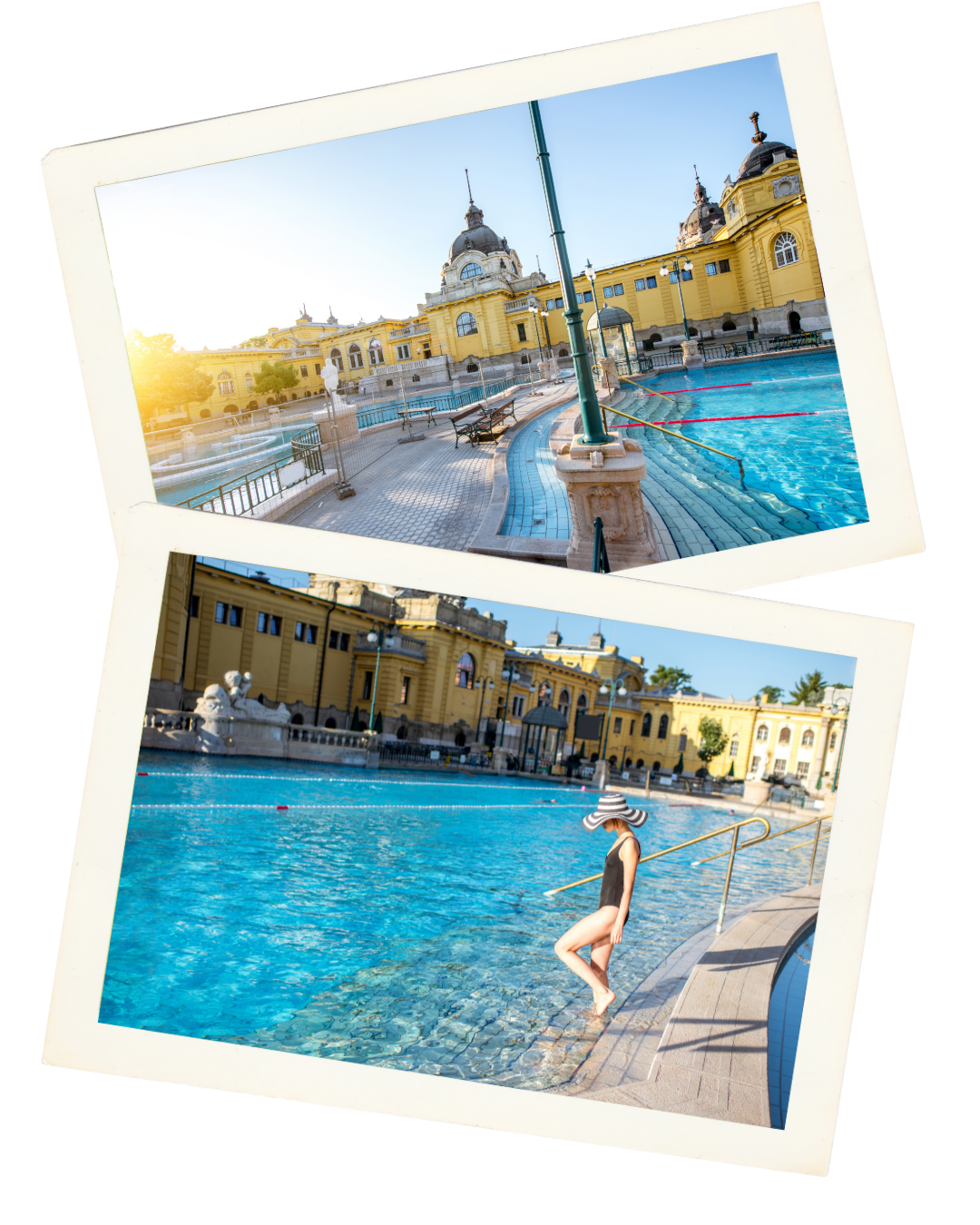
Széchenyi Thermal Bath is both a historic spa and one of Budapest’s most recognizable architectural landmarks. Built in 1913 in City Park, the Neo-Baroque bath complex became famous for its outdoor pools, yellow palace-like buildings, and long-standing role in Budapest’s thermal bathing culture.
Gellért Thermal Bath
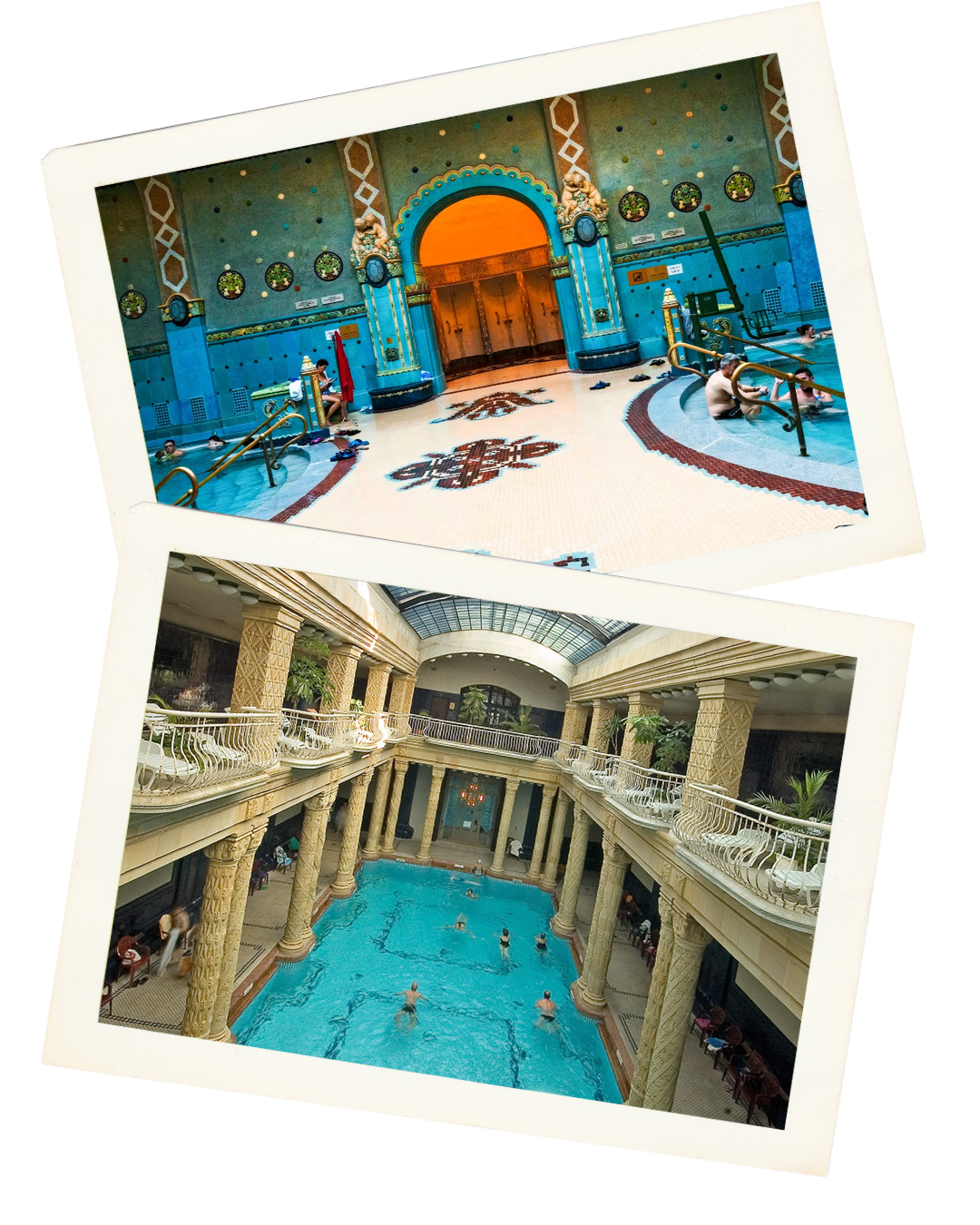
Gellért Thermal Bath is one of Hungary’s great Art Nouveau spa landmarks. Built between 1912 and 1918, it is known for its Secession-style architecture, mosaics, columns, stained glass, and elegant bathing halls, making it one of the most beautiful historic bath complexes in Budapest.
Rudas Thermal Bath
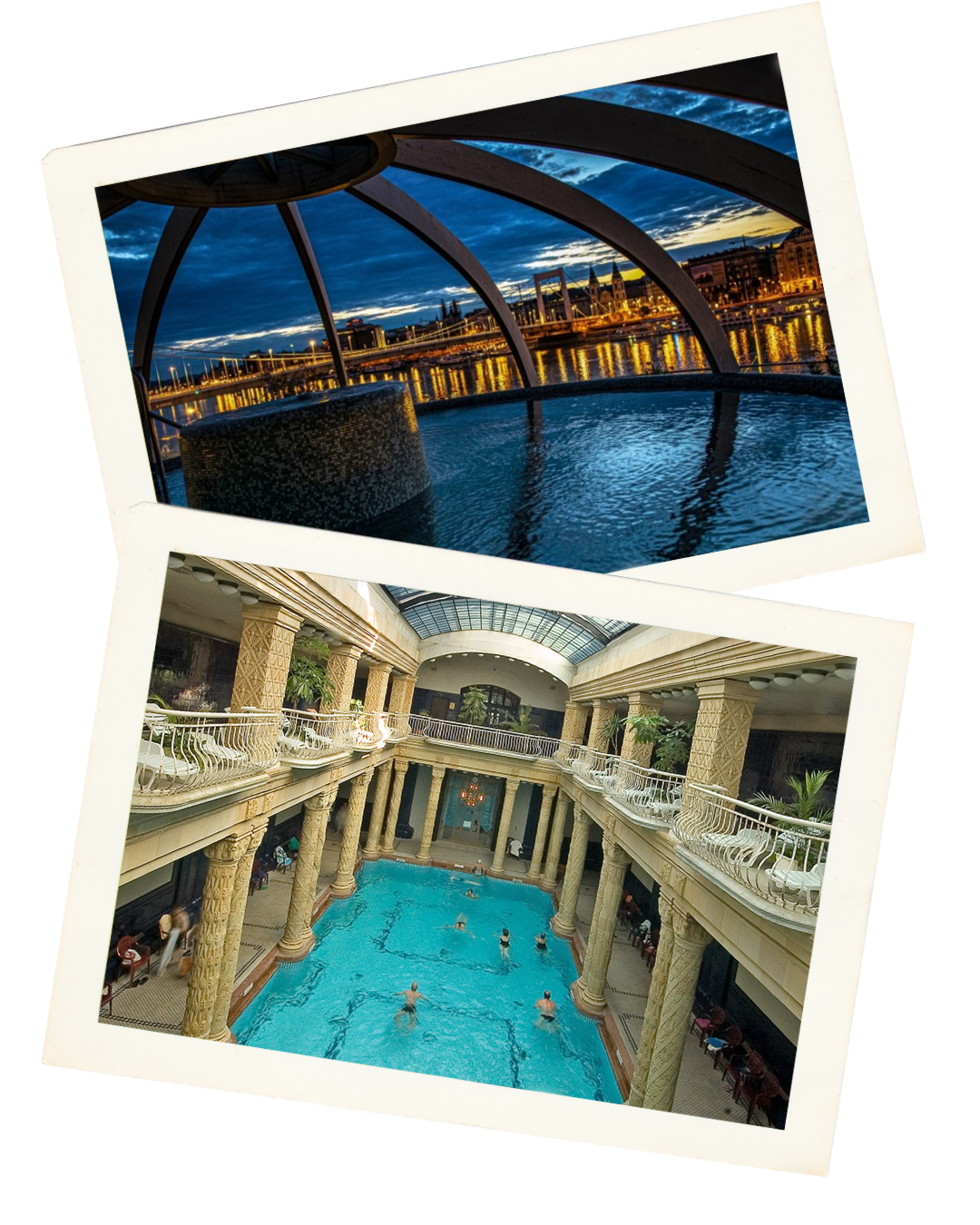
Rudas Thermal Bath preserves one of Budapest’s strongest Ottoman-era landmarks. Founded during the 16th century under Ottoman rule, it is known for its domed hammam space, octagonal pool, and historic bathing atmosphere that connects modern Budapest to its Turkish period.
Tomb Of Gül Baba
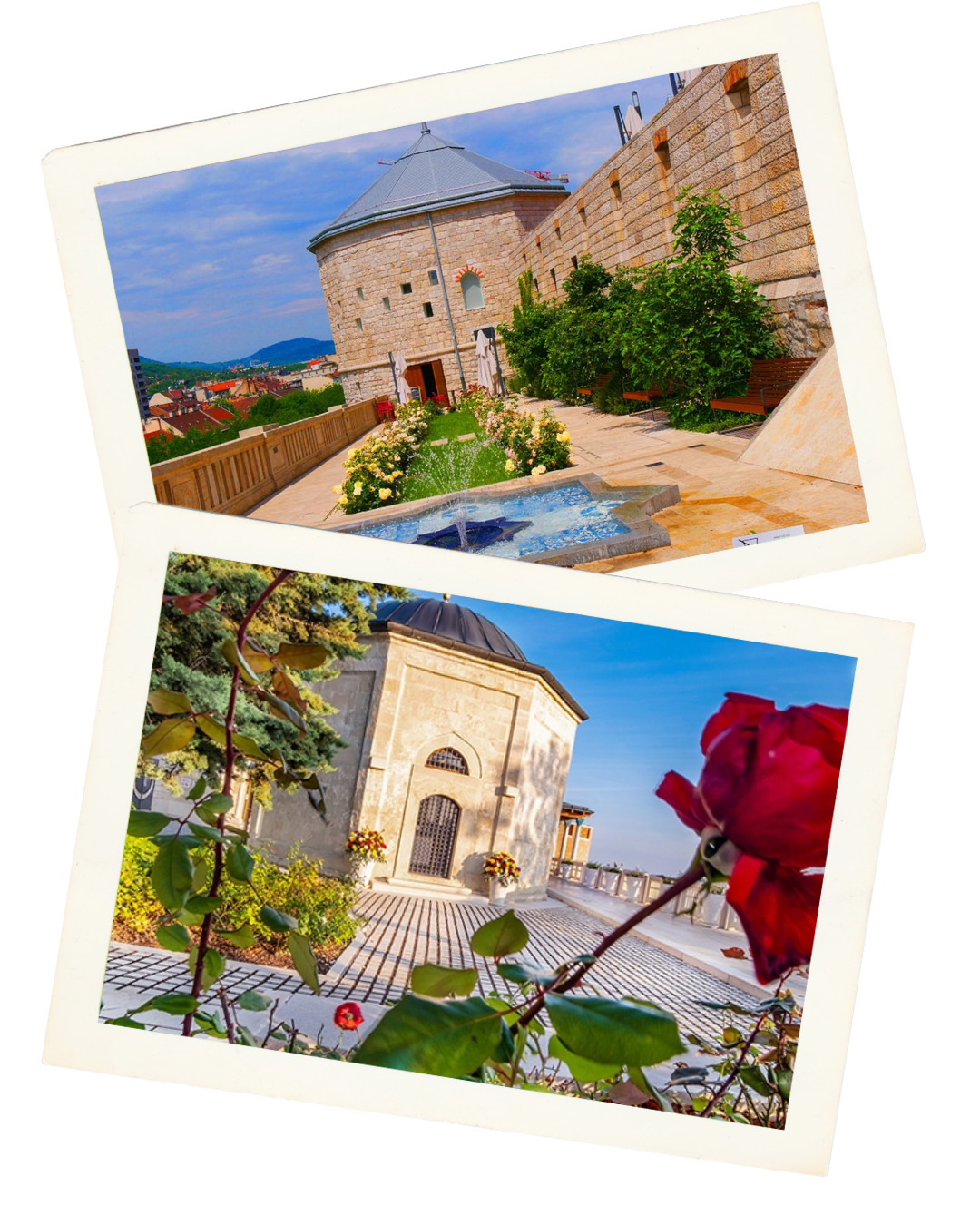
The Tomb of Gül Baba is one of the most distinctive Ottoman landmarks in Hungary. Built between 1543 and 1548 over the grave of Gül Baba, an Ottoman-era Bektashi dervish, it remains an important Islamic heritage site on the Buda side of Budapest.
Aquincum Roman Ruins
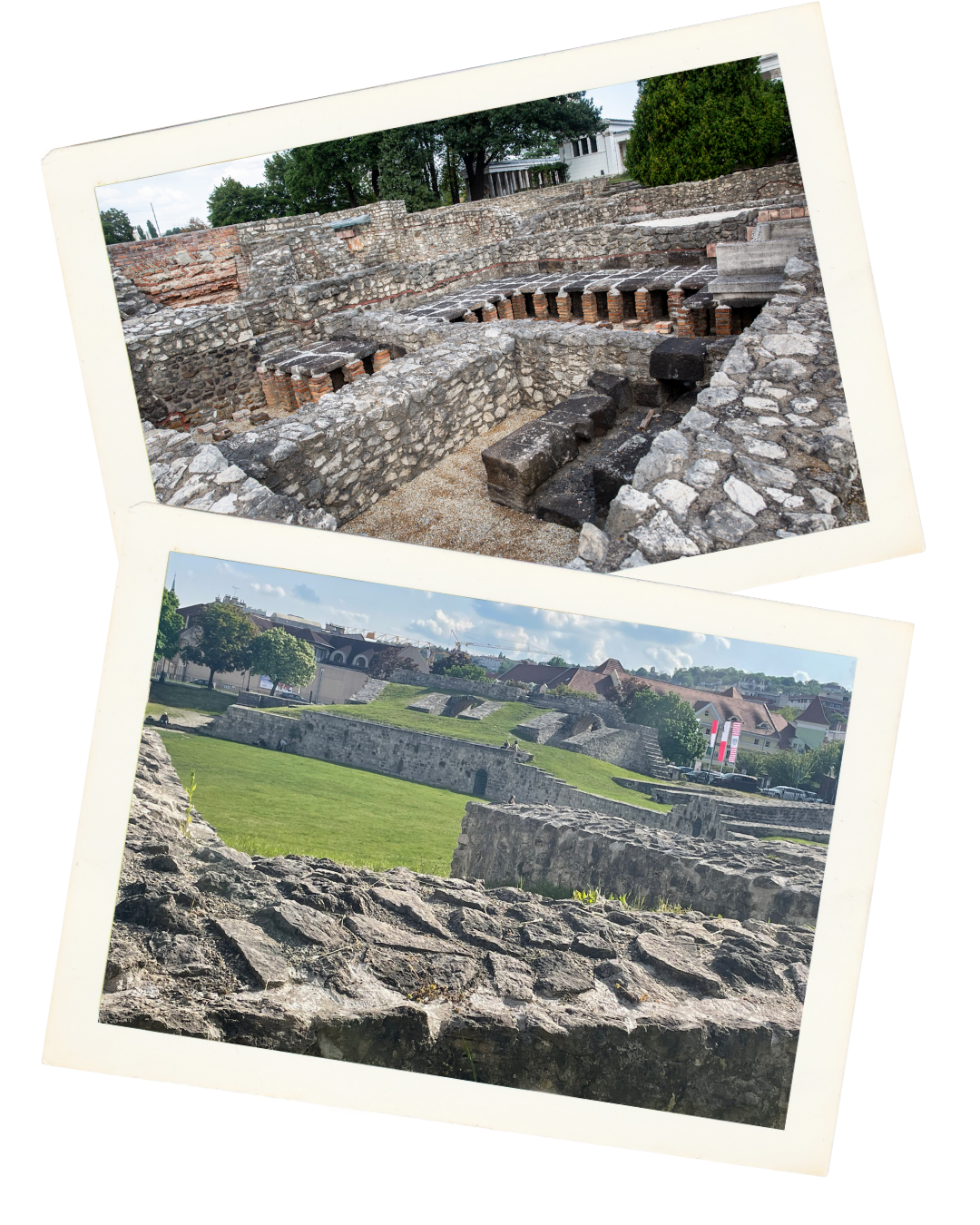
Aquincum is one of Hungary’s most important Roman archaeological sites and one of the best places to see ancient history in Budapest. The museum opened in 1894 to display Roman remains, and the area preserves ruins connected to the Roman settlement that once stood in present-day Óbuda.
Esztergom Basilica
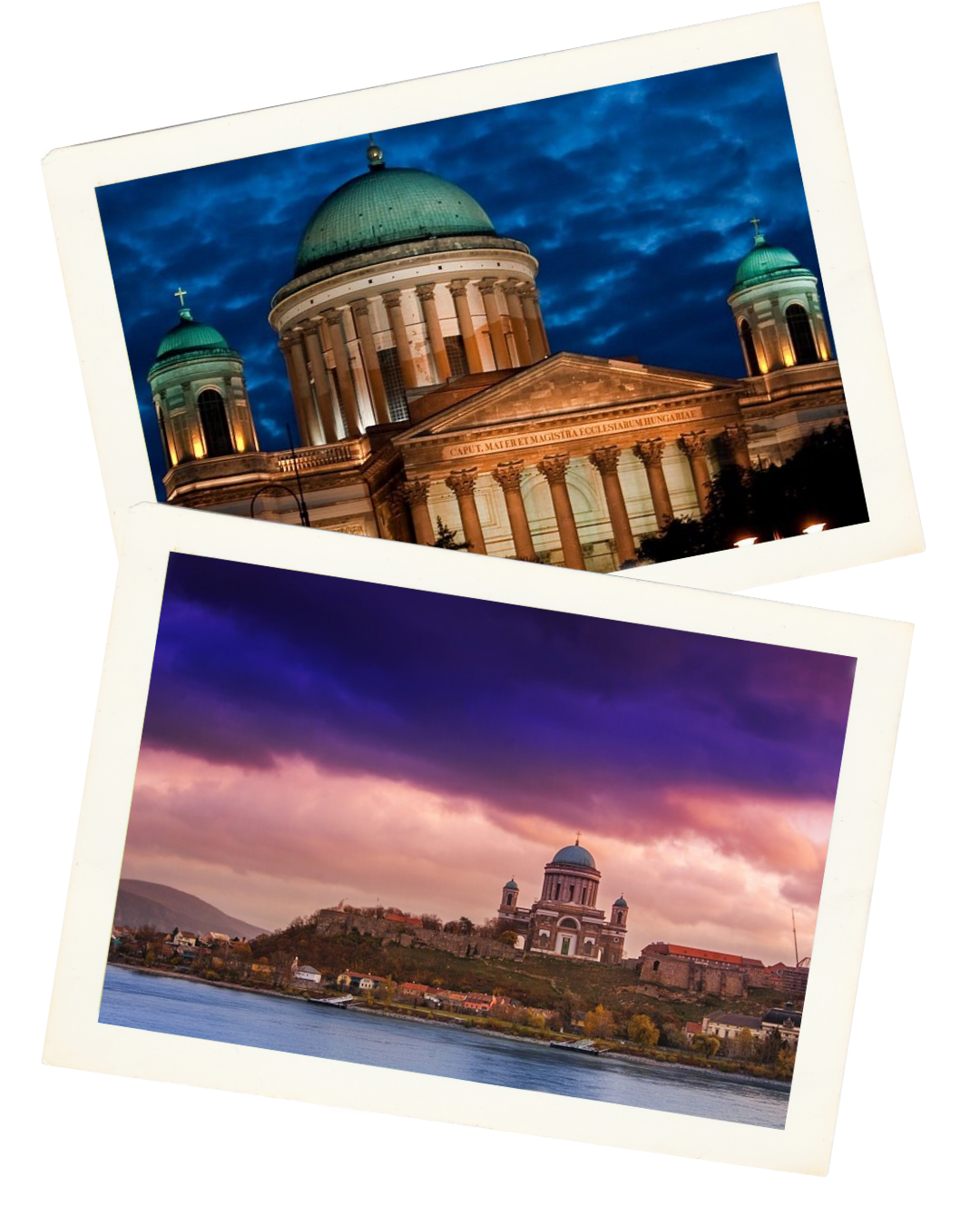
Esztergom Basilica is the largest church in Hungary and one of the country’s most monumental religious landmarks. It stands on Castle Hill above the Danube, where the earlier cathedral tradition goes back to the age of St. Stephen, while the present basilica was consecrated in the 19th century.
Visegrád Citadel And Royal Palace
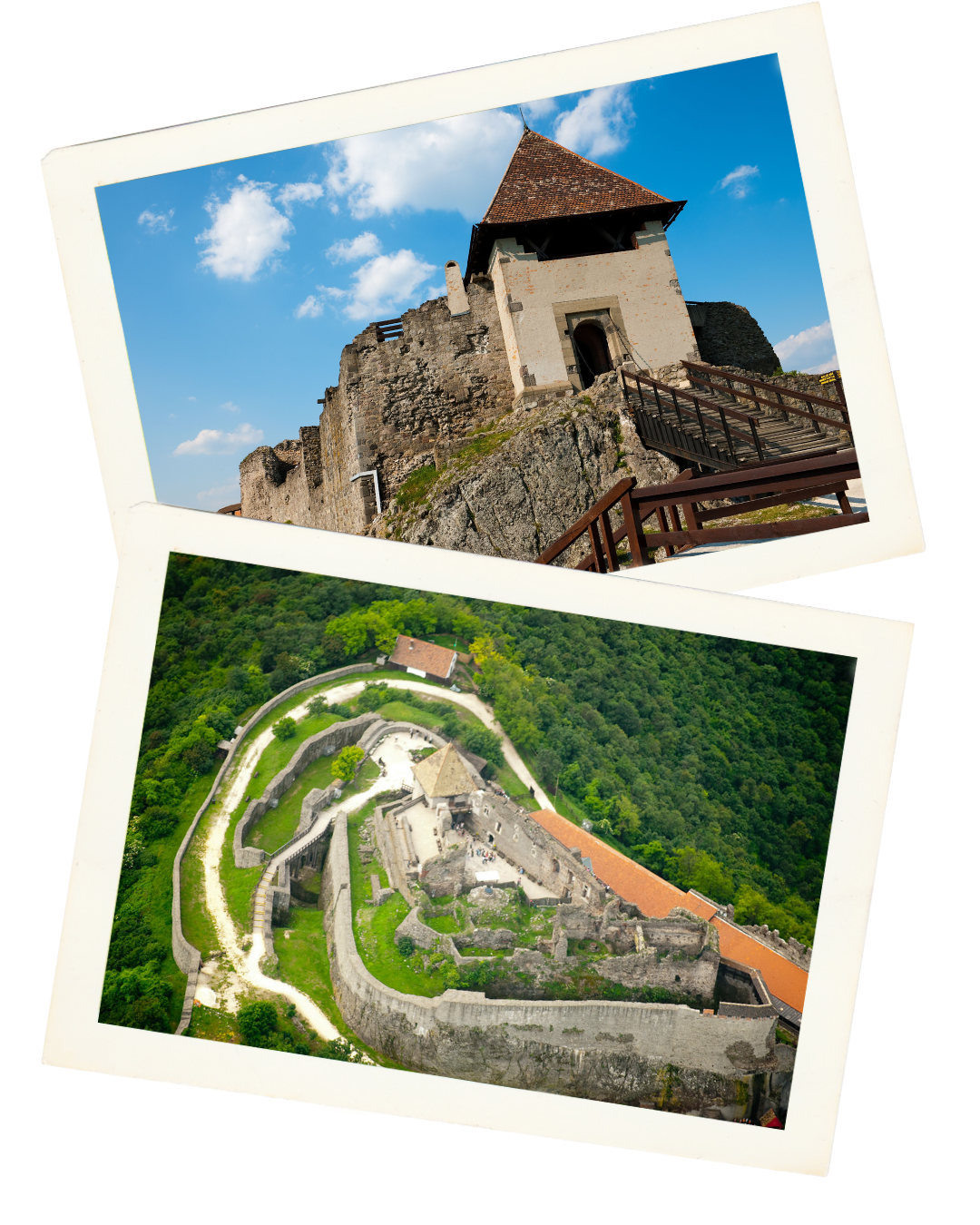
Visegrád is one of Hungary’s most important medieval royal sites, overlooking the Danube Bend from a dramatic hilltop position. The citadel guarded the Hungarian crown for centuries, while the royal palace below reflects the town’s importance during the reigns of medieval Hungarian kings.
Eger Castle
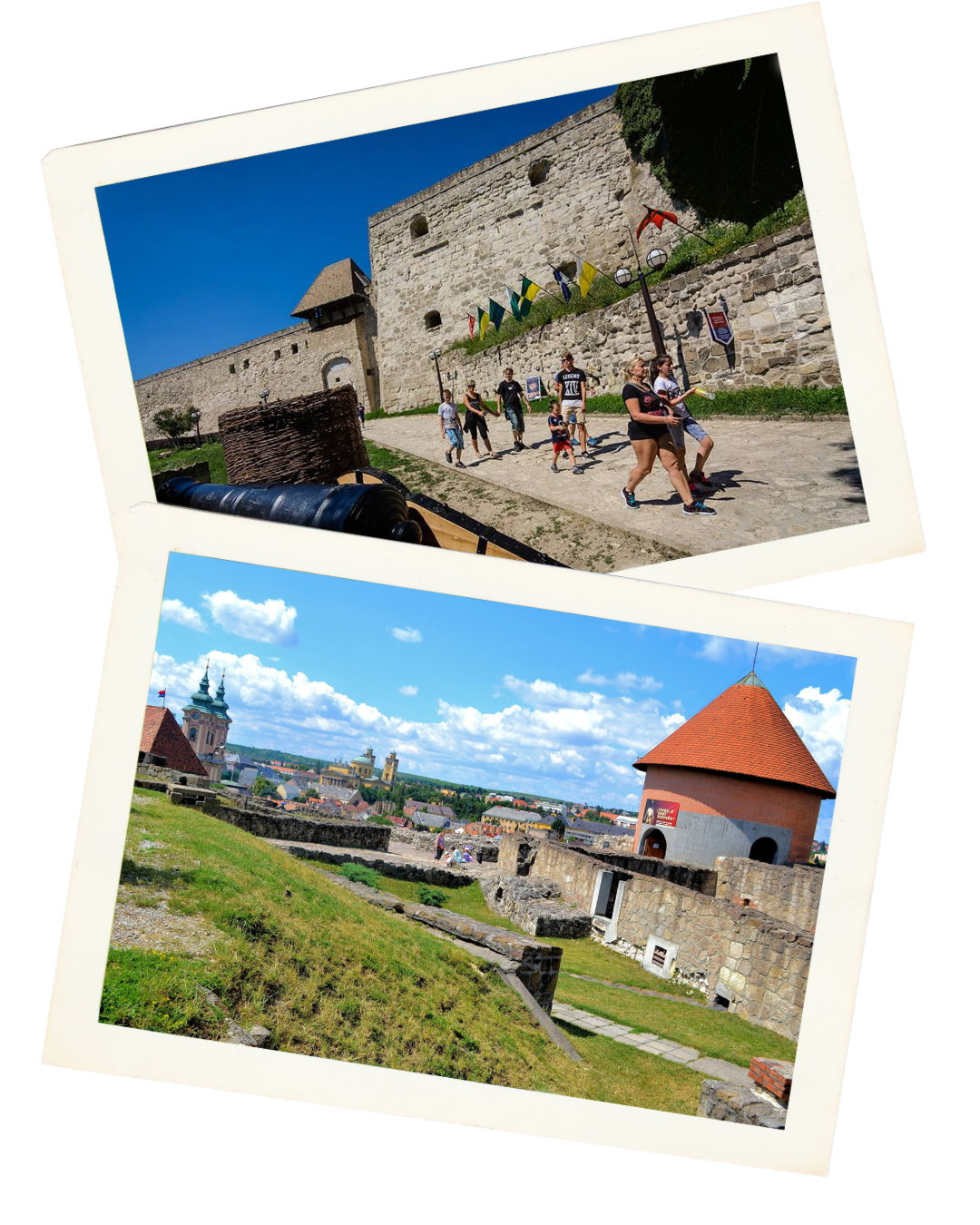
Eger Castle is one of Hungary’s most famous fortress landmarks because of the 1552 siege, when Hungarian defenders led by István Dobó resisted the Ottoman army. Today, the castle is both a ruin and a national symbol, with walls, exhibitions, and views over one of Hungary’s most historic towns.
Pannonhalma Archabbey
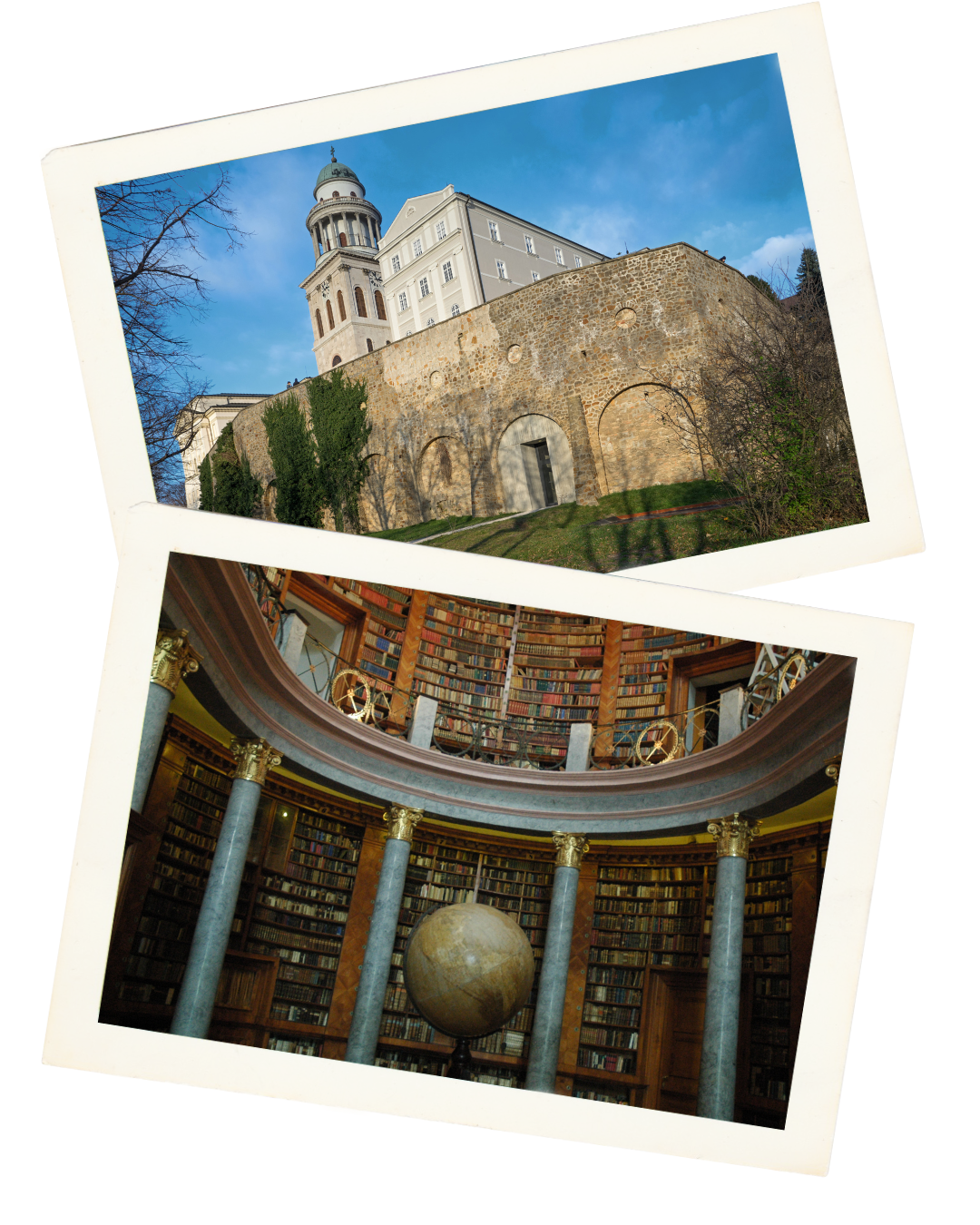
Pannonhalma Archabbey is one of Hungary’s most important religious and cultural landmarks. Benedictine monks settled there in 996, and UNESCO highlights its 1,000-year history, educational role, and visible layers of architectural development.
Hollókő Old Village And Castle Ruins
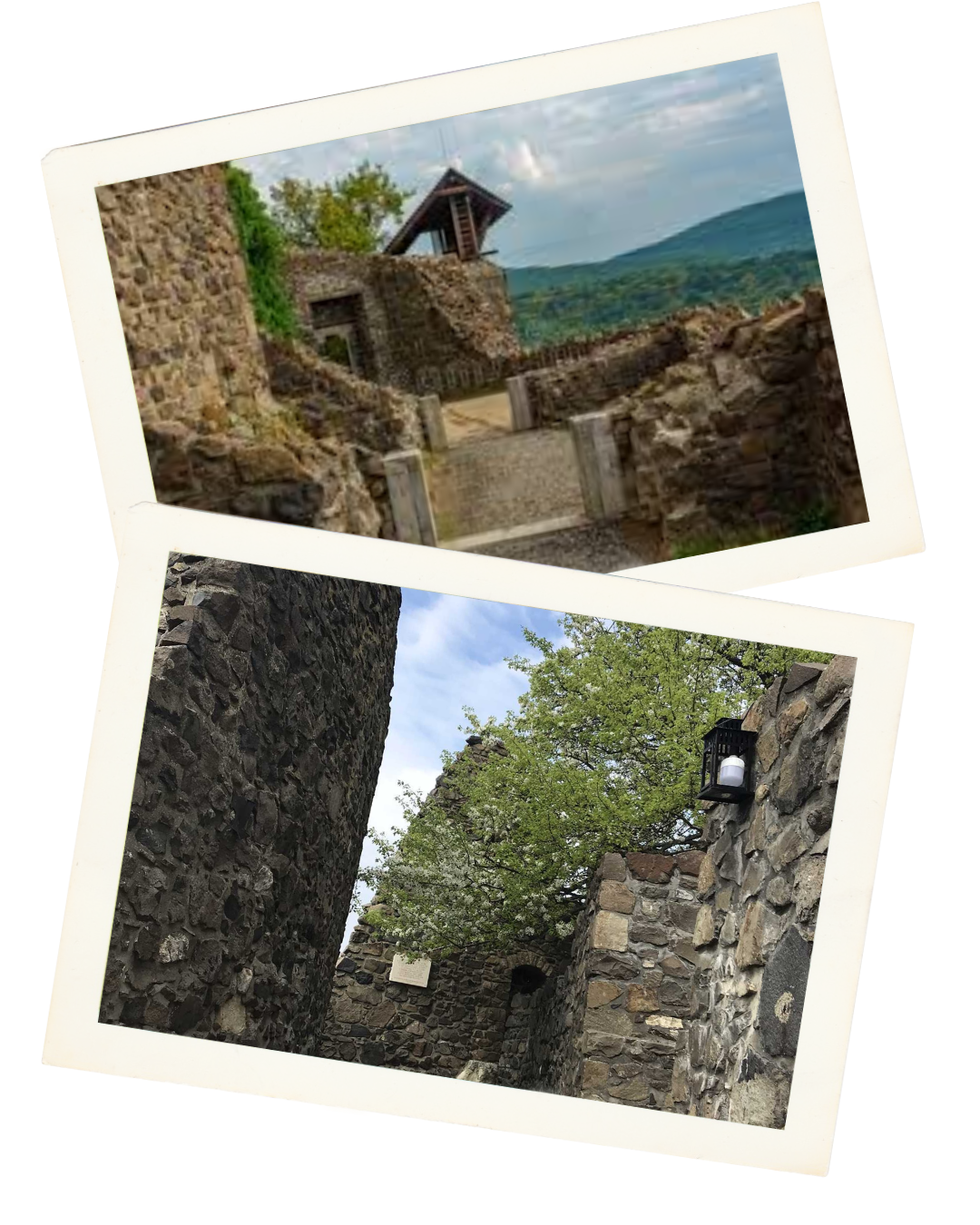
Hollókő is a UNESCO-listed village known for its preserved traditional layout, Palóc architecture, and castle ruins overlooking the settlement. It is one of the best historical landmarks in Hungary for seeing rural heritage, not just royal or urban history.
Early Christian Necropolis Of Pécs
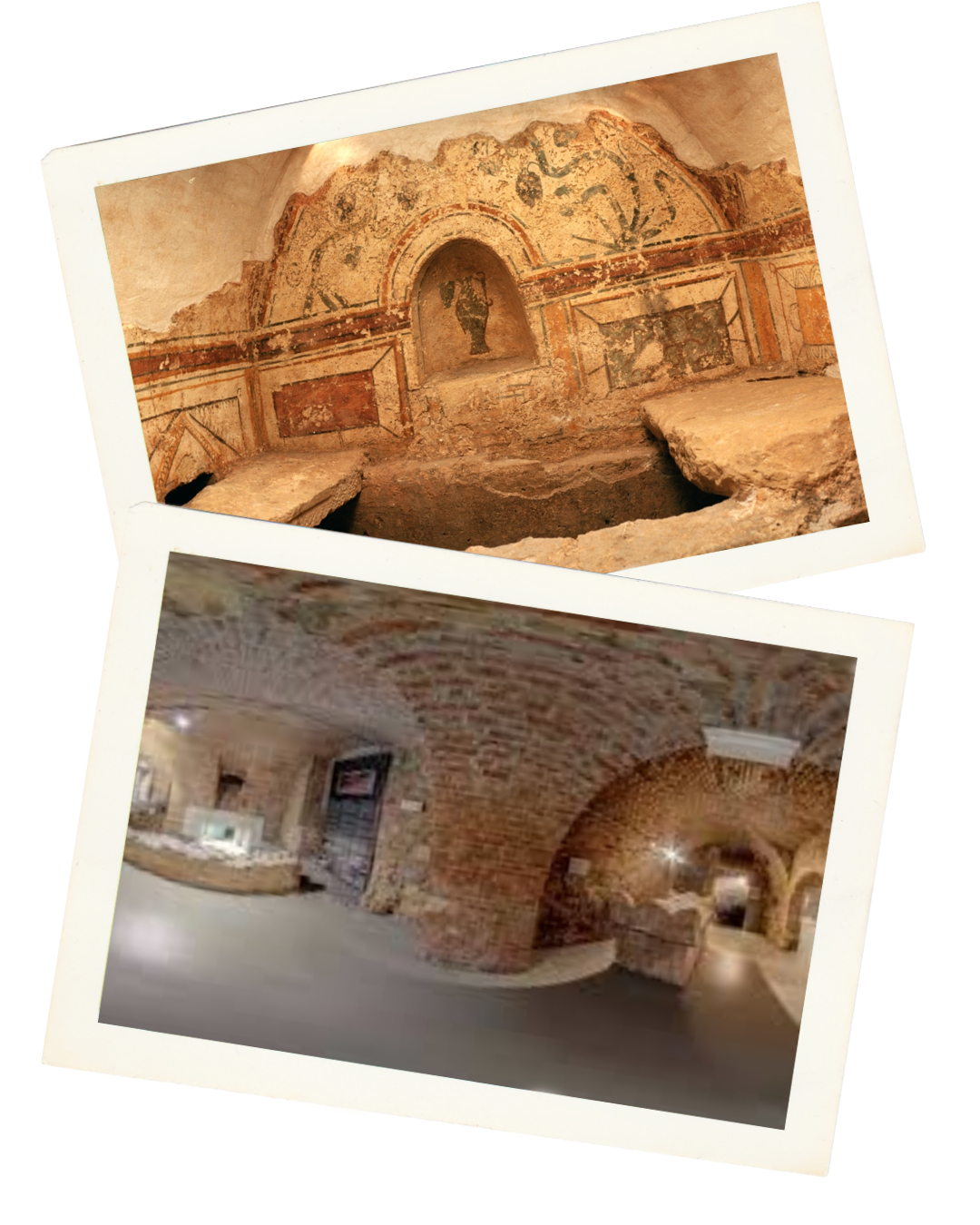
The Early Christian Necropolis of Pécs is one of Hungary’s most important ancient landmarks. UNESCO describes it as a 4th-century burial site from the Roman provincial town of Sopianae, with decorated tombs, burial chambers, chapels, and a mausoleum preserved beneath the modern city.
Mosque Of Pasha Qasim, Pécs
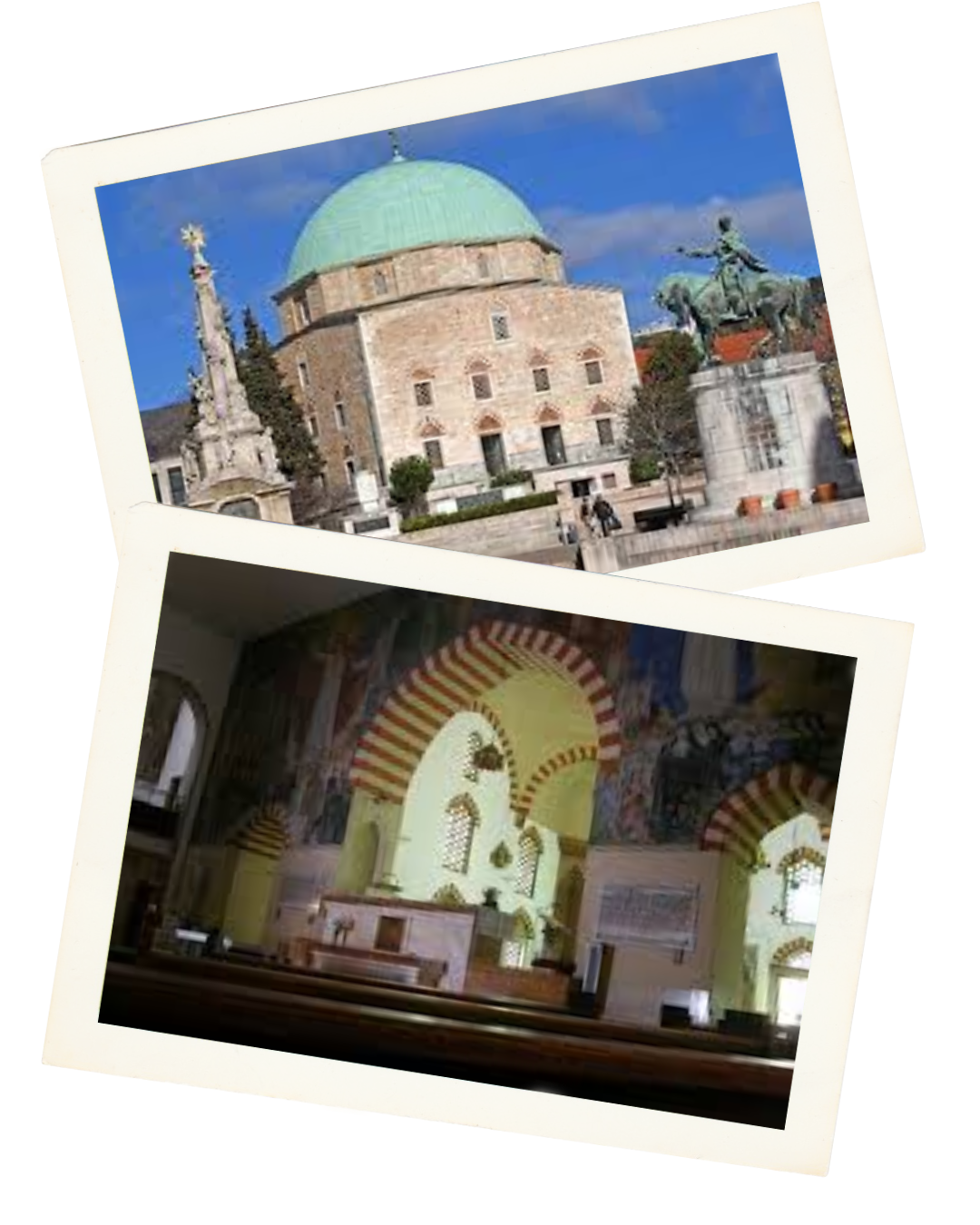
The Mosque of Pasha Qasim is one of the most striking Ottoman-era landmarks in Hungary. Standing on Pécs’s main square, it was originally built as a mosque during Ottoman rule and later transformed into a Catholic church, leaving visible traces of both Islamic and Christian history.
Tihany Abbey
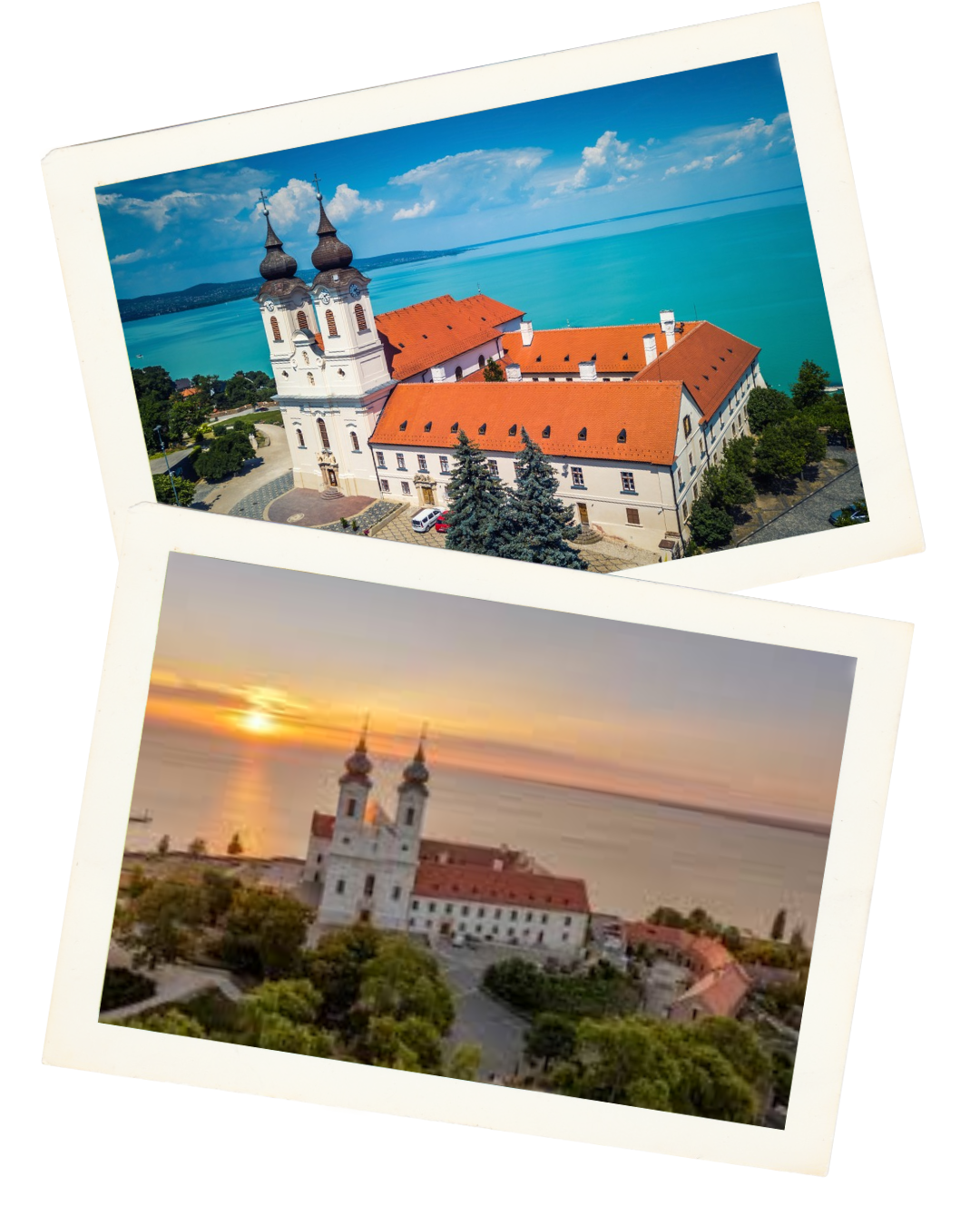
Tihany Abbey is one of Lake Balaton’s most famous historic landmarks, founded in 1055 by King Andrew I on the Tihany Peninsula. Its foundation charter is especially important because it includes some of the oldest written Hungarian words, while the abbey’s twin towers remain one of Balaton’s signature views.
Szeged Votive Church
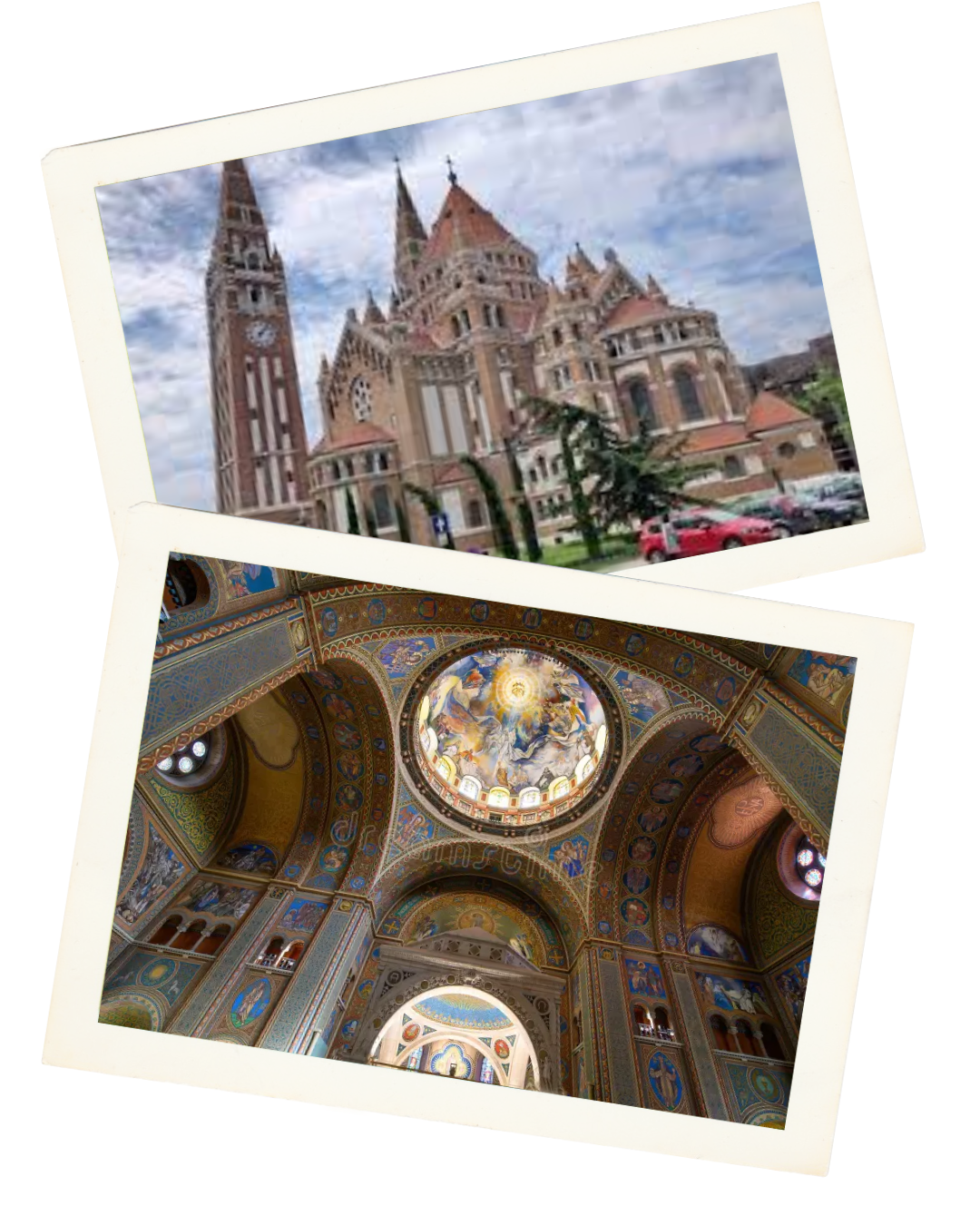
The Votive Church of Szeged is one of southern Hungary’s most impressive religious landmarks. It was built after the devastating flood of 1879 as a city vow of renewal, with construction beginning in 1914 and the church completed in 1930.
Sümeg Castle
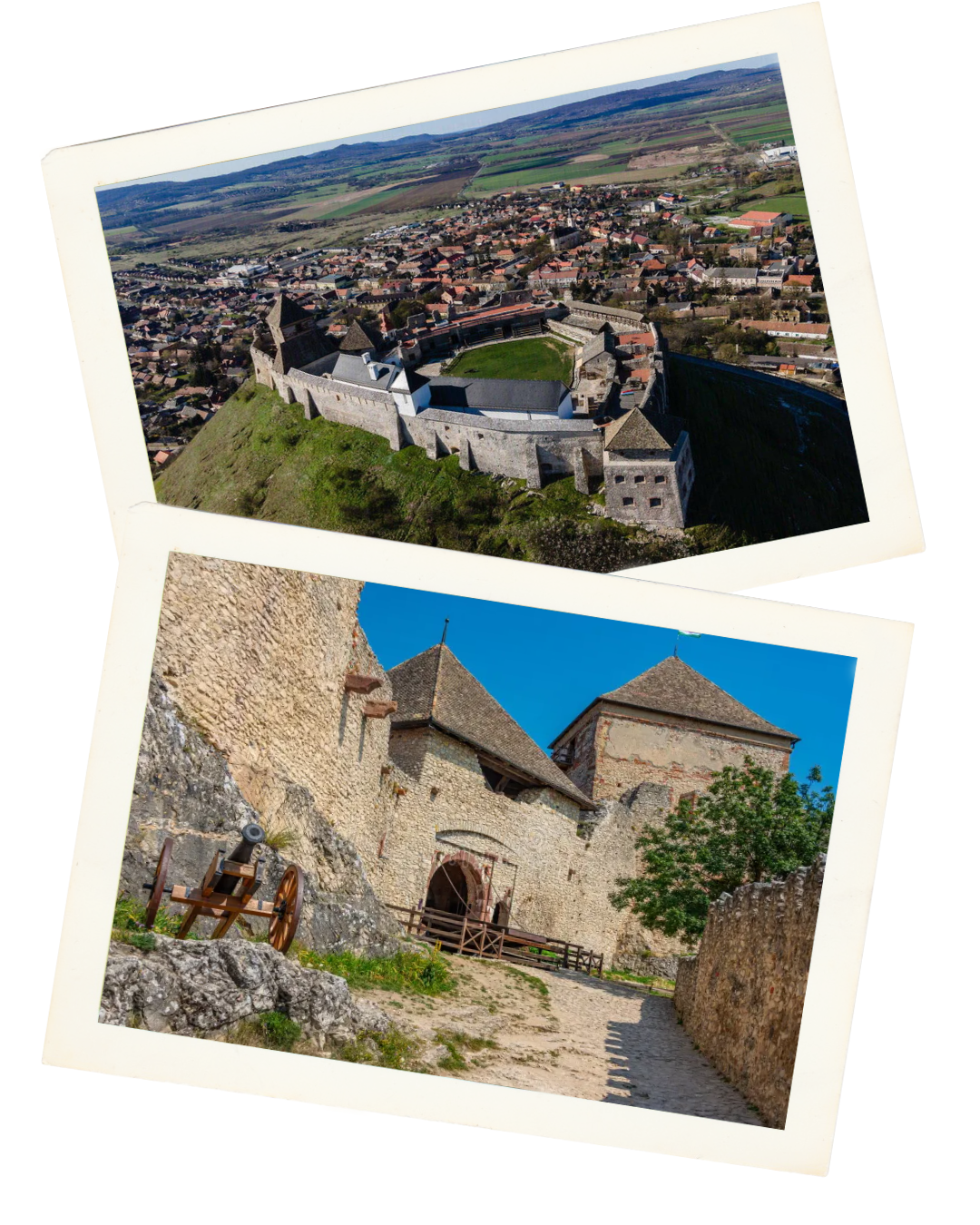
Sümeg Castle is one of Hungary’s most impressive medieval hilltop fortresses and one of the country’s most complete castle experiences. It rises above the town on a high limestone hill, creating a classic fortress silhouette with views over western Hungary. Visit Hungary describes Sümeg as one of the country’s largest and most intact medieval forts.
Szigliget Castle
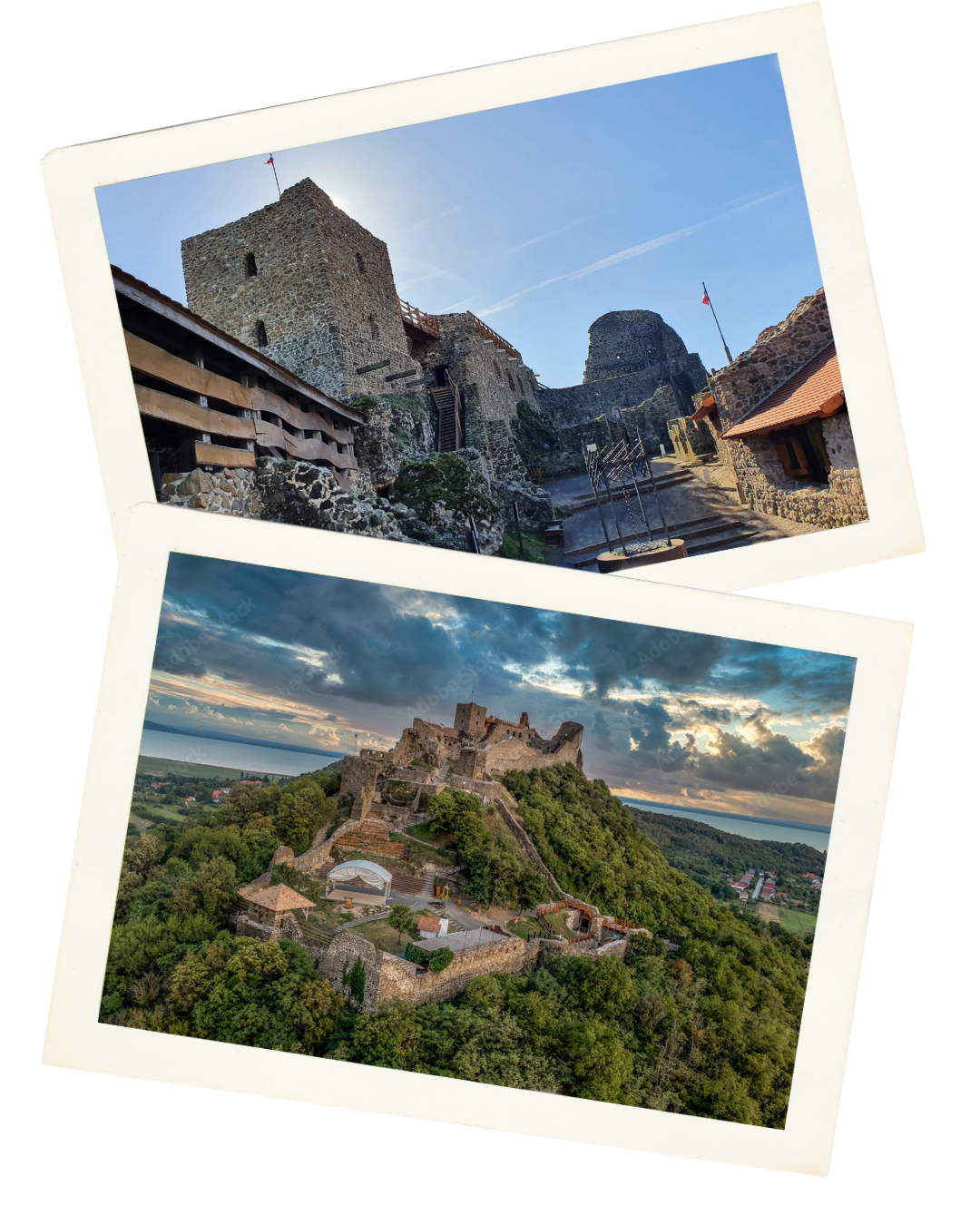
Szigliget Castle is one of the most beautiful castle ruins near Lake Balaton. The 750-year-old fortress sits above the northern shore of the lake, offering views across Balaton and the Tapolca Basin. Visit Hungary calls it the “Castle of Balaton,” making it one of the region’s essential historical landmarks.
Festetics Palace, Keszthely
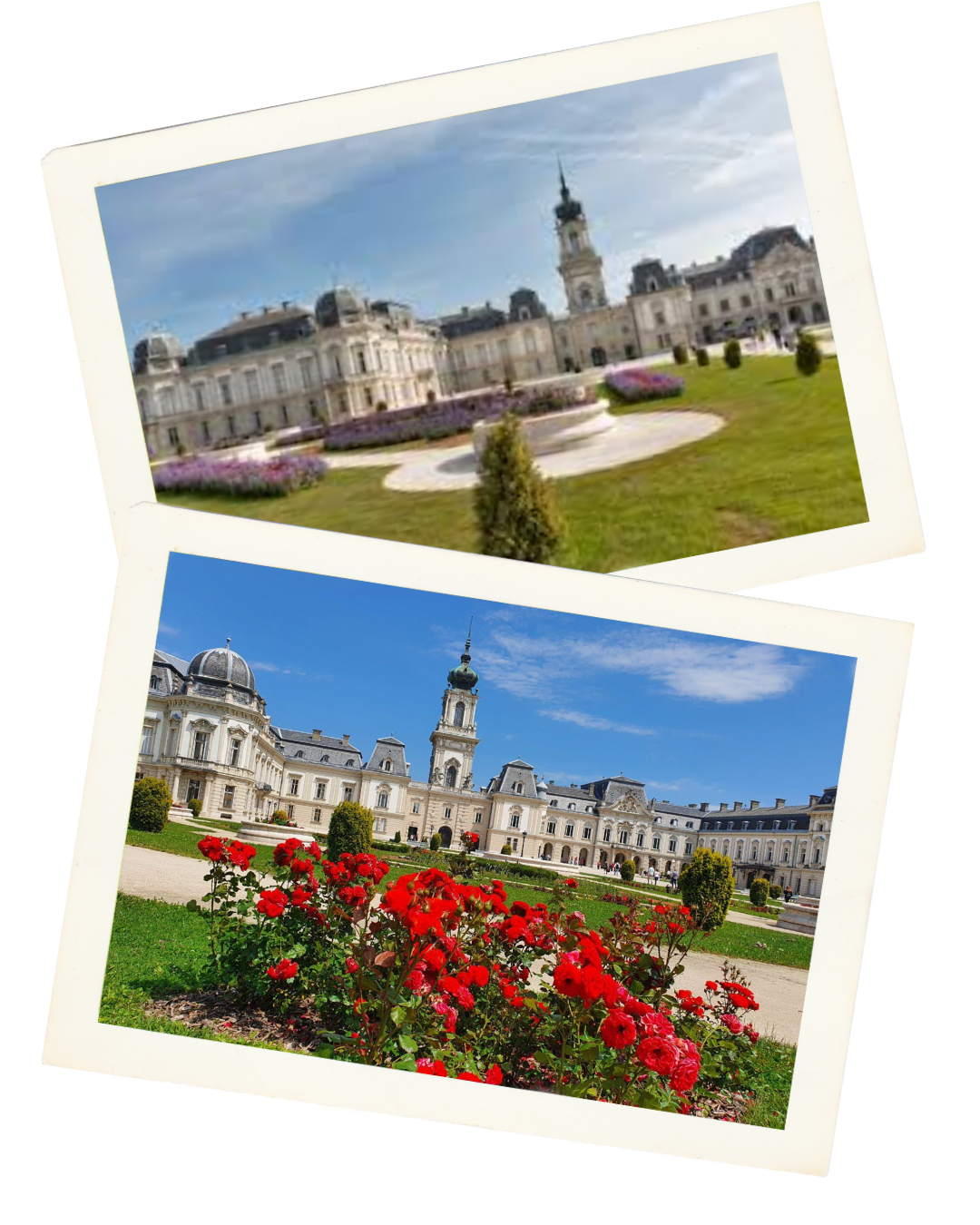
Festetics Palace is one of Hungary’s grandest aristocratic landmarks and a major historical sight near Lake Balaton. The Festetics family used the Keszthely residence for around 200 years from the mid-18th century, and today the palace preserves aristocratic interiors, collections, and estate history.
Gödöllő Royal Palace
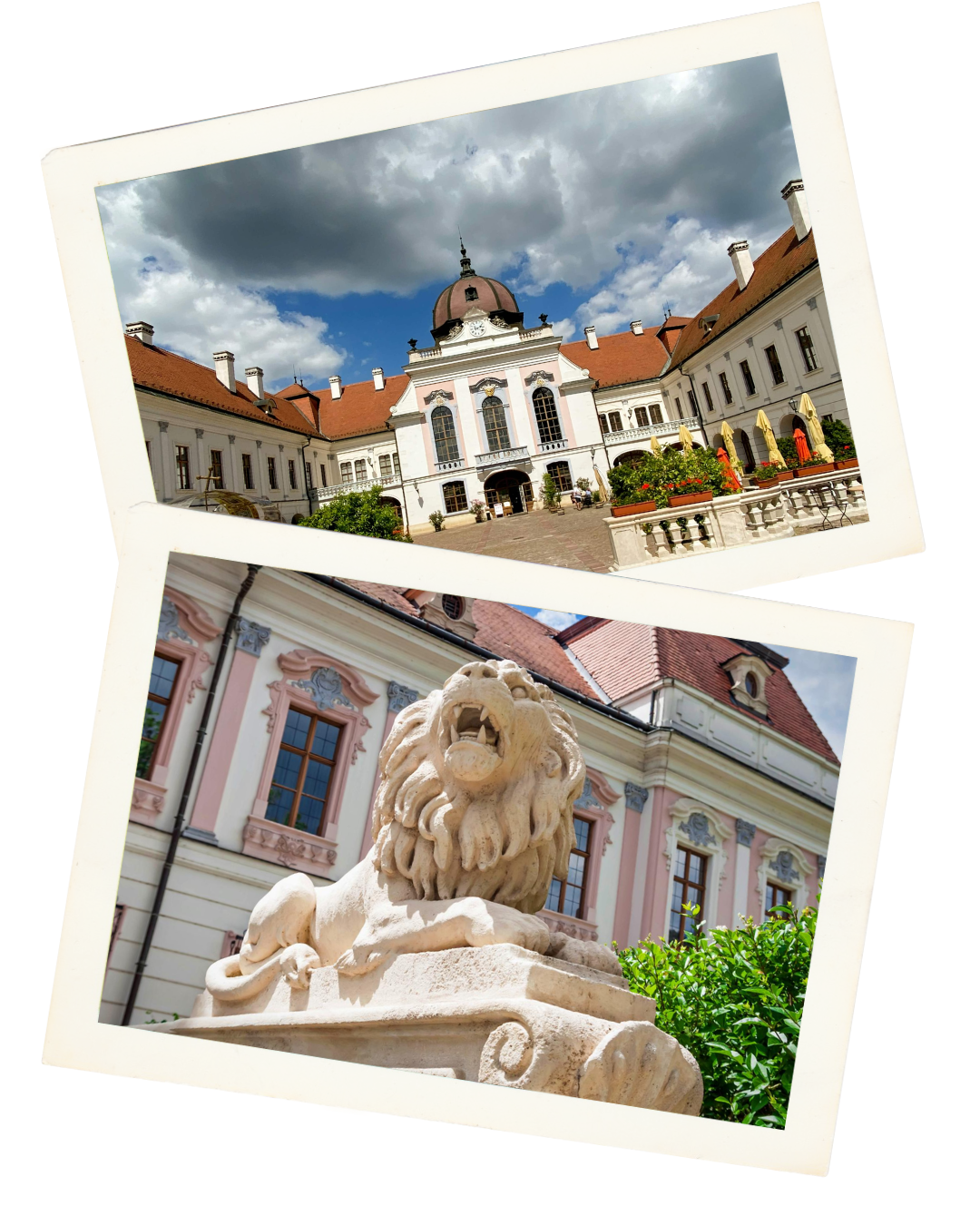
Gödöllő Royal Palace is one of Hungary’s most important Baroque palace landmarks. Built from the 18th century, it later became closely associated with Emperor Franz Joseph and Queen Elisabeth, making it one of the best places in Hungary to connect Habsburg-era history with royal architecture.
Esterházy Palace, Fertőd
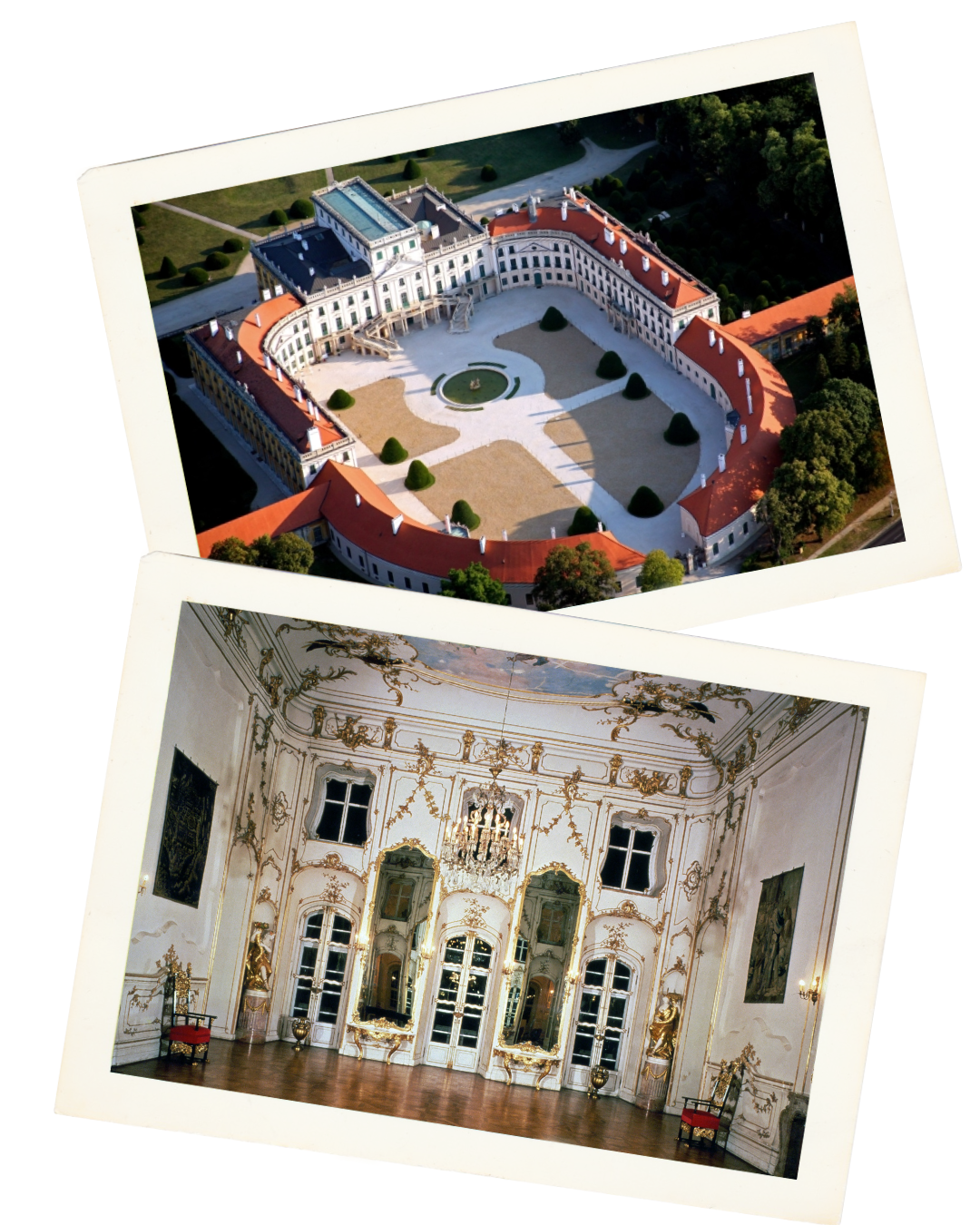
Esterházy Palace in Fertőd is one of Hungary’s grandest palace complexes and one of the country’s finest Baroque-Rococo landmarks. Its heyday came under Prince Miklós Esterházy “the Magnificent” in the second half of the 18th century, when it became a major aristocratic and cultural center.
Sopron Old Town And Firewatch Tower
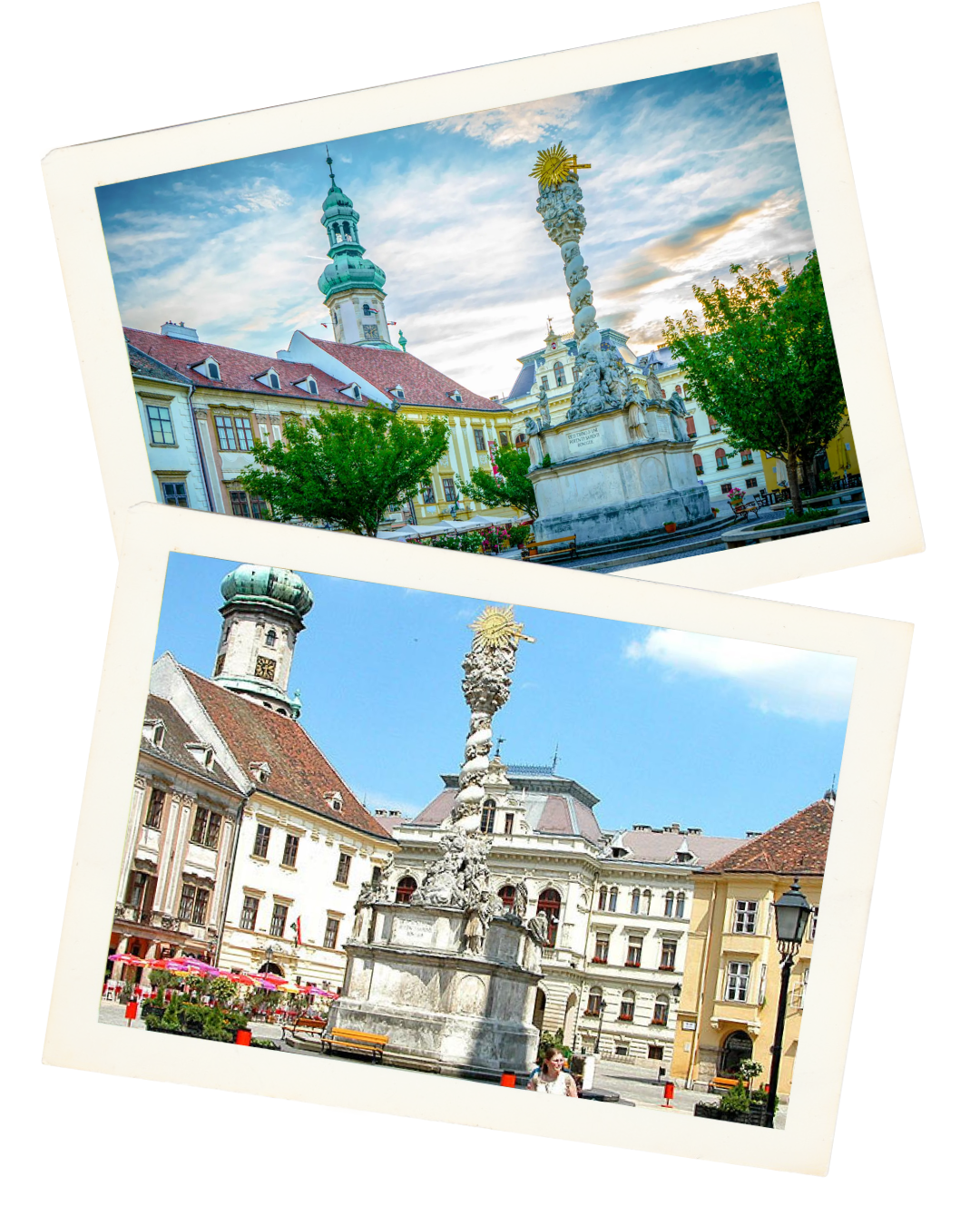
Sopron is one of Hungary’s most atmospheric historic towns, known for winding cobbled streets, medieval and Baroque buildings, old gates, and the famous Firewatch Tower. Its historic center feels especially rich because so many layers of Hungarian, Austrian, and borderland history are packed into a small walkable area.
Kőszeg Old Town And Jurisics Castle
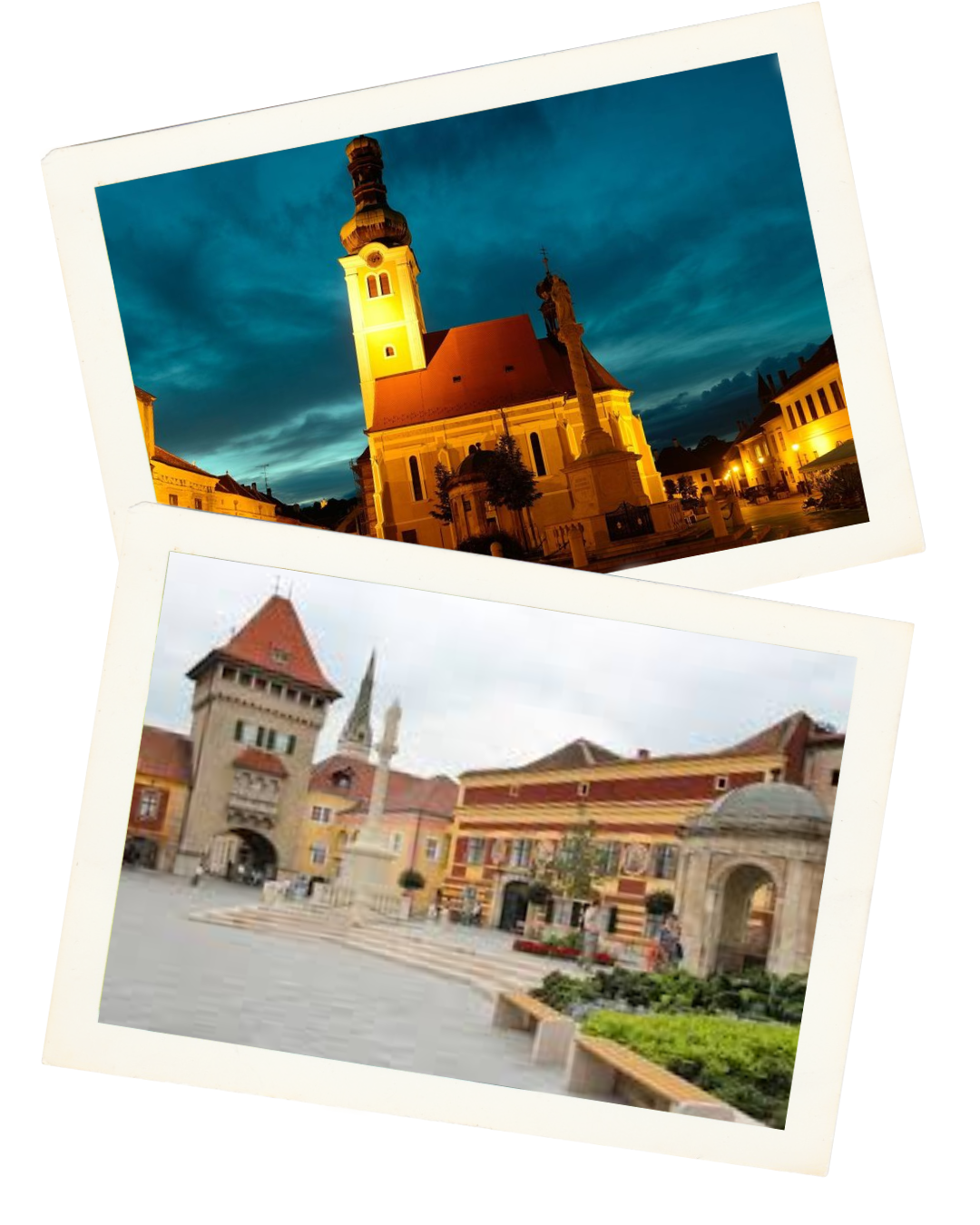
Kőszeg is one of Hungary’s most charming historic towns, close to the Austrian border. Its old town preserves colorful façades, quiet squares, historic churches, and Jurisics Castle, which remains the town’s main historical landmark and a symbol of its defensive past.
Diósgyőr Castle
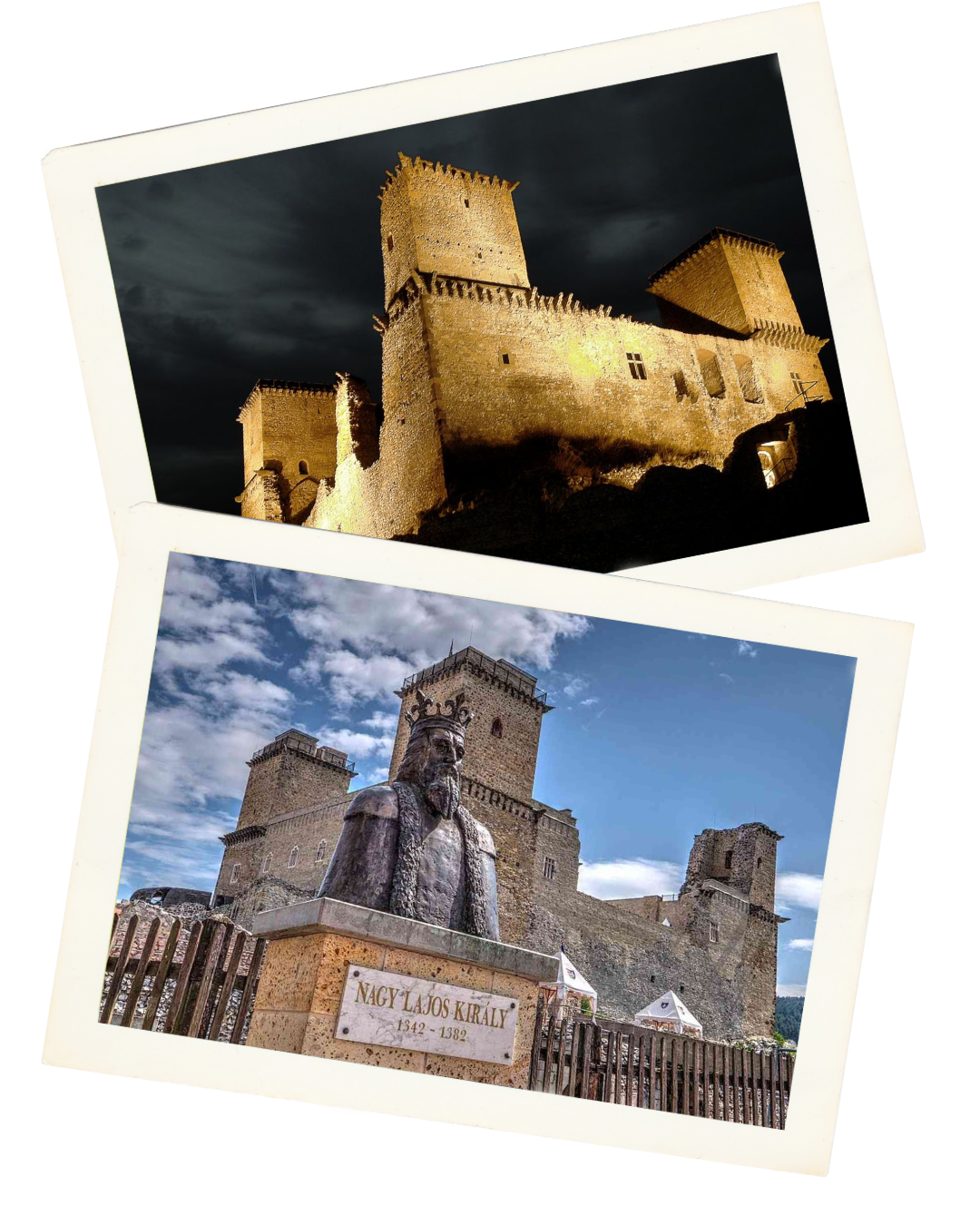
Diósgyőr Castle near Miskolc is one of northern Hungary’s major medieval castle landmarks. The site has roots in earlier hill fortifications, and the castle’s stone walls rise above the Szinva stream area, connecting the landmark to both medieval defense and royal residence history.
Gyula Castle
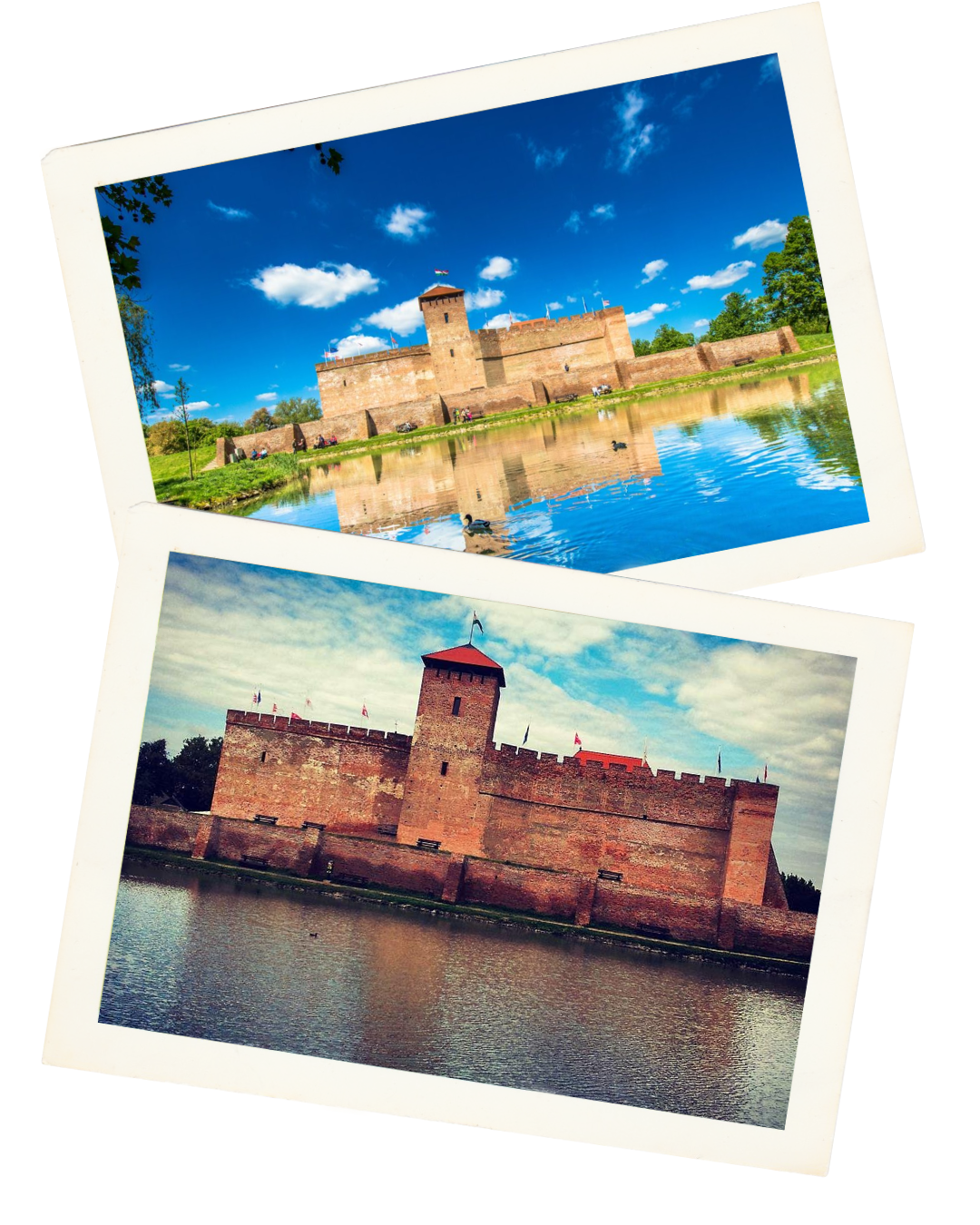
Gyula Castle is one of Hungary’s most important brick castles and a major historical landmark in the southeast. Construction began in the 14th century and continued into the 16th century, with the castle later playing a role in Ottoman-era conflicts.
Siklós Castle
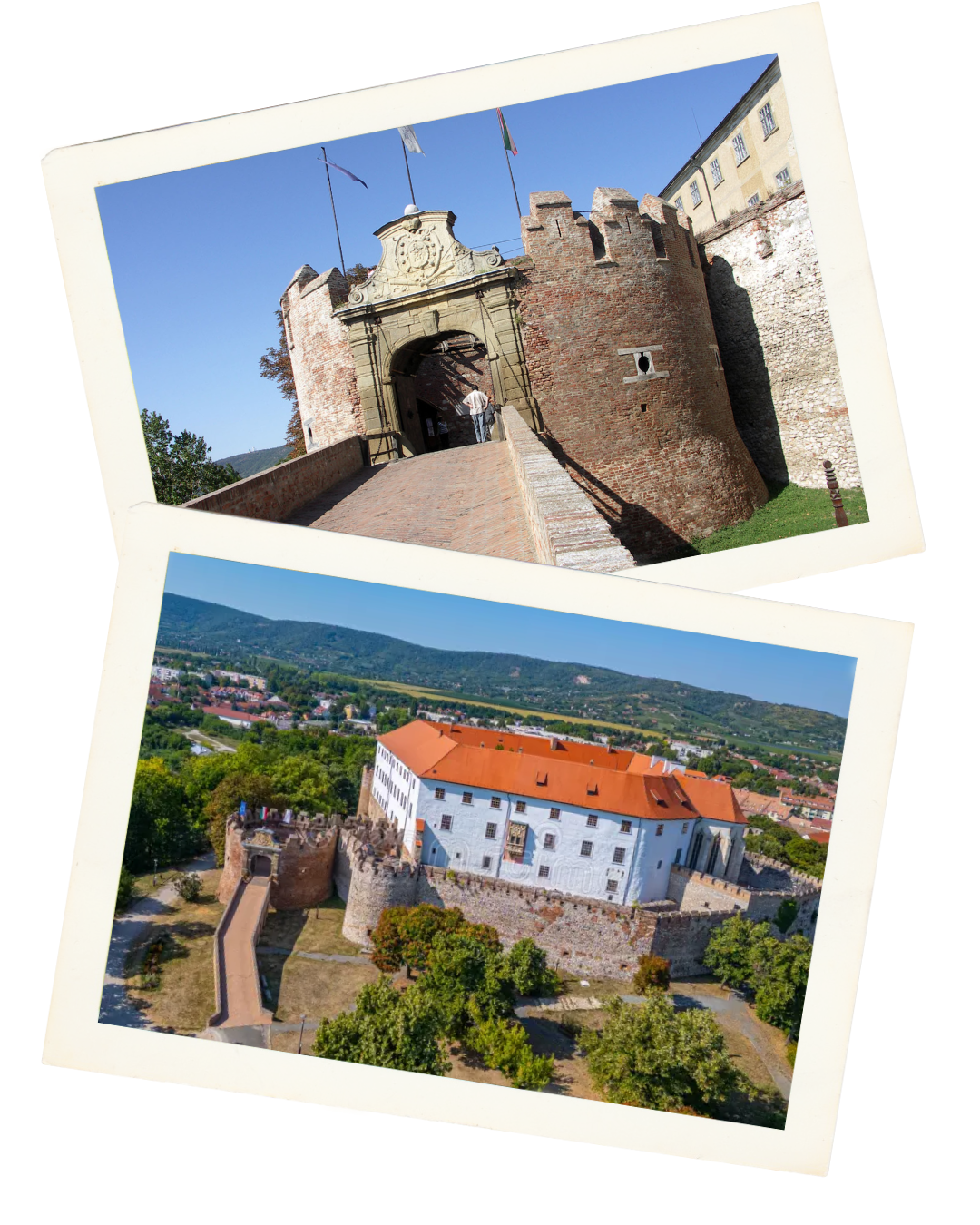
Siklós Castle is one of southern Hungary’s most important castle landmarks. It guarded the southern border region and served as the residence of powerful noble families in medieval Hungary, making it a strong stop for travelers exploring the Villány, Pécs, or Drava-region side of the country.
Füzér Castle
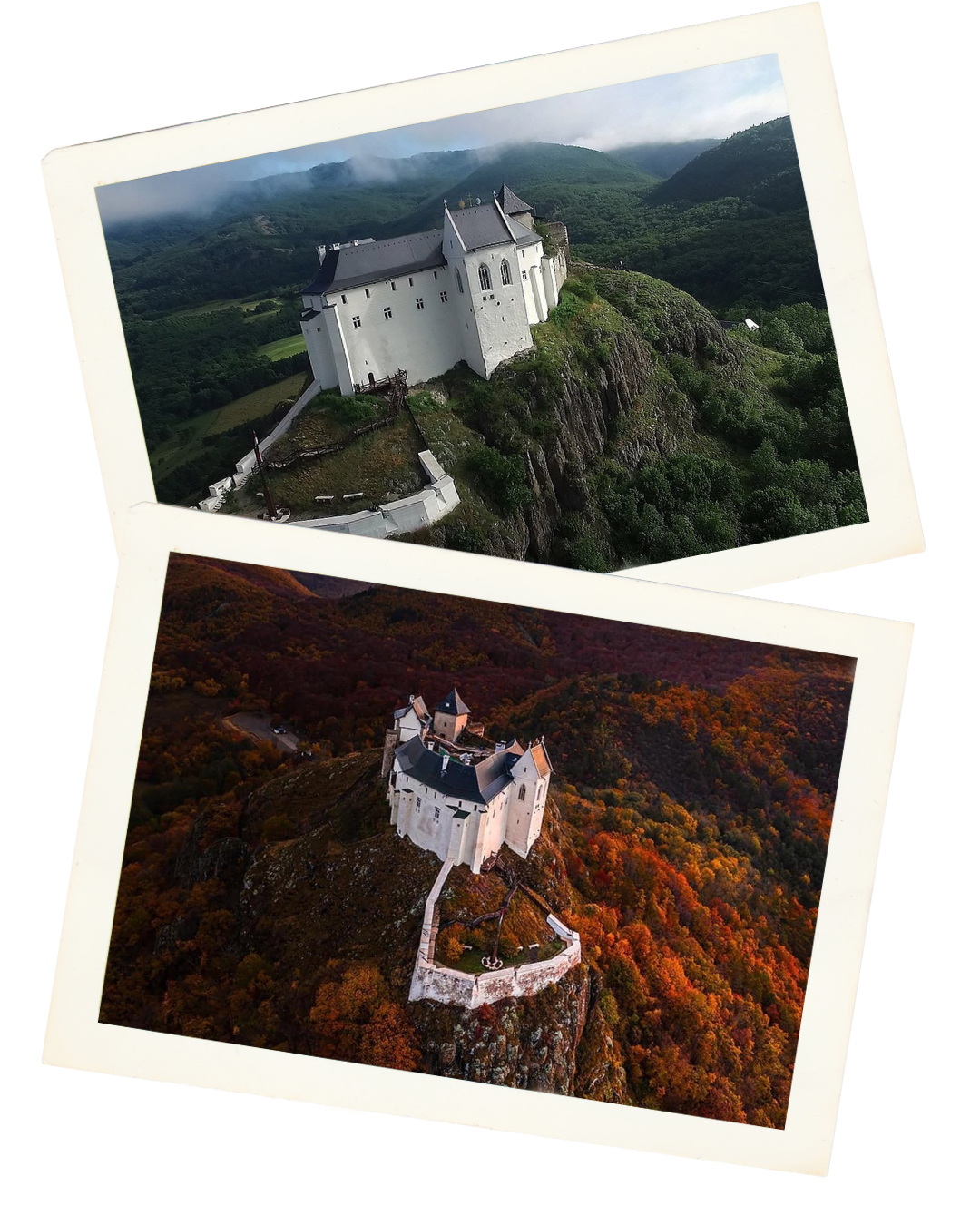
Füzér Castle is one of Hungary’s most dramatic fortress sites, perched high above the countryside near the Slovak border. The castle was first mentioned in the 13th century, stood on a steep hill, and is remembered as a royal stronghold with links to the Hungarian crown jewels.
Sárospatak Rákóczi Castle
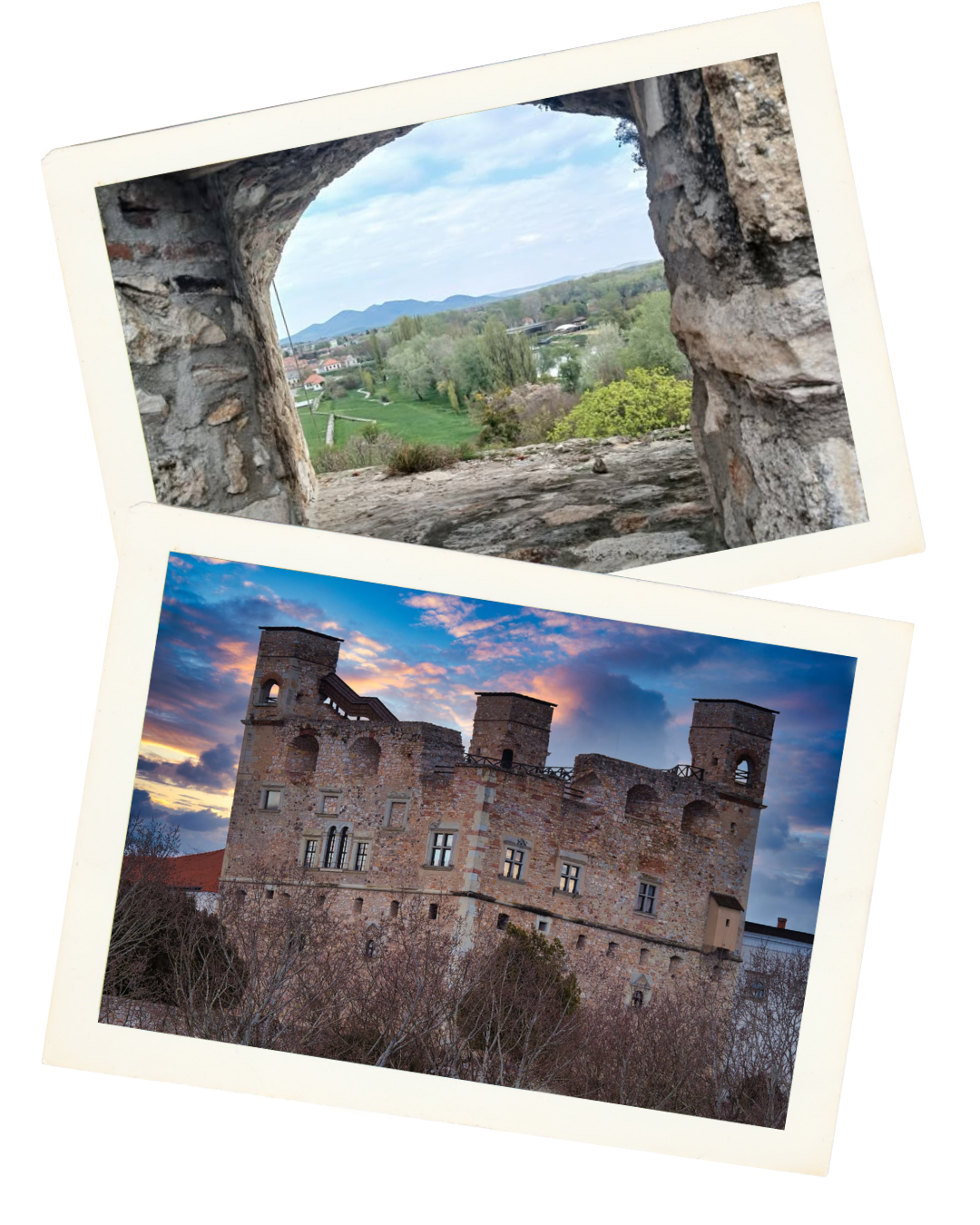
Sárospatak Rákóczi Castle is one of Hungary’s most important Renaissance castle landmarks. Its Red Tower and palace complex are strongly tied to the Rákóczi family and the history of northeastern Hungary, making it one of the best historical stops in the Tokaj-Zemplén region.
Tata Castle
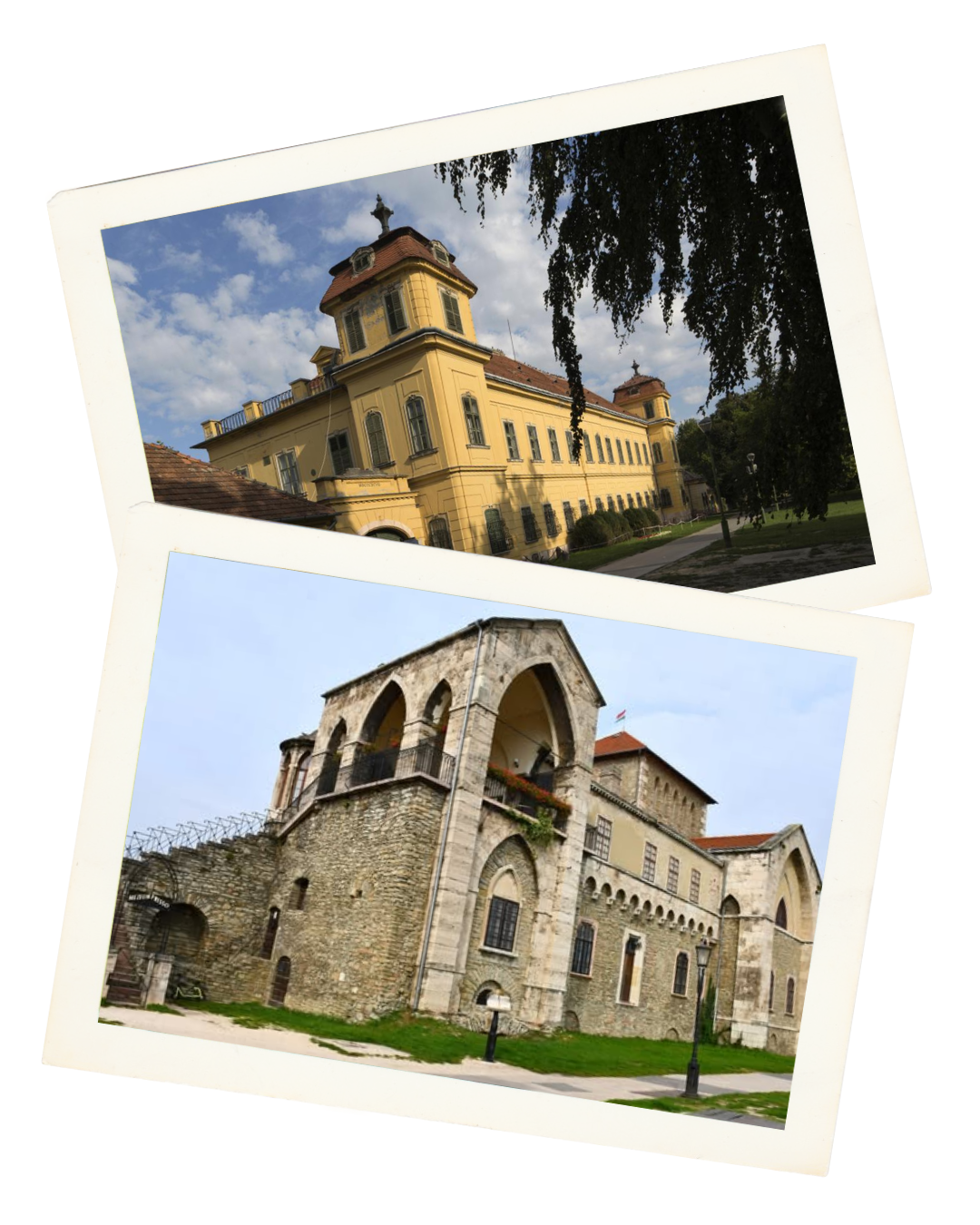
Tata Castle sits beside Lake Öreg, making it one of Hungary’s most scenic historic landmarks. Built in the mid-14th century, it later became a royal summer residence under rulers such as Sigismund and Matthias, then passed into the hands of the Esterházy family.
Nádasdy Castle, Sárvár
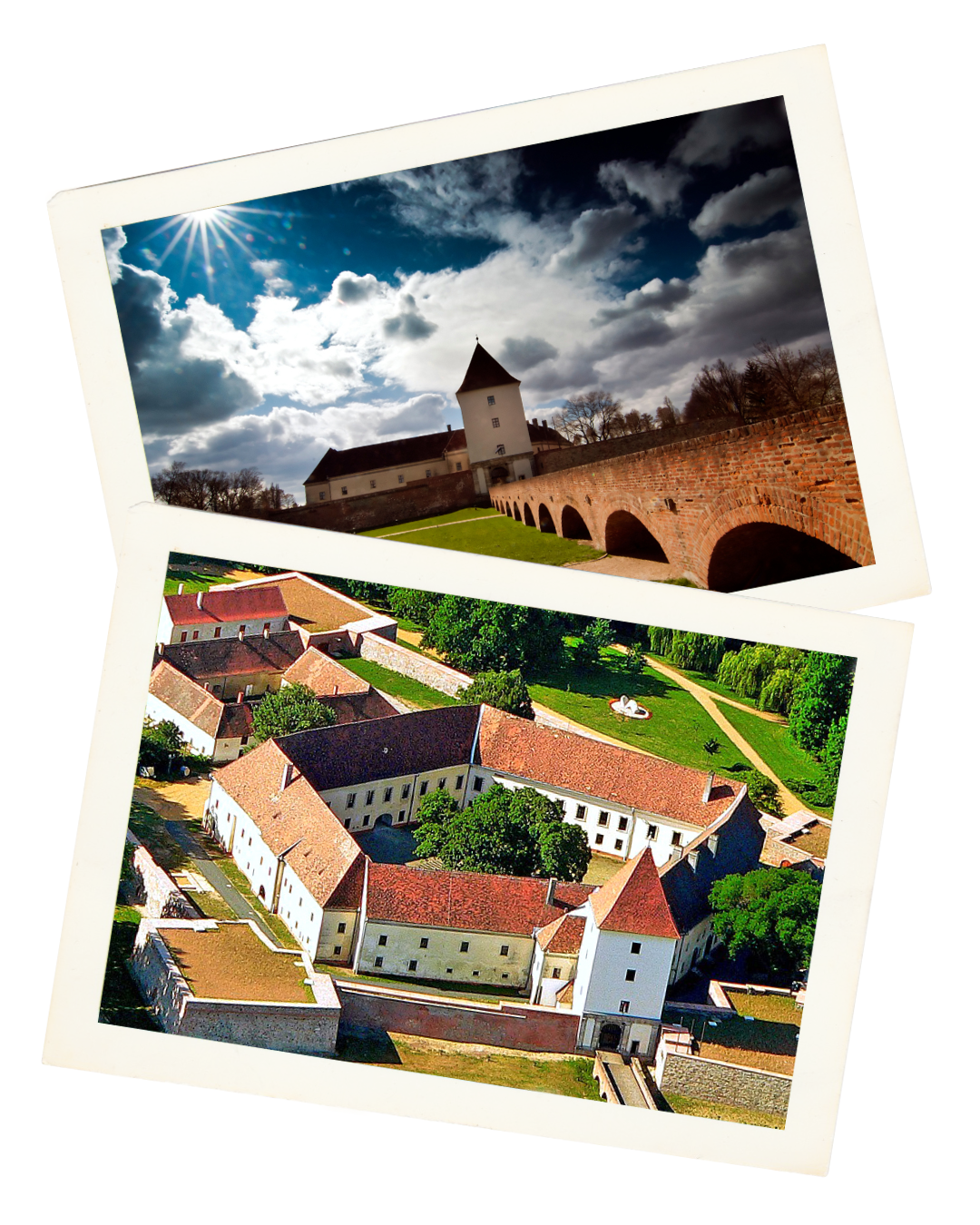
Nádasdy Castle in Sárvár is a major Renaissance and early modern landmark in western Hungary. It became an important cultural center under Tamás Nádasdy, who supported education, printing, and Reformation-era intellectual life in Hungary.
Kinizsi Castle, Nagyvázsony
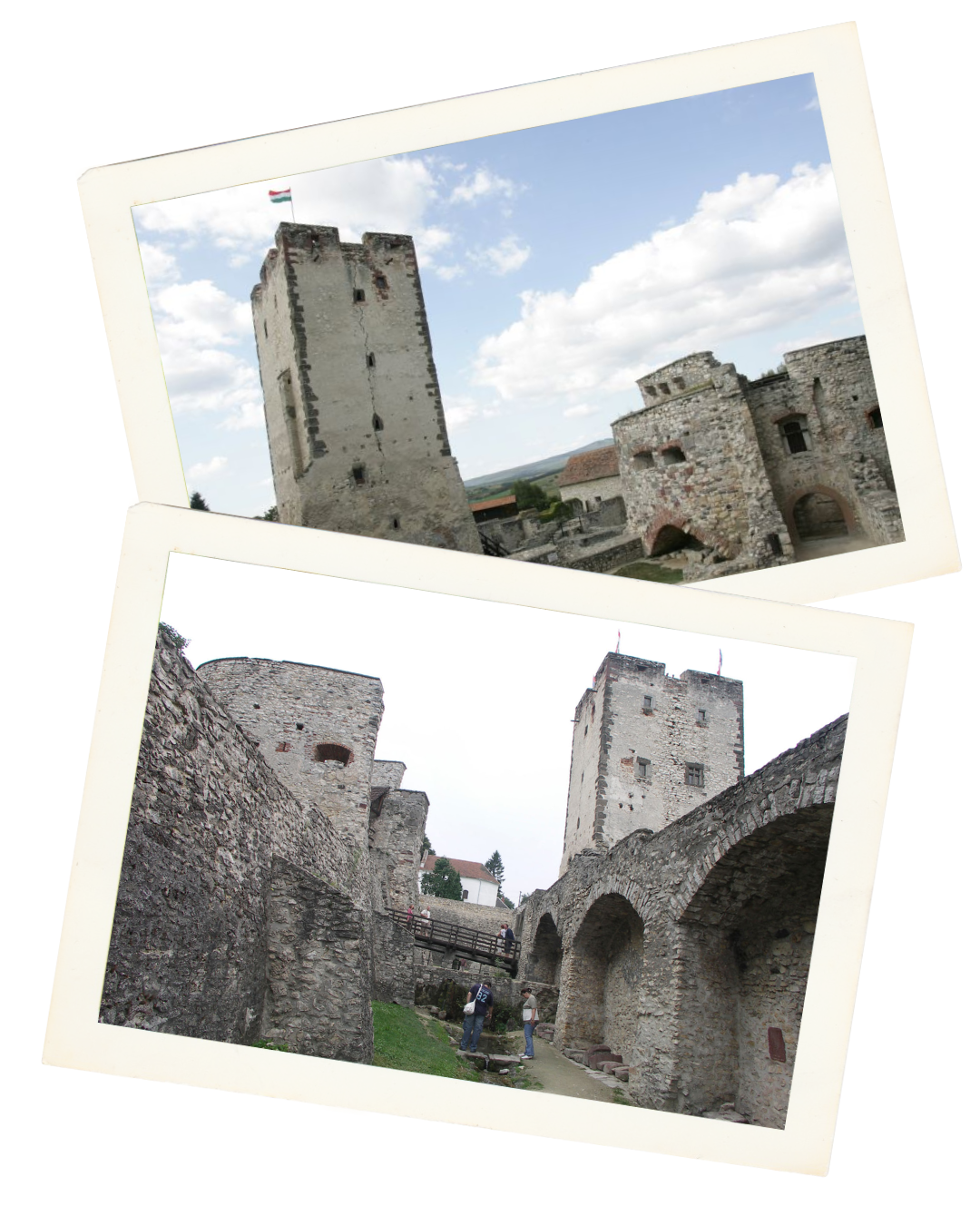
Kinizsi Castle is a strong medieval landmark near Lake Balaton, closely associated with Pál Kinizsi, the famous commander under King Matthias. Its tower and fortress remains make it one of the best historic stops for travelers exploring Balaton’s inland villages and castle country.
Ozora Pipo Palace
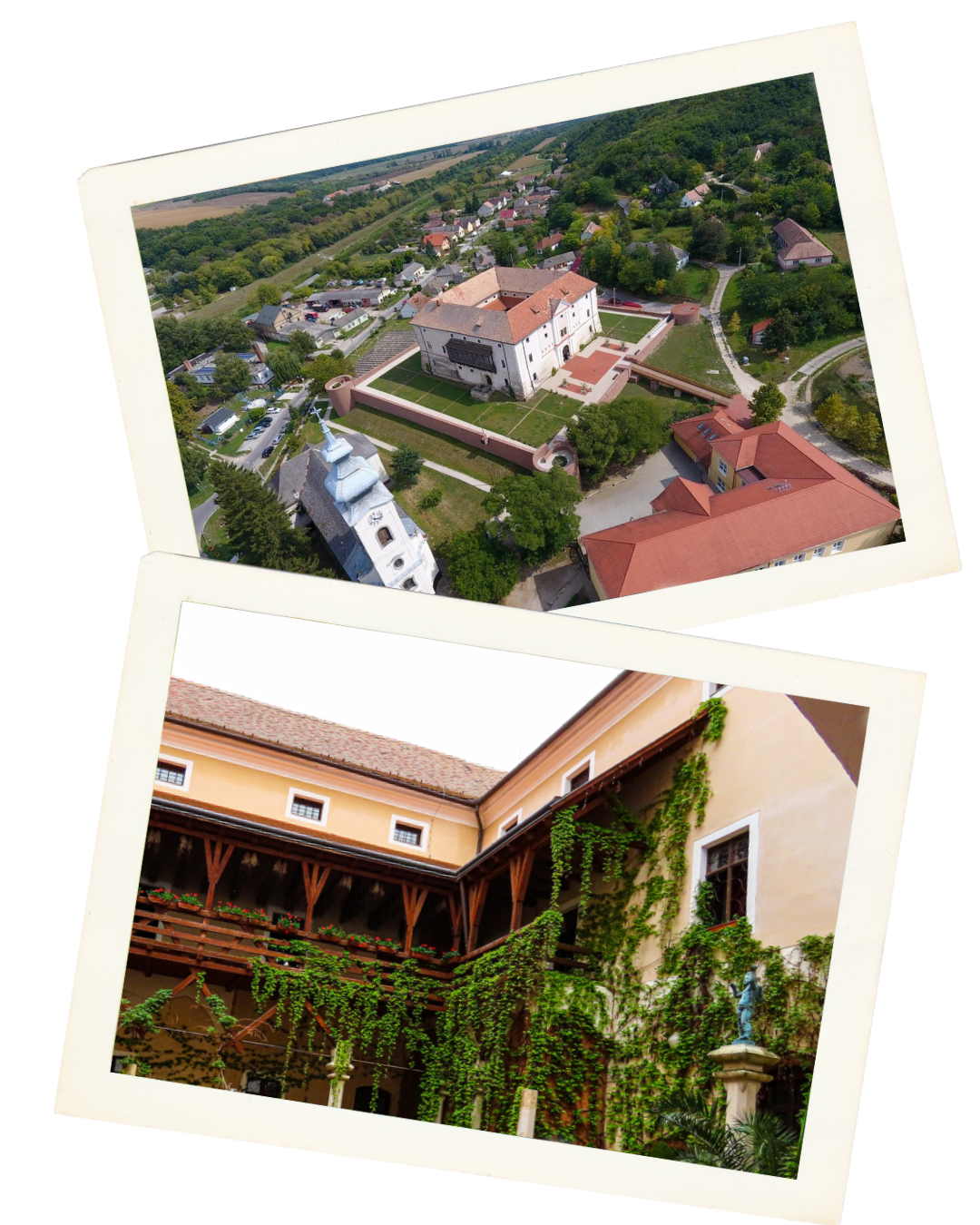
Ozora Pipo Palace is one of Hungary’s more distinctive castle-palace landmarks, connected with Filippo Scolari, known as Pipo of Ozora. In 1416, he received permission to build a fortress and palace there, creating one of the more unusual noble residences in medieval Hungary.
Szigetvár Castle
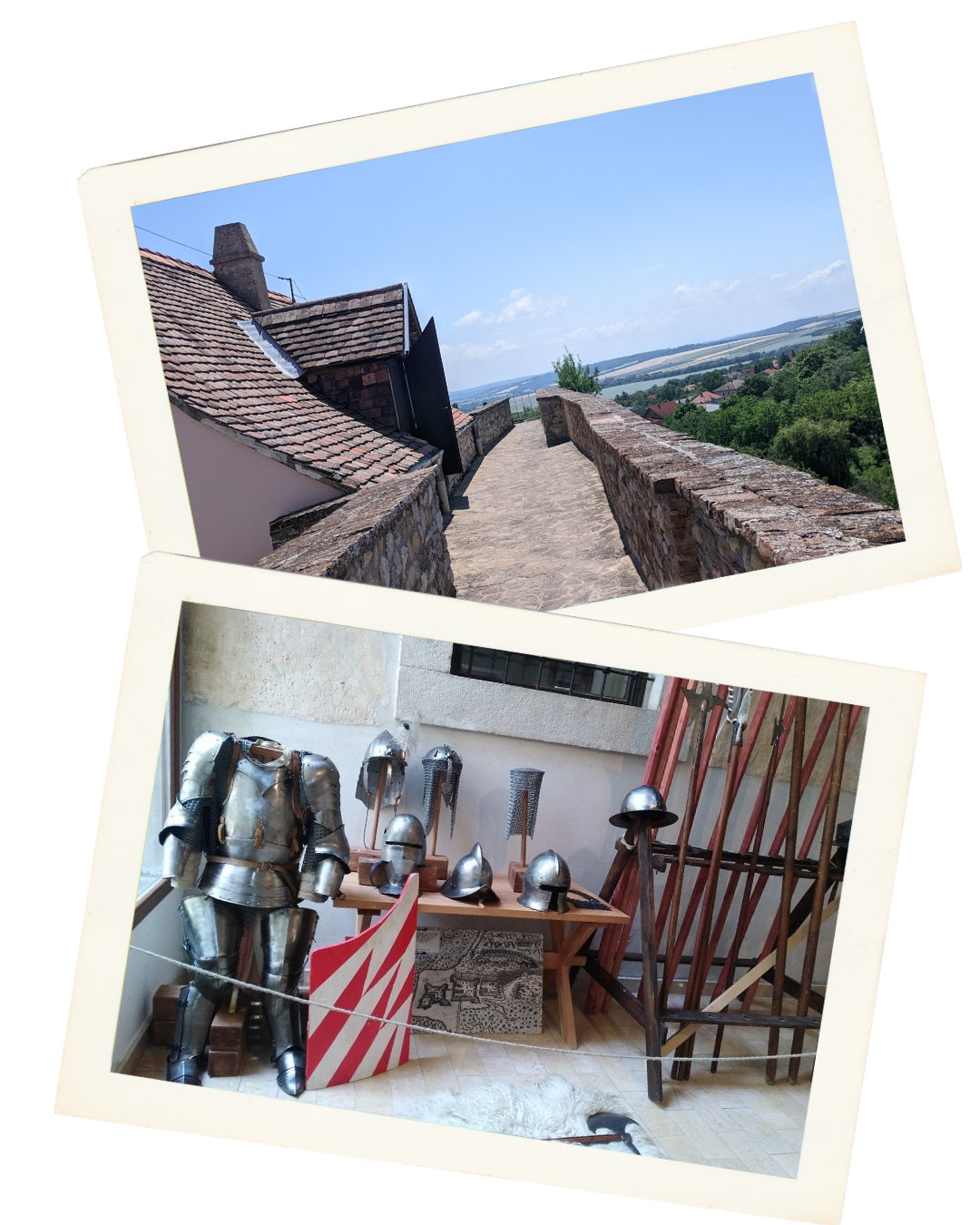
Szigetvár Castle is one of Hungary’s most important Ottoman-war landmarks. The 1566 siege, led on the Hungarian side by Miklós Zrínyi and on the Ottoman side by Sultan Suleiman, became one of the defining military episodes in Hungarian history.
Fort Monostor, Komárom
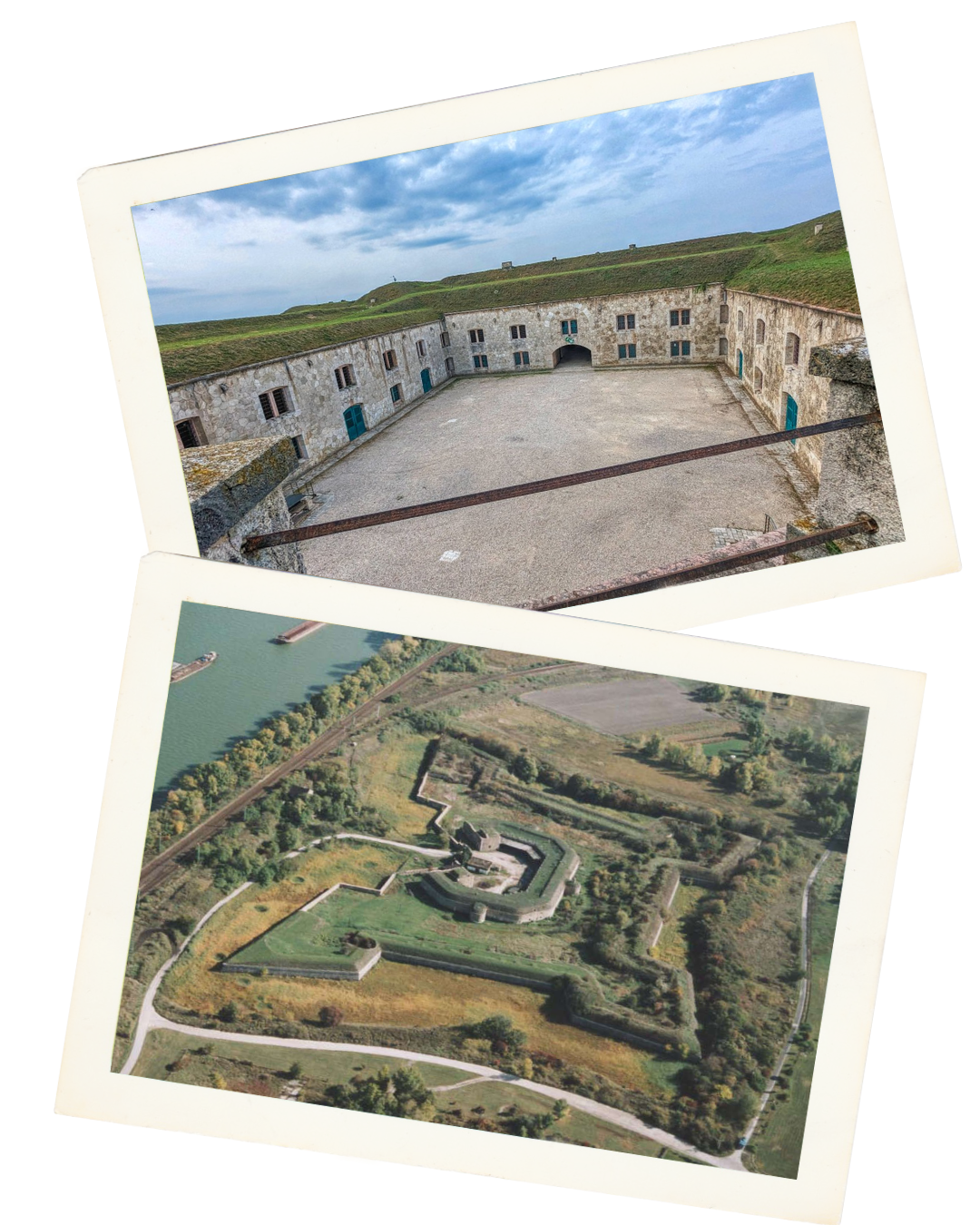
Fort Monostor is one of Central Europe’s largest modern fortress landmarks. Built between 1850 and 1871 as part of the Komárom fortification system, it later served military purposes under different regimes, including use as a Soviet ammunition storage site after World War II.
Tokaj Historic Wine Cellars
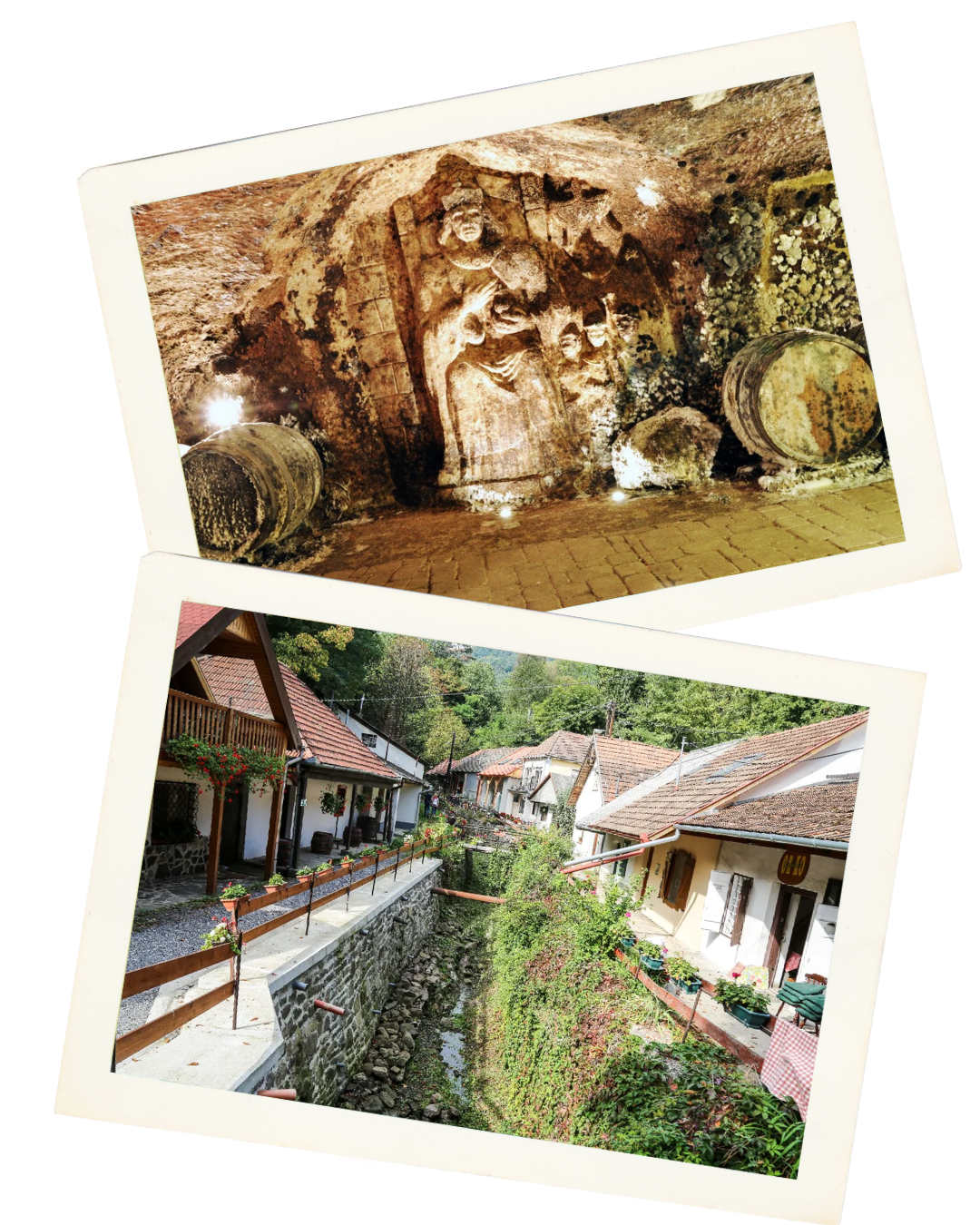
Tokaj’s historic wine region is one of Hungary’s most important cultural landscapes. UNESCO recognizes the Tokaj Wine Region Historic Cultural Landscape, and Visit Hungary notes that the region includes thousands of historic wine cellars across multiple settlements.
Ópusztaszer National Heritage Park
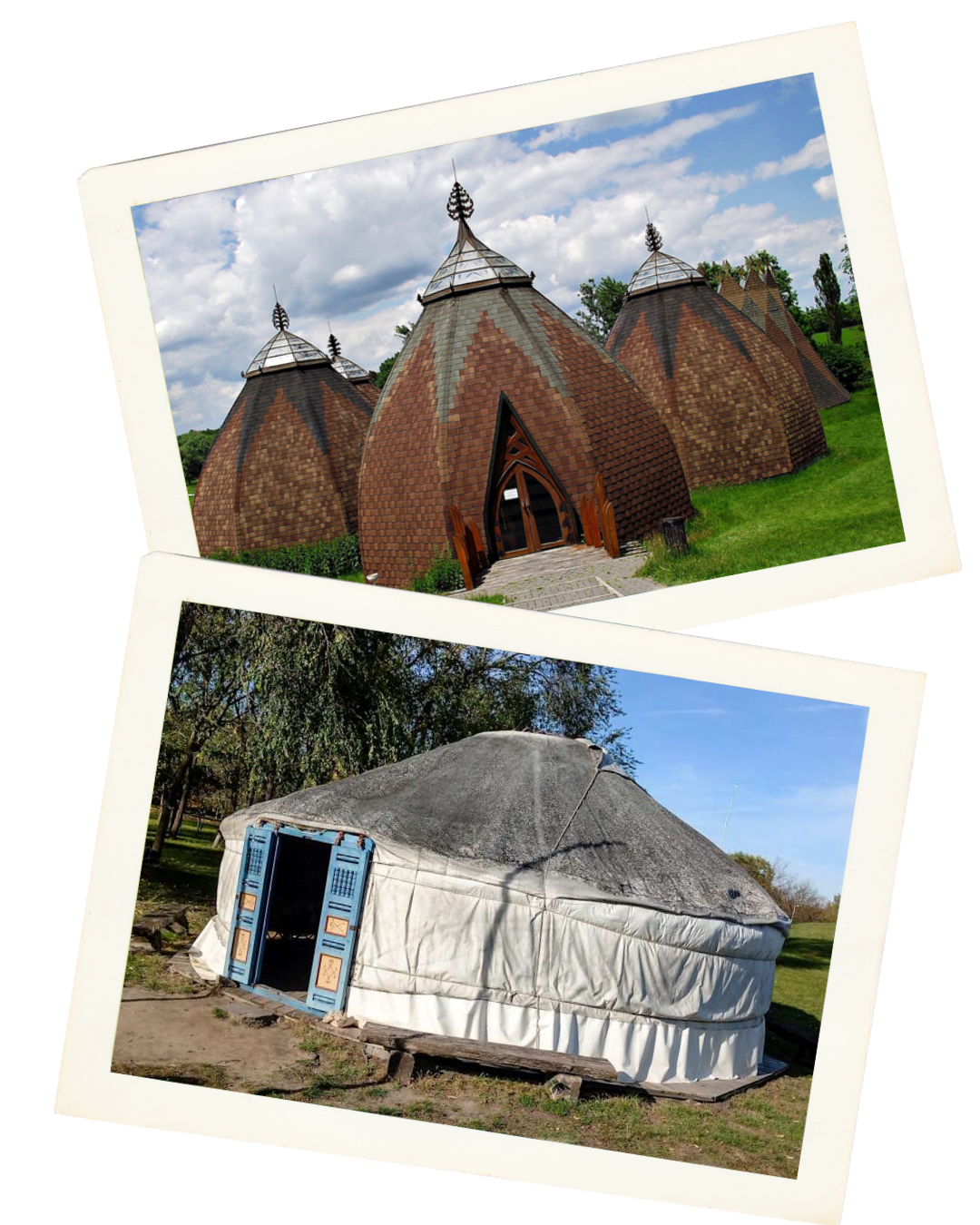
Ópusztaszer National Heritage Park is one of Hungary’s major national memory sites. It is a large historical and cultural park connected with Hungarian origins, heritage, and national identity, and it remains one of the country’s most visited heritage destinations.
Mohács National Memorial Site
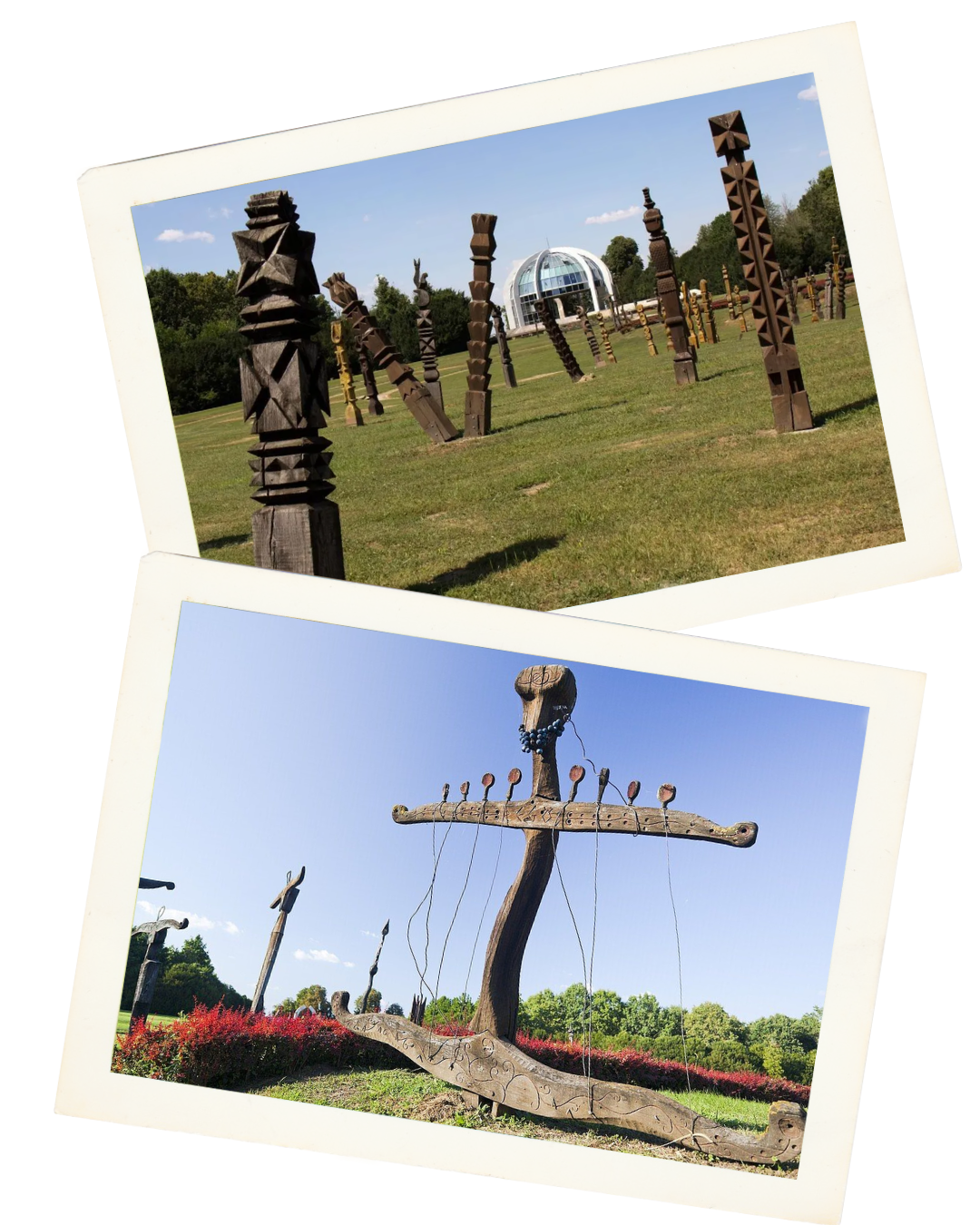
The Mohács National Memorial Site commemorates one of the most consequential battles in Hungarian history. On August 29, 1526, Hungarian forces fought the army of Suleiman, and the defeat led to the death of the Hungarian king and the later division of medieval Hungary.
Fiumei Road Cemetery
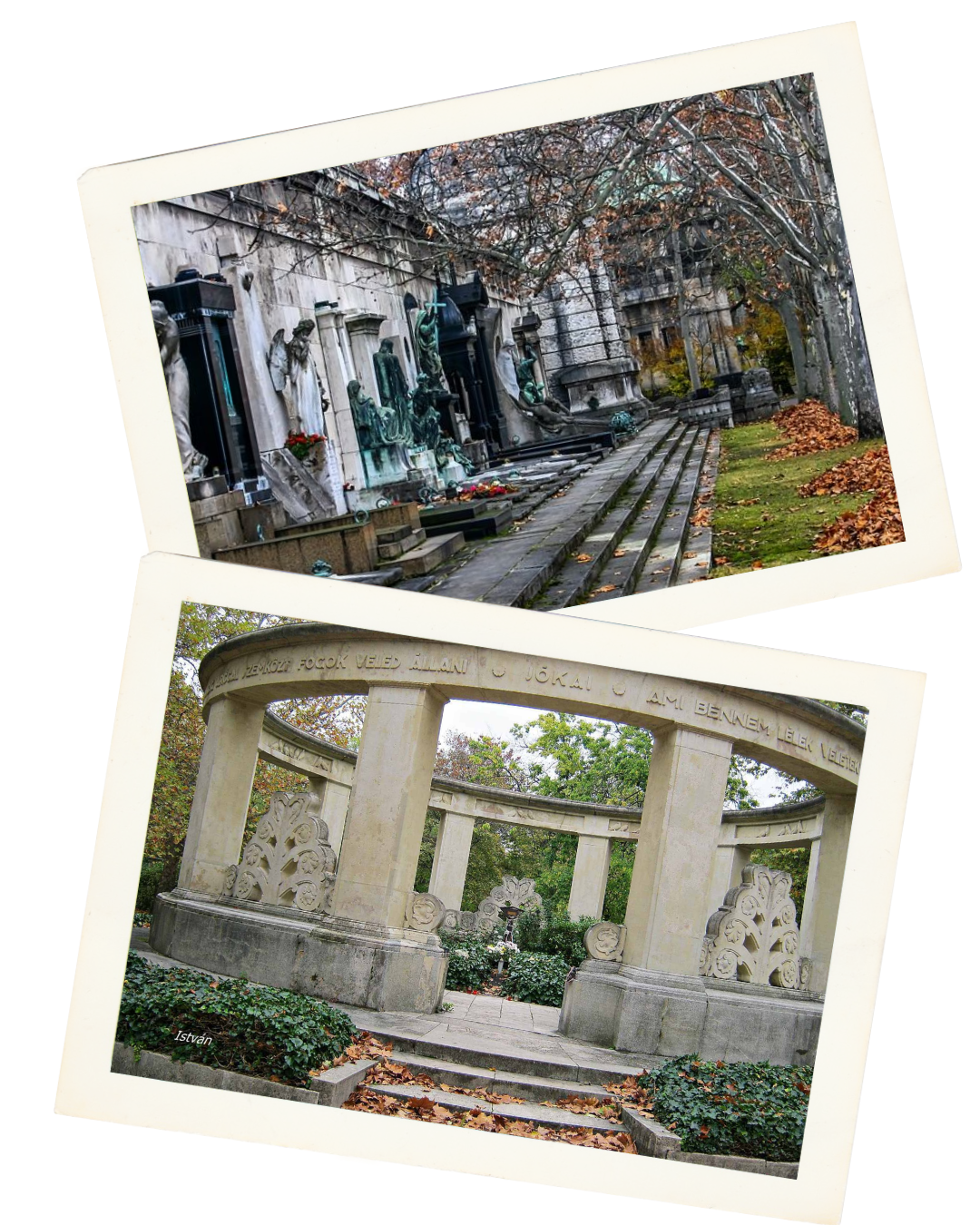
Fiumei Road Cemetery is one of Budapest’s most important national memorial landscapes. Opened in 1849, it is described as a national memorial site and an open-air history book of modern Hungary, with the graves and monuments of major political, literary, artistic, and cultural figures.
Széchenyi Mansion, Nagycenk
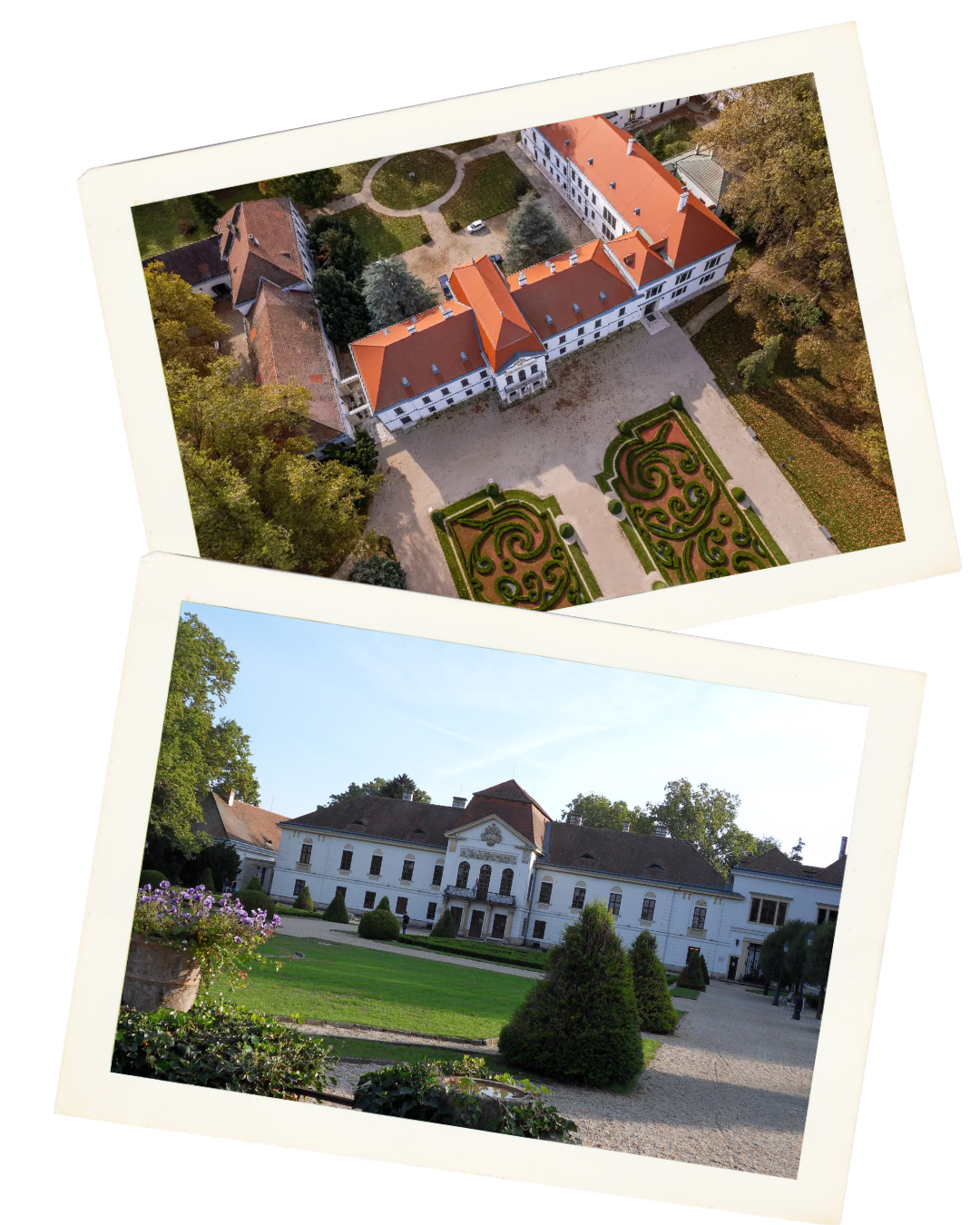
Széchenyi Mansion in Nagycenk is an important historic residence tied to István Széchenyi, one of the key figures of 19th-century Hungarian reform history. The mansion functions as a memorial museum and offers a quieter but meaningful landmark for travelers interested in the people who shaped modern Hungary.