
14 Days in Hungary: First Time Visitors
This 14 days in Hungary includes the following route: Budapest → Danube Bend → Eger → Hortobágy and Debrecen → Pécs and Villány → Lake Balaton → Pannonhalma and Győr
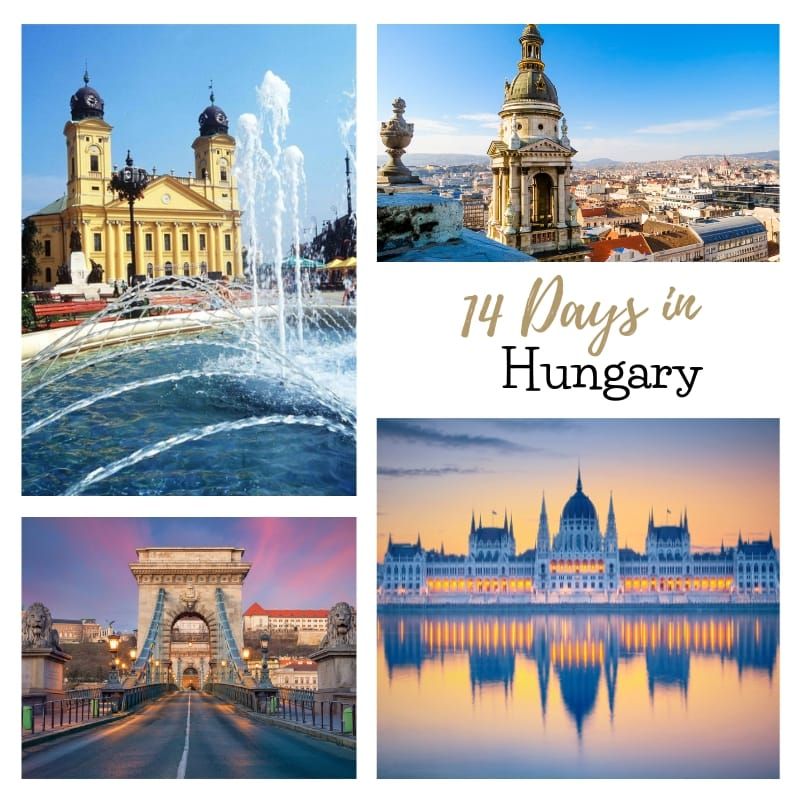
Hungary is the kind of country that quietly gets bigger the longer you look at it. At first, it might seem like a Budapest trip with a few extras tacked on. Then you realize there are volcanic wine hills, Ottoman bathhouses, Roman burial chambers, horsemen on the Great Plain, lavender-scented lake villages, Baroque towns, grand cafés, and enough paprika to make your suitcase smell like dinner.
Itinerary Route
Budapest → Danube Bend → Eger → Hortobágy and Debrecen → Pécs and Villány → Lake Balaton → Pannonhalma and Győr
Need help planning your trip? Check out our complete Hungary Travel Guide.
This itinerary gives you Hungary’s biggest contrasts without rushing like someone who confused “vacation” with “regional logistics exam.” Budapest gets four full days, the countryside gets real space, and the route includes wine, nature, history, thermal baths, and several towns that deserve more attention than they usually get.
Before you go, you might want to check out:
Days 1-4 Budapest
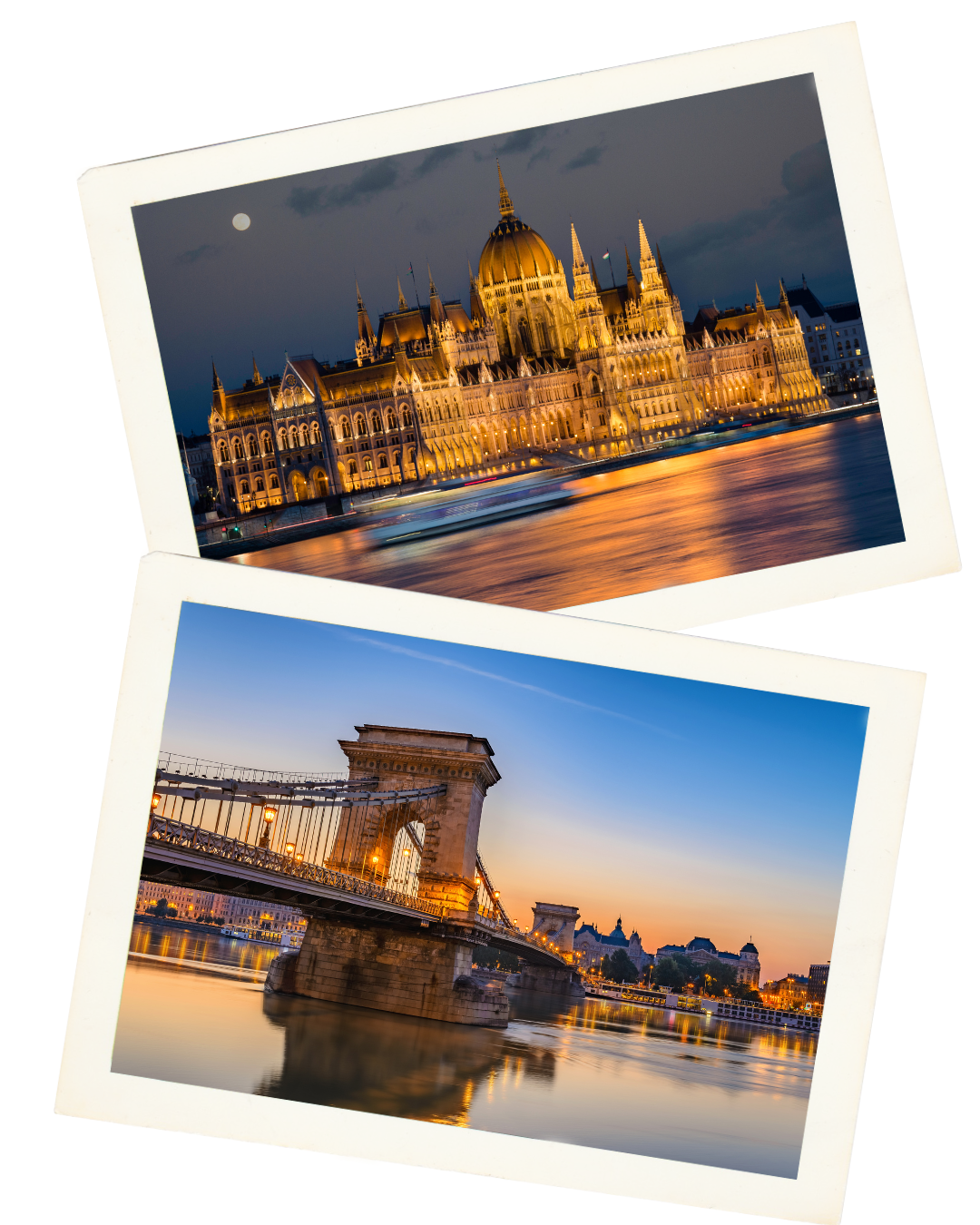
Budapest deserves more than a quick handshake. Four days lets you see the big sights, soak in the baths, eat properly, wander both sides of the Danube, and leave with at least a small crush on the city. It is grand, moody, beautiful, inconvenient in tiny ways, and very good at making you say, “Fine, one more evening walk.”
Day 1 Itinerary
- Morning:
Start at the Budapest Parliament Building.
This is the city’s grand opening scene, and it is every bit as dramatic as the photos suggest. All tour are guided, which means you can't just go solo. You can get your tickets in advance here. - Late morning:
Walk the Danube Promenade and pause at Shoes on the Danube Bank.
The riverfront is beautiful, but this memorial is not a quick photo stop. Give it a few quiet minutes. Budapest looks elegant along the Danube, but the city’s history has sharp edges. - Lunch:
Ease into Hungarian food in central Pest.
Start with goulash, chicken paprikash, or a bowl of something deeply paprika-colored. - Afternoon:
Visit St. Stephen’s Basilica.
The basilica is central, beautiful, and easy to pair with a first-day wander. If the weather is clear, climb or take the lift to the panorama terrace for one of the best city views. - Evening:
Eat in the Jewish Quarter, then peek into a ruin bar.
Szimpla Kert is touristy now, yes. So are many famous things. Go early if you want to see the strange, layered interior before the evening becomes a loud international soup of stag groups, backpacks, and people shouting over techno.
Day 2 Itinerary
- Morning:
Cross to Buda and explore Buda Castle.
This side of the city has the views, the slopes, and the feeling that Budapest is casually showing off. Visit Hungary describes the Buda Castle area as part of Budapest’s UNESCO-recognized heritage, which explains why it feels like every corner was designed to make you stop walking. - Late morning:
Walk to Fisherman’s Bastion and Matthias Church.
Fisherman’s Bastion is gorgeous and also extremely aware of that fact. Arrive early if you want the fairy-tale version. Arrive late morning if you want the “everyone and their selfie stick has assembled” version. - Lunch:
Stay on Castle Hill or walk down toward the river.
Restaurants right by the most famous viewpoints can be pricey, so drift away from the thickest crowds before committing. - Afternoon:
Visit the Hungarian National Gallery or just wander Castle District lanes.
This is a good day not to overpack. The beauty of Castle Hill is partly in the slower corners: pastel façades, quiet side streets, and viewpoints that appear when you were only looking for shade. - Evening:
Take a Danube night walk or river cruise.
Budapest after dark is unfair. Parliament glows, the bridges light up, and the Danube starts acting like it knows exactly what it is doing.
Day 3 Itinerary
- Morning:
Go to Széchenyi Thermal Baths.
Thermal baths are not just a Budapest activity; they are part of the city’s rhythm. Go early, bring flip-flops, and accept that the changing-room system may briefly make you question your problem-solving skills. Budapest also has late-night bath parties called “Sparties,” which can get pretty wild on Saturday nights.
They usually run through most of the year, with January often being the exception, and the warm spring-fed pools and rising steam make the whole experience feel unlike any regular night out. Get your tickets here. - Late morning:
Walk through City Park and Heroes’ Square.
This pairs naturally with Széchenyi and gives you fresh air after steaming yourself into a relaxed noodle. - Lunch:
Head toward the Central Market Hall.
It is touristy upstairs, but still fun for paprika, salami, pickles, and general “yes, I am absolutely buying edible souvenirs” energy. - Afternoon:
Visit the House of Terror Museum.
The House of Terror Museum is a must, and one of the best museum experiences of my life. It covers Hungary’s fascist and communist eras from 1944 to 1990, and it is a heavy but important stop.
Do not pair it with five more emotionally intense sights unless your vacation style is “historical grief sprint.” I recommend a long tour with an expert if you have the time, and extra cash. I did this one. - Evening:
Walk Andrássy Avenue and have a slower dinner.
Andrássy is one of Budapest’s great boulevards, and it makes a lovely evening walk when the buildings start catching the softer light.
Day 4 Itinerary
- Morning:
Choose a museum or neighborhood deep dive.
If you want more culture, use this guide to the top museums in Hungary. If you want a lighter morning, spend it in cafés, bookstores, or the quieter streets around District V and District XIII. - Late morning:
Visit Gellért Hill or the Great Synagogue.
Gellért Hill gives you sweeping views, though parts of the Citadella area may have changing access during ongoing works, so check locally. The Great Synagogue is better for history and architecture if you want to stay central. - Lunch:
Keep it casual.
Budapest is full of days where you plan a “quick bite” and accidentally sit for 90 minutes. Let it happen. - Afternoon:
Use this as your flexible Budapest block.
Bad weather? Go museum-heavy. Hot weather? Bathhouse or café. Crowds making you twitch? Take a tram ride along the river and let public transport do the sightseeing. - Evening:
Final Budapest dinner before the countryside portion.
Pack tonight if you are leaving early. Nobody becomes their best self while wrestling a suitcase at 7 a.m.
Day 5 Danube Bend
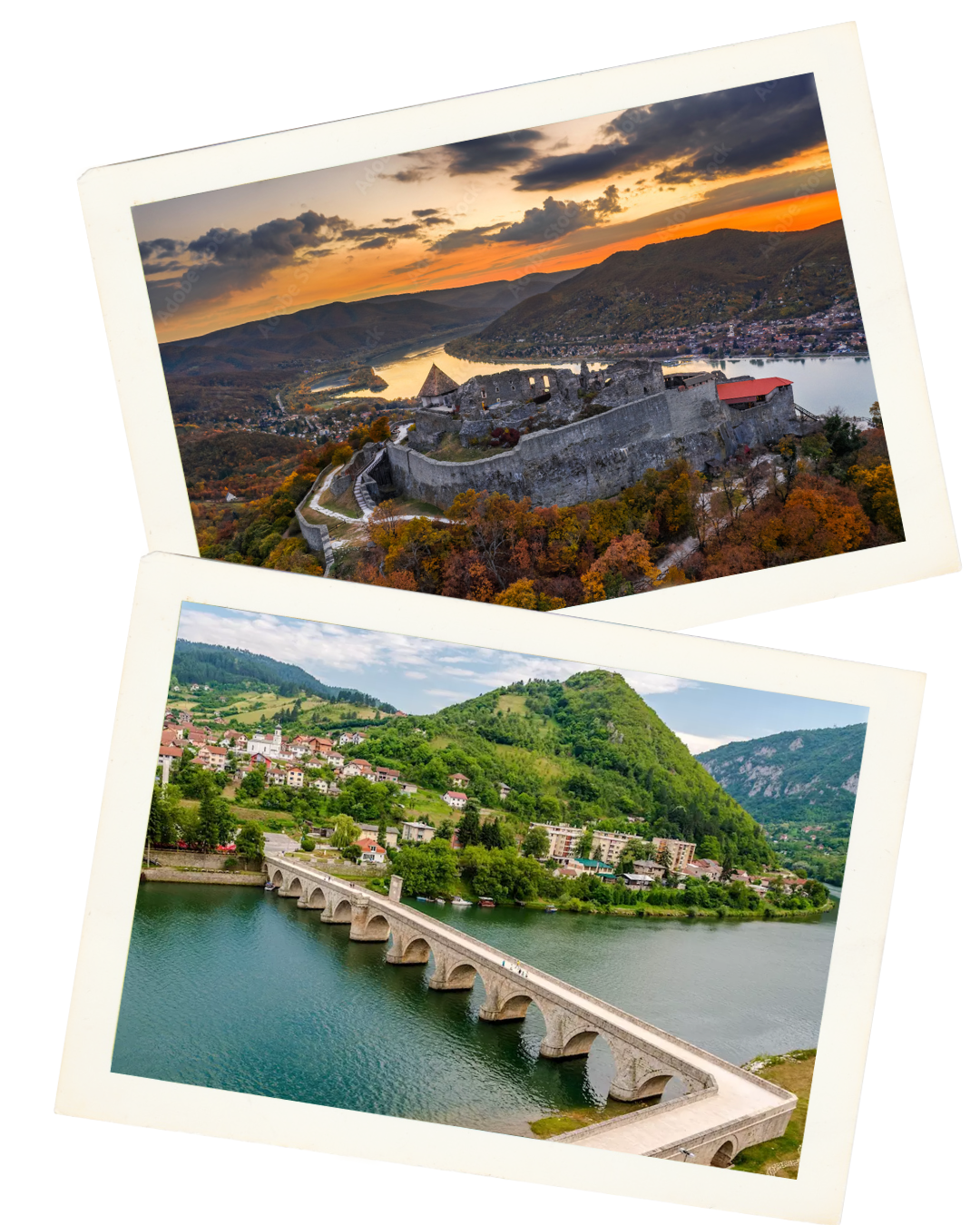
The Danube Bend is one of the easiest ways to see Hungary outside Budapest without committing to a full countryside relocation. Szentendre is colorful and artsy, Visegrád brings castle views, and Esztergom adds serious historical weight. With a car, you can see all three. Without one, choose two and keep your dignity intact.
Day 5 Itinerary
- Morning:
Start in Szentendre.
Szentendre is a Danube Bend town with cobbled streets, colorful houses, small churches, galleries, and a romantic waterfront promenade. It is easy, pretty, and very popular, so arrive early before the day-trip crowds pour in like someone opened a tourism tap. - Late morning:
Wander the old town and riverside.
This is not a “collect every sight” kind of stop. Drift into courtyards, browse small galleries, and eat something sweet. If the weather turns, swap the river walk for museums and cafés. - Lunch:
Eat in Szentendre or continue to Visegrád.
If you are trying to fit in multiple towns, keep lunch simple. This is not the day for a three-course philosophical experience. - Afternoon:
Visit Visegrád Castle or Esztergom Basilica.
Visegrád is the better choice for hilltop views over the Danube. Esztergom is better for grandeur and early Hungarian history. By public transport, choose one. By car, you can do both if you start early and do not linger everywhere. - Evening:
Return to Budapest or continue toward Eger.
If you want a smoother next day, drive or train toward Eger tonight. If that feels too ambitious, sleep in Budapest and leave in the morning.
Days 6-7 Eger
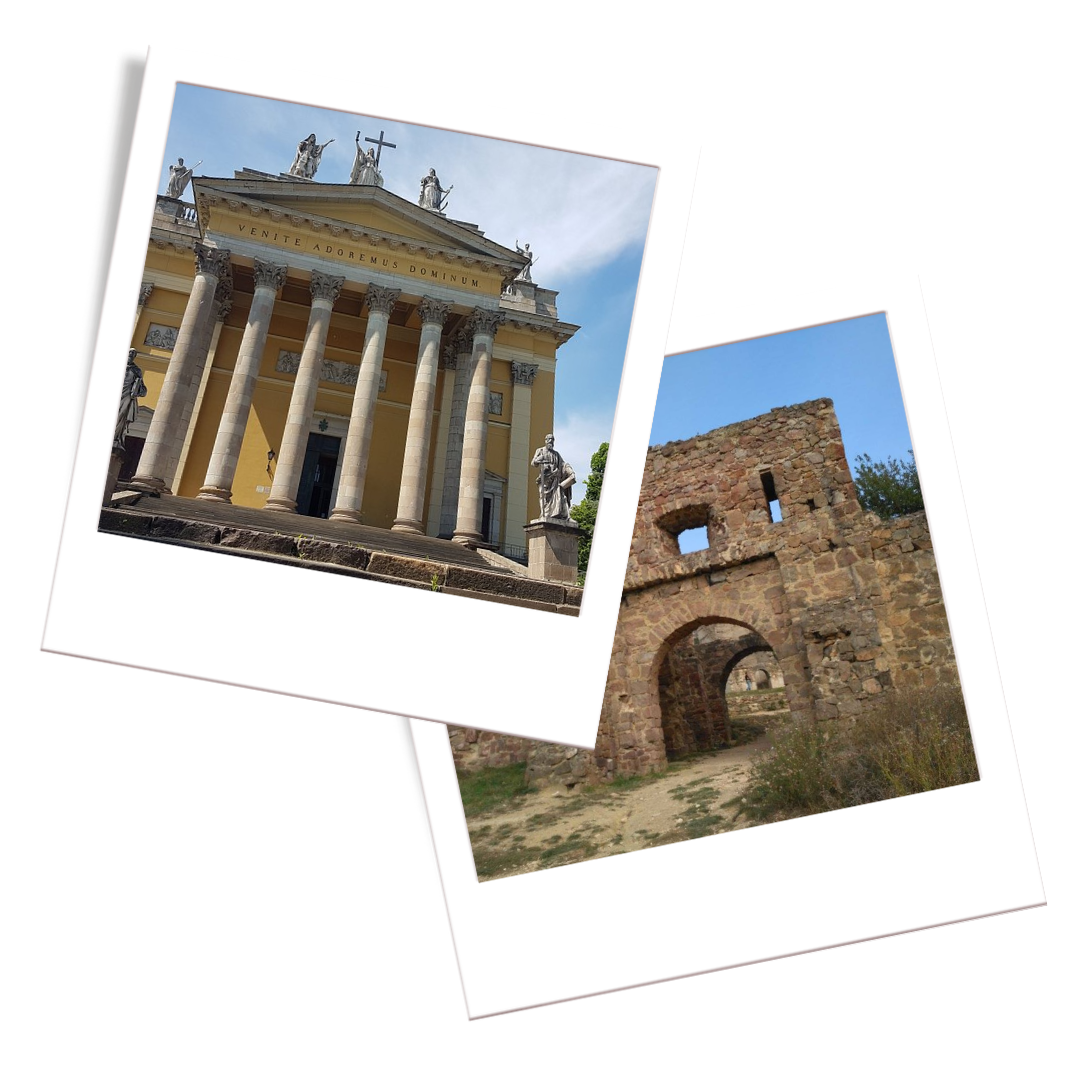
Eger is compact, handsome, and very easy to like. It has a castle above the rooftops, Baroque streets, Ottoman history, thermal water, and the Valley of the Beautiful Women, which sounds like a fairy tale but is actually a wine-cellar district where moderation can become theoretical very quickly.
Day 6 Itinerary
- Morning:
Travel to Eger.
From Budapest, Eger is manageable by train or car. If driving, leave early enough to arrive before lunch. If taking the train, check schedules the night before through MÁV rather than trusting your future self to improvise gracefully. - Late morning:
Explore Dobó István Square and the historic center.
Eger is not huge, which is exactly the point. Walk slowly, look up, and enjoy a town that does not make you earn every pretty corner. - Lunch:
Try something hearty but sensible.
Wine tasting is coming. Eating like a doomed medieval king before the cellar valley is not the flex it sounds like. - Afternoon:
Visit Eger Castle.
The castle is Eger’s defining landmark, and the town’s official tourism site describes it as a symbol of the city and one of Hungary’s popular museums. Give yourself time for the views, exhibits, and defensive walls. - Evening:
Dinner in Eger’s center.
Eger becomes especially charming at night when the day-trippers thin out and the streets feel less like a stopover and more like somewhere you were clever to stay.
Day 7 Itinerary
- Morning:
Visit the Eger Minaret or the Basilica.
The minaret is a fascinating Ottoman remnant, while the Basilica gives you grand architecture and a calmer start. Choose based on whether your knees feel brave. - Late morning: Add a thermal bath or café break. Eger is better when you leave space in the day. If you have been moving quickly since Budapest, this is your reminder that not every empty hour needs to be filled with a ticketed attraction.
- Lunch: Eat before wine tasting. Practical advice, not moral advice.
- Afternoon: Go to Szépasszony Valley, the Valley of the Beautiful Women. Visit Eger calls it the top venue for wine tasting in Eger and notes that it is about a 10- to 15-minute walk from the city center. It can be cheerful, a little kitschy, and very fun. Taste slowly. The pours have a way of becoming more persuasive than expected.
- Evening: Stay in the valley or return to town for dinner. If you want a quieter experience, go earlier in the afternoon before larger groups roll in with matching levels of enthusiasm and volume.
Days 8-9 Hortobágy and Debrecen
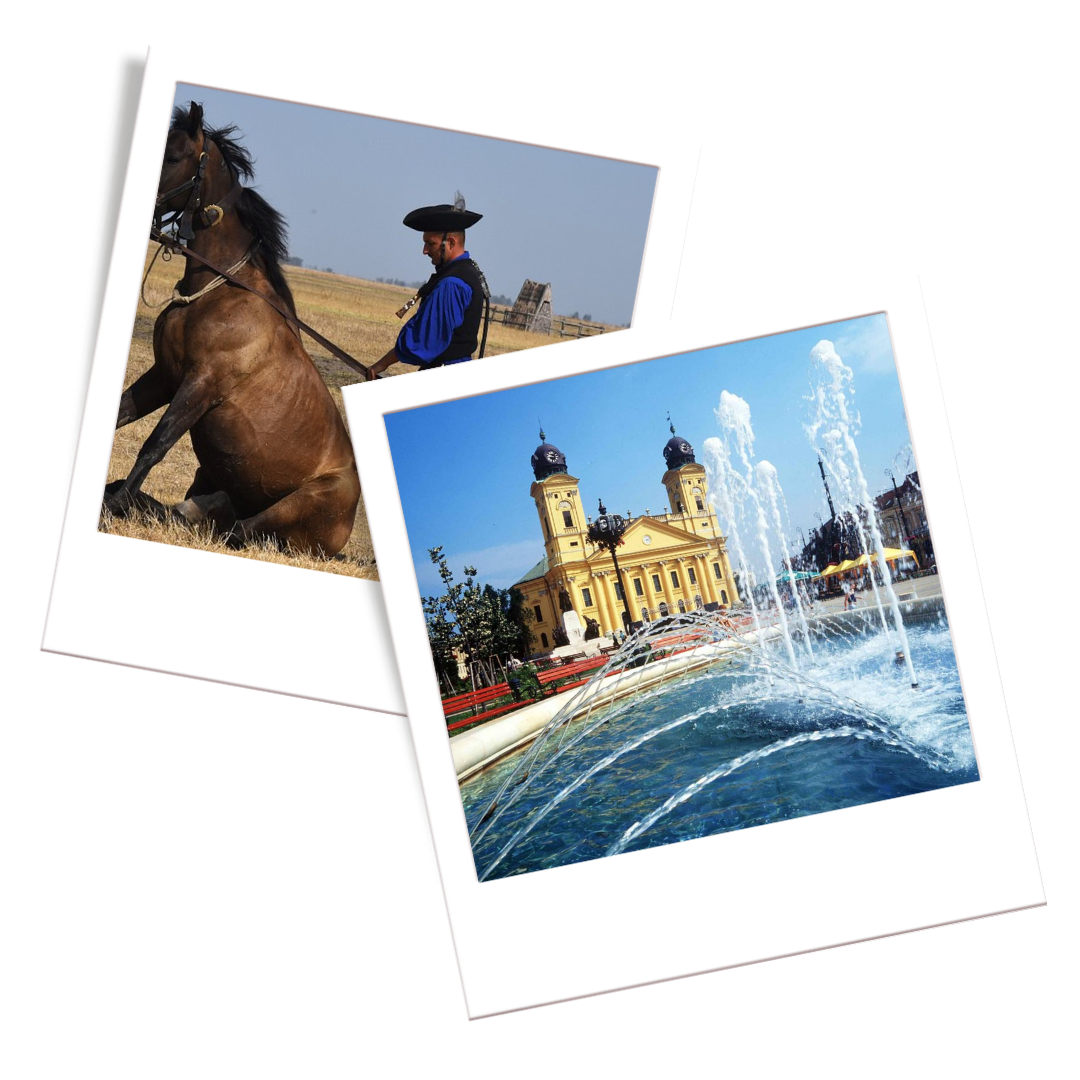
This is where the itinerary changes texture. Hortobágy is wide, flat, windswept, and completely different from the ornate city streets you have been walking. Nearby Debrecen gives you a practical base with a real city feel, thermal baths, churches, cafés, and a less tourist-polished side of Hungary.
Day 8 Itinerary
- Morning:
Travel from Eger toward Hortobágy or Debrecen.
This leg is much easier with a car. Without one, expect train and bus connections and do not schedule your day like a person who believes all timetables are personally invested in your success. - Late morning:
Start at the Hortobágy National Park Visitor Centre.
The national park visitor center provides information on what to see and do in Hortobágy, along with exhibitions about the park’s flora, fauna, and crane migration. It is the sensible first stop before heading out into the Puszta. - Lunch:
Keep it simple near Hortobágy village.
This is not a culinary-polished destination in the same way Budapest or Pécs can be. Come for the landscape, the animals, and the sense of space. - Afternoon:
See the Nine-Arch Bridge, take a horse-carriage tour, or visit one of the park attractions.
The Hortobágy tourism site lists major area attractions including the Nine-Arch Bridge, horse-carriage tours, Máta Stud, the Bird Hospital, and the Great Fishponds. In summer, the plain can feel brutally exposed, so bring water, a hat, and humility. - Evening:
Continue to Debrecen.
Debrecen works well as a base because you get city comforts after a day in open landscapes. It also keeps the next morning from feeling like you slept in a field, emotionally if not literally.
Day 9 Itinerary
- Morning:
Explore central Debrecen.
Start around the Great Reformed Church and the main square. Debrecen is not Budapest-lite; it has its own rhythm, more local and less performative. - Late morning:
Visit Déri Museum or take a gentle café break.
This is a good city for slowing down a bit after the rural day before. If you are not museum-inclined, use the morning to walk, snack, and reset. - Lunch:
Eat in central Debrecen.
Try something filling if you are driving later. Hungary is not a country that encourages tiny, delicate lunches, and honestly, that is one of its strengths. - Afternoon:
Relax at Aquaticum or Nagyerdő Park.
This gives you a softer afternoon before the longer transfer toward southern Hungary. If you are traveling without a car, consider sleeping in Debrecen again and making the next day a transit day. - Evening:
Early dinner and route check.
The next leg to Pécs is long. This is where a 14-day itinerary benefits from honesty: Hungary is rewarding, but the map is not a magic carpet.
Our guide to historical and cultural landmarks in Hungary will help you find alternative options to add or subtract from your intinerary.
Days 10-11 Pécs and Villány
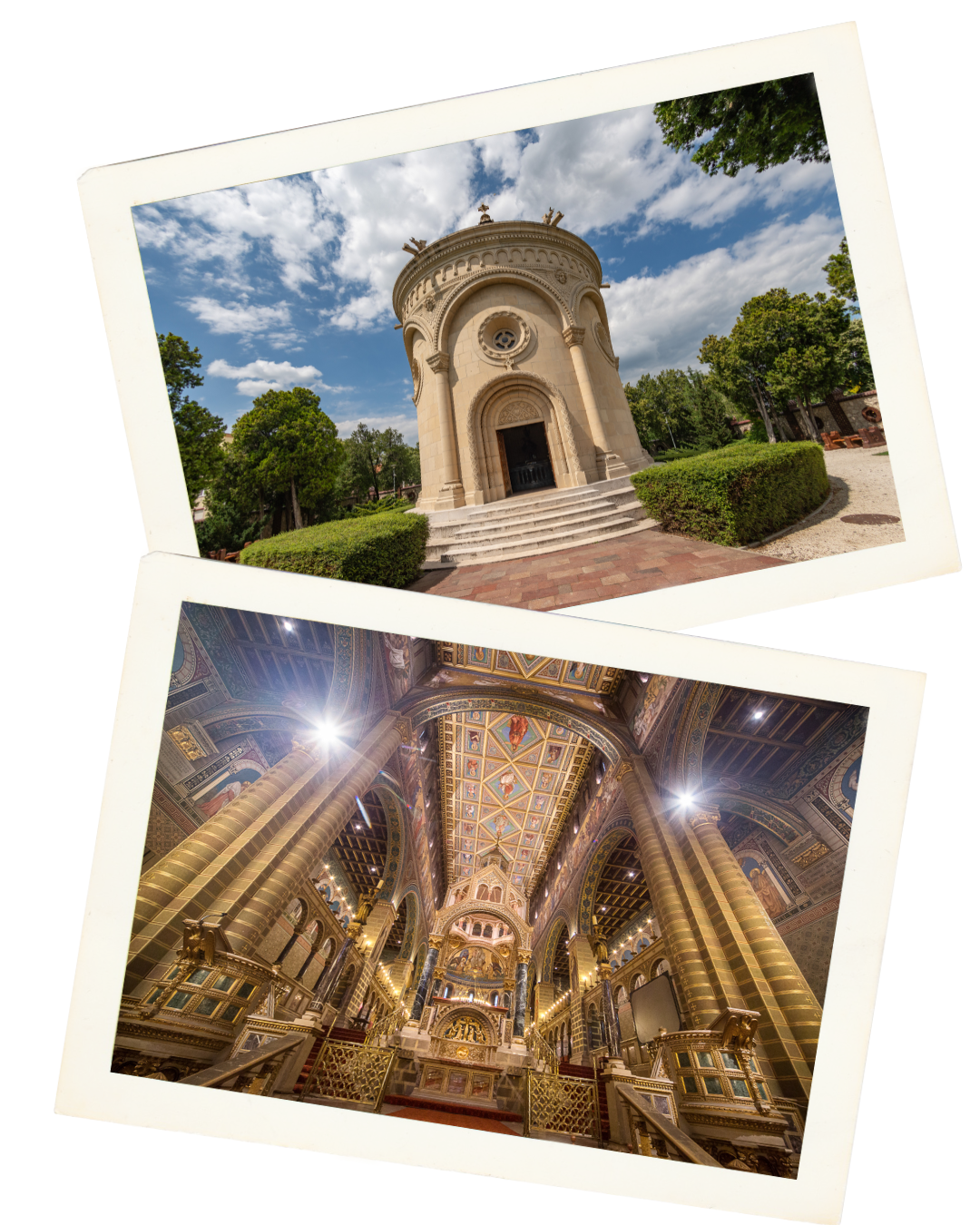
Pécs is one of Hungary’s best “why did nobody talk about this more?” cities. It has Roman ruins, Ottoman architecture, Zsolnay ceramics, warm southern energy, and a center that feels made for wandering. Add Villány wine country nearby, and these two days become one of the loveliest stretches of the trip.
Day 10 Itinerary
- Morning:
Travel to Pécs.
From Debrecen, this is a long transfer whether you drive or use public transport. Start early, bring snacks, and do not schedule a major museum for 9 a.m. unless you also own a teleportation device. - Afternoon:
Begin in Széchenyi Square.
This is the heart of Pécs, with the Mosque of Pasha Qasim giving the city its distinctive Ottoman layer. It is one of those squares where you immediately understand that Pécs has lived several lives. - Late afternoon:
Walk Király Street and the historic center.
Pécs rewards aimless wandering. Look for tiled roofs, quiet courtyards, and cafés where you can sit long enough to recover from the transfer. - Evening:
Dinner in Pécs.
The city has a gentle evening glow, especially around the central streets. Do not overplan tonight. Arriving and enjoying the place is enough.
Day 11 Itinerary
- Morning:
Visit Cella Septichora Visitor Centre.
The Cella Septichora Visitor Centre includes late Roman burial chambers and underground early Christian remains; Pécs’s official city site describes these 4th-century tombs and burial chambers as UNESCO-recognized. It sounds niche. It is not. It is one of the most important historical stops in this itinerary. - Late morning:
Visit Pécs Cathedral or the museum street area.
This is a good moment for the city’s layered religious and artistic history. - Lunch:
Eat before heading into wine country.
You know the drill by now. Wine regions reward preparation. - Afternoon:
Visit Villány wine region.
Villány is one of Hungary’s best red wine areas and a strong contrast to Eger. If you have a car, assign a driver or book a tasting experience with transport. If not, check train and bus times carefully and keep the plan simple. - Evening:
Return to Pécs.
Villány can tempt you into staying longer than planned. This is charming until you realize the last convenient transport has departed and your evening has become a logistical novella.
Days 12-13 Lake Balaton
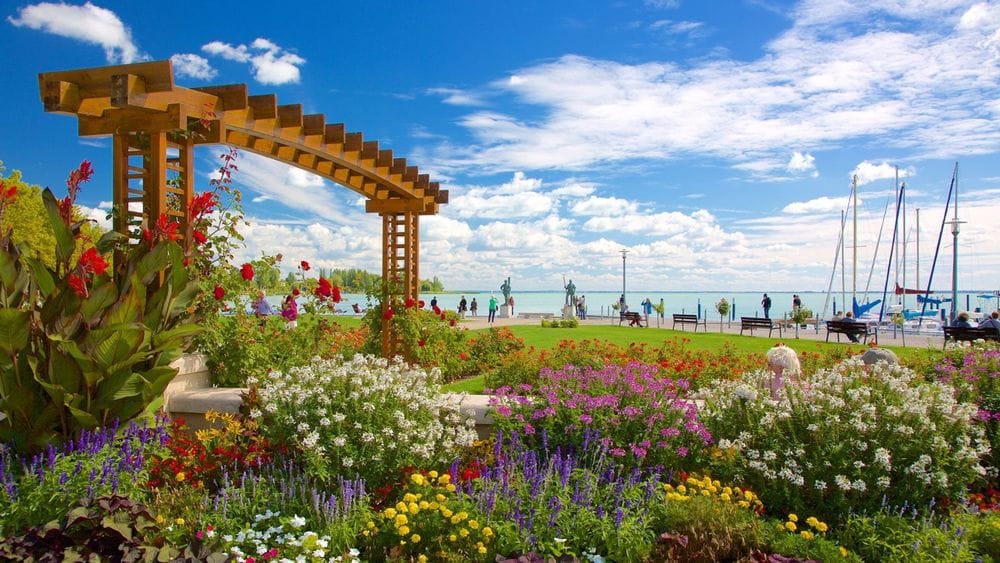
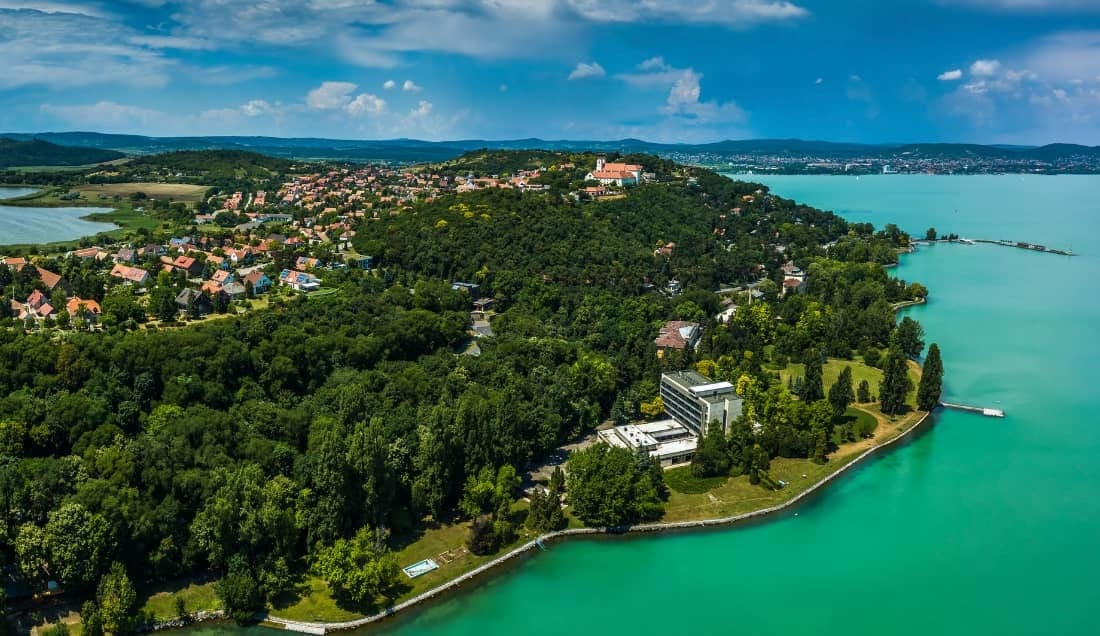
Lake Balaton is where Hungary loosens its collar. It is Central Europe’s largest lake, and Visit Hungary describes Balaton as a year-round destination with water, food, villages, and recreation across the region. In summer it is busy, sometimes very busy, but it is also nostalgic, social, scenic, and absolutely worth including.
Day 12 Itinerary
- Morning:
Travel from Pécs to Lake Balaton.
The north shore is best for scenery, vineyards, Tihany, Balatonfüred, and Badacsony. The south shore is better for shallow swimming and family-friendly beach towns. For this itinerary, I’d aim for the north shore. - Afternoon:
Start in Balatonfüred.
Balatonfüred is practical, pretty, and lively without requiring much effort from you after a travel day. Walk the promenade, get ice cream, and let the lake do the heavy lifting. - Late afternoon:
Swim, bike, or simply sit by the water.
Not every Balaton moment needs to be productive. In fact, the lake is better when you stop trying to extract value from it like a spreadsheet. - Evening:
Dinner by the lake.
In peak summer, reserve ahead. Balaton is beloved by Hungarians too, so weekends can feel like the whole country collectively decided to have dinner at the same time.
Day 13 Itinerary
- Morning:
Visit Tihany and the Benedictine Abbey.
The Tihany Abbey visitor site publishes current opening information and notes that opening times may change because of liturgical programs, so check before going. Tihany is famous for its abbey views, lavender, and lake scenery, and it is especially lovely early before day-trippers crowd the main lanes. - Late morning:
Wander Tihany village.
Yes, parts are souvenir-heavy. Still worth it. The trick is to wander beyond the busiest stretch and let the peninsula get quieter. - Lunch:
Eat in Tihany or return to Balatonfüred.
If crowds are intense, do not fight too hard for the “perfect” lunch. A simple meal with lake air beats a fancier one eaten in a state of resentment. - Afternoon:
Choose Badacsony, a winery, or more lake time.
Badacsony is great if you want volcanic hills and wine. A lakeside swim is better if it is hot and your brain has officially left the itinerary. - Evening:
Sunset over Balaton.
This is one of the easiest wins of the trip. No complicated plan required. Just be outside when the light starts doing its thing.
Day 14 Pannonhalma and Győr
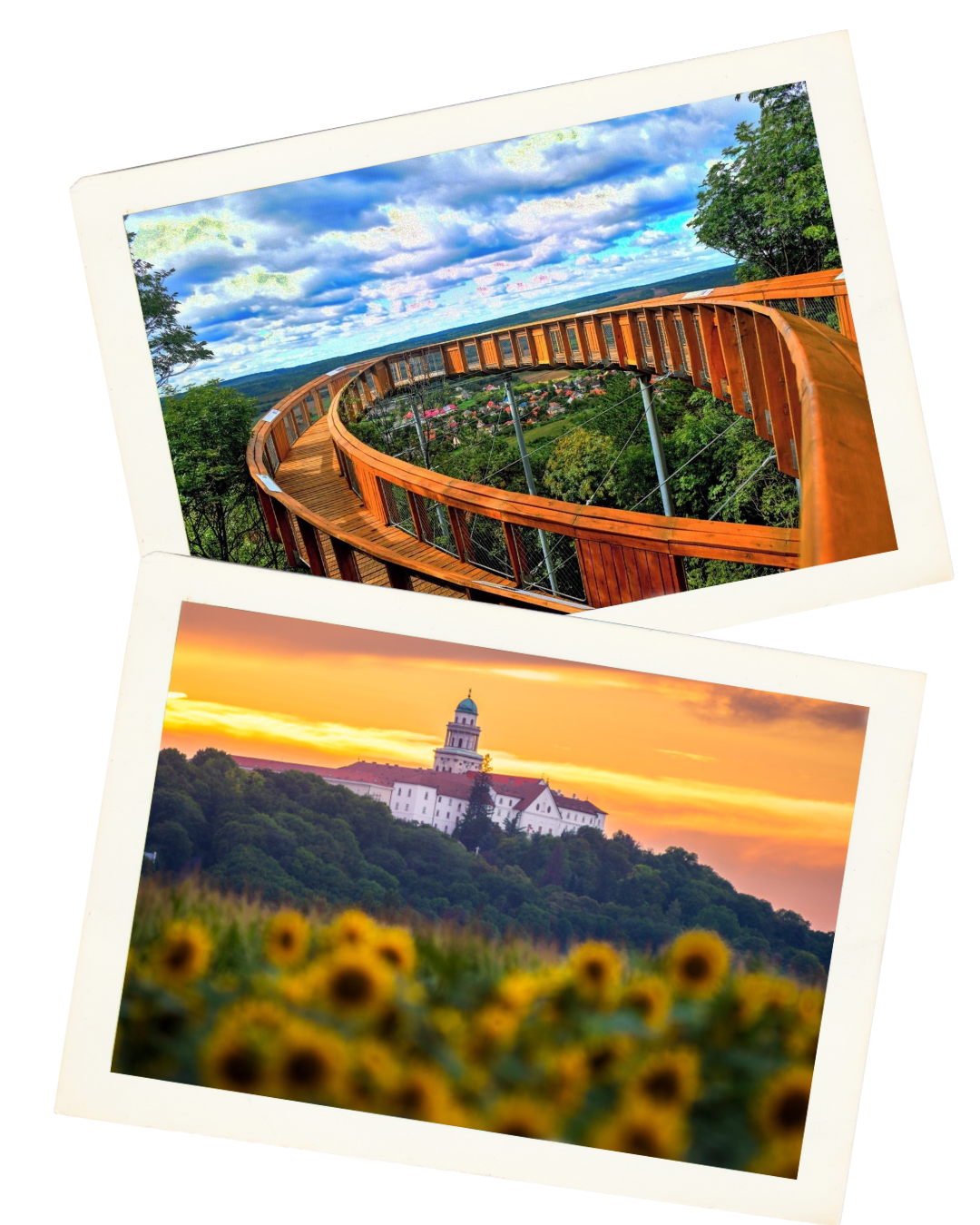
The final day gives you a graceful exit instead of a frantic return to Budapest. Pannonhalma brings monastery history and hilltop views; Győr gives you a handsome Baroque old town and a practical last stop before returning to the capital or continuing onward.
Day 14 Itinerary
- Morning:
Drive or travel toward Pannonhalma.
Start early from Lake Balaton so you are not racing the clock. This day works best with a car, though public transport is possible with planning. - Late morning:
Visit Pannonhalma Archabbey.
The Pannonhalma Archabbey official visitor page says individual visitors can use an audio guide during opening hours, with English or German guided tours available by advance booking. UNESCO lists the Millenary Benedictine Abbey of Pannonhalma and its environment as a World Heritage site, which is a fairly strong hint that it is not just another pretty old building. - Lunch:
Eat near Pannonhalma or continue to Győr.
Keep timings flexible because abbey access and tours can vary. Religious sites have a way of reminding travelers that not everything revolves around our lunch plans. - Afternoon:
Explore Győr’s old town.
Győr is elegant, walkable, and much calmer than Budapest. It is a lovely final afternoon: squares, churches, river walks, and Baroque façades without the pressure of a giant sightseeing list. - Evening:
Return to Budapest or continue onward.
If you fly out the next morning, return to Budapest tonight. Do not end a great Hungary trip by discovering that “close enough” is not an airport strategy.
Tips for 14 Days in Hungary
- Use public transport in Budapest.
BKK lists single tickets, time-based tickets, and 24- and 72-hour travelcards on its official fare page, so check current options before deciding whether a travelcard makes sense. - Rent a car for the countryside if you want this full route.
Budapest, Szentendre, Eger, Pécs, and Balaton towns can be done by train and bus, but Hortobágy, Villány, Tihany viewpoints, wineries, and Pannonhalma are much easier by car. - Do not cut Budapest too short.
Four days may sound generous, but it keeps the trip from becoming one long unpacking exercise. Use our list of the best things to do in Budapest if you want to customize your first few days. - Build in weather flexibility.
Hungary can be hot in summer, especially in cities and on the Great Plain. Spring and fall are easier for sightseeing, while winter is better for baths, museums, cafés, and atmospheric city breaks. - Do not try to see every wine region.
Eger, Villány, and Balaton already give you plenty. If you try to add Tokaj too, the itinerary becomes possible but less relaxed. - Bring a swimsuit even if you are not a “bath person.”
Budapest, Eger, Debrecen, and Balaton all make a strong case for water-based travel decisions.
Use our our guides to shape the trip or to add substitute destinations:
For outdoors, see nature destinations in Hungary and Hungary’s beautiful national parks.
For villages and scenic stops, check outt must-visit villages in Hungary and most beautiful sights in Hungary.