
10 Days in Hungary: Explore A Little Bit Of Everything
Plan 10 days in Hungary with Budapest, the Danube Bend, Eger, Lake Balaton, Pécs, wine towns, thermal baths, and smart travel tips.
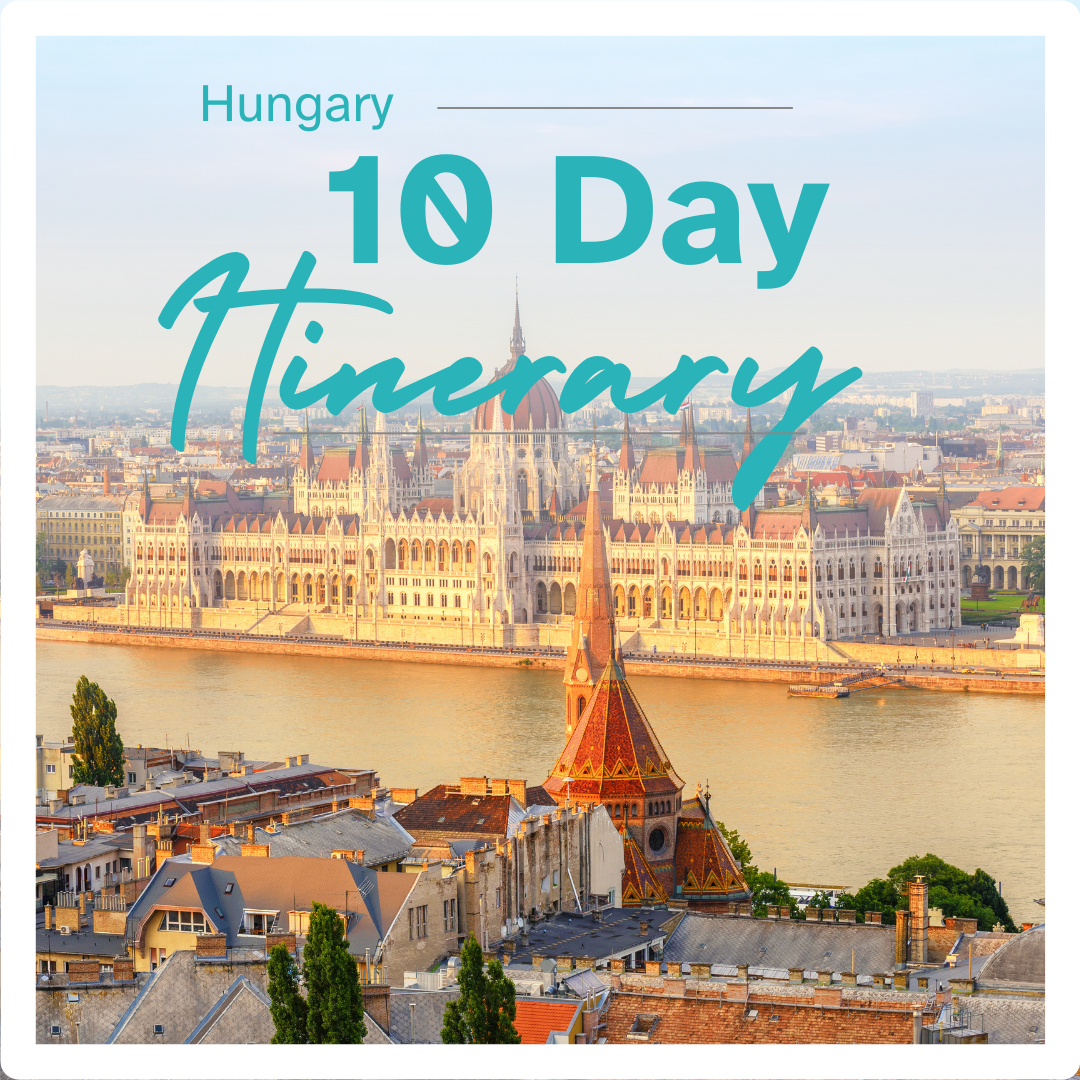
Hungary is not just “Budapest plus paprika,” though Budapest and paprika both do a lot of heavy lifting. This is a country of steamy thermal baths, castle hills, vineyard cellars, lake towns, Roman ruins, grand cafés, Ottoman leftovers, and train rides where the scenery quietly gets better the farther you get from the capital.
For this 10-day Hungary itinerary, I kept the route ambitious but not ridiculous:
Budapest → Danube Bend → Eger → Lake Balaton → Pécs and Villány
Need help planning your trip? Check out our complete Hungary Travel Guide.
This itinerary gives you Hungary’s big contrasts without turning the trip into a transportation-themed endurance sport. You get the capital, river towns, wine country, the “Hungarian Sea,” and one of the country’s most underrated cultural cities.
Trains and buses can handle much of this route, but a rental car makes Eger-to-Balaton-to-Pécs smoother. For public transportation, check MÁV for rail and bus planning, and Menetrendek for nationwide route options.
- Hungary can be gorgeous in spring and fall, hot and busy around Lake Balaton in summer.
- It's surprisingly atmospheric in winter if you like thermal baths, and Christmas markets.
- If so, you may want to substitute Lake Balaton with a different location.
Before locking in dates, it is worth checking this Hungary weather and tourism month-to-month guide and this guide to the cheapest and most expensive times to visit Hungary.
Days 1-3 Budapest
Budapest earns its reputation quickly. It has the heavy architecture of an imperial capital, the softness of a river city, and the faintly chaotic confidence of a place that knows visitors will forgive it almost anything after one golden-hour view over the Danube.
Three days gives you enough time to see the headline sights without sprinting through the city like you are being chased by a tram.
Day 1 Itinerary
- Morning:
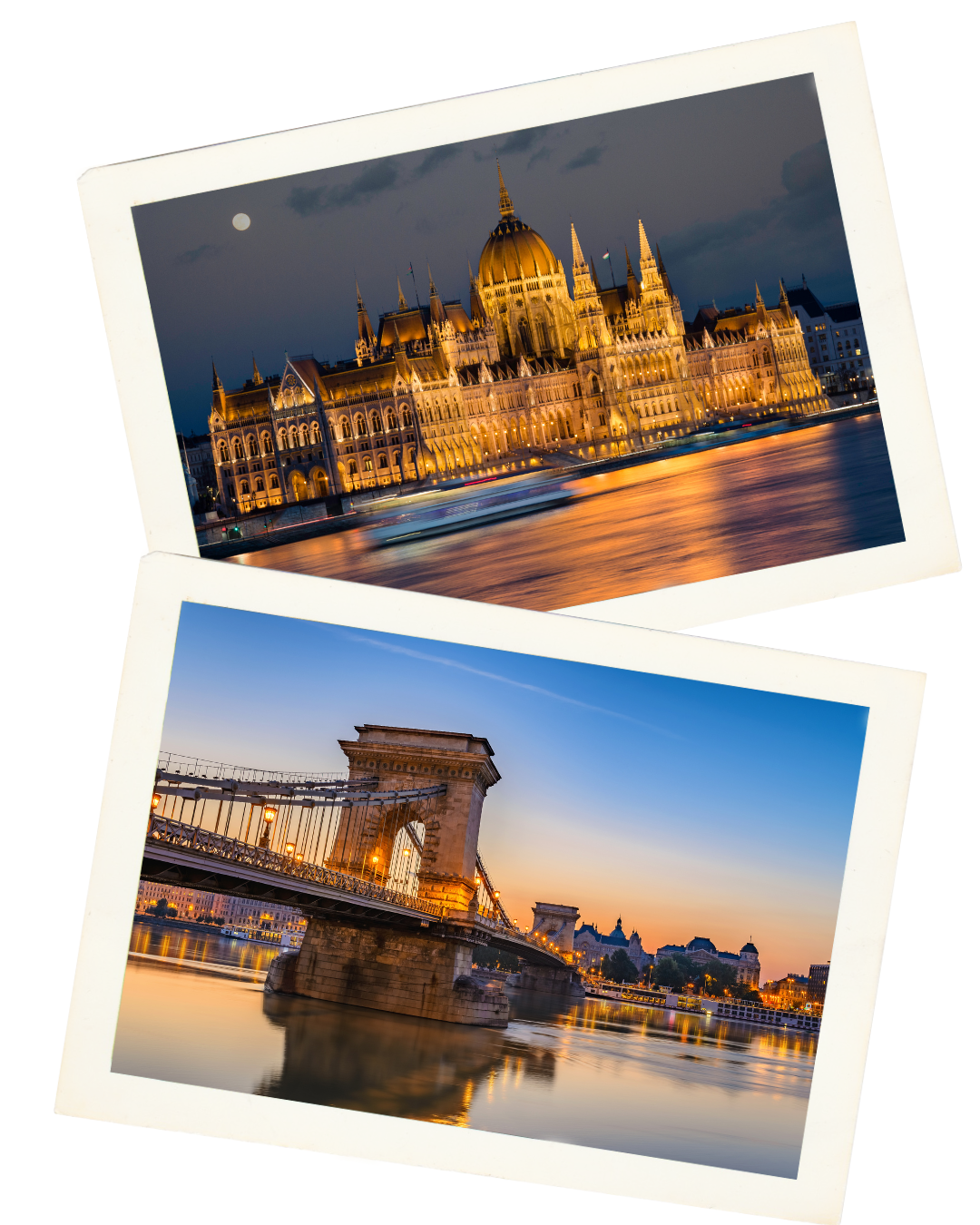
Start at the Hungarian Parliament Building and the Danube riverfront.
The Parliament is Budapest’s big “yes, we are being dramatic” landmark, and it is worth booking ahead if you want to go inside. Official visitor information notes that Parliament tours are guided and typically last about 45 minutes, so it is easy to fit into a first morning without consuming the whole day. - Late morning:
Walk to Shoes on the Danube Bank.
This memorial is simple, direct, and deeply moving.
Do not rush it. The riverfront here is beautiful, but this stop deserves quiet, not selfies and snack wrappers. Go early if you want a calmer moment. - Lunch:
Cross toward Pest’s central streets and ease into Hungarian food. This is a good time for goulash, chicken paprikash, or lángos if you want to start strong and nap immediately after. - Afternoon:
Visit St. Stephen’s Basilica and climb to the panorama terrace if the weather is clear.
The basilica sits right in the heart of Pest, and the official site lists visitor information for the church hall, treasury, and panorama terrace. The dome view is especially useful on day one because it helps the city make sense in your head. - Evening:
Have dinner in the Jewish Quarter, then peek into Szimpla Kert or another ruin bar.
Ruin bars are touristy now, yes. But touristy does not automatically mean bad. Go earlier in the evening if you want to actually look around instead of being absorbed into a human smoothie of backpackers, bachelor parties, and people shouting over music.
Day 2 Itinerary
- Morning:
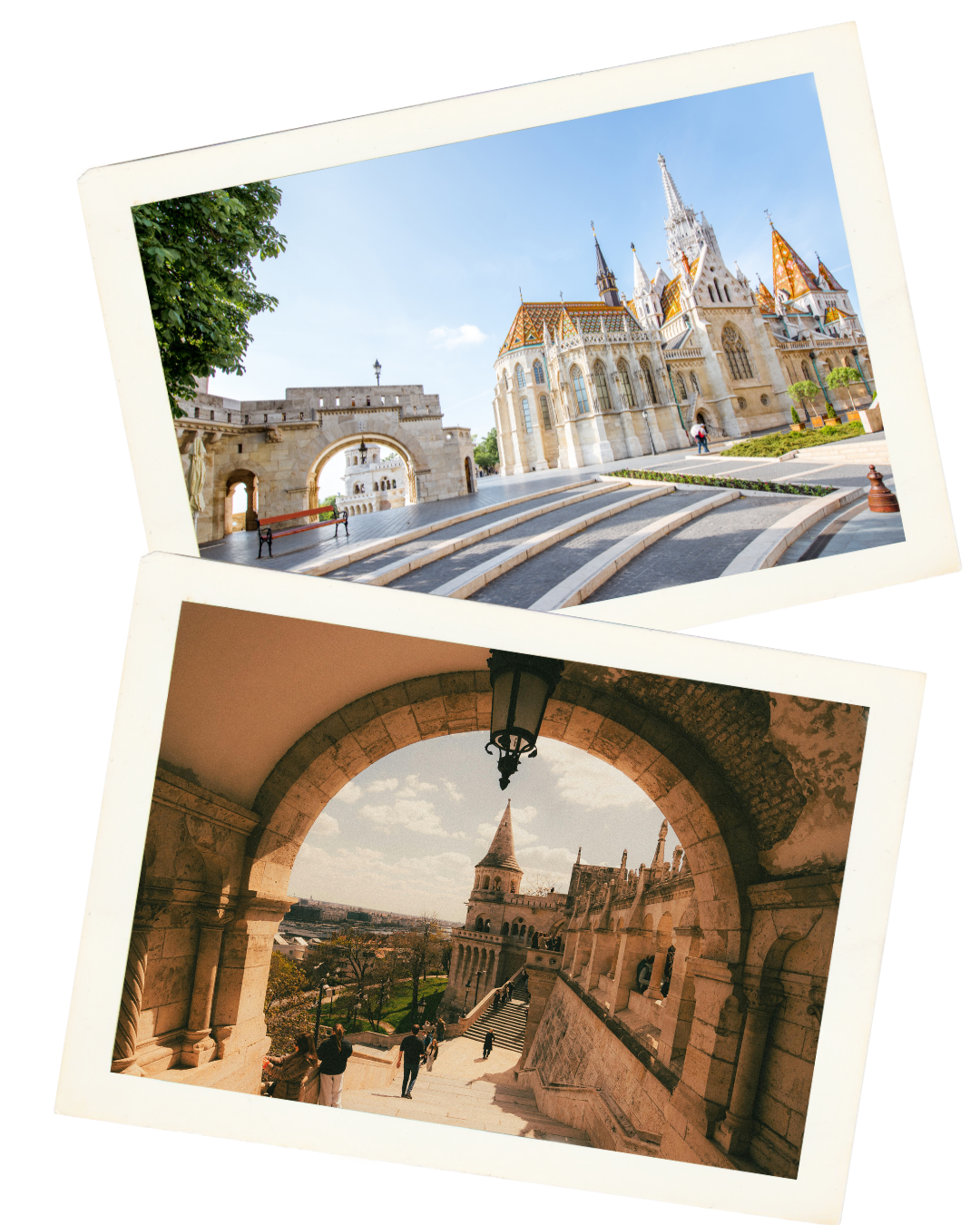
Spend the first half of the day in the Buda Castle District.
This is where Budapest gets storybook without becoming cute. The Castle District includes Buda Castle, Matthias Church, and Fisherman’s Bastion, an area that is part of the city’s UNESCO-listed heritage. Get there early because Fisherman’s Bastion becomes very “everyone had the same idea” by late morning. - Late morning:
Visit Matthias Church and wander the back streets of Castle Hill.
The big terrace views are famous, but the quieter lanes behind them are what make this area linger. If you are traveling in summer, bring water and patience. Castle Hill has a way of making the sun feel personally invested in your suffering. - Lunch:
Stay in Buda or head back toward Pest.
Food around major viewpoints can be overpriced, so do not be afraid to walk a little farther from the main terrace before sitting down. - Afternoon:
Choose Hungary's top museum or indoor stop.
If you want art, head for the Hungarian National Gallery in the castle complex. If you want a darker but important historical stop, save the House of Terror for Day 3 when you have more emotional bandwidth. - Evening:
Take a Danube walk or river cruise after dark.
Budapest is one of those cities that becomes almost unfairly attractive at night. The bridges glow, the Parliament building looks like it is auditioning for a fantasy series, and suddenly everyone understands why people keep recommending river cruises.
Day 3 Itinerary
- Morning:
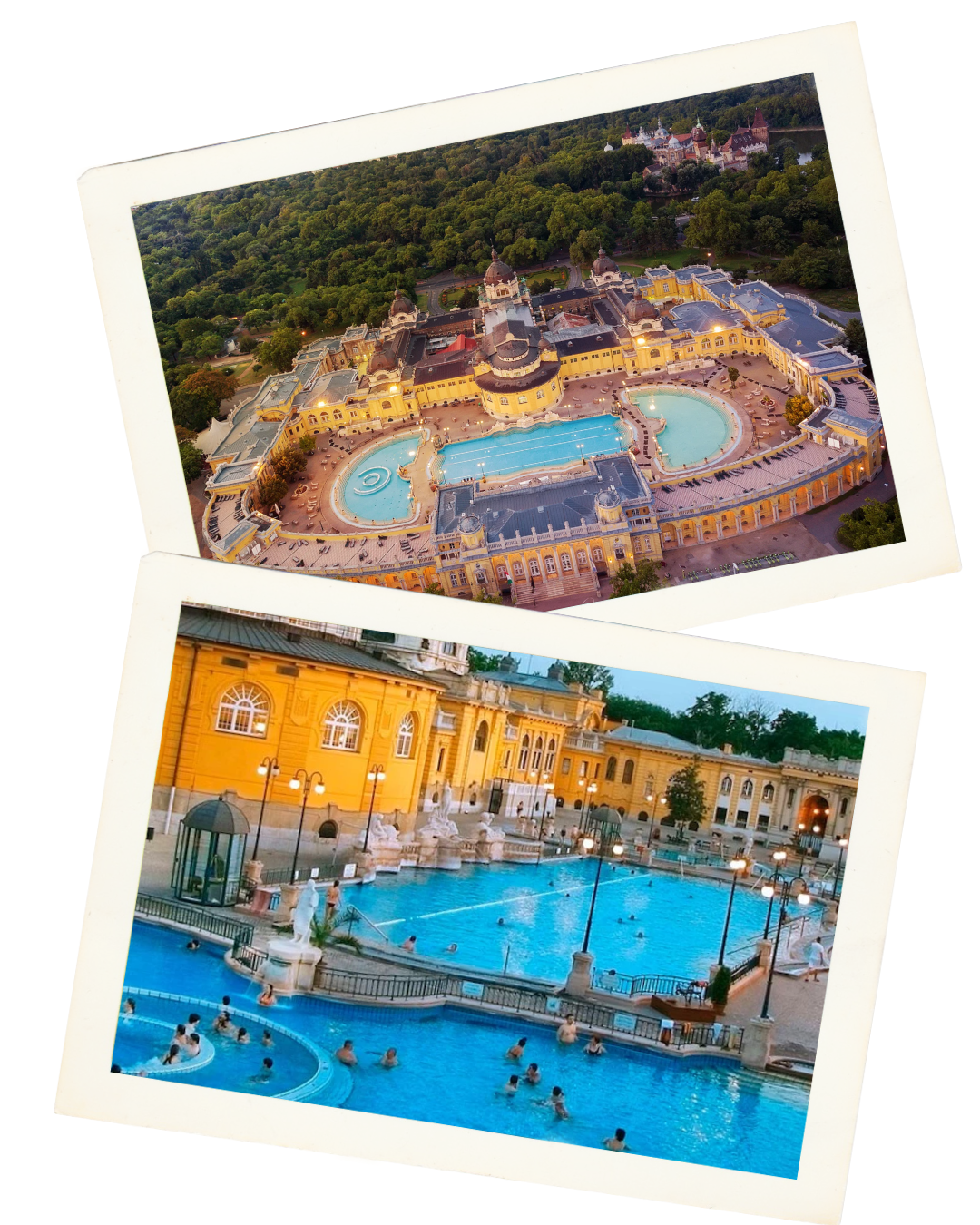
Go to Széchenyi Thermal Bath.
Budapest’s thermal bath culture is not a bonus activity; it is part of the city’s personality. Széchenyi’s official site lists online ticketing and visitor details, and it is one of the easiest bathhouses for first-timers to navigate. Go early for fewer crowds, bring flip-flops, and accept that the changing cabin system may feel like a small bureaucratic puzzle. - Late morning:
Walk through City Park and see Heroes’ Square.
This pairs naturally with Széchenyi and gives you a breather before diving back into denser parts of the city. In hot weather, keep this short and retreat somewhere shaded. - Lunch:
Head to the Central Market Hall.
It is touristy upstairs, but it is still fun for paprika, pickles, salami, and people-watching. Go earlier rather than at the end of the day when stalls start winding down. - Afternoon:
Visit the House of Terror Museum or Memento Park.
The House of Terror focuses on Hungary’s fascist and communist eras, while Memento Park preserves communist-era statues in an open-air setting outside the center. Do not try to do both unless you are specifically interested in 20th-century history; either one is enough weight for an afternoon. - Evening:
Keep it simple with a final Budapest dinner.
This is a good night for a proper sit-down meal rather than another snack-on-the-go situation. Budapest rewards lingering.
Day 4 The Danube Bend
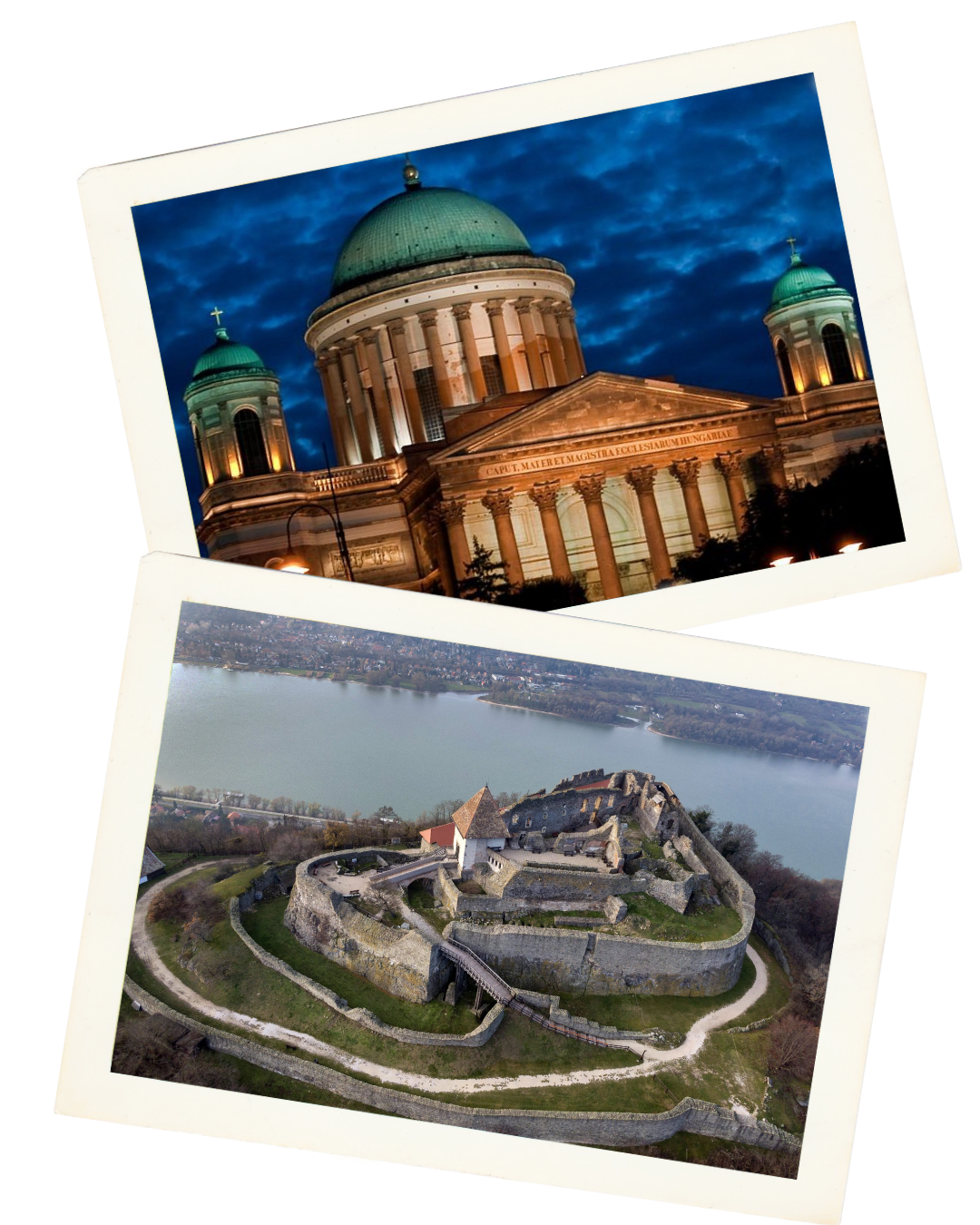
The Danube Bend is the classic Budapest escape: river views, small towns, church domes, castle ruins, and just enough transit logistics to make you feel like you earned your dinner. Szentendre is the easiest and most charming stop, while Visegrád and Esztergom add bigger history and better views.
Day 4 Itinerary
- Morning:
Travel to Szentendre.
Szentendre is close to Budapest and known for its cobbled streets, colorful houses, churches, galleries, and riverfront promenade. It's a natural Danube Bend stop for art lovers and walkers. Arrive before lunch if you want the lanes before they fill with day-trippers. - Late morning:
Wander the old town and riverside.
This is not a checklist town. The point is to drift a little, look into courtyards, and eat something sweet. If the weather turns ugly, lean into museums and cafés rather than forcing the river walk. - Lunch:
Eat in Szentendre or continue toward Visegrád.
If you are using public transport, keep your plans realistic. Doing Szentendre, Visegrád, and Esztergom in one day is easier by car than by stitching together buses, boats, and hope. - Afternoon:
Visit Visegrád Castle or Esztergom Basilica.
Visegrád is best for hilltop views and castle atmosphere. Esztergom is better if you want a grand religious landmark and a stronger sense of Hungary’s early history. Choose one if you are traveling without a car. - Evening:
Return to Budapest.
Keep dinner casual tonight. The Danube Bend is not physically brutal, but the moving-around adds up. This is also a good time to pack for Eger so the next morning does not become a suitcase circus.
Days 5-6 Eger
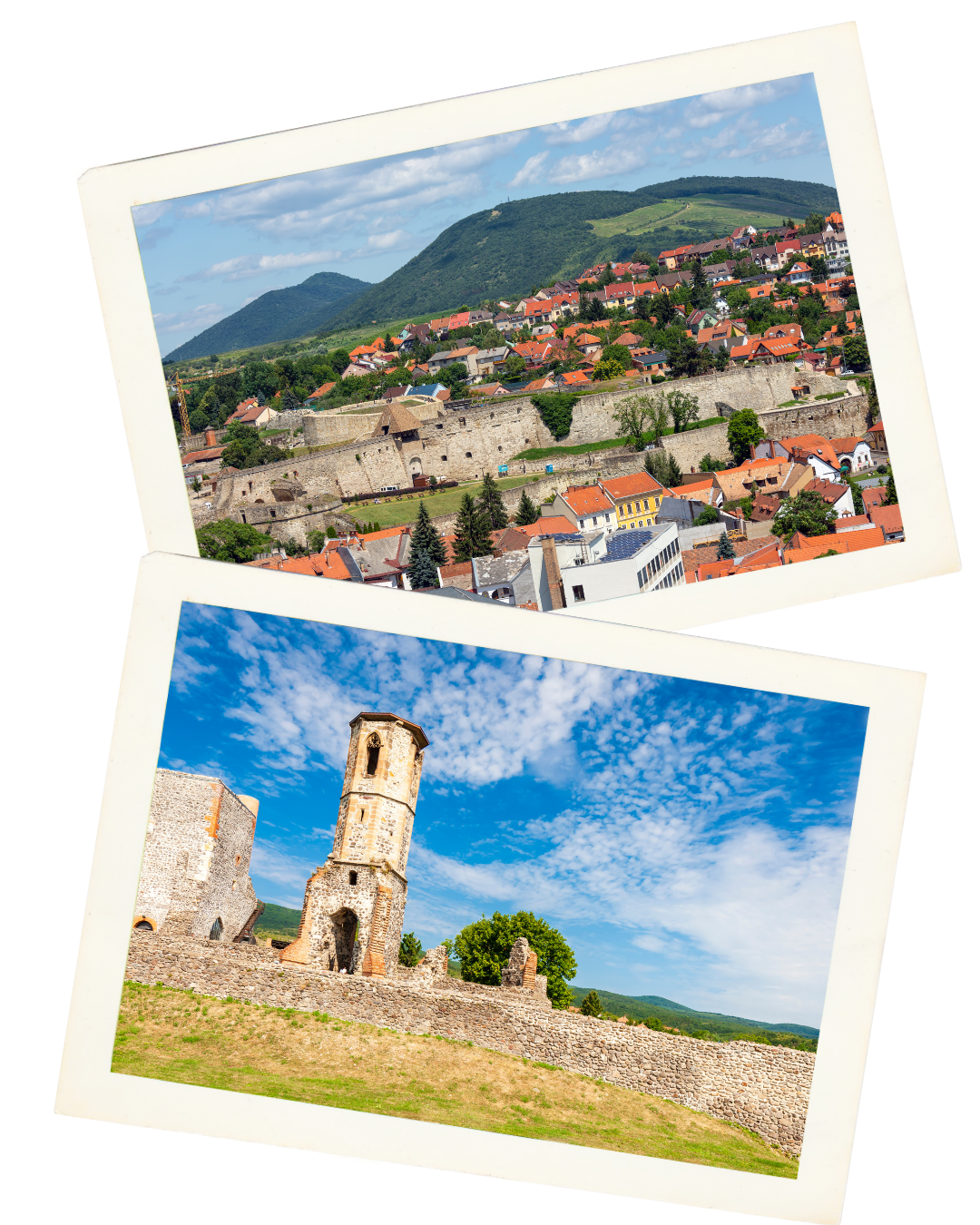
Eger feels like Hungary folded into one compact, handsome town: a castle over the rooftops, Baroque streets, thermal baths, wine cellars, and a slightly sleepy pace that is deeply welcome after Budapest. It is famous for Egri Bikavér, or Bull’s Blood wine, but the town itself is more than a drinking destination with a castle conveniently attached.
Day 5 Itinerary
- Morning:
Travel from Budapest to Eger.
By train, this is very manageable, though you should check current schedules before committing. If you are driving, leave early enough to reach Eger before lunch and enjoy the town rather than just arriving, parking, and muttering at road signs. - Late morning:
Explore Eger’s historic center.
Start around Dobó István Square, then wander into the smaller streets. Eger is compact, which is part of the joy. You do not need to “conquer” it. Just let it unfold. - Lunch:
Try something hearty but do not overdo it. You have wine cellars coming. This is not the time to eat like a doomed medieval king. - Afternoon:
Visit Eger Castle.
Eger Castle is the city’s main symbol and one of Hungary’s popular museums, with castle history, casemates, and views from Calvary Hill. The views over the town are excellent, and the castle gives Eger its backbone. - Evening:
Dinner in town and a slow walk under the lights.
Eger is especially good at evening atmosphere. The day-trippers thin out, the squares soften, and the town starts feeling like somewhere you were clever to stay overnight.
Day 6 Itinerary
- Morning:
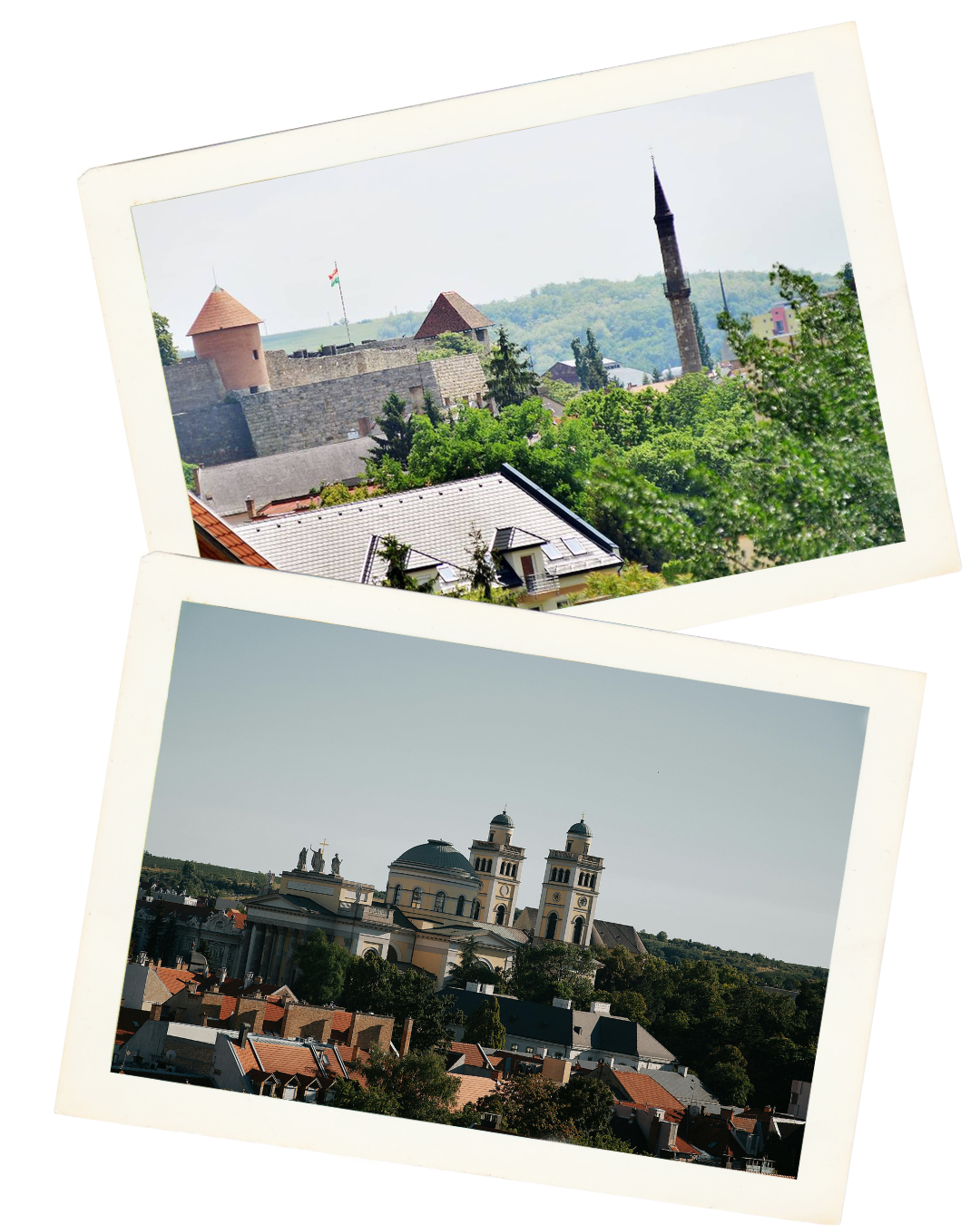
Visit the Eger Minaret or the Basilica.
The minaret is a reminder of Ottoman-era Hungary, while the Basilica gives you grander architecture and a calmer start. Pick based on your mood and knees. - Late morning:
Consider the Turkish Bath or a relaxed café break. Eger is not a place to over-schedule. If you have been moving quickly since Budapest, this is where you should let the itinerary breathe. - Lunch:
Eat before heading to the wine valley.
This is practical advice, not moral advice. The wine cellars of the Valley of the Beautiful Women are more fun when you are not tasting on an empty stomach. - Afternoon:
Go to the Valley of the Beautiful Women.
Visit Hungary describes Szépasszony-völgy as a wine-cellar area with taverns, vineyards, and an easygoing setting outside the center. It can be lively and a little kitschy, but that is part of the charm. Taste slowly, ask questions, and do not assume every “small pour” is actually small. - Evening: Stay in Eger for dinner or graze in the valley.
If you prefer quieter wine experiences, look for smaller cellars earlier in the afternoon before bigger groups arrive.
Days 7-8 Lake Balaton
Lake Balaton is where Hungary exhales. It is Central Europe’s largest lake, and Visit Hungary notes that the nearly 600-square-kilometer lake warms easily in summer because of its gradual depth. (Visit Hungary) In other words, yes, it gets busy. But it is also beautiful, social, nostalgic, and very different from the country’s cities.
Day 7 Itinerary
- Morning: Travel from Eger to Lake Balaton.
This is the clunkiest travel leg of the itinerary. With a car, it is straightforward enough. Without one, expect to route through Budapest and build in buffer time. This is the day to pack snacks and lower your standards for elegance. - Afternoon: Base yourself around Balatonfüred or Tihany. Balatonfüred is practical, walkable, and lively. Tihany is smaller, prettier, and more atmospheric, but it can be crowded in high season. Both work well for a first visit to the lake.
- Late afternoon:
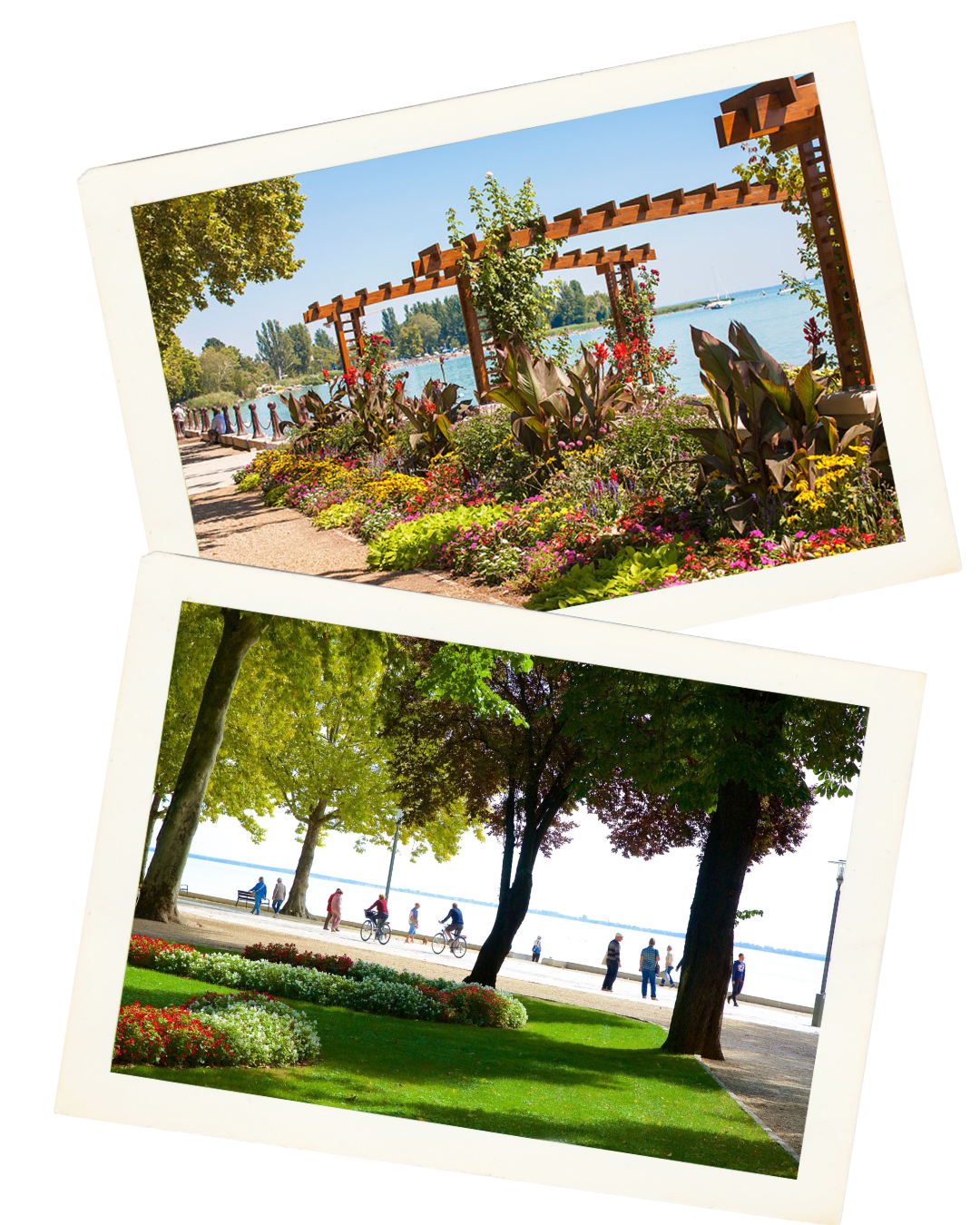
Walk the Balatonfüred promenade.
Balatonfüred is one of Hungary’s historic spa destinations and an “International Town of Grapes and Wine.” The promenade is ideal after a travel day because it asks very little of you beyond walking, looking, and deciding whether ice cream before dinner counts as a strategy. It does. - Evening:
Have dinner by the lake.
Expect summer crowds and book ahead in peak season. Balaton is beloved by Hungarians, not just foreign visitors, so weekends can feel like the entire country collectively decided to come to dinner.
Day 8 Itinerary
- Morning:
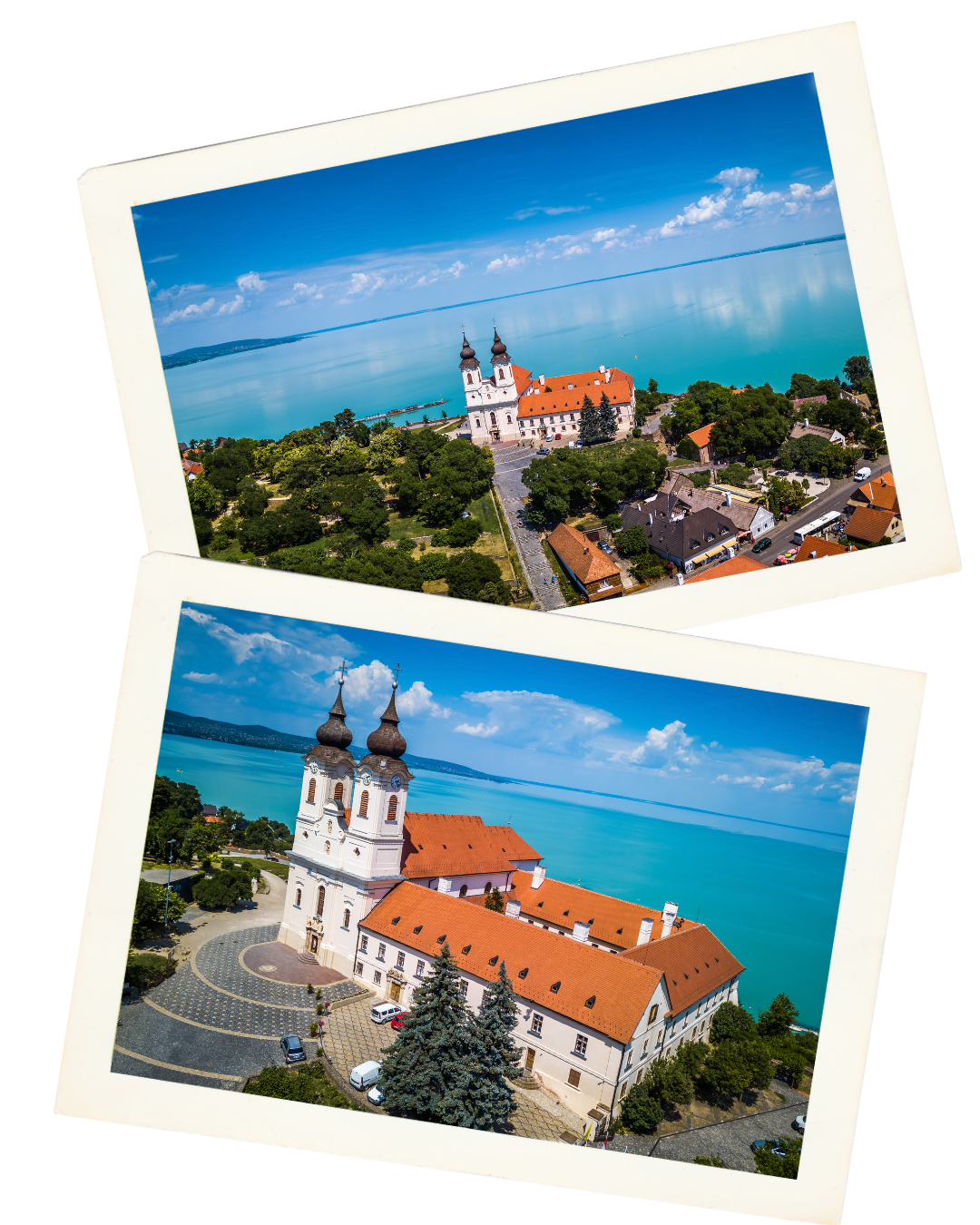
Visit Tihany and the Benedictine Abbey.
Tihany’s hilltop position gives you one of the classic views over Balaton. - Late morning:
Walk through Tihany village.
This is lavender-and-lake country, and yes, parts of it are very souvenir-forward. Still, the setting is lovely. Go early, wander away from the busiest lanes, and you will find the quieter side. - Lunch:
Eat in Tihany or return to Balatonfüred.
If restaurants are packed, do not fight the crowd too hard. A simple lake lunch beats an overpriced meal eaten in a state of tourist resentment. - Afternoon:
Swim, bike, or visit a winery on the north shore.
This is where Balaton becomes a vacation instead of a sightseeing stop. If you want more outdoor ideas around the country, this guide to nature destinations in Hungary is a useful companion. - Evening:
Watch the sunset over the lake.
Balaton sunsets can be ridiculously good. No need to improve them with a complicated plan.
Days 9-10 Pécs and Villány
Pécs is one of Hungary’s best final acts: warm-toned squares, Ottoman traces, Roman burial chambers, student energy, and Zsolnay ceramics glinting from rooftops and fountains. It feels more southern, more relaxed, and less obvious than Budapest. Add Villány wine country nearby, and the last two days feel like a reward for making it beyond the capital.
Day 9 Itinerary
- Morning: Travel to Pécs.
From Balaton, this is easiest by car. By public transport, check schedules carefully and expect connections. This is a good example of why a Hungary itinerary can be done without a car, but not always gracefully. - Late morning: Start in Széchenyi Square.
This is the heart of Pécs, with the Mosque of Pasha Qasim giving the city its distinctive Ottoman layer. It is a good first stop because everything radiates from here. - Lunch: Eat near the center.
Pécs has a more local rhythm than the big Budapest sightseeing zones. Sit down, slow down, and remember that not every meal needs to be optimized like a spreadsheet. - Afternoon:
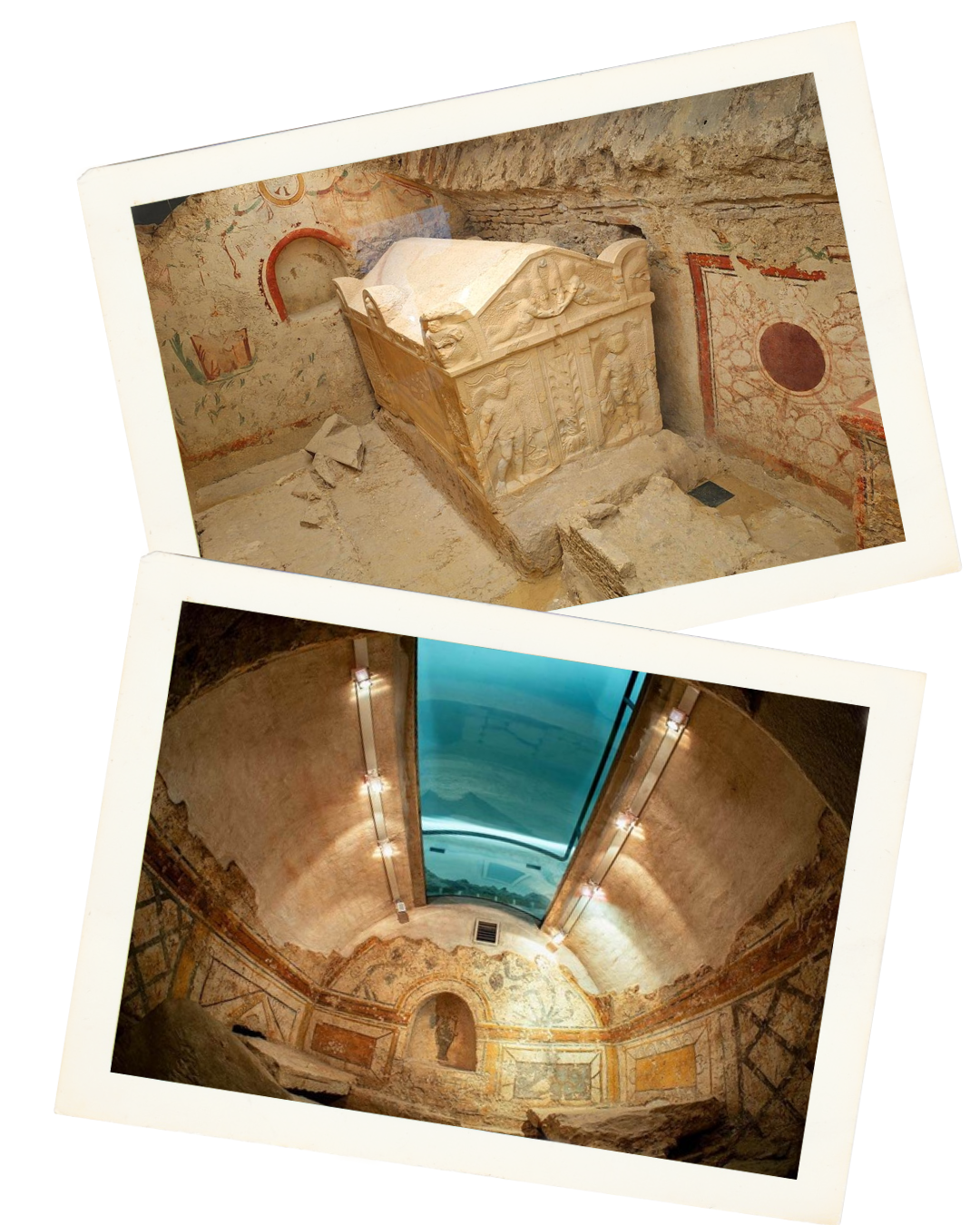
Visit the Cella Septichora Visitor Centre.
Cella Septichora displays remains from Roman Sopianae, including early Christian graves, and identifies it as a UNESCO World Heritage Site.
It is one of the most important historical stops on this itinerary, and it is far more interesting than “ancient burial chambers” sounds if you are tired. - Evening:
Dinner in Pécs.
The city has a soft evening glow, especially around the main squares. This is a good night to avoid overplanning and just enjoy being somewhere that many first-time Hungary travelers skip.
Day 10 Itinerary
- Morning:
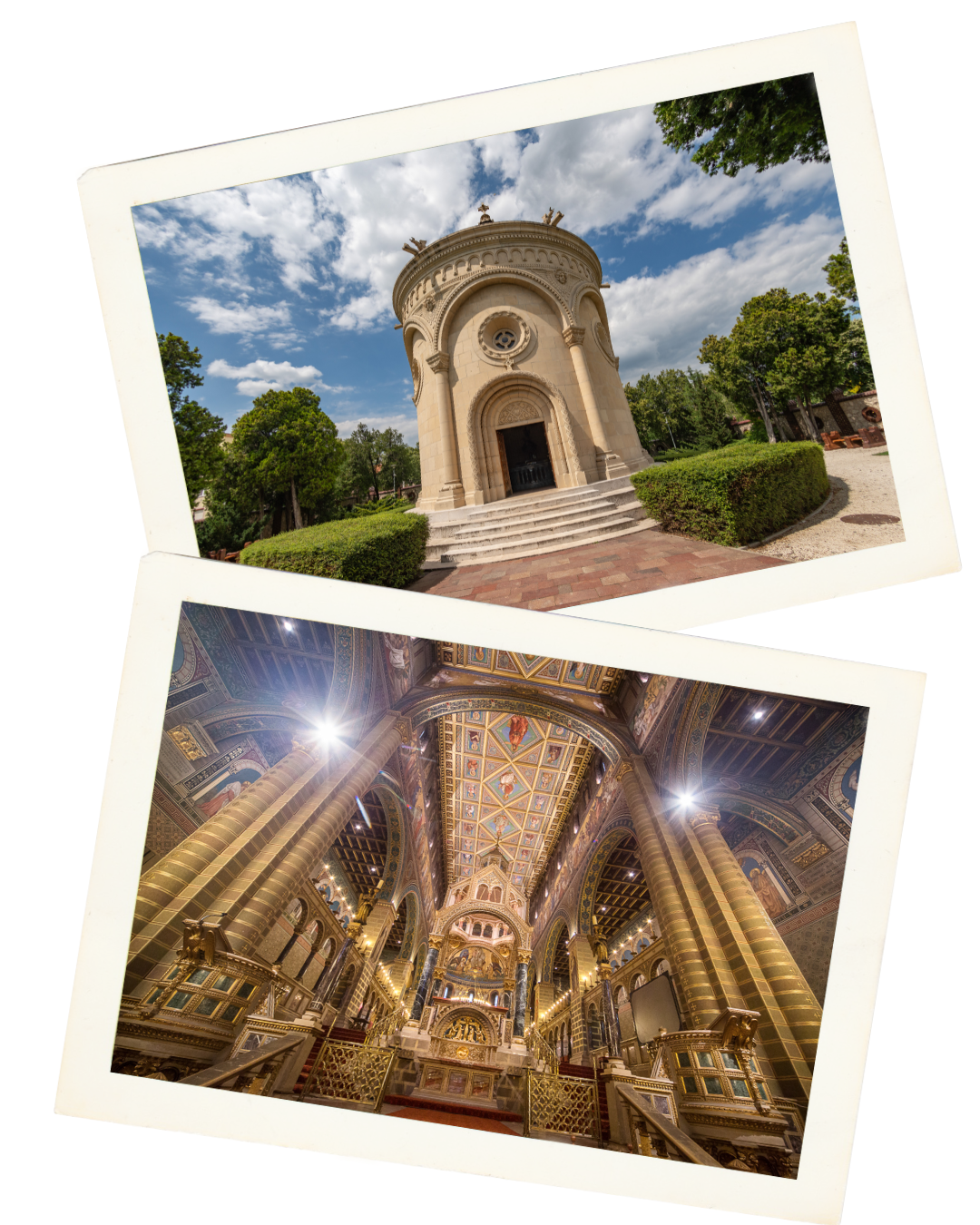
Visit the Zsolnay Cultural Quarter.
The Zsolnay Cultural Quarter’s official site describes the restored factory area as a cultural district with exhibitions, protected historic buildings, and Zsolnay heritage. It is colorful, unusual, and very Pécs. - Late morning:
Stop by Pécs Cathedral or the Bishop’s Palace area.
This part of town adds another layer to the city’s long religious and cultural history. - Lunch:
Eat in Pécs before heading to Villány.
Villány is wine country, so again, be sensible. Future you will appreciate present you eating actual food. - Afternoon:
Visit Villány wine region.
Villány is one of Hungary’s best-known red wine areas and a lovely final stop if you have a car or a driver. If you are relying on public transport, you can still do it, but keep the plan simple and check return times carefully. - Evening:
Return to Pécs or begin the trip back toward Budapest.
If your flight leaves the next morning, consider returning to Budapest tonight or booking a late departure the next day. Pécs to Budapest is not a quick airport hop, and ending a good trip with panic is a poor use of your remaining goodwill.
If you want to know how much you will need to budget before the trip, use this guide to the cost to visit Hungary.
Practical Tips for 10 Days in Hungary
Transportation:
Budapest is easy with public transport, and BKK’s official fare page lists single tickets, time-based tickets, and 24- and 72-hour travelcards.
Outside the capital, trains and buses work well between many major towns, but the route gets less smooth when you connect Eger, Balaton, and Pécs without returning through Budapest.
Rental car or no rental car:
You can do this itinerary without a car, but you will need patience and flexible timing. A car is most useful from Day 5 onward, especially for Eger, Lake Balaton villages, and Villány.
How to pace the trip:
Do not cut Budapest below three days unless you have already been. Do not try to see every Balaton town. Do not turn the Danube Bend into a competitive sport. Hungary rewards curiosity more than speed.
Best trip style:
This itinerary is best for travelers who want culture, food, wine, architecture, thermal baths, and a few pretty landscapes.
If you want a more outdoorsy version, swap one city day for more time around Balaton, Bükk, or one of the places in this guide to Hungary’s Top Nature Destinations, or this Hungary Nature Itinerary.