
10-Days in Colombia (For Adventurous Travelers)
Colombia is not a “one-note” country. It is mountain air and tropical heat, gold-lit colonial streets and salsa spilling out of open doorways, jungle-green valleys, wild traffic, absurdly good coffee, and the occasional moment where you wonder why your body has become 72% sweat instead of water.
For this 10-day Colombia itinerary, I kept the route tight and realistic:
Bogotá → Salento / Coffee Region → Medellín → Cartagena
This gives you Colombia’s biggest contrasts without wasting half the trip in transit. You get the capital, the Andes, the coffee valleys, one of South America’s most exciting cities, and the Caribbean coast. For moving between regions, I would use domestic flights for the longer jumps. Colombia looks compact on a map, but those mountains will humble your travel plans quickly.
Bogotá Days 1-2
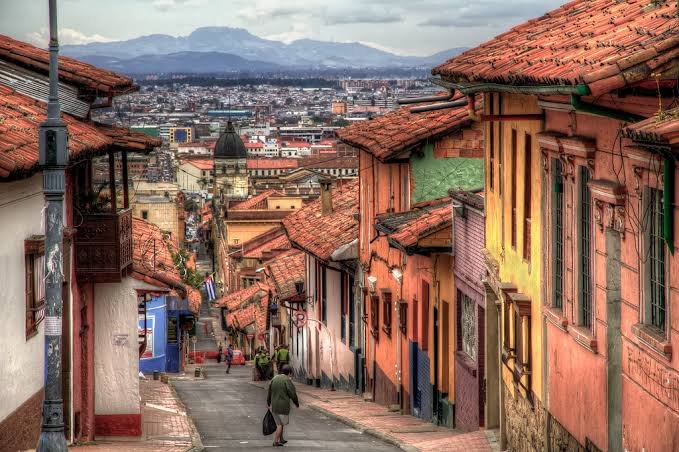
I chose Bogotá because I wanted the trip to begin with Colombia’s brain before its beach body.
Bogotá is cool, layered, chaotic, historic, artistic, and occasionally gray in that cinematic “main character staring out a window” sort of way. It is not instantly easy. The traffic is dramatic. The altitude makes stairs feel personal. The weather can go from sunny to “tiny cold rain attacking my forehead” in about 11 minutes.
But it has depth. It makes you pay attention.
Day 1: La Candelaria, Gold, Botero, And A Soft Landing
I would keep the first day gentle because Bogotá sits high in the Andes, and your lungs may need a minute to file the correct paperwork.
Start in Barrio La Candelaria, the historic heart of the city. This is where Bogotá feels old and alive at the same time: colonial buildings, street murals, university students, cafés tucked into old houses, and sidewalks that look like they have survived a few political arguments and several thousand empanadas.
I would wander slowly here rather than treat it like a checklist. Let the morning unfold. Peek into churches. Stop for coffee. Watch how the city moves.
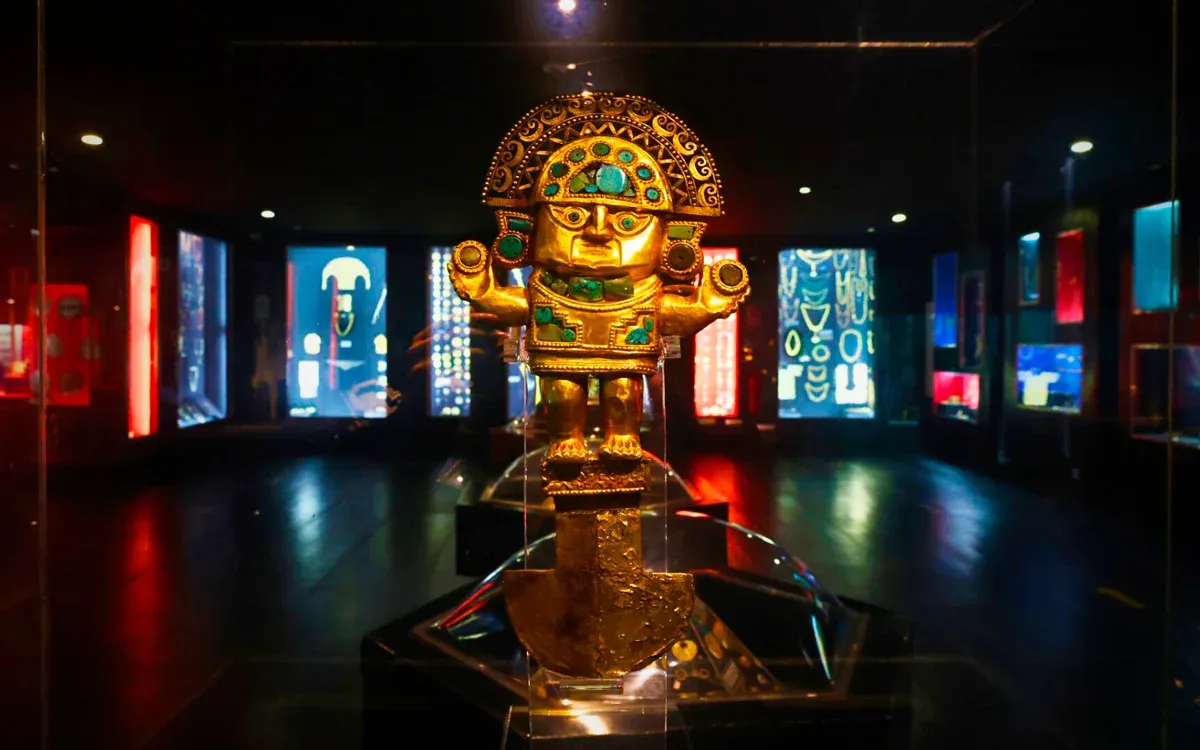
Then go to the Museo del Oro!
I thought it would be “nice museum, shiny objects, respectable cultural hour.” Instead, it felt like stepping into a dark, glowing vault of pre-Hispanic power. The lighting is moody, the gold is dazzling, and there is a moment where you realize this is not just a museum about jewelry. It is about ritual, belief, status, craft, and civilizations that were telling stories long before anyone was making travel reels.
After that, walk to the Botero Museum. Botero’s art is round, bold, strange, funny, and somehow deeply serious.
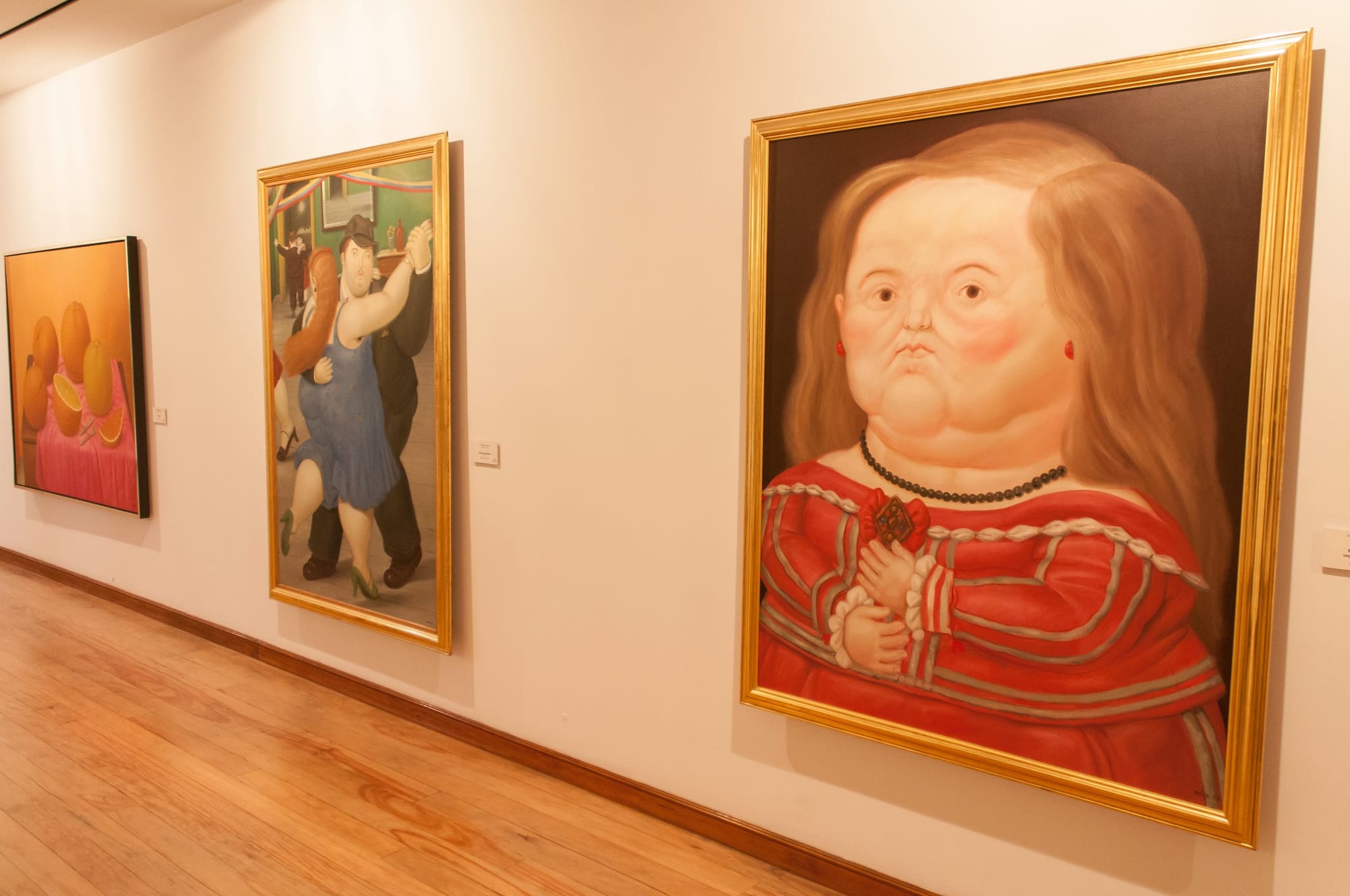
Everyone in the paintings looks like they just ate a legendary lunch and are now contemplating the moral decline of society from a very expensive chair. It is free, easy to visit, and a perfect contrast to the Gold Museum.
For lunch, I’d keep it classic: ajiaco, arepas, fresh juice, or whatever looks like it owas made by someone’s aunt who does not care about your diet plan. Bogotá food has weight to it. Not heavy in a bad way. More like, “You will be warm and emotionally stable after this soup.”
In the afternoon, stay around La Candelaria or drift toward a café. This is not the day to conquer the entire city. Bogotá traffic is not transportation; it is a character-building program.
By evening, head to Chapinero, Zona G, or Zona T for dinner. It will feel like a different Bogotá: stylish, modern, restaurant-heavy, and full of people who look like they casually know where the good cocktails are.
Substitute options for Day 1:
- If museums are not your thing, do a food tour or a street art walking tour instead.
- If you arrive late, skip sightseeing and just do dinner in Chapinero.
- If you feel the altitude, slow down immediately. Bogotá will still be there tomorrow, being dramatic.
Day 2: Monserrate, Market Food, And Bogotá From Above
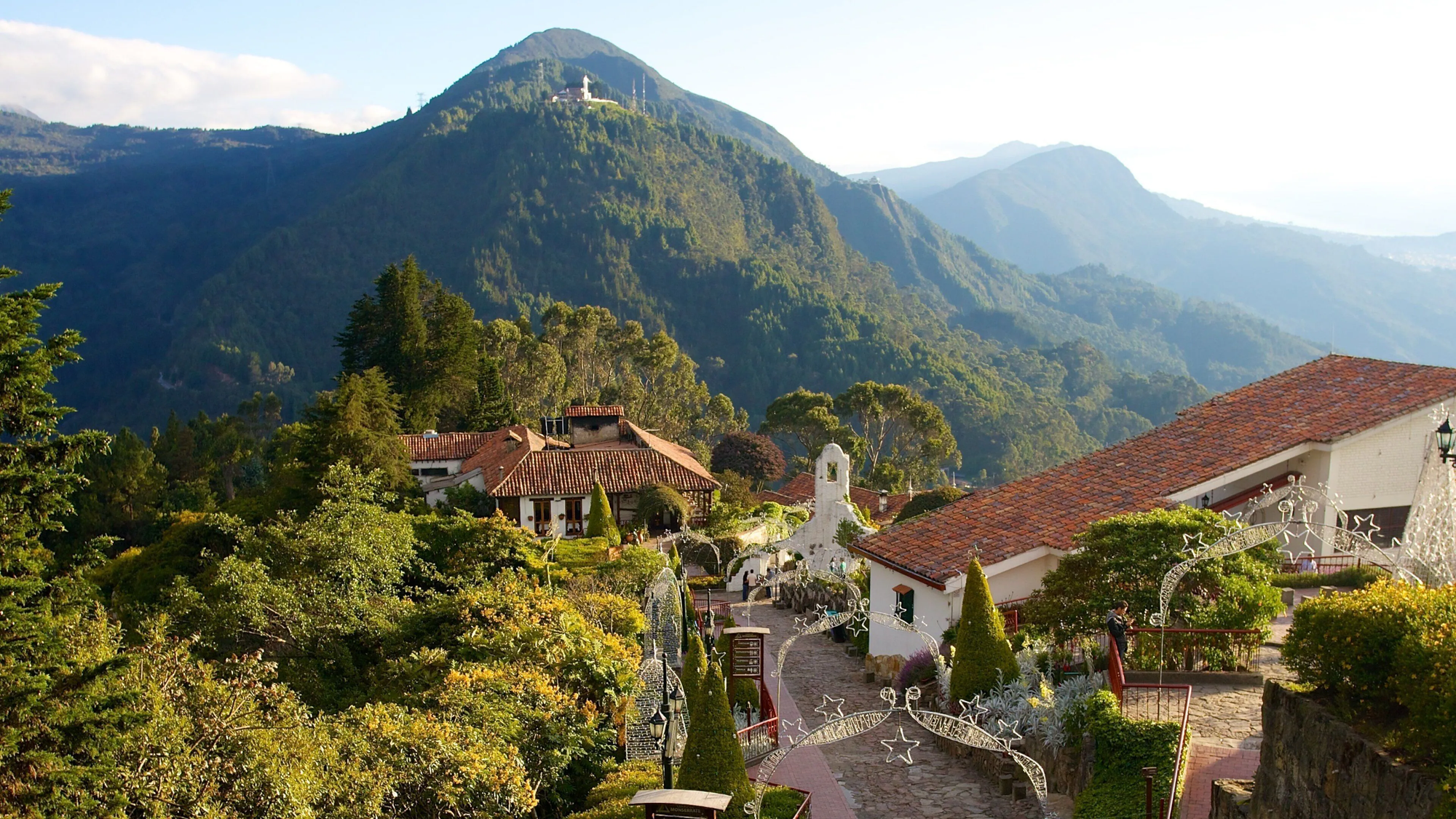
Start early with Mount Monserrate. This is the big Bogotá view, and it is absolutely worth doing early before the crowds and clouds start forming committees. The city stretches out below you like it has no edge. Buildings, mountains, haze, traffic, and sky all fold together into this enormous Andean sprawl.
Baby negative: lines can get long, food at the top can be pricey, and the weather may decide to hide the entire city five minutes after you arrive. Monserrate is beautiful, but it does enjoy a little emotional manipulation.
After coming down, go hungry to Plaza de Mercado Paloquemao. This is where Colombia starts showing off with fruit. Lulo, granadilla, guanábana, maracuyá, pitaya — fruits that taste like someone crossbred sunshine with candy.
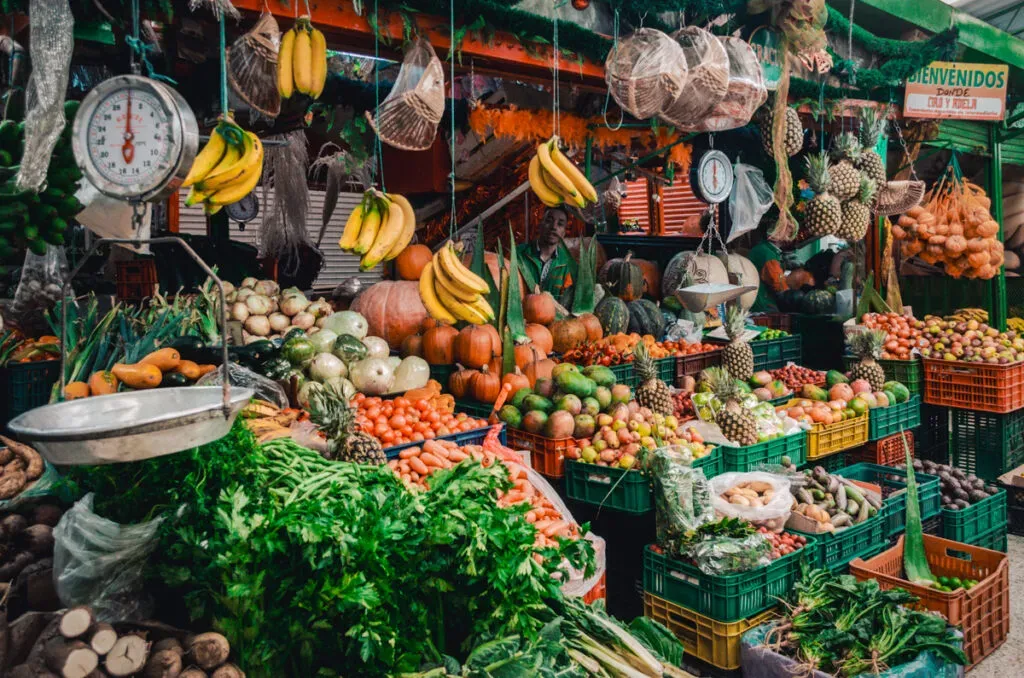
The flower section is also gorgeous. Colombia does flowers like it has a personal vendetta against beige.
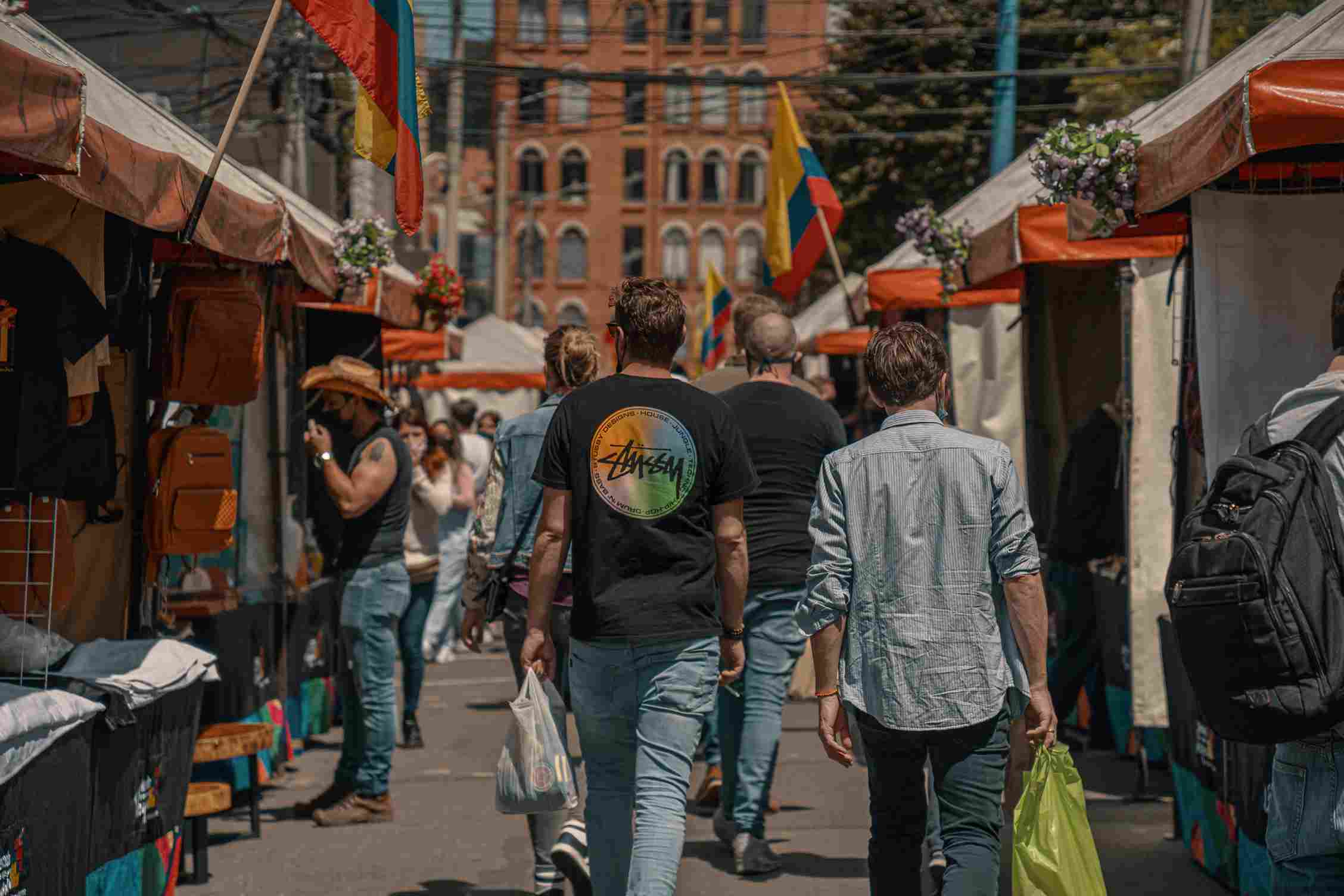
In the afternoon, go north to Parque de Usaquén or the Usaquén market area if you are there on the right day. It is calmer, prettier, and more polished than La Candelaria, with cobbled streets, cafés, boutiques, and that “I could accidentally spend three hours here” feeling.
For the final night in Bogotá, I’d do a proper dinner. Nothing too wild before moving on to the Coffee Region, but something with atmosphere. Bogotá’s restaurant scene has range, from casual arepas to tasting menus that make you nod seriously while eating foam.
Substitute options for Day 2:
- If Monserrate is fogged in, swap it for more time in La Candelaria or a coffee tasting.
- If you love shopping, prioritize Usaquén.
- If markets overwhelm you, do a guided food tour so someone explains what you are eating before you commit your mouth to it.
On a budget? Check out this Bogotá travel cost guide to help you budget your trip.
Salento Days 3-4
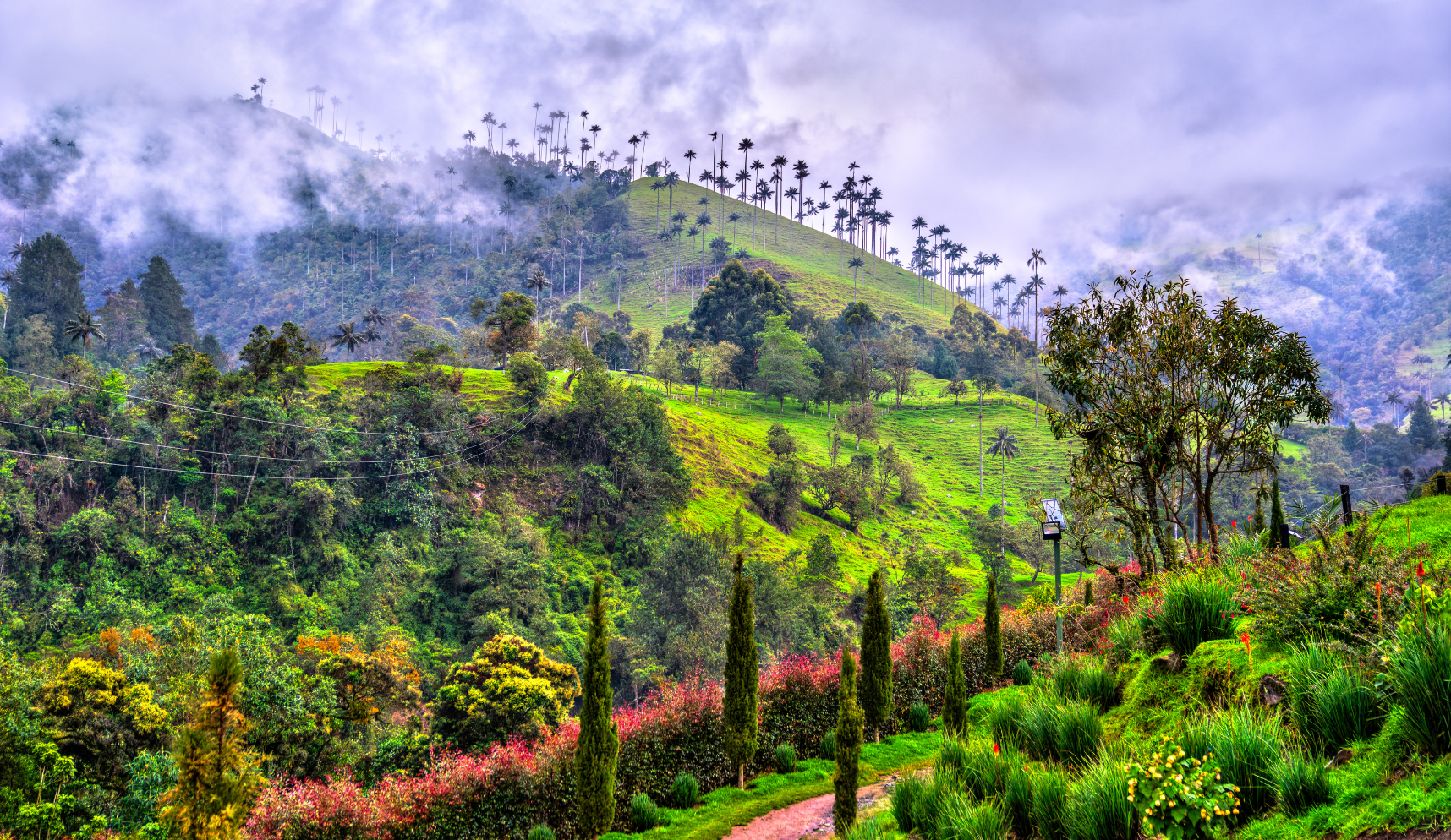
I chose Salento because every Colombia itinerary needs a place where the trip exhales.
After Bogotá’s concrete, altitude, and urban energy, Salento feels like someone opened a green curtain.
The hills roll, the air smells like rain and coffee, and the town looks like it was painted by a person who had never met a neutral color and did not wish to.
It is touristy, yes. Let’s not pretend you discovered a secret village guarded by hummingbirds. But it is touristy for a reason.
Day 3: Fly To The Coffee Region, Arrive In Salento, And Wander Slowly
This is a travel day, so I would not overpack it.
Fly from Bogotá to either Armenia or Pereira, then transfer by road to Salento. The drive into the Coffee Region is part of the experience: green slopes, banana leaves, little roadside restaurants, motorbikes, and clouds that hang low over the hills like they are waiting for coffee too.
Once in town, walk the main streets slowly. Salento is small, colorful, and very good at making you stop every 14 seconds to take another photo of a balcony. The doors are bright. The walls are bright. Even the chairs seem emotionally committed to being bright.
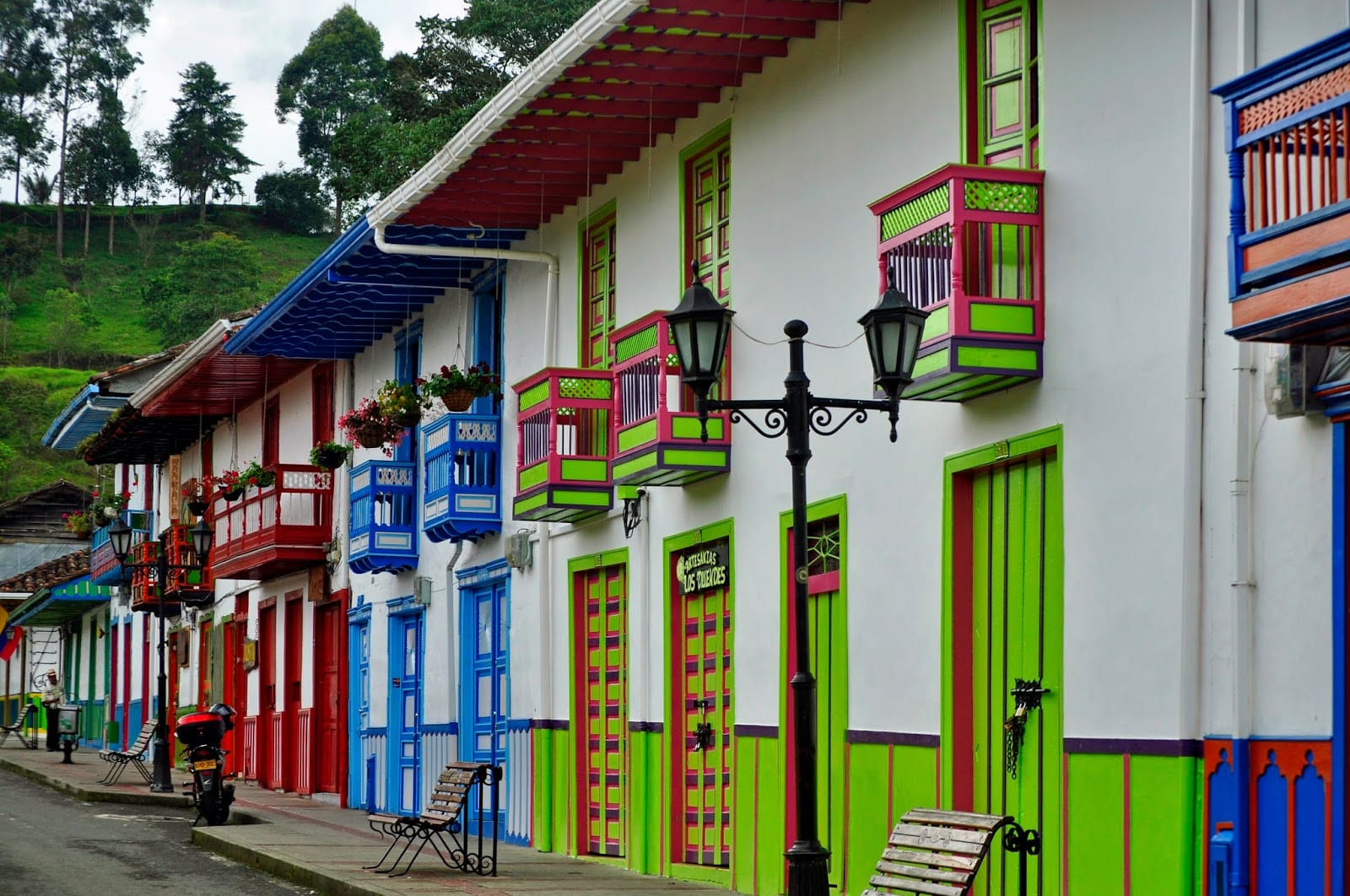
Head up toward a viewpoint in the late afternoon. This is when Salento gets soft and golden, and the hills start looking like folded velvet. You may hear roosters, dogs, music, motorbikes, and someone laughing from a doorway. It is not silent countryside. It is alive countryside.
For dinner, try trout if you eat fish. Salento is known for it, and portions can be generous enough to make you reconsider your ambitions for the rest of the evening.
Possible Downside: Salento gets lots of rain. Not cute “mist on the hills” rain, though it has that too. Salento has spring weather all year, and it's just a part of everyday life.
Substitute options for Day 3:
- If you arrive early, add a short horseback ride outside town.
- If you want a quieter base, consider Filandia instead of Salento.
- If you are tired, do nothing heroic. Sit in the plaza with coffee and let the town happen around you.
Day 4: Cocora Valley, Wax Palms, Coffee, And Mud With Main Character Energy
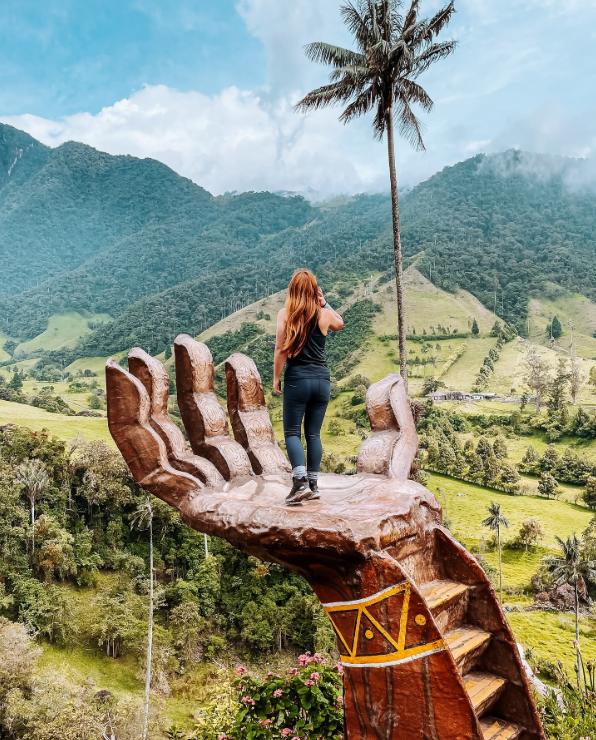
This is the big Salento day.
Start early for Valle del Cocora, home to those impossibly tall wax palms that look like nature got carried away during a design meeting. The valley is dramatic, green, and slightly surreal, especially when mist slides between the palms.
You can do a shorter walk to the viewpoints or commit to a longer loop hike. The longer version is beautiful but not effortless. There are muddy sections, climbs, and moments where you may look down at your shoes and realize they are no longer shoes. They are geological events.
Still, the valley is spectacular. It has that “how is this real?” quality. The palms rise out of the hills like exclamation points. The clouds move fast. Horses pass by with the calm confidence of creatures who know they are better at this terrain than you.
After the hike, return to town for lunch, then spend the afternoon on a coffee farm tour.
I’d choose something like the Don Elías Coffee Farm, where the experience walks you through coffee from plant to cup. It makes you appreciate how much work goes into that casual morning (or anytime we feel like it) drink that so many of us can't live without.
A coffee tour here is not just educational; it is grounding. You see the plants, touch the beans, smell the roast, and suddenly coffee stops being a product and becomes a place.
End the day in Salento’s main square. Get something warm. Watch the town glow under streetlights. Listen to the rain if it comes. It probably will. Salento has a flair for atmospheric timing.
Substitute options for Day 4:
- If hiking is not your thing, do a shorter Cocora viewpoint walk instead of the full loop.
- If the weather is terrible, prioritize the coffee tour and save Cocora for a clearer window.
- If you want a quieter day, visit Mirador Colina Iluminada in Filandia instead.
Medellín Days 5-7
I chose Medellín because it is one of those cities that people talk about with sparkle in their eyes.
It has perfect-ish weather, mountain views, cable cars, art, nightlife, cafés, parks, complicated history, and a constant sense of reinvention. It is beautiful, but not simple. Fun, but not shallow. Stylish, but still very real.
Medellín is not a city you should reduce to its past. It has worked hard to become something bigger than that.
Day 5: Travel To Medellín, Plaza Botero, And A First Taste Of The City
This is another transition day. From Salento, either travel by road or transfer back to Pereira/Armenia and fly if the schedule makes sense. The road option can be long and winding. The flight option can save energy, but depending on schedules, it may still eat half the day.
Once in Medellín, start with a lighter city afternoon.
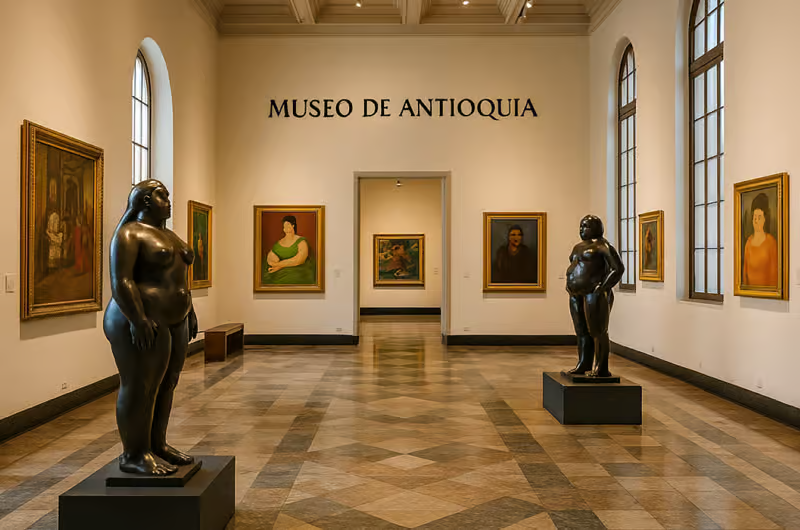
Go to Plaza Botero, where Botero’s enormous bronze sculptures sit out in the open like a group of very confident celebrities. The plaza is lively, central, and visually unforgettable.
Then visit the Museum of Antioquia, especially if you liked the Botero Museum in Bogotá. This gives you more context and helps connect the city’s artistic identity with its public spaces.
Only downside: The area around Plaza Botero can feel busy and a bit intense. It is absolutely worth visiting, but I would go during the day, keep your phone awareness sharp, and not wander aimlessly into random side streets while holding your camera like a confused treasure map.
In the late afternoon, go to Laureles or El Poblado for a softer landing. Laureles feels local, leafy, and relaxed. El Poblado is more polished and tourist-friendly, with restaurants, bars, and cafés everywhere.
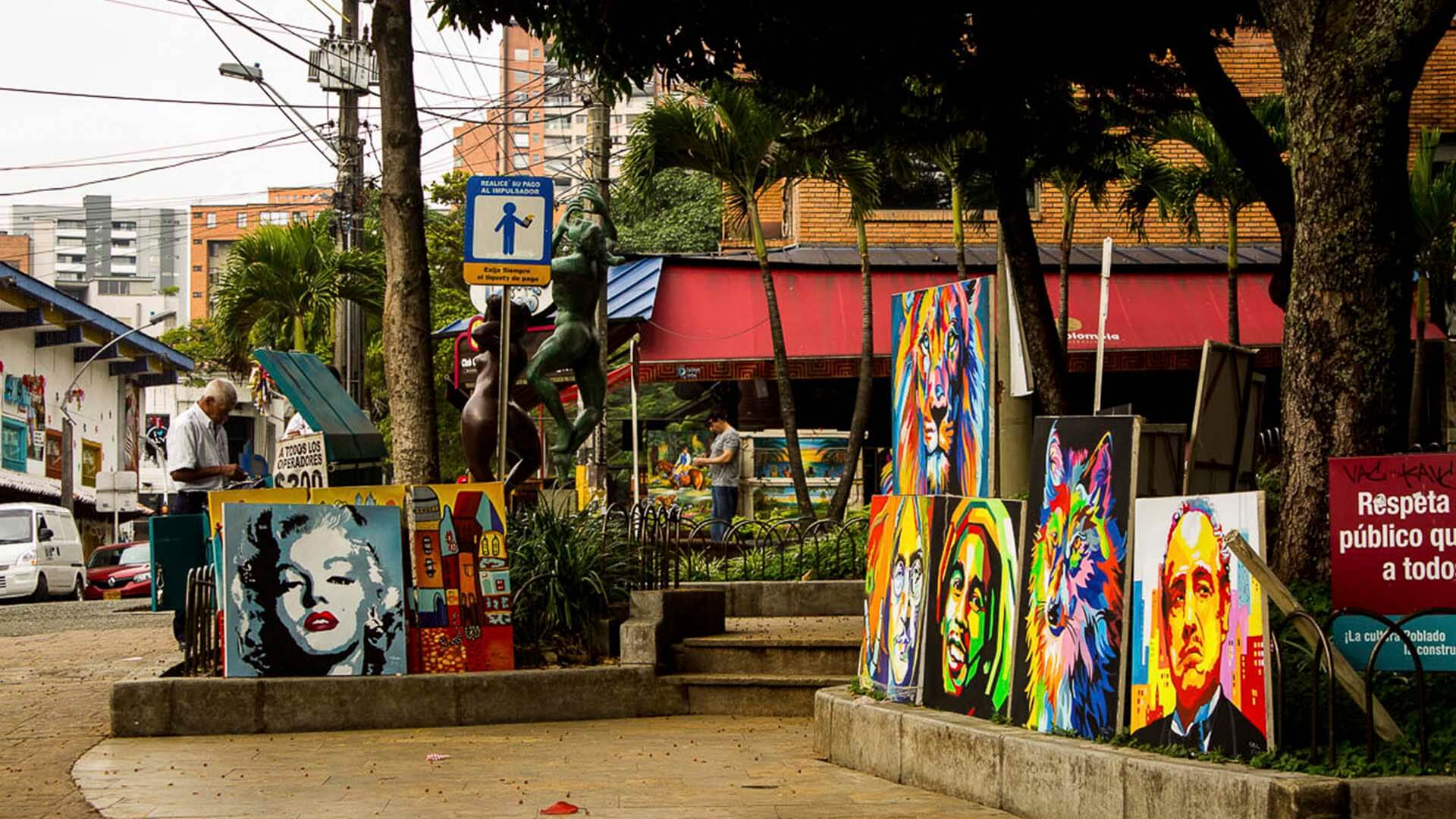
I like having that first Medellín evening be easy: good dinner, warm air, maybe a drink, and no overachieving.
Substitute options for Day 5:
- If you arrive late, skip Plaza Botero and just do dinner.
- If you want something calmer, visit a café neighborhood instead of downtown.
- If you are very interested in Medellín’s history, add Museo Casa de la Memoria, but be ready for a heavier emotional stop as it's a interactive museum dedicated to honoring the victims of the country's armed conflict and urban violence.
- Or you can even visit a controversial private museum located in Medellín, Colombia, operated by the notorious drug lord's family, primarily his brother Roberto Escobar.
Day 6: Comuna 13, Metrocable Views, And Medellín’s Transformation Story
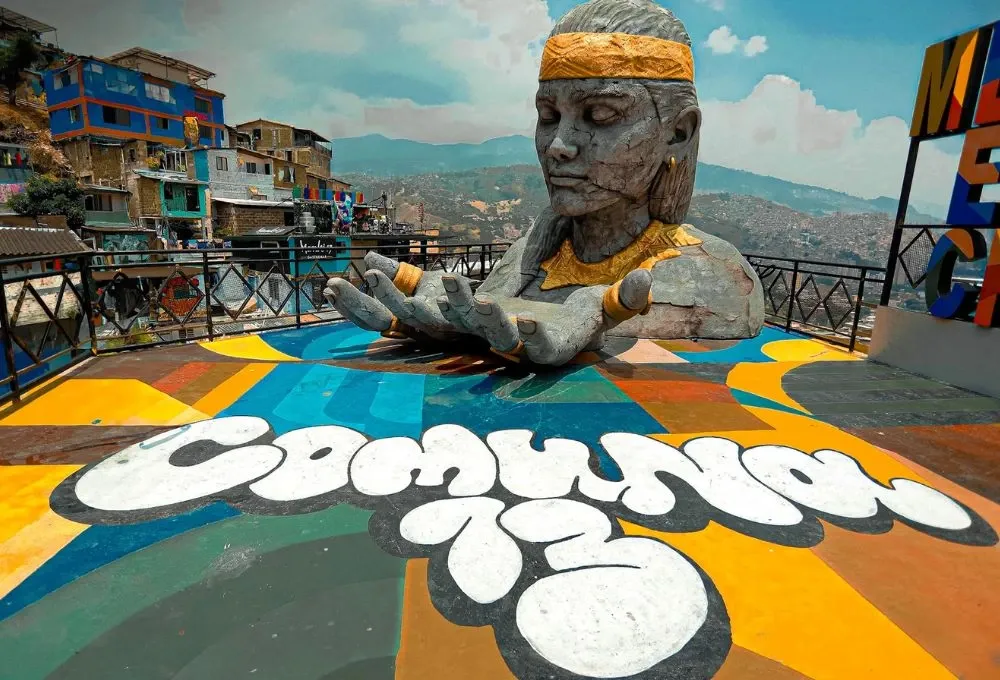
This is the day that usually sticks with people.
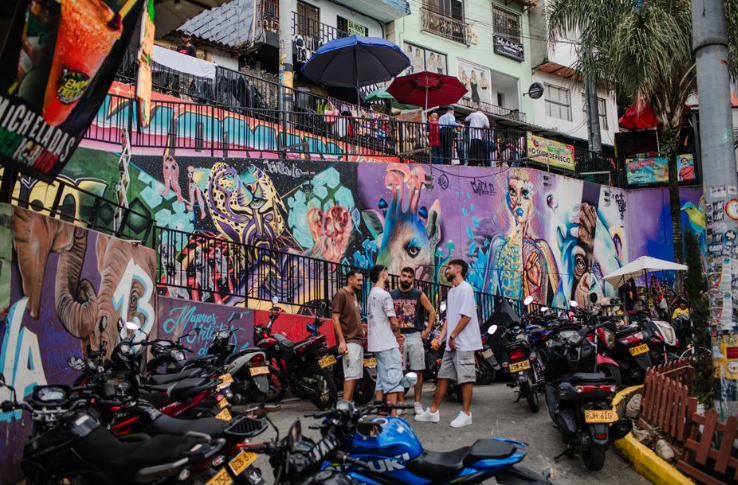
Start with a guided visit to Comuna 13. I would strongly recommend going with a local guide, not just wandering through for photos. The murals are colorful, yes. The escalators are famous, yes. The views are excellent, yes. But the real value is hearing the neighborhood’s story from someone who can explain the transformation with care.
Comuna 13 is powerful because it is not just “cool street art.” It is memory, resilience, business, community, tourism, and tension all layered together. You will see dancers, murals, shops, viewpoints, cafés, and probably more visitors than you expected.
Only Downside: it can now feel very touristy now, especially midday. You may have moments where the crowds make it feel less intimate than you hoped. But with a good guide, it still lands.
After Comuna 13, ride the Medellin Metrocable. This is not just transportation; it is one of the best ways to understand the city’s geography. Medellín sits in a valley, climbing up the mountainsides, and from the cable car you see how neighborhoods stack themselves into the hills.
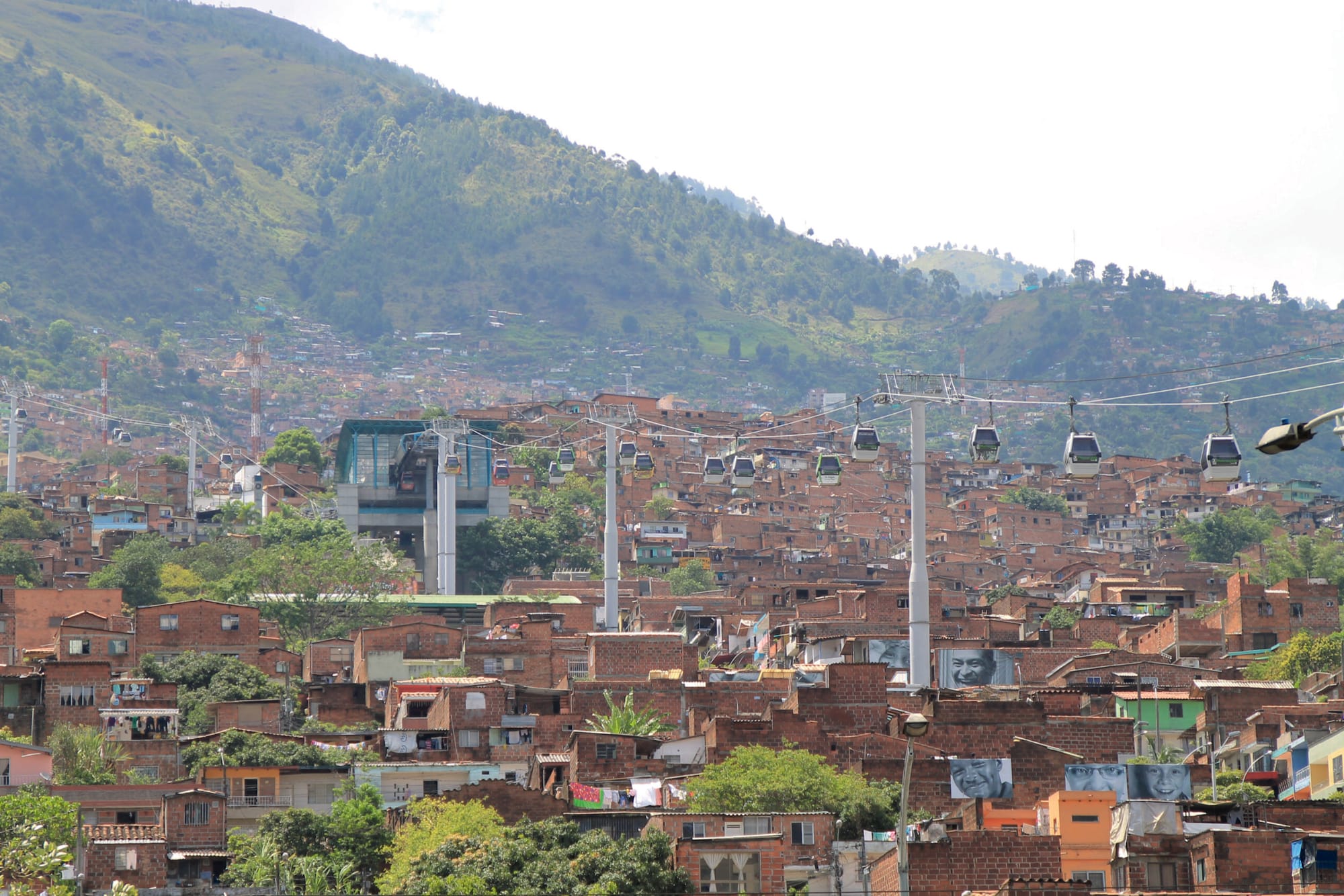
If you have energy, continue toward Parque Arví, a green escape above the city. The shift is wild: one minute urban neighborhoods, the next forest air and cooler temperatures.
In the evening, keep it fun. Medellín has excellent restaurants, rooftops, cocktail bars, and salsa spots. I would not make the night too structured. This is a city where the best evening can start as “just one drink” and become “apparently we are dancing now.”
Substitute options for Day 6:
- If you want a deeper history day, pair Comuna 13 with Museo Casa de la Memoria.
- If you want nature, spend more time in Parque Arví.
- If you get motion sick, the cable car may still be fine, but maybe avoid doing it immediately after a huge lunch. Trust me, empanadas deserve stability.
Day 7: Guatapé, El Peñol, Lake Views, And Color Overload
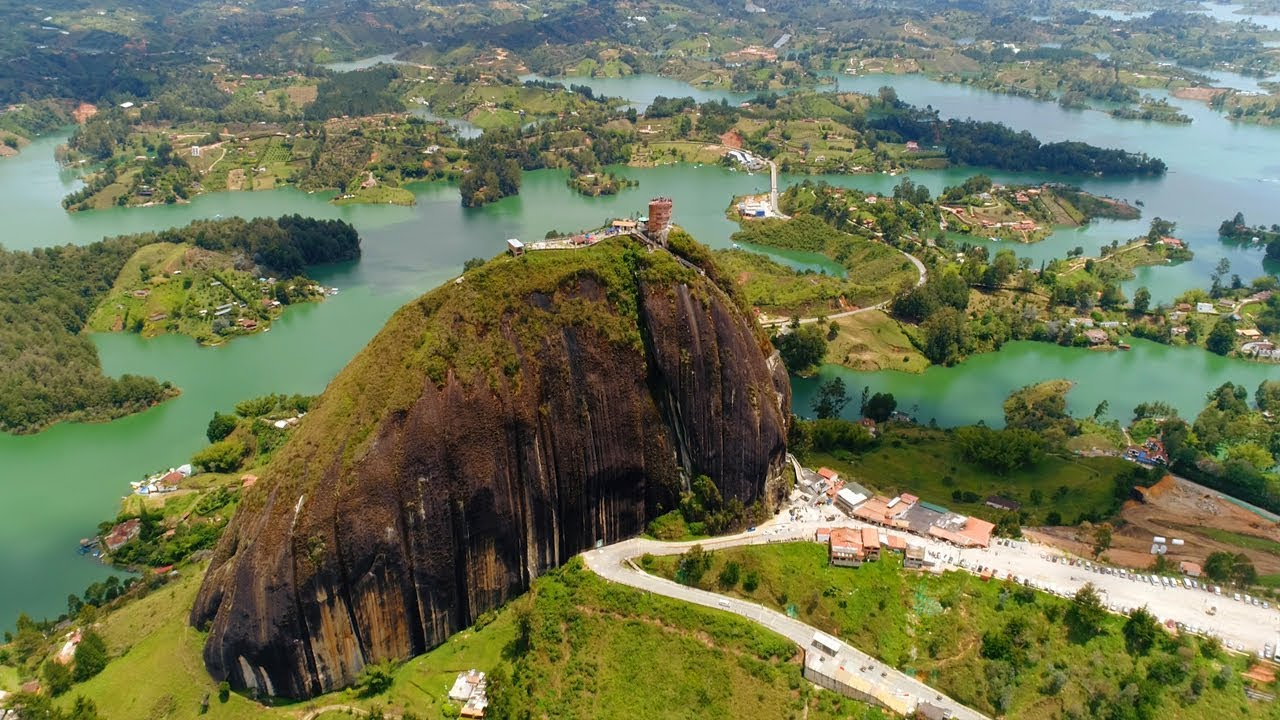
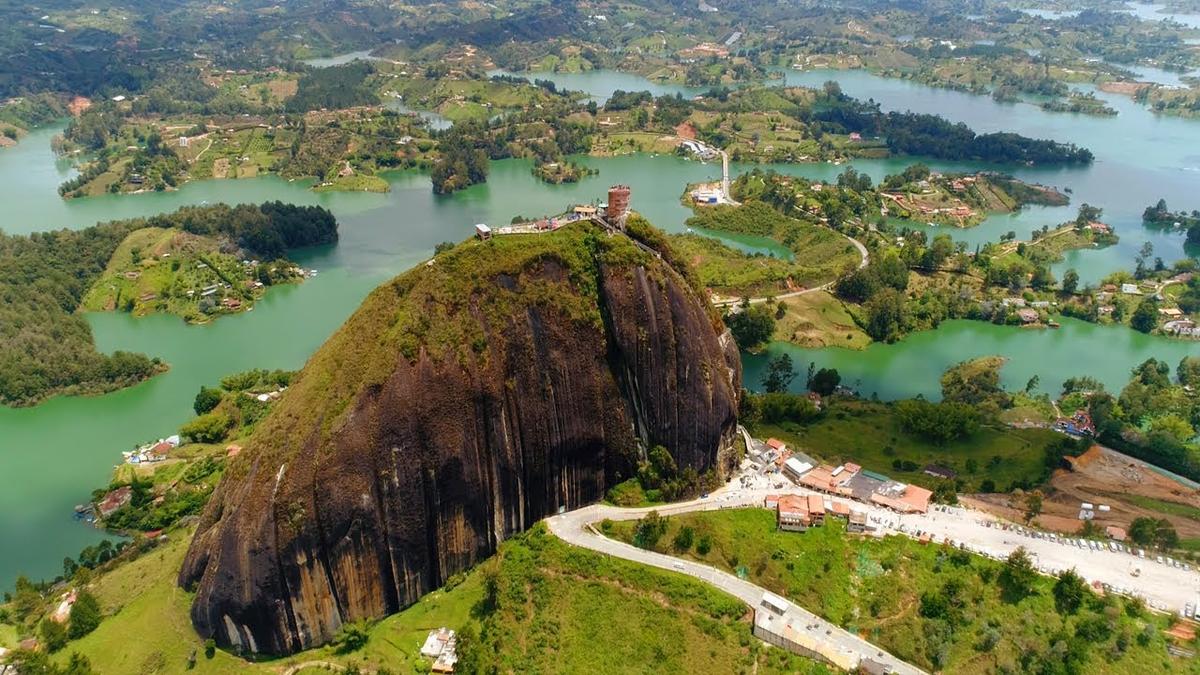
Take a day trip to Guatapé. This is one of the most popular excursions from Medellín, and yes, it is touristy. It is also absolutely worth it.
Start with Piedra Del Peñol, the giant rock with more than 740 steps to the top. This climb is not spiritually subtle. It is a stairmaster with a view and a snack stand.
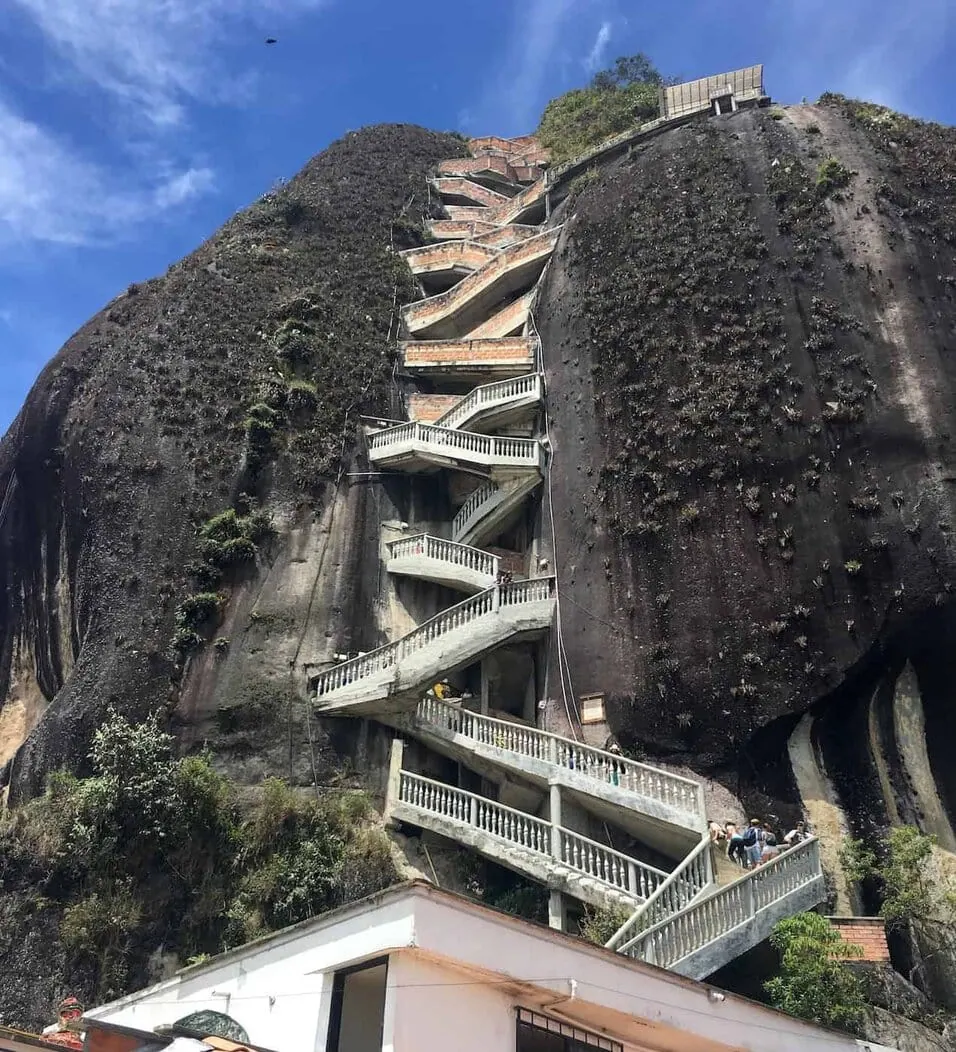
The view from the top, though, is ridiculous. Lakes and islands spread in every direction like a shattered mirror filled with emerald water. You will be sweaty. You may question your life choices halfway up. Then you will reach the top and immediately become annoying about how “worth it” it was.
After the rock, go into town and wander Plazoleta de los Zocalos.
Th village a box of crayons and said, “No restraint.” The zócalos — decorative panels along the buildings — make the streets feel playful and almost theatrical.
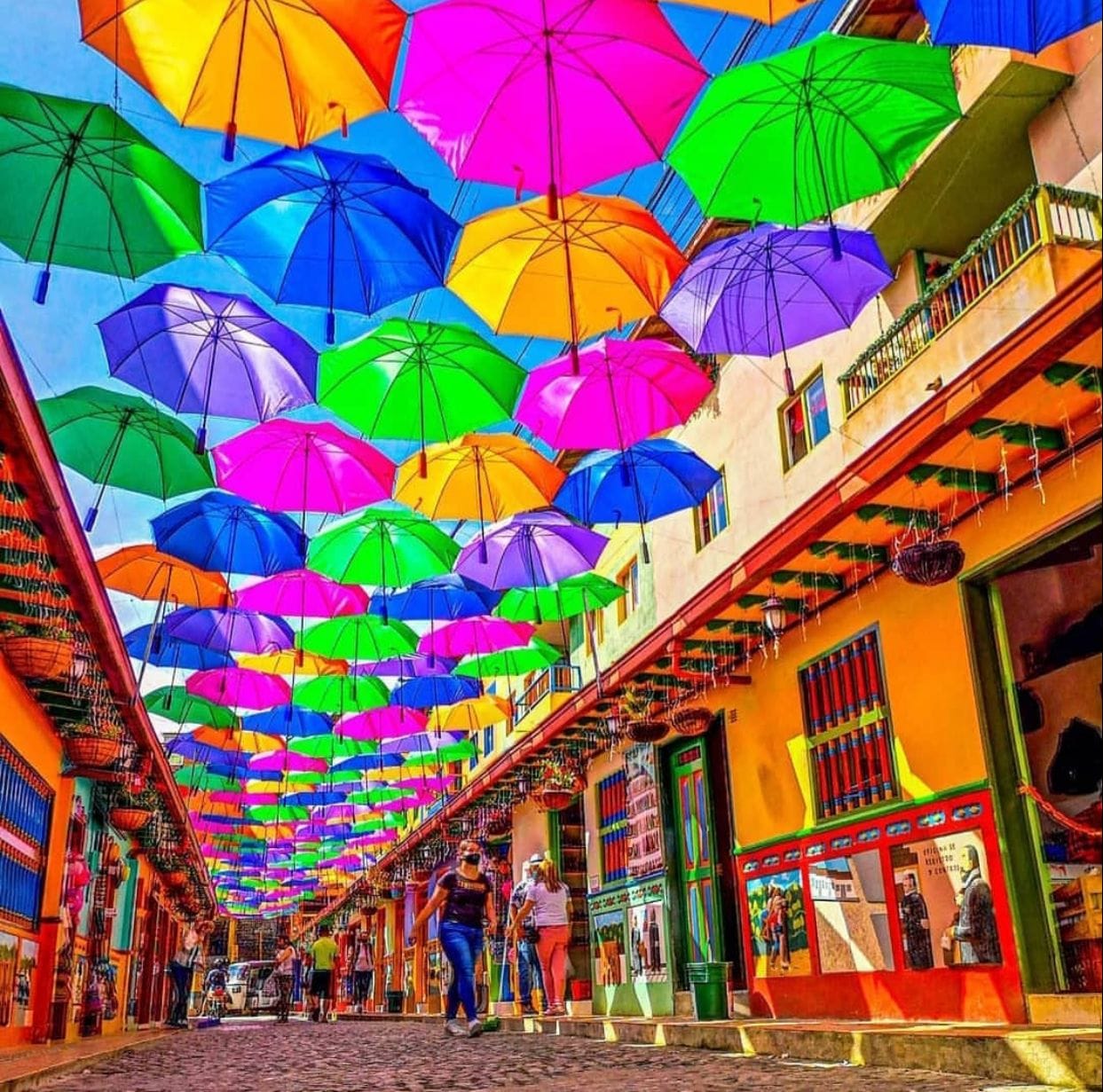
Add a boat ride on Laguna de Guatape if you have time. It gives the day a slower rhythm after the climb, and seeing the reservoir from the water helps explain why this area is so loved.
Baby negative: Guatapé day trips can feel like a production. Early pickup, group timing, lunch stops, crowds, souvenir shops, people trying to keep everyone on schedule. If you want more freedom, hire a private driver or go independently.
Return to Medellín tired but satisfied. This is a big day, so dinner should be easy. Something casual, something delicious, something that does not require shoes with ambition.
Substitute options for Day 7:
- If you hate long day trips, stay in Medellín and do Jardín Botánico, Museo de Arte Moderno, or a food tour.
- If stairs are not your friend, skip the rock climb and enjoy Guatapé town plus the lake.
- If you want fewer crowds, leave very early or visit on a weekday.
Cartagena Days 8-10
I chose Cartagena because every great Colombia itinerary deserves a grand finale, and Cartagena does not enter quietly.
It arrives in color, heat, music, balconies, fruit carts, sea air, colonial walls, and humidity that hugs you with both arms whether you consent or not.
Cartagena is beautiful. It is also hot, busy, expensive compared with other parts of Colombia, and very aware of its own charm. But when the golden-hour light hits those old streets, you forgive a lot.
Day 8: Fly To Cartagena, Walk The Walled City, And Sweat Elegantly
Fly from Medellín to Cartagena in the morning if possible. The temperature change is immediate. Medellín says, “Welcome, have a pleasant spring day.” Cartagena says, “You are soup now.”
Start with the Walled City of Cartagena, the historic center wrapped in old defensive walls. The streets are absurdly photogenic: balconies dripping with bougainvillea, churches glowing in the heat, plazas full of vendors, horse carriages or electric carriages passing by, and colors so rich they look edible. Cartagena’s historic center is also recognized as a UNESCO World Heritage city, which helps explain why it feels so preserved and cinematic.
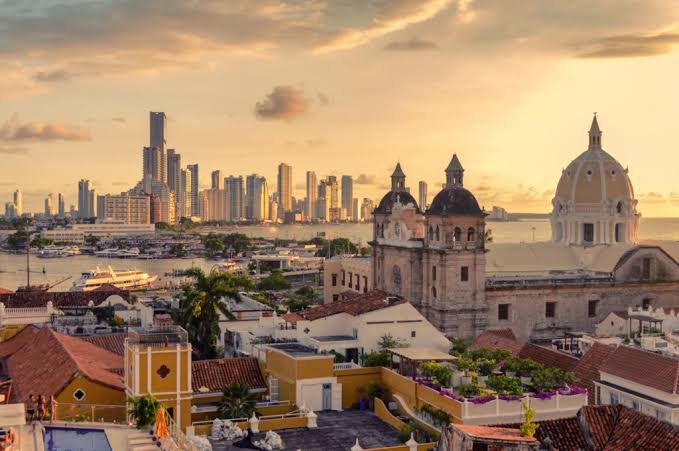
Do not rush it. Cartagena is best explored slowly, partly because it is beautiful and partly because moving quickly in that heat is a poor life decision.
Stop for limonada de coco. This is not optional. It is hydration wearing a vacation outfit.
By sunset, walk the city walls near the sea. The air softens, the sky turns warm, and the city becomes almost unfairly romantic. This is one of those travel moments where everyone around you suddenly looks like they are in a perfume commercial, even though 20 minutes earlier you were all sweating through your shirts like normal mammals.
Dinner in the Walled City is the move tonight. Choose somewhere atmospheric, but expect prices to be higher than Bogotá, Salento, or Medellín.
Substitute options for Day 8:
- If you arrive late, do a short sunset walk and save deeper exploring for Day 10.
- If you want fewer crowds, wake up early the next morning for photos.
- If the heat hits hard, plan café breaks like they are sacred appointments.
Day 9: Rosario Islands By Day, Getsemaní By Night
This is your Caribbean water day.
Take a day trip to the Rosario Island area or choose a beach club on Isla Grande. The boat ride out can be gorgeous: blue water, sea wind, Cartagena fading behind you, everyone pretending their hair is doing something cinematic when really it is becoming a salty bird’s nest.
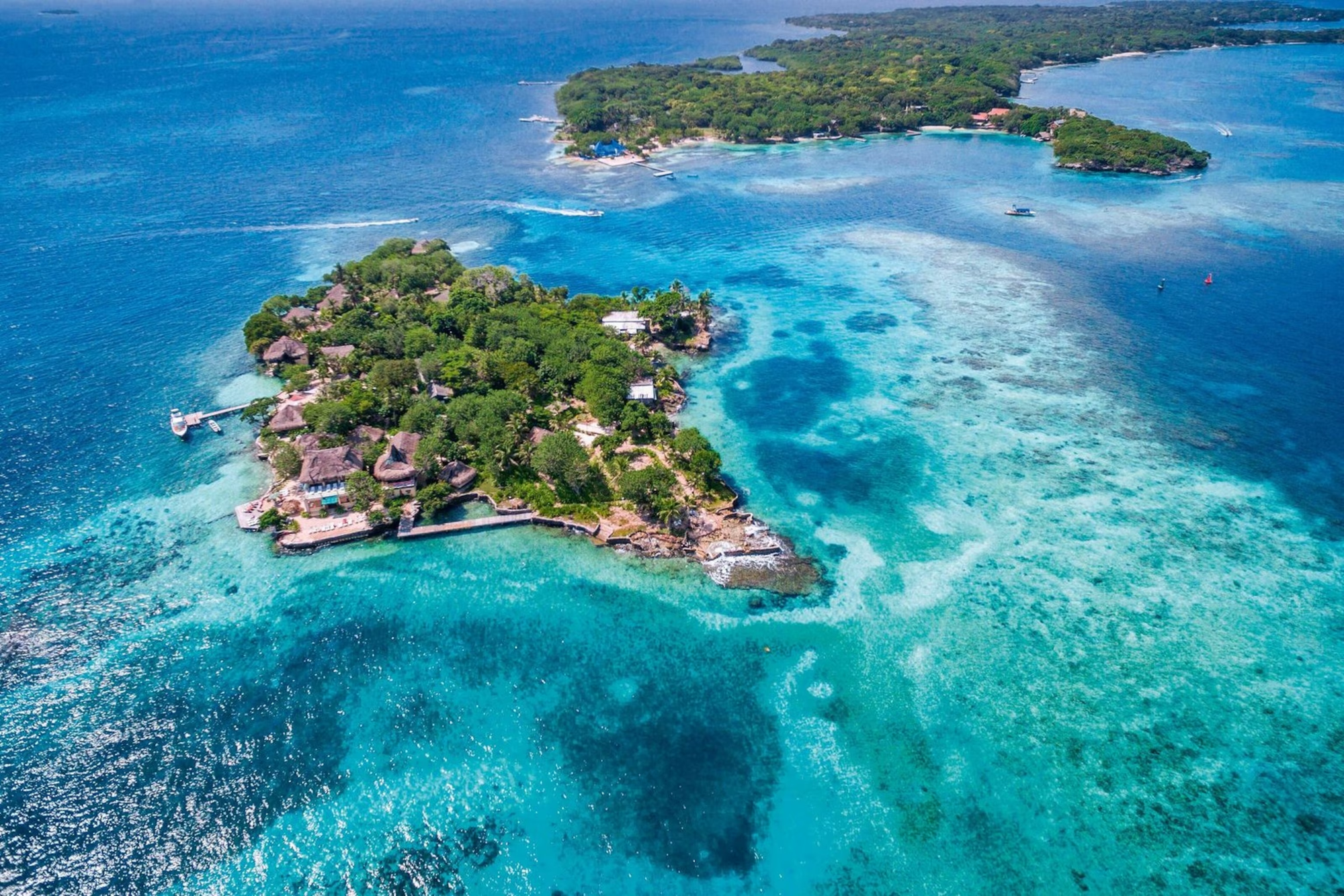
The water can be warm and beautiful, but here is the honest bit: not every island tour is magical. Some are crowded. Some feel rushed. Some beach stops have aggressive vendors. Some snorkeling is just “I saw three fish and a rope.” Choose your tour carefully.
If you want a calmer day, pay more for a reputable beach club or private-ish experience rather than doing the cheapest multi-island party boat. The Caribbean rewards planning.
Return to Cartagena in the late afternoon, shower off the salt, and head to Barrio Getsemani in the evening.
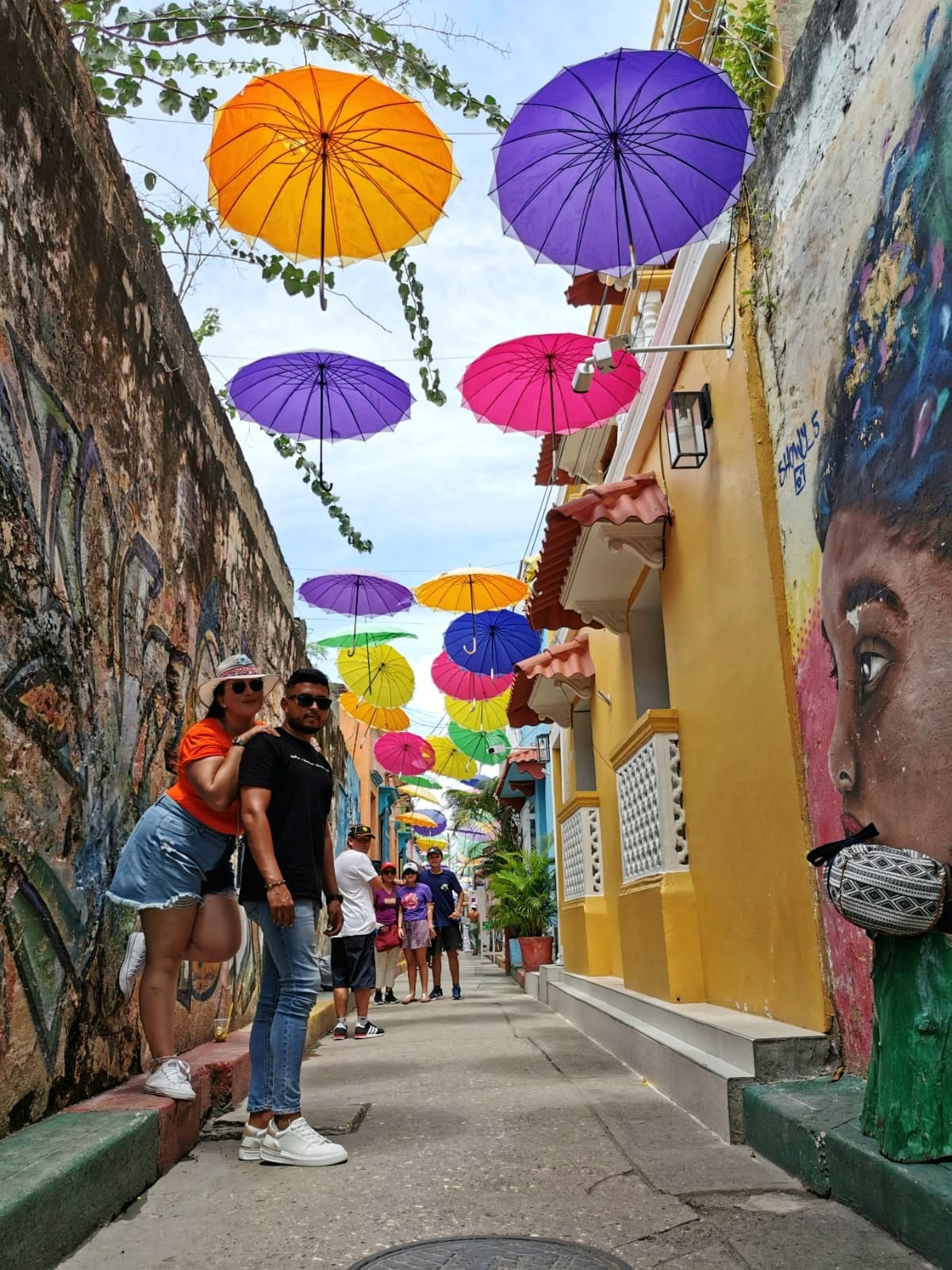
Getsemaní is colorful, artistic, lively, and a little less polished than the Walled City. Murals, flags, music, street food, plazas, and people spilling into the streets — it has that warm-night electricity that makes you want to stay out longer than planned.
End the night with salsa or live music. Cafe Havana is famous for that kind of Cartagena night: music, movement, sweat, and the humbling realization that some people were simply born with hips that understand rhythm better than yours.
Substitute options for Day 9:
- If you do not want a boat day, visit a beach closer to Cartagena or do a food tour.
- If you get seasick, ask about water conditions before booking.
- If nightlife is not your thing, do Getsemaní before dinner and call it an early night.
Day 10: Castillo San Felipe, Final Wandering, And One Last Caribbean Moment
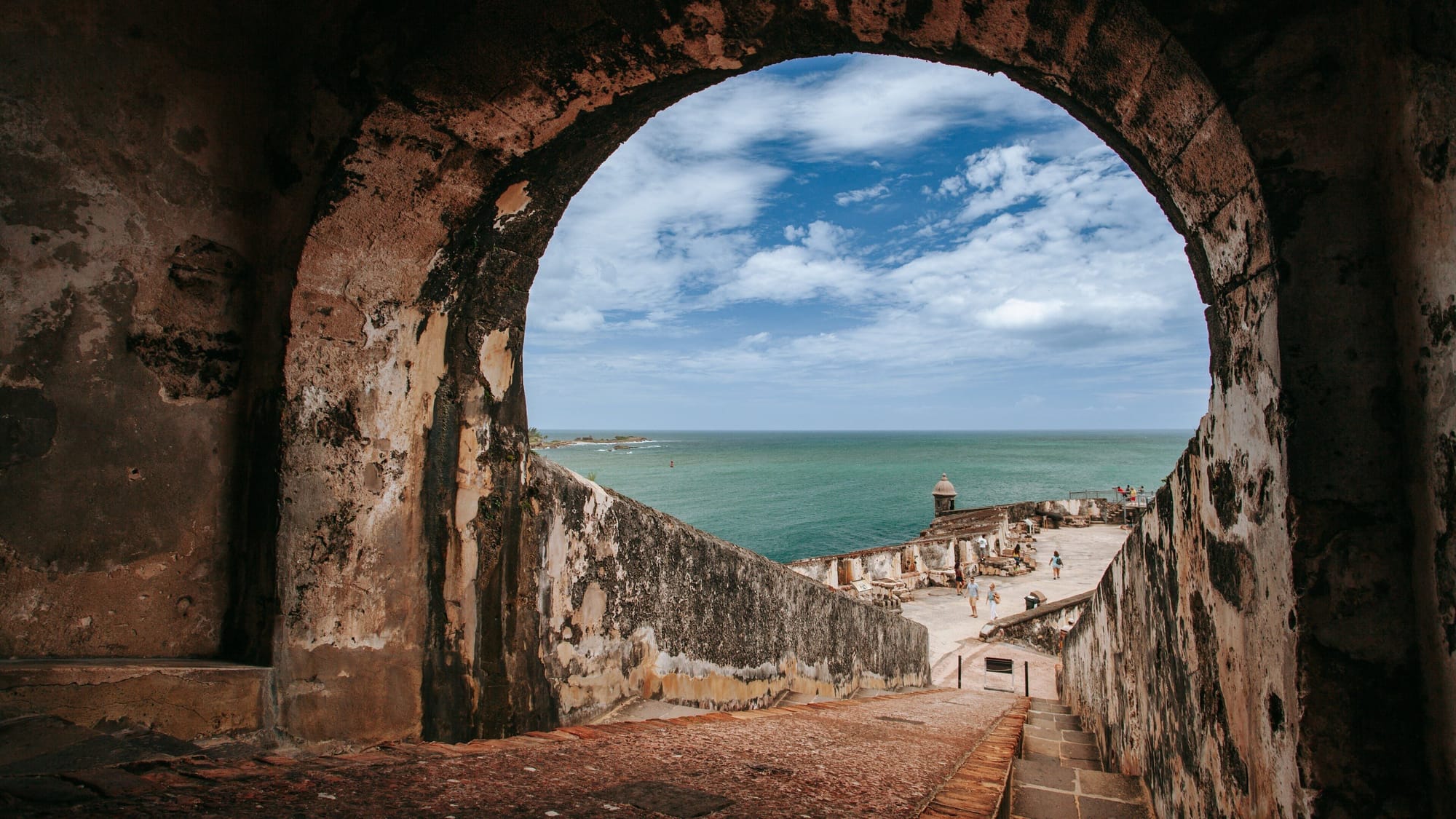
On the final day, start early at Castillo de San Felipe de Barajas. Go early because Cartagena’s midday sun is not sunshine; it is a personal confrontation. The fortress is impressive, with stone walls, tunnels, ramps, and views back toward the city.
This is the kind of place that makes Cartagena’s history feel physical. You are not just reading about defenses and colonial power. You are walking through thick stone, narrow passages, and high viewpoints built for watching the horizon.
After the fortress, return to the Walled City for one last lazy wander. Buy coffee, chocolate, art, or something colorful you may or may not have room for in your bag. Sit in a plaza. Watch the fruit vendors. Drink another limonada de coco because your body has earned it.
If your flight leaves late, this is a perfect day for a long lunch and a slow goodbye. Cartagena is good at finales. It gives you heat, color, music, and just enough chaos to make leaving feel dramatic.
Substitute options for Day 10:
- If you skipped the Rosario Islands, do a shorter boat or beach day instead.
- If you want culture, add the Gold Museum Zenú or a cooking class.
- If your flight is early, move Castillo San Felipe to Day 8 or Day 9 before dinner.
Itinerary Final Thoughts
It gives you Bogotá’s altitude and culture, Salento’s green coffee-country calm, Medellín’s energy and reinvention, and Cartagena’s Caribbean drama. It is fast, but not ridiculous. You will still have transit days, sweaty moments, early alarms, and at least one occasion where you wonder why the road has been turning for 40 consecutive minutes.
But that is Colombia.
It is not polished into one easy travel mood. It is layered, loud, lush, complicated, warm, delicious, exhausting, and completely amazing.
And honestly, it's for these reasons this trip will stay with you forever.
Other Popular Articles
Colombia's Most Beautiful National Parks
Colombia's Most Visited Destinations
Colombia's Most Beautiful Beaches
Colombia's Most Beautiful Waterfalls
Unsure when to visit?
Here's a guide on the cheapest and most expensive times to visit Colombia, or check out the monthly options below to discover Colombia any month out of the year.