
Visiting Argentina in March: Everything You Need To Know
Argentina in March brings warm early-fall weather, fewer crowds, and excellent conditions for Patagonia. Here’s what to expect before you go.
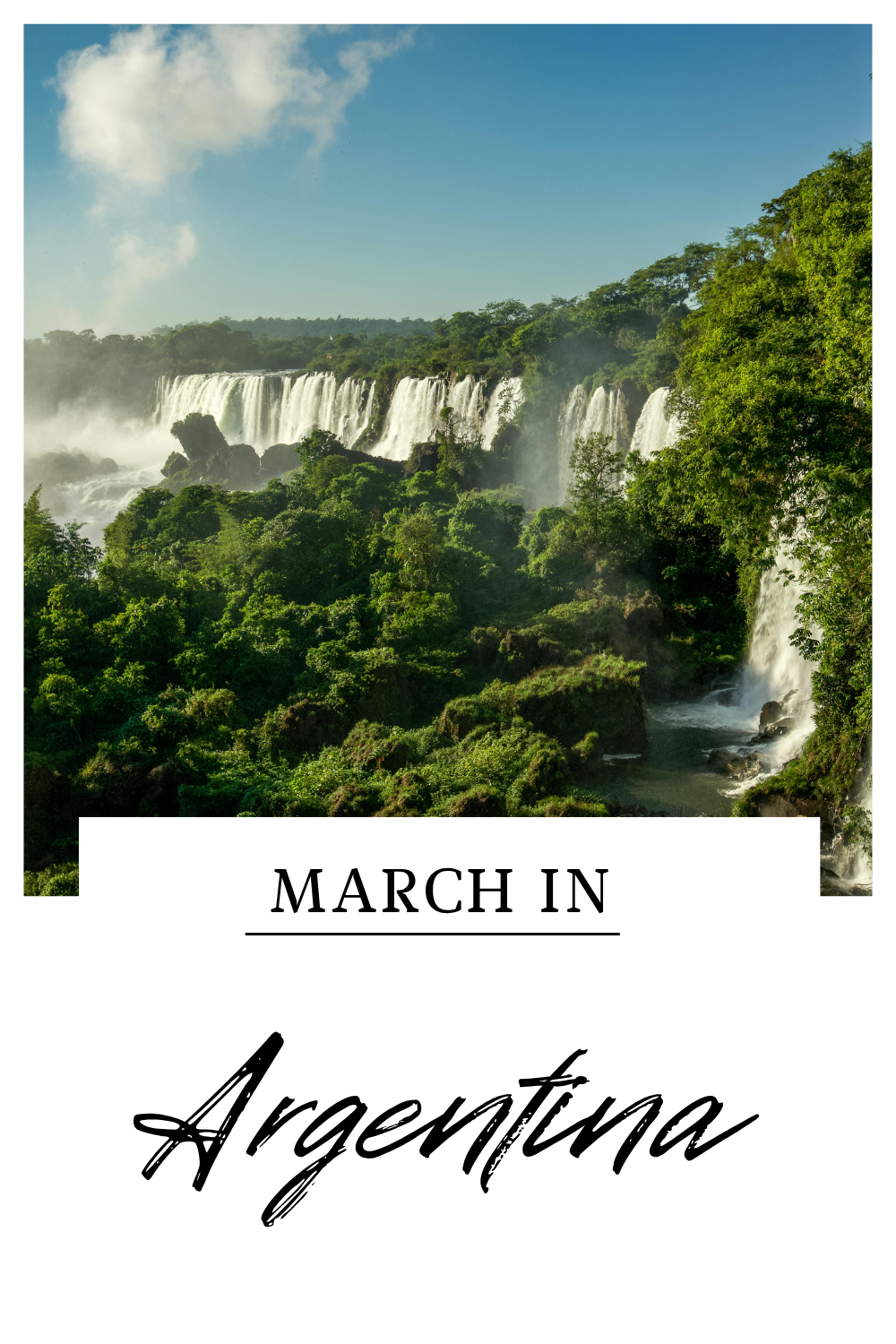
March is a transition month, beginning with the final weeks of summer before autumn officially starts around March 21.
Temperatures gradually cool, summer crowds begin thinning out, and Patagonia remains accessible for hiking and outdoor adventures. It is also harvest season in Mendoza, making March an especially interesting month for wine lovers.
If you’re still deciding where to go, our guide to the most popular places to visit in Argentina can help you build your itinerary.
Argentina Weather in March
March brings the transition from summer into fall, but Argentina is so large that the weather varies considerably depending on where you travel.
- Buenos Aires: Average temperatures are around 77°F (25°C) during the day and 65°F (18°C) at night.
- Mendoza: Average highs are close to 80°F (27°C) with lows around 60°F (16°C).
- Northern Argentina: Places around Iguazú remain warm, humid, and subtropical, although conditions gradually become more comfortable as summer ends.
- Ushuaia: Average highs are only around 52°F (11°C) with lows near 41°F (5°C).
- Buenos Aires averages around 4.5 inches of rain during March, so occasional showers and thunderstorms are still possible.
- Patagonia remains cooler and windy, so layers and weather-resistant clothing are important even during pleasant days.
What this means for your trip:
March is one of those months when you may need very different clothing depending on your itinerary. Lightweight clothes work well in Buenos Aires, Mendoza, and northern Argentina, while Patagonia calls for warm layers, a windproof jacket, and something waterproof.
Argentina Sunrise & Sunset in March
Daylight decreases noticeably during March as Argentina moves toward autumn, with the biggest changes occurring in Patagonia.
- In Buenos Aires, March begins with around 12 hours and 49 minutes of daylight.
- Sunrise is around 6:40 a.m. and sunset around 7:30 p.m. early in the month.
- By March 31, Buenos Aires receives approximately 11 hours and 44 minutes of daylight, with sunrise around 7:05 a.m. and sunset near 6:49 p.m.
- In Ushuaia, March begins with roughly 13 hours and 37 minutes of daylight.
- By the end of March, Ushuaia has around 11 hours and 22 minutes of daylight.
You lose some of the extremely long Patagonia days found in January and February, but there is still enough daylight for hiking, glacier excursions, and scenic drives, particularly during the first half of March.
March Is Shoulder Season in Argentina
March is a shoulder-season month across much of Argentina. Summer vacation travel begins winding down, while autumn has not fully arrived yet.
- Demand: Visitor numbers generally decrease from the January and February summer peak.
- Patagonia: March is still considered an excellent month for trekking, glaciers, mountains, and camping, but crowds begin thinning as summer ends.
- Buenos Aires: The city returns to a more normal rhythm after the summer holiday period and can be very comfortable for sightseeing.
- Pricing: Hotels and domestic flights may offer better value than during peak summer, particularly later in March.
- Mendoza exception: Demand can rise considerably around the National Grape Harvest Festival, so hotels and flights should be booked earlier if you are visiting during festival dates.
- Booking tip: Patagonia is easier to plan than during January, but I would still reserve important excursions and accommodations ahead if El Chaltén or El Calafate are priorities.
Our guide to the cheapest and most expensive times to visit Argentina explains how March compares with other months.
You can also use our Argentina vacation cost guide to estimate accommodation, transportation, food, and activity expenses.
Best Things To Do in Argentina in March
March is especially good for combining cities, Patagonia, wine country, and outdoor sightseeing without the height of the summer crowds.
- Experience the National Grape Harvest Festival in Mendoza – March is harvest season, and Mendoza celebrates with the famous Fiesta Nacional de la Vendimia. Expect parades, music, dancing, wine events, and celebrations centered around the region’s vineyards. Festival dates vary slightly each year.
- Hike in Patagonia – March remains one of the recommended months for trekking and camping in Argentine Patagonia. El Chaltén is especially popular for trails around Fitz Roy and Laguna de los Tres.
- See Perito Moreno Glacier – Visit El Calafate for glacier viewpoints, boat excursions, and other experiences around Los Glaciares National Park.
- Explore Buenos Aires – March’s gradually cooler weather is great for walking through Palermo, Recoleta, San Telmo, Puerto Madero, and the historic center.
- Visit Bariloche – March brings warm days, cooler nights, and the beginning of autumn scenery. It is a great time for the Seven Lakes Route, hiking, and exploring the Lake District.
- See Iguazú Falls – Northern Argentina remains warm and lush, but conditions begin transitioning toward the more comfortable fall season.
- Explore Ushuaia and Tierra del Fuego – Late March begins bringing autumn colors to the forests around Tierra del Fuego, while hiking and sightseeing are still possible before winter arrives.
- Visit Argentina’s national parks – March is a great month for outdoor travel before colder weather reaches Patagonia.
Our guide to Argentina’s most beautiful national parks has more places worth adding to your itinerary.
Not A Member of Jetsetter Alerts? ✈️
Sign up for our cheap flight alerts to get notified of any amazing deals on flights to Argentina!
Get airline mistake fare & flash sales alerts.