
Cost To Visit Argentina: Complete 2026 Budget Guide
See the cost to visit Argentina, including hotels, food, transportation, attractions, day trips, and realistic daily and weekly travel budgets.
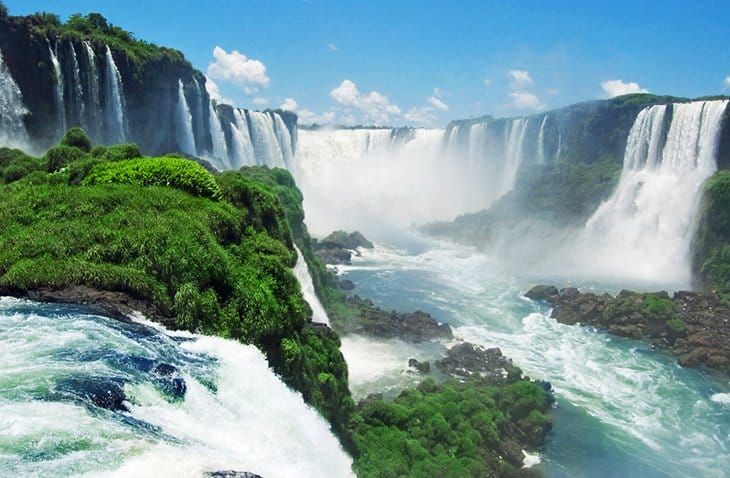
In this guide, you’ll find the average travel cost to visit Argentina, including the daily budget you will need, transportation costs, top attractions, day trips, and what to expect to spend in peak, shoulder, and off-season travel periods.
Argentina’s prices can move very fast due to current economic and currency issues in the country, so use this a guide rather than a guaranteed fixed quote.
Is Argentina Cheap To Visit?
Yes, Argentina can be cheap to visit compared with many U.S. and Western European vacations, especially for travelers spending time in Buenos Aires, Mendoza, Córdoba, Salta, and other city-focused destinations. Local meals, public transportation, cafés, cultural attractions, and many accommodations can offer strong value for American travelers, making Argentina one of the more appealing long-haul destinations for stretching a travel budget.
That said, Argentina is not equally cheap in every part of the country. Trips built around Patagonia, Ushuaia, El Calafate, El Chaltén, high-season Bariloche, premium Mendoza wine stays, domestic flights, and guided adventure tours can become much more expensive. The country still offers excellent value overall, but the biggest savings are usually found in city travel and everyday local spending rather than in its most remote, high-demand nature destinations.
For many travelers, Argentina stays especially affordable when you:
- Spend more time in Buenos Aires, Mendoza, Córdoba, or Salta instead of building the entire trip around Patagonia
- Use public transit, walkable neighborhoods, and long-distance buses where they make sense
- Mix major splurges like glaciers, wineries, and Iguazú with free neighborhoods, plazas, markets, viewpoints, and city sightseeing
- Travel outside the busiest summer, holiday, and ski-season periods
- Plan expensive excursions carefully instead of stacking high-cost tours into every day
Travelers planning a first itinerary may also find it helpful to compare the most popular places to visit in Argentina to help you plan your travel itinerary.
Argentina's Cheaper and Most Costly Areas
Argentina has a wide cost spread by region, and countrywide averages can be misleading.
More Affordable Places To Base A Trip
- Córdoba: Often one of the better-value major cities for lodging, dining, and slower urban travel
- Salta city: Usually easier on the wallet than Patagonia while still offering strong day-trip access
- Mendoza city: Can be manageable outside peak wine-travel periods, especially for travelers not staying at vineyard resorts
- Buenos Aires outside the priciest neighborhoods: The city has a huge hotel range, so use this Buenos Aires neighborhood guide to help you plan where is best for you.
More Costly Areas
- El Calafate and El Chaltén: Glacier and trekking gateways with stronger seasonal demand and higher excursion costs
- Ushuaia: Remote location, national park activities, cruises, and limited-season demand push prices upward
- Bariloche during summer and ski season: Hotels and experiences can jump during peak holiday windows
- Iguazú Falls during busy travel periods: Park fees, tours, and flights can create a higher total than travelers expect
- Luxury wine lodges in Mendoza and Uco Valley: Premium food-and-wine travel can become one of the most expensive styles of Argentina trip
This guide goes over the cost of visiting Argentina in detail, but travelers planning around price should also compare the cheapest and most expensive times to visit Argentina.
Argentina uses the Argentine peso (ARS). All costs below are shown in ARS and converted to $ (USD) using a rough planning rate of about ARS 1,390 = $1.
Argentina Vacation Costs
Below is a detailed expense breakdown for accommodations, food, transportation, and attractions—followed by day trip costs and realistic daily and weekly budgets.
Avg. Accommodation Cost
Peak Season
- Budget Travelers: ARS 45,000–105,000 ($32–$76) per night
- Mid-Range Travelers: ARS 125,000–280,000 ($90–$202) per night
- Luxury Travelers: ARS 350,000–1,000,000+ ($252–$720+) per night
Shoulder-Season
- Budget Travelers: ARS 35,000–85,000 ($25–$61) per night
- Mid-Range Travelers: ARS 105,000–230,000 ($76–$166) per night
- Luxury Travelers: ARS 300,000–850,000+ ($216–$612+) per night
Off-Season
- Budget Travelers: ARS 30,000–70,000 ($22–$50) per night
- Mid-Range Travelers: ARS 90,000–200,000 ($65–$144) per night
- Luxury Travelers: ARS 250,000–700,000+ ($180–$504+) per night
Food Cost
Budget Travelers
- Breakfast: ARS 4,000–10,000 ($3–$7)
- Lunch: ARS 8,000–18,000 ($6–$13)
- Dinner: ARS 12,000–28,000 ($9–$20)
Mid-Range Travelers
- Breakfast: ARS 10,000–22,000 ($7–$16)
- Lunch: ARS 20,000–45,000 ($14–$32)
- Dinner: ARS 40,000–90,000 ($29–$65)
Luxury Travelers
- Breakfast: ARS 22,000–45,000 ($16–$32)
- Lunch: ARS 50,000–110,000 ($36–$79)
- Dinner: ARS 100,000–250,000+ ($72–$180+)
Transportation Cost
Airport → City
- Shared airport bus or basic transfer from Ezeiza toward central Buenos Aires: ARS 7,250–10,000 ($5–$7)
- Remise or prearranged car service: ARS 55,000–90,000 ($40–$65)
- Private transfer: ARS 70,600–160,000+ ($51–$115+)
Long-Distance Buses
- Shorter intercity or regional bus: ARS 35,000–85,000 ($25–$61)
- Longer overnight route: ARS 60,000–250,000 ($43–$180)
- Premium cama or executive-style seat on major routes: ARS 120,000–320,000+ ($86–$230+)
Trains
- Limited long-distance passenger rail: Usually cheaper than many bus or flight options when seats are available
- Buenos Aires to Mar del Plata: A useful example of a major long-distance rail corridor, though schedules and inventory are route-specific
- Best use case: Budget travelers with flexible plans who can book around available departures
Domestic Flights
- Common one-way domestic routes booked ahead: About $35–$170+ depending on route, airline, and date
- Popular Patagonia routes or last-minute travel: About $120–$350+ one way in higher-demand windows
- Best value: Flying selectively for very long routes, especially if time matters more than saving every dollar
Local Transit
- Buenos Aires city bus rides: Roughly ARS 754–967 ($0.55–$0.70) for many common distance bands
- Buenos Aires subway with registered SUBE: ARS 1,414 ($1.02) for the first fare tier
- Typical daily city transit spend: ARS 3,000–10,000 ($2–$7)
Taxis / Ride Services
- Buenos Aires taxi starting fare: ARS 1,920 ($1.40)
- Meter increase: ARS 192 per 200 meters or waiting-time unit
- Night surcharge: 20% higher between 10:00 p.m. and 6:00 a.m.
- Short urban ride: ARS 4,000–12,000 ($3–$9)
- Longer city ride: ARS 12,000–35,000+ ($9–$25+)
Rental Car
- Economy car — Off-Season: ARS 45,000–90,000/day ($32–$65/day)
- Economy car — Shoulder Season: ARS 60,000–120,000/day ($43–$86/day)
- Economy car — Peak Season: ARS 80,000–180,000+/day ($58–$130+/day)
- Fuel + parking, typical daily: ARS 25,000–70,000 ($18–$50)
- Reference fuel price: Around ARS 2,104 per liter nationally in May 2026
Argentina Top Attractions Cost
- Teatro Colón guided tour in Buenos Aires: One of the city’s standout cultural experiences; the official guided-tour ticket is around ARS 30,000 ($22)
- Iguazú Falls on the Argentine side: One of the country’s defining natural attractions; general national park admission is ARS 45,000 ($32), while a guided Argentine-side Iguazú day tour adds transportation and guide costs
- Perito Moreno Glacier excursion: Los Glaciares National Park admission is ARS 45,000 ($32), with optional boat experiences raising the total
- Tierra del Fuego National Park tour: National park admission is ARS 30,000 ($22), while guided tours and End of the World Train add-ons make it a bigger spend
- Mendoza full-day wine tour: One of Argentina’s most popular food-and-drink experiences; group wine days are commonly a mid-range splurge, while private Uco Valley itineraries cost much more
- Tigre Delta boat tour: A classic Buenos Aires day trip, especially for travelers who want river scenery without a long-distance flight
- San Antonio de Areco estancia day: A more expensive cultural day trip, usually built around ranch traditions, barbecue, and folkloric entertainment
- Circuito Chico from Bariloche: One of the Lake District’s easiest scenic experiences for travelers not renting a car
- Free or low-cost sightseeing: Historic plazas, waterfront walks, neighborhood wandering, local markets, city parks, and many viewpoints help keep Argentina affordable between major paid experiences
National park travelers may also want to compare Argentina’s most beautiful national parks before deciding which nature stops are worth prioritizing.
Here are several of the most popular travel experiences in Argentina that can be booked in advance to reduce the expense compared to paying on demand.
Day Trip Costs
| Day Trip | Transportation Cost (Round Trip) | Top Attraction | Attraction Cost |
|---|---|---|---|
| Tigre Delta from Buenos Aires | $2–$8 | River delta cruise and Puerto de Frutos | $10–$60+ |
| San Antonio de Areco from Buenos Aires | $20–$45 | Estancia, barbecue, and gaucho culture | $75–$180+ |
| Mendoza wine country from Mendoza | $25–$80 | Winery tastings and lunch experiences | $60–$250+ |
| Perito Moreno Glacier from El Calafate | $80–$95 | Los Glaciares National Park walkways and optional boat cruise | $32–$145+ |
| Cafayate from Salta | $25–$45 | Quebrada scenery, town visit, and winery stops | $0–$30 |
| Circuito Chico from Bariloche | $5–$35 | Lake viewpoints, scenic drives, and optional hill stops | $0–$25 |
| Tierra del Fuego National Park from Ushuaia | $45–$60 | Lapataia Bay, forest trails, and optional train experience | $22–$80+ |
Daily Budget Needed For Argentina
| Season | Daily Total (Per Person) |
|---|---|
| Peak | $58–$115 |
| Shoulder | $50–$98 |
| Off-Season | $44–$86 |
| Season | Daily Total (Per Person) |
|---|---|
| Peak | $135–$295 |
| Shoulder | $120–$260 |
| Off-Season | $105–$225 |
| Season | Daily Total (Per Person) |
|---|---|
| Peak | $325–$900+ |
| Shoulder | $285–$780+ |
| Off-Season | $245–$680+ |
These daily totals are realistic planning bands built from 2026 lodging, food, transit, attraction, and excursion benchmarks rather than one fixed itinerary.
Weekly Budget (7 Days)
| Season | Lodging (7 nights) | Food (7 days) | Transport | Attractions | Total |
|---|---|---|---|---|---|
| Peak | $224–$532 | $126–$280 | $35–$180 | $21–$210 | $406–$1,202 |
| Shoulder | $175–$427 | $112–$245 | $30–$150 | $18–$185 | $335–$1,007 |
| Off-Season | $154–$350 | $98–$210 | $25–$130 | $15–$160 | $292–$850 |
| Season | Lodging (7 nights) | Food (7 days) | Transport | Attractions | Total |
|---|---|---|---|---|---|
| Peak | $630–$1,407 | $294–$672 | $90–$300 | $140–$520 | $1,154–$2,899 |
| Shoulder | $532–$1,155 | $260–$595 | $80–$260 | $120–$460 | $992–$2,470 |
| Off-Season | $455–$1,008 | $230–$520 | $70–$230 | $100–$400 | $855–$2,158 |
| Season | Lodging (7 nights) | Food (7 days) | Transport | Attractions | Total |
|---|---|---|---|---|---|
| Peak | $1,764–$5,033+ | $756–$2,100+ | $210–$850+ | $300–$1,300+ | $3,030–$9,283+ |
| Shoulder | $1,512–$4,284+ | $680–$1,890+ | $190–$750+ | $270–$1,150+ | $2,652–$8,074+ |
| Off-Season | $1,260–$3,528+ | $600–$1,680+ | $170–$650+ | $240–$1,000+ | $2,270–$6,858+ |
Argentina Travel Seasons
Peak Season
Summer Peak: December–February
This is one of the busiest periods for Argentina overall, especially for Patagonia, Lake District travel, beach breaks, and holiday travel.
- Higher hotel prices in Patagonia, Bariloche, El Calafate, and Ushuaia
- Stronger tour demand for glaciers, cruises, scenic day trips, and national parks
- Warmer conditions for southern trekking and outdoor routes
- More competition for flights and high-demand stays
Winter Peak In Select Regions: June–August
Argentina’s winter is not an off-season everywhere. Ski destinations and southern winter experiences can be costly.
- Bariloche and ski areas can see high demand
- Ushuaia winter travel attracts snow-focused visitors
- Some cities may feel quieter, but snow destinations do not always become cheaper
Shoulder-Season
March–May and September–November
This is often the best balance of weather, availability, and price for many travelers.
- Better lodging value than peak season in many destinations
- Comfortable weather for Buenos Aires, Mendoza, Salta, and many city routes
- Good travel windows for scenic road trips and wine-country plans
- Lower pressure than high summer in Patagonia and major holiday periods
Off-Season
Late Autumn, Winter Outside Ski Zones, And Rainier Periods In Some Regions
Argentina’s off-season depends heavily on the route. One region may be quiet while another remains expensive.
- Lower prices are often easier to find in city stays and some shoulder-to-low demand periods
- Patagonia access and weather can become more limiting outside the main season
- Some remote experiences may feel less convenient or operate on reduced schedules
- Travelers focused on price should compare month-by-month timing carefully, especially for Buenos Aires and Patagonia
Travelers looking specifically at the capital can also compare the cheapest and most expensive months to visit Buenos Aires.
Frequently Asked Questions
Argentina can be affordable, moderate, or expensive depending on the route. City-focused trips through Buenos Aires, Mendoza, Córdoba, and Salta can still work well for travelers on a controlled budget. Patagonia, Ushuaia, glacier excursions, premium wine travel, and high-season flights usually cost much more.
Argentina usually feels cheaper when you:- Spend more time in major cities rather than only high-cost nature hubs
- Use local transit, buses, and walkable neighborhoods
- Mix paid attractions with free city sightseeing
- Travel outside the busiest summer and ski-season peaks
For most travelers, Argentina is not a bargain destination across the board, but it still offers strong value when the itinerary is chosen carefully.
A realistic daily budget for Argentina depends heavily on travel style and destination choice.
Useful planning ranges:- Budget traveler: about $44–$115 per day
- Mid-range traveler: about $105–$295 per day
- Luxury traveler: about $245–$900+ per day
The higher end is more common for trips that include Patagonia, domestic flights, premium hotels, private transfers, or expensive excursions.
Yes, $2,000 can be enough for Argentina, but the length and style of the trip matter a lot.
What $2,000 can realistically support:- Budget traveler: roughly 2 to 4 weeks with simple stays, local food, and selective paid activities
- Mid-range traveler: around 8 to 14 days with comfortable hotels and a few major experiences
- Luxury traveler: a shorter city-focused trip, but not a full luxury Patagonia or wine-lodge itinerary
The biggest budget breakers are domestic flights, Patagonia lodging, glacier activities, Uco Valley wine experiences, and private tours.
The cheapest time to visit Argentina is usually found outside the busiest holiday, summer, and ski-season travel windows, but timing varies by region.
Periods that often offer better value:- Late March through May in many city and wine-country itineraries
- September through November before the biggest summer pressure arrives
- Winter outside ski-heavy destinations, depending on the route
Travelers should remember that Bariloche and Ushuaia can become more expensive in winter, while Patagonia generally has its strongest demand in warmer months.
The most expensive parts of Argentina are usually destinations where logistics, seasonality, and major excursions all stack together.
Higher-cost areas often include:- El Calafate and El Chaltén
- Ushuaia
- Bariloche during summer and ski season
- Iguazú during peak-demand periods
- Luxury Mendoza and Uco Valley wine stays
These places can still be worth the spend, but they are rarely the cheapest way to build an Argentina itinerary.
Yes, Patagonia is usually more expensive than Buenos Aires for travelers. Lodging is often higher, long-distance transportation matters more, and many of the top experiences involve national park entry, shuttles, guided tours, cruises, or outdoor logistics.
Patagonia often costs more because of:- Higher hotel demand in smaller gateway towns
- More expensive day trips and nature excursions
- Longer overland travel or domestic flights
- Seasonal pressure during the best outdoor months
Buenos Aires can still be expensive at the luxury end, but it is generally easier to control a moderate daily budget there.
Transportation costs in Argentina vary from very cheap city transit to expensive domestic flights and long-distance travel across huge distances.
Useful transport budget examples:- Local transit: just a few dollars per day in Buenos Aires for many travelers
- Long-distance buses: roughly $25–$230+ depending on route and comfort class
- Domestic flights: commonly around $35–$350+ one way depending on timing and demand
- Rental cars: roughly $32–$130+ per day before fuel and parking
For a weeklong trip, many moderate travelers should expect transportation alone to fall somewhere around $70–$300, unless the itinerary adds multiple flights or private transfers.
The easiest way to save money in Argentina is to avoid stacking too many high-cost destinations into one short trip. Hotel prices and tours become much more manageable when you travel with a clearer route and fewer last-minute changes.
Smart ways to lower the total:- Travel in shoulder season when possible
- Stay longer in one base instead of moving every one or two nights
- Use day trips strategically rather than booking premium excursions daily
- Compare group tours with private options before choosing
- Book major Patagonia, wine, and national park experiences with the full cost in mind, including entry fees and transport
Argentina rewards travelers who plan their bigger splurges carefully instead of treating every day like a premium excursion day.