
Iceland Travel Guide for 2026: Know Before You Go
In this guide we dive into everything you need to know to help you plan your Iceland vacation adventure.
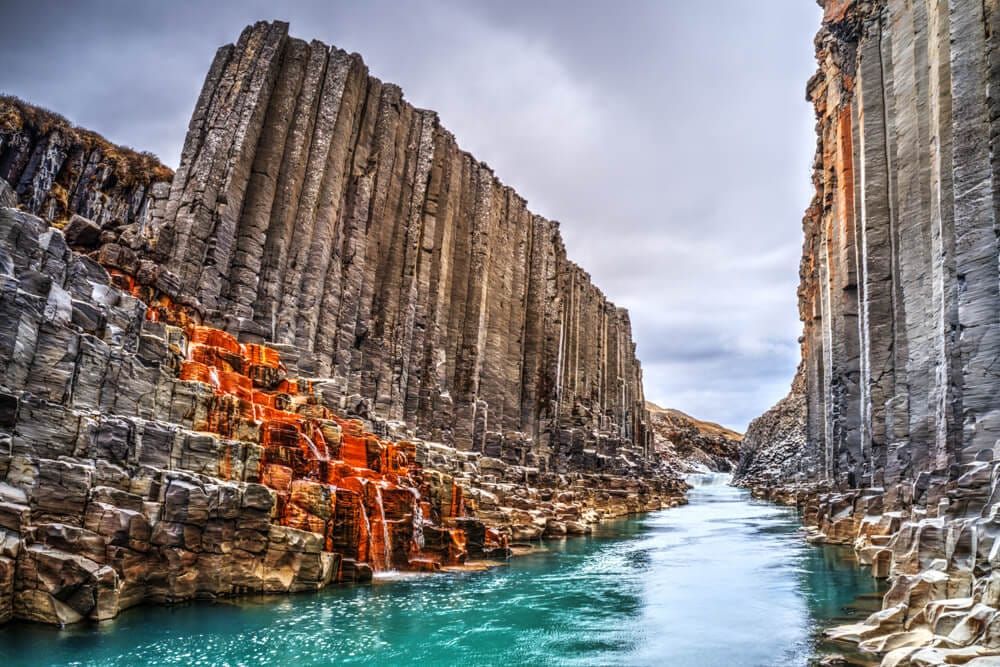
Floating in the North Atlantic between Greenland and Europe, Iceland is a land of volcanoes, lava fields, hot springs, glaciers, and waterfalls at every turn. Despite its small population, Iceland packs in some of the most dramatic landscapes you’ll ever see.
Not A Member? ✈️
Save Up To 95% On Flights With Our Airline Mistake Fare & Flash Sales Alerts
What Currency is Used in Iceland?
Iceland uses the Icelandic Króna (ISK).
- $1 USD = roughly 135–145 ISK
- Credit cards are accepted everywhere — including gas stations, restaurants, and even food trucks
- ATMs are common, but most travelers never need cash
What Language is Spoken in Iceland?
The official language is Icelandic — an ancient Nordic language.
- English is spoken fluently by nearly everyone
- Menus, signs, and websites are almost always bilingual
- Icelanders are very used to international visitors
Is Iceland Safe for Travelers?
Yes — Iceland is one of the safest countries in the world.
- Crime is extremely low
- Natural dangers (weather, cliffs, rivers, geothermal areas) are more of a risk — always follow signs and stay on marked paths
- Emergency services are well-organized and accessible throughout the country
Top Places to Visit in Iceland
Iceland is best explored as a road trip. The Ring Road (Route 1) circles the country and hits most of its highlights. Here are the most popular destinations, including national parks, towns, and natural landmarks.
Reykjavík
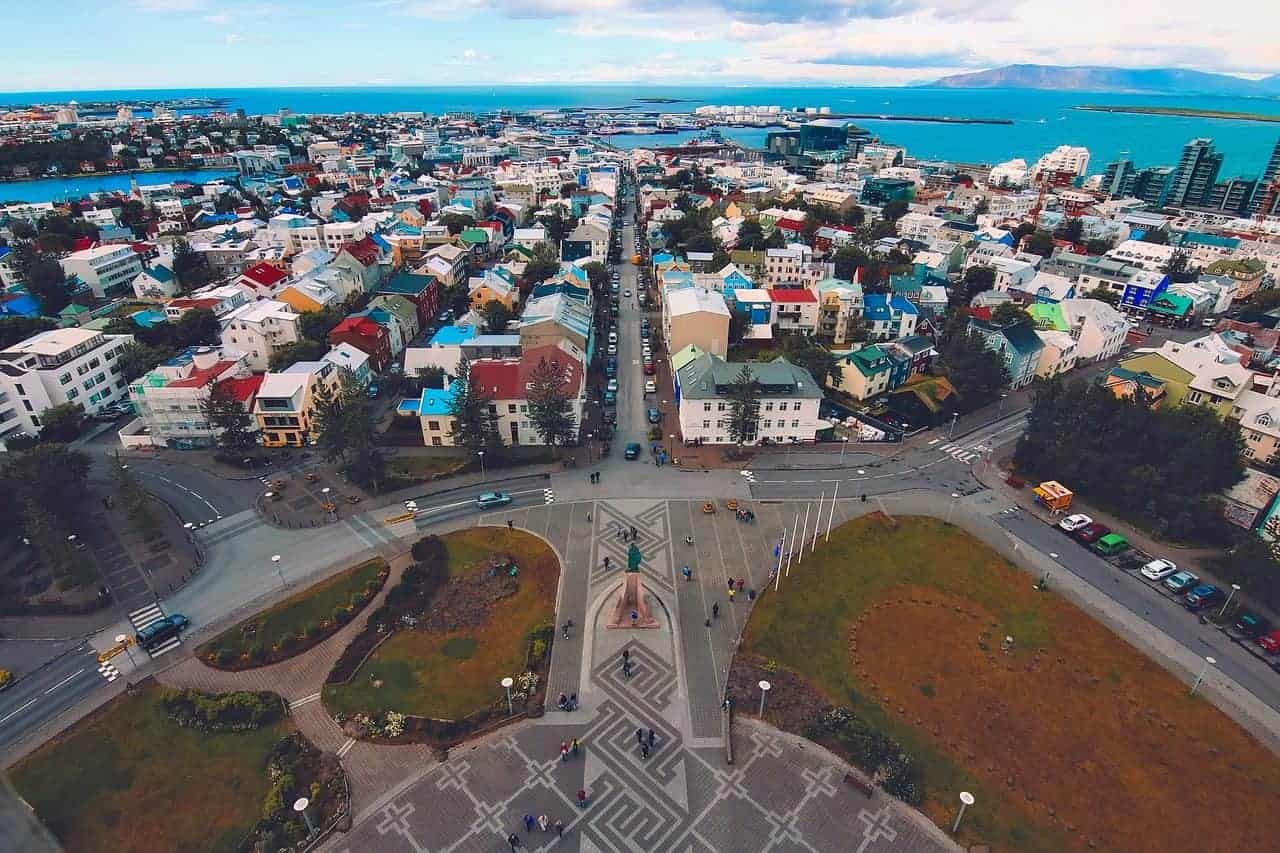
Reykjavík Top Highlights
- Hallgrímskirkja church tower views
- Harpa Concert Hall’s kaleidoscopic glass façade
- Sun Voyager sculpture on the waterfront path
- Laugavegur shopping, street art, and cafés
- Geothermal swims at Sundhöllin & Sky Lagoon
- Whale‑watching and puffin cruises from the Old Harbor
- Esja hiking trails for a quick city escape
Golden Circle
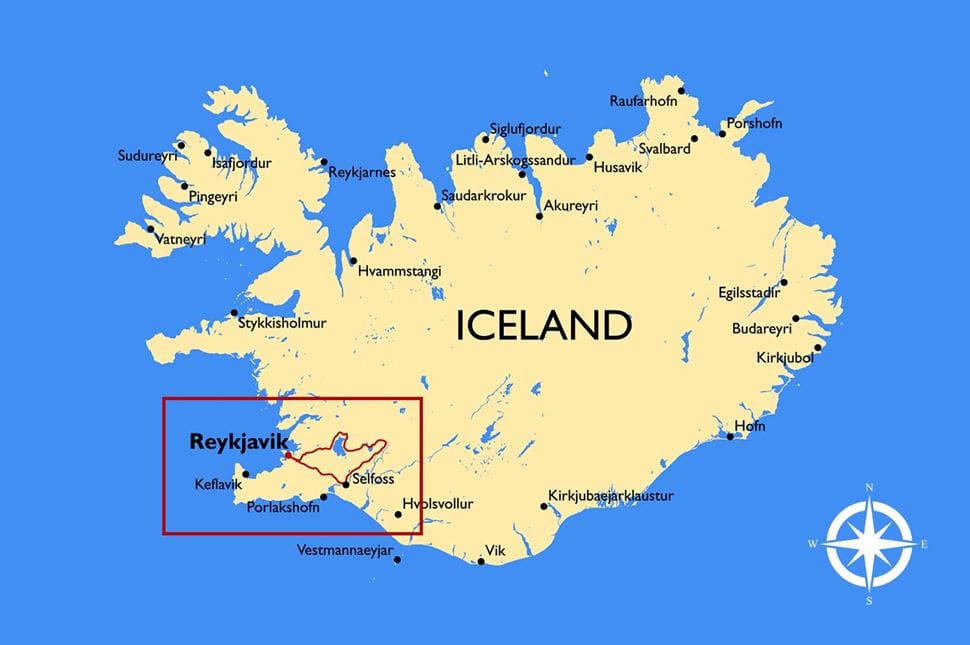
Golden Circle Top Highlights
- Þingvellir National Park & Mid‑Atlantic tectonic rift
- Strokkur eruptions in the Geysir Geothermal Area
- Gullfoss Waterfall’s double cascade & rainbows
- Kerið volcanic crater lake (optional detour)
- Secret Lagoon hot‑spring bathing in Flúðir
- Friðheimar greenhouse lunch & horse show (seasonal)
South Coast (Route 1)
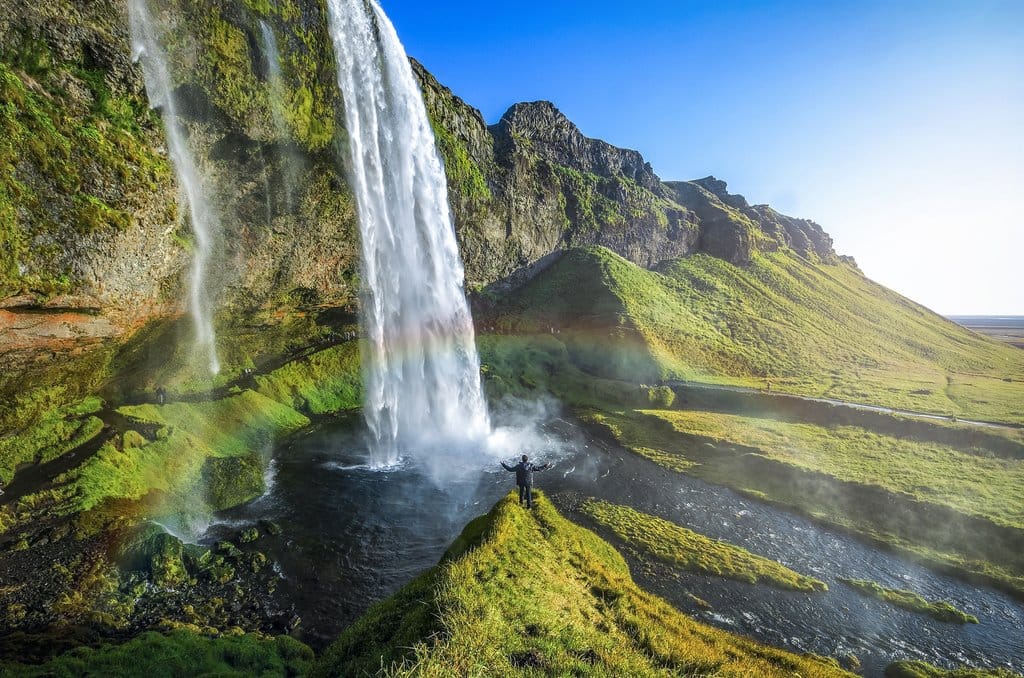
South Coast Top Highlights
- Seljalandsfoss walk‑behind waterfall
- Thunderous Skógafoss & Skógar Museum
- Reynisfjara black‑sand beach & Dyrhólaey puffin cliffs
- Glacier hike on Sólheimajökull
- Fjaðrárgljúfur slot canyon viewpoints
- Svartifoss in Skaftafell (Vatnajökull NP)
- Vatnajökull Glacier, Jökulsárlón Glacier Lagoon & Diamond Beach
Short drive, huge payoff—making Iceland’s South Coast a must‑see stretch whether you’ve got a single day or a slow‑paced week.
East Fjords
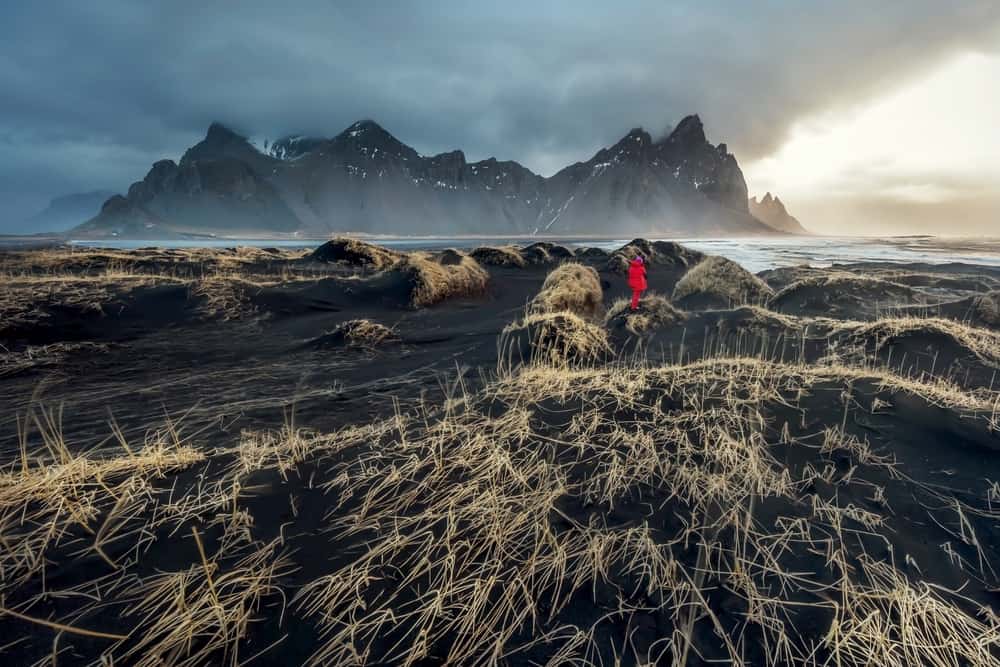
East Fjords Top Highlights
- Seyðisfjörður’s rainbow street & cafés
- Puffin colony at Borgarfjörður Eystri’s Hafnarhólmi
- Víknaslóðir coastal hiking routes
- Hengifoss & Litlanesfoss waterfalls
- Reindeer spotting near Egilsstaðir
- Vök Baths floating hot‑spring pools
- Remote drive into Mjóifjörður and Klifbrekku foss
North Iceland & Akureyri
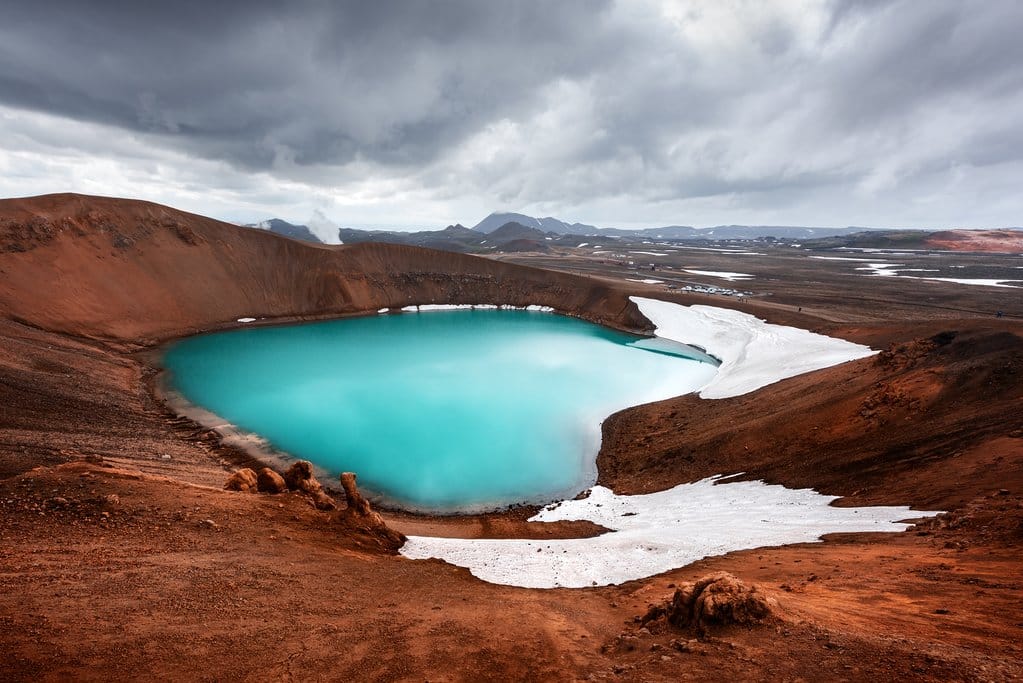
North Iceland & Akureyri Top Highlights
- Akureyri cafés, church, and botanical garden
- Goðafoss waterfall spectacles
- Lake Mývatn geothermal landscapes & Nature Baths
- Whale‑watching cruises from Húsavík
- Dettifoss & Ásbyrgi Canyon along the Diamond Circle
- Hlíðarfjall skiing and winter Northern Lights hunts
Westfjords
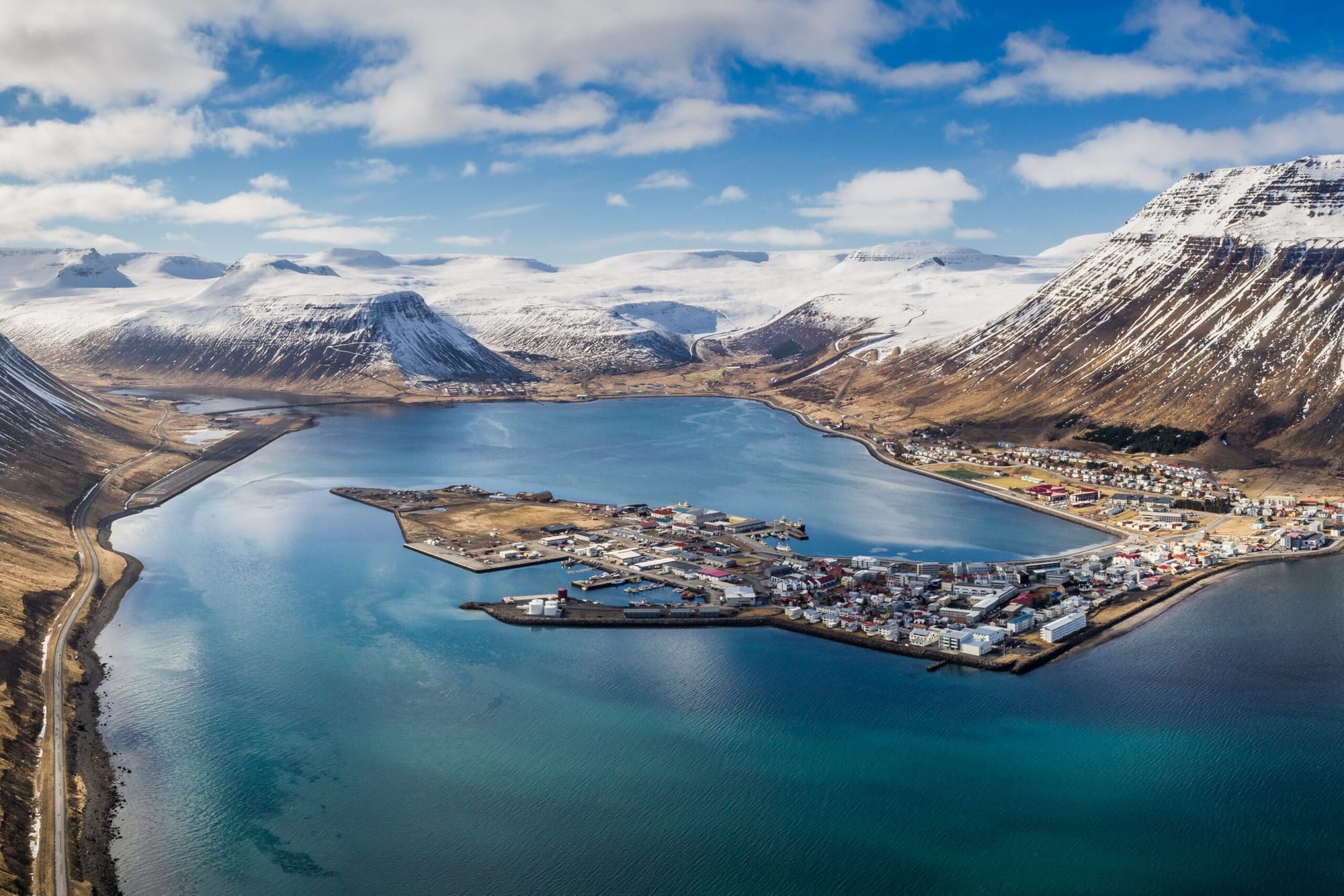
Westfjords Top Highlights
- Ísafjörður cafés & kayaking
- Dynjandi waterfall
- Látrabjarg puffin cliffs
- Hellulaug & Krossneslaug hot pools
- Arctic fox encounters in Súðavík
- Midnight‑sun beaches
Snæfellsnes Peninsula
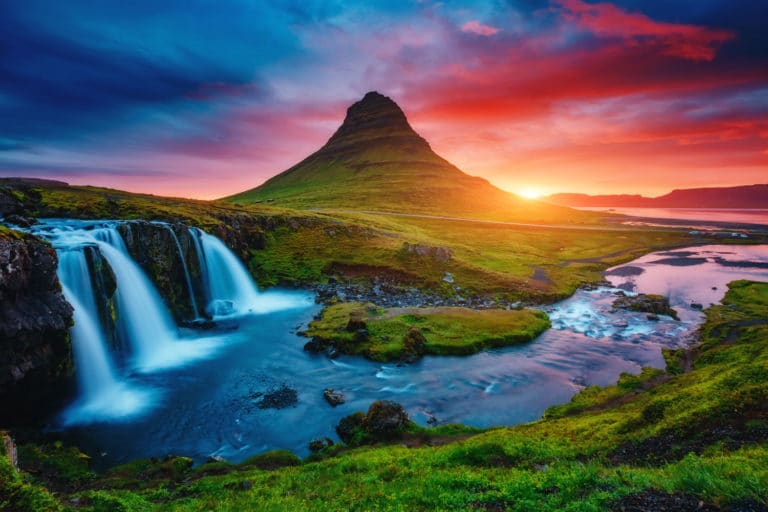
Snæfellsnes Peninsula Top Highlights
- Snæfellsjökull National Park & glacier hikes
- Kirkjufell mountain and Kirkjufellsfoss
- Arnarstapi sea cliffs & Gatklettur arch
- Djúpalónssandur “black lava pearl” beach
- Seal spotting at Ytri‑Tunga
- Stykkishólmur harbor cafés & Sea Monster Museum
Westman Islands (Vestmannaeyjar)
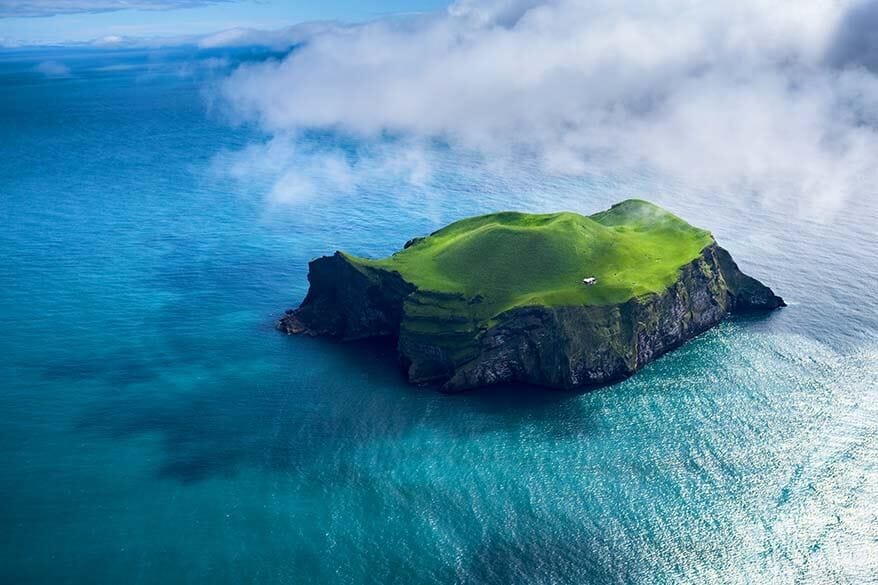
Westman Islands Highlights
- Heimaey Island
- Eldfell Volcano hike (formed in 1973)
- Boat tours and sea caves
- Puffins (May–August)
Iceland's Monthly Daylight Hours
Here’s a quick month‑by‑month look at how many hours of daylight you can expect in Reykjavík (the numbers are close enough for most places you’ll visit in Iceland, but the farther north you go—say, Akureyri or Grímsey—you’ll squeeze out a little extra light in summer and lose a bit more in winter.
- January — about 5 h 35 m of daylight
- February — 8 h 46 m
- March — 11 h 49 m
- April — 15 h 12 m
- May — 18 h 34 m
- June — 21 h 17 m (the famous midnight‑sun stretch)
- July — 19 h 51 m
- August — 16 h 29 m
- September — 13 h 07 m
- October — 9 h 54 m
- November — 6 h 36 m
- December — 4 h 23 m Worlddata.info
A few handy takeaways:
- Late May through late July is essentially a 24‑hour golden hour—perfect for all‑night road‑trips or squeezing extra waterfall stops into the itinerary.
- In deep winter (late November to mid‑January), daylight is short and sweet. Plan outdoor adventures for the middle of the day, then lean into cozy cafés, hot springs, and—if the sky cooperates—northern‑lights hunting after dark.
- Shoulder months (March–April and September–October) give you a balanced mix: plenty of sightseeing time, but still enough darkness for aurora chasing.
Iceland Travel Seasons
The cheapest and most expensive time to visit Iceland will depend on the season. Iceland doesn’t exactly “close” for tourism, but prices, daylight, and crowd levels swing enough through the year that most travelers talk about three clear periods: peak season, shoulder season, and the quieter winter stretch.
Peak Season — Mid‑June to Late August
Summer is Iceland’s spotlight moment:
- Long, light‑filled days — the midnight sun lets you sightsee past 11 p.m.
- Almost every tour, ferry, and Highland road operates on a full schedule.
- Hotel rates and camper‑van rentals climb fast, and popular sites like Seljalandsfoss or the Glacier Lagoon feel busy even at odd hours.
- Expect mild temps (50s °F / low 10s °C) and the most reliable weather for multi‑day hikes such as the Laugavegur Trail.
Shoulder Seasons — April to May & September to mid‑October
These “in‑between” months balance daylight with thinner crowds:
- Spring: Roads are mostly clear, waterfalls thunder with snowmelt, and puffins start arriving by late April.
- Autumn: Crisp air, fiery foliage around Þingvellir, and the first chance to spot northern lights without deep‑winter cold.
- Prices dip — rental cars and guesthouses often drop 15–25 percent compared with summer.
- Some rural museums and Highlands routes still stay closed until mid‑June (or shut down by early October), so double‑check opening dates on anything remote.
Winter / Off‑Peak — mid‑October to March
Iceland’s darkest months create a different kind of magic:
- Northern lights headline the show from late August, but winter’s long nights boost your odds.
- Reykjavík cafés feel cozy and festive — Christmas season (late Nov‑early Jan) sees a quick mini‑surge in visitors and prices.
- Daylight bottoms out near the solstice with barely 4‑5 hours of usable light in December. Plan drives and photo stops carefully.
- Budget travelers win big: car rentals, tours, and many hotels can be 30 percent cheaper than in peak season.
- Weather flips fast — storms close roads or cancel tours, so keep itineraries flexible and check vedur.is for daily reports.
Is There a True “Offseason”?
Not anymore — Iceland’s winter tourism has grown thanks to aurora hunters and cheap trans‑Atlantic stopovers. Still, mid‑November to early December and late January to mid‑February feel the quietest. You’ll find:
- Short lines at the Blue Lagoon and Sky Lagoon.
- Plenty of last‑minute room deals outside Reykjavík.
- A good chance to have photogenic spots (think Kirkjufell) almost to yourself at sunrise — just be ready for icy paths.
When Is the Best Time to Visit Iceland?
- June–August: Midnight sun, mild weather, best for road trips and hiking
- September–October: Fewer crowds, fall colors, start of Northern Lights season
- November–March: Northern Lights, ice caves, snow-covered scenery
- April–May: Shoulder season with decent weather and better prices