
Cost to Visit Iceland: Travel Budget Guide 2026
This Iceland cost and budget guide covers cost of lodging, food, transport, attractions, day trips, plus daily and weekly budgets in USD.
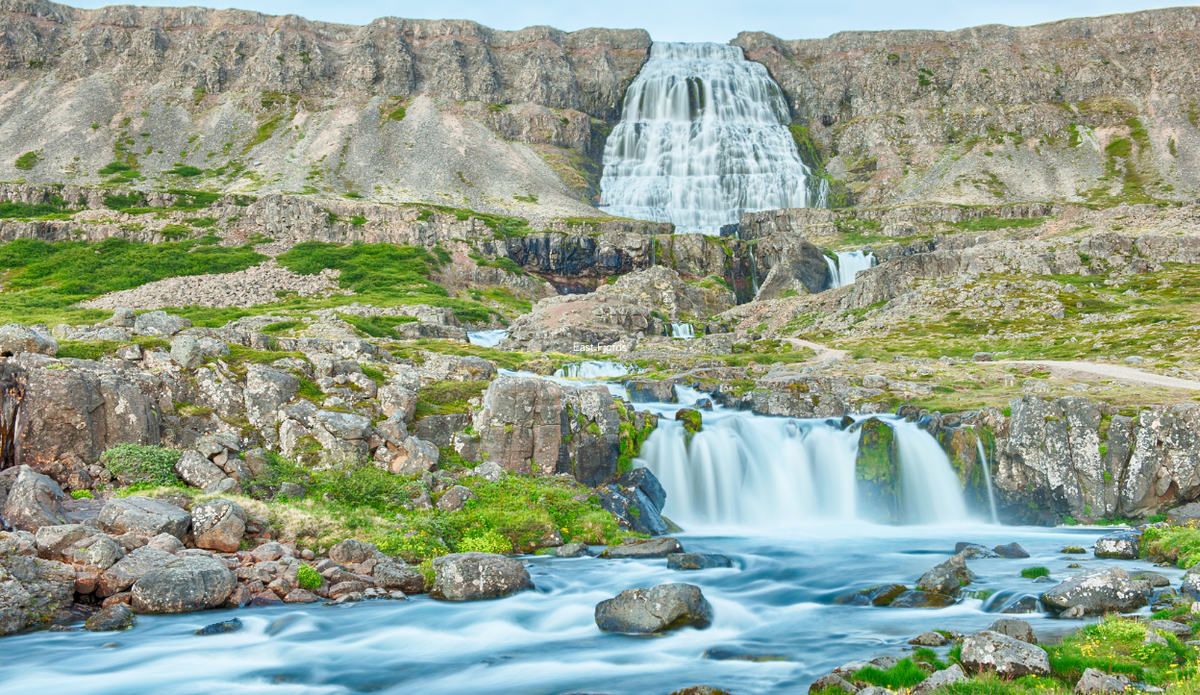
In this guide, you’ll find the average cost to visit Iceland, including the daily budget you will need, transport costs, rental car expenses, attraction prices, day trips, and what to expect in peak, shoulder, and off-season travel periods.
Is Iceland Cheap to Visit?
No, Iceland is not cheap to visit. It is usually one of the most expensive destinations in Europe for hotels, restaurants, car rentals, fuel, tours, and packaged activities. If you are comparing it with other European trips, Iceland often sits closer to the expensive end, especially if you want a road trip with private rooms and many paid experiences.
Iceland stays more affordable when you:
- Travel in shoulder season instead of peak summer
- Stay in guesthouses, hostels, cabins, or apartments with kitchens
- Buy groceries for breakfast, snacks, and some dinners
- Share a rental car with another traveler or group
- Choose one or two big-ticket tours instead of booking one every day
- Focus on free natural sights like waterfalls, beaches, viewpoints, lava fields, and hiking areas
- Avoid one-night stays across the whole Ring Road unless you are prepared for higher lodging costs
The good news is that many of Iceland’s best natural attractions are free or low-cost once you can get to them. Waterfalls, black-sand beaches, lava fields, viewpoints, geothermal areas, and national park landscapes often cost little more than parking. The expensive part is usually transportation and lodging, not the scenery itself.
Expert Tip: Camping in Iceland is the cheapest, and one of the absolute best ways to explore Iceland.
This is a travel cost guide for Iceland, but if you want to know seasonal demand, check out our cheapest and most expensive times to visit Iceland. If you are still building your route, pair this cost guide with our Iceland travel guide and 10-day Iceland travel itinerary
Iceland uses the Icelandic króna. All costs are shown in ISK and converted to $ (USD) using a rounded exchange rate of about ISK 125 = $1 USD.
Iceland Vacation Costs
Below is a detailed expense breakdown for accommodations, food, transportation, and attractions—followed by day trip costs and realistic daily/weekly budgets.
Avg. Accommodation Cost
Peak Season
- Budget Travelers: ISK 10,000–22,000 ($80–$176) per night
- Mid-Range Travelers: ISK 25,000–55,000 ($200–$440) per night
- Luxury Travelers: ISK 70,000–180,000+ ($560–$1,440+) per night
Shoulder-Season
- Budget Travelers: ISK 8,000–18,000 ($64–$144) per night
- Mid-Range Travelers: ISK 20,000–42,000 ($160–$336) per night
- Luxury Travelers: ISK 55,000–140,000+ ($440–$1,120+) per night
Off-Season
- Budget Travelers: ISK 6,500–15,000 ($52–$120) per night
- Mid-Range Travelers: ISK 16,000–35,000 ($128–$280) per night
- Luxury Travelers: ISK 40,000–110,000+ ($320–$880+) per night
Note: Iceland lodging is very seasonal. A simple guesthouse room that feels reasonable in winter can be much more expensive in July or August. The South Coast, Reykjavík, Blue Lagoon area, and popular Ring Road stops usually need early booking.
Food Cost
Budget Travelers
- Breakfast: ISK 800–1,800 ($6–$14)
- Lunch: ISK 1,500–3,000 ($12–$24)
- Dinner: ISK 2,000–4,500 ($16–$36)
Mid-Range Travelers
- Breakfast: ISK 1,800–3,500 ($14–$28)
- Lunch: ISK 3,000–5,500 ($24–$44)
- Dinner: ISK 5,000–10,000 ($40–$80)
Luxury Travelers
- Breakfast: ISK 3,500–7,000 ($28–$56)
- Lunch: ISK 6,000–12,000 ($48–$96)
- Dinner: ISK 12,000–30,000+ ($96–$240+)
Reality: Food is one of the easiest places to overspend in Iceland. Budget travelers should use grocery stores, bakeries, gas-station meals, hostel kitchens, apartment kitchens, and simple cafés. A few restaurant meals are worth budgeting for, but eating out three times a day can make Iceland feel brutally expensive.
Transportation Cost
Airport → City
- Flybus from Keflavík Airport to Reykjavík BSÍ terminal: ISK 3,999 ($32) one way
- Flybus with hotel drop-off connection: around ISK 4,999 ($40) one way
- Public bus from Keflavík Airport: usually cheaper than Flybus, but less frequent and less convenient with luggage
- Taxi from Keflavík Airport to Reykjavík: around ISK 20,000–40,000 ($160–$320)
- Private transfer: usually around ISK 18,000–45,000+ ($144–$360+) depending on vehicle, time, and destination
Getting Around Iceland
- Reykjavík city bus single ticket: ISK 690 ($5.50)
- Reykjavík 24-hour transit pass: ISK 2,750 ($22)
- Typical Reykjavík daily transit spend: ISK 690–2,750 ($5.50–$22)
- Ride-hailing is limited compared with many countries, so taxis can be expensive
- Regional public buses exist, but they are not always practical for sightseeing routes
- Most travelers use a rental car or guided day tours outside Reykjavík
Airport, City, and Regional Transit
- Reykjavík local bus ride: ISK 690 ($5.50)
- 24-hour city pass: ISK 2,750 ($22)
- 72-hour city pass: ISK 6,000 ($48)
- Regional bus segments: often around ISK 3,000–12,000+ ($24–$96+) depending on route
- Domestic flights: often around ISK 12,000–35,000+ ($96–$280+) one way when booked well, but can be higher
Taxis / Ride Services
- Short Reykjavík taxi ride: ISK 2,500–5,000 ($20–$40)
- Longer city ride: ISK 5,000–10,000+ ($40–$80+)
- Late-night or airport-area taxi ride: ISK 10,000–40,000+ ($80–$320+)
- Taxi use can quickly become one of the most expensive parts of a Reykjavík stay
Rental Car
- Compact car in off-season: ISK 6,000–12,000/day ($48–$96/day)
- Compact car in shoulder season: ISK 10,000–18,000/day ($80–$144/day)
- Compact car in peak season: ISK 16,000–35,000+/day ($128–$280+/day)
- 4x4 vehicle: often ISK 18,000–50,000+/day ($144–$400+/day), especially in summer
- Campervan: often ISK 18,000–55,000+/day ($144–$440+/day), depending on season and vehicle type
- Fuel, parking, charging, and road-tax-related costs: often ISK 8,000–18,000/day ($64–$144/day) on driving-heavy days
For many travelers, Iceland is easiest with a rental car, especially if you want the Golden Circle, South Coast, Snæfellsnes, North Iceland, or the Ring Road. However, travelers staying in Reykjavík can avoid a car by booking guided day trips instead.
Iceland Attractions Cost
- Golden Circle natural sights: Þingvellir, Geysir, and Gullfoss are low-cost by Iceland standards; Þingvellir has parking around ISK 1,000 ($8), Geysir and Gullfoss are usually free to visit
- Kerið Crater: usually around ISK 700 ($6)
- Blue Lagoon: usually starts around ISK 11,990 ($96) for Comfort admission and goes higher for premium packages
- Sky Lagoon: usually starts around ISK 13,990 ($112) for the standard ritual-style pass and goes higher for private-changing packages
- Hallgrímskirkja tower in Reykjavík: usually around ISK 1,500 ($12) for adults
- Perlan in Reykjavík: usually around ISK 6,500–7,000+ ($52–$56+) for many adult ticket types
- Whale watching from Reykjavík: usually around ISK 14,000–16,000 ($112–$128)
- Northern Lights bus tour: usually around $60–$120 depending on operator, vehicle, and inclusions
- Glacier hike or ice cave experience: usually around ISK 18,000–30,000+ ($144–$240+) depending on location and season
- Jökulsárlón Glacier Lagoon boat ride: usually around $50–$80+ when operating seasonally
- Reykjavík museums, city pools, churches, harbor walks, public art, and viewpoints: often free to moderate-cost
- Waterfalls, black-sand beaches, lava fields, and hiking areas: usually free, though some parking areas charge
For planning the must-see stops, our guides to Iceland’s top attractions and Iceland’s most beautiful places can help you decide which paid experiences are actually worth adding to your trip.
Day Trip Costs
| Day Trip | Transportation Cost (Round Trip) | Top Attraction | Attraction Cost |
|---|---|---|---|
| Golden Circle from Reykjavík | $45–$100 self-drive per car / $91–$130+ guided | Þingvellir, Geysir, Gullfoss, and Kerið | $0–$15+ |
| South Coast from Reykjavík | $80–$170 self-drive per car / $92–$150+ guided | Seljalandsfoss, Skógafoss, Reynisfjara, and Vík | $0–$20+ |
| Blue Lagoon from Reykjavík or Keflavík | $60–$120+ | Blue Lagoon geothermal spa | $96–$148+ |
| Sky Lagoon from Reykjavík | $5–$45 | Oceanfront geothermal lagoon and spa ritual | $112–$136+ |
| Snæfellsnes Peninsula from Reykjavík | $95–$190 self-drive per car / $125–$180+ guided | Kirkjufell, Arnarstapi, lava fields, and black beaches | $0–$20+ |
| Jökulsárlón Glacier Lagoon and Diamond Beach | $180–$320 self-drive per car / $160–$240+ guided | Glacier lagoon, icebergs, and Diamond Beach | $0–$80+ with boat ride |
| Northern Lights tour from Reykjavík | $60–$120+ | Aurora viewing outside the city lights | $0 |
| Whale watching from Reykjavík | $0–$20 if staying central | Faxaflói Bay whale watching cruise | $90–$130+ |
Daily Budget Needed For Iceland
| Season | Daily Total (Per Person) |
|---|---|
| Peak | $135–$260 |
| Shoulder | $115–$220 |
| Off-Season | $95–$185 |
| Season | Daily Total (Per Person) |
|---|---|
| Peak | $280–$560 |
| Shoulder | $235–$455 |
| Off-Season | $200–$385 |
| Season | Daily Total (Per Person) |
|---|---|
| Peak | $720–$1,800+ |
| Shoulder | $580–$1,450+ |
| Off-Season | $460–$1,150+ |
Weekly Budget (7 Days)
| Season | Lodging (7 nights) | Food (7 days) | Transport | Attractions | Total |
|---|---|---|---|---|---|
| Peak | $560–$1,232 | $240–$520 | $120–$350 | $100–$350 | $1,020–$2,452 |
| Shoulder | $448–$1,008 | $220–$480 | $100–$300 | $80–$300 | $848–$2,088 |
| Off-Season | $364–$840 | $200–$430 | $80–$260 | $60–$250 | $704–$1,780 |
| Season | Lodging (7 nights) | Food (7 days) | Transport | Attractions | Total |
|---|---|---|---|---|---|
| Peak | $1,400–$3,080 | $550–$1,200 | $350–$950 | $300–$900 | $2,600–$6,130 |
| Shoulder | $1,120–$2,352 | $500–$1,050 | $300–$800 | $250–$750 | $2,170–$4,952 |
| Off-Season | $896–$1,960 | $450–$950 | $250–$700 | $200–$650 | $1,796–$4,260 |
| Season | Lodging (7 nights) | Food (7 days) | Transport | Attractions | Total |
|---|---|---|---|---|---|
| Peak | $3,920–$10,080+ | $1,400–$3,500+ | $1,000–$2,500+ | $800–$2,500+ | $7,120–$18,580+ |
| Shoulder | $3,080–$7,840+ | $1,250–$3,000+ | $850–$2,200+ | $700–$2,000+ | $5,880–$15,040+ |
| Off-Season | $2,240–$6,160+ | $1,100–$2,500+ | $700–$1,800+ | $600–$1,800+ | $4,640–$12,260+ |
Note: These weekly budgets do not include international flights. Iceland budgets can swing dramatically depending on whether you rent a car, share lodging, cook meals, book glacier tours, or travel in July and August.
Frequently Asked Questions
Yes, $2,000 can be enough for Iceland if flights are not included and you travel in a budget-conscious style. It is more realistic for a short trip or a careful one-week trip than for a comfortable Ring Road road trip in peak summer.
$2,000 works best if you:- Travel in shoulder season or off-season
- Stay in hostels, guesthouses, or budget private rooms
- Use grocery stores for breakfast, snacks, and some dinners
- Choose one or two major paid activities instead of booking tours daily
- Share rental car costs with another traveler or stay based in Reykjavík
If you want private hotels, a rental car, restaurant meals, Blue Lagoon, glacier hiking, whale watching, and a full Ring Road route, $2,000 can disappear quickly.
The cheapest months to visit Iceland are often November, January, February, March, and parts of April, excluding Christmas, New Year, Easter, and school-holiday periods. These months usually have lower hotel and rental car demand than summer.
Cheaper months usually come with trade-offs:- Shorter daylight hours
- Colder weather and possible storms
- More difficult driving conditions
- Higher chance of road closures in remote areas
- Less practical access to some hiking routes and Highlands areas
For many travelers, May, September, and October are better-value months because they can be cheaper than peak summer while still offering more daylight and easier travel than deep winter.
Renting a car is often cheaper if you are traveling with two or more people and want to visit several sights over multiple days. Booking tours can be cheaper for solo travelers who only want one or two day trips from Reykjavík.
Renting a car is usually better when:- You are splitting costs with another traveler or group
- You want flexibility for the Golden Circle, South Coast, Snæfellsnes, or Ring Road
- You are comfortable driving in Iceland’s weather and road conditions
- You want to stop at viewpoints, waterfalls, and small towns on your own schedule
- You are traveling solo
- You do not want to drive in winter
- You are staying mostly in Reykjavík
- You want glacier hiking, ice caves, Northern Lights hunting, or other guided activities
The best value for many first-time visitors is a mix: rent a car for easy self-drive routes and book guided tours for activities that require expertise or equipment.
Food in Iceland usually costs about $35–$75 per day for budget travelers, $80–$170 for mid-range travelers, and $170–$390+ for luxury travelers. The total depends heavily on whether you cook, buy groceries, or eat in restaurants.
Typical daily food budgets:- Budget: $35–$75 using groceries, bakeries, gas-station food, hot dogs, and simple casual meals
- Mid-range: $80–$170 with cafés, casual restaurants, and some groceries
- Luxury: $170–$390+ with hotel breakfasts, upscale restaurants, tasting menus, and drinks
Booking accommodation with a kitchen is one of the easiest ways to control your Iceland travel budget.
A basic rental car in Iceland often costs around $48–$96 per day in off-season, $80–$144 per day in shoulder season, and $128–$280+ per day in peak summer. Larger vehicles, 4x4s, campervans, extra insurance, and last-minute bookings cost more.
Extra car costs to budget for:- Fuel or charging
- Parking at some attractions
- Road-tax-related charges or rental-company pass-through fees
- Extra insurance coverage
- Second-driver fees or young-driver fees
- F-road access if you need a true 4x4 in summer
A cheap base rental rate is not the full cost of driving in Iceland. Always compare the total with insurance, taxes, fees, mileage rules, and vehicle type included.
Yes, you can visit Iceland without a car, especially if you stay in Reykjavík and book day trips. This works well for travelers who want the Golden Circle, South Coast, Blue Lagoon, Sky Lagoon, Northern Lights tours, whale watching, and Reykjavík sightseeing.
A no-car Iceland trip works best for:- First-time visitors staying 3 to 6 days
- Solo travelers who do not want to pay for a rental car alone
- Winter travelers who are uncomfortable driving in snow, wind, or ice
- Travelers who want guided day trips instead of road-trip logistics
A car becomes more useful if you want the Ring Road, remote stops, flexible photography stops, quieter villages, or multi-night stays outside Reykjavík.