
Cheapest and Most Expensive Months To Visit Buenos Aires
Buenos Aires is most expensive in spring and summer (Oct–Mar), especially December–February and around New Year. It’s cheapest in winter (June–August), with great value in May and September. Use the price table to plan around crowds and costs.
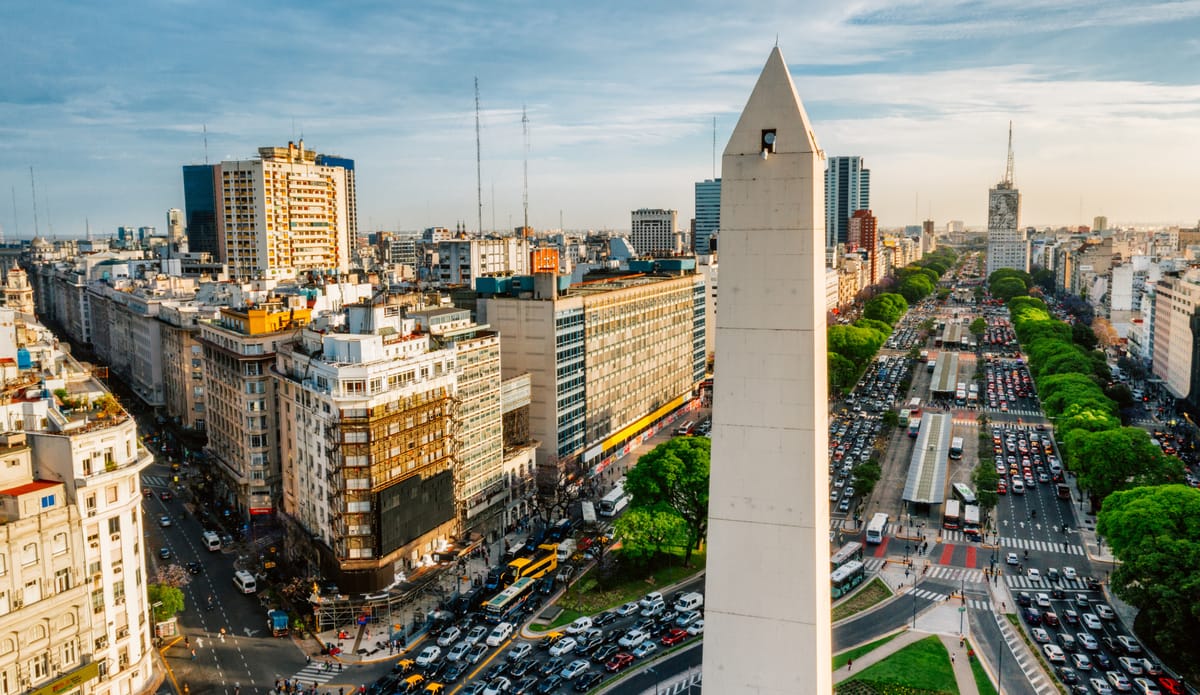
Buenos Aires pricing is shaped by Southern Hemisphere seasons: summer brings higher demand (even though it can be hot and humid), while winter is quieter and often far cheaper. Spring and fall usually offer the best balance of pleasant weather, fewer crowds, and manageable prices.
Not A Member? ✈️
Save 40%-95% with Jetsetter Alerts - Airline Mistake Fare & Flash Sales Alerts!
Most Expensive Months To Visit Buenos Aires
The Most Expensive Time To Visit Buenos Aires is late spring through summer (October to March), when weather is lively, events pick up, and international + regional travel demand rises.
- December–February: peak summer demand and higher hotel rates (especially in popular neighborhoods)
- Late December–early January: the biggest price spike due to Christmas/New Year trips
- October–November & March: high-demand shoulder months with elevated prices but better weather than midsummer
- Event weekends: major concerts, big football matches, and large conventions can create short “sell-out” spikes
Cheapest Months To Visit Buenos Aires
The Cheapest Time To Visit Buenos Aires is winter (June to August), when fewer visitors come, hotels discount more aggressively, and you’re more likely to find deals on rooms and flights.
- June–August: lowest demand and biggest accommodation discounts
- July: can vary—winter deals still exist, but local school holidays may raise prices for certain dates
- May & September: strong “value months” with better weather than winter and lower costs than peak season
- Late April: often a quieter, deal-friendly period after late-summer travel fades
Price Summary Table for Buenos Aires Travel
| Time Period | Price Level | Why It Matters |
|---|---|---|
| Late Dec – early Jan | 💲💲💲 Highest | New Year travel spike; premium hotel rates |
| December – February | 💲💲 High | Peak summer demand; busier city and higher nightly rates |
| October – November | 💲💲 High | Spring weather draws visitors; prices climb |
| March | 💲💲 Medium–High | Late-summer/early-fall demand; still popular |
| April – May | 💲💲 Medium | Shoulder value; fewer crowds and decent weather |
| June – August | 💲 Lowest | Winter low season; best hotel deals |
| September | 💲 Low | Pre-peak value; pleasant weather with lower prices |
Plan Around Your Budget
When you are going will most certainly make the difference in such cost like flights, hotels, attractions and food. Aligning your travel dates with Buenos Aires’ off-peak seasons can significantly cut costs on flights, accommodations, and activities.
Consider what experiences you hope to have and plan accordingly to make the most of lower prices and thinner crowds.
- Best weather-to-price balance: May and September
- Lowest prices: June–August (pack layers; plan more indoor dining/culture)
- Avoid the biggest spike: late December–early January
- Book smart for peak: reserve hotels early for Dec–Feb (especially weekends)
- Save by location: stay a few stops outside the priciest zones and use metro/ride-shares for easy access to the center