
South Korea Travel Guide: Everything You Need To Know
Decide where to go in South Korea, how many nights to spend in each place, and which stops belong together. Start with Seoul and build a route that suits the way you travel.
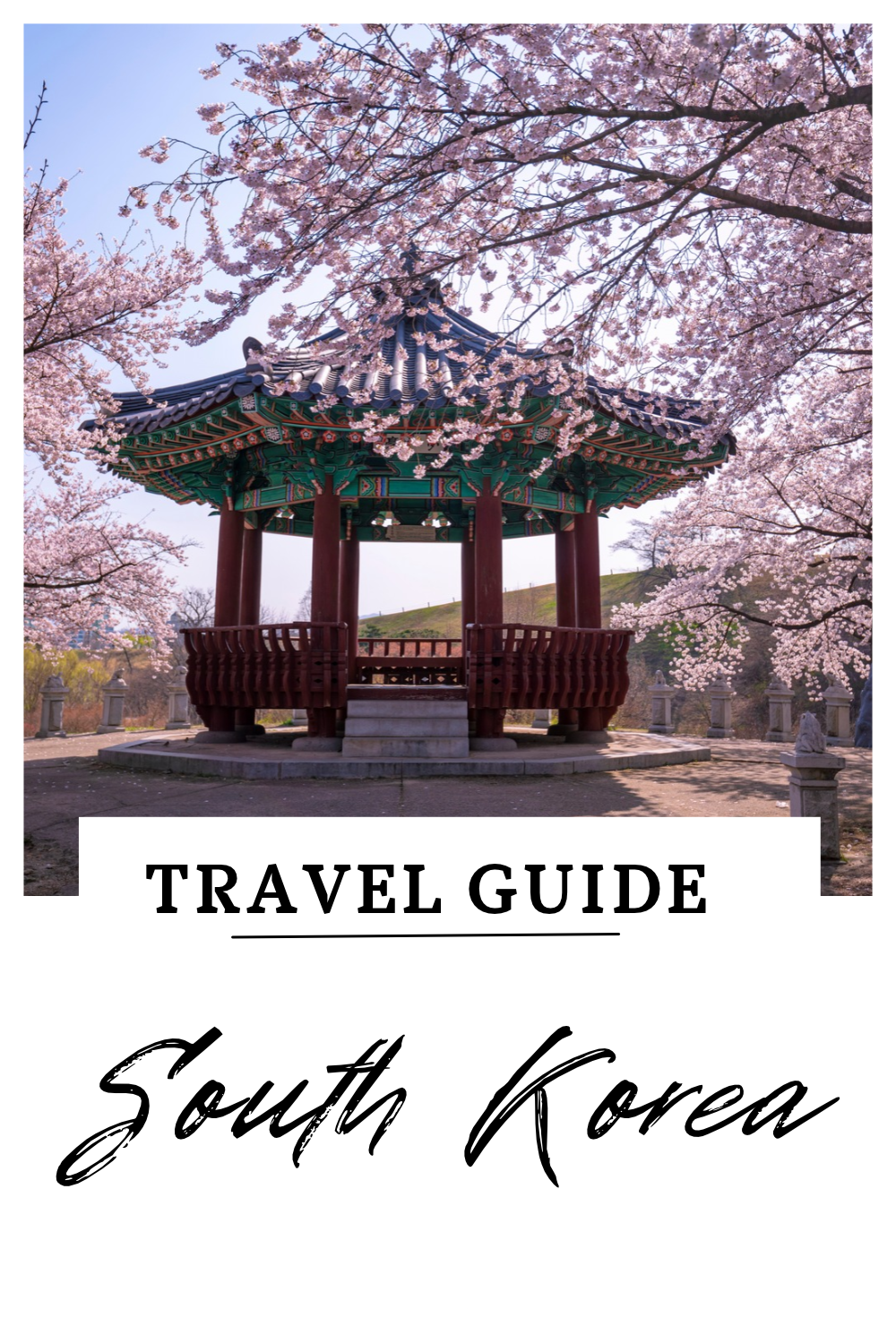
A first trip to South Korea can take you from a palace courtyard in Seoul to a seafood market in Busan and the grassy burial mounds of an ancient capital. You can fit all three into one trip without spending half your vacation in transit. The bigger question is whether you want to add Jeju, the mountains, or a few extra days in Seoul.
For most first-time visitors, I’d start with Seoul, Gyeongju, and Busan. They give you three distinct experiences on one mainland route. With two weeks, you can add Jeju for volcanic scenery and coastal drives, or go to Sokcho and Seoraksan for mountains.
Where to Go in South Korea
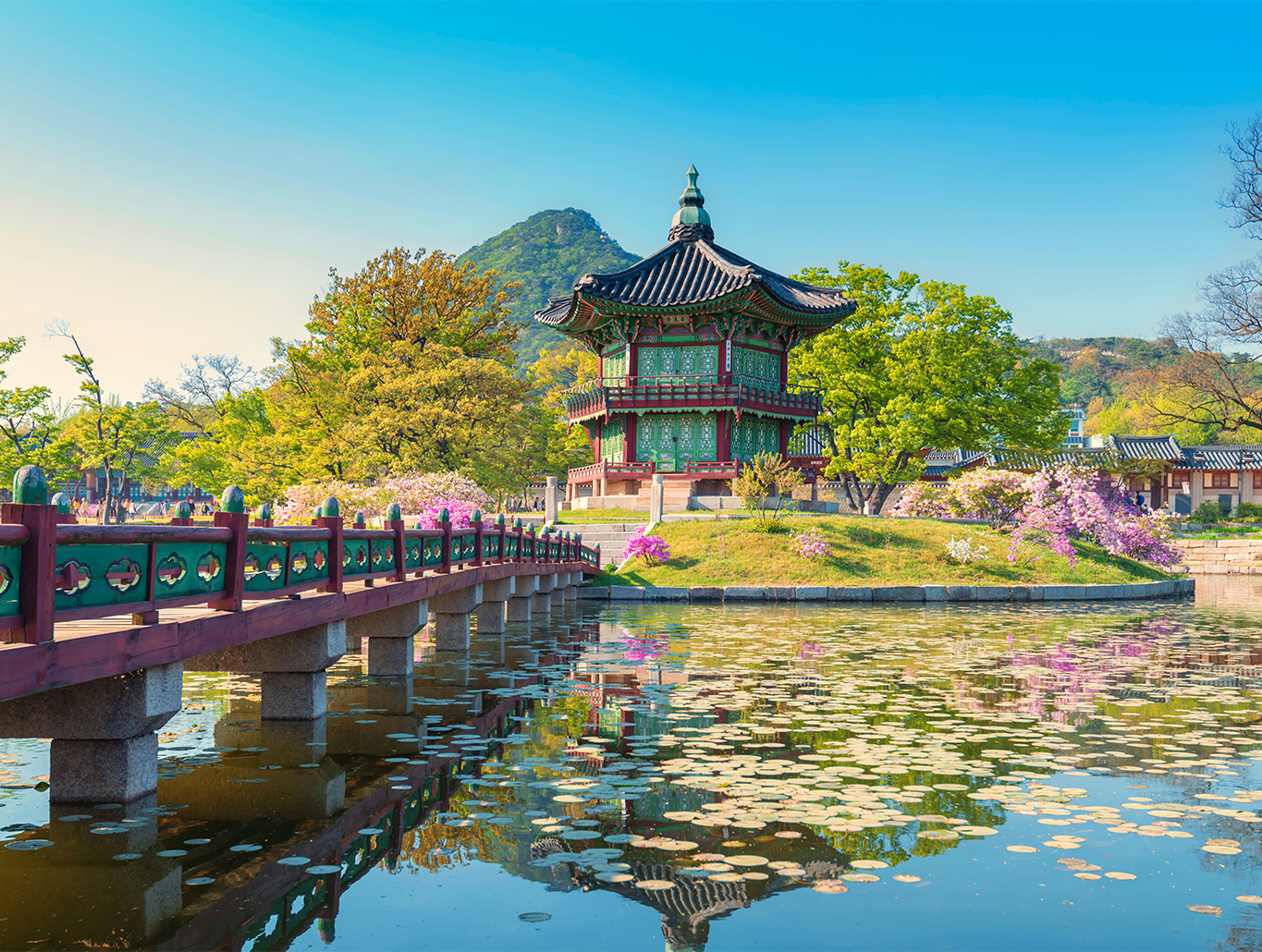
Seoul for Palaces, Food, and Neighborhoods
Seoul deserves more time than most first itineraries give it. You can spend one day around Gyeongbokgung and the old city, another following a market lunch with a walk through the neighborhoods, and an evening by the Han River. Four nights gives you enough room to enjoy the city without crossing it for every meal and attraction.
If this is your first stop, use the Seoul travel guide to group your sightseeing and the Seoul neighborhood guide to choose a hotel base.
Gyeongju for Ancient Korea
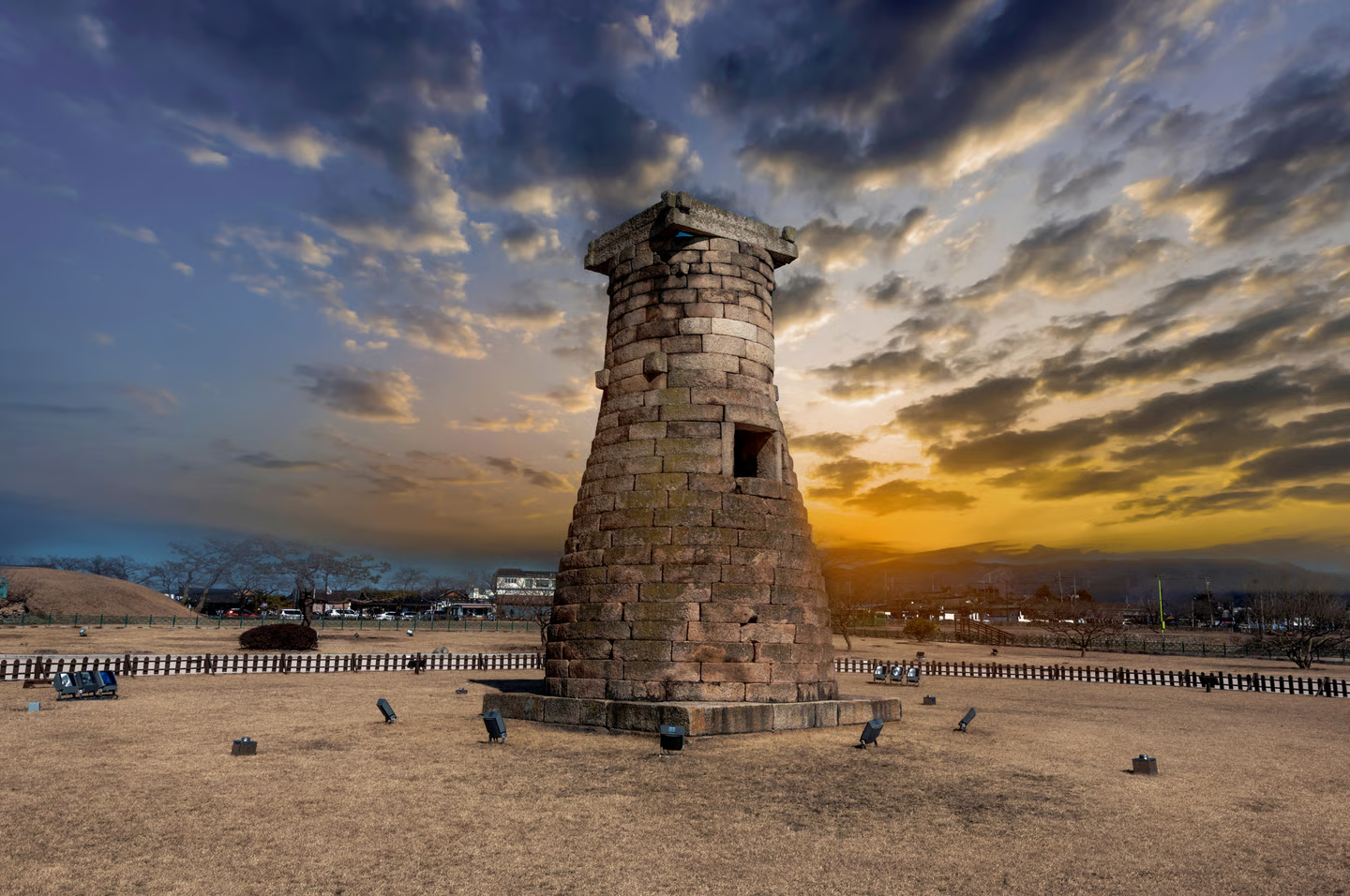
In Gyeongju, grassy tombs rise out of the landscape within walking distance of cafés and small hotels. Spend one day in the old center, then go farther out for Bulguksa Temple and Seokguram Grotto. An overnight stay gives you time to see the historic center after dark and visit the outlying sites the following morning. The Gyeongju travel guide shows how to divide your time.
Busan for the Coast and Seafood
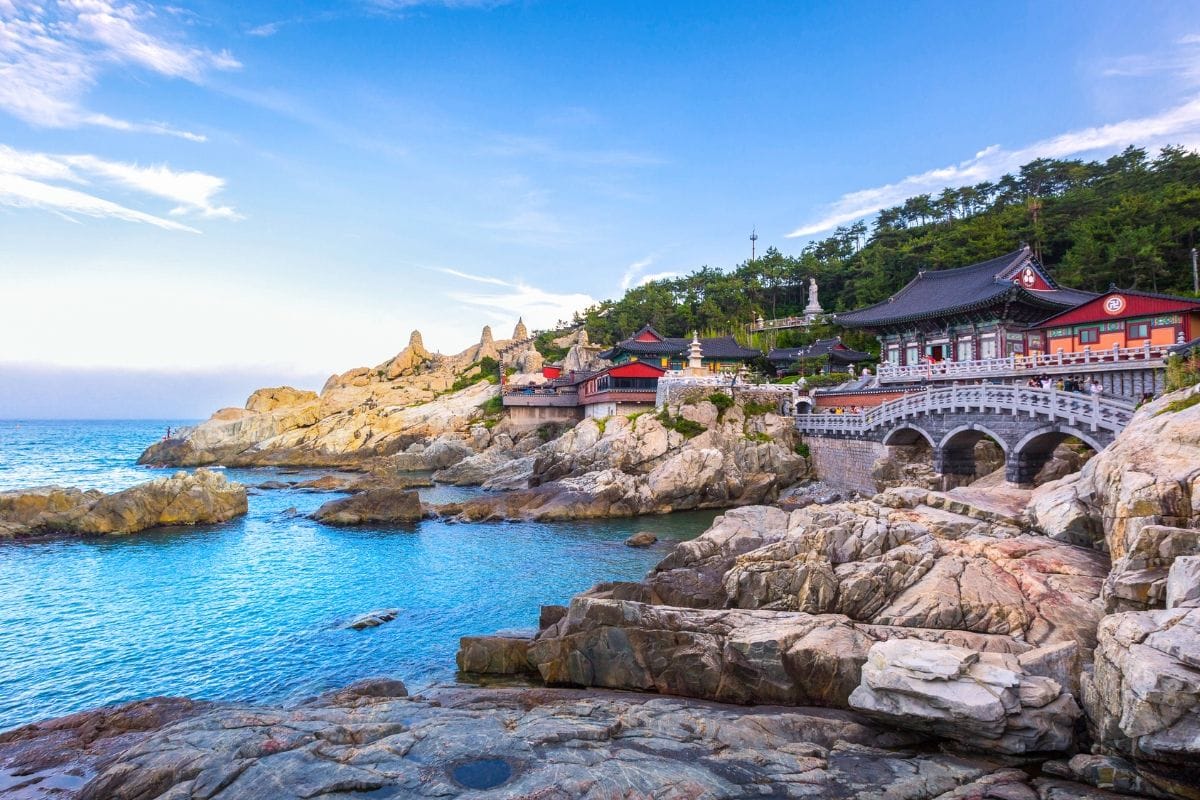
Busan is the mainland stop to choose if you want beach walks, fish markets, and a change of pace after Seoul. The city is spread out. Give the old port and markets their own day, then spend another day on the eastern coast. Read the Busan travel guide before deciding whether to stay near the beach or closer to the markets.
Jeju for Volcanic Scenery and Coastal Drives
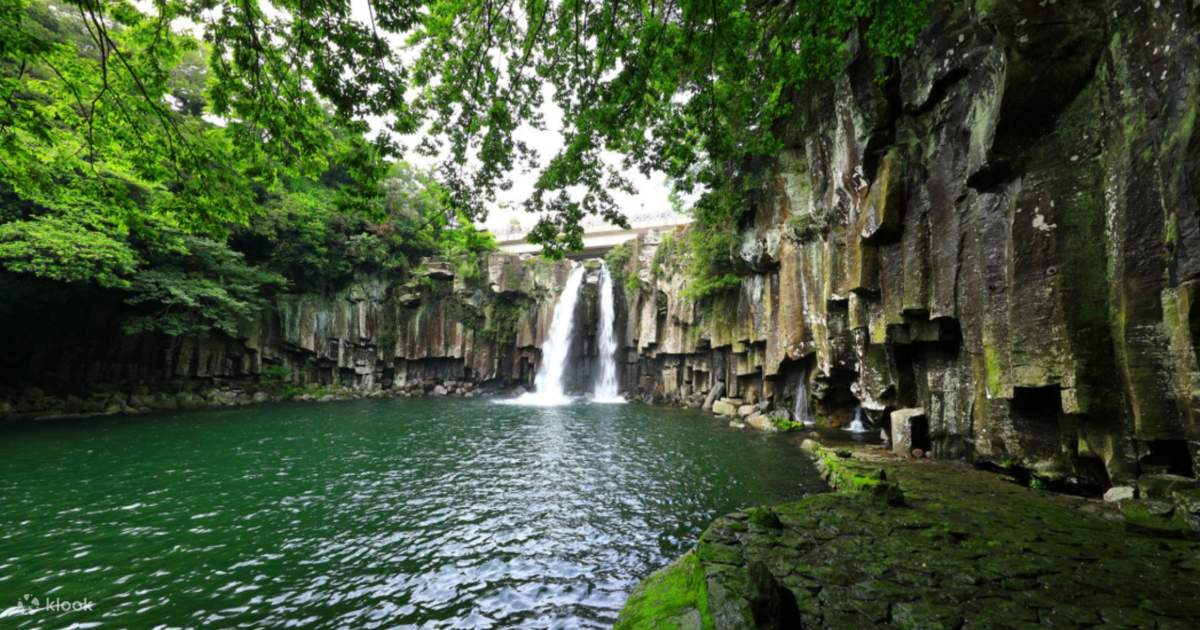
Jeju makes the most sense when you can give it several nights. Spend a day on the east coast around Seongsan, another around Seogwipo, and leave room for a walk or a longer hike if conditions cooperate. Factor in the airport transfers on both ends of your flight. The Jeju Island travel guide explains how to choose a base and explore one part of the island at a time.
Jeonju, Sokcho, and Suwon for Different Interests
- Jeonju gives food lovers a reason to spend a night among the tiled roofs of the old quarter. Start with the Jeonju travel guide.
- Sokcho puts the coast and Seoraksan National Park within reach of the same hotel. Use the Sokcho and Seoraksan guide to choose a route that fits your ability and the weather.
- Suwon is an easy way to add a fortress walk without moving hotels. The Suwon day trip guide lays out a route along the walls and through the old center.
How Many Days Do You Need?
- Five to seven days works for Seoul and one nearby day trip, or a short Seoul and Busan split.
- Ten days gives you time for Seoul, Gyeongju, and Busan. Follow this 10-day South Korea itinerary for a practical route.
- Two weeks leaves room for Jeju or a pair of mainland stops. Pick the addition you’re most excited about and give it enough nights to be worth the transfer.
If the international flight leaves from Incheon, decide where you’ll sleep the night before it. A final night in Seoul or near the airport can take the pressure off a separate domestic flight or cross-country train connection.
When to Visit South Korea
Spring draws travelers for blossoms, autumn for foliage and cooler walking weather, and summer for beach time. In winter, you can build a Seoul trip around museums, markets, and meals, with outdoor sightseeing on the clearer days.
Pick dates around the experience you want. Foliage and blossom timing shifts by region and year, while major holidays can affect transport and accommodation availability. For the price side of the decision, read our cheapest and most expensive times to visit South Korea.
Getting Around and Planning Your Budget
Use city transit for Seoul and Busan, intercity rail or buses for the mainland, and a separate flight if you add Jeju. Look up the actual station names before booking. Your hotel might be closer to a different terminal than the one you first see in a search. Our South Korea transportation guide walks through those choices.
Start your budget with hotels, then add intercity tickets, airport transfers, and any domestic flights. The Seoul travel cost guide can help you estimate the capital portion of your trip.
For meals, build in a few experiences worth sitting down for. A Jeonju bibimbap lunch, Busan pork soup, or Korean barbecue dinner gives you a different memory from grabbing a snack on the way to the next attraction. Find ideas in our South Korea food guide.
If mountains are a priority, choose the park before you choose your hotel. Our guide to South Korea’s most beautiful national parks will help you decide which landscape is worth building into your route.