
Jeju Island Travel Guide: Where to Stay and Explore
Jeju rewards travelers who give each coast its own day. Decide where to stay, which volcanic landscapes to see, and how much time to allow for the island.
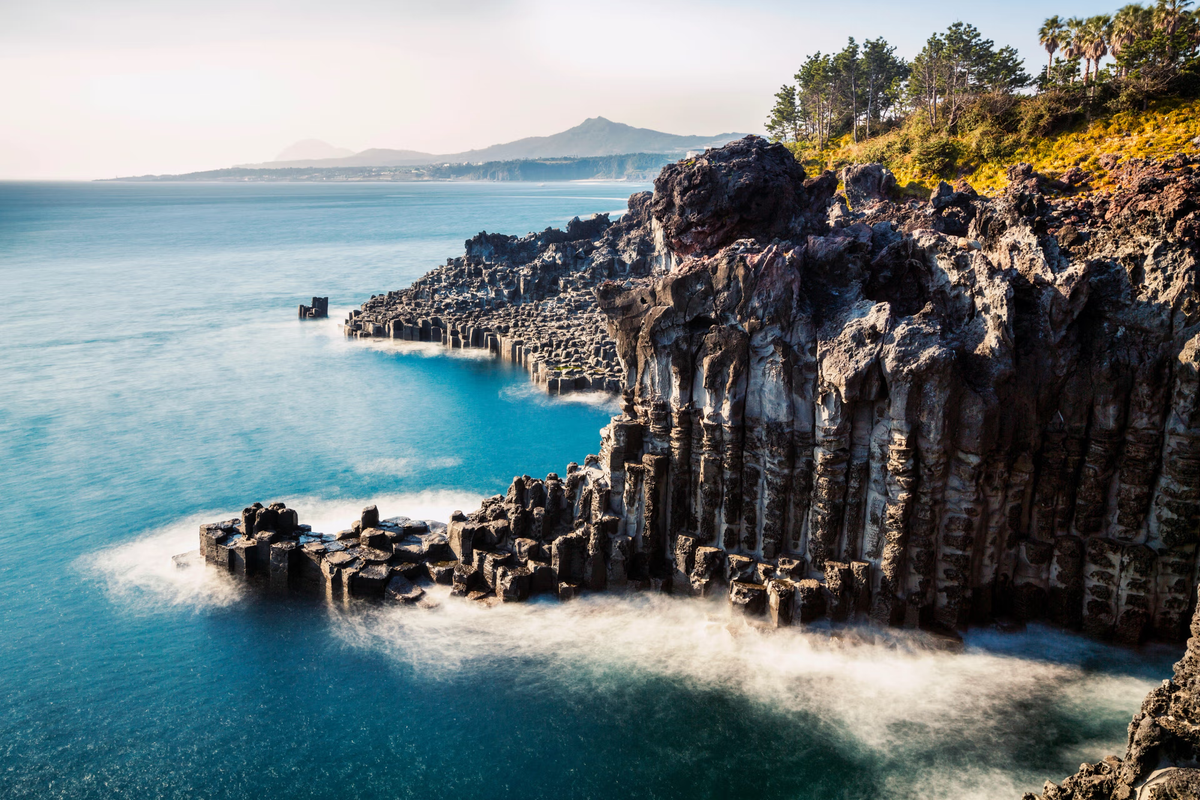
Jeju is worth adding to South Korea when you want an island trip with a different landscape every day.
The east has a volcanic crater above the sea. The south has waterfalls and rocky shorelines.
Inland, Hallasan rises above both, with weather and walking conditions that can feel entirely different from the coast.
Give Jeju at least three nights if you can. Four is better when you want a full mountain day or prefer to explore by bus.
Where to Stay on Jeju Island
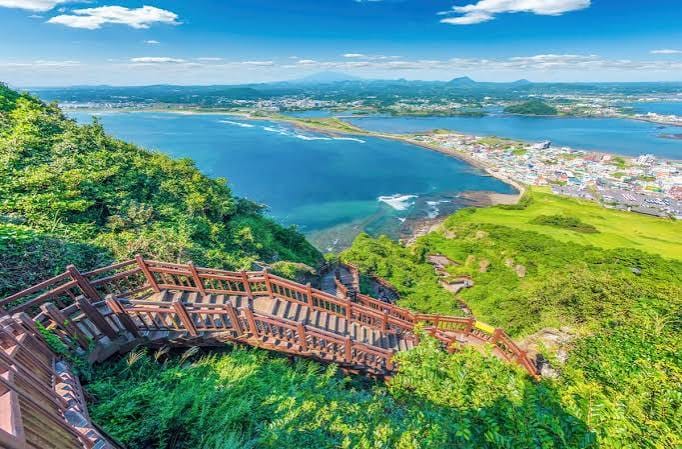
Jeju City for Arrivals and Short Stays
Jeju City makes sense if you’re arriving late, leaving early, or want the simplest airport transfer. It also gives you a city base with restaurants and markets.
If most of your planned activities are in the south or east, check how long those outings take from your chosen hotel. A convenient arrival doesn’t automatically make the whole island convenient.
Seogwipo for the South Coast
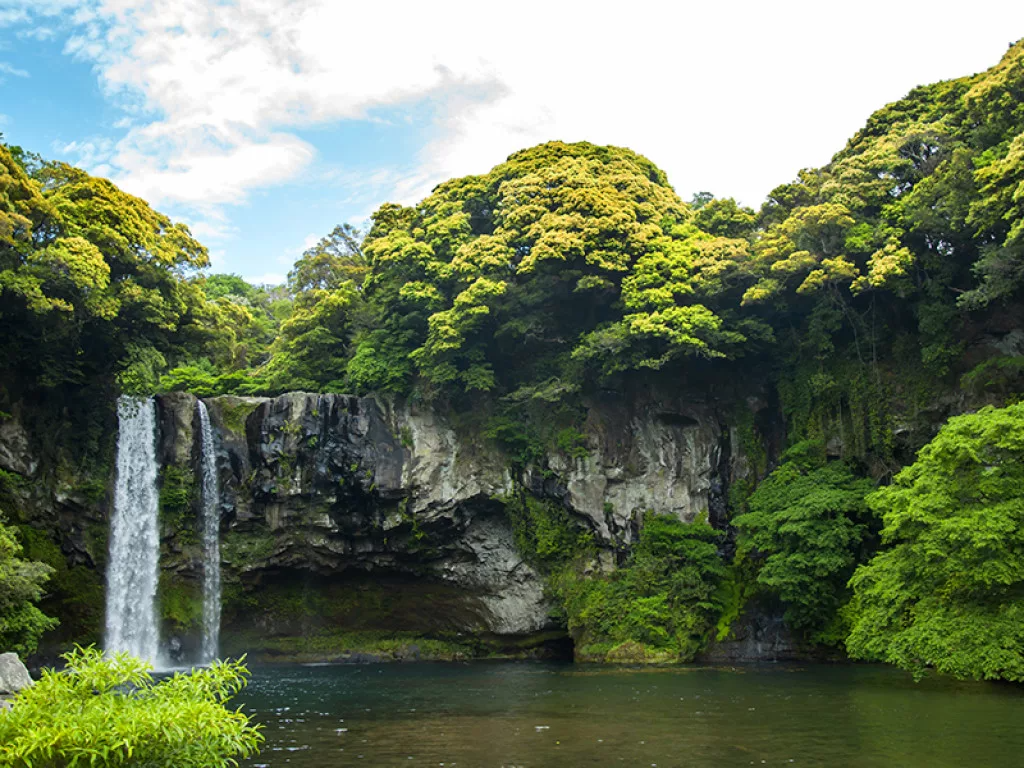
Seogwipo is a good base if your list includes waterfalls, coastal walks, and time around the southern shore. It’s an appealing choice for several nights when you have a car or you’re willing to plan bus journeys around the area.
Look closely at where the hotel sits. A place in central Seogwipo and a resort farther along the coast give you different dinner and transportation options.
Seongsan for the East Coast
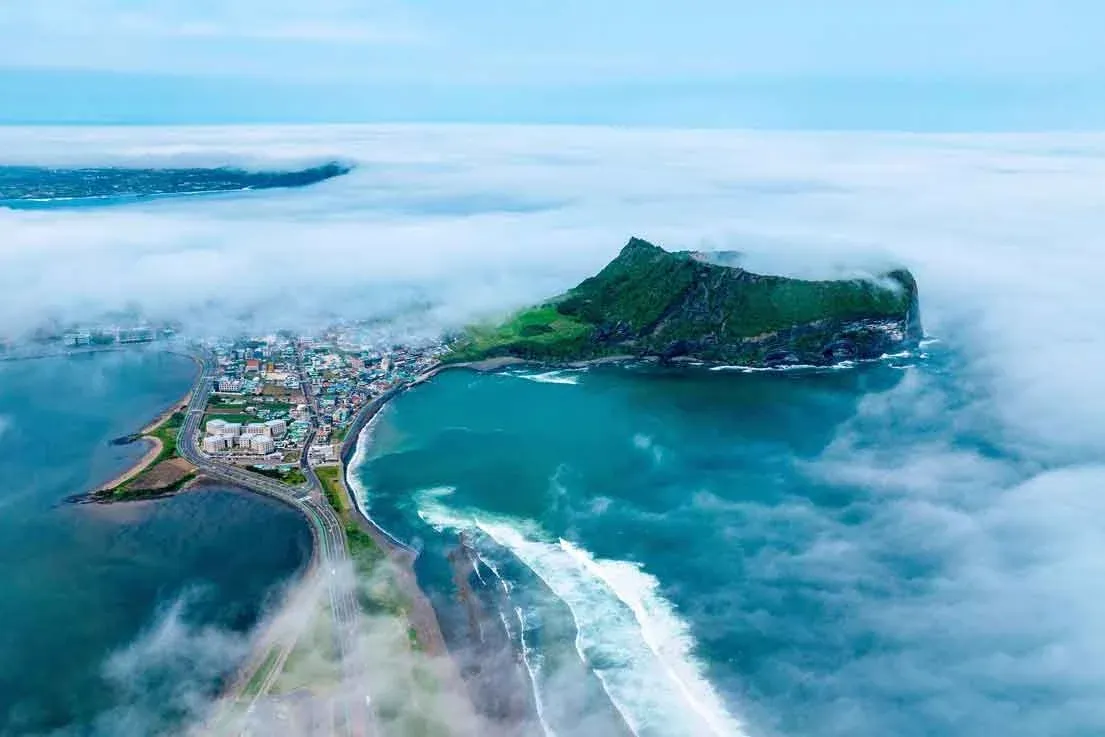
Stay near Seongsan if you want an early visit to Seongsan Ilchulbong or several stops on the east coast. This works best as part of a longer stay or when the eastern side is the main reason you’ve come.
For three nights, choose one base. With four or more, split the stay if it meaningfully reduces the driving and you don’t mind changing hotels.
What to See on Jeju
Seongsan Ilchulbong and the East Coast
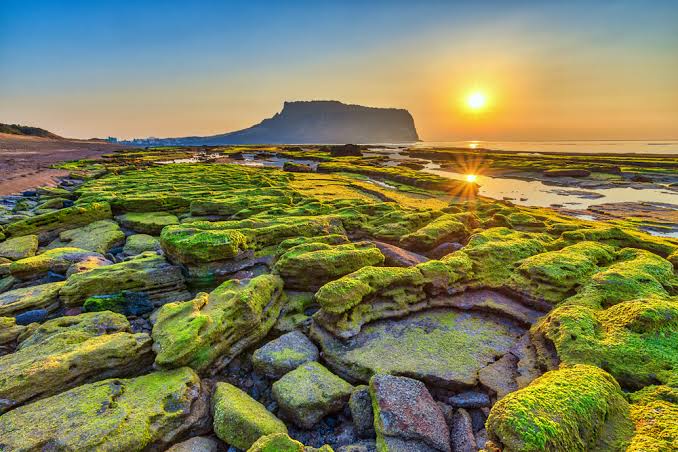
Seongsan Ilchulbong is one of Jeju’s most distinctive sights. From below, the steep green profile rises abruptly from the coast. From the walking routes, you can see how the crater relates to the surrounding shoreline.
Give it time, then choose one other nearby outing. Seopjikoji is a good addition if you want more coastal scenery. Udo works better when you have time for the ferry and several hours on the island.
Waterfalls and Coastal Walks Around Seogwipo
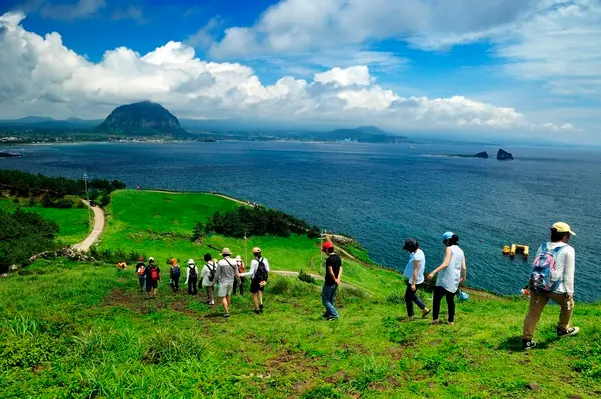
Jeongbang and Cheonjiyeon offer different settings, and you can choose one if you’d rather spend the rest of the day walking the coast. A section of the Jeju Olle trail is a way to slow the trip down and see places you’d otherwise drive through.
Check where your chosen walk ends. An out-and-back route can be simpler if you’re leaving the car behind or want an easy return to your hotel.
Hallasan for a Mountain Day
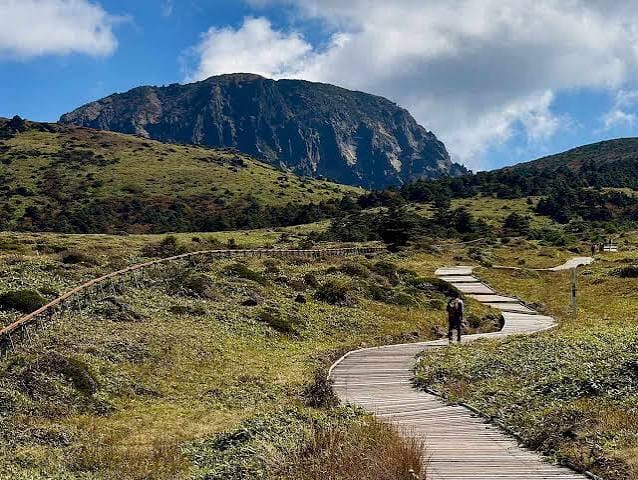
If Hallasan is a priority, keep a full day available and have a lower-elevation option. Check the official trail conditions, start rules, and any reservation requirements for the route you choose.
A summit hike is a substantial outing. Choose your route according to your experience and how much time you have. For other mountain trips around the country, see South Korea’s national parks.
Do You Need a Car on Jeju?
A car gives you more flexibility, particularly if you want several rural stops in one day. Buses are workable when you base yourself carefully and limit how many places you try to combine.
Choose the area first, then check what you can reach in a realistic day. If you’re relying on buses, stay close to a useful route and have a return plan before committing to an evening outing.
How to Fit Jeju Into a Mainland Trip
Add Jeju after you’ve given enough time to your mainland stops. If you have a week and are already trying to see Seoul and Busan, the island is often better saved for another trip. With two weeks, you have room to give it the nights it deserves.
Check the airport codes and connections in our South Korea transportation guide. To see where an island extension fits, start with the 10-day itinerary and the South Korea travel guide.