
5 Most Beautiful National Parks In Peru
From glacier-fed lakes in the Andes to Amazon wildlife and cloud forest, these are the most beautiful national parks in Peru and the ones that impress me most.
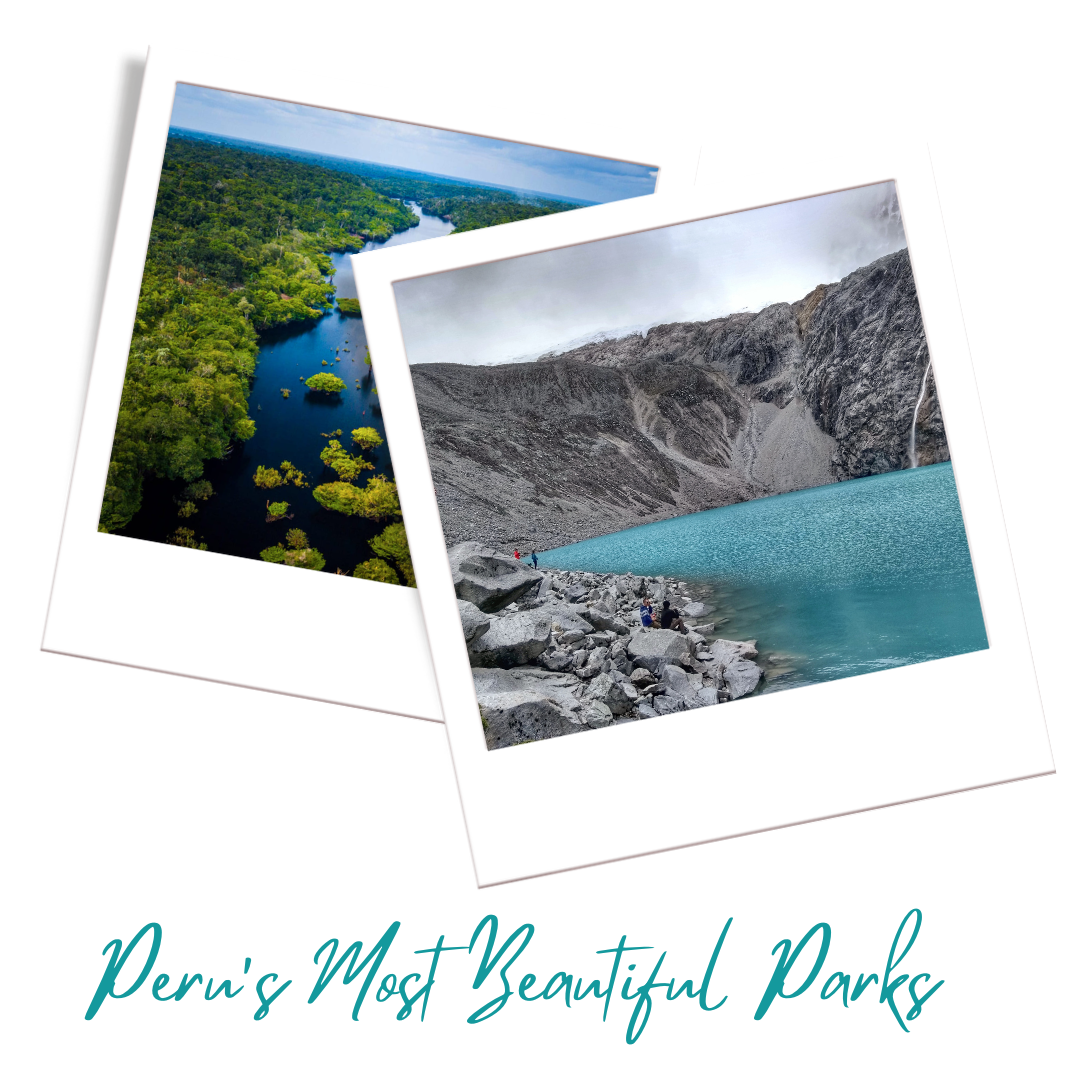
Peru has 15 national parks, and I’m always amazed by how much beauty this country packs into one trip. From glacier-fed lakes and snow-covered peaks to Amazon wildlife and cloud forest, here’s a look at the five most beautiful national parks in Peru—the ones that impressed me the most.
If you’re looking for more destinations to include into your itinerary, take a look at this guide to Peru’s most beautiful places.
Huascarán National Park
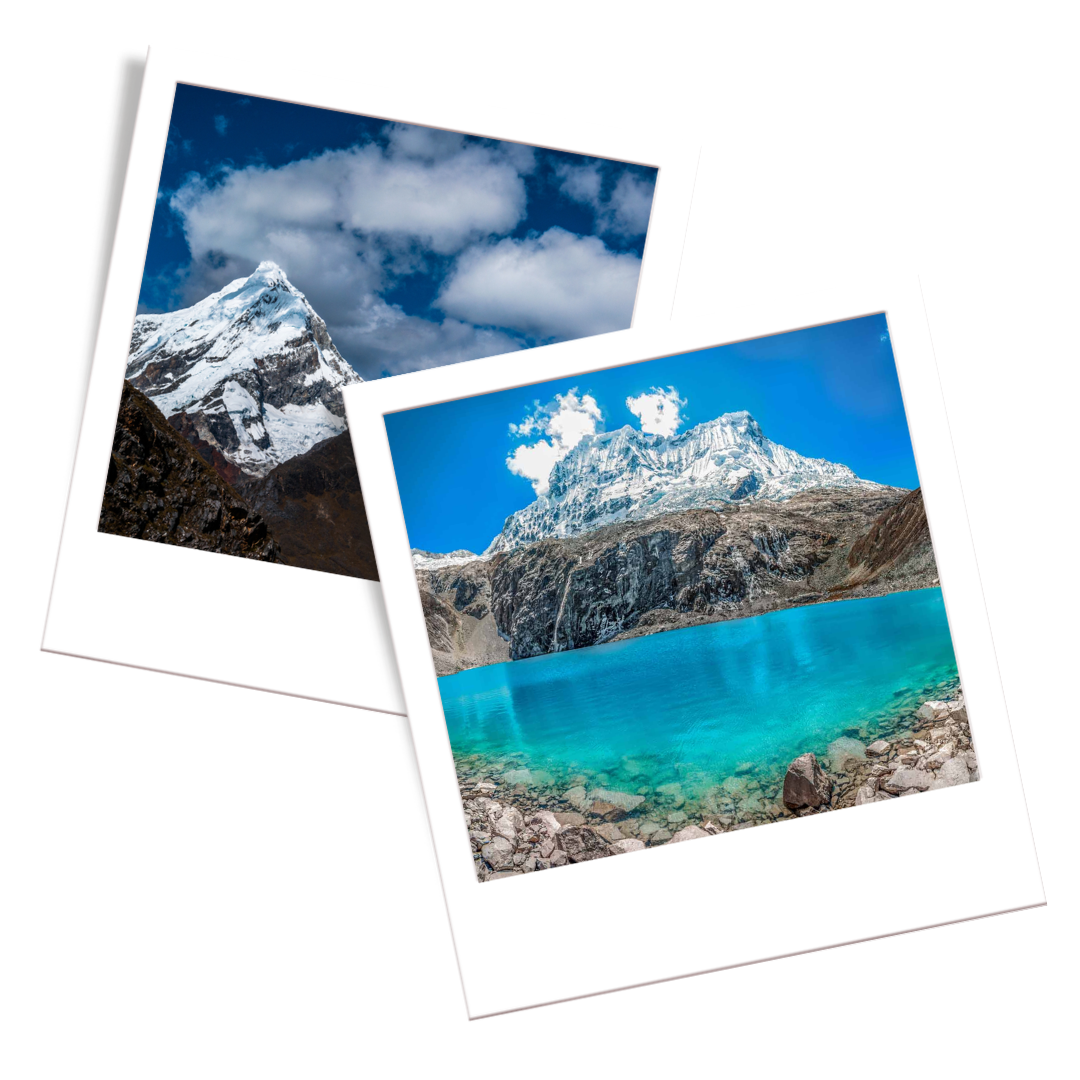
In Peru’s Ancash region, Huascarán National Park has 712 glaciers and 434 lakes, and scenery that swings from snow-covered peaks to glowing blue water at places like Laguna 69, Llanganuco, and Laguna Parón. I love how dramatic it feels in every direction, with huge mountain walls, high passes, quenual forests, and classic trekking routes like Santa Cruz. This is the park I’d send anyone to first for postcard-level beauty and a serious mountain adventure.
Huascarán Highlights
- The Cordillera Blanca, the highest tropical mountain range in the world
- Laguna 69, one of the most striking turquoise lakes in Peru
- Lake Llanganuco and Laguna Parón for classic alpine scenery
- The Santa Cruz trekking circuit and major climbing routes
Activities & Attractions
- Trek to Laguna 69
- Hike and camp on the Santa Cruz route
- Take a boat ride or enjoy the views around the Llanganuco lakes
- Go rock climbing, mountaineering, or mountain biking in the high Andes
Not A Member? ✈️
Save 40%-95% with Jetsetter Alerts - Airline Mistake Fare & Flash Sales Alerts!
Manu National Park
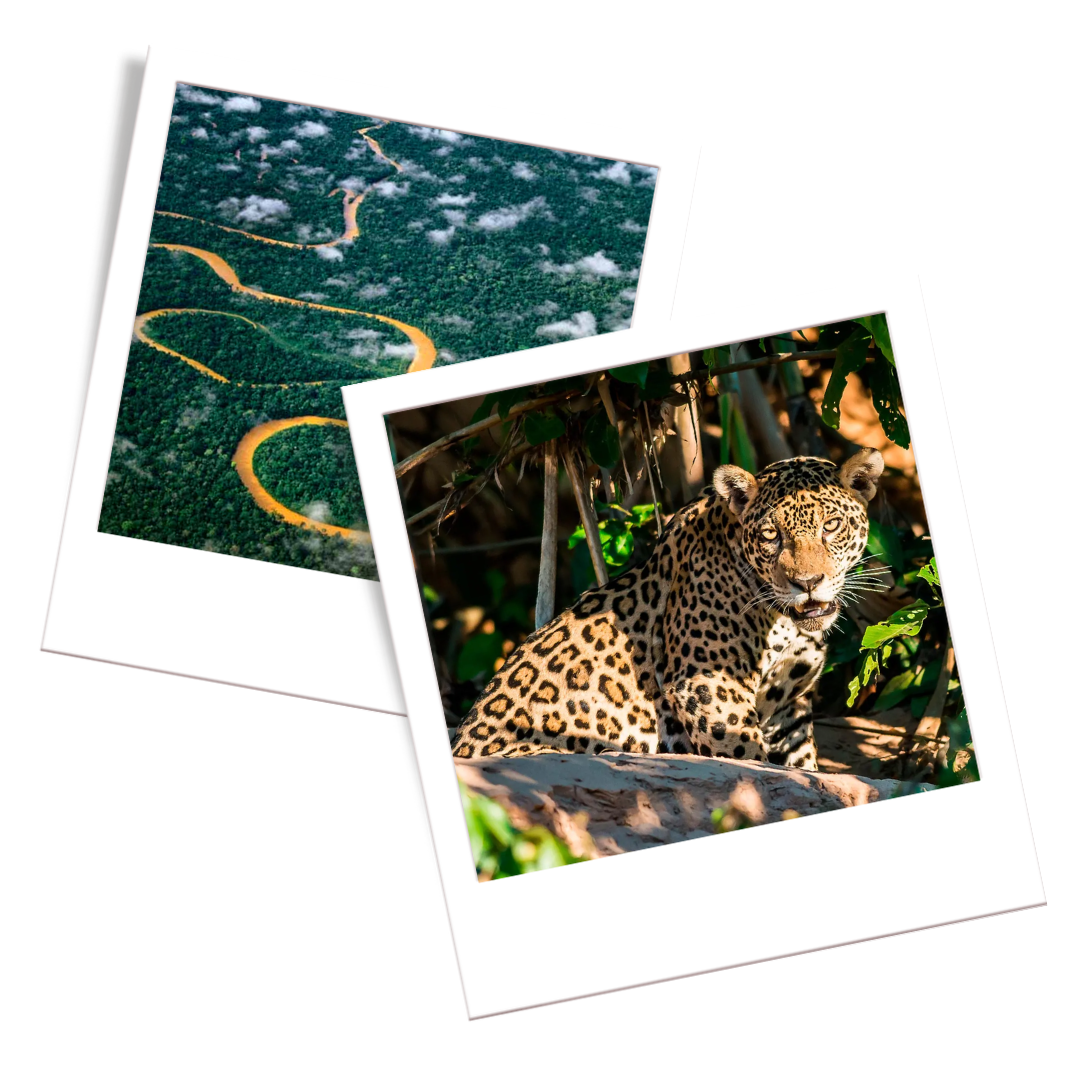
In southeastern Peru, stretching across Cusco and Madre de Dios, Manu National Park feels like several different worlds folded into one. I love that it takes me from high Andean grasslands and cloud forest down into deep Amazon river country, all inside one massive protected landscape. Between the misty forests, macaw-filled clay licks, giant river otters, and the sheer amount of life packed into every corner, this is one of the most unforgettable parks in South America. If I want raw wilderness and wildlife on another level, Manu is always one of the first places that comes to mind.
Manu Highlights
- UNESCO World Heritage and Biosphere Reserve status
- The Tres Cruces viewpoint and its famous sunrise over a sea of clouds
- Cocha Salvador and Cocha Otorongo for wildlife viewing
- Clay licks where parrots and macaws gather in large numbers
Activities & Attractions
- Watch sunrise from Tres Cruces
- Take guided wildlife boat trips along the Manu River
- Go birdwatching and wildlife spotting on forest trails
- Visit clay licks, oxbow lakes, and observation points with an authorized operator
Yanachaga-Chemillén National Park
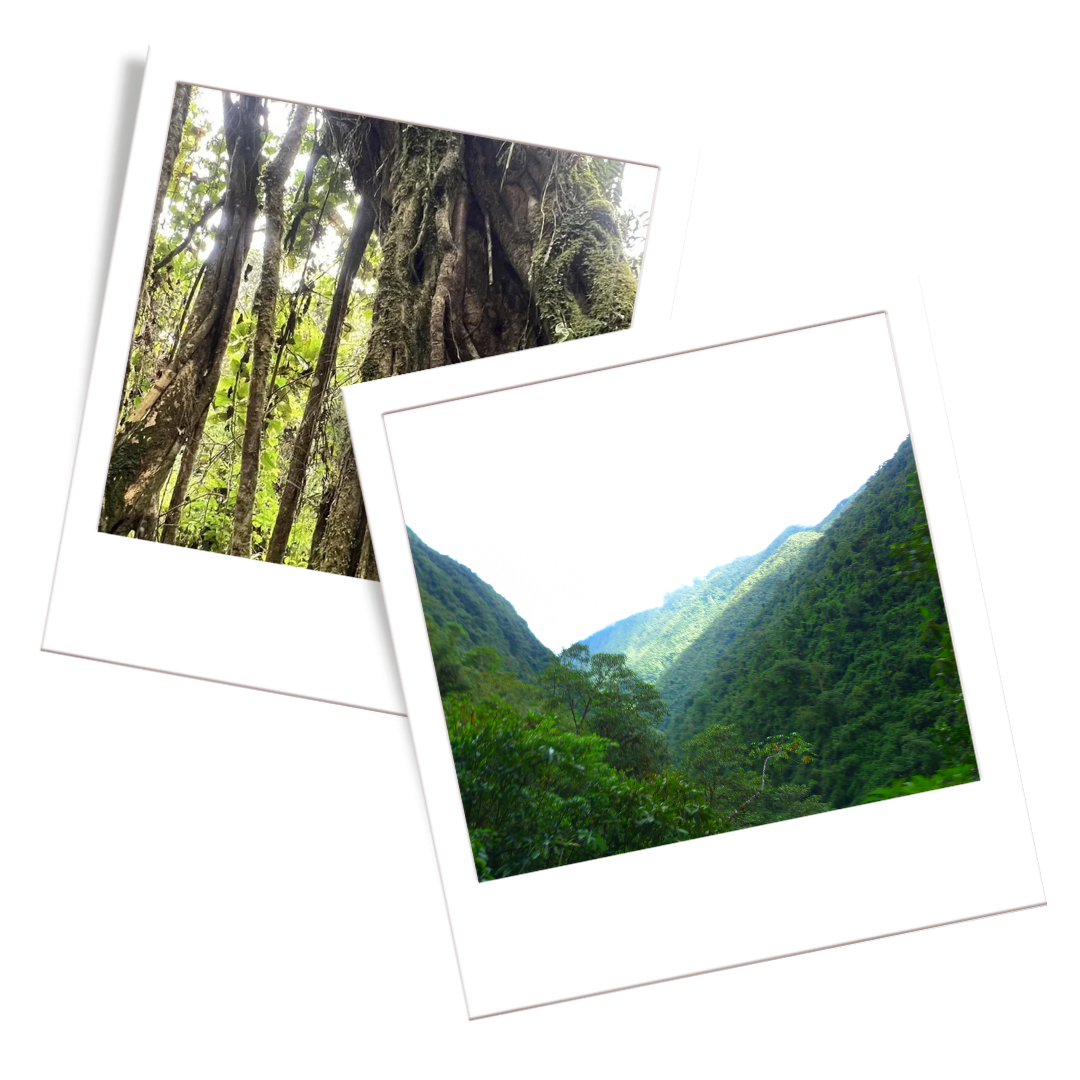
In central Peru near Oxapampa, Yanachaga-Chemillén National Park is one of the most underrated parks in the country. I love it for its cloud forest scenery, humid trails, deep canyons, orchids, and the kind of mountain views that feel lush and wild instead of harsh and rugged. The mix of low jungle, high jungle, and humid puna gives it a layered beauty that never feels repetitive. This is the kind of place I’d recommend to anyone who wants a greener, quieter, and more intimate side of Peru’s natural beauty.
Yanachaga-Chemillén Highlights
- Cloud forest scenery around Oxapampa
- Orchid trails, giant trees, bromeliads, and mossy forest
- Huampal for cock-of-the-rock sightings
- Huancabamba canyon views and scenic lookouts
Activities & Attractions
- Go birdwatching for cock-of-the-rocks and other cloud forest species
- Hike to viewpoints, canyon areas, and scenic forest trails
- Walk orchid routes and explore the park’s rich plant life
- Camp in designated areas and enjoy low-difficulty nature walks
Tingo María National Park
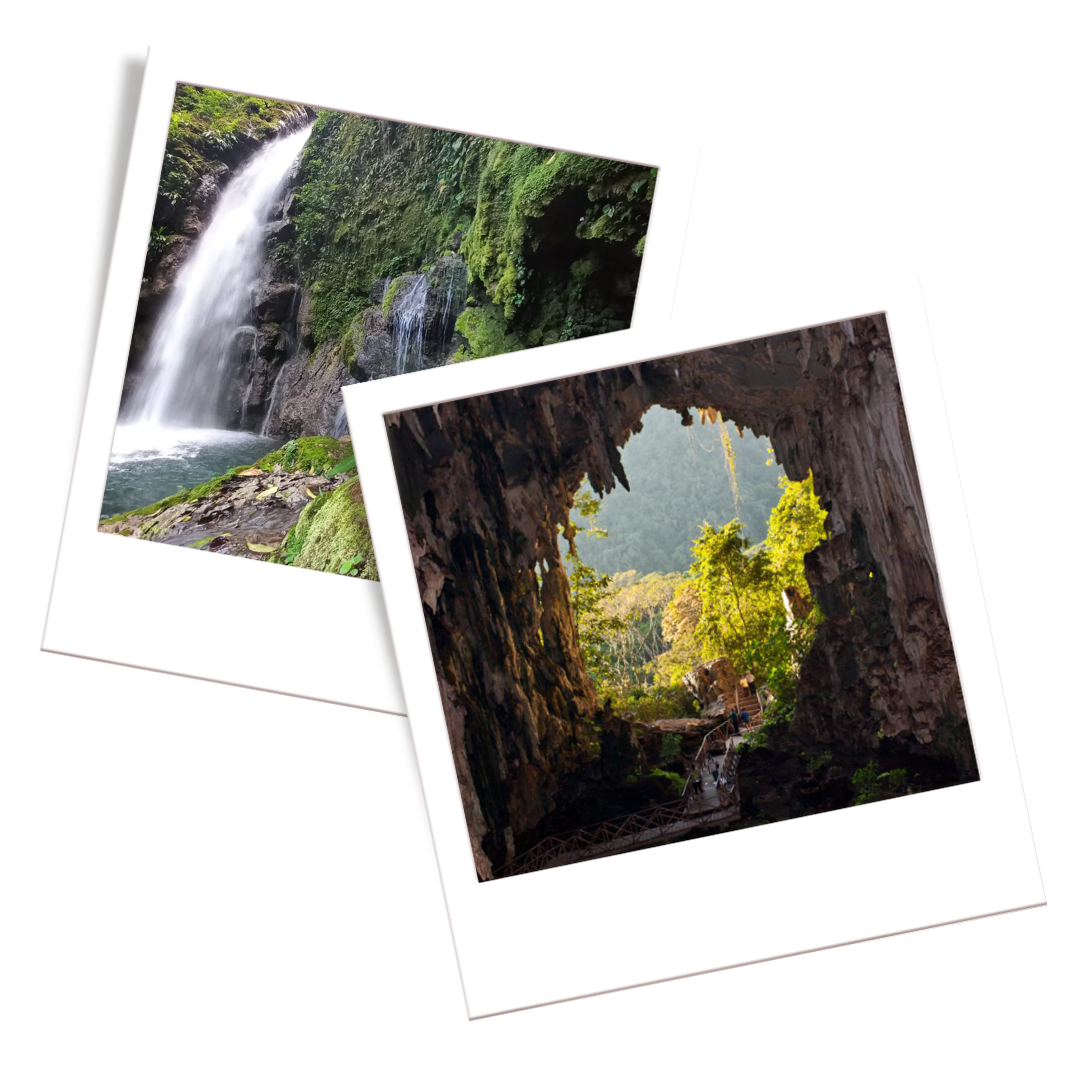
In the Huánuco region, Tingo María National Park is smaller than some of Peru’s more famous parks, but it packs in a lot of beauty for its size. I love the shape of La Bella Durmiente, the atmosphere around Cueva de las Lechuzas, and the waterfalls and swimming spots hidden in the forest. It feels lush, vibrant, and full of energy, with caves, jungle trails, oilbirds, and clear pools all close together. If I wanted an easier rainforest park experience without going deep into the Amazon, this is one of the first places I’d look.
Tingo María Highlights
- The La Bella Durmiente mountain formation
- Cueva de las Lechuzas and its famous oilbirds
- Gloriapata, Sol Naciente, Salto del Ángel, and La Quinceañera waterfalls
- Rich biodiversity with abundant birdlife and rainforest species
Activities & Attractions
- Visit Cueva de las Lechuzas
- Hike to jungle waterfalls
- Go birdwatching and wildlife spotting
- Swim in natural pools and camp in designated areas
Cerros de Amotape National Park
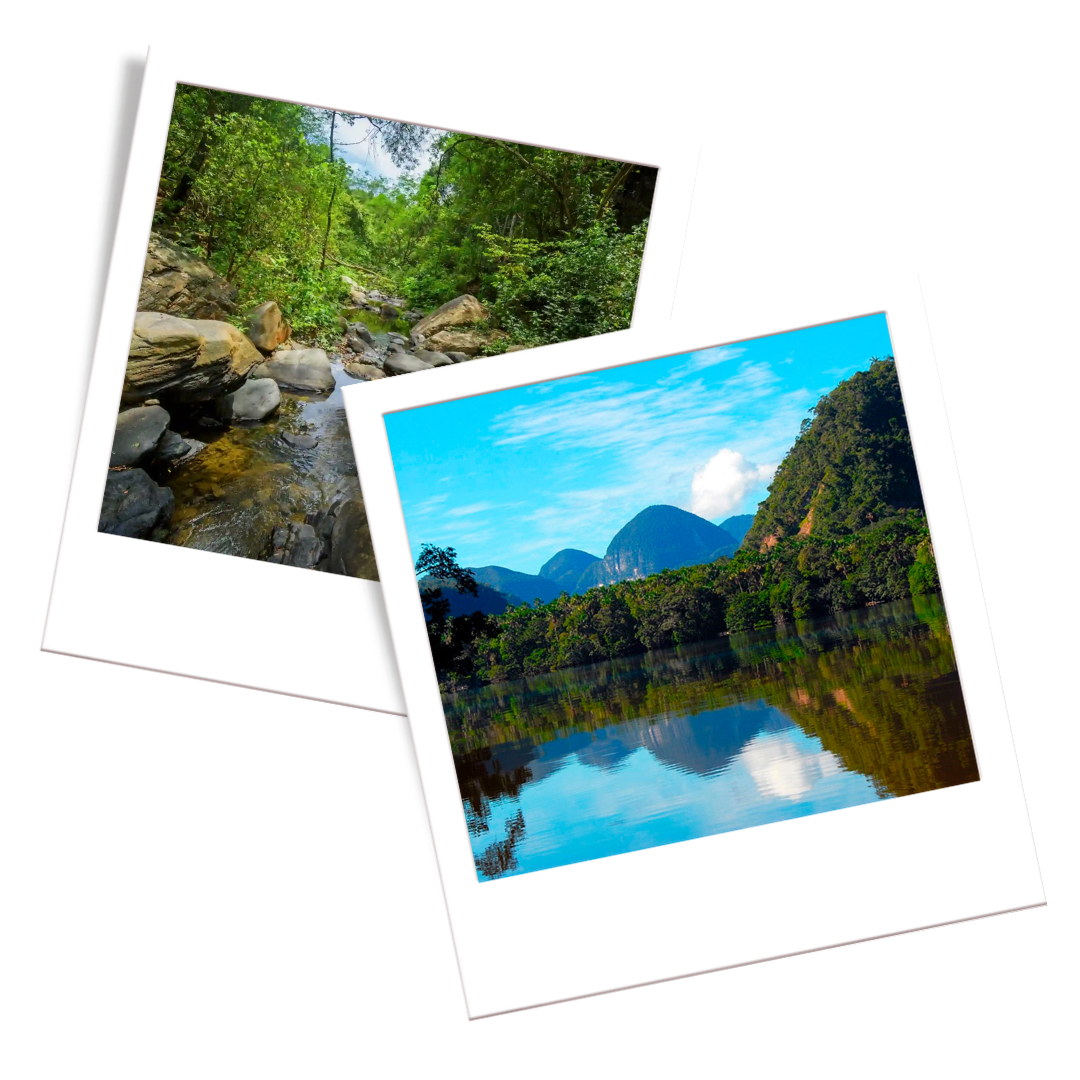
In far northern Peru between Tumbes and Piura, Cerros de Amotape National Park shows off a side of the country that a lot of travelers completely overlook. What I love most here is the contrast, with Pacific tropical forest in one area, equatorial dry forest in another, and the Tumbes River cutting through it all. It looks and feels totally different from the Andes or the Amazon, which is exactly what makes it stand out to me. If I wanted one of Peru’s most unusual and surprisingly beautiful national parks, this is the one I’d point to.
Cerros de Amotape Highlights
- A rare mix of Pacific Tropical Forest and Equatorial Dry Forest
- The Tumbes River, the only navigable river on Peru’s coast
- Rica Playa, El Caucho, and La Angostura ravine
- Strong birdlife and unique dry-forest wildlife
Activities & Attractions
- Hike forest and canyon trails
- Go birdwatching and wildlife photography
- Explore sections of the Tumbes River by canoe
- Camp in visitor areas and visit scenic viewpoints
The most beautiful national parks in Peru, in my view, are Huascarán, Manu, Yanachaga-Chemillén, Tingo María, and Cerros de Amotape. Each one shows off a completely different side of Peru’s natural beauty.
Top picks:- Huascarán for snowy Andean peaks and turquoise lakes
- Manu for Amazon wildlife and deep jungle scenery
- Yanachaga-Chemillén for orchids, cloud forest, and canyon views
- Tingo María for caves, waterfalls, and easy-access rainforest
- Cerros de Amotape for dry forest, tropical forest, and northern Peru landscapes
If I wanted the most visually diverse Peru itinerary possible, these five parks would be my top picks.
Manu National Park would be my top choice for wildlife. It’s one of the most biodiverse parks on the planet and one of the best places in Peru to spot giant river otters, macaws, monkeys, caimans, and even jaguars.
Why Manu stands out:- Huge range of habitats from cloud forest to lowland Amazon
- Excellent birdwatching and river-based wildlife viewing
- Clay licks, oxbow lakes, forest trails, and guided excursions
If wildlife is the priority, this is the park I’d choose first.
Huascarán National Park is the one I’d pick for hiking and mountain scenery. It has the kind of dramatic peaks, glacier views, and high-altitude lakes that make it one of the most visually impressive parks in Peru.
Why it stands out:- Laguna 69 is one of the most beautiful hikes in the country
- The Santa Cruz route is one of Peru’s classic trekking circuits
- The scenery is packed with glaciers, mountain passes, and bright alpine lakes
If the goal is trekking with huge views the entire way, Huascarán is the best pick.
The best overall time to visit Peru’s national parks is usually during the drier part of the year, especially from May to October. That stretch tends to work best for Andean scenery, hiking, and easier travel conditions.
General timing:- Huascarán: best in the dry season for clearer mountain views
- Manu: great for wildlife-focused trips, especially in drier months
- Yanachaga-Chemillén: usually better when rainfall is lower
- Tingo María: can be visited year-round
The best month really depends on whether the focus is hiking, wildlife, or overall accessibility.
That depends on the park. Some are easier to visit independently, while others are much better explored with a guide or organized operator.
How I’d think about it:- Manu: best with an authorized operator because of access and logistics
- Huascarán: easier with local support for routes and transport
- Yanachaga-Chemillén: more flexible for independent travel
- Tingo María: one of the easier parks to visit without a full expedition
- Cerros de Amotape: easier with local guidance because it’s less straightforward logistically
If I wanted the smoothest experience, I’d go guided for the more remote parks.
Explore More Beautiful Parks
- Argentina’s Most Beautiful National Parks
- Australia’s Most Beautiful National Parks
- Austria's National Parks
- Bolivia's Most Beautiful National Parks
- Brazil’s Most Beautiful National Parks
- Canada’s Most Beautiful National Parks
- China’s Most Beautiful National Parks
- Colombia’s Most Beautiful National Parks
- Denmark’s Most Beautiful National Parks
- France’s Most Beautiful National Parks
- Germany’s Most Beautiful National Parks
- Indonesia’s Most Beautiful National Parks
- Ireland’s Most Beautiful National Parks
- Italy’s Most Beautiful National Parks
- New Zealand’s Most Beautiful National Parks
- Russia’s Most Beautiful National Parks
- Spain’s Most Beautiful National Parks
- United States’ Most Beautiful National Parks
- The World’s Most Beautiful National Parks
- Khao Sok National Park Travel Guide
- Komodo National Park Travel Guide
- Best Parks to Explore on Vancouver Island
- Central America's Most Beauiful Naional Parks
- Thailand's Most Beautiful National Parks