
Getting Around Denmark: Visitors Transportation Guide
A complete guide to getting around Denmark by train, metro, bike, ferry, or car—what to use, when it’s best, and how to plan your routes.
Getting around Denmark is straightforward once you know which transportation option fits your travel style. The country is compact, well connected, and built for both public transit and cycling. You can move easily between cities by train, explore islands by ferry, bike through towns, or rent a car for rural areas and national parks.
This guide breaks down how to get around Denmark by city, region, and experience, covering trains, metros, buses, bikes, ferries, flights, and car rentals—plus when each option makes the most sense for your trip.
Getting Around Copenhagen
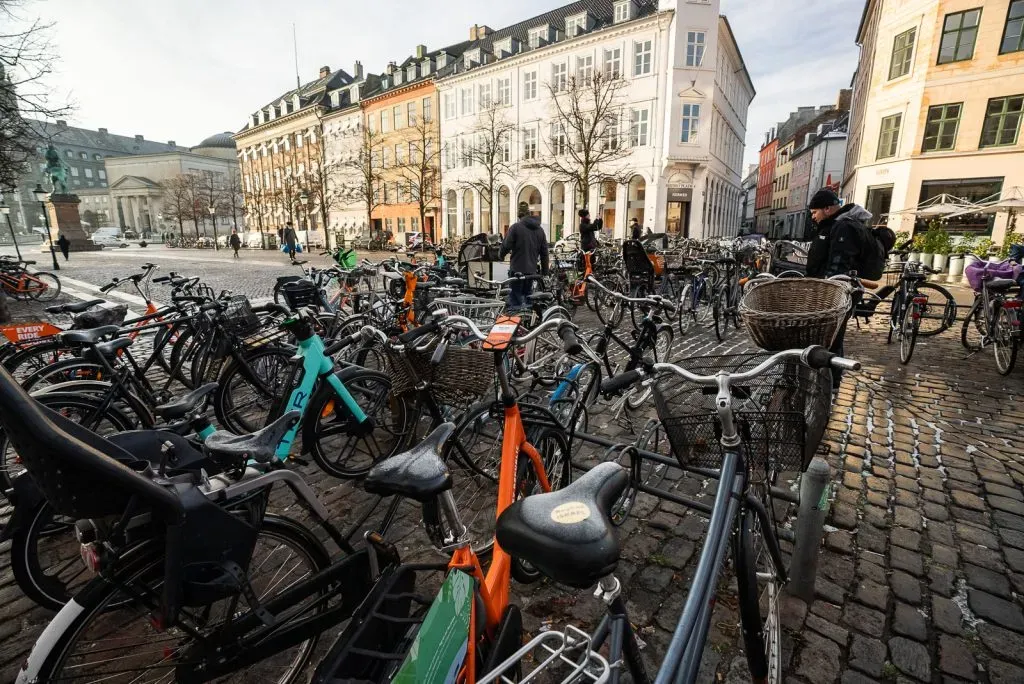
Copenhagen has one of the easiest public transportation systems in Europe, so most visitors don’t need a car. Honestly, you’ll notice it right away—parking spots are often packed with bikes, not cars.
Copenhagen Airport to City Center
From Copenhagen Airport (CPH), you have several fast options:
- Metro (M2 line) → runs directly to the city center
- Regional train → connects to Copenhagen Central Station
- Travel time: ~13–15 minutes
- Ticket: 3-zone ticket (about DKK 36)
Tickets can be purchased at machines or via the official transit app.
Not sure what to do in the Danish capital? Here’s a list of the best things to do in Copenhagen—everything on it is easy to reach by bike or public transportation.
Metro, S‑Train, and Buses
Copenhagen’s transport network includes:
- Metro (M1–M4) – fastest way around central areas
- S‑Train – suburban rail connecting outer neighborhoods
- City buses – frequent and reliable
If you’re staying more than a day, look into:
- City Pass (unlimited travel for set hours)
- Copenhagen Card (get unlimited transportation + access to 80+ attractions)
🔗Copenhagen Metro
🔗Copenhagen Card
Biking in Copenhagen
Copenhagen is one of the best cycling cities in the world.
- Bike lanes are everywhere
- Flat terrain makes riding easy
- Bike traffic rules are respected and enforced
You can rent bikes from:
- Local bike shops
- Donkey Republic (app-based rentals)
🚲 You can bring bikes on:
- Metro (not during weekday rush hours)
- Regional trains (bike ticket required)
Harbour Bus (Water Bus)
The Harbour Bus runs through Copenhagen’s canals and works like a regular bus.
- Same tickets as buses/metro
- Great for Nyhavn → Reffen → Islands Brygge
- Runs on electric power
Traveling Between Danish Cities
Train Travel in Denmark (DSB)
Trains are the backbone of long-distance travel in Denmark.
Popular routes:
- Copenhagen → Odense: ~1.5 hours
- Copenhagen → Aarhus: ~3 hours
- Copenhagen → Aalborg: ~4 hours
The national rail operator is DSB.
💡 Tip:
Look for DSB Orange tickets for cheaper off‑peak fares when booking ahead.
International Trains
- Copenhagen → Malmö (Sweden): ~40 minutes
- Copenhagen → Stockholm: ~5.5 hours (direct options available)
Getting Around Regions & Nature Areas
When Trains Are Best
Use trains if you’re:
- City hopping (Copenhagen, Odense, Aarhus, Aalborg)
- Traveling without strict schedules
- Avoiding driving in cities
When to Rent a Car
Renting a car is best for:
- Jutland road trips
- National parks
- Small villages and countryside
- West Coast beaches
- Flexible island exploration
Denmark’s roads are excellent, and driving is stress-free outside cities.
🔗 Rental comparison: https://www.rentalcars.com/
Buses & Coaches
For routes not covered by trains, buses fill the gaps.
- Regional buses connect towns and rural areas
- Long-distance coaches are budget-friendly
Major operators:
- 🔗FlixBus – domestic and European routes
- Eurolines – international connections
Ferries & Island Travel
With hundreds of islands, ferries are a normal part of travel in Denmark.
Popular ferry routes include:
- To Bornholm
- To Samsø
- To Ærø
- To Fanø
- To Mandø (tide-dependent)
🔗 Ferry
🔗 DFDS Routes
💡 Tip:
Some smaller ferries require advance booking in summer.
Domestic Flights & Seaplanes
Flying within Denmark is rarely necessary, but it can save time in certain cases.
Domestic routes connect Copenhagen with:
- Aalborg
- Aarhus
- Billund
- Bornholm
Operators include SAS, Norwegian, DAT, and Alsie Express.
🔗 SAS: https://www.flysas.com/
🔗 DAT: https://www.dat.dk/
✈️ There’s also a seaplane between Copenhagen and Aarhus:
🔗 https://www.nordicseaplanes.com/
Transportation by Travel Style
Best for City Travelers
- Metro
- Trains
- Bikes
- Walking
Best for Nature & National Parks
- Rental car
- Regional buses (limited flexibility)
Best for Island Hopping
- Trains + ferries
- Car + ferry (if exploring deeply)
Best for Budget Travelers
- Trains booked early
- Buses
- City passes
Planning the rest of your trip?
Transportation is just one part of planning a smooth trip. For destination ideas, seasonal tips, and itinerary planning, start with the Ultimate Denmark Travel Guide.
If you’re deciding when to go, pair this guide with our Best Time to Visit Denmark breakdown.