
Ultimate Denmark Travel Guide: Cities, Attractions, and Tips
Denmark travel guide with top cities, best attractions, when to visit, what to pack, travel costs, and tips for every season.
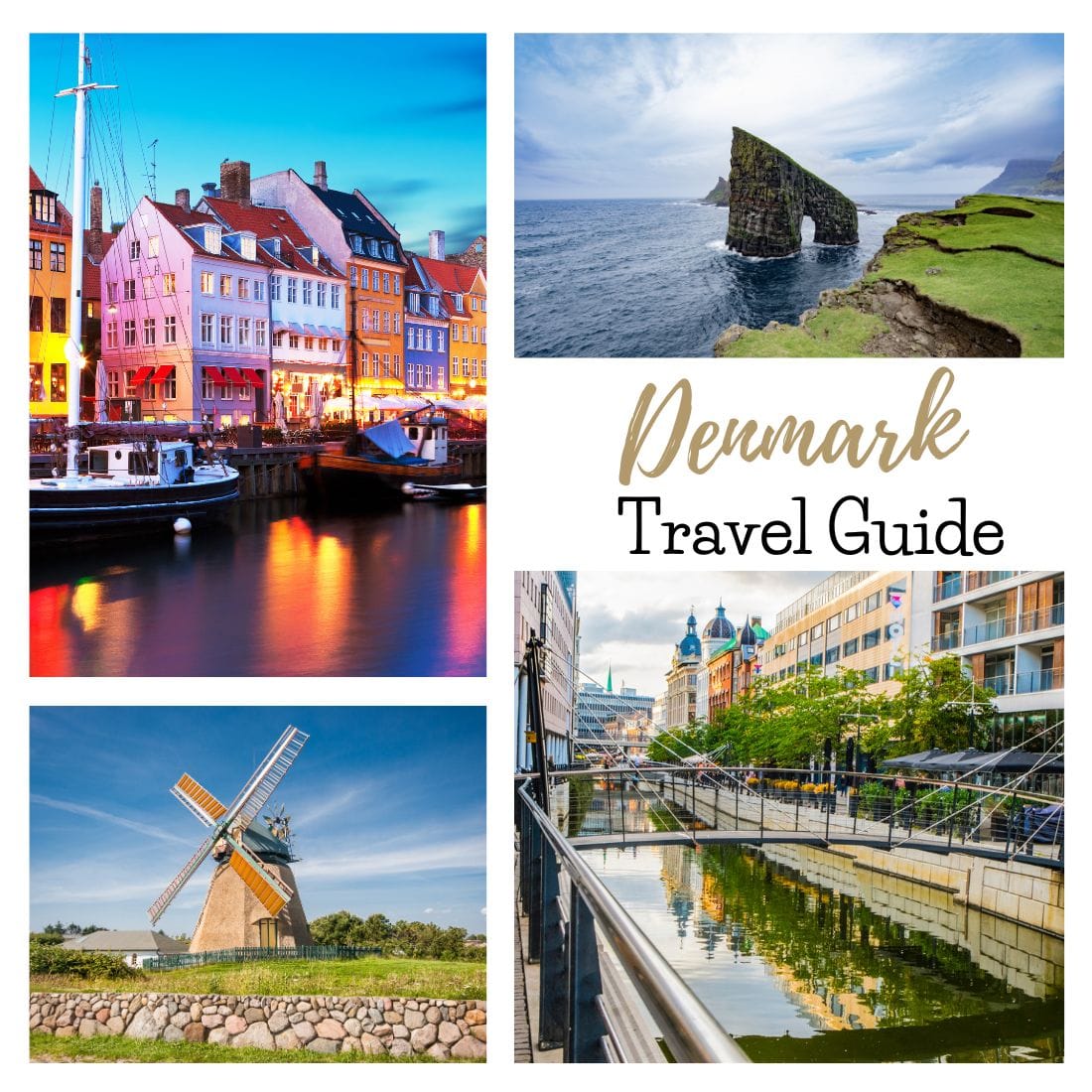
Let this Denmark travel guide be your hub for discovering Denmark’s best destinations, hidden gems, cultural highlights, and planning tips. Click through each section to explore more in-depth guides on each location or theme.
FAQ About Visiting Denmark
Best Cities to Visit in Denmark
Explore the top cities in Denmark—from the capital to artsy coastal hubs.
- Copenhagen
- Aarhus
- Odense
- Aalborg
Not A Member? ✈️
Save 40%-95% with Jetsetter Alerts - Airline Mistake Fare & Flash Sales Alerts!
Fairytale Castles & Royal Palaces in Denmark
Denmark has some of the most storybook-like castles in Europe. Here are the most iconic ones to visit:
- Kronborg Castle (Hamlet's Castle)
- Frederiksborg Castle
- Amalienborg Palace
- Christiansborg Palace
- Egeskov Castle
 Jetsetter Alerts
Denmark's Best Villages, Coastal Towns & Islands
Charming beach towns, scenic villages, and remote islands are perfect for those wanting to explore the real Denmark, or simply add a few day trips.
- Skagen
- Ærø & Ærøskøbing
- Fanø Island
- Bornholm Island
- Samsø Island
- Ribe
- Dragør
- Ebeltoft
- Gudhjem
- Sønderho
 Jetsetter Alerts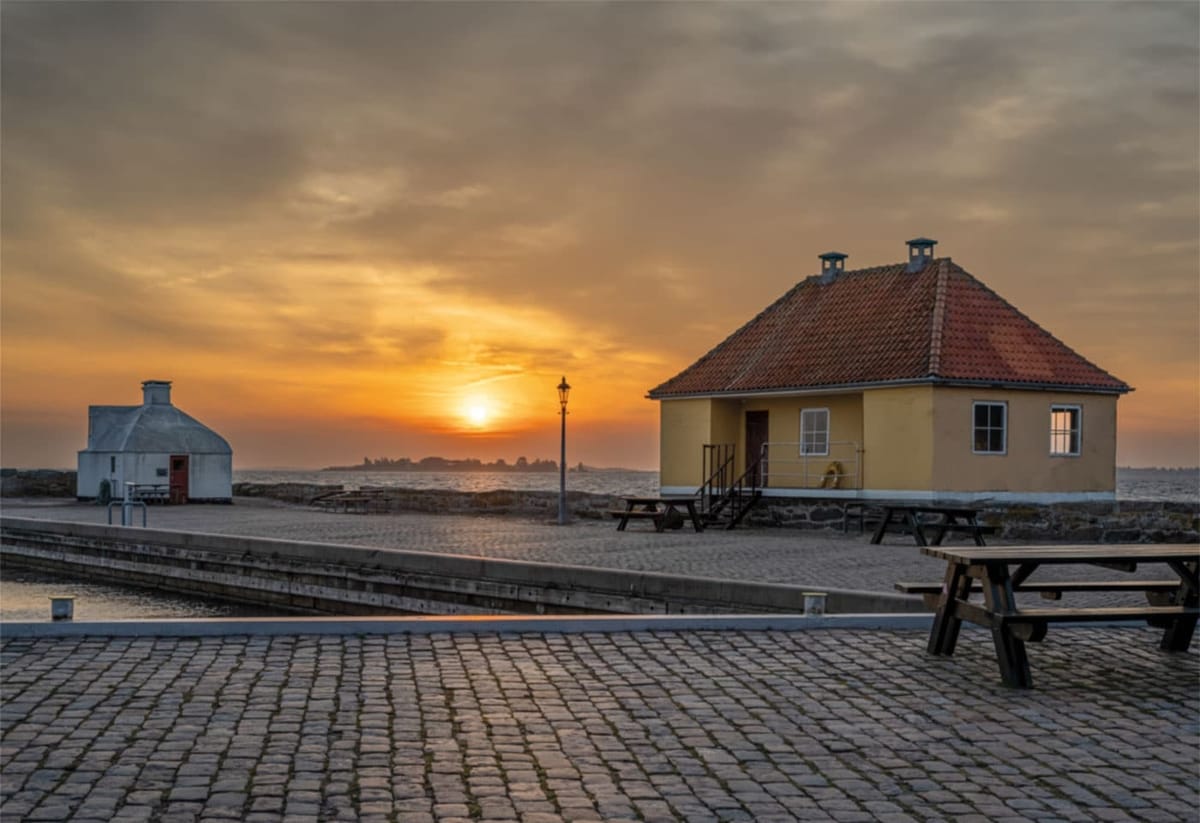
Museums & Historic Attractions in Denmark
For travelers who love museums, Viking history, and heritage sites.
- National Museum of Denmark
- ARoS Aarhus Art Museum
- Viking Ship Museum in Roskilde
- UNESCO-listed Roskilde Cathedral
- Jelling Stones – Viking Rune Stones
 Jetsetter Alerts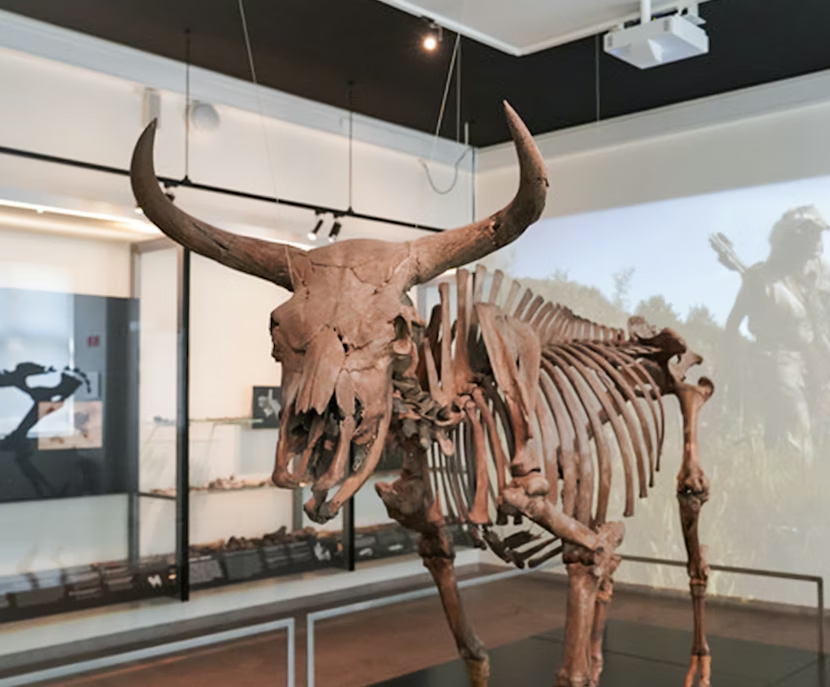
Denmark's Most Beautiful Places To Visit
Denmark isn’t known for mountains, but it’s full of beautiful coastal landscapes, forests, and walking trails.
- Møns Klint
- Skagen’s Grenen
- Råbjerg Mile
- Stevns Klint
- Thy National Park
- The Lake District of Central Jutland
- The Cliffs of Bulbjerg
- Wadden Sea National Park
- Samsø
- Bornholm’s Hammershus
- Mols Bjerge National Park
- Jægersborg Dyrehave
 Kylie Jones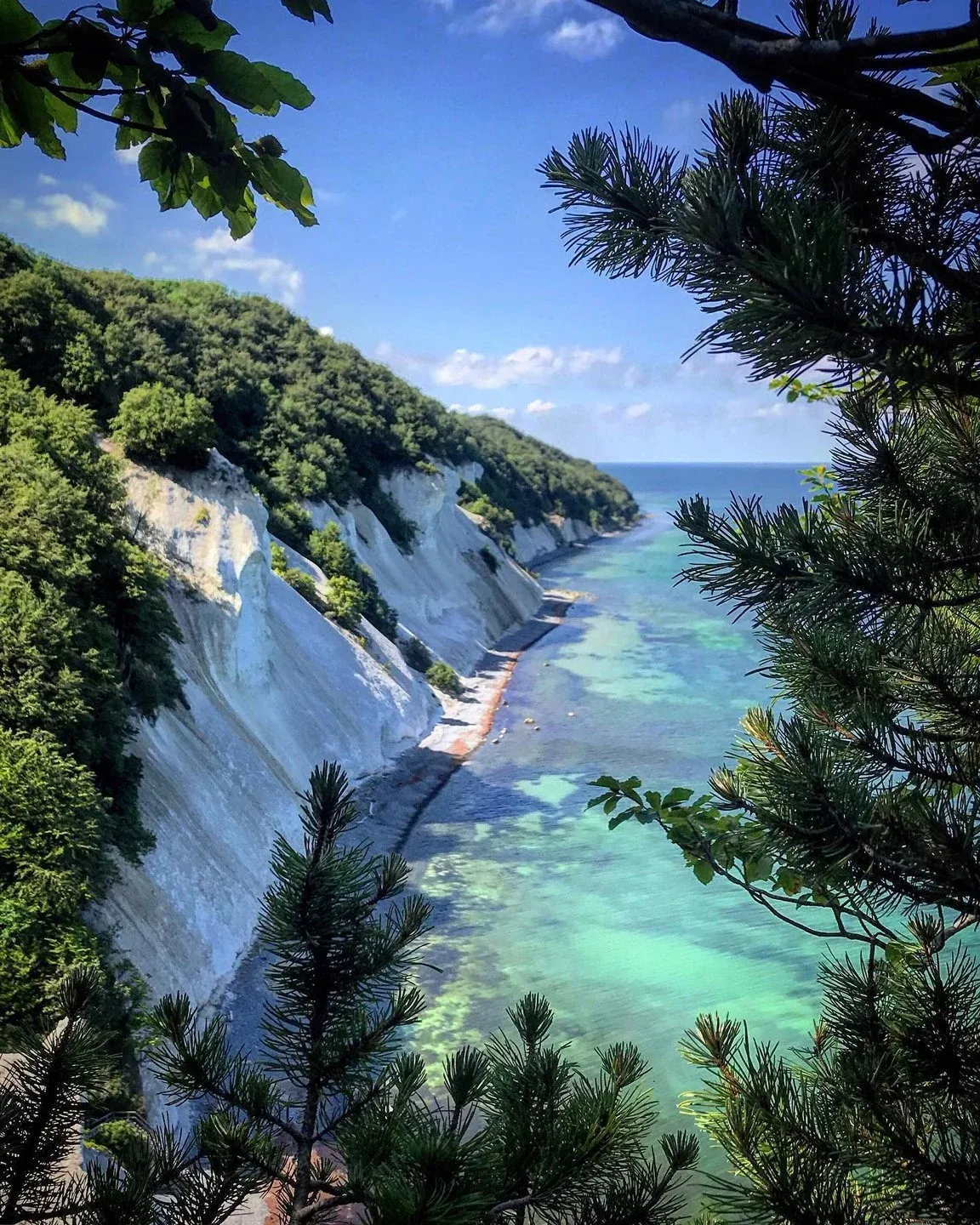
Seasonal Events & Festivals in Denmark
Plan your trip around Denmark’s top annual events and festivals.
- Roskilde Festival
- Aarhus Festuge
- Copenhagen Jazz Festival
- Christmas Markets (Tivoli, Odense, Aarhus)
- Midsummer’s Eve (Sankt Hans Aften)
Best Time to Visit Denmark
Month-by-month travel tips:
- Summer (June–August) for outdoor activities and festivals
- Fall (September–October) for fewer crowds and cozy towns
- Winter (December–February) for hygge, Christmas markets, and indoor culture
- Spring (March–May) for fresh air, bike rides, and quiet cities
 Jetsetter Alerts
How to Get Around Denmark
Getting around Denmark is surprisingly easy, whether you're sticking to the cities or heading off the beaten path. Most visitors rely on a mix of bikes, trains, ferries, and local transit — and for island hopping or exploring rural areas, renting a car can open up even more options.
Learn more about transportation in Denmark, including trains, metros, ferries, and rental tips.