
Cost To Visit Ireland: Travel Budget Guide (2026)
See the cost to visit Ireland, including hotels, food, transportation, attractions, day trips, and realistic daily and weekly travel budgets.
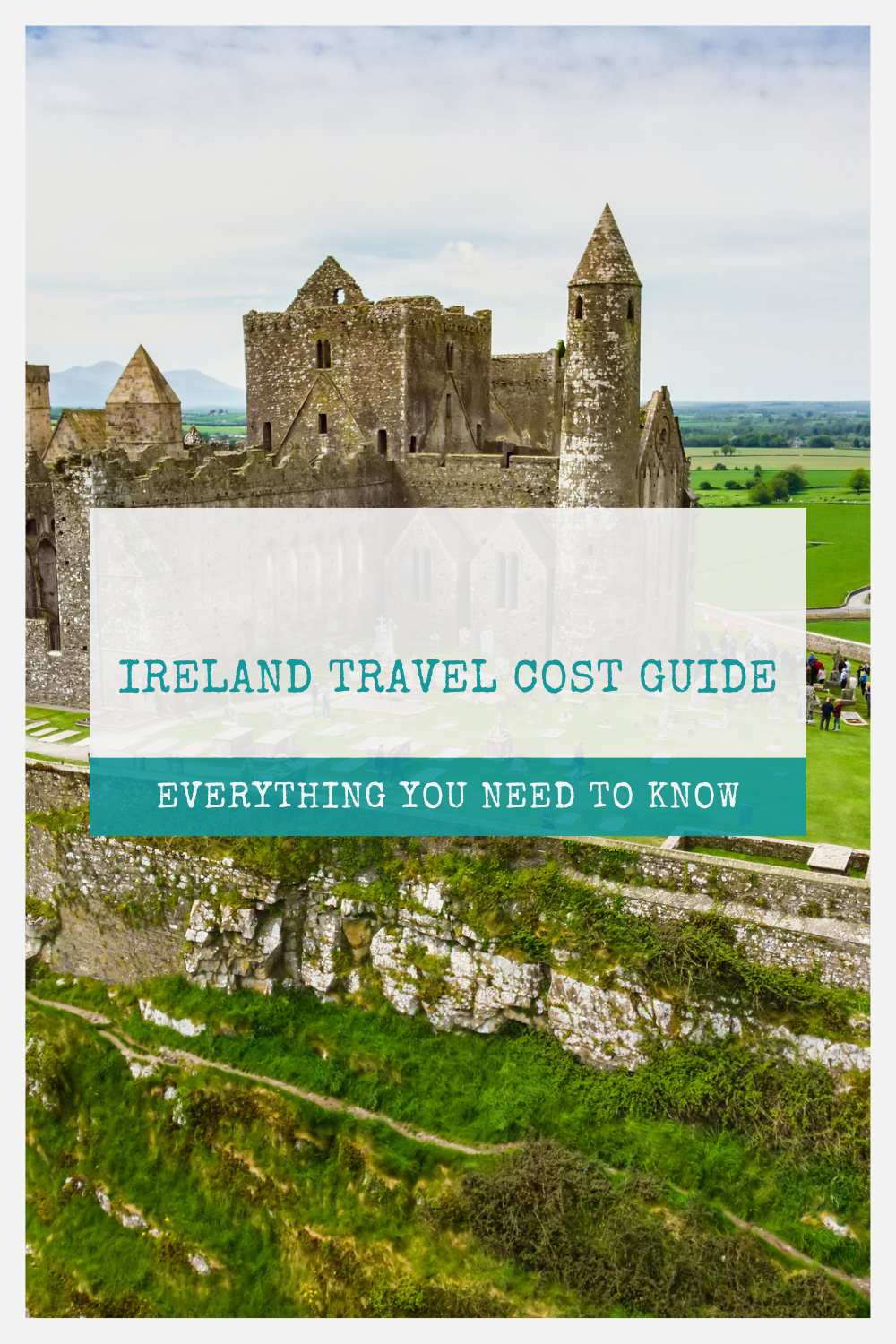
In this guide, you’ll find the average cost to visit Ireland, including the daily budget you will need, transportation costs, and what to expect to spend in peak, shoulder, and off-season travel periods.
Not A Member? ✈️
Save 40%-95% with Jetsetter Alerts - Airline Mistake Fare & Flash Sales Alerts!
Is Ireland Expensive To Visit?
Yes, Ireland can be one of the most expensive European nations to visit. It's a lot more affordable than Switzerland, Iceland, Norway, and the most expensive parts of Western Europe, but it is still a destination where accommodation and transportation can take up a large share of your trip budget.
Overall, Ireland is a moderately expensive to expensive country for most visitors. A trip focused on Dublin, Galway, Killarney, Dingle, the Ring of Kerry, and the Cliffs of Moher in July or August will usually cost much more than a slower off-season trip using buses, guesthouses, supermarket meals, and free attractions.
For many travelers, Ireland stays more affordable when you:
- Spend fewer nights in Dublin and more time in smaller towns
- Travel in April, May, September, October, or winter instead of peak summer
- Use trains and buses between cities instead of renting a car for the whole trip
- Book lodging early, especially for Dublin, Galway, Killarney, Dingle, and festival dates
- Mix paid attractions with free museums, national parks, coastal walks, and scenic drives
Use our cost to visit Dublin guide if your trip starts or ends in the capital
Ireland's Cheapest and Most Costly Areas
Ireland has a wide price gap between high-demand tourist hubs and smaller towns. Dublin is usually the most expensive base overall, especially for hotels, nightlife, restaurants, and taxis. Galway and Killarney can also become expensive during peak season because both are major gateways for west-coast itineraries.
The most expensive places in Ireland are usually:
- Dublin: Ireland’s priciest city for hotels, restaurants, nightlife, and taxis. Costs are highest in central neighborhoods, during weekends, concerts, St. Patrick’s Day, and summer.
- Galway: a popular west-coast base with strong hotel demand, especially in summer and during festivals. A possible tourist tax has also been discussed in Galway, so future lodging costs could change.
- Killarney: a beautiful but high-demand base for Killarney National Park, the Ring of Kerry, and the Gap of Dunloe.
- Dingle and parts of County Kerry: charming and scenic, but lodging supply can be tight in summer.
- Cliffs of Moher / Doolin area: not always expensive for a quick stop, but car-based itineraries, tours, and coastal lodging can raise the total quickly.
Some of the better-value places to stay in Ireland are usually:
- Cork: often better value than Dublin and a strong base for food, history, Blarney Castle, Cobh, and Kinsale. See our guide: Things for first timers to do when visiting Cork Ireland.
- Limerick: useful for the west and southwest, usually less expensive than Galway or Killarney.
- Waterford: good value for history, coastline, and southeast Ireland.
- Sligo: a scenic and often better-value base for beaches, hikes, surfing, and northwest Ireland.
- Athlone, Westport, Ennis, Kilkenny, and smaller inland towns: prices vary, but they can offer better lodging value than the biggest tourist hotspots.
Ireland Vacation Costs
Below is a detailed expense breakdown for accommodations, food, transportation, and attractions—followed by realistic daily/weekly budgets needed to visit.
Peak Season
- Budget Travelers: €40–110 ($47–$129) per night
- Mid-Range Travelers: €120–260 ($140–$304) per night
- Luxury Travelers: €300–850+ ($351–$994+) per night
Shoulder-Season
- Budget Travelers: €35–90 ($41–$105) per night
- Mid-Range Travelers: €95–220 ($111–$257) per night
- Luxury Travelers: €240–650+ ($281–$760+) per night
Off-Season
- Budget Travelers: €30–75 ($35–$88) per night
- Mid-Range Travelers: €80–180 ($94–$211) per night
- Luxury Travelers: €190–520+ ($222–$608+) per night
Dublin, Galway, Killarney, Dingle, and popular west-coast routes usually sit on the higher end. Smaller inland towns, parts of Cork, Sligo, Waterford, and Limerick are often easier on the wallet.
Food Cost
Budget Travelers
- Breakfast: €5–12 ($6–$14)
- Lunch: €8–16 ($9–$19)
- Dinner: €12–25 ($14–$29)
Mid-Range Travelers
- Breakfast: €12–22 ($14–$26)
- Lunch: €16–30 ($19–$35)
- Dinner: €28–55 ($33–$64)
Luxury Travelers
- Breakfast: €22–40 ($26–$47)
- Lunch: €30–65 ($35–$76)
- Dinner: €70–160+ ($82–$187+)
Ireland's food costs are manageable if you use supermarkets, and apartment stays with kitchens. Dublin, Galway, and Killarney nightlife can raise food and drink costs quickly.
Transportation Cost
Airport → City
- Dublin public bus / local transit option: €2–4 ($2–$5)
- Dublin airport coach / express bus: €6–10 ($7–$12)
- Taxi to central Dublin: €30–50 ($35–$58)
- Private airport transfer: €80–160+ ($94–$187+)
Getting Around Ireland
Long-Distance Buses
- Shorter regional bus: €8–20 ($9–$23)
- Longer intercity bus: €16–35 ($19–$41)
- Premium airport/intercity coach on popular routes: €18–45+ ($21–$53+)
Trains
- Shorter rail trip: €10–25 ($12–$29)
- Dublin to major city route when booked ahead: €20–55 ($23–$64)
- Last-minute or peak-time intercity rail: €45–90+ ($53–$105+)
Local Transit
- Dublin TFI 90 Minute Fare with Leap: €2 ($2)
- Dublin daily Leap cap: €6 ($7)
- Dublin weekly Leap cap: €24 ($28)
- Cork, Galway, Limerick, and Waterford city bus with Leap: usually around €1.35 ($2)
- Typical daily local transit spend: €4–12 ($5–$14)
Taxis / Ride Services
- Short city ride: €10–18 ($12–$21)
- Longer city ride: €18–35+ ($21–$41+)
- Airport / suburban ride: €30–55+ ($35–$64+)
Rental Car
Compact car:
- Off-Season: €27–45/day ($32–$53/day)
- Shoulder: €35–65/day ($41–$76/day)
- Peak: €50–110+/day ($59–$129+/day)
Fuel + Parking (typical daily):
- €25–70 ($29–$82)
Ireland is easiest to explore with a rental car if you want rural villages, castles, national parks, and coastal regions. Many travelers can save by using public transport in Dublin first, then renting a car only for the countryside.
If visiting Dublin, check out our Dublin public transportation guide.
Attractions
Current ticket examples were checked against official attraction pages where possible, including Guinness Storehouse, Book of Kells Experience, Dublin Castle, St. Patrick’s Cathedral, EPIC, Blarney Castle, Cliffs of Moher, Kilkenny Castle, Malahide Castle, and Powerscourt.
- Guinness Storehouse in Dublin: one of Ireland’s most popular paid attractions; usually around €22–35+ ($26–$41+) depending on date, time, and ticket type
- Book of Kells Experience at Trinity College Dublin: usually from about €26 ($30) for the standard experience, with guided options costing more
- Kilmainham Gaol Museum: one of Dublin’s best-value major historic attractions; usually around €8 ($9)
- Dublin Castle: usually €8 ($9) self-guided or €12 ($14) guided, though access can change during official closures or events
- St. Patrick’s Cathedral Dublin: usually around €11.50 ($13) for adult admission
- EPIC The Irish Emigration Museum: usually around €22 ($26) online for adults, with lower-price late-entry and advance-booking options at times
- Cliffs of Moher: usually from about €8 ($9) online for adults, with pricing varying by time and ticket type
- Blarney Castle & Gardens: usually around €24 ($28) for adult admission
- Kilkenny Castle: usually around €8 ($9) self-guided
- Malahide Castle and Gardens: usually around €17–17.50 ($20–$21) for the castle tour
- Powerscourt Gardens: usually around €14 ($16) for adults
- National Museum of Ireland locations in Dublin: free general admission and excellent for budget travelers
- Killarney National Park: free to enter and one of Ireland’s best-value nature experiences
- Phoenix Park, St. Stephen’s Green, coastal walks, beaches, viewpoints, and many town centers: free
- For low-cost capital sightseeing, use our guide to free things to do in Dublin
- If your trip is focused on heritage, consider exploring beautiful castles in Ireland, Ireland's top places for history lovers, and Ireland's best museums.
Here’s a collection of popular Ireland tours, day trips, and attraction experiences you can compare and book in advance on GetYourGuide.com to save money.
Day Trip Costs
| Day Trip | Transportation Cost (Round Trip) | Top Attraction | Attraction Cost |
|---|---|---|---|
| Howth from Dublin | $5–$9 | Harbor, cliff walk, seafood, and coastal views | $0 |
| Glendalough from Dublin | $23–$53 | Monastic ruins, lakes, and Wicklow scenery | $0–$9 |
| Cliffs of Moher from Galway | $29–$82 | Cliff viewpoints and visitor experience | $9–$18 |
| Blarney Castle from Cork | $6–$18 | Castle, gardens, and Blarney Stone | $28 |
| Ring of Kerry from Killarney | $41–$94 | Scenic drive, villages, coast, and viewpoints | $0–$20 |
| Aran Islands from Galway | $41–$70 | Inis Mór, bike routes, stone forts, and sea views | $0–$12 |
| Kilkenny from Dublin | $21–$58 | Medieval Mile, castle area, and historic streets | $0–$18 |
| Dingle Peninsula from Killarney or Cork | $41–$94 | Slea Head Drive, beaches, villages, and coastal views | $0–$20 |
Daily Budget Needed For Ireland
| Season | Daily Total (Per Person) |
|---|---|
| Peak | $85–$160 |
| Shoulder | $70–$135 |
| Off-Season | $60–$115 |
| Season | Daily Total (Per Person) |
|---|---|
| Peak | $170–$355 |
| Shoulder | $140–$300 |
| Off-Season | $120–$255 |
| Season | Daily Total (Per Person) |
|---|---|
| Peak | $430–$1,200+ |
| Shoulder | $350–$950+ |
| Off-Season | $300–$750+ |
Weekly Budget (7 Days)
| Season | Lodging (7 nights) | Food (7 days) | Transport | Attractions | Total |
|---|---|---|---|---|---|
| Peak | $371–$903 | $203–$412 | $80–$250 | $50–$180 | $704–$1,745 |
| Shoulder | $287–$737 | $180–$380 | $70–$220 | $45–$160 | $582–$1,497 |
| Off-Season | $229–$614 | $160–$350 | $60–$190 | $40–$140 | $489–$1,294 |
| Season | Lodging (7 nights) | Food (7 days) | Transport | Attractions | Total |
|---|---|---|---|---|---|
| Peak | $1,148–$2,296 | $413–$826 | $175–$525 | $105–$280 | $1,841–$3,927 |
| Shoulder | $903–$1,804 | $350–$760 | $140–$450 | $90–$240 | $1,483–$3,254 |
| Off-Season | $737–$1,475 | $310–$690 | $120–$380 | $80–$220 | $1,247–$2,765 |
| Season | Lodging (7 nights) | Food (7 days) | Transport | Attractions | Total |
|---|---|---|---|---|---|
| Peak | $2,618–$7,371+ | $1,000–$2,345+ | $500–$2,200+ | $200–$700+ | $4,318–$12,616+ |
| Shoulder | $2,128–$5,733+ | $900–$2,100+ | $400–$1,800+ | $175–$600+ | $3,603–$10,233+ |
| Off-Season | $1,802–$4,505+ | $800–$1,950+ | $350–$1,500+ | $150–$500+ | $3,102–$8,455+ |
Ireland Travel Seasons
Peak (June–August, plus St. Patrick’s Day and major holidays)
Ireland is busiest in summer, when daylight is long, weather is usually at its best, and popular west-coast routes fill up. March can also become expensive around St. Patrick’s Day, especially in Dublin.
- Highest hotel prices in Dublin, Galway, Killarney, Dingle, and coastal towns
- Strongest demand for rental cars
- Popular attractions and day tours should be booked ahead
- Best season for long daylight hours, road trips, and outdoor scenery
- Worst season for last-minute lodging deals
Shoulder-Season (April–May, September–October)
This is usually the best balance of cost, comfort, and sightseeing for many visitors. Shoulder season often means fewer crowds than summer, better lodging availability, and still enough daylight for road trips and day tours. Rick Steves also describes mid-April through May and late September through October as shoulder season for Ireland.
- Better value than peak summer
- Good months for Dublin, Cork, Galway, Killarney, and scenic routes
- More comfortable crowds at top attractions
- Weather is still unpredictable, but usually manageable
- Strong choice for first-time visitors who want value without winter limitations
Off-Season (November–February)
This is usually the cheapest period for many Ireland hotel stays, except around Christmas, New Year, major events, and popular weekend dates. The tradeoff is shorter daylight, wetter weather, more limited rural tourism hours, and less comfortable conditions for long scenic drives.
- Lower accommodation demand in many areas
- Better odds of softer room pricing
- Good time for Dublin museums, pubs, food, history, and cozy city breaks
- Some rural attractions, island services, and small-town tourism businesses may reduce hours
- Cheapest for travelers who do not mind rain, wind, and early sunsets
Check out our Complete Ireland Travel Guide to help you plan your trip!
Frequently Asked Questions
Most visitors should budget around $85–$160 per day for a budget trip, $170–$355 per day for a comfortable mid-range trip, and $430–$1,200+ per day for a luxury Ireland trip.
The daily total depends most on:- Whether you stay in Dublin, Galway, Killarney, or smaller towns
- Whether you rent a car or use buses and trains
- How many paid attractions, castles, and guided day trips you book
- Whether you eat mostly casual meals or full pub and restaurant meals
For most first-time visitors, Ireland is not a shoestring-cheap destination. The easiest way to keep the daily budget under control is to limit expensive hotel nights, use public transportation where practical, and mix paid attractions with free scenic stops.
A realistic 7-day Ireland trip usually costs around $700–$1,750 for budget travelers, $1,500–$3,900 for mid-range travelers, and $3,100–$12,600+ for luxury travelers. These estimates are for on-the-ground travel costs and do not include international flights.
A one-week Ireland budget usually includes:- Lodging: usually the biggest expense, especially in Dublin and peak-season tourist towns
- Food and drinks: casual meals help a lot, while pubs and restaurants add up quickly
- Transportation: buses and trains are cheaper, while rental cars add insurance, fuel, tolls, and parking
- Attractions: castles, museums, day tours, and famous sites can raise the total
A lower-cost week is easiest if you travel in shoulder season, spend fewer nights in Dublin, avoid renting a car for the entire trip, and choose one or two major paid tours instead of booking one every day.
The cheapest months to visit Ireland are usually January, February, November, and early December, outside holiday periods. These months tend to have lower accommodation demand, especially outside Dublin and the most popular tourist towns.
Best months for lower prices:- January and February: often among the cheapest months for hotels, but days are short and weather is colder
- November: usually lower demand before the Christmas travel period
- Early December: can be good value before holiday pricing rises
- March before St. Patrick’s Day: sometimes cheaper before the holiday demand spike
If you want a better balance of price and weather, April, May, September, and October are usually better than deep winter while still being cheaper than peak summer.
The most expensive time to visit Ireland is usually June through August, especially July and August. Summer brings the highest demand for hotels, rental cars, tours, and popular countryside bases like Galway, Killarney, Dingle, and the Ring of Kerry area.
Prices are usually highest during:- July and August summer travel season
- St. Patrick’s Day in Dublin and other major cities
- Late December holiday travel
- Major festivals, concerts, and event weekends
- Peak weekends in Galway, Killarney, Dingle, and other high-demand areas
If your schedule is flexible, shifting your trip from July or August to May, September, or October can often reduce the total cost while still giving you a strong Ireland itinerary.
$100 a day can work in Ireland, but only for a careful budget traveler. It is much easier outside peak summer and outside central Dublin. You will likely need simple accommodation, public transportation, casual food, and mostly free or low-cost attractions.
To stay near $100 per day, you usually need to:- Stay in hostels, budget guesthouses, or cheaper B&Bs
- Use buses, trains, and local transit instead of renting a car
- Buy some meals from bakeries, grocery stores, and casual cafés
- Limit paid attractions and guided tours
- Spend more time in smaller cities and towns instead of only Dublin
For a more comfortable trip with private rooms, restaurant meals, and several paid attractions, a budget closer to $150–$250 per day is usually more realistic.
For most travelers, accommodation is the biggest expense in Ireland. Hotels in Dublin, Galway, Killarney, Dingle, and other popular areas can take up a large part of the budget, especially during summer.
The biggest Ireland travel costs are usually:- Hotels: especially in central Dublin and peak-season tourist towns
- Rental cars: daily rate, insurance, fuel, tolls, and parking can add up
- Food and drinks: pub meals, dinners, coffee, and alcohol can raise daily spending quickly
- Guided tours: convenient, but expensive if booked repeatedly
The best way to lower the total cost is to reduce expensive hotel nights, avoid renting a car in cities, and choose paid tours carefully instead of treating every travel day as a tour day.
Public transport is usually cheaper if you are visiting Dublin, Cork, Galway, Limerick, Waterford, Kilkenny, and other major towns. A rental car is usually more expensive, but it can be worth it for rural routes, small villages, coastal drives, and flexible countryside itineraries.
Public transport usually saves money when:- You are spending several nights in Dublin
- You are traveling between major cities
- You are taking only one or two guided day trips
- You want to avoid parking, tolls, fuel, and insurance costs
- You are driving the Ring of Kerry, Dingle Peninsula, Connemara, Donegal, or rural coastal routes
- You are traveling as a couple, family, or group and sharing the cost
- You want to stay in countryside B&Bs or smaller villages
- You want flexibility for scenic stops that buses do not reach easily
For many visitors, the most cost-effective plan is to use public transportation in Dublin and between major cities, then rent a car only for the countryside portion of the trip.
The best ways to save money on hotels in Ireland are to avoid peak summer, book early for popular areas, stay outside the most central neighborhoods, and use smaller towns as overnight bases when they still fit your route.
Hotel savings tips for Ireland:- Travel in April, May, September, October, or winter instead of July and August
- Spend fewer nights in central Dublin if the nightly rate is high
- Compare nearby towns instead of only famous bases like Galway, Killarney, or Dingle
- Look at guesthouses, B&Bs, hostels with private rooms, aparthotels, and university rooms
- Book early for small towns with limited accommodation supply
- Avoid major event weekends, festivals, and holiday periods when possible
In Ireland, saving on lodging usually has the biggest impact on the total trip cost because accommodation can be much harder to reduce once peak-season rooms start selling out.
Budget travelers can often spend around $30–$60 per day on food in Ireland, while mid-range travelers should expect closer to $60–$120 per day. Travelers eating at nicer restaurants or adding several drinks daily can spend much more.
Typical food-budget patterns:- Lowest cost: grocery breakfasts, bakeries, casual cafés, takeaway meals, and limited alcohol
- Moderate cost: café breakfast, casual lunch, pub dinner, and occasional drinks
- Higher cost: sit-down meals, seafood restaurants, cocktails, hotel breakfasts, and tourist-area pubs
The easiest way to reduce food costs is to avoid eating every meal in tourist-heavy pubs or central restaurants. Mixing grocery meals, bakeries, lunch specials, and occasional pub dinners keeps the budget more realistic without making the trip feel too restrictive.
Related Post
- Best Museums In Dublin To Visit
- Best Dublin Neighborhoods To Stay In
- Free Things To Do In Dublin, Ireland
- How To Get Around Dublin: Transportation Guide
- Best Day Trips From Dublin
- 2-Day Dublin Travel Itinerary
- Best 5-Star Luxury Hotels In Dublin
- Ireland's Best Beaches
- Ireland's Most Beautiful Castles
- Cheapest & Most Expensive Times To Visit Ireland