
Cost to Visit Dublin: Travel Budget Guide 2026
See the cost to visit Dublin, including hotels, food, transportation, attractions, day trips, and realistic daily and weekly travel budgets.
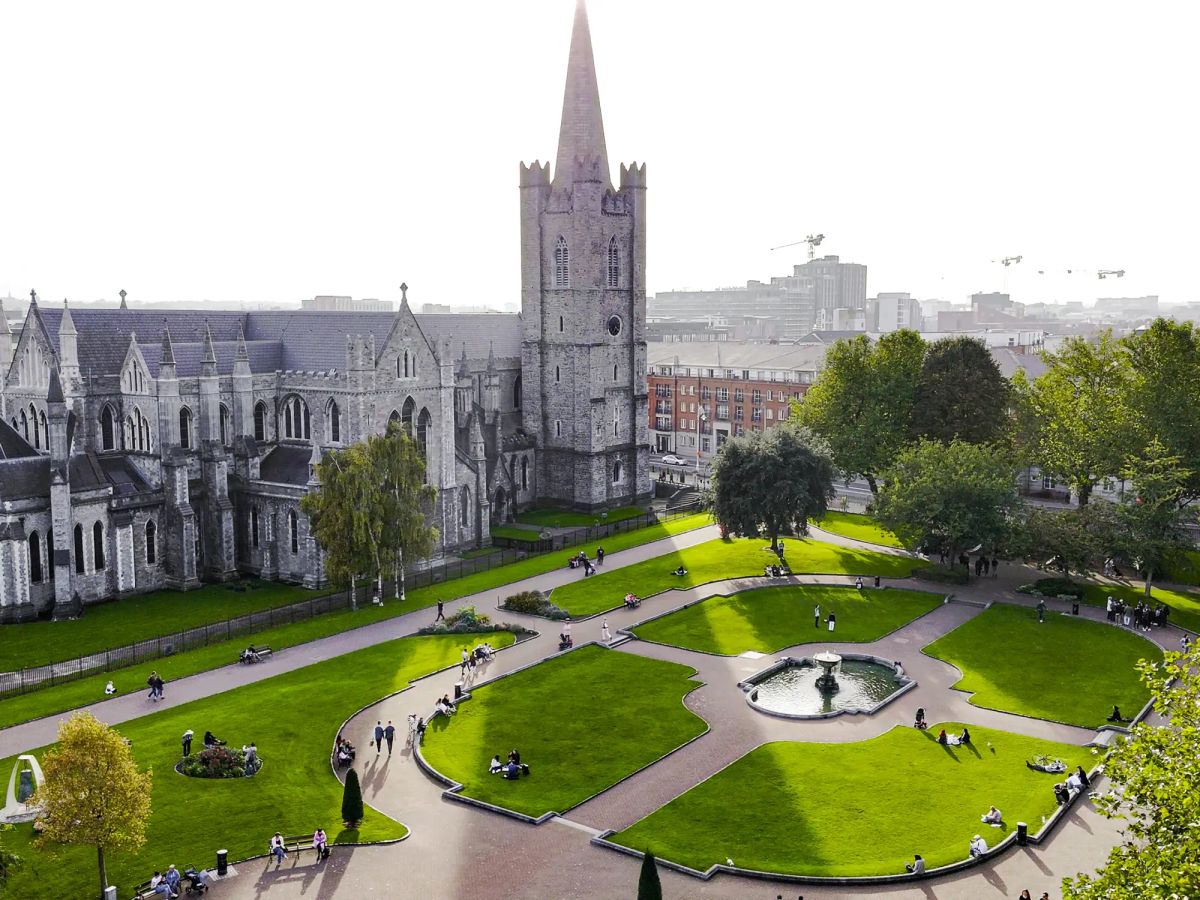
In this guide, you’ll find the average cost to visit Dublin, including the daily budget you will need, transport costs, attraction prices, day trip costs, and what to expect during peak, shoulder, and off-season travel periods.
Dublin can be one of the more expensive cities in Europe, mainly because accommodation prices are high for the size of the city and demand stays strong through much of the year. Food, drinks, and hotels can add up quickly, especially around Temple Bar, St Patrick’s Day, summer weekends, rugby weekends, concerts, and bank holidays.
That said, Dublin can still work for travelers who plan carefully. Public transportation is affordable, many major museums are free, the city is very walkable, and you can build a strong itinerary around parks, neighborhoods, coastal walks, historic streets, and lower-cost attractions.
Dublin becomes much more manageable when you:
- Stay slightly outside the busiest central hotel zones
- Use public transportation instead of taxis
- Mix paid attractions with free museums and parks
- Eat casual lunches, bakery food, supermarket meals, and pub specials
- Avoid spending every evening in Temple Bar
- Visit in the shoulder season or quieter winter months
For many travelers, the smartest budget strategy is to spend more on location and less on taxis. Staying near a Luas, DART, or frequent bus route can save money and make the trip easier. This Dublin transportation guide can help you compare the city’s transit options.
If you are still planning your route, this Dublin travel guide is a helpful place to start before comparing neighborhoods, attractions, and day trips.
Dublin uses the Euro. All costs are shown in € and converted to $ USD.
Dublin Vacation Costs
Below is a detailed expense breakdown for accommodations, food, transportation, and attractions—followed by day trip costs and realistic daily/weekly budgets.
Avg. Accommodation Cost
Peak Season
- Budget Travelers: €45–150 ($53–$176) per night
- Mid-Range Travelers: €150–300 ($176–$352) per night
- Luxury Travelers: €330–850+ ($387–$996+) per night
Shoulder-Season
- Budget Travelers: €35–120 ($41–$141) per night
- Mid-Range Travelers: €120–240 ($141–$281) per night
- Luxury Travelers: €280–650+ ($328–$762+) per night
Off-Season
- Budget Travelers: €28–95 ($33–$111) per night
- Mid-Range Travelers: €95–190 ($111–$223) per night
- Luxury Travelers: €220–520+ ($258–$609+) per night
The neighborhood you choose can have a big impact on your overall Dublin travel budget. Use our best neighborhoods in Dublin guide to compare the best areas to stay based on price, convenience, and travel style.
Food Cost
Budget Travelers
- Breakfast: €5–12 ($6–$14)
- Lunch: €8–18 ($9–$21)
- Dinner: €12–25 ($14–$29)
Mid-Range Travelers
- Breakfast: €12–22 ($14–$26)
- Lunch: €18–30 ($21–$35)
- Dinner: €30–55 ($35–$64)
Luxury Travelers
- Breakfast: €22–40 ($26–$47)
- Lunch: €35–65 ($41–$76)
- Dinner: €65–150+ ($76–$176+)
- Reality: Dublin food costs depend heavily on where you eat. A coffee and pastry breakfast, supermarket lunch, or casual pub meal keeps costs reasonable. Sit-down dinners, cocktails, hotel breakfasts, and tourist-pub drinks can double your daily food spend quickly.
- Drinks: A pint in Dublin commonly costs around €6–8 ($7–$9), and tourist-heavy pubs can cost more.
Transportation Cost
Airport → City
- Public bus with Leap Card: around €2 ($2.35)
- Public bus cash fare: around €2.60 ($3)
- Dublin Express / Aircoach airport bus: usually around €8–12 ($9–$14) one way
- Taxi to central Dublin: usually around €25–40 ($29–$47)
- Private transfer: usually around €55–100+ ($64–$117+)
Getting Around Dublin
Local Transit
- TFI 90-minute Leap fare: €2 ($2.35)
- Short Leap fare: €1.50 ($1.76)
- Typical daily public transit spend: €4–8 ($5–$9)
- Leap Visitor Card: €8 for 24 hours, €18 for 72 hours, or €24 for 7 days ($9, $21, or $28)
- Daily adult Leap cap: €6 ($7)
- Weekly adult Leap cap: €24 ($28)
DART / Commuter Rail
- Central Dublin Zone 1 travel with Leap: usually covered by the €2 TFI 90-minute fare
- Short coastal trips such as Howth, Dún Laoghaire, or Bray: often around €4–10 ($5–$12) round trip depending on ticket type and distance
- Longer rail trips from Dublin to other Irish cities: often around €20–60+ ($23–$70+) round trip depending on route, booking timing, and flexibility
Taxis / Ride Services
- Short central ride: €10–18 ($12–$21)
- Longer cross-city ride: €18–35+ ($21–$41+)
- Late-night or heavy-traffic ride: €25–50+ ($29–$59+)
- Airport taxi: usually around €25–40 ($29–$47)
Rental Car
- Off-Season Compact Car: €25–55/day ($29–$64/day)
- Shoulder-Season Compact Car: €35–75/day ($41–$88/day)
- Peak Compact Car: €50–110+/day ($59–$129+/day)
- Fuel + parking + tolls: usually €25–60+ per day ($29–$70+)
- Dublin itself does not require a rental car. A car is usually more useful if you are leaving the city for a wider Ireland itinerary, not for sightseeing inside Dublin. Parking is expensive, traffic can be slow, and many first-time visitors are better off using transit, taxis, walking, and organized day trips.
Attractions
- Guinness Storehouse: one of Dublin’s most popular paid attractions; usually around €28–40+ ($33–$47+) depending on date and ticket type
- Book of Kells / Trinity College experiences: standard entry is usually around €18–25 ($21–$29), while guided Book of Kells and city-history bundles can run €70–90+ ($82–$105+)
- Kilmainham Gaol: one of Dublin’s best-value major attractions; adult admission is around €8 ($9)
- Dublin Castle: self-guided entry is usually around €8 ($9), while guided entry is around €12 ($14)
- St Patrick’s Cathedral: usually around €10 ($12) for adult admission
- Christ Church Cathedral: usually around €11.50–12 ($13–$14)
- EPIC The Irish Emigration Museum: usually around €22–24 ($26–$28), with lower prices sometimes available when booked ahead
- Jameson Distillery Bow St.: usually around €26–35+ ($30–$41+) depending on experience
- Teeling Whiskey Distillery: usually around €20–35+ ($23–$41+) depending on tasting level
- National Museum of Ireland: free admission and one of the best ways to save money while still seeing major Irish history
- Phoenix Park: free to visit, though bike rentals, Dublin Zoo, or paid nearby attractions cost extra
- Temple Bar: free to walk through, but one of the easiest places in Dublin to overspend on drinks and meals
Dublin becomes much easier to budget when you balance paid icons with free museums, parks, coastal walks, and neighborhood wandering. This list of free things to do in Dublin can help keep your attraction budget under control, especially if you are visiting for more than a weekend.
Day Trip Costs
| Day Trip | Transportation Cost (Round Trip) | Top Attraction | Attraction Cost |
|---|---|---|---|
| Howth from Dublin | $5–$12 | Howth Cliff Walk and harbor | $0–$35 |
| Bray and Greystones from Dublin | $6–$14 | Bray Head and coastal walk | $0 |
| Glendalough and Wicklow Mountains from Dublin | $25–$75 | Glendalough monastic site and mountain scenery | $0–$20 |
| Kilkenny and Wicklow from Dublin | $45–$90 | Kilkenny Castle and medieval streets | $0–$18 |
| Newgrange and Boyne Valley from Dublin | $45–$110 | Newgrange and Brú na Bóinne | $20–$45 |
| Cliffs of Moher and Galway from Dublin | $75–$130 | Cliffs of Moher | $0–$15 |
| Giant’s Causeway and Belfast from Dublin | $75–$140 | Giant’s Causeway, Belfast, and Dark Hedges | $0–$35 |
For more planning ideas beyond the city, this guide to popular day trips from Dublin is a natural next step.
Daily Budget Needed For Dublin
| Season | Daily Total (Per Person) |
|---|---|
| Peak | $95–$175 |
| Shoulder | $78–$150 |
| Off-Season | $62–$125 |
| Season | Daily Total (Per Person) |
|---|---|
| Peak | $205–$400 |
| Shoulder | $170–$335 |
| Off-Season | $135–$270 |
| Season | Daily Total (Per Person) |
|---|---|
| Peak | $435–$1,050+ |
| Shoulder | $355–$850+ |
| Off-Season | $285–$680+ |
Weekly Budget (7 Days)
| Season | Lodging (7 nights) | Food (7 days) | Transport | Attractions | Total |
|---|---|---|---|---|---|
| Peak | $325–$825 | $210–$410 | $35–$90 | $60–$210 | $630–$1,535 |
| Shoulder | $245–$650 | $185–$360 | $30–$80 | $50–$180 | $510–$1,270 |
| Off-Season | $195–$520 | $160–$315 | $25–$70 | $40–$150 | $420–$1,055 |
| Season | Lodging (7 nights) | Food (7 days) | Transport | Attractions | Total |
|---|---|---|---|---|---|
| Peak | $1,050–$2,460 | $450–$805 | $60–$180 | $160–$420 | $1,720–$3,865 |
| Shoulder | $840–$1,960 | $390–$720 | $55–$150 | $130–$360 | $1,415–$3,190 |
| Off-Season | $665–$1,550 | $335–$630 | $45–$130 | $110–$300 | $1,155–$2,610 |
| Season | Lodging (7 nights) | Food (7 days) | Transport | Attractions | Total |
|---|---|---|---|---|---|
| Peak | $2,310–$6,970+ | $875–$1,925+ | $140–$480+ | $350–$980+ | $3,675–$10,355+ |
| Shoulder | $1,960–$5,330+ | $805–$1,750+ | $120–$420+ | $300–$840+ | $3,185–$8,340+ |
| Off-Season | $1,540–$4,270+ | $735–$1,575+ | $100–$350+ | $250–$700+ | $2,625–$6,895+ |
For a broader seasonal look, this guide to the cheapest and most expensive times to visit Ireland can help you compare Dublin with the rest of the country.
Frequently Asked Questions
Yes, Dublin is usually expensive to visit compared with many European city breaks. The main reason is accommodation. Hotels, private rooms, and even some hostel stays can cost much more than travelers expect, especially in summer and around major events.
The biggest Dublin expenses are usually:- Hotels and central accommodation
- Restaurant dinners and pub drinks
- Paid attractions such as Guinness Storehouse and Book of Kells experiences
- Taxis, especially late at night or between the airport and city
You can still visit Dublin on a lower budget if you use public transportation, stay outside the most expensive central hotel zones, mix paid sights with free museums, and avoid relying on taxis.
For 3 days in Dublin, a realistic budget is about $250–$525 for a budget traveler, $550–$1,200 for a mid-range traveler, and $1,200–$3,000+ for a luxury traveler, excluding flights.
A practical 3-day Dublin budget looks like this:- Budget traveler: hostel or simple stay, casual meals, public transport, and a few paid attractions
- Mid-range traveler: comfortable hotel, pub meals, several major attractions, and occasional taxis
- Luxury traveler: high-end hotel, fine dining, private transfers, premium tours, and cocktails or nicer pubs
The total can rise sharply if your trip falls during St Patrick’s Day, summer weekends, major concerts, or rugby fixtures.
$100 a day can be enough for Dublin if you are traveling carefully, but it is tight once lodging is included. It works best for backpackers, hostel guests, or travelers who split accommodation costs with someone else.
To stay near $100 per day, you will usually need to:- Stay in a hostel dorm or very simple budget accommodation
- Use public transportation instead of taxis
- Limit paid attractions to one major sight per day or less
- Eat bakery breakfasts, casual lunches, supermarket food, and pub specials
- Avoid expensive nightlife in Temple Bar
If you want a private room in a central hotel, restaurant dinners, several paid attractions, and drinks out, $100 per day is usually not enough.
The cheapest months to visit Dublin are usually January, February, and November, outside holiday weekends and major events. These months tend to have lower accommodation demand, which is the biggest factor in reducing the total cost of a Dublin trip.
The best lower-cost windows are often:- Mid-January through February
- Early March before St Patrick’s Day demand rises
- November outside event weekends
- Early December before Christmas travel increases
Winter weather is cooler, wetter, and darker, but it can be a good tradeoff if your trip is focused on museums, pubs, food, live music, and historic sights rather than long outdoor day trips.
Budget travelers in Dublin should usually look just outside the most expensive tourist core while staying close to useful public transportation. Areas like Smithfield, Phibsborough, Drumcondra, Portobello, Rathmines, and some parts of the Docklands can offer better value than the busiest blocks around Temple Bar and Grafton Street.
Good budget-stay priorities include:- Easy access to a Luas, DART, or frequent bus route
- Walkable distance to cafés, grocery stores, and casual food
- A safe, well-reviewed area rather than simply the cheapest room
- Reasonable travel time to Trinity College, Temple Bar, or St Stephen’s Green
Staying farther out can save money, but it only works well if the transit connection is simple. Otherwise, taxi costs can erase the savings.
Some Dublin attractions are expensive, but not all of them. Guinness Storehouse, Book of Kells experiences, whiskey tours, EPIC, and cathedral visits can add up quickly. However, Dublin also has excellent free museums, parks, historic streets, waterfront walks, and coastal trips that help balance the budget.
A smart attraction budget for Dublin is:- Budget traveler: $10–$30 per day
- Mid-range traveler: $25–$60 per day
- Luxury traveler: $50–$140+ per day
The best value strategy is to choose one or two major paid sights you really care about, then fill the rest of your itinerary with free museums, parks, neighborhoods, and low-cost walks.
Public transportation in Dublin is reasonably priced. The standard adult TFI 90-minute Leap fare is around €2, and it can cover transfers between Dublin city buses, Luas, DART, and commuter rail within the main city zone during the 90-minute window.
Useful Dublin transit costs include:- TFI 90-minute Leap fare: about €2
- Short Leap fare: about €1.50
- Adult daily Leap cap: about €6
- Adult weekly Leap cap: about €24
- Leap Visitor Card: about €8 for 24 hours, €18 for 72 hours, or €24 for 7 days
For most visitors, public transportation is one of the easiest ways to keep Dublin costs under control, especially compared with taxis.
A couple should usually budget around $190–$350 per day for a careful budget trip, $340–$670 per day for a comfortable mid-range trip, and $700–$1,700+ per day for a luxury Dublin trip, excluding flights.
For a 4-night Dublin trip, a couple might spend:- Budget couple: about $750–$1,500 if using simple accommodation and public transport
- Mid-range couple: about $1,400–$2,900 with a comfortable hotel, restaurants, and several paid sights
- Luxury couple: about $3,000–$7,000+ with upscale lodging, private transfers, fine dining, and premium tours
Sharing a hotel room makes Dublin easier for couples than for solo travelers, because lodging is the single biggest cost.