
Best Time to Visit Denmark: Month-by-Month Travel Guide
Learn the best time to visit Denmark with month-by-month travel tips for weather, festivals, crowds, and seasonal highlights.
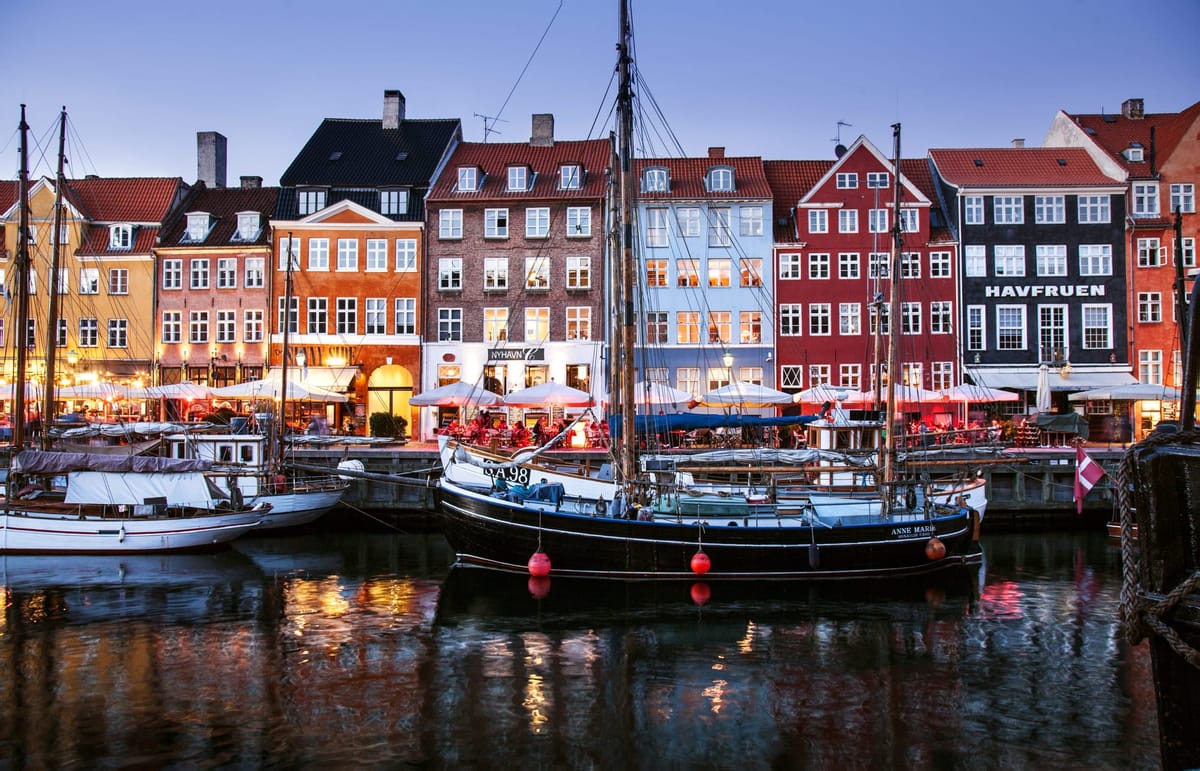
When’s the best time to visit Denmark? That depends on what you’re after. Some travelers love the long days and festivals of summer, while others prefer the cozy café culture and Christmas markets in winter.
This seasonal guide breaks down exactly what to expect—from weather patterns and crowd levels to major events and seasonal highlights—so you can plan the right trip for you.
Summer in Denmark (June – August)🌞
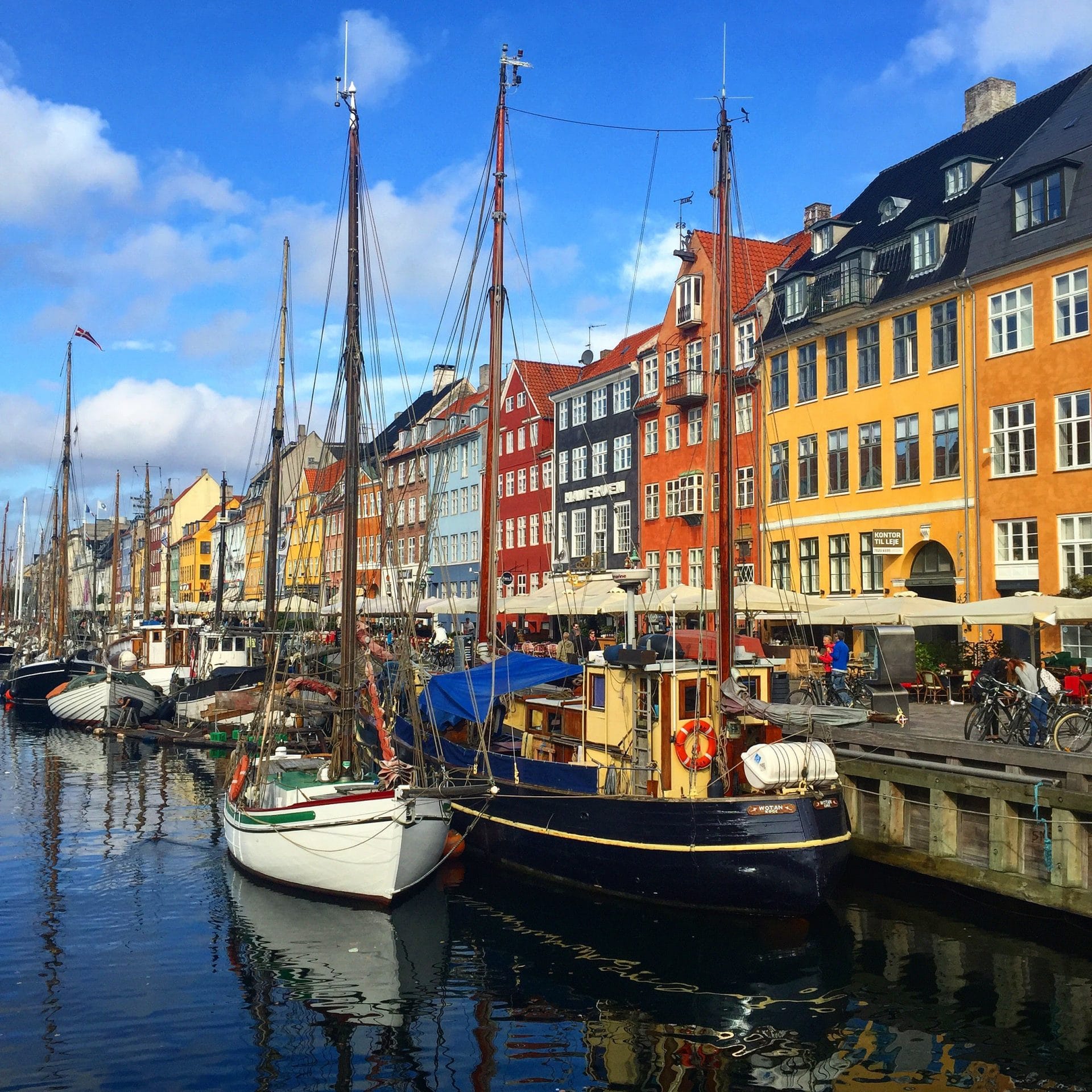
Best for: Outdoor activities, long daylight hours, festivals
Summer is the most popular time to visit Denmark — and for good reason. The days are long (sunset can be as late as 10:30 PM), and the weather is usually mild and sunny, with average highs around 20–23°C (68–73°F).
This is the season for:
- Music festivals like the Roskilde Festival and Copenhagen Jazz Festival
- Outdoor cafés, harbor swims, and island hopping
- National parks and scenic bike routes in full bloom
💡 Travel tip: Summer is peak season, so book hotels early, especially in cities like Copenhagen and Aarhus.
Fall in Denmark (September – October)🍂
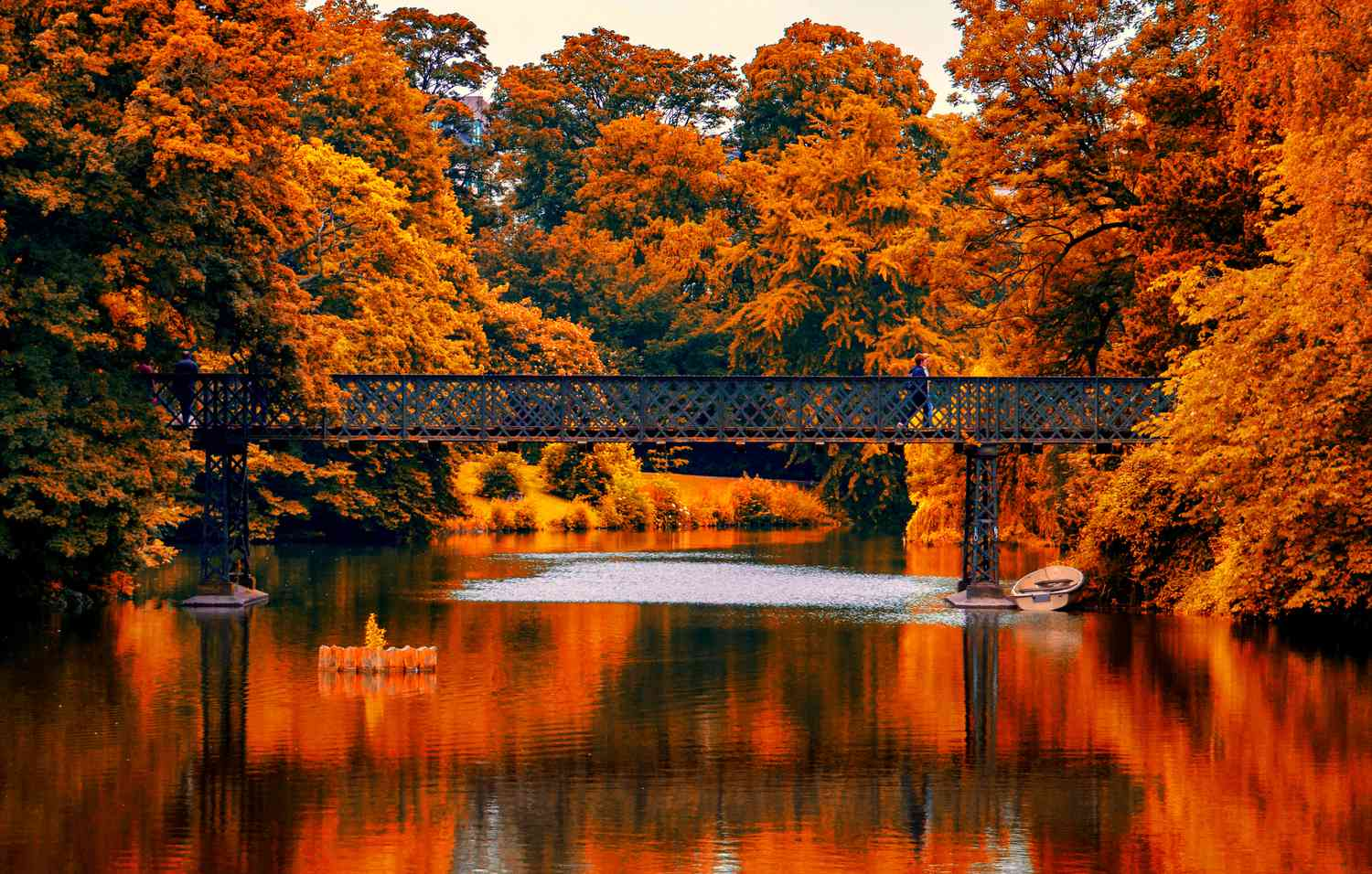
Best for: Fall in Denmark is a great time for cozy towns and local culture—and just like spring, it’s shoulder season, so you’ll usually get fewer crowds and lower prices.
Early fall is one of the most underrated times to visit Denmark. The weather is still pleasant in September, with cooler temps in October, and the crowds start to thin out dramatically.
Here’s why fall is worth considering:
- Autumn colors in parks and countryside, especially in Mols Bjerge National Park
- Cozier, more relaxed vibe in cities like Odense and Aalborg
- Seasonal food like mushrooms, apples, and hearty Danish dishes
- Cost are less because peak summer time travel has ended
💡 Travel tip: Fall is a great time for slow travel, museum visits, and soaking in Danish hygge without the peak-season prices.
Winter in Denmark (December – February)❄️

Best for: Christmas markets, indoor culture, hygge
If you're into twinkling lights, cozy interiors, and holiday magic, Denmark in winter is something special. While it’s cold (averaging 0–5°C / 32–41°F), the cities come alive with festive energy.
Why visit Denmark in winter:
- Famous Christmas markets in Tivoli Gardens, Odense, and Aarhus
- Warm cafés, indoor museums, and spa retreats
- Short days, but beautiful light and seasonal charm
💡 Travel tip: December in Denmark feels festive, but January and February are off-season—perfect if you want the lowest prices and fewer tourists. That said, if you love people-watching and prefer a more active atmosphere, you’ll probably want to skip low season.
Spring in Denmark (March – May)🌱
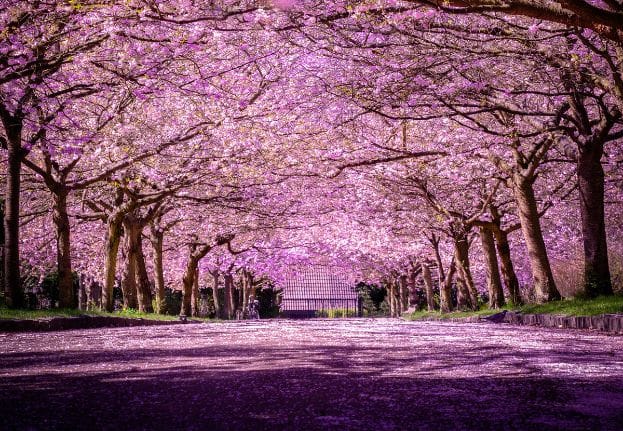
Best for: Fresh air, quiet cities, blooming nature
Spring in Denmark starts off chilly, but by late April, flowers bloom, trees turn green, and people head back outdoors. It’s a calm time to explore without big crowds, and costs are lower than peak season.
Spring highlights include:
- Cherry blossoms in Copenhagen’s Bispebjerg Cemetery (usually in April)
- Quieter travel before summer tourism kicks in
- Great time for biking and national park day trips
💡 Travel tip: May often has surprisingly good weather and is one of the best months for mild temperatures without the summer crowds.
Quick Comparison: Best Time by Travel Style
| Travel Style | Best Time to Visit |
|---|---|
| Festivals & Events | June – August |
| Budget Travel | January – March |
| Outdoor Activities | May – September |
| Fewer Tourists | October – April |
| Christmas Markets | Late November – December |
Planning trip to Denmark?
Check out our Ultimate Denmark Travel Guide for tips on the best places to go, what to pack, and more.
Not A Member? ✈️
Save 40%-95% with Jetsetter Alerts - Airline Mistake Fare & Flash Sales Alerts!