
Sicily Visitors Guide For January: Know Before You Go
Discover what visiting Sicily in January is really like, from mild winter weather and lower crowds to seasonal events, daylight, and the best things to do.
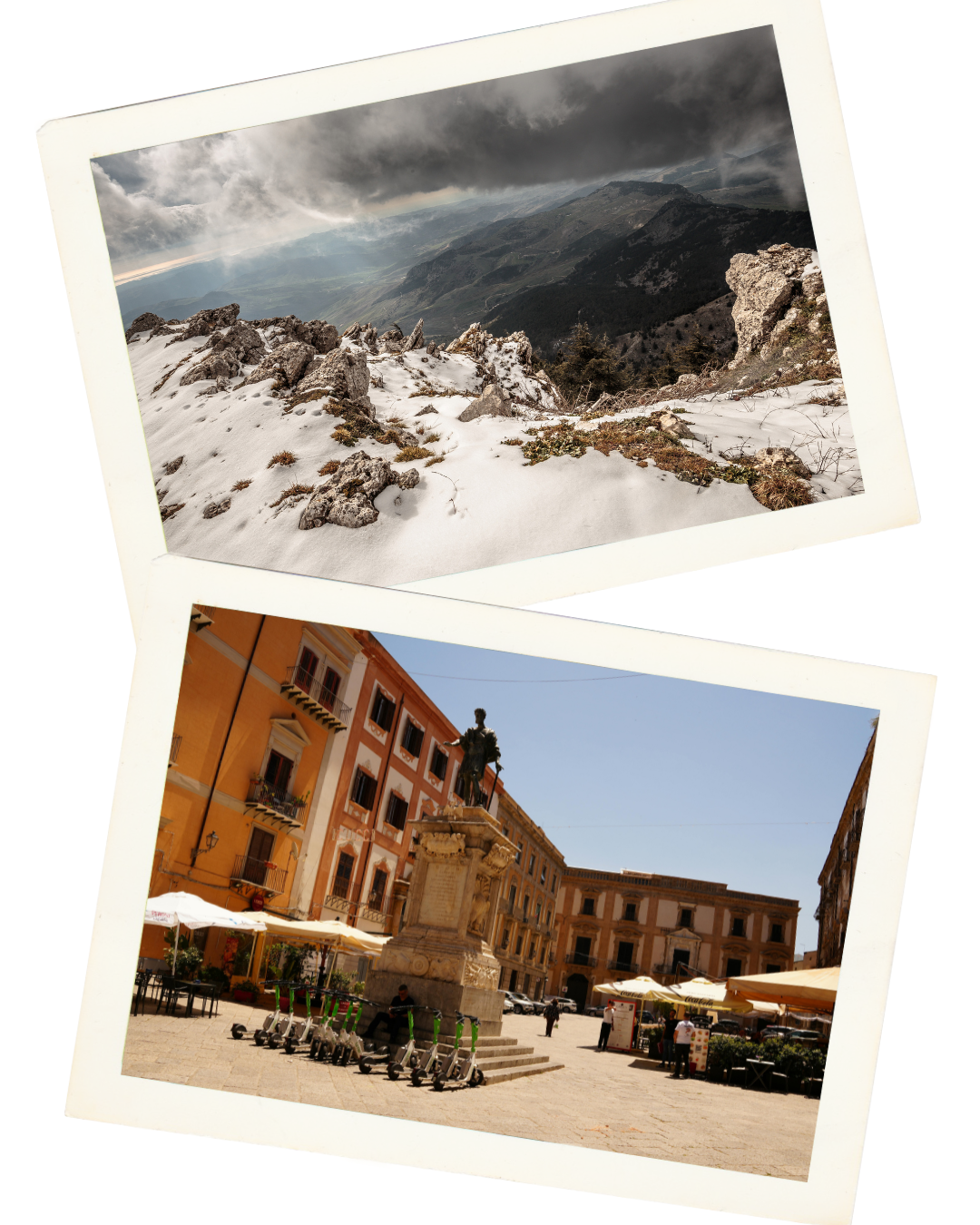
Planning a trip to Sicily and wondering if January is a good time to visit and what it’s like? You’re in the right place as we’re about to dive into everything you need to know about visiting Sicily in January.
Not A Member? ✈️
Save 50%-95% with Jetsetter Alerts - Airline Mistake Fare & Flash Sales Alerts!
Summary Of Visiting Sicily in January
Sicily in January is quiet, cooler, and much less crowded than the warmer months. It is one of the best times to visit if you care more about cities, ruins, food, and culture than beach weather. After the New Year holiday period passes, January becomes one of the more affordable times to visit Sicily, with lighter demand often leading to better hotel rates and a lower-cost trip overall. Prices can still run higher around New Year’s and the first week of January, so I would book earlier for holiday travel, specific hotels, or event-focused stays.
My rule of thumb is to book about 4 to 8 weeks ahead for a normal January trip, and closer to 2 to 3 months ahead if you are visiting around New Year’s, Epiphany, or a specific festival date.
- January is part of Sicily’s winter low season, especially after the first week of the month.
- Travel costs and hotel prices are often cheaper than busier spring, summer, and early fall periods, as long as you are not visiting for New Year’s.
- Crowds are generally much lighter than during peak travel months, which makes major attractions more comfortable.
- Sicily in January is better for sightseeing than swimming, with cool coastal weather and chillier inland evenings.
- Rain is more likely than in late spring or summer, so flexible outdoor plans help.
- Cities, archaeological sites, food markets, and cultural attractions are the main draw this time of year.
- January can still have seasonal atmosphere, especially around Epiphany events, winter nativity traditions, carnival openings, and late-month festival buildup in some years.
- Pack layers, a rain jacket or umbrella, comfortable walking shoes, and a warmer coat for evenings or higher elevations.
Want to know what you will actually spend?
Check out our Sicily Travel Cost Guide for a detailed breakdown of daily costs for hotels, food, attractions, and more.
January is Low Travel Season For Sicily
January is one of the calmest times to visit Sicily. Once the New Year and Epiphany travel window passes, the island settles into a slower pace. That makes it easier to enjoy major churches, archaeological parks, city streets, and scenic towns without the summer rush. Some beach-focused businesses and resort-town services can feel quieter or operate reduced hours, but larger cities and major cultural destinations remain rewarding.
The first week of January can feel a little busier because of the extended holiday season, while late January may pick up locally in places with seasonal cultural programming. For most travelers, Sicily in January is still a strong value month, especially for a slower-paced itinerary built around history, food, and towns rather than seaside lounging.
Sicily Weather in January
Sicily weather in January is cool, changeable, and generally mild by European winter standards. Coastal days can feel comfortable for sightseeing, but rain, damp air, and colder nights are common, especially inland or at higher elevations.
- Average January temperatures across Sicily are often around 7°C to 15°C, or 45°F to 59°F, depending on the area.
- Coastal cities tend to feel milder during the day than inland towns and mountain areas.
- Rain is a real possibility in January, so it helps to plan indoor backups.
- Evenings can feel surprisingly chilly once the sun goes down.
- Higher ground can be much colder, and winter scenery around Sicily’s mountain areas can include snow.
- It is excellent walking weather when skies are clear, especially for archaeological sites and historic centers.
Sicily Sunrise & Sunset In January
For planning daylight, I like using Palermo on the western side of the island and Catania on the eastern side as practical references.
In Palermo, January daylight grows from roughly 9 hours 34 minutes at the start of the month to about 10 hours 16 minutes by January 31. Sunrise moves from about 7:22 a.m. to 7:12 a.m., while sunset shifts from around 4:57 p.m. to 5:28 p.m.
In Catania, January daylight increases from about 9 hours 38 minutes to roughly 10 hours 18 minutes by month’s end. Sunrise is near 7:14 a.m. early in January and around 7:04 a.m. at the end of the month, while sunset moves from about 4:52 p.m. to 5:22 p.m.
That means Sicily in January gives you enough daylight for a full sightseeing day, but I would still start outdoor-heavy plans in the morning rather than waiting until late afternoon.
Best Things To Do In Sicily in January
Explore Palermo’s Arab-Norman landmarks
A January trip is a wonderful time to focus on Palermo’s historic core without summer heat. Start with the Cattedrale di Palermo, then continue to the Norman Palace and the Palatine Chapel. These are among the city’s most rewarding cultural stops, and the cooler weather makes a full walking day much easier.
Visit Monreale Cathedral
The Cattedrale di Monreale is one of the best half-day trips from Palermo. Its mosaics and cloister are the kind of places that reward slower looking, and January’s lighter crowds can make the visit feel more peaceful.
Walk through Ballarò Market
The Mercato di Ballarò is one of the liveliest places to experience Palermo’s everyday energy. Go in the morning, take your time, and use it as a food-focused stop for street snacks, produce stalls, and that unmistakably Sicilian market atmosphere.
Take in Teatro Massimo on a cooler or rainy day
The Teatro Massimo is ideal for January because it gives you a memorable indoor cultural stop. A theater visit pairs perfectly with a slower Palermo day when the weather is unsettled.
Spend a day in Catania’s historic center
In Catania, start at Piazza del Duomo, wander toward the cathedral area, and then dip into A' Piscaria Mercato del Pesce. The city has a gritty, baroque, volcanic personality that feels especially good for exploring on a cool winter day.
Tour the Benedictine Monastery of San Nicolò l’Arena
The Benedictine Monastery of San Nicolò l’Arena is one of the most worthwhile indoor sights in Catania. It combines grand architecture with layered history, making it an excellent January attraction when you want a break from rain or wind.
See Mount Etna in winter
A winter visit to Mount Etna can be one of the standout experiences of Sicily in January. Conditions vary, but the colder season can bring dramatic landscapes and snow at higher elevations. It is the sort of day where flexibility matters, so check conditions and use a reputable guided plan if you want to go higher.
Walk the Valley of the Temples in cooler weather
The Valle dei Templi near Agrigento is one of the very best reasons to visit Sicily in January. In warmer months the site can feel hot and exposed, but winter temperatures often make the long open-air walk much more pleasant.
Explore Ortigia and ancient Syracuse
The island of Ortigia is the atmospheric heart of Syracuse. January suits it beautifully: wander the narrow streets, linger in its squares, and take in the sea views without peak-season crowds. Pair it with the Parco Archeologico della Neapolis for a day that blends old-city charm with classical ruins.
Visit Taormina for views, ruins, and a slower pace
T aormina is much quieter in January than in summer, which can make it feel far more relaxed. The Ancient Theatre of Taormina is the main stop, with its famous views toward the sea and volcano. You can also look down toward Isola Bella, though January is more about scenery than swimming.
Enjoy Cefalù without the summer crowd
Cefalù is still lovely in January even though it is not beach season. The old town, waterfront atmosphere, and Duomo di Cefalù make it a worthwhile day trip or overnight stop for travelers who enjoy quieter coastal towns.
Admire Baroque Noto
Noto is one of the most elegant places to visit in southeastern Sicily. A January walk through the Centro Storico lets you focus on the honey-colored Baroque architecture without battling high-season crowds.
Wander Ragusa Ibla
Ragusa is especially rewarding for travelers who like atmospheric old towns, stairways, and city views. The historic district of Ragusa Ibla feels tailor-made for a cool-weather walking day, with its Baroque beauty and layered hilltop setting.
See the mosaics of Villa Romana del Casale
The Villa Romana del Casale near Piazza Armerina is one of Sicily’s great archaeological treasures. Its remarkable mosaics make this a strong January choice, especially when you want a history-focused day that is not entirely dependent on sunny weather.
Look for January festivals and seasonal traditions
Sicily’s January calendar can still feel festive. Depending on the year, you may find nativity events extending through Epiphany, regional carnival programming beginning in the second half of January, and late-month buildup toward Catania’s Sant’Agata celebrations. These events change by year, so it is worth checking the current calendar before you finalize plans.
Pros and Cons of Visiting Sicily in January
Sicily in January is excellent for travelers who want a quieter, more cultural version of the island. The trade-off is that the weather is less dependable and beach-oriented experiences are not the focus. I think it is a very good month for history lovers, food travelers, and anyone who would rather avoid the summer rush.
Pros
- Much lighter crowds at major attractions than peak travel season.
- Better value on many accommodations and travel costs than in busier months.
- Comfortable sightseeing temperatures for ruins, cities, and walking tours.
- Strong month for culture, history, markets, and food-focused travel.
- Some seasonal events and winter traditions can add extra atmosphere.
Cons
- Rain and grey days are more likely than in late spring or summer.
- It is not a proper beach or swimming month for most travelers.
- Evenings can feel cold, especially inland or in older stone buildings.
- Some resort-town services may feel quieter or reduced in the off-season.
- Mountain and volcano plans can depend heavily on weather conditions.
Who Should Visit Sicily In January
Sicily in January is best for travelers who enjoy historic cities, archaeological sites, food markets, religious architecture, scenic drives, and slower itineraries. It suits couples, solo travelers, culture-focused families, and budget-conscious visitors especially well. You will probably love it if you want Sicily with more breathing room and do not need hot beach days to feel like your trip was worthwhile.
It is less ideal for travelers who want dependable sunshine, lively beach clubs, swimming weather, or a resort-style coastal trip. For those priorities, late spring through early fall will usually be a better match.

Discover everything you need to know to help you plan your trip to Italy! The best cities, parks, beach destinations, and more.