
Visiting Japan In March: Weather, and Best Things To Do
Japan in March is cool, increasingly sunny, and beginning to bloom with early spring scenery. Here’s what to expect from the weather, crowds, and best things to do.
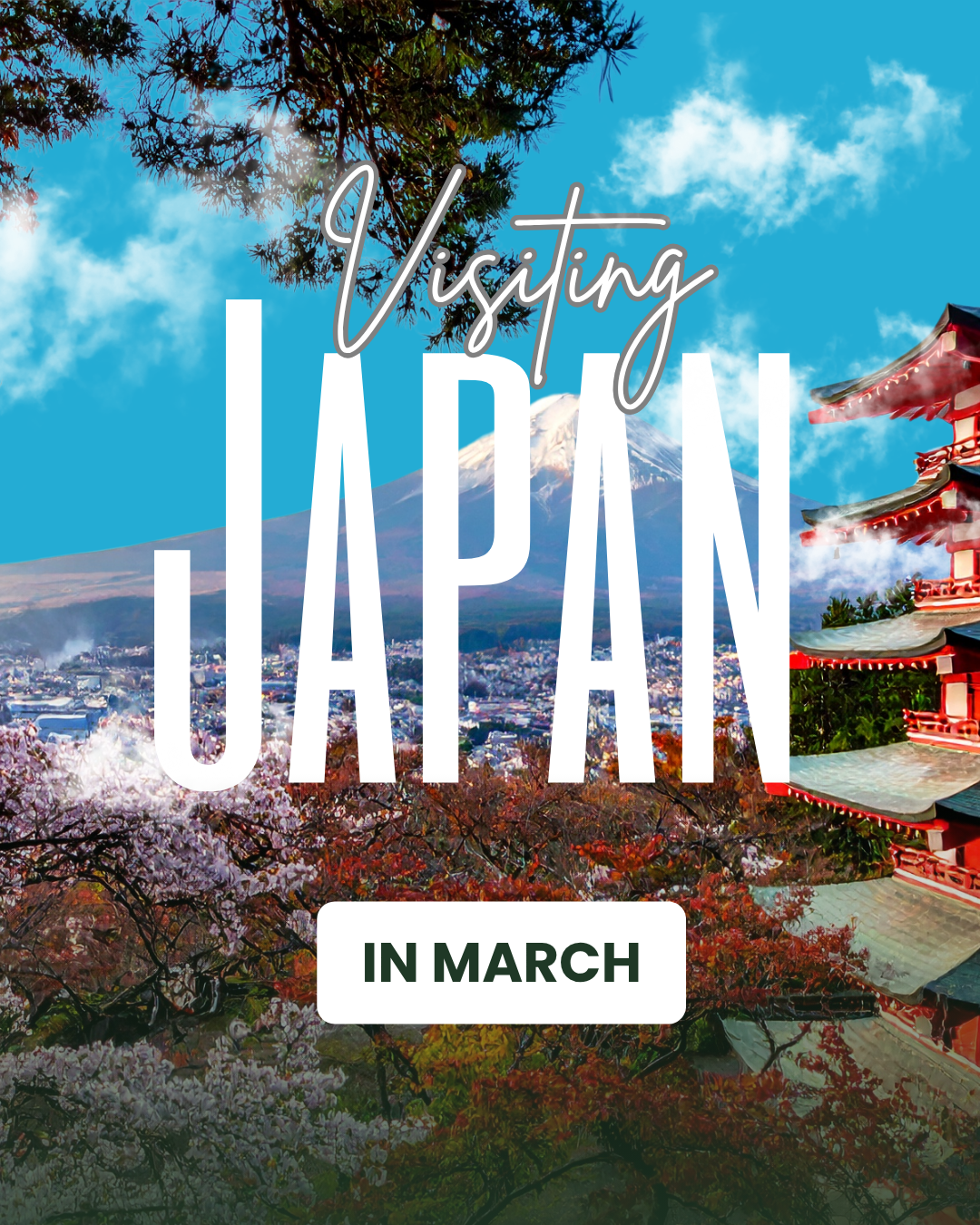
Planning a trip to Japan and wondering if March is a good time to visit and what it’s like? You’re in the right place as we’re about to dive into everything you need to know about visiting Japan in March.
March is one of the most exciting months to visit Japan because the country is shifting from winter into spring. Early March can still feel cold, snowy, and wintry in northern Japan and the mountains, while late March can bring the first major cherry blossom blooms to cities like Tokyo, Kyoto, Osaka, Fukuoka, and Hiroshima.
That’s also what makes Japan in March a little tricky to plan. The weather changes a lot depending on whether you are visiting Hokkaido, Tokyo, Kyoto, Osaka, Kyushu, or Okinawa.
You could be skiing in the north, wearing a light jacket in central Japan, or enjoying mild island weather in the far south.
Summary Of Visiting Japan In March
March in Japan is a transition month, and that is both the best and most important thing to know before planning. You can still find snow in northern and mountain regions, but much of central and southern Japan starts feeling like early spring.
Here’s what to expect when visiting Japan in March:
- March is the start of spring in much of Japan, but northern Japan and mountain areas can still feel like winter.
- Cherry blossom season often begins in late March in Tokyo, Kyoto, Osaka, Hiroshima, and Fukuoka, but bloom timing changes every year.
- Hokkaido is still cold in March, and ski resorts can still have good late-season snow.
- Tokyo, Kyoto, Osaka, and Hiroshima usually feel cool to mild, with chilly mornings and evenings.
- Kyushu is milder than central Honshu and can feel more springlike earlier in the month.
- Okinawa is much warmer than mainland Japan, though March is still not always hot enough for a classic beach vacation.
- Travel demand rises sharply in late March because of cherry blossoms, spring break, and school holidays.
- Hotels in major cherry blossom cities can get expensive, especially near popular parks, train stations, and scenic districts.
- Early March is usually easier and cheaper than late March in Tokyo, Kyoto, and Osaka.
- March is a great month for cherry blossoms, plum blossoms, skiing, onsens, sumo in Osaka, food tours, gardens, temples, and scenic train rides.
- Pack layers because the same trip can include cold mornings, mild afternoons, rainy days, and even snow if you go north or into the mountains.
For accommodation demand, I would book Japan in March earlier than you think, especially if your trip falls in the last 10 days of the month.
Cherry blossom season is one of the busiest travel periods of the year, and good hotels in Tokyo, Kyoto, Osaka, and popular day-trip areas can fill up quickly.
For late March, booking 4 to 6 months ahead is smart if you want better location and price choices.
Not A Member? ✈️
Save 50%-95% with Jetsetter Alerts - Sign up to get real-time alerts of any amazing flight deals to Japan!
March Is The Start Of Spring Travel Season In Japan
March is when Japan starts moving from winter travel into spring travel season. Early March can still feel calm in some places, but by late March, the mood changes quickly as cherry blossom forecasts become a major part of travel planning.
This is one of the most popular times of year for first-time visitors because March gives you a chance at cherry blossoms without the full heat and humidity of summer. It is also a great month if you want a mix of classic Japan sightseeing, food, temples, gardens, day trips, and seasonal spring scenery.
The biggest thing to understand is that March is not evenly “spring” everywhere. In Sapporo, it can still feel wintry. In Tokyo and Kyoto, the month starts cold but becomes more springlike. In Fukuoka and southern Kyushu, spring arrives earlier. In Okinawa, March is mild and comfortable, but still not always hot enough for long beach days.
Late March is when demand increases the most. Cherry blossoms, school holidays, and spring break travel can make trains, hotels, parks, and famous sightseeing areas much busier. If you are visiting Japan in late March, plan like you are visiting during peak season.
Japan Weather In March
Japan’s weather in March depends heavily on region, island, elevation, and coast. Northern Japan can still be snowy, central Japan is cool and gradually warming, southern Japan is milder, and Okinawa feels like a subtropical spring escape. You need to plan your packing around your actual route, not just “Japan.”
Hokkaido
Hokkaido is still cold in March, especially compared with Tokyo, Kyoto, Osaka, and Kyushu. In early March, it can feel like winter is still fully in control. By late March, the days slowly start to soften, but snow and icy conditions are still common in many areas.
Expect:
- Cold temperatures, especially in the morning and evening
- Snow still on the ground in many areas
- Late-season skiing in places like Niseko
- Slushy streets as temperatures start changing
- A need for warm layers, waterproof shoes, gloves, and a winter coat
- No typical cherry blossom season yet, since Hokkaido blooms much later
Hokkaido in March is best for travelers who still want a winter experience but with slightly longer days than January or February. It is not the best choice if your main goal is cherry blossoms, because Hokkaido’s sakura season usually comes much later.
Tokyo, Yokohama & The Kanto Region
Tokyo and the wider Kanto region are cool in March, but the weather becomes more comfortable as the month goes on. Early March still feels like the end of winter, while late March can feel like the beginning of true spring.
Daytime temperatures are often mild enough for sightseeing with a jacket, but mornings and evenings can still be chilly. Rain is possible, so I would bring a small umbrella or light rain jacket.
Expect:
- Cool mornings and evenings
- Mild afternoons later in the month
- Increasing chance of cherry blossoms in late March
- Some rainy or windy spring days
- Good walking weather with layers
- Big crowds at popular sakura spots once bloom begins
Tokyo in March is one of the best city experiences in Japan if you time it right. Even before full bloom, the parks, rivers, and neighborhoods start feeling more alive.
Kyoto, Osaka, Nara & The Kansai Region
Kansai is cool to mild in March, with conditions improving as the month goes on. Kyoto can feel colder than Osaka because many of its best activities are outdoors at temples, gardens, shrines, and old streets. Osaka often feels easier because you can balance sightseeing with food halls, shopping arcades, restaurants, and nightlife.
Nara is also very manageable in March, especially if you want an easy day trip from Kyoto or Osaka before the heaviest cherry blossom crowds arrive.
Expect:
- Cool early March weather
- Milder afternoons by late March
- Cold mornings at temples and gardens
- Possible cherry blossoms in late March, depending on the year
- More tourists as the month progresses
- Great conditions for walking if you wear layers
Kansai in March is ideal for a first-time Japan trip because you can experience Kyoto temples, Osaka food, Nara’s historic sites, and possible cherry blossoms all in one region.
Japanese Alps, Nagano, Takayama & Mountain Towns
The Japanese Alps and central mountain towns are still much colder than Tokyo and Osaka in March. Nagano, Hakuba, Takayama, and the surrounding mountain areas can still have snow, especially earlier in the month.
This is a good region if you want a mix of late winter and early spring. You can still ski in some areas, visit onsen towns, see traditional mountain villages, and enjoy fewer crowds than peak cherry blossom areas.
Expect:
- Cold mornings and nights
- Snow in ski areas and higher elevations
- Slush or icy conditions in some mountain towns
- Later cherry blossoms than Tokyo and Kyoto
- Good onsen weather
- A need for warm clothing and shoes with traction
This region is beautiful in March, but it requires more flexible planning than major cities. Snow, mountain roads, and weather shifts can still affect travel.
Sea Of Japan Coast
The Sea of Japan side of Honshu, including Kanazawa, Niigata, Toyama, Akita, and Aomori, is colder, wetter, and cloudier than the Pacific side. March is a transition month here, with some lingering winter weather and early hints of spring.
Kanazawa in March can be beautiful, especially if you like gardens, seafood, samurai districts, and a slower pace than Tokyo or Kyoto. But it is also a place where I would pack for damp cold rather than dry spring warmth.
Expect:
- Cool to cold days
- More rain or snow than Tokyo and Osaka
- Cloudier skies
- Wet streets and possible slush
- Later cherry blossoms than major southern cities
- Excellent seafood and garden visits
This side of Japan is best for travelers who do not mind moody weather and want a more atmospheric spring trip.
Hiroshima, Western Honshu & The Seto Inland Sea
Hiroshima, Miyajima, and the Seto Inland Sea region are cool to mild in March. The weather is usually easier than northern Japan, and late March can bring the start of cherry blossom season.
This is a good region to add if you want history, island scenery, seafood, and a milder spring feel. It is still jacket weather, but you usually will not need heavy winter clothing unless there is an unusual cold snap.
Expect:
- Cool but manageable sightseeing weather
- Milder conditions than northern or mountain regions
- Possible cherry blossoms in late March
- Chilly evenings near the water
- Good walking conditions with layers
Western Honshu is a strong March addition because it gives you variety without the intensity of northern winter.
Kyushu
Kyushu is one of the warmer main-island regions of Japan in March. Fukuoka, Nagasaki, Kumamoto, and Kagoshima usually feel more springlike than Tokyo, Kyoto, and northern Honshu.
That does not mean it is hot. You will still want a jacket, especially in the evening. But compared with northern Japan, Kyushu feels softer, greener, and more comfortable earlier in the month.
Expect:
- Cool to mild spring weather
- Earlier cherry blossom timing than northern Japan
- Comfortable food and city travel
- Good onsen weather in Beppu, Yufuin, and Kurokawa Onsen
- Chilly nights in mountain areas
- Less need for heavy winter gear
Kyushu in March is a great choice if you want spring travel, food, history, hot springs, and cherry blossom possibilities without as much cold as central or northern Japan.
Okinawa & The Ryukyu Islands
Okinawa and the Ryukyu Islands are much warmer than mainland Japan in March. This is not deep summer beach weather, but it is mild, comfortable, and very different from Tokyo or Hokkaido.
March in Okinawa is good for coastal drives, island sightseeing, whale watching, snorkeling on warmer days, castle ruins, markets, and relaxed outdoor travel. Swimming depends on the day, the wind, and your cold-water tolerance.
Expect:
- Mild to warm daytime weather
- Cooler evenings and sea breezes
- A better month for sightseeing than peak beach lounging
- Whale watching season continuing into March
- Less humidity than summer
- Much warmer conditions than mainland Japan
Okinawa in March is best for travelers who want a mild island escape, not a guaranteed tropical beach vacation.
Japan Sunrise & Sunset In March
March has noticeably better daylight than January and February, which makes sightseeing easier. The days keep getting longer throughout the month, and by late March, Japan feels much more travel-friendly for outdoor plans.
In Tokyo, sunrise is usually around 6:10 AM at the beginning of March and closer to 5:30 AM by the end of the month. Sunset is usually around 5:35 PM at the beginning of March and closer to 6:00 PM by the end of the month.
Here’s what to expect across Japan in March:
- Hokkaido still has cooler, shorter-feeling days early in the month, but daylight improves quickly.
- Tokyo, Kyoto, Osaka, and Hiroshima have enough daylight for full sightseeing days.
- Kyushu gets slightly warmer and springlike earlier than central Japan.
- Okinawa has the most comfortable evening feel, with later sunsets and milder temperatures.
- Temples, gardens, castles, and scenic viewpoints are best planned for morning through late afternoon.
- Food tours, illuminations, nightlife, shopping, and onsens are easy to save for the evening.
For March, I would start sightseeing early but not rush as much as in winter. You have enough daylight to enjoy longer walking days, especially in cities.
Best Things To Do In Japan In March
March is one of the best months in Japan because you can build very different trips depending on timing. Early March is better for skiing, onsens, plum blossoms, and lower crowds. Late March is better for cherry blossoms, spring walks, gardens, and peak seasonal atmosphere.
See Cherry Blossoms In Tokyo
Tokyo is one of the best places to visit in Japan in late March if cherry blossoms are your goal. The city has famous sakura spots like Shinjuku Gyoen National Garden, Ueno Park, Chidorigafuchi, Meguro River, Yoyogi Park, and Sumida Park.
Late March can be crowded, but the atmosphere is worth it if you like seasonal energy. Parks fill with locals and visitors enjoying hanami, and the city feels much more festive than it does in winter.
For a more organized experience, you can join a Tokyo cherry blossom tour with a local guide instead of trying to chase bloom spots on your own.
Walk Kyoto’s Cherry Blossom Streets And Temples
Kyoto in late March can be stunning if the blossoms line up with your visit. The Philosopher’s Walk, Maruyama Park, Keage Incline, Kiyamachi Street, Arashiyama, and temple gardens are all beautiful during spring.
The tradeoff is crowds. Kyoto in cherry blossom season is one of the busiest travel experiences in Japan, so start early, avoid trying to do too many famous places in one day, and book hotels far ahead.
If you want a guided spring route, you can take a Kyoto cherry blossom walk and let someone else plan the pacing.
Explore Osaka During Cherry Blossom Season
Osaka is a fun March base because you get food, nightlife, easy trains, and cherry blossom spots without Kyoto’s full temple-heavy itinerary. Osaka Castle Park, Kema Sakuranomiya Park, Expo ’70 Commemorative Park, and riverside paths can be great in late March.
Osaka is also a smart place to stay if Kyoto hotel prices are too high. You can visit Kyoto and Nara by train while enjoying Osaka’s food scene at night.
For food-focused travelers, I’d absolutely take an Osaka food tour because March evenings are perfect for takoyaki, okonomiyaki, kushikatsu, and izakaya stops.
Visit Mount Fuji And Hakone For Clear Views
Mount Fuji can still be easier to see in March than in the hazier summer months, especially on clear, cool days. Hakone is also a great spring escape from Tokyo because you can enjoy lake views, hot springs, ropeways, ryokans, and Fuji viewpoints.
March is not climbing season for Mount Fuji, so this is about seeing the mountain, not hiking to the summit. If the weather is clear, the snow-capped view is beautiful.
To make the logistics easier from Tokyo, you can explore Mount Fuji and Hakone on a guided day trip.
Watch The Snow Monkeys In Nagano
Jigokudani Snow Monkey Park can still be a good March activity, especially earlier in the month when the area may still feel wintry. The snowy scenery is less guaranteed than in January or February, but it is still a memorable Nagano experience.
Wear shoes with good grip because the trail can be muddy, icy, or slushy depending on the weather. This is also a good activity to pair with Zenko-ji Temple or an onsen stay.
You can watch the snow monkeys in Nagano on a day trip that includes other regional stops.
Ski Or Snowboard In Late Winter Conditions
March can still be a good ski month in northern and mountain areas, especially in Hokkaido, Hakuba, Nozawa Onsen, and higher-elevation resorts. Conditions usually are not as powder-heavy as January or February, but the days are longer and the weather can feel more forgiving.
Niseko and Hakuba are two of the best-known options, but there are many smaller resorts across Nagano, Niigata, and Tohoku. If skiing is a major part of your March Japan trip, aim for early to mid-March rather than the end of the month.
For beginners or travelers who want help arranging the experience, you can book a ski or snowboard lesson.
Stay In A Ryokan And Soak In An Onsen
March is still a great month for a ryokan and onsen stay. The air is cool enough that hot springs feel wonderful, especially in the mountains or countryside.
Good onsen destinations for March include Hakone, Kusatsu Onsen, Kinosaki Onsen, Beppu, Yufuin, Noboribetsu, Nozawa Onsen, and Kurokawa Onsen. I would book a ryokan with dinner included if you want the full experience.
If you are staying in the Tokyo area, you can visit Hakone’s hot spring region as a day trip or overnight escape.
See The March Grand Sumo Tournament In Osaka
March is special because Osaka usually hosts the spring Grand Sumo Tournament. This is one of the best cultural experiences you can add to a Japan itinerary if your dates line up.
Tournament tickets can sell out, especially for weekends and later tournament days. Even if you cannot get official tournament seats, Osaka has sumo experiences and shows that can still give you a fun introduction to the sport.
If tournament tickets are hard to get, you can experience a sumo show in Osaka instead.
Visit Nara For Deer, Temples And Spring Weather
Nara is one of the easiest and most rewarding day trips from Kyoto or Osaka in March. Nara Park, Todai-ji Temple, Kasuga Taisha Shrine, and the old streets around Naramachi are all enjoyable in cool spring weather.
March is especially nice because the weather is usually comfortable for walking, but the summer heat has not arrived. Late March can be busier if cherry blossoms are blooming.
If you want to combine several major Kansai highlights, you can tour Nara, Fushimi Inari, and Arashiyama from Kyoto or Osaka.
Visit Hiroshima And Miyajima
Hiroshima and Miyajima are excellent in March because the weather is cool, walkable, and increasingly springlike. Hiroshima Peace Memorial Park, the Atomic Bomb Dome, the Peace Memorial Museum, and Miyajima’s famous shrine and torii gate make this one of the most meaningful side trips in Japan.
Late March can bring cherry blossoms to the region, but even without full bloom, it is a very worthwhile addition to a Japan itinerary.
To see the main highlights efficiently, you can take a Hiroshima and Miyajima UNESCO sites tour.
Explore Kanazawa Before Peak Spring Crowds
Kanazawa is a great March destination if you want gardens, seafood, old districts, tea houses, samurai history, and a quieter pace than Kyoto. Kenrokuen Garden is beautiful in every season, and March has that early spring feel before the heaviest crowds arrive.
The weather can be damp and chilly, so bring a rain jacket and good walking shoes. If you like cultural experiences, Kanazawa is also a great place for tea, gold leaf crafts, and traditional streets.
For a seasonal cultural break, you can join a Kenrokuen tea ceremony experience.
Visit Shirakawa-go And Takayama
Shirakawa-go and Takayama are beautiful in March if you want mountain scenery, traditional architecture, old streets, and a slower pace. Early March may still have snow in the area, while late March can feel more like early spring.
This is one of those trips where you should keep your schedule realistic. Bus times, mountain weather, and limited lodging can make the area harder to rush.
From Kanazawa or Takayama, it can be easier to visit Shirakawa-go on a guided tour.
Go Whale Watching In Okinawa
March is still part of whale watching season in Okinawa, making it one of the best seasonal activities in southern Japan. The weather is mild, the sea can still be breezy, and tours depend on conditions, but it is a great reason to add Okinawa to a March trip.
Okinawa is also good in March for coastal drives, markets, castle ruins, island culture, and snorkeling on warmer days. It will feel completely different from mainland Japan.
If this is high on your list, you can go whale watching in Okinawa.
Take A Kyoto Tea Ceremony
A tea ceremony is a great March activity because it gives you a calm indoor break between temples, gardens, and spring sightseeing. Kyoto is one of the best places to do this because the setting feels traditional and peaceful.
This is especially nice on a chilly or rainy March day. It is also a good way to slow down if your itinerary is packed with cherry blossom spots.
You can experience a Kyoto tea ceremony in a traditional setting.
Visit teamLab Planets On A Rainy Day
teamLab Planets TOKYO is a good March activity because spring weather can be unpredictable. If you get rain, wind, or a cold day in Tokyo, this gives you a memorable indoor experience.
It is popular, so I would not leave tickets until the last second during spring travel season. Morning or weekday slots can feel easier if available.
You can book teamLab Planets tickets before your visit.
Visit Himeji Castle During Early Spring
Himeji Castle is one of Japan’s most beautiful castles, and March is a great time to visit if you are traveling between Osaka, Kyoto, and Hiroshima. Late March into early April can be especially scenic if cherry blossoms are beginning around the castle grounds.
This is an easy stop by train, and it works well as a half-day or full-day trip depending on your route.
To get more out of the history and architecture, you can tour Himeji Castle with a guide.
Eat Seasonal Spring Food
March is a great food month in Japan because you still get winter comfort foods, but spring flavors start appearing too. Look for sakura-themed sweets, strawberry desserts, seasonal wagashi, spring vegetables, ramen, udon, nabe, seafood, and bento-style hanami snacks.
Tokyo depachika food halls, Osaka food streets, Kyoto tea shops, Fukuoka ramen shops, and Kanazawa seafood markets are all fun in March. Food is also one of the best ways to enjoy Japan if the weather is not perfect.
For a guided option in Tokyo, you can take a Shinjuku food tour.
Pros And Cons Of Visiting Japan In March
Japan in March can be amazing because it gives you spring energy, cherry blossom possibilities, comfortable sightseeing weather, and even late winter activities in the north. The downside is that late March can get expensive and crowded very quickly.
Pros
- Chance to see cherry blossoms in late March
- Cooler, more comfortable weather than summer
- Still possible to ski in northern and mountain regions
- Great month for onsens and ryokans
- Osaka’s March sumo tournament adds a major cultural event
- Early March can be less crowded than late March and April
- Good month for Tokyo, Kyoto, Osaka, Hiroshima, Fukuoka, and Kyushu
- Okinawa offers mild island weather and whale watching
- Longer daylight than January and February
- Excellent mix of winter and spring experiences
Cons
- Late March can be very crowded in cherry blossom cities
- Hotel prices rise quickly near peak sakura dates
- Bloom timing changes every year and is never guaranteed
- Weather can swing from cold to mild to rainy
- Hokkaido and mountain areas still require winter clothing
- Some gardens may still look bare before blossoms arrive
- Popular trains and attractions can be busier during spring holidays
- Kyoto can feel especially crowded in late March
- You may need to pack for multiple climates in one trip
Who Should Visit Japan In March
Japan in March is best for travelers who want a seasonal trip with a lot of variety. If you like the idea of cool spring weather, cherry blossoms, temples, food, cities, day trips, onsen stays, and maybe even a little late-season snow, March is one of the best months to go.
It is especially good for first-time visitors who want Tokyo, Kyoto, Osaka, Nara, Hiroshima, and Mount Fuji, as long as they understand that late March is peak travel season. It is also good for repeat visitors who want to explore Kyushu, Kanazawa, Takayama, Nagano, or Okinawa.
March may not be the best fit if you want guaranteed cherry blossoms without crowds, hot beach weather, or simple packing. But if you plan ahead, stay flexible, and build your itinerary around the regions you’re visiting, Japan in March can be one of the most rewarding times of year to visit.