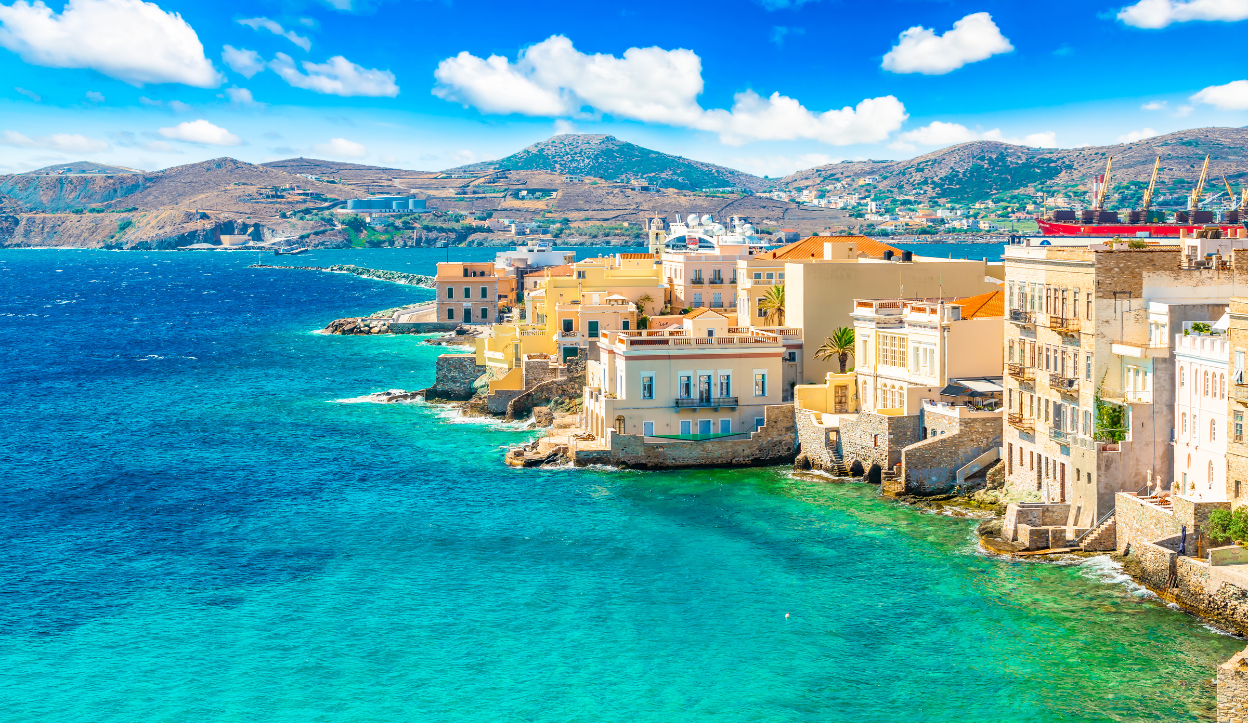
Visiting Greece In March: Everything You Need To Know
Thinking about a trip to Greece and wondering if March is a good time to go? You’re in the right place.
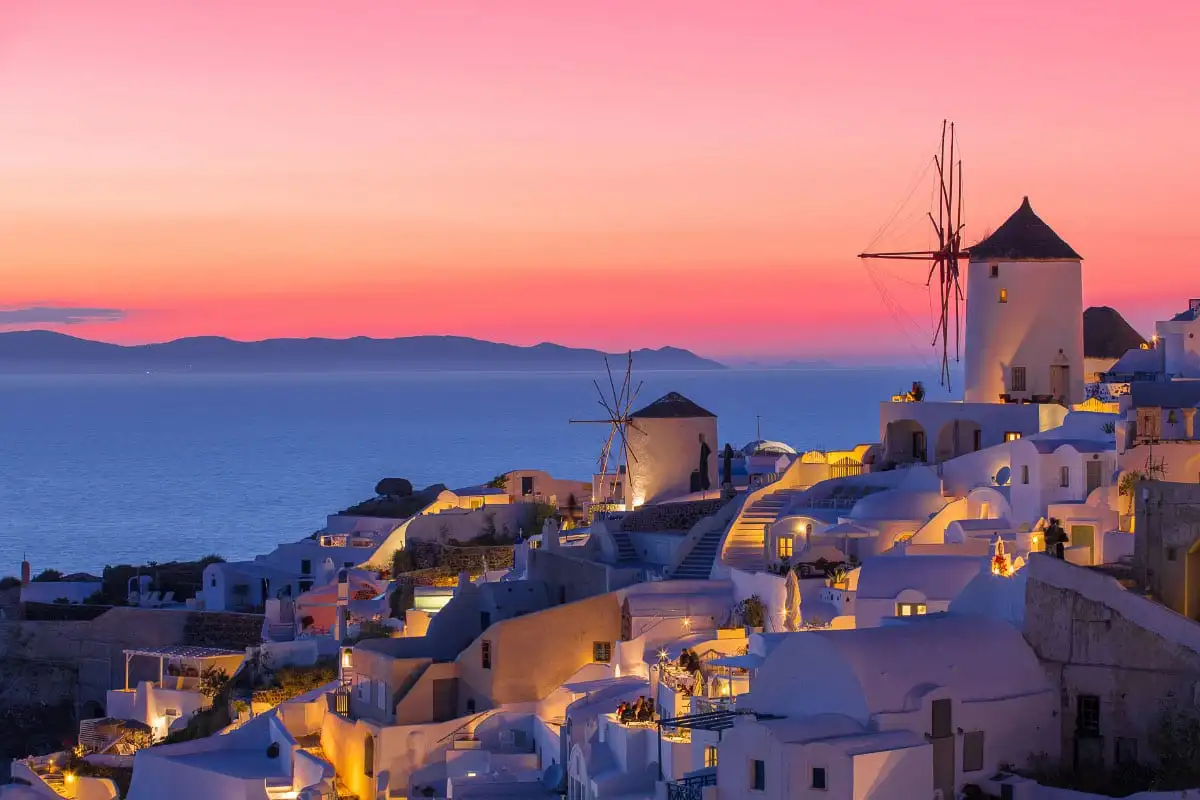
Searching for what it’s like to visit Greece in March? In this guide you’ll discover everything you need to know about the weather, demand, pricing, and the best things to do.
Greece Weather in March
March is when winter starts to ease in Greece and spring begins to show up — though you’ll still want to pack a few layers.
- March is when winter starts to ease in Greece and spring begins to show up — though you’ll still want to pack a few layers.
- Daytime highs across many parts of Greece typically range between 10–16 °C (50–61 °F).
- Nighttime lows can drop into the 4–9 °C (39–48 °F) range in inland or mountainous zones.
- The sea temperature remains cool — around 14–16 °C (57–61 °F), so swimming is generally only for the brave.
- Rain is still possible: expect around 7–9 days of rain during the month on average.
- Southern islands like Crete tend to be a bit milder, while northern Greece stays cooler and wetter.
What that means for you:
You won’t get full summer beach‑weather, but you’ll have pleasant days for sightseeing, exploring and being outdoors without sweltering heat. Pack a light jacket, be ready for variable weather, and choose southern/coastal areas if you want the mildest conditions.
Greece Sunrise & Sunset in March
Daylight is increasing, which gives you more time for exploring, though the days are still shorter than in summer.
- In March you’ll generally get about 10‑11 hours of daylight depending on where you are and how early or late in the month you travel.
- Sunrise times vary but can be around 7:00 a.m. (local time) or slightly earlier toward the end of the month.
- Sunset might fall around 5:30‑6:00 p.m., depending on region and date.
- Because daylight is shorter than the peak months, it’s wise to plan your outdoor excursions earlier in the day — this way you make the most of the light.
March Is Shoulder Season in Greece
Here’s how tourism, demand, pricing and crowds tend to behave in March — and what that means for your trip.
- March is considered a shoulder season — coming out of the low winter season and before the full summer rush.
- Demand: You’ll find fewer tourists at major sites compared with summer, meaning more breathing room and easier logistics.
- Pricing: Flights and hotels often cost less than peak months, since many travelers focus on spring‑late‑summer. But note: some island resorts or services may not yet be fully operational.
- Crowds: With fewer visitors, you’ll enjoy quieter museums, landmarks and islands. But keep in mind that some island ferries or beaches may have limited services until season picks up.
- Booking tip: If you’re traveling in March, you’ll get good value, but check availability on islands and for tours. Staying on the mainland or in well‑connected islands may offer the best balance.
Best Things To Do in Greece in March
March in Greece gives you a chance to explore with more space and at a gentler pace — perfect for culture, history, landscapes and fewer crowds.
Here are some of the top activities — and why March is a smart time for them:
- Explore ancient sites on the mainland – Cities like Athens, the Peloponnese and other historic regions are more comfortable in cooler weather. Without the summer heat you can enjoy things like the Acropolis or ancient Olympia with fewer crowds.
- Visit southern islands or lesser‑known spots – While swimming may be limited, islands such as Crete or Rhodes tend to be more accessible, quieter and beautifully green from winter rains.
- Enjoy local culture and seasonal events – With fewer tourists, you’ll get more of a local vibe in cafés, tavernas and towns. It’s a good time for food, photography and wandering.
- Witness early spring scenery – The landscape begins to bloom, especially in March, which makes countryside drives, nature walks or village explorations especially rewarding.
- Photograph without the crowds – The quieter pace and soft light of early spring give you great opportunities for photos at landmarks, coastlines and charming towns.
 Jetsetter Alerts
 Jetsetter Alerts
 Jetsetter Alerts
 Jetsetter Alerts