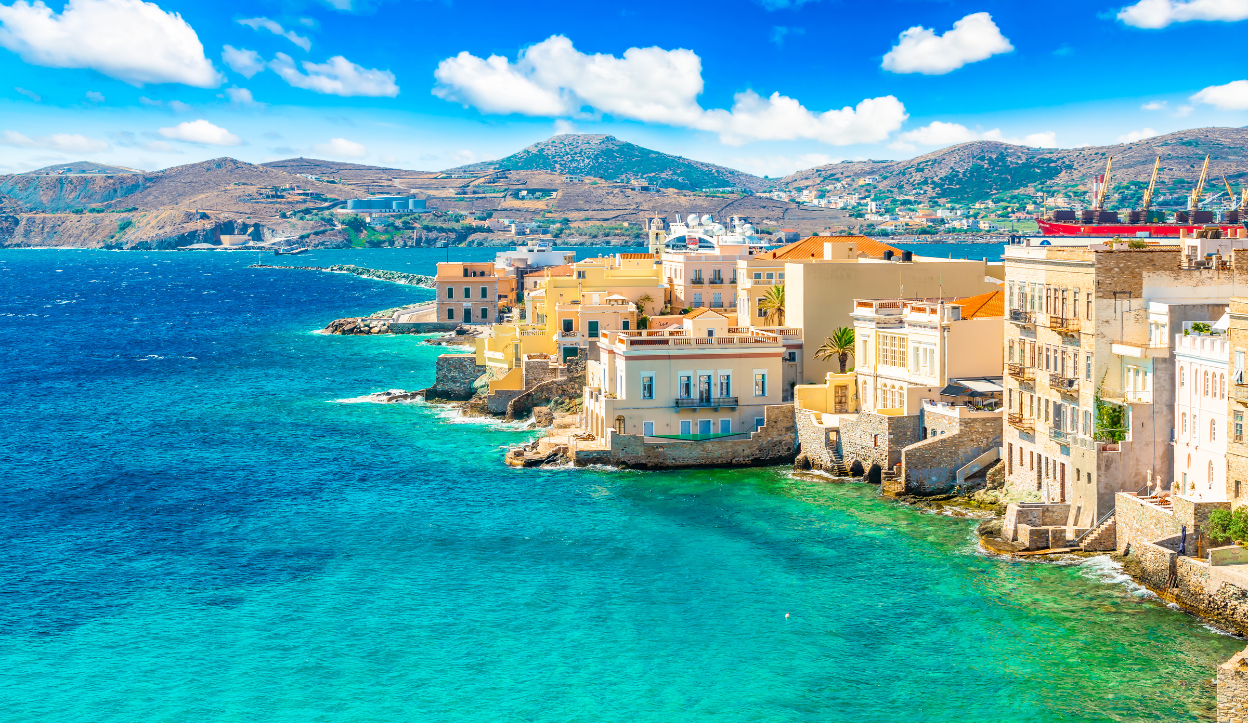
Visiting Greece In January: Everything You Need To Know
In this guide you will discover everything you need to know about visiting Greece, including the weather, demand, pricing, and the best things to do.
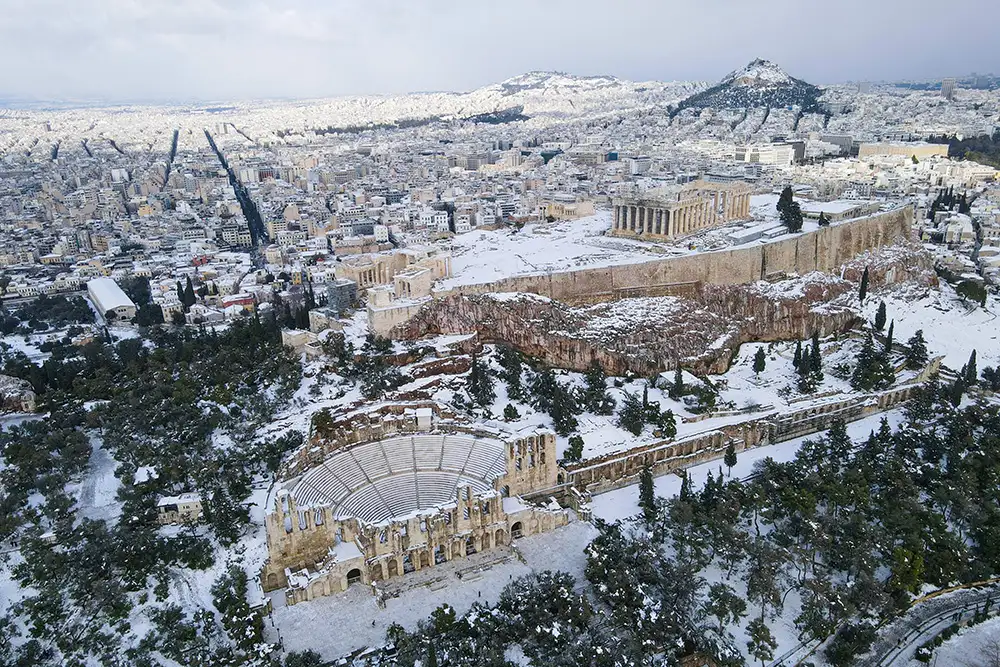
Thinking about a trip to Greece and wondering if January is a good time to go? You’re in the right place. Here's everything you need to know to help you plan a visit to Greece in January.
Greece Weather in January
January in Greece means you’ll find off‑peak weather — cooler days, some rain, and a completely different pace than the summer months.
- In Athens daytime highs are around 13 °C (~55 °F), sometimes reaching 17 °C (~62 °F) on milder days.
- Night‑time lows in Athens can dip to about 7 °C (~45 °F) in many cases.
- Rain is present: for Athens the probability of a wet day is about 20‑22% during January.
- On the islands like Santorini or Crete you’ll still be in the cool zone: daytime highs ranging around 10‑16 °C (50‑61 °F) and sea temperatures are low (making swimming less likely).
- Many days will be partly cloudy with some sunny intervals. For example in Athens about 41% of the time in January skies are overcast or mostly cloudy.
What that means:
You won’t get hot beach weather, but you’ll get mild days suitable for exploring. Pack layers, bring a rain jacket for occasional showers, and be ready for cooler evenings.
Greece Sunrise & Sunset in January
The daylight window is smaller than in summer — good to know when planning sightseeing or drives.
- In Athens, Greece the daylight hours at the start of January are around 9 hours 35 minutes and by the end of the month about 10 hours 17 minutes.
- Typical sunrise times are around 7:30 a.m. (at month‑end) and sunset around 5:47 p.m. in Athens.
- Because the days are shorter, it’s smart to plan outdoor activities (sightseeing, drives) earlier in the day—by late afternoon things may start winding down.
January Is Low Season in Greece
Here’s how tourism demand, pricing and crowds behave in Greece during January — and what that means for your trip.
- January falls in the off‑peak/low‑season for most of Greece — fewer tourists, quieter streets, more relaxed pace.
- Pricing: You’ll often find better deals on flights and accommodations compared with summer or high‑season. For instance, Athens hotels and airfares are frequently cheaper in January.
- Crowds: Expect fewer visitors at major landmarks like the Acropolis in Athens — less waiting, more space to explore.
- Things to watch: Because it’s low season, be prepared for some island businesses (especially on small islands) possibly having reduced hours or even closed. Ferries and internal transport might be less frequent.
Tip: If you’re looking to explore Greece with fewer crowds and more relaxed travel, January is a smart pick — just expect cooler weather and adjust accordingly.
Best Things To Do in Greece in January
January offers a different take on Greece — quieter towns, historical sites without big crowds, and winter‑charm rather than beach party. Here are top activities and why this month works well:
• Explore ancient ruins without the crowds
January is one of the quietest months of the year, which means the Acropolis, Ancient Agora, Delphi, and Olympic sites feel calmer and more personal.
• Visit world-class museums
Cold days are perfect for the Acropolis Museum, National Archaeological Museum, and the Museum of Byzantine Culture — all warm, quiet, and beautifully curated.
• Wander historic neighborhoods
Places like Plaka, Monastiraki, and Nafplio feel relaxed in winter, giving you plenty of room to stroll, shop, and enjoy street cafés without peak-season chaos.
• Warm up in cozy tavernas
January is made for slow meals — think hearty stews, grilled meats, baked feta, and local wine. It’s one of the best months to experience authentic Greek comfort food.
• Island-hop to the larger islands
Crete, Rhodes, and Corfu stay active year-round. While it’s too chilly for beach days, you’ll get quiet villages, mild weather, and great local culture.
• Take scenic coastal drives
Greece’s coastline is beautiful even in winter, especially along the Peloponnese or the rugged cliffs of Crete’s north shore.
• Go hiking in mild winter weather
Trails like Samaria Gorge (if open), Imbros Gorge, and Mount Hymettus offer crisp air, dramatic scenery, and fewer people.
• Enjoy hot springs and thermal baths
January is the perfect month for natural hot springs. Loutraki, Edipsos, and Pozar Thermal Baths are warm, scenic, and incredibly relaxing.
• Explore monasteries and mountain villages
Visit Meteora’s monasteries, Zagori’s stone villages, or the alpine towns near Mount Olympus — all magical under winter skies.
• Attend winter festivals and events
January brings Epiphany celebrations, local parades, and cultural traditions that give you a glimpse into authentic Greek life.
Discover Other Months To Visit Greece
 Jetsetter Alerts
 Jetsetter Alerts
 Jetsetter Alerts
 Jetsetter Alerts