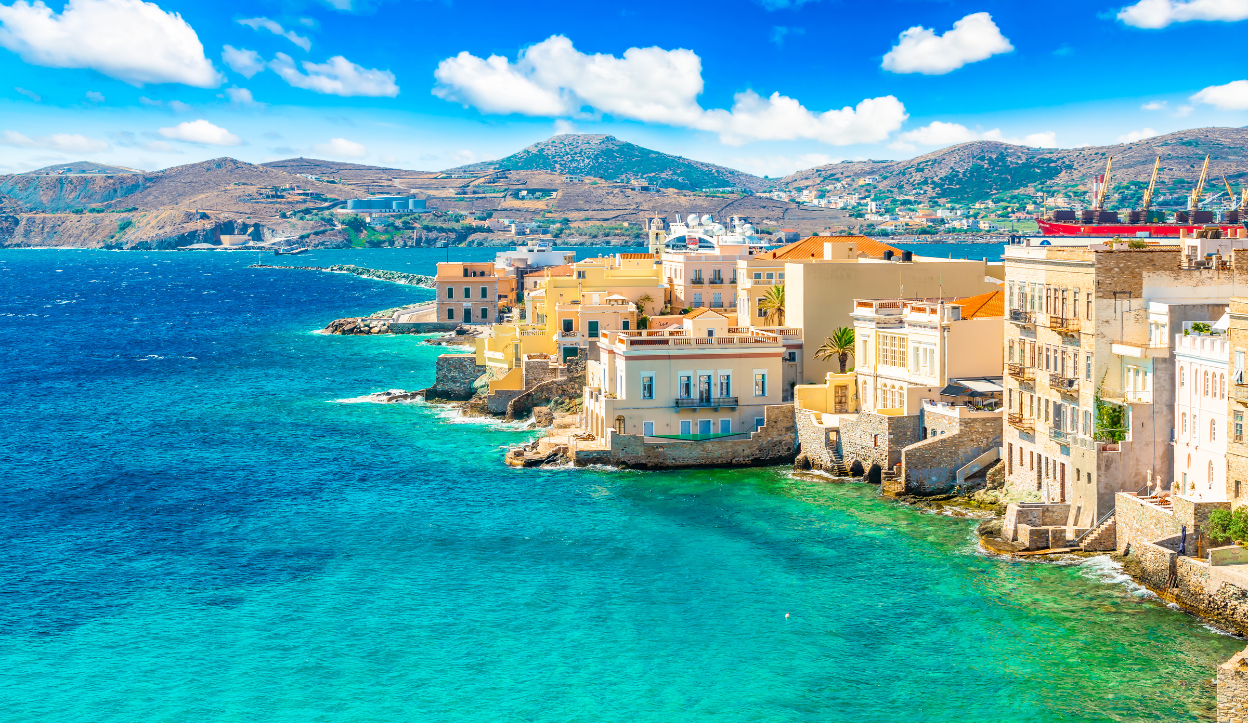
Visiting Greece In February: Everything You Need To Know
Thinking about a trip to Greece and wondering if February is a good time to go?
You’re in the right place. Here’s everything you need to know about visiting Greece in February — from the weather and prices to how busy it gets and the best things to do.
Greece Weather In February
February in Greece means winter conditions — cool, sometimes damp, and quieter than the peak travel seasons.
- On the mainland (for example around Athens), daytime highs are often around 10 °C (≈50 °F).
- Night‑time temperatures may drop to around 7 °C (≈45 °F) or lower in some inland or northern areas.
- February is one of the wetter months: coastal and western parts of Greece especially see more rain‑days.
- Sea temperatures remain cool and not really ideal for swimming (especially compared to summer months).
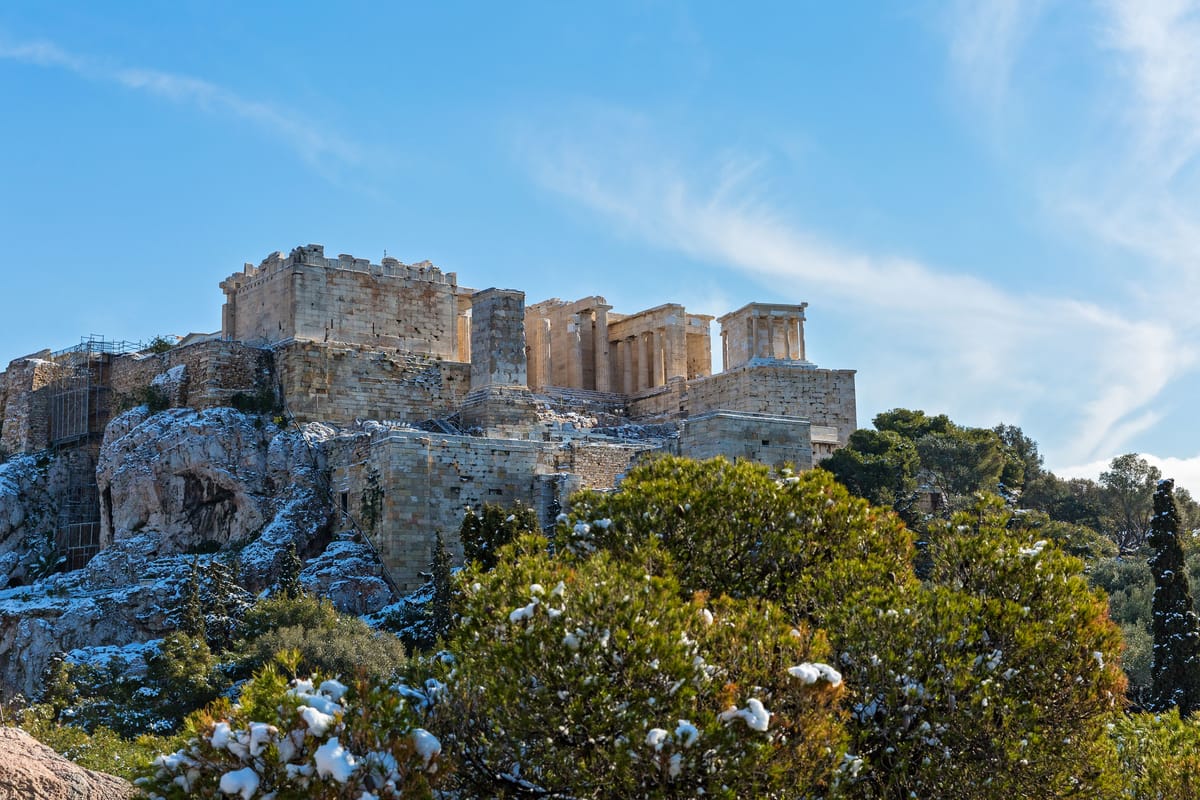
- Some northern and mountainous regions may even see snow or colder winter weather.
What that means for you:
You won’t be heading to Greece in February with the expectation of beach‑weather. Instead, it’s better suited for sightseeing, cultural trips, quiet paths, and exploring without the crowds — but you’ll want warm layers, possibly rain gear, and realistic expectations for outdoor bathing or complete sunshine.
Not A Member? ✈️
Save 40%-95% On Flights With Jetsetter Alerts Airline Mistake Fare & Flash Sales Alerts!
Greece Sunrise & Sunset In February
The daylight hours are shorter than summer, so planning your outings around light is helpful.
- In Greece in February you’ll have roughly 10 to 11 hours of daylight depending on location and date.
- Sunrise might be around 7:00 a.m. or slightly earlier in places like Athens; sunset likely around 5:00 ‑ 5:30 p.m. local time.
- Because of fewer daylight hours, it’s wise to plan outdoor activities earlier in the day so you’re not scrambling after dark.
February Is Low Season in Greece
Here’s how tourism demand, prices and crowd levels behave in Greece during February — and what that means for a traveler.
- February is a part of the off‑peak or low season in many parts of Greece. Fewer tourists, less rush.
- Prices for flights, hotels and rentals are often lower than peak summer or high‑season travel periods.
- Some island services (ferries, day tours) may run less frequently or operate with reduced hours in February.
- Crowds at major sites (ancient ruins, museums) tend to be much lighter — meaning more relaxed visits.
- On the flip side: Because of cooler/wetter weather, some beach‑resort amenities may be less appealing or some outdoor activities may be weather‑impacted.
Best Things To Do In Greece In February
Even though it’s winter, February in Greece offers unique advantages — quieter sites, cozy local experiences and a different kind of charm. Here are top things to do — and why they work in February:
- Explore Athens and major mainland sites – With fewer tourists, you can see places like the Acropolis, Plaka neighbourhood, museums and archaeological sites without the summer crowds.
- Visit the Peloponnese or inland regions – Cooler weather makes it comfortable for driving around historic sites, mountain villages and less‑visited landscapes.
- Stay on larger islands or in southern coastal areas – While beach‑weather is limited, islands like Crete may still offer mild weather compared to the mainland and you’ll find a more peaceful experience.
- Enjoy local culture, food and indoor experiences – Winter in Greece can mean more local restaurant time, fewer crowds in cafés, and cozy evenings.
- Photography & atmosphere – With softer light, cooler air, and fewer visitors, February can offer strong photo moments of historic sites, winter landscapes and coastal views.
Discover Other Months To Visit Greece
 Jetsetter Alerts
 Jetsetter Alerts
 Jetsetter Alerts
 Jetsetter Alerts