
10 Best Places in Uruguay for Nature Lovers
Discover 10 must-visit natural attractions in Uruguay, from beaches and wetlands to islands and wildlife-rich landscapes.
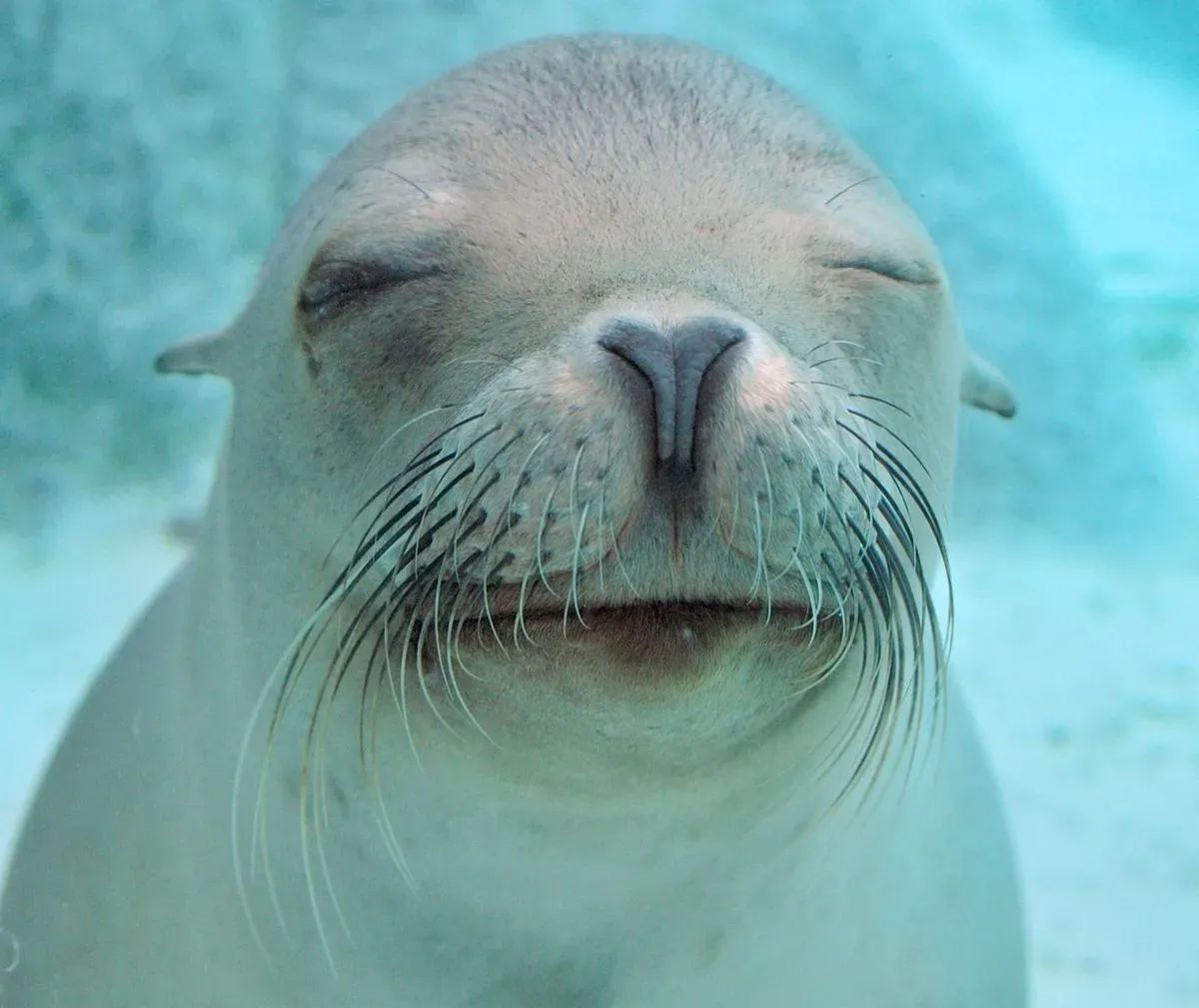
Uruguay offers pristine beaches, rolling hills, and rich wildlife experiences, making it a rewarding destination for travelers who love nature.
From coastal reserves and quiet beach towns to wetlands, islands, and wildlife-filled landscapes, the country has far more to offer than many visitors expect.
Below, you can discover 10 must-visit natural attractions in Uruguay to help you plan your itinerary.
Cabo Polonio
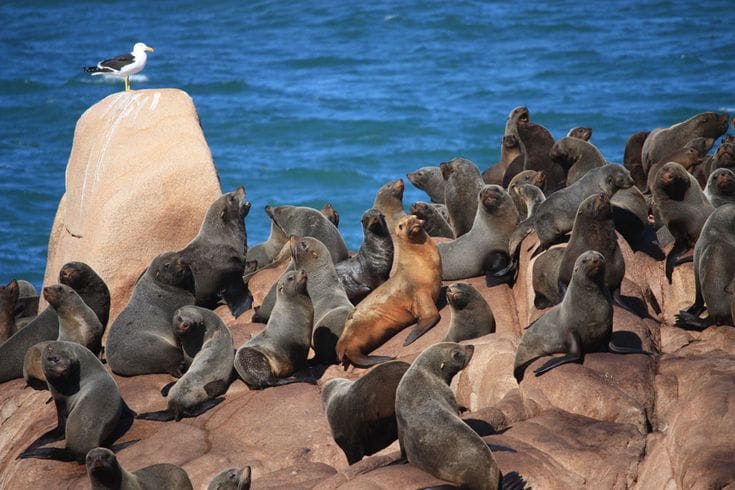
Located inside Cabo Polonio National Park, this tiny off-grid fishing village feels like the edge of the world. Reached by 4×4 trucks that cross shifting sand dunes, Cabo Polonio is known for its wild Atlantic scenery, rustic cabins, candlelit nights, and total escape from modern life.
The main highlights are the 1881 Cabo Polonio Lighthouse, sweeping coastal views, and one of South America’s largest sea lion colonies gathered on the rocks below. Visitors can also spot seabirds, dolphins, whales in winter, and explore the surrounding dunes and protected coastal landscapes.
Highlights:
- Reached by 4×4 trucks across the dunes
- Home to a large South American sea lion colony
- Coastal views from the historic 1881 lighthouse
- Off-grid lodges, cabins, and eco-stays
- One of Uruguay’s best places to disconnect and enjoy wild coastal nature
Laguna de Rocha
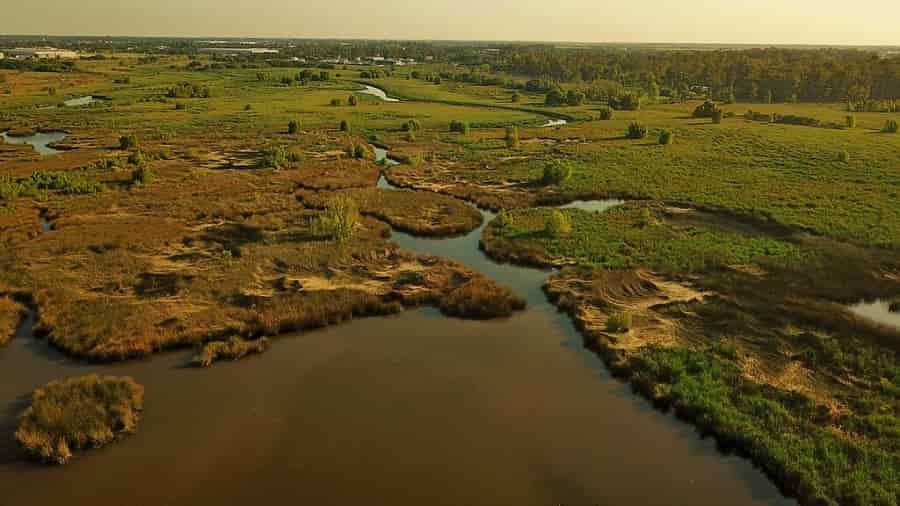
Laguna de Rocha is a wide, shallow coastal lagoon where freshwater and saltwater mix between sand dunes and the Atlantic Ocean. It is one of Uruguay’s best bird-watching spots, with flamingos, herons, spoonbills, black-necked swans, and many other species found around the wetlands.
The lagoon is also a peaceful place for kayaking, paddleboarding, photography, and beach walks. Its calm, shallow water makes it beginner-friendly, while the nearby dunes and quiet Atlantic beaches give the area a wild, untouched feel.
Highlights:
- Excellent bird-watching, including flamingos, herons, spoonbills, and swans
- Calm, shallow water for kayaking and paddleboarding
- Secluded beaches just beyond the dunes
- Great spot for wildlife and landscape photography
- Peaceful wetland scenery with a small local fishing community
Valle del Lunarejo
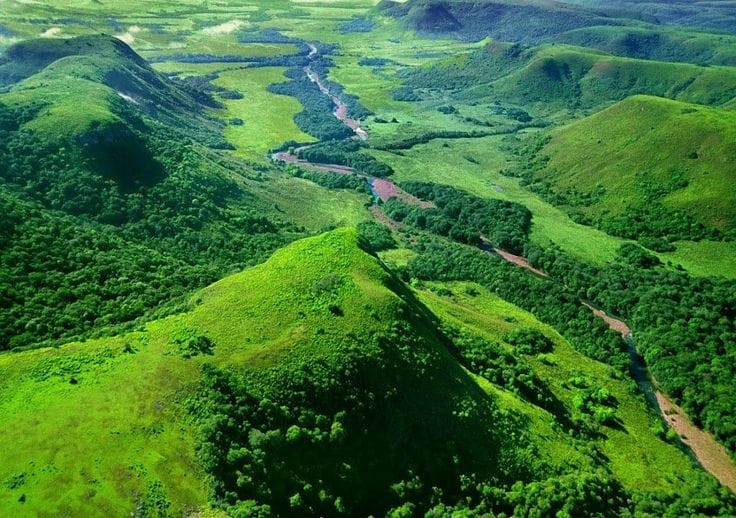
Valle del Lunarejo is one of Uruguay’s most scenic nature escapes, located in the far north near the Brazilian border. The valley is known for its sandstone cliffs, forested hills, clear streams, waterfalls, and quiet hiking trails that feel much wilder than most travelers expect from Uruguay.
Its unique microclimate supports rare plants, birds, and wildlife, making it a great destination for hiking, horseback riding, swimming in natural pools, and stargazing. Most visitors come for the peaceful landscapes, panoramic viewpoints, and the chance to fully unplug in nature.
Highlights:
- Scenic hiking trails with panoramic valley views
- Sandstone cliffs, waterfalls, forests, and freshwater streams
- Natural pools and rock slides along the Lunarejo stream
- Great bird-watching and wildlife-spotting opportunities
- Horseback rides to rural estancias
- Excellent stargazing with very little light pollution
Quebrada de los Cuervos
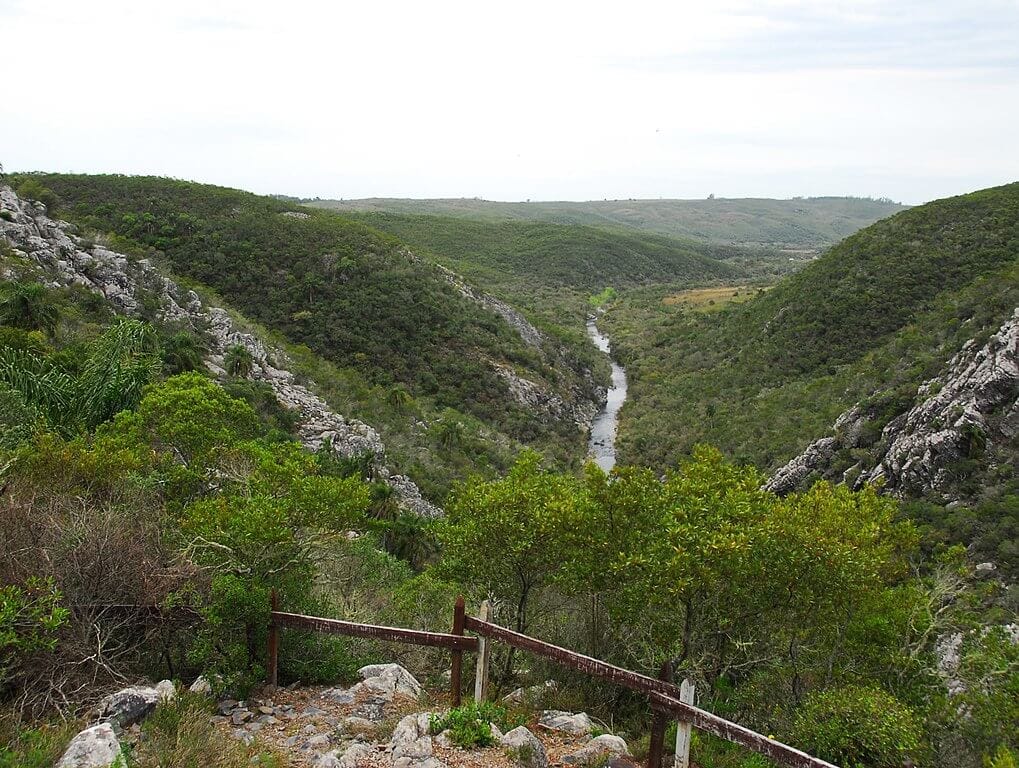
Quebrada de los Cuervos is one of Uruguay’s most dramatic natural landscapes, known for its deep gorge, rocky cliffs, forested slopes, and scenic viewpoints. The protected area centers around a canyon carved by the Yerbal Chico Stream, creating a wild, rugged setting that feels far removed from Uruguay’s quieter coastal scenery.
Visitors can explore short lookout trails, longer hikes down toward the stream, picnic areas, and peaceful spots for bird-watching. It is especially popular with hikers and nature lovers, with chances to see raptors, colorful birds, coatis, armadillos, and other wildlife.
Highlights:
- Dramatic canyon views from easy-to-reach lookout points
- Hiking trails for different fitness levels
- Stream crossings, forest paths, and rugged gorge scenery
- Great bird-watching, especially for raptors
- Simple camping and picnic areas near the reserve
- One of Uruguay’s best places for raw, dramatic nature
Santa Teresa National Park
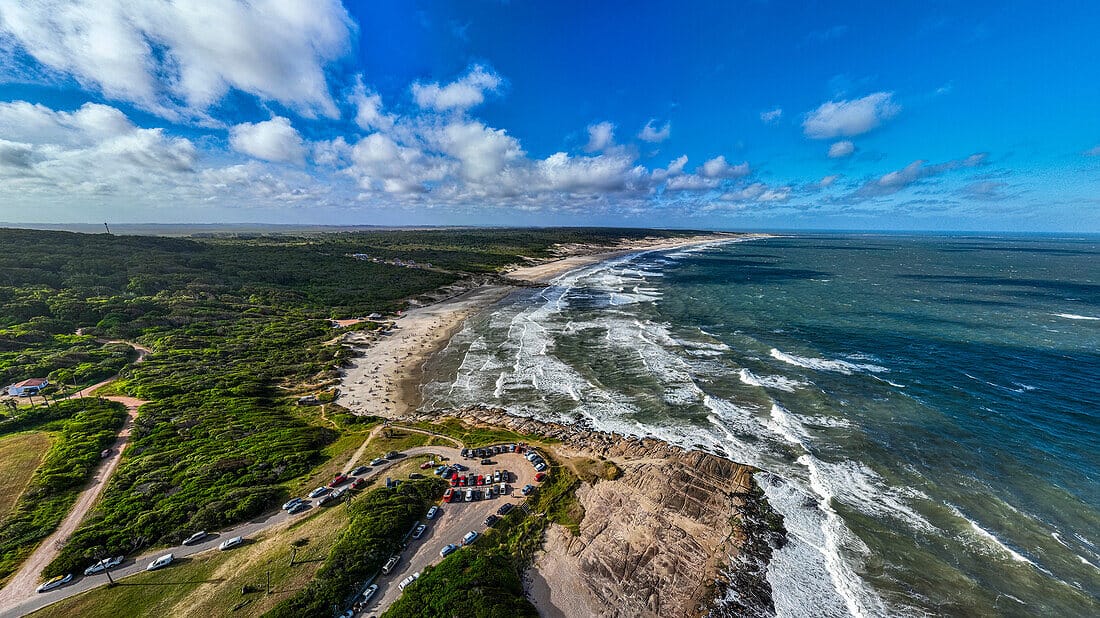
Santa Teresa National Park is one of Uruguay’s best coastal nature escapes, stretching across dunes, beaches, forests, grasslands, and historic sites along the Atlantic coast. The park is known for its uncrowded beaches, walking and cycling trails, wildlife areas, and peaceful campgrounds.
Visitors can relax on beaches like Playa Grande, Playa La Moza, and Playa del Barco, explore the historic Fortaleza de Santa Teresa, or wander through botanical gardens, lagoons, and shaded forest paths. It is a great spot for beach days, nature walks, camping, bird-watching, and a little history all in one place.
Highlights:
- Long, uncrowded Atlantic beaches
- Historic 18th-century Fortaleza de Santa Teresa
- Walking and cycling trails through dunes, lagoons, and forest
- Botanical garden, wildlife areas, and bird-watching
- Spacious campgrounds and picnic areas
- One of Uruguay’s best parks for combining beach, nature, and history
Isla de Lobos
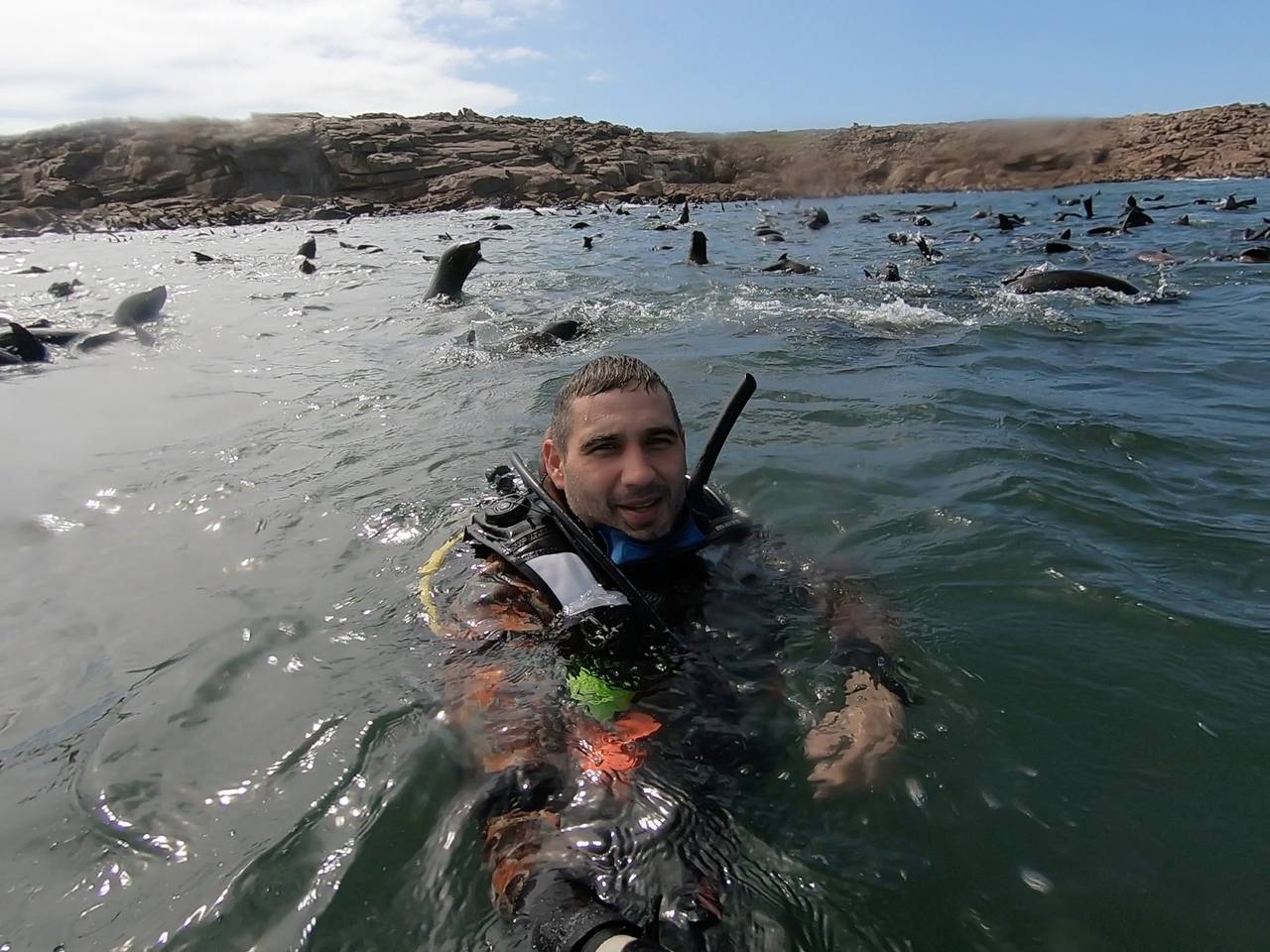
Isla de Lobos is a protected rocky island off the coast of Punta del Este and one of Uruguay’s top wildlife experiences. The island is best known for its massive South American sea lion colony, with thousands of sea lions resting, barking, swimming, and crowding the rocks.
Most visitors see the island on a guided boat tour from Punta del Este, with chances to spot sea lions up close from the water. The surrounding marine reserve is also popular for scuba diving and snorkeling, especially when conditions are calm.
Highlights:
- Home to one of the largest South American sea lion colonies
- Guided wildlife cruises from Punta del Este
- Great place to see sea lions from the boat
- Scuba diving and snorkeling opportunities nearby
- Protected marine reserve with seabirds and marine life
- Easy wildlife day trip from Punta del Este
Laguna Garzón
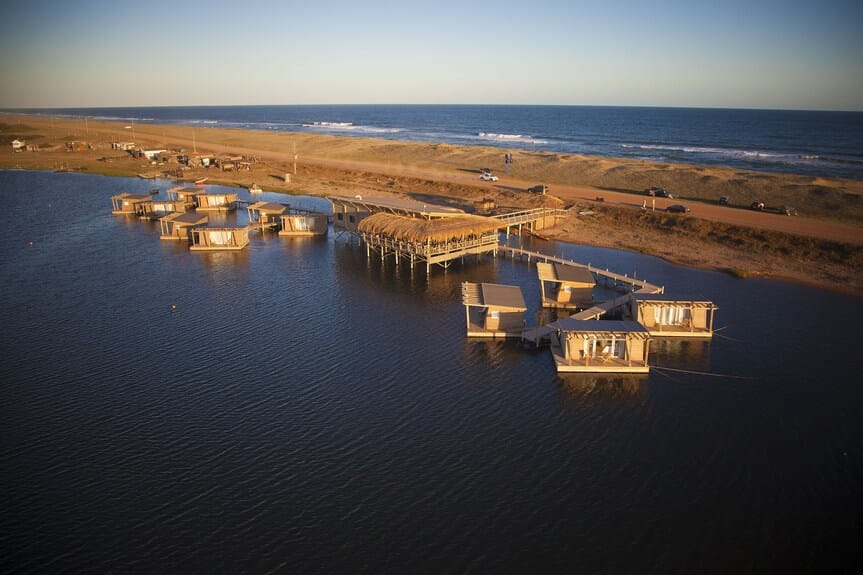
Laguna Garzón is a calm coastal lagoon near José Ignacio, known for its peaceful water, birdlife, sunsets, and striking circular bridge designed by architect Rafael Viñoly. The lagoon is a great spot for kayaking, stand-up paddleboarding, windsurfing, and relaxed nature watching.
Its shallow, sheltered water makes it beginner-friendly, while the surrounding wetlands attract black-necked swans, shorebirds, and other wildlife. Visitors can paddle beneath the famous round bridge, explore the quiet shoreline, or stay overnight in floating cabins and eco-lodges near the water.
Highlights:
- Iconic circular bridge connecting both sides of the lagoon
- Calm water for kayaking, paddleboarding, and windsurfing
- Great bird-watching in the surrounding wetlands
- Beautiful sunsets reflected across the lagoon
- Floating cabins and eco-lodges near the shoreline
- Easy nature escape near José Ignacio
Esteros de Farrapos National Park
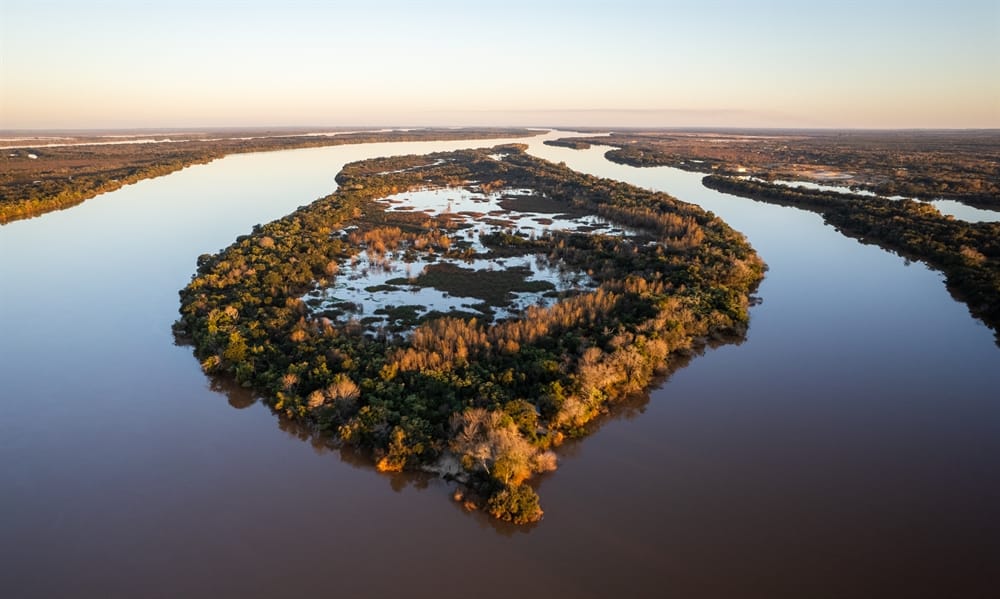
Esteros de Farrapos is one of Uruguay’s best wetland destinations, located along the Uruguay River near the town of Nuevo Berlín. The protected area is made up of lagoons, marshes, river islands, reed beds, and quiet waterways that are ideal for slow nature travel.
It is especially popular for bird-watching, canoeing, kayaking, fishing, and wildlife spotting. Visitors may see capybaras, river otters, jacanas, raptors, scarlet-headed blackbirds, southern screamers, and many other bird species while exploring the channels and forest trails.
Highlights:
- Protected wetland landscape with lagoons, marshes, and river islands
- Excellent canoeing and kayaking through calm waterways
- One of Uruguay’s top bird-watching areas
- Chance to see capybaras, river otters, and wetland wildlife
- Good fishing for dorado, catfish, and other river species
- Quiet campgrounds and rustic stays near the riverfront
Punta del Diablo
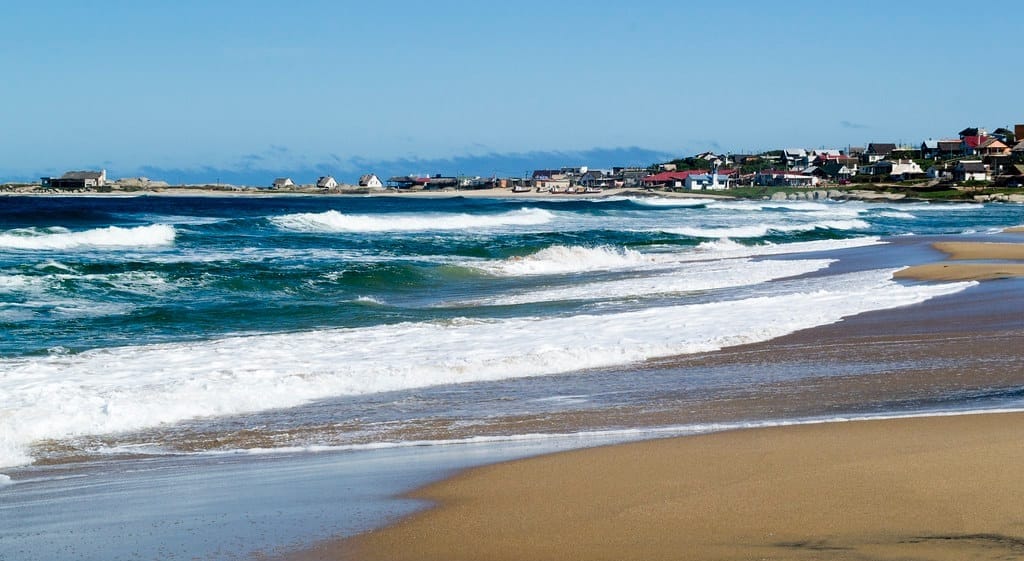
Punta del Diablo is a laid-back fishing village on Uruguay’s Atlantic coast, known for its rustic charm, surf beaches, seafood, and bohemian feel. Unlike the country’s more polished resort towns, it still feels relaxed and unpretentious, with dirt roads, colorful cottages, open-air bars, and fishing boats pulled up on the sand.
It is a great place for surfing, beach walks, whale watching, seafood, and easy nature day trips. Visitors can surf at Playa de los Pescadores or Playa de la Viuda, explore nearby Santa Teresa National Park, or walk toward Reserva Natural Cerro Verde for coastal scenery, birdlife, and sea turtle nesting areas.
From August to October, southern right whales may be spotted offshore, making sunset from the rocky headlands even more memorable.
Highlights:
- Relaxed fishing village with a rustic beach-town atmosphere
- Surfing at Playa de los Pescadores and Playa de la Viuda
- Easy access to Santa Teresa National Park
- Nearby Reserva Natural Cerro Verde for wildlife and coastal walks
- Whale-watching potential from August to October
- Fresh seafood, beach bars, artisan markets, and a bohemian vibe
Frequently Asked Questions
Are there good hiking spots in Uruguay?
Yes, Uruguay has several excellent hiking spots, including:
- Valle del Lunarejo
- Quebrada de los Cuervos
- Santa Teresa National Park
These areas offer trails for all levels and breathtaking scenery.
Where's the best places to see wildlife in Uruguay?
For wildlife spotting, visit:
- Cabo Polonio (sea lions)
- Isla de Lobos (marine life)
- Esteros de Farrapos National Park (birds and river species)
Not A Member? ✈️
Save 50%-95% with Jetsetter Alerts - Airline Mistake Fare & Flash Sales Alerts!