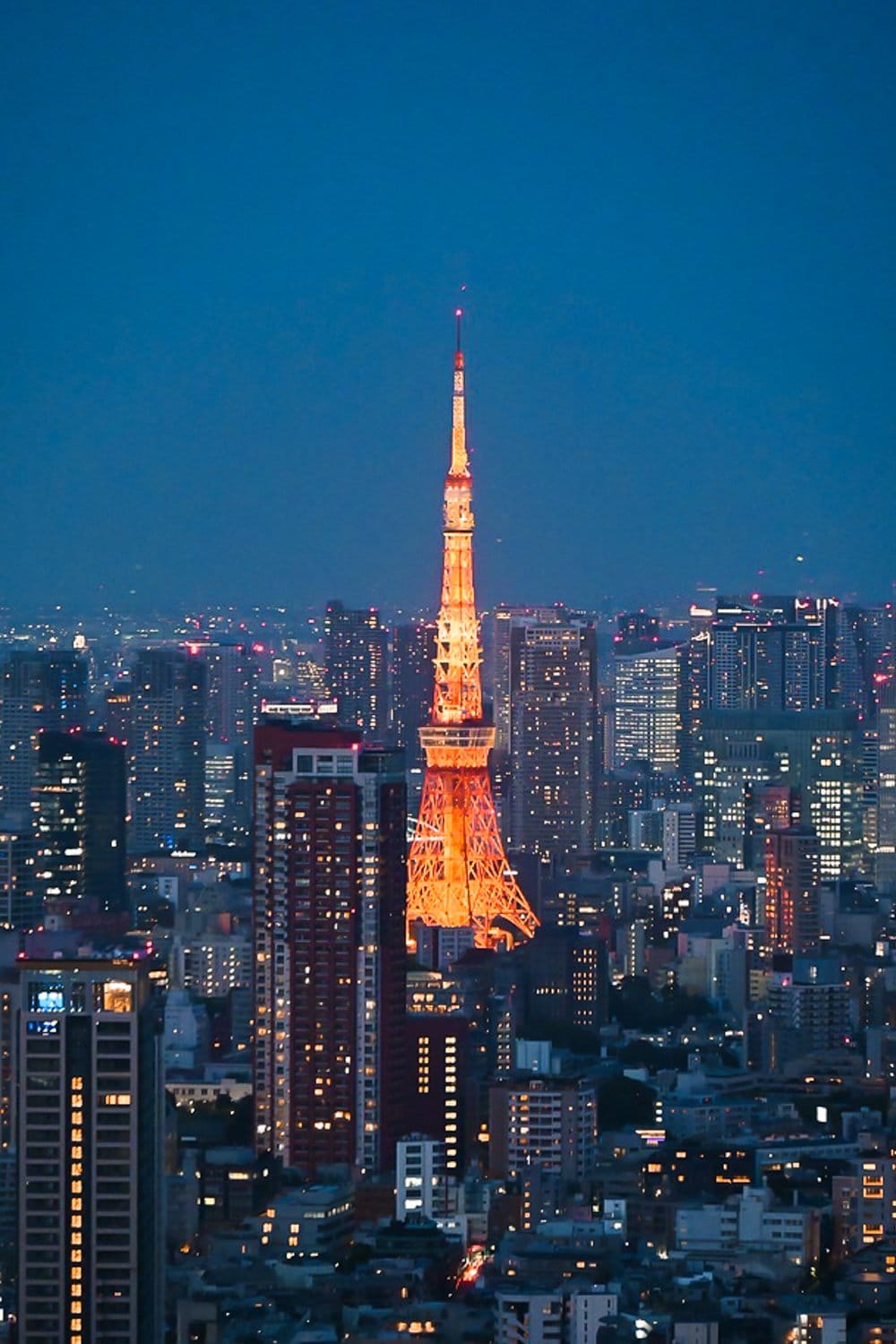
Japan's Monthly Weather and Tourism Guide
Learn the best time to visit Japan by season—see when crowds peak, prices drop, and weather changes month by month to help plan your trip.
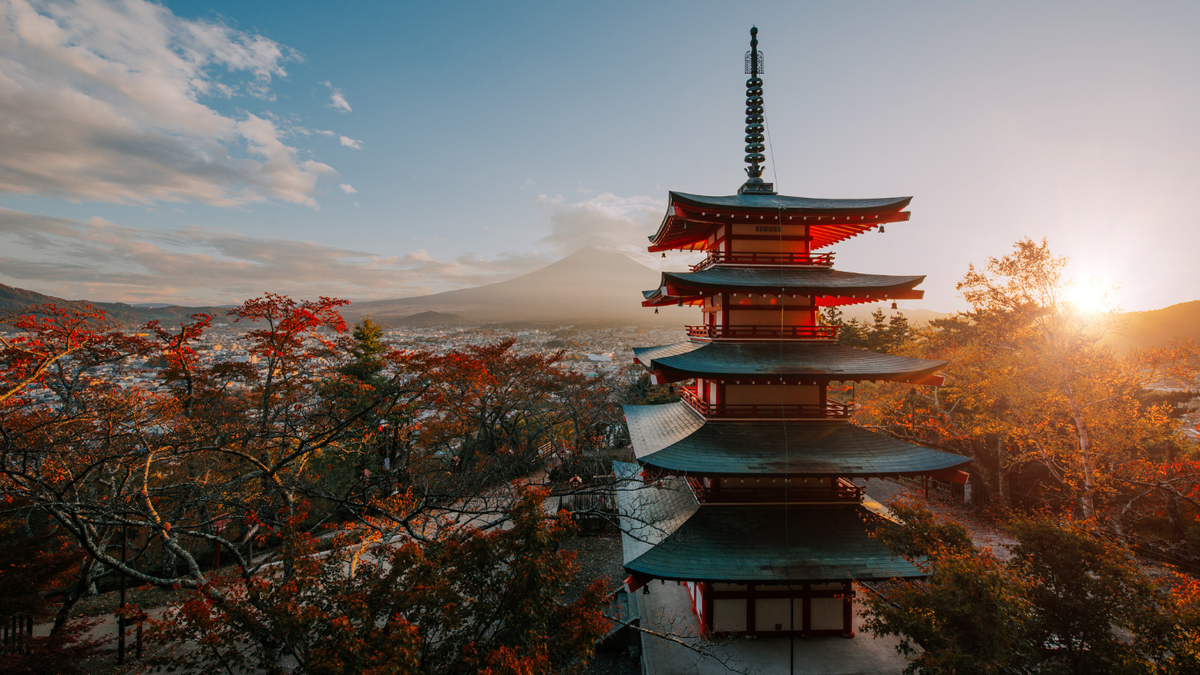
Japan offers very different travel experiences depending on the time of year, with weather, prices, and crowd levels changing from season to season.
From spring cherry blossoms to fall color changes, summer festivals, and quieter winter months, knowing Japan’s travel seasons helps you plan the best time to visit based on your budget and what you want to experience.
Not A Member? ✈️
Save 40%-95% with Jetsetter Alerts - Airline Mistake Fare & Flash Sales Alerts!
Monthly Weather, Tourism, and Events
Here are Japan's weather, events, festivals and holidays broken down for each month of the year, so you know exactly what to expect when traveling to Japan, for each month of the year.
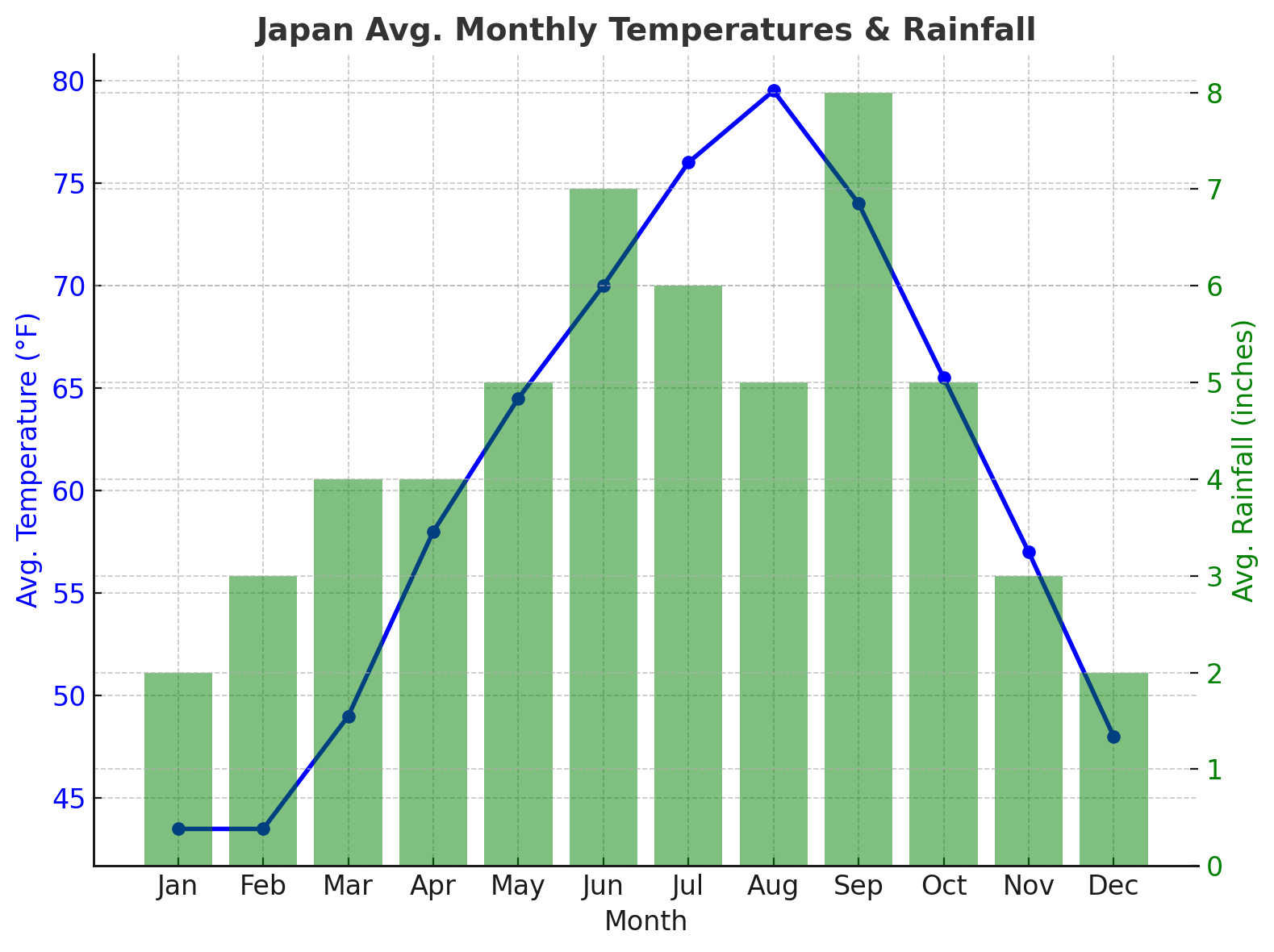
Japan in January
January is one of the coldest months in Japan, especially in northern regions and higher elevations. Snowfall is common in places like Hokkaido and the Japanese Alps, making this a prime month for winter sports and mountain travel.
- Tourism scene: Visitor numbers drop after New Year’s, creating quieter conditions at major attractions
- Events: New Year shrine visits (Hatsumode) continue into early January
- Best for: Skiing, snowboarding, and winter scenery
- Temperature range: 37°F–50°F (3°C–10°C)
- Average rainfall: 2 inches
Japan in February
February remains firmly in winter, with cold temperatures and steady snow in northern Japan. It’s a strong month for snow festivals and winter experiences, especially outside major cities.
- Tourism scene: Fewer tourists overall, though ski resorts stay active
- Events: Sapporo Snow Festival draws international visitors
- Best for: Winter festivals and snow sports
- Temperature range: 37°F–50°F (3°C–10°C)
- Average rainfall: 3 inches
Japan in March
March marks the transition from winter to spring, with temperatures slowly warming and early blossoms appearing in southern regions.
- Tourism scene: Visitor numbers begin rising, but crowds remain manageable
- Events: Plum blossoms bloom; early cherry blossoms appear late in the month
- Best for: Early spring travel without peak crowds
- Temperature range: 41°F–57°F (5°C–14°C)
- Average rainfall: 4 inches
Japan in April
April is one of the most popular and expensive months to visit Japan due to cherry blossom season. Parks, temples, and riverwalks fill with visitors during peak bloom.
- Tourism scene: Heavy crowds and higher prices nationwide
- Events: Cherry blossom festivals across Tokyo, Kyoto, and Osaka
- Best for: Iconic spring scenery
- Temperature range: 50°F–66°F (10°C–19°C)
- Average rainfall: 4 inches
Japan in May
May offers warm temperatures and fresh greenery, though early May sees intense domestic travel during Golden Week.
- Tourism scene: Extremely busy during Golden Week, calmer afterward
- Events: Golden Week holidays and Children’s Day on May 5
- Best for: Spring weather once Golden Week ends
- Temperature range: 57°F–72°F (14°C–22°C)
- Average rainfall: 5 inches
Japan in June
June begins Japan’s rainy season, bringing higher humidity and frequent showers across much of the country.
- Tourism scene: Fewer visitors and lower accommodation prices
- Events: Hydrangea festivals brighten parks and temples
- Best for: Budget travelers who don’t mind rain
- Temperature range: 64°F–76°F (18°C–24°C)
- Average rainfall: 7 inches
Japan in July
July marks the start of summer, with rising heat and humidity balanced by festival season.
- Tourism scene: Visitor numbers increase due to festivals and fireworks
- Events: Gion Matsuri in Kyoto, one of Japan’s largest festivals
- Best for: Cultural events and nightlife
- Temperature range: 70°F–82°F (21°C–28°C)
- Average rainfall: 6 inches
Japan in August
August is one of the hottest months in Japan and part of the summer holiday period.
- Tourism scene: Busy with domestic travel and festival crowds
- Events: Obon holidays and Awa Odori Festival
- Best for: Festivals and summer traditions
- Temperature range: 73°F–86°F (23°C–30°C)
- Average rainfall: 5 inches
Japan in September
September brings cooler temperatures as summer fades, though early autumn storms are possible.
- Tourism scene: Fewer tourists as school resumes
- Events: Harvest festivals and moon-viewing celebrations
- Best for: Lower crowds with warm weather
- Temperature range: 68°F–80°F (20°C–27°C)
- Average rainfall: 8 inches
Japan in October
October is one of the best months to visit Japan, offering mild weather and the start of fall foliage.
- Tourism scene: Visitor numbers increase but remain manageable
- Events: Autumn leaf viewing begins in northern and mountain areas
- Best for: Comfortable sightseeing and scenery
- Temperature range: 59°F–72°F (15°C–22°C)
- Average rainfall: 5 inches
Japan in November
November delivers peak autumn colors, especially in central and northern regions.
- Tourism scene: Busy in popular foliage destinations like Kyoto and Nikko
- Events: Shichi-Go-San celebrations on November 15
- Best for: Fall scenery and cooler temperatures
- Temperature range: 50°F–64°F (10°C–18°C)
- Average rainfall: 3 inches
Japan in December
December signals the start of winter, with cooler weather and seasonal festivities.
- Tourism scene: Lower visitor numbers outside holiday weeks
- Events: Winter illuminations, Christmas markets, and year-end celebrations
- Best for: Holiday atmosphere and fewer crowds
- Temperature range: 41°F–55°F (5°C–13°C)
- Average rainfall: 2 inches
Choosing the Best Time to Visit Japan
The best time to visit Japan depends on what kind of trip you’re after—iconic seasonal scenery, lower prices, fewer crowds, festivals, or snow. Japan changes a lot month to month, so picking the right season can shape everything from hotel costs to what you’ll actually do each day.
Here’s how the best time to travel to Japan breaks down by travel style.
For Cherry Blossom Viewers
If cherry blossoms are the whole point of your trip, plan for late March through early April (sometimes drifting a bit earlier or later depending on the year). This is when parks, temple grounds, and riverwalks in Tokyo and Kyoto fill up fast, and prices usually climb because demand is so high. If you can handle crowds, this is the most classic “Japan in spring” experience.
Best for:
- First-time visitors
- Photographers
- Spring scenery lovers
For Travelers on a Budget
If your main goal is saving money, January, February, and June are usually some of the cheapest months to visit Japan. You’ll often find better hotel availability and less competition for trains and tours. The tradeoff is weather—winter is cold in many places, and June can be rainy—but if you want Japan for less, these months tend to deliver.
Best for:
- Budget travelers
- Flexible schedules
- Repeat visitors
For Fewer Crowds and Comfortable Weather
If you want pleasant weather without peak-season headaches, look at March (early), September, and November. These are strong shoulder-season picks for Japan—good sightseeing temps, solid availability, and crowds that feel way more manageable than cherry blossom season or summer.
Best for:
- Sightseeing-focused trips
- Couples
- Travelers who dislike crowds
For Festival and Cultural Experiences
If you’re coming for festivals, street food, fireworks, and summer energy, July and August are loaded with events across Japan. It can be hot and humid—especially in big cities—so plan days around evenings, riverside areas, and air-conditioned breaks. If you love big seasonal moments, this is when Japan feels most alive after dark.
Best for:
- Cultural travelers
- Nightlife and event fans
- Repeat visitors
For Winter Sports and Snow Scenery
For skiing, snowboarding, and snow-covered landscapes, January and February are the best time to visit Japan for winter. Northern regions and mountain areas have the most reliable snow, while major cities stay calmer (outside of holiday weekends). If you want powder days plus cozy onsens, winter is your season.
Best for:
- Skiers and snowboarders
- Cold-weather travelers
- Nature-focused trips
For Travelers With No Budget Concerns
If you want the “best overall” mix of weather, scenery, and wow-factor—and price doesn’t matter—April and October are the safest bets. April stacks spring scenery and comfortable temps, while October brings crisp days and early fall color in many regions. These months book up early, so planning ahead makes a big difference.
Best for:
- Once-in-a-lifetime trips
- Luxury travelers
- Short, high-impact visits
Choosing the right season in Japan helps you line up weather, crowd levels, and trip costs with what you actually want—so the whole trip feels easier, smoother, and more worth it.
Choosing the right season helps match Japan’s climate, pricing, and crowd levels to your travel style—making your trip smoother, more enjoyable, and better aligned with what you want to get out of it.
Related Post:
 Team
Team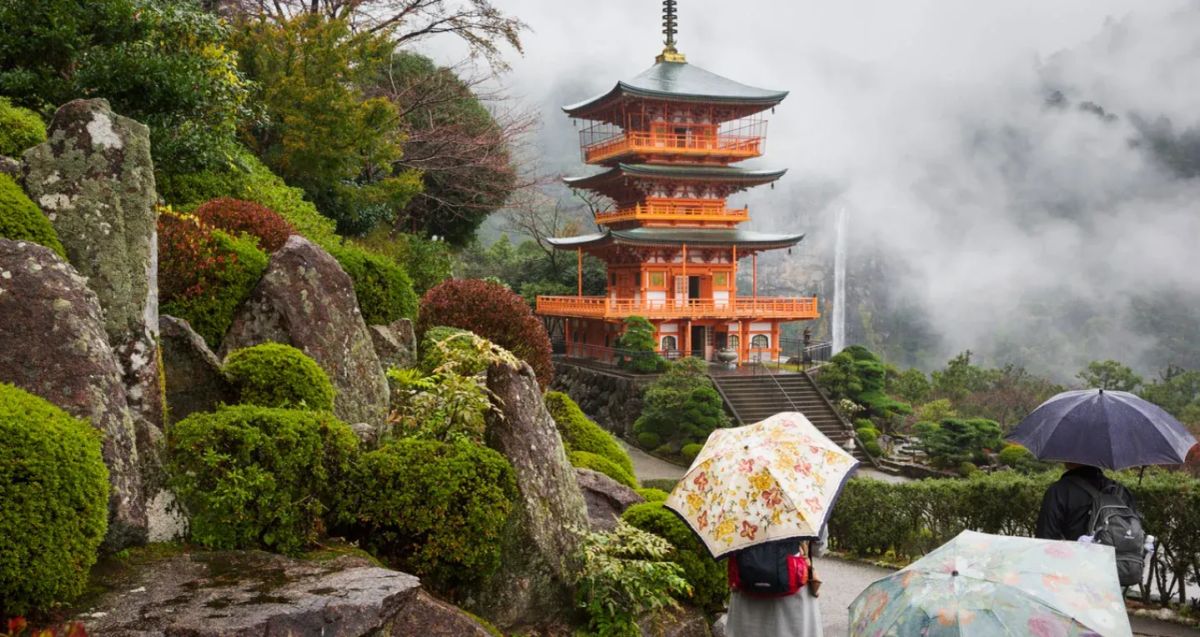 Team
Team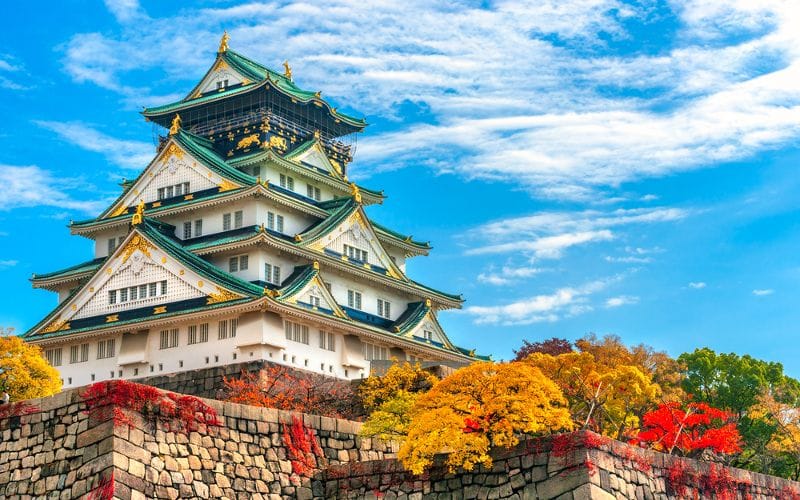 Team
Team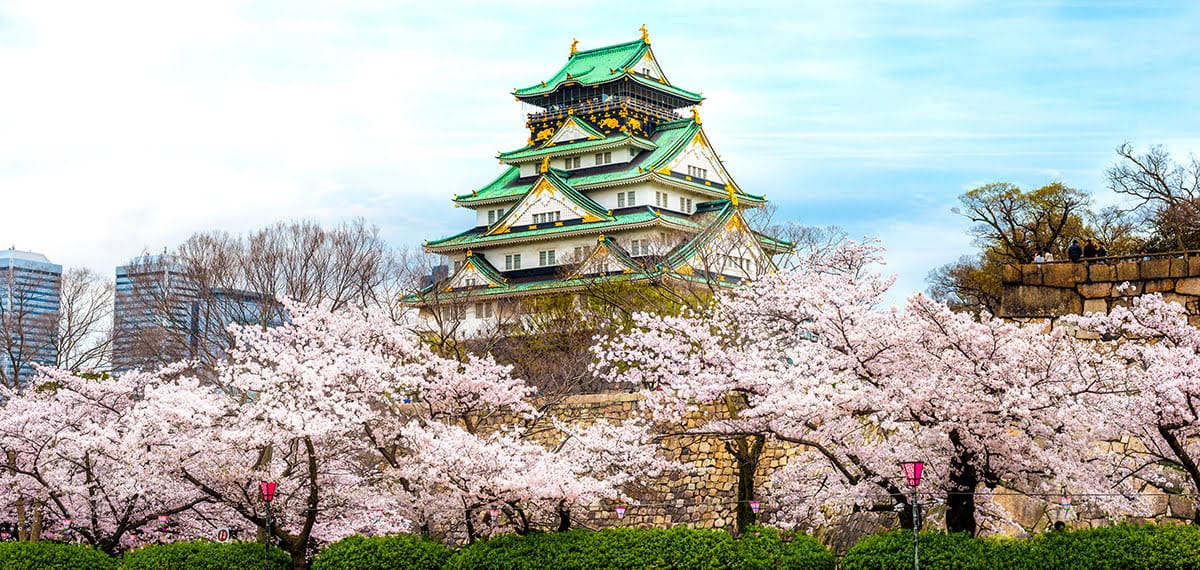
 Sara Miller