
Cost to Visit Sweden (2026)
This Sweden cost and budget guide covers cost of lodging, food, transport, attractions, day trips, plus daily and weekly budgets in USD.
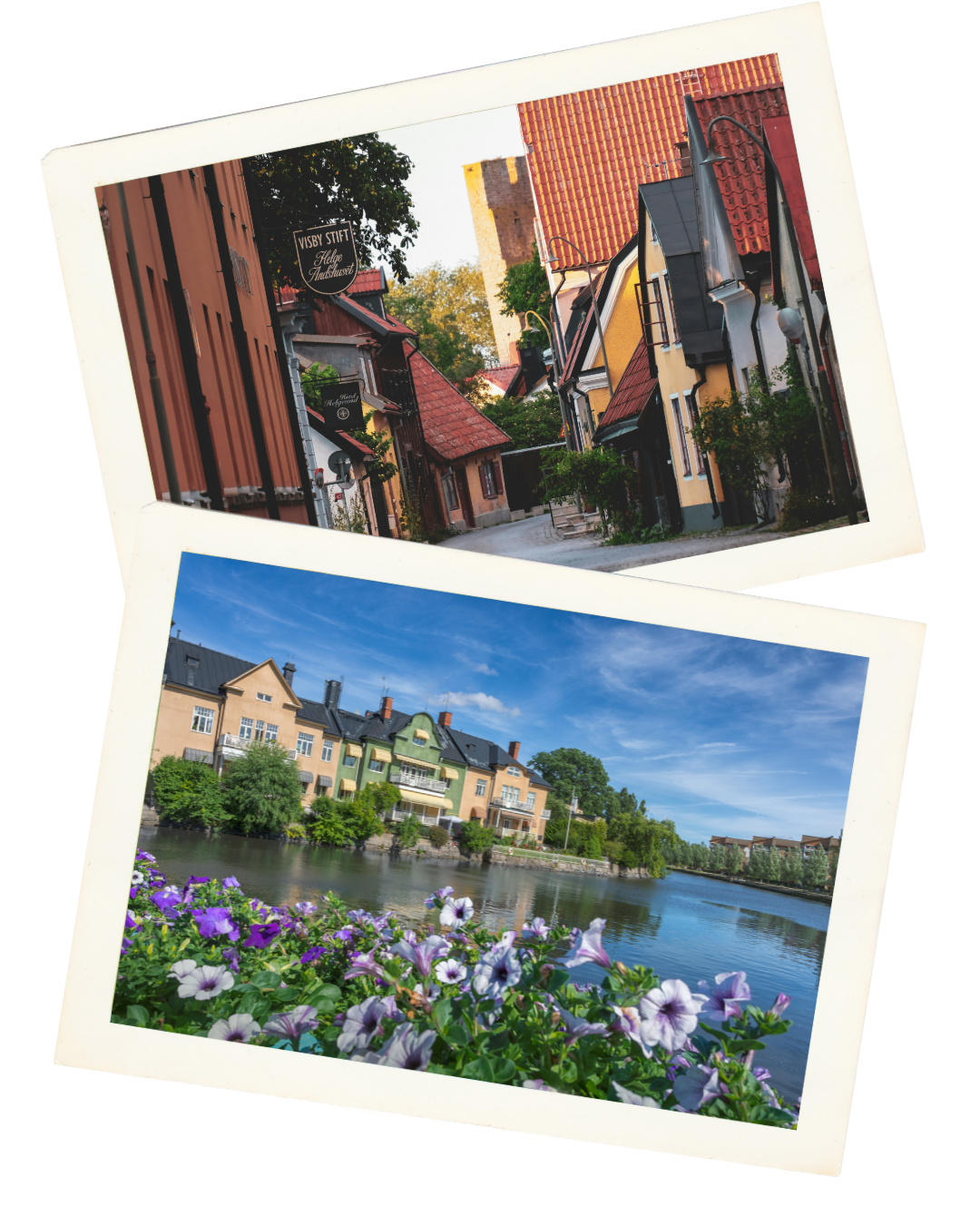
In this guide, you’ll find the average cost to visit Sweden, including the daily budget you will need for transportation, lodging, food, attractions and the differences you can expect to spend during peak, shoulder, and off-season travel periods.
Is Sweden Expensive To Visit?
Yes, Sweden is one of the more expensive countries to visit in Europe, especially if your trip centers on Stockholm, premium dining, long-distance trains, archipelago excursions, or winter travel in Swedish Lapland.
Can Sweden Be Affordable?
It is possible to plan a more moderate trip by visiting during the shoulder season, using public transportation, limiting pricier guided excursions, and balancing paid attractions with free experiences. In Sweden, sightseeing itself is often one of the biggest highlights.
For many travelers, Sweden stays more affordable when you:
- Travel in spring or early autumn rather than the busiest summer weeks
- Book trains early instead of relying on last-minute fares
- Use Stockholm’s metro, trams, commuter trains, and buses instead of taxis
- Eat lunch specials, bakery meals, supermarkets, and casual cafés more often
- Mix paid museums and tours with free city walks, waterfronts, parks, and viewpoints
Sweden’s Cheaper and Most Costly Areas
Sweden’s trip cost changes quite a bit depending on where you go and the season you choose. A Stockholm-centered itinerary usually costs more than a slower southern Sweden trip, while Swedish Lapland can become one of the priciest experiences in the country during winter aurora season. If you are comparing regions, our most popular places to visit in Sweden can help with itinerary planning.
Sweden's Most Expensive Areas
- Central Stockholm: usually the most expensive base for hotels, dining, nightlife, and major attractions
- Swedish Lapland, Kiruna, and Abisko: winter aurora tours, snow hotels, guided excursions, and limited premium inventory can push totals much higher
- Gotland and Visby in peak summer: especially during high-demand holiday periods and major seasonal events
- Archipelago and countryside boutique stays: beautiful, but often pricier than standard city hotels once transport is added
Sweden's Most Affordable Areas
- Malmö: often a better-value city break than Stockholm while still offering strong food, museums, and easy transit
- Uppsala: a manageable cultural stop with a more moderate pace and easier budgeting
- Gothenburg outside major events: often more forgiving than Stockholm for mid-range travelers
- Smaller inland towns and shoulder-season trips: usually easier on accommodation budgets than headline summer and winter destinations
Sweden uses the Swedish krona. All costs are shown in SEK and converted to $ USD using an approximate rate of SEK 1 = $0.106. (Wise)
Sweden Vacation Costs
Below is a detailed expense breakdown for accommodations, food, transportation, and attractions—followed by day trip costs and realistic daily and weekly budgets.
Avg. Accommodation Cost
Peak Season
- Budget Travelers: SEK 650–1,200 ($69–$127) per night
- Mid-Range Travelers: SEK 1,300–2,400 ($138–$254) per night
- Luxury Travelers: SEK 3,000–7,000+ ($318–$742+) per night
Shoulder-Season
- Budget Travelers: SEK 550–1,050 ($58–$111) per night
- Mid-Range Travelers: SEK 1,150–2,100 ($122–$223) per night
- Luxury Travelers: SEK 2,700–6,200+ ($286–$657+) per night
Off-Season
- Budget Travelers: SEK 450–900 ($48–$95) per night
- Mid-Range Travelers: SEK 1,000–1,850 ($106–$196) per night
- Luxury Travelers: SEK 2,400–5,500+ ($254–$583+) per night
- Note: Stockholm, Gotland in summer, and Lapland in winter usually sit closer to the high end. Shoulder-season city stays and smaller regional bases are often easier on the budget.
Food Cost
Budget Travelers
- Breakfast: SEK 50–110 ($5–$12)
- Lunch: SEK 95–170 ($10–$18)
- Dinner: SEK 130–250 ($14–$27)
Mid-Range Travelers
- Breakfast: SEK 110–180 ($12–$19)
- Lunch: SEK 170–300 ($18–$32)
- Dinner: SEK 280–550 ($30–$58)
Luxury Travelers
- Breakfast: SEK 180–320 ($19–$34)
- Lunch: SEK 300–600 ($32–$64)
- Dinner: SEK 650–1,500+ ($69–$159+)
Food Saving Tip: Sweden is much easier to budget for when you rely on bakeries, grocery stores, and simple self-catered meals. Booking a room with a kitchen or kitchenette can save you a lot on food, even if the nightly rate is slightly higher.
Transportation Cost
Airport → City
- Arlanda Express to Stockholm Central: around SEK 340 ($36) one way for an adult ticket
- Airport coach into Stockholm: around SEK 129 ($14)
- SL public transport route with Arlanda passage supplement: around SEK 200 ($21)
- Taxi to central Stockholm: typically far more expensive than rail or bus; fixed-price options should be confirmed before departure
Arlanda Express is the fastest option, airport buses are usually the better-value direct transfer, and taxis are generally the priciest choice for reaching central Stockholm. (
Getting Around Sweden
Long-Distance Buses
- Shorter regional bus routes: SEK 150–350 ($16–$37)
- Longer intercity bus trips: SEK 350–700 ($37–$74)
- Best value: travelers booking in advance and choosing bus routes instead of premium train departure times
Long-distance buses are slower than trains but can be one of the easiest ways to lower a Sweden travel budget on popular city-to-city routes. (FlixBus)
Trains
- Advance-booked Stockholm–Gothenburg rail fares: often from roughly $29–$30 on lower-priced departures
- Typical longer intercity train planning range: SEK 250–1,200+ ($27–$127+)
- Higher-demand departures: usually rise when booked late or during busy travel windows
Sweden’s trains are comfortable and practical, but booking timing matters. Popular departures can become expensive compared with buses if you wait too long.
Local Transit
- Stockholm single journey ticket: SEK 43 ($5)
- Stockholm 24-hour pass: SEK 180 ($19)
- Stockholm 72-hour pass: SEK 360 ($38)
- Stockholm 7-day pass: SEK 470 ($50)
- Gothenburg adult single ticket: from SEK 37 ($4)
For travelers staying several days in Stockholm, a transit pass can be easier and often better value than buying one ticket at a time.
Taxis / Ride Services
- Short urban taxi ride: often SEK 180–350 ($19–$37), depending on city, time, and distance
- Stockholm taxi comparison price benchmark: around SEK 357 ($38) for a typical 10 km / 15-minute journey
- Best budgeting advice: compare price notices or confirm fixed fares before starting the ride
Taxi spending in Sweden can rise quickly, especially in Stockholm, so most visitors save substantially by using public transit for daily sightseeing.
Rental Car
Compact Car
- Off-Season: SEK 450–650/day ($48–$69/day)
- Shoulder-Season: SEK 500–800/day ($53–$85/day)
- Peak Season: SEK 650–1,100+/day ($69–$117+/day)
Fuel + Parking
- Gasoline benchmark: around SEK 18.59 per liter
- Typical daily fuel + parking buffer: SEK 180–500 ($19–$53)
- Stockholm parking garages: commonly high enough that city stays with a car can become poor value
A rental car makes the most sense for countryside drives, Lapland routes, national parks, and remote stays. It is usually less attractive for central Stockholm, Gothenburg, or Malmö city breaks.
Sweden's Popular Attractions Cost
- Vasa Museum: one of Stockholm’s must-see museums and home to the preserved 17th-century Vasa warship; adult admission is usually around SEK 195 ($21)
- ABBA The Museum: one of Sweden’s best-known pop-culture attractions; standard adult ticket prices generally fall around SEK 249–329 ($26–$35) depending on date and ticket type
- Skansen Open-Air Museum: a popular Stockholm attraction for Swedish history, traditional buildings, and Nordic wildlife; pricing varies by season and is typically lower when booked online
- Royal Palace of Stockholm: one of the city’s major historic landmarks; official adult palace admission is usually around SEK 220–240 ($23–$25) depending on access type
- Stockholm Archipelago Cruise: one of the easiest scenic add-ons to a Stockholm trip; standard sightseeing cruises commonly begin around SEK 375 ($40)
- ICEHOTEL and Jukkasjärvi: one of Swedish Lapland’s signature splurges, especially in winter; guided day experiences often cost far more than standard city attractions
- Northern Lights tour from Kiruna or Abisko: one of Sweden’s biggest winter bucket-list experiences; guided aurora packages can reach around $278+ depending on inclusions
- Gamla Stan walking tour: Stockholm’s Old Town is free to wander independently, while guided history tours are a modest paid upgrade for travelers who want context
- Uppsala and Sigtuna Viking day tour: a stronger history-focused splurge outside Stockholm, often priced as a premium full-day excursion
For a Stockholm-heavy itinerary, these top things to see and do when visiting Stockholm can help compare major attractions. (vasamuseet.se)
Day Trip Costs
| Day Trip | Transportation Cost (Round Trip) | Top Attraction | Attraction Cost |
|---|---|---|---|
| Stockholm Archipelago Cruise | Boat included | Archipelago scenery | $40+ |
| Sigtuna & Uppsala Viking Tour | Transfers included | Viking sites | $244+ |
| Royal Palace & Old Town Tour | Central Stockholm | Royal Palace | Varies |
| ICEHOTEL & Jukkasjärvi | Pickup included | ICEHOTEL | $191+ |
| Abisko & Björkliden Day Trip | Pickup included | Abisko National Park | $196+ |
| Abisko Northern Lights Tour | Pickup included | Aurora viewing | $278+ |
| Gothenburg Archipelago Cruise | Boat included | Southern islands | $46+ |
These day-trip ranges reflect a mix of current ticketed experiences, guided excursions, and the strongest traveler-relevant Sweden add-ons.
Daily Budget Needed For Sweden
These daily totals are planning ranges built from current Sweden travel-cost benchmarks, lodging levels, local transport pricing, and the typical difference between budget, mid-range, and luxury travel styles.
| Season | Daily Total (Per Person) |
|---|---|
| Peak | $95–$165 |
| Shoulder | $85–$150 |
| Off-Season | $75–$135 |
| Season | Daily Total (Per Person) |
|---|---|
| Peak | $190–$340 |
| Shoulder | $170–$305 |
| Off-Season | $150–$275 |
| Season | Daily Total (Per Person) |
|---|---|
| Peak | $430–$925+ |
| Shoulder | $390–$835+ |
| Off-Season | $350–$750+ |
Weekly Budget 7 Days
| Season | Lodging (7 nights) | Food (7 days) | Transport | Attractions | Total |
|---|---|---|---|---|---|
| Peak | $490–$900 | $200–$400 | $90–$240 | $80–$260 | $860–$1,800 |
| Shoulder | $415–$785 | $190–$380 | $80–$220 | $70–$230 | $755–$1,615 |
| Off-Season | $335–$675 | $180–$360 | $70–$200 | $60–$210 | $645–$1,445 |
| Season | Lodging (7 nights) | Food (7 days) | Transport | Attractions | Total |
|---|---|---|---|---|---|
| Peak | $975–$1,800 | $420–$760 | $150–$380 | $150–$420 | $1,695–$3,360 |
| Shoulder | $860–$1,575 | $400–$720 | $140–$350 | $140–$380 | $1,540–$3,025 |
| Off-Season | $750–$1,385 | $380–$680 | $125–$320 | $130–$350 | $1,385–$2,735 |
| Season | Lodging (7 nights) | Food (7 days) | Transport | Attractions | Total |
|---|---|---|---|---|---|
| Peak | $2,250–$5,240+ | $820–$1,620+ | $280–$760+ | $300–$1,000+ | $3,650–$8,620+ |
| Shoulder | $2,020–$4,640+ | $760–$1,480+ | $260–$700+ | $280–$900+ | $3,320–$7,720+ |
| Off-Season | $1,800–$4,120+ | $700–$1,350+ | $240–$650+ | $250–$800+ | $2,990–$6,920+ |
Sweden Travel Seasons
Peak Season
Summer Peak: June–August
- Highest hotel demand in Stockholm, Gotland, archipelago areas, and many scenic summer destinations
- Strongest demand for cruises, outdoor tours, and family travel
- Best conditions for long daylight hours, city wandering, nature trips, and archipelago itineraries
- Higher accommodation prices than shoulder-season travel in many popular areas
Winter Peak: December–February in Swedish Lapland
- Higher prices for aurora trips, snow hotels, dog sledding, and guided winter experiences
- Strong demand around Kiruna, Abisko, and seasonal Arctic accommodations
- Excellent conditions for travelers focused on winter landscapes and Northern Lights experiences
- More expensive trip totals when premium excursions are added
Shoulder-Season
April–May, September–October
- Better balance of weather and price for many city and countryside itineraries
- Easier hotel value than midsummer in several major destinations
- Good timing for Stockholm, Gothenburg, Malmö, and southern Sweden
- September can still work for early northern aurora hunting in the far north
Off-Season
November–March Outside Major Winter-Trip Peaks
- Lower accommodation demand in many city markets outside holiday and Lapland tourism surges
- Better odds of softer room pricing than in peak summer
- Colder, darker conditions across much of the country
- Good value for museums, city breaks, cafés, and slower cultural trips
Sweden is usually considered an expensive country to visit compared with many destinations in Europe. The total trip cost depends heavily on where you stay, how often you dine out, how much long-distance travel you add, and whether your itinerary includes premium excursions.
The biggest expenses are often:- Hotels in Stockholm and other high-demand areas
- Restaurant meals and nightlife
- Long-distance trains booked close to departure
- Seasonal experiences such as Lapland tours and winter activities
Sweden can still be managed on a tighter budget with hostels, grocery meals, public transit, free outdoor sights, and careful advance planning.
Your daily Sweden budget depends on your travel style. Budget travelers usually spend the least by choosing simple lodging, self-catered meals, and public transportation. Mid-range travelers spend more on comfortable hotels, restaurants, and paid attractions, while luxury travelers often add premium lodging, taxis, guided tours, and upscale dining.
Your daily budget is shaped most by:- Accommodation type
- Dining habits
- Local transportation choices
- Museums, cruises, guided tours, and seasonal excursions
The daily budget table in the guide gives a more detailed estimate by season and traveler type.
A one-week trip to Sweden can vary widely depending on whether you plan a low-cost city break, a mid-range country itinerary, or a more premium vacation with luxury hotels and guided experiences.
The main weekly budget categories are:- Lodging for seven nights
- Food and drinks
- Local and intercity transportation
- Attractions, tours, and day trips
Trips focused on Stockholm, Gotland in summer, or Swedish Lapland during peak winter travel periods usually cost more than slower off-season city stays.
Sweden is often cheaper outside its busiest travel periods. Lower-demand months can bring better hotel value in many cities, while peak summer travel and popular winter experiences in the far north tend to push costs higher.
Travelers looking for better value often consider:- Late autumn and early spring for city trips
- Shoulder-season travel for a better balance of price and weather
- Avoiding major holidays and high-demand event periods
The best-value time depends on whether your priority is sightseeing, winter scenery, Northern Lights trips, or outdoor summer travel.
Stockholm is often one of the most expensive places to visit in Sweden, especially for centrally located hotels, restaurants, nightlife, and major ticketed attractions.
Stockholm can cost more because of:- Higher demand for central accommodation
- More premium dining and entertainment options
- Popular paid attractions and cruises
- Greater temptation to spend on convenience, taxis, and guided tours
Travelers who want to reduce their average trip cost often combine Stockholm with more moderate destinations such as Gothenburg, Malmö, Uppsala, or smaller regional towns.
Accommodation is one of the biggest travel expenses in Sweden, so hotel choices can make a major difference in the total trip cost.
Good ways to save include:- Booking earlier for summer and holiday periods
- Staying just outside the most central tourist zones
- Comparing hostels, apartment-style stays, and simple guesthouses
- Traveling during shoulder season when demand is often softer
In larger cities, choosing a hotel near public transportation can reduce both lodging and transportation pressure.
Train travel in Sweden can be reasonable when booked early, but prices often rise on popular routes and busier departure times. Long-distance trains are usually faster and more comfortable than buses, though not always the cheapest option.
To keep train costs lower:- Book important routes in advance when possible
- Compare trains with long-distance buses
- Stay flexible with departure times
- Use local transit passes in larger cities rather than relying on taxis
For travelers visiting multiple cities, transport planning can noticeably change the overall Sweden travel budget.
Public transportation is usually cheaper for city-focused trips, especially in Stockholm, Gothenburg, and Malmö. A rental car becomes more useful when your itinerary includes countryside drives, national parks, remote stays, or regions where transit is less convenient.
Public transit is often better for:- Urban sightseeing
- Airport-to-city travel
- Short city breaks
- Travelers trying to reduce daily costs
- Rural routes
- National parks and scenic drives
- More flexible countryside itineraries
- Trips with limited public transport access
Get Cheap Flight Alert To Sweden✈️
Sign up... Choose your departure areas.. Let us do the rest!