
Cheapest and Most Expensive Times To Visit Serbia
Discover the cheapest and most expensive times of year to visit Serbia to help you plan your trip.
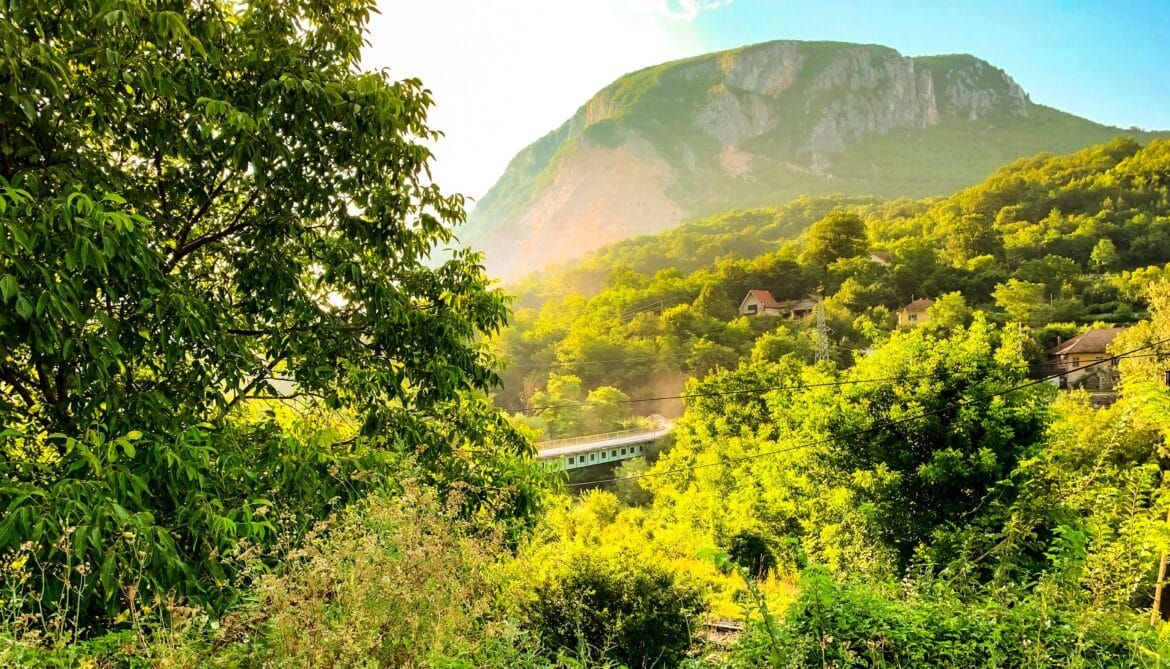
Serbia can be a bargain destination, but prices still rise when demand spikes—especially in Belgrade and Novi Sad during summer and around New Year. If you want the best deals, aim for the quieter winter and late-autumn weeks when hotels discount and crowds thin out.
Not A Member? ✈️
Save 50%-95% with Jetsetter Alerts - Airline Mistake Fare & Flash Sales Alerts!
Most Expensive Time To Visit Serbia
The Most Expensive Time To Visit Serbia is summer (June to August) and late December to early January, when festivals, nightlife, and holiday travel push up hotel rates and transportation costs—particularly in Belgrade and Novi Sad.
Peak Summer (June–August)
- Higher hotel rates in major cities and popular riverfront areas
- More expensive flights and limited “best value” rooms
- Day trips and tours book up faster (especially weekends)
Festival and Event Weeks (mostly July, sometimes late June/early August)
- Prices jump in Novi Sad during major music festival dates
- Belgrade’s summer event calendar increases weekend demand
- Short-notice bookings tend to be significantly pricier
New Year Season (late December–early January)
- One of the sharpest annual price spikes for Belgrade stays
- Clubs, restaurants, and special events raise overall trip costs
- Popular hotels may require longer minimum stays
Cheapest Time To Visit Serbia
The cheapest time to visit Serbia is the winter low season (January to February) and late autumn (November), when tourism demand dips and accommodation deals are easiest to find—while spring and early fall can offer great value without peak crowds.
Winter Low Season (January–February)
- Lowest hotel prices of the year in many areas
- Fewer crowds at museums, neighborhoods, and landmarks
- Best for food, cafés, and city exploring (bundle up for cold days)
Late Autumn (November)
- Strong discounts before holiday pricing ramps up
- Quieter streets and easier reservations
- Great month for city breaks and day trips without summer crowds
Value Shoulder Months (March and October)
- Often the best “weather-to-price” balance
- More open-air time than deep winter, but fewer crowds than summer
- Better hotel availability than peak festival weeks
Serbia Travel Cost Demand Summary
| Time Period | Price Level | Why It Matters |
|---|---|---|
| June – August | 💲💲 High | Peak summer demand; busiest season in major cities |
| July (festival-heavy weeks) | 💲💲💲 Highest | Event surges in Belgrade/Novi Sad drive sellouts |
| Late Dec – early Jan | 💲💲💲 Highest | New Year travel; biggest price spike of the year |
| April – May | 💲💲 Medium | Pleasant weather; moderate crowds and stable pricing |
| September | 💲💲 Medium | Post-summer comfort with fewer crowds than July/Aug |
| March & October | 💲 Low | Shoulder season value; good balance of price and conditions |
| November | 💲 Low | Late-autumn lull; frequent accommodation deals |
| January – February | 💲 Lowest | Winter low season; best prices and lightest crowds |
When you are going will most certainly make the difference in such cost like flights, hotels, attractions and food. Aligning your travel dates with Serbia’s off-peak seasons can significantly cut costs on flights, accommodations, and activities. Consider what experiences you hope to have and plan accordingly to make the most of lower prices and thinner crowds.
- Travel in January–February or November for the lowest hotel rates
- Avoid New Year week in Belgrade if you want bargains
- If visiting in summer, book early for festival weeks (Novi Sad/Belgrade)
- For the best balance, choose March or October for value + comfort