
7 Most Beautiful Villages in Portugal
Wanting to explore the rural villages of Portugal? Here's a list of the 7 most beautiful villages to add to your travel itinerary.
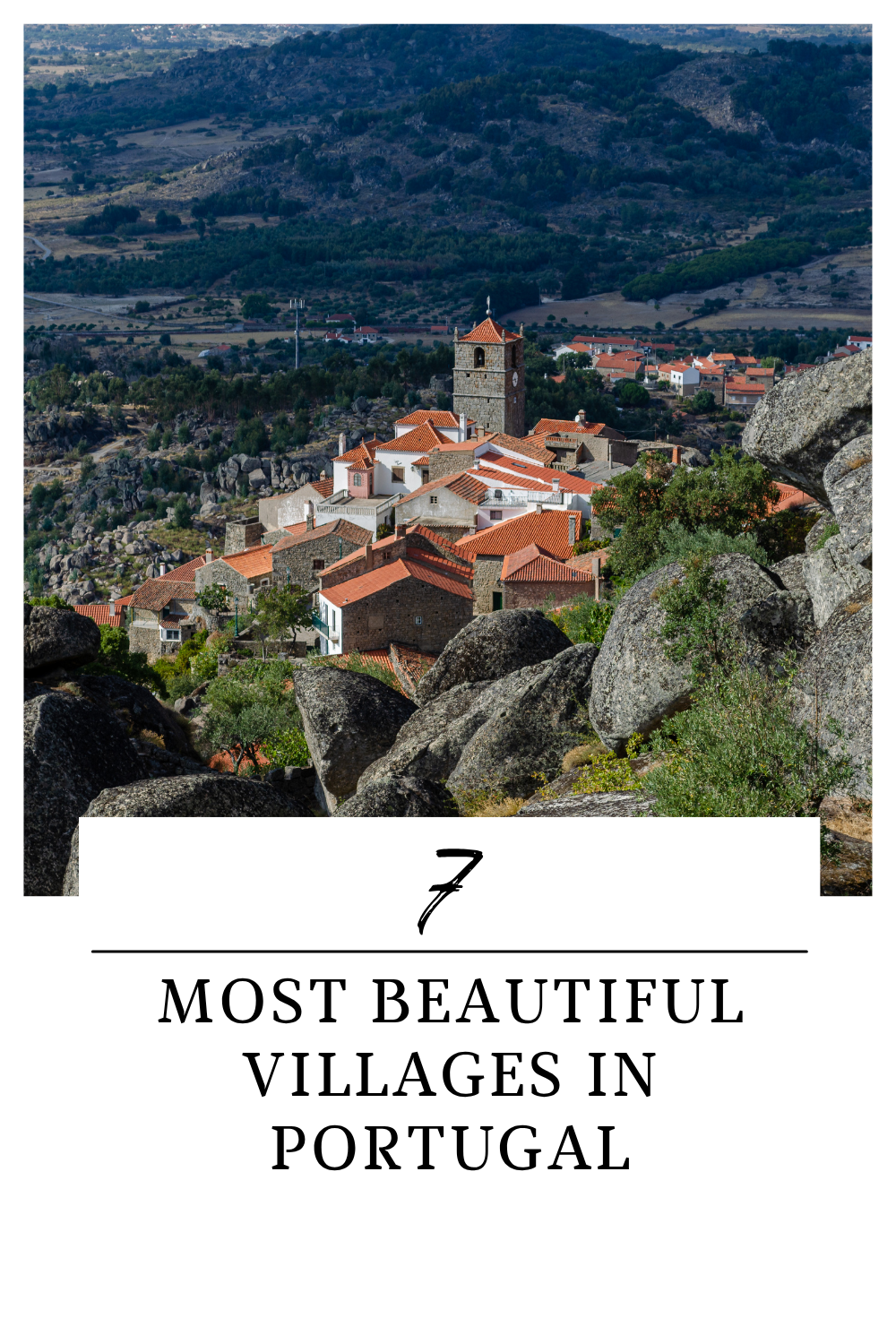
Beyond Lisbon, Porto, and the Algarve’s resort towns, the most beautiful villages in Portugal reveal a quieter side of the country. You will find slate houses folded into green mountains, medieval settlements wrapped in stone walls, whitewashed hill towns, and tiny coastal communities overlooking the Atlantic.
This list balances distinctive architecture, surrounding scenery, history, and experiences beyond sightseeing. It also reflects villages that repeatedly appear in major travel guides and recommendations from travelers on Reddit and Tripadvisor.
Monsanto
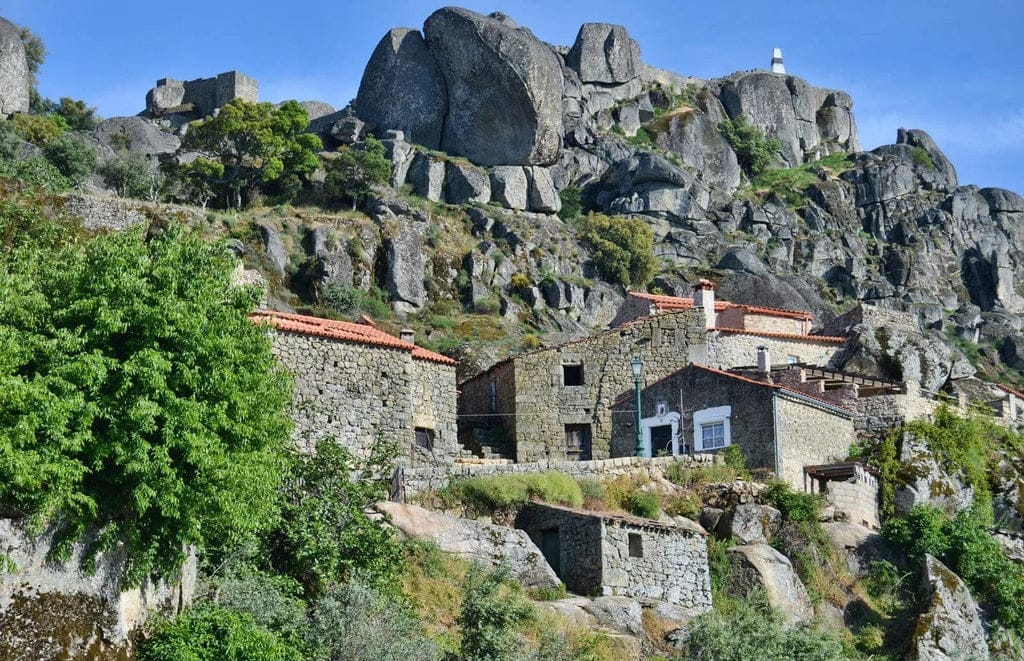
Monsanto sits high above the plains of Castelo Branco in eastern Central Portugal, close to the Spanish border. What makes it unforgettable is the way its stone cottages have been constructed around, beneath, and sometimes between enormous granite boulders. In several places, the rocks appear to serve as walls or roofs, making the village feel like a natural extension of the mountain.
The lanes become steeper as you climb toward the ruins of Monsanto Castle, but the views across the surrounding countryside make the walk worthwhile. Along the way, look for the Lucano Tower, traditional stone houses, tiny chapels, and shaded terraces where you can stop for a drink. Monsanto received the title of Portugal’s “Most Portuguese Village” in a 1938 government-sponsored competition and remains one of the country’s most distinctive historic settlements.
Highlights
- Walk among homes built around giant granite boulders.
- Climb to Monsanto Castle for panoramic countryside views.
- See the Silver Rooster atop the Lucano Tower.
- Explore nearby Idanha-a-Velha, another Historic Village of Portugal.
- Recommended activity: Take a guided walking tour of Monsanto focusing on the village’s geology, history, and traditional culture.
Piódão
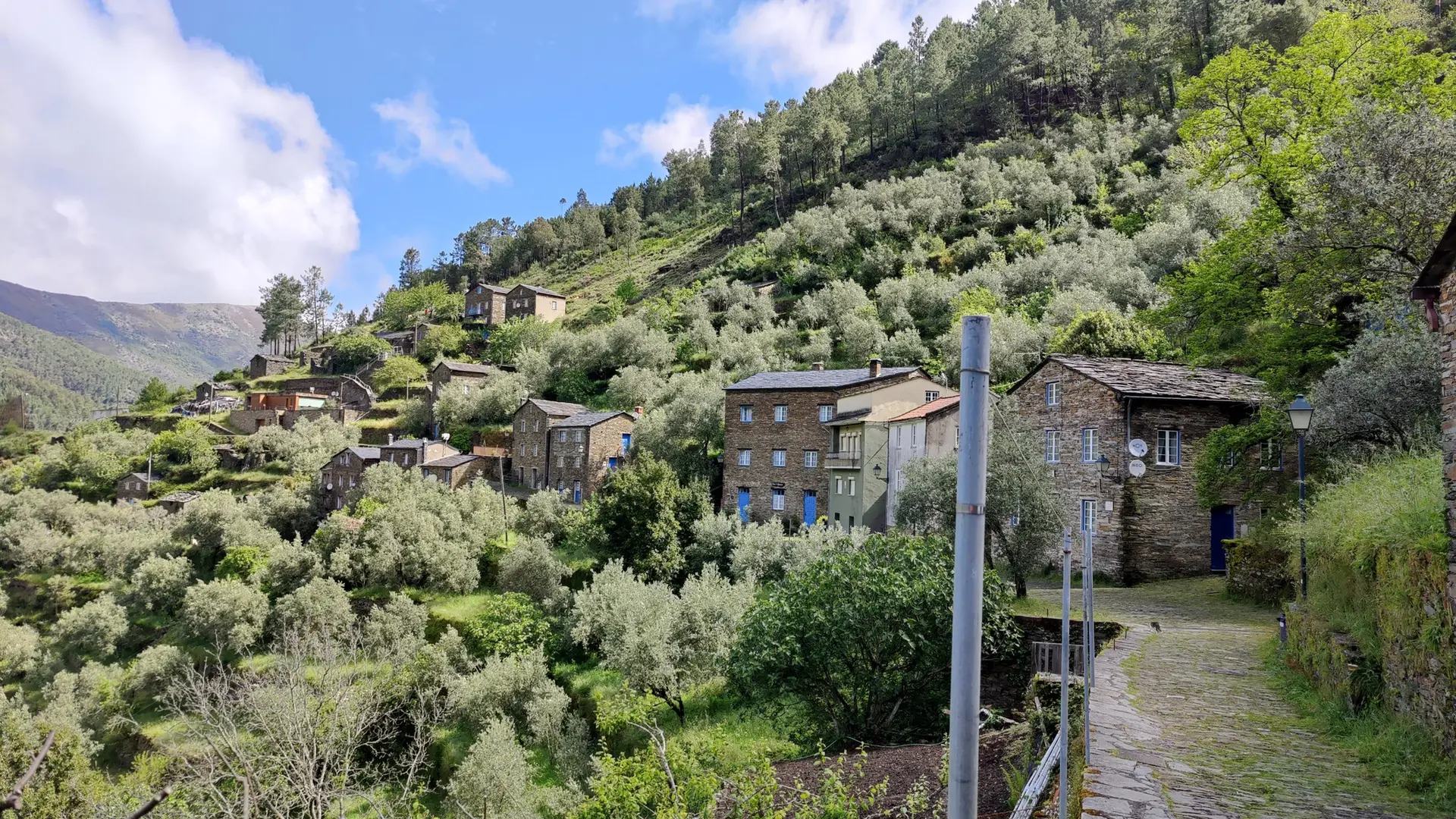
Hidden among the folds of the Serra do Açor mountains in Central Portugal, Piódão looks dramatically different from the country’s familiar whitewashed towns. Its closely packed houses are constructed from dark schist and slate, with vivid blue doors and window frames providing small bursts of color along the hillside.
The village is arranged almost like an amphitheater, with steep lanes and stairways winding between traditional homes. At its center, the bright white Church of Nossa Senhora da Conceição stands in striking contrast to the dark stone buildings surrounding it. Piódão is often called the “Nativity Scene Village,” especially when its hillside houses are illuminated after sunset. Nearby attractions include the Piódão river beach and Foz d’Égua, a tiny settlement known for its stone bridges, pools, and forested setting.
Highlights
- Photograph Piódão’s slate houses and blue-painted doors.
- Visit the Church of Nossa Senhora da Conceição.
- Follow the steep pedestrian lanes to viewpoints above the village.
- Swim at the river beach or make the short trip to Foz d’Égua.
- Recommended activity: Explore Piódão and Serra do Açor on a guided van tour, with stops at mountain viewpoints and lesser-known natural attractions.
Óbidos
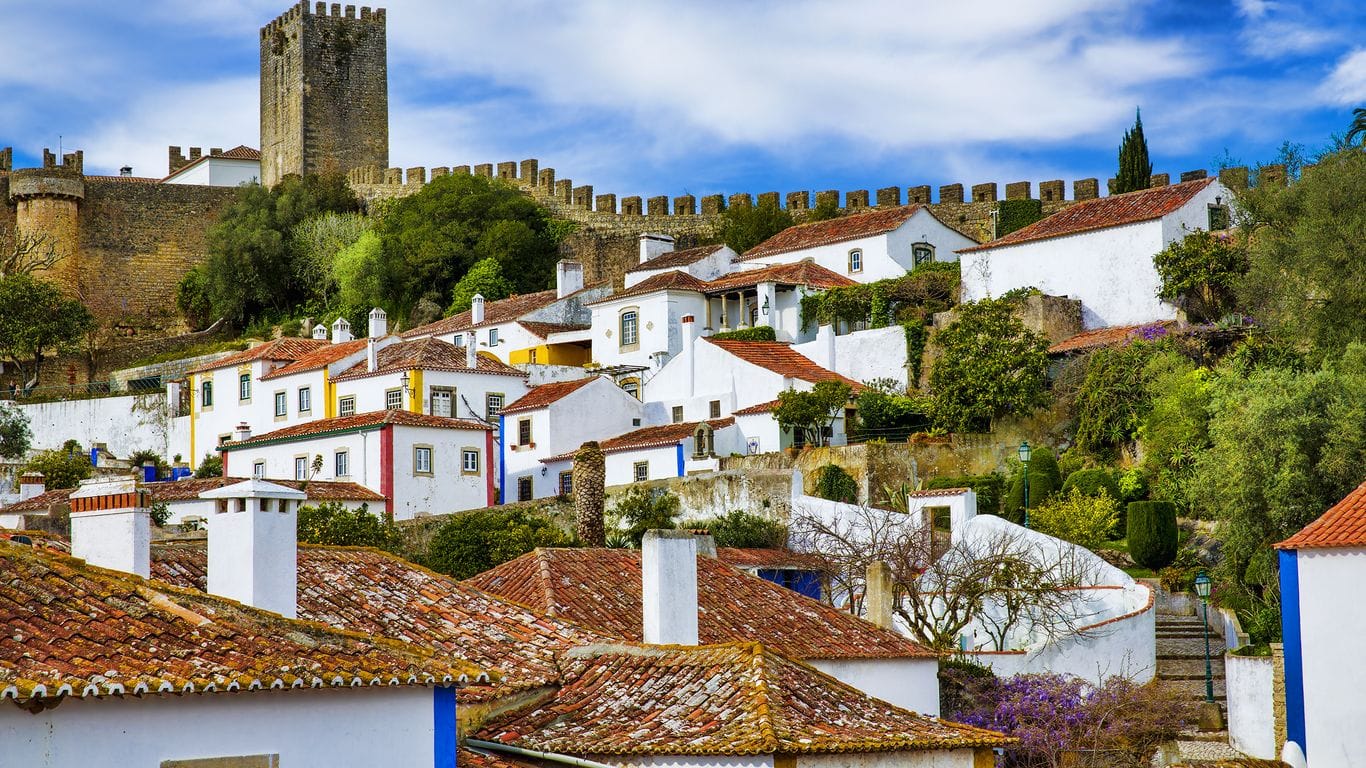
Óbidos is one of the easiest historic villages to add to a Lisbon itinerary. Enclosed by medieval walls, the hilltop settlement is filled with cobbled lanes, white houses edged in blue or yellow, flowering balconies, small churches, and independent shops.
Enter through the tiled Porta da Vila and follow Rua Direita through the center, but leave time to explore the quieter side streets as well. The castle now houses a historic pousada, while sections of the walls provide elevated views over the rooftops and surrounding countryside. Óbidos is also known for its bookshops, literary festival, medieval fair, and ginjinha, a local cherry liqueur frequently served in a small chocolate cup. UNESCO recognized Óbidos as a City of Literature in 2015.
Highlights
- Enter through the azulejo-decorated Porta da Vila.
- Wander along Rua Direita and the quieter lanes behind it.
- See Óbidos Castle and walk accessible sections of the walls.
- Browse unusual bookshops and try local ginjinha.
- Recommended activity: Visit Óbidos, Nazaré, and Fátima on a small-group tour from Lisbon. The experience includes time in Óbidos and a ginjinha tasting.
Monsaraz
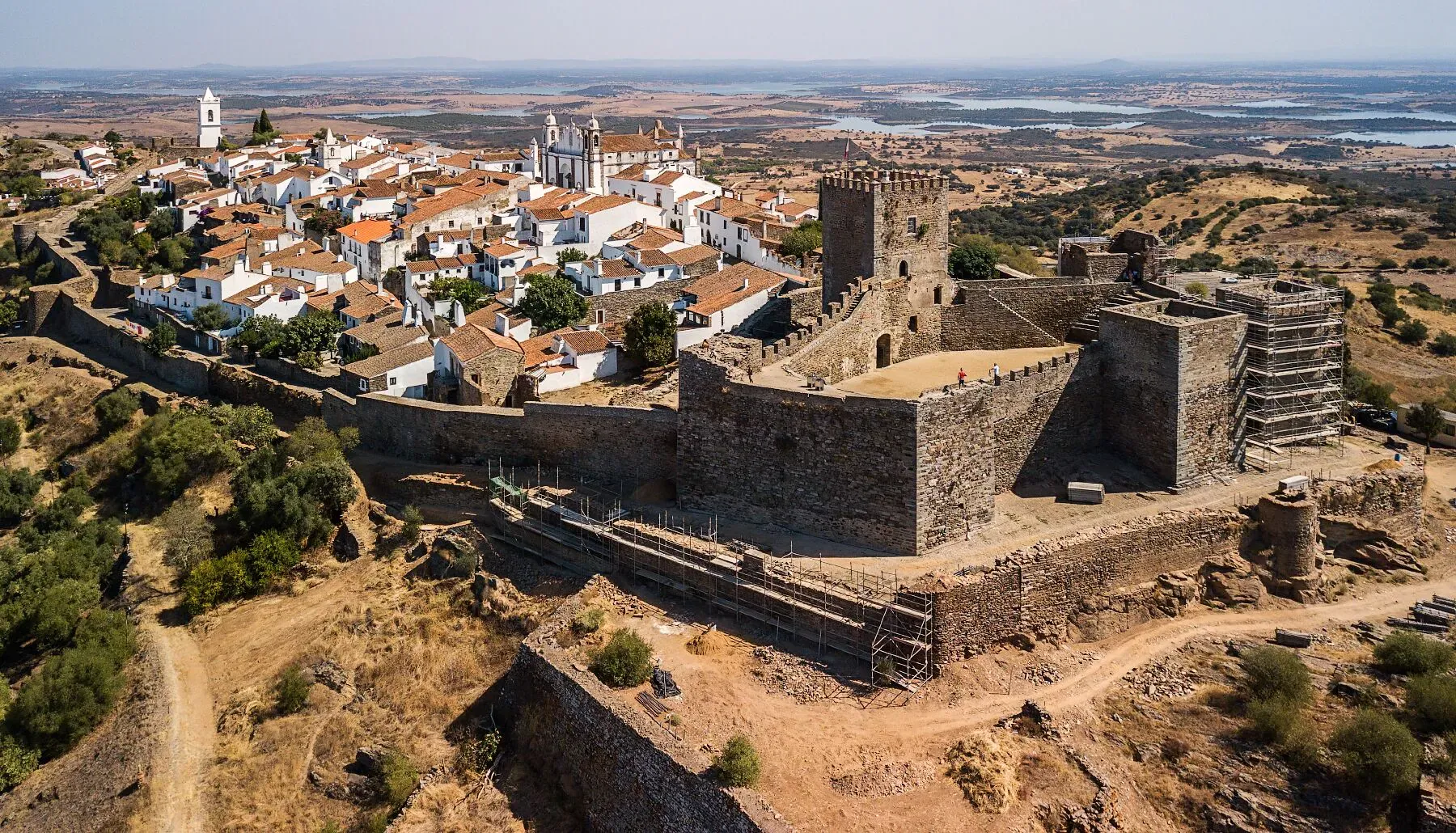
Monsaraz rises above the plains of the Alentejo near Portugal’s eastern border with Spain. Its compact historic center is enclosed by stone walls and filled with whitewashed houses, cobbled streets, small churches, and terraces looking across olive groves, vineyards, and the immense Alqueva reservoir.
The village is small enough to explore slowly. Walk from the main gate toward Monsaraz Castle, browse local craft shops, and stop at the ramparts for some of the most expansive views in southern Portugal. The surrounding area is rich in wineries, traditional pottery workshops, and prehistoric monuments, including the nearby Xerez Cromlech. At night, the low levels of light pollution around Alqueva make the region particularly appealing for stargazing.
Highlights
- Walk the whitewashed streets within the fortified village.
- Visit Monsaraz Castle and its unusual former bullring.
- Watch the landscape change color around sunset.
- Explore nearby wineries, megalithic sites, and pottery workshops.
- Recommended activity: Take a private Évora and Monsaraz day tour from Lisbon, combining the Alentejo countryside with two of the region’s most historic destinations.
Marvão
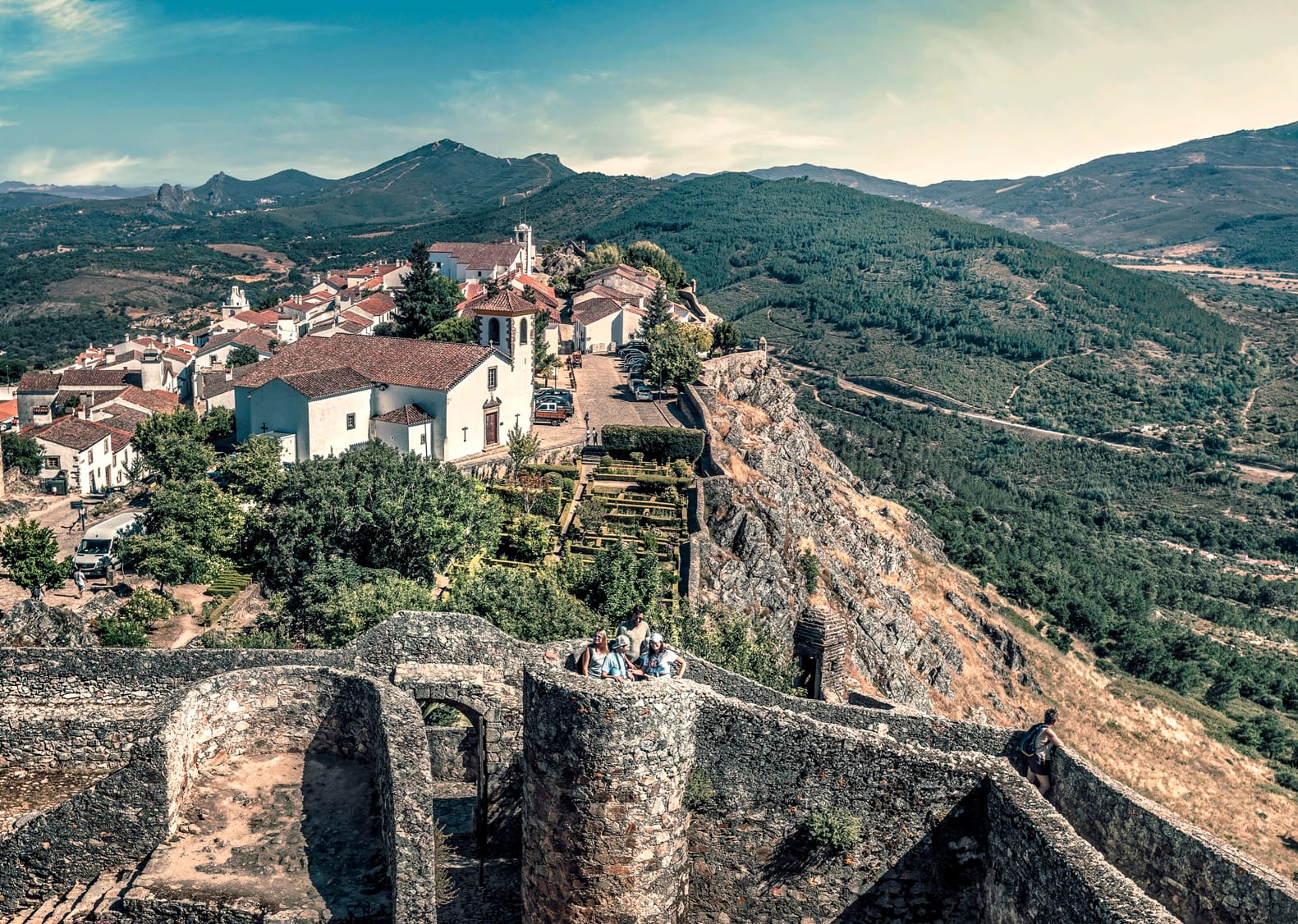
Marvão occupies a narrow quartzite ridge in the Serra de São Mamede, close to the Spanish border in northern Alentejo. From below, its castle walls seem to grow directly from the mountain. From the top, the views extend across wooded hills, valleys, and distant plains on both sides of the border.
Inside the fortifications, steep cobbled lanes pass whitewashed houses, Gothic doorways, gardens, churches, and quiet squares. The remarkably well-preserved castle is the village’s main attraction, but Marvão is equally memorable for its peaceful atmosphere and elevated setting. Nature lovers can combine a visit with hiking in Serra de São Mamede Natural Park, while history enthusiasts should consider the nearby Roman ruins of Ammaia.
Highlights
- Explore the towers, walls, and cistern of Marvão Castle.
- Walk through the fortified historic center.
- Enjoy far-reaching views toward Spain.
- Visit the Roman ruins of Ammaia below the village.
- Recommended activity: Join a full-day private tour of Marvão and Roman Ammaia from Lisbon.
Azenhas do Mar
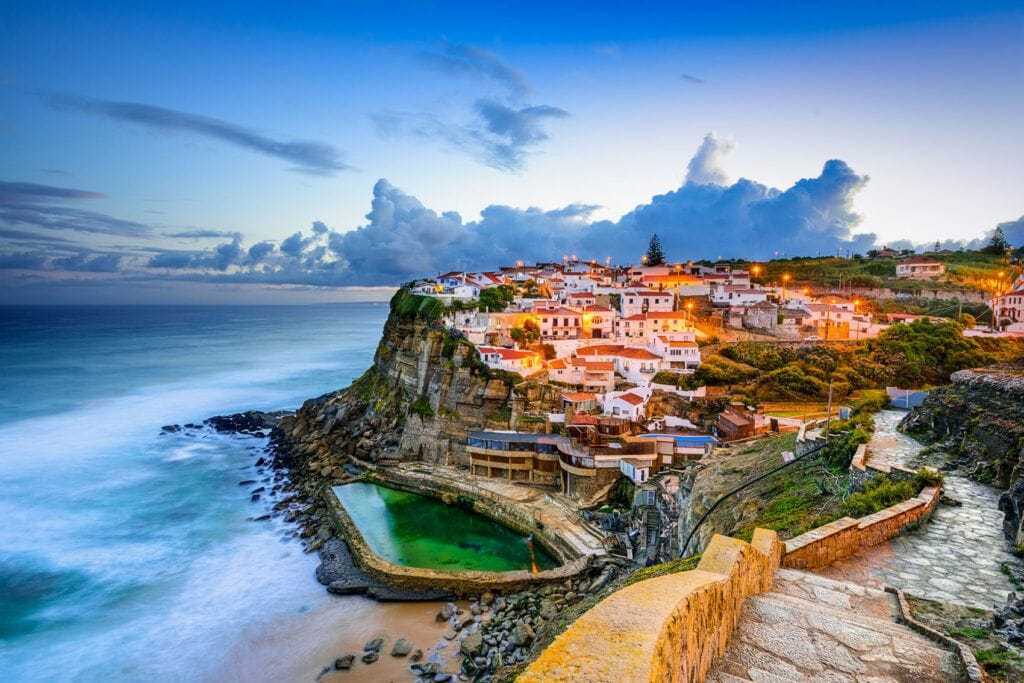
Azenhas do Mar clings to a cliff on the Atlantic coast northwest of Lisbon, within the Sintra-Cascais Natural Park. Its cluster of white houses and terracotta roofs appears to tumble toward the ocean, creating one of Portugal’s most recognizable coastal village views.
The classic panorama is visible from the roadside viewpoint south of the village. From there, you can descend toward the small beach and seawater pool at the base of the cliffs. The village itself is peaceful and compact, with narrow streets, seafood restaurants, and sweeping Atlantic views. Azenhas do Mar is easy to combine with Sintra, Cabo da Roca, Praia das Maçãs, or nearby Praia da Adraga, making it an excellent addition to a coastal day trip from Lisbon.
Highlights
- Photograph the village from the southern clifftop viewpoint.
- Walk down to the beach and ocean pool.
- Stay for sunset over the Atlantic.
- Combine the village with Sintra and the surrounding coastline.
- Recommended activity: Visit Azenhas do Mar, Ericeira, and Mafra on a private trip from Lisbon.
Cacela Velha
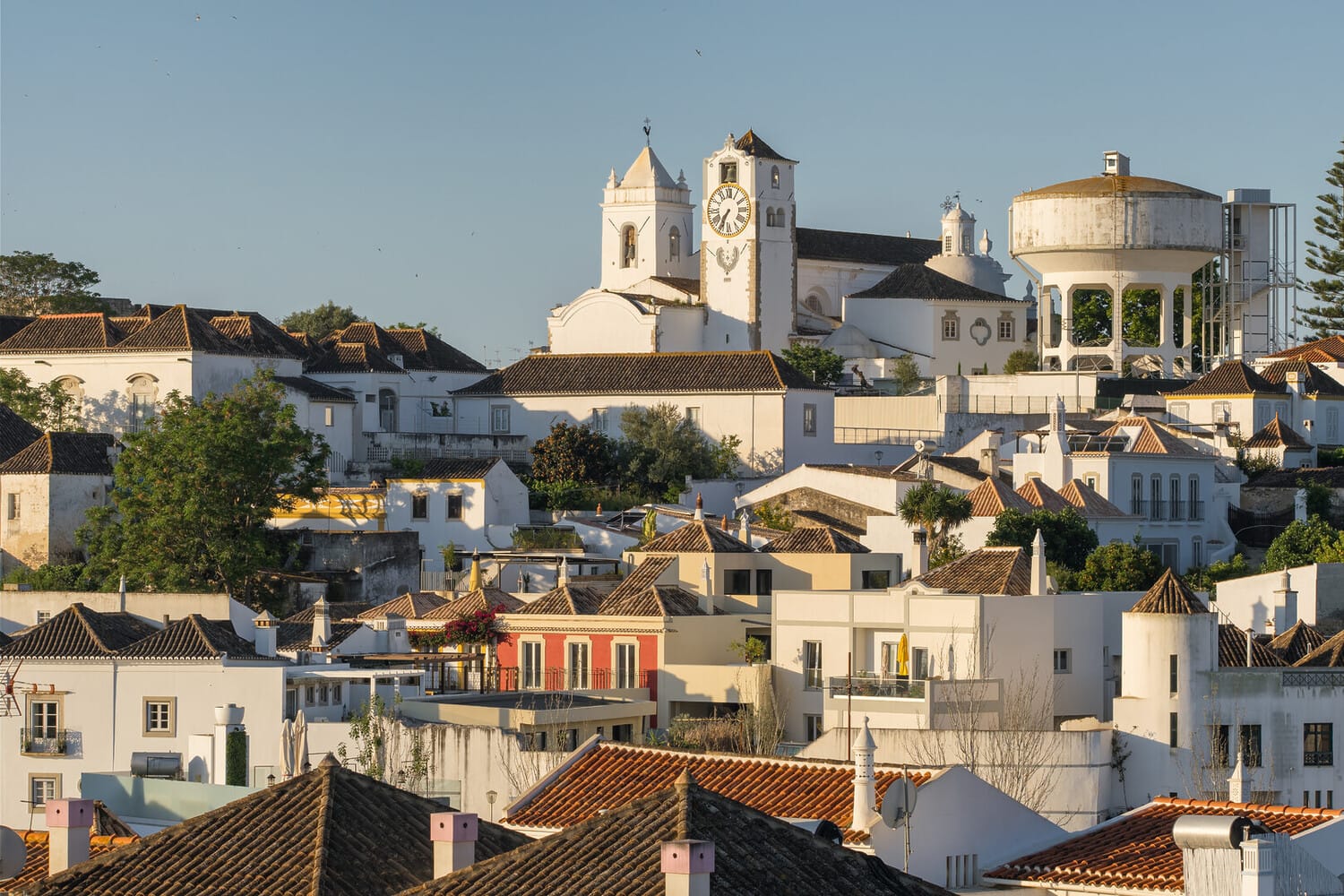
Cacela Velha is a tiny whitewashed village overlooking the eastern edge of the Ria Formosa in the Algarve. Instead of large resorts and busy entertainment districts, you will find a handful of peaceful lanes, traditional cottages, a historic church, and the walls of the Fortress of Cacela.
The view from the village is the main event. Below the hill, shallow lagoon water, sandbanks, tidal channels, and the barrier island form an ever-changing coastal landscape. The surrounding Ria Formosa is also known for birdlife, salt production, fishing traditions, and fresh shellfish.
After exploring the village, continue toward Fábrica or Tavira, or spend time discovering more of Portugal’s most beautiful beaches.
Highlights
- Admire the panoramic view across the Ria Formosa.
- See the Church of Nossa Senhora da Assunção and Cacela Fortress.
- Explore the quiet whitewashed streets.
- Discover nearby salt pans, fishing communities, and barrier-island beaches.
- Recommended activity: Take a Ria Formosa jeep tour with Cacela Velha, salt pans, wildlife, and lunch.
Before planning your route, check the best time to visit Portugal for your budget, since summer crowds and accommodation prices can significantly affect popular day-trip destinations.