
China's Most Beautiful Villages To Visit This Summer
Discover the most beautiful villages in China to visit this summer. Ancient water towns and mountain hamlets to storybook villages surrounded by rice terraces, rivers, and dramatic countryside.
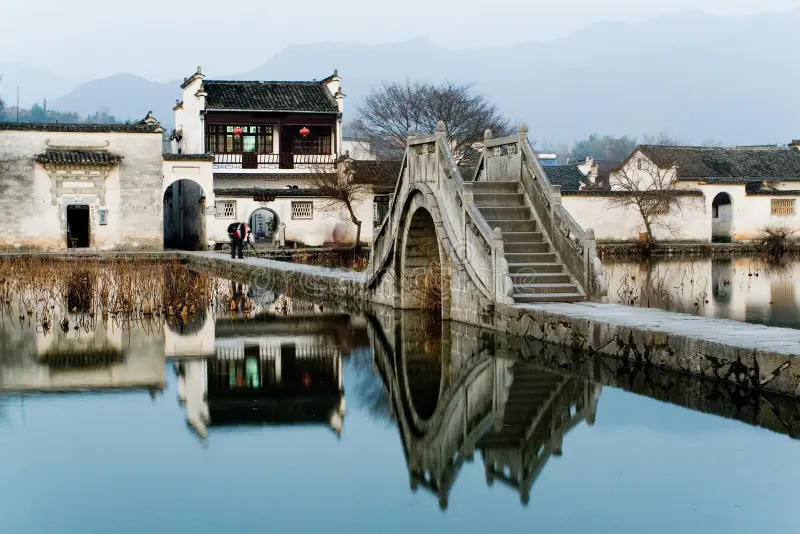
If you're planning a visit to China this summer and looking to add some rural villages to your travel itinerary, these are the most beautiful villages you don't want to miss.
Hongcun
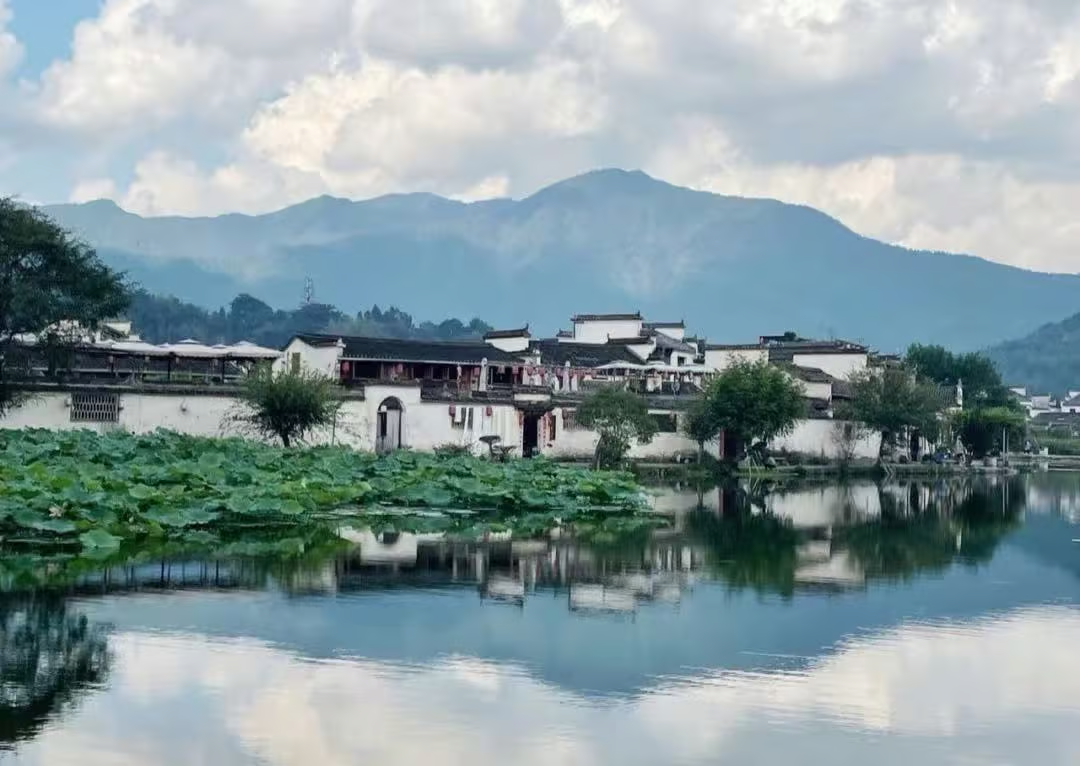
Near Huangshan in southern Anhui, Hongcun is one of China’s signature village landscapes: whitewashed Hui houses, stone bridges, still ponds, and low mountain backdrops that seem designed for reflection photography. UNESCO highlights the village’s preserved street plan, architecture, decoration, and integration with a comprehensive water system, while Hongcun’s own layout is famously described as being shaped like an ox. It is busy, but few villages in China combine architecture and atmosphere this well.
Highlights
- UNESCO-listed Hui village near Huangshan
- Moon Pond and classic reflection views
- One of China’s strongest architecture-and-water settings
That reputation rests on both UNESCO status and the village’s unusually memorable layout.
Xidi
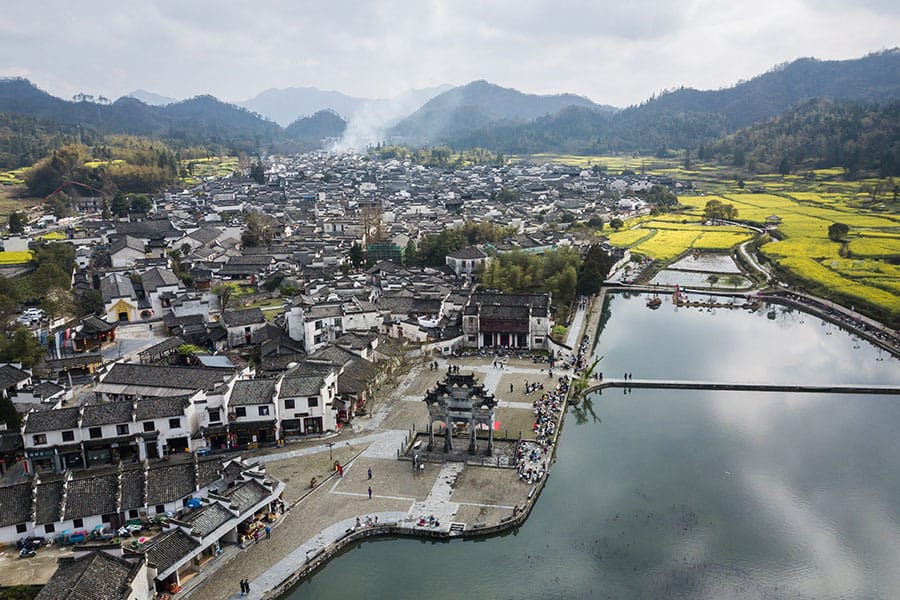
Also in Yi County, Xidi feels a little less lyrical than Hongcun and a little more architectural. This is the village to prioritize if you love lanes, ancestral halls, stone paving, and old residences that still make the settlement feel structurally intact rather than simply photogenic. UNESCO treats Xidi and Hongcun together as exceptional surviving examples of traditional non-urban settlements, and Wikipedia notes that Xidi still contains 224 ancient residential buildings dating from the 14th to 19th centuries.
Highlights
- UNESCO-listed village with dense historic fabric
- Granite lanes, halls, and carved Hui houses
- Best pick if you want alleyways over big water views
Xidi belongs here because it feels like a complete historic village rather than a single postcard angle.
Zhaoxing Dong Village
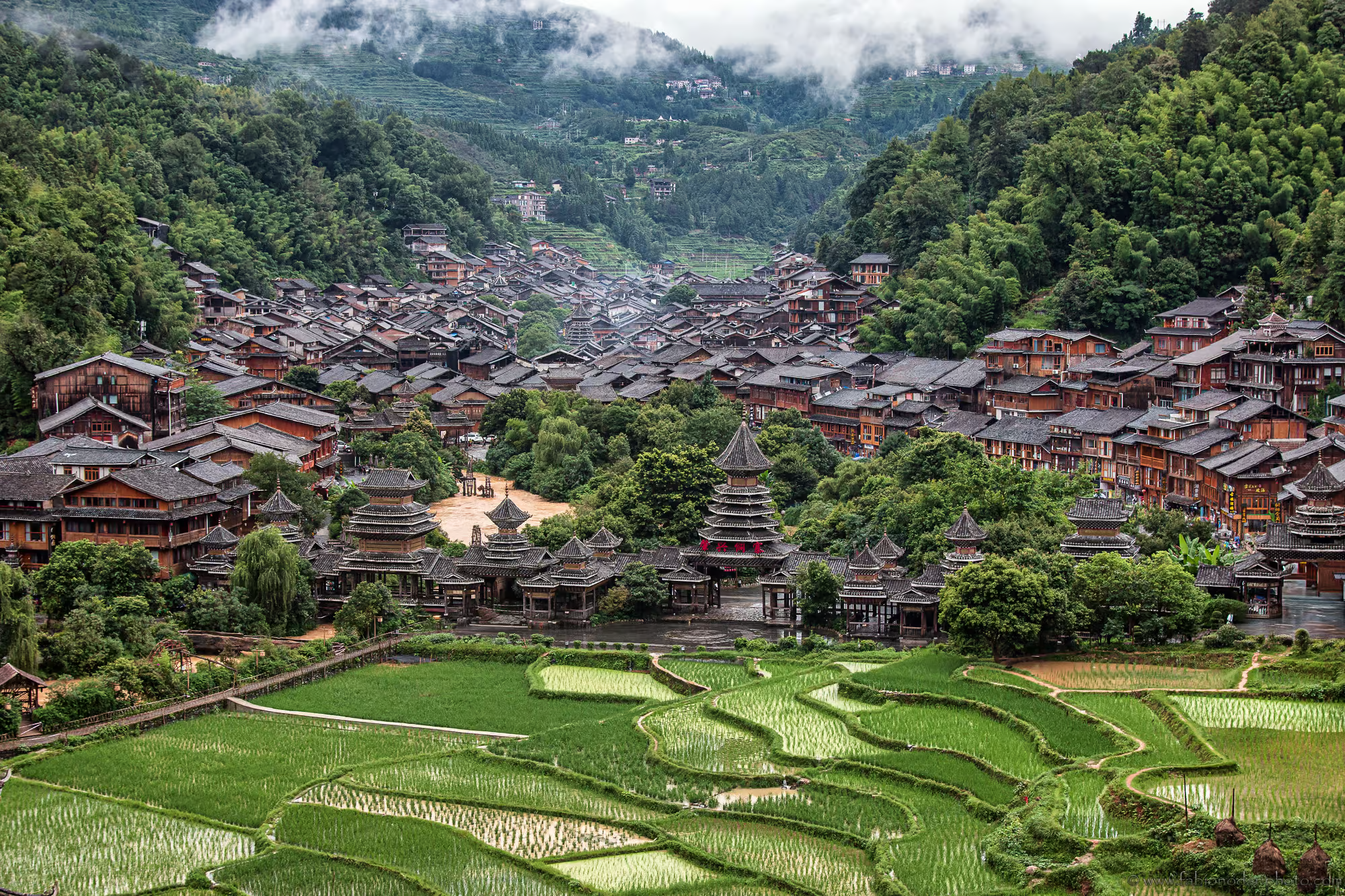
Deep in Guizhou, Zhaoxing is one of the most visually distinctive villages in China. Wooden Dong buildings spread through a valley alongside water and bridges, with the famous drum towers giving the village its skyline. Wikipedia describes Zhaoxing village as the largest Dong minority village in China and notes its five drum towers, while Tripadvisor summaries repeatedly emphasize the combination of mountain scenery and rich ethnic culture. This is one of the easiest places in China to feel that architecture, landscape, and living tradition are still braided together.
Highlights
- Five iconic Dong drum towers
- Wooden village core in a valley setting
- One of China’s strongest ethnic-culture village stops
Its appeal comes from scale, wooden architecture, and the fact that it still reads instantly as Dong country.
Xijiang Miao Nationality Village
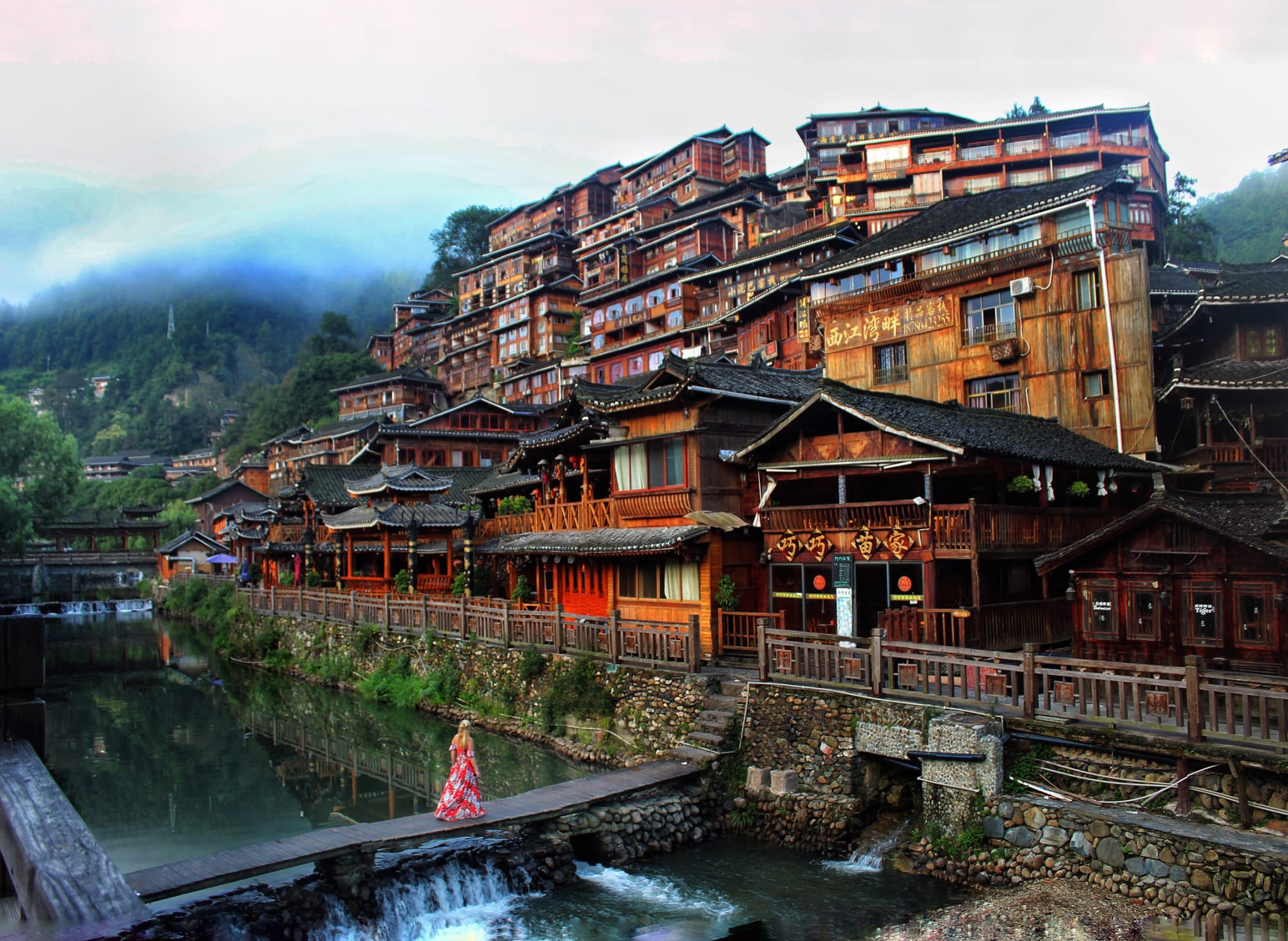
Xijiang is bigger, louder, and more overtly touristed than some of the other villages on this list, but it is still one of the most visually powerful. Spread across a valley in Guizhou, its old wooden stilt houses climb the slopes in dense layers, especially at night when the whole settlement lights up. Wikipedia notes that more than 1,000 stilted buildings are stacked across the terrain, and Tripadvisor snippets consistently describe it as one of the world’s largest or best-known Miao village experiences. Go expecting spectacle more than quiet authenticity, and it is hard not to be impressed.
Highlights
- Massive hillside Miao settlement
- Stilt-house panorama and night views
- Strong choice for culture, food, and photography
Xijiang makes the list because few villages in China have this much visual density.
Ping’an Village
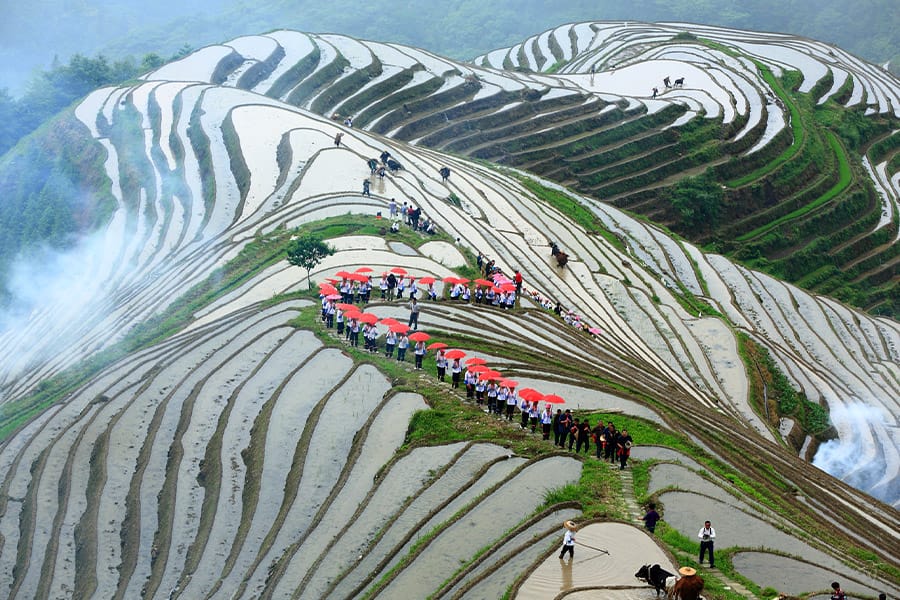
In the Longji Rice Terraces of Guangxi, Ping’an is one of China’s best village-and-landscape combinations. The village itself is a wooden Zhuang settlement, but what really elevates it is how naturally it sits inside the terraces, with paths climbing straight from guesthouses into the paddies and viewpoints. Tripadvisor results consistently describe Ping’an as worth visiting for the feel of village life and the photographic setting, while travel guides frame it as the most famous village in the Longji terraces. If you want the classic China rice-terrace stay, this is one of the safest choices.
Highlights
- Longji terrace access right from the village
- Wooden guesthouses and mountain views
- One of China’s best overnight rice-terrace bases
Ping’an stands out because the village is not separate from the landscape; it is part of the view.
Huangling
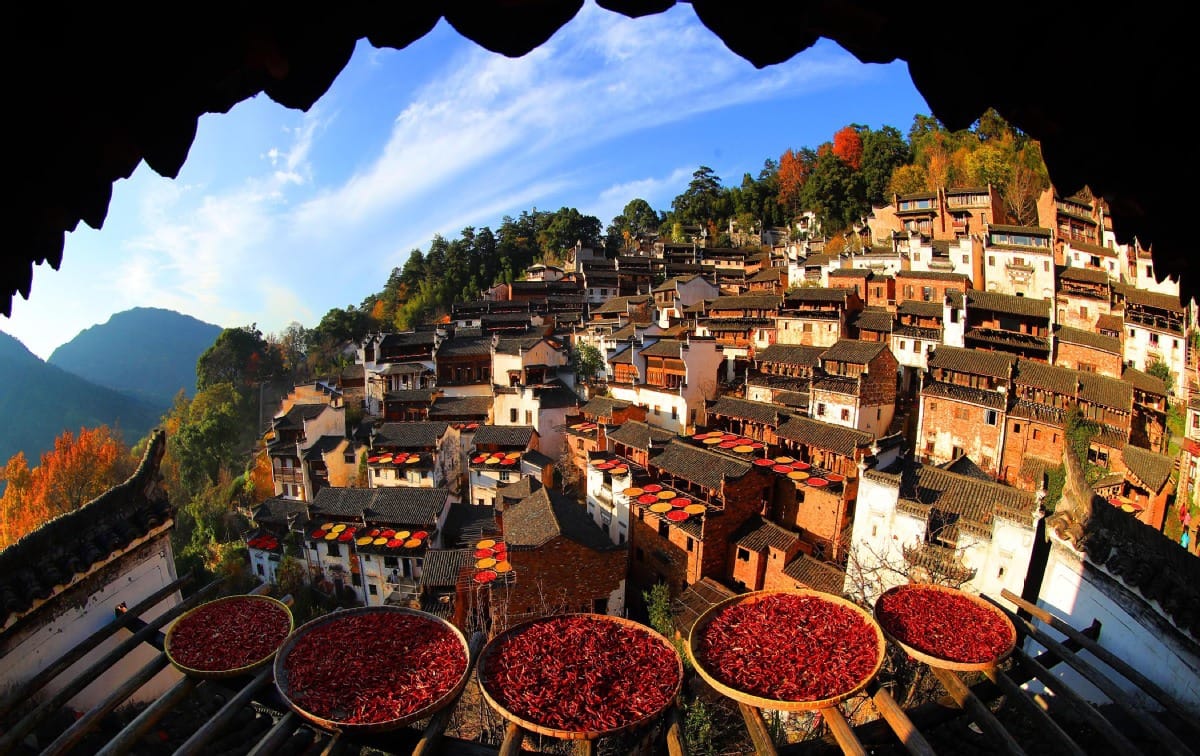
Huangling, in Wuyuan County, is one of the most visually recognizable villages in China thanks to its hillside Hui houses, spring rapeseed terraces, and the autumn crop-drying tradition known as shaiqiu. Wikipedia notes both the rapeseed scenery and the drying baskets on roofs and windowsills, and also records that Huangling was included in the 2023 UN Tourism Best Tourism Villages list. This is a more curated village experience than a sleepy old settlement, but visually it is outstanding and very different from the water-village mood of Hongcun and Xidi.
Highlights
- Spring rapeseed flowers
- Autumn shaiqiu crop-drying scenes
- Hui-style houses on a mountain slope
Huangling belongs here because it has one of the strongest seasonal identities of any village in China.
Jiaju Tibetan Village
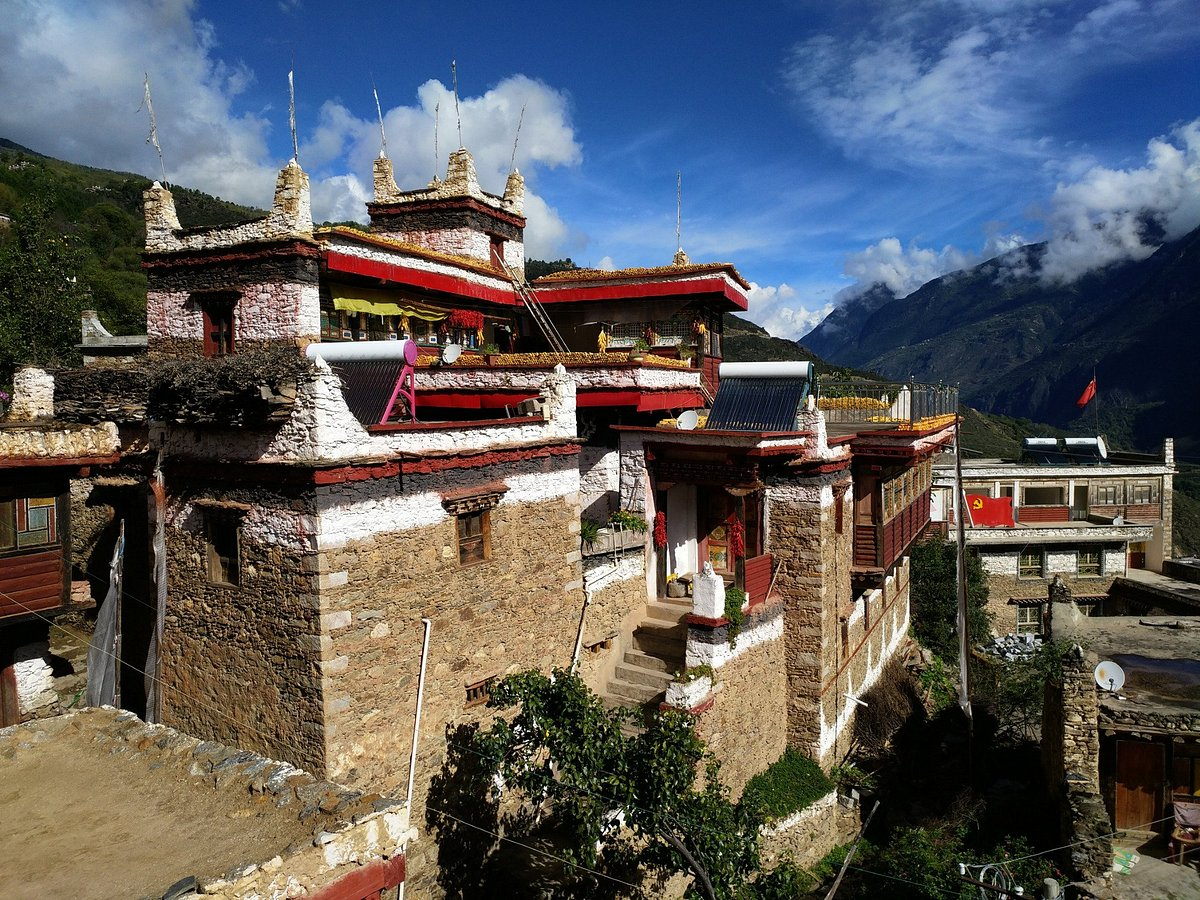
In Danba County in western Sichuan, Jiaju is the most famous Tibetan-village stop for travelers who want dramatic valley scenery and layered hillside homes rather than flat-street heritage. The village is known for white-and-red Tibetan houses scattered across steep green slopes, and Tripadvisor summaries keep emphasizing both the views and the fact that it remains striking even as tourism has grown. It is no longer an under-the-radar find, but the combination of mountain setting and Tibetan architecture still gives it real punch.
Highlights
- Hillside Jiarong Tibetan houses
- Big valley scenery in Danba
- Strong photo stop in western Sichuan
Jiaju earns its spot because the village looks inseparable from the terrain around it.
Hemu Village
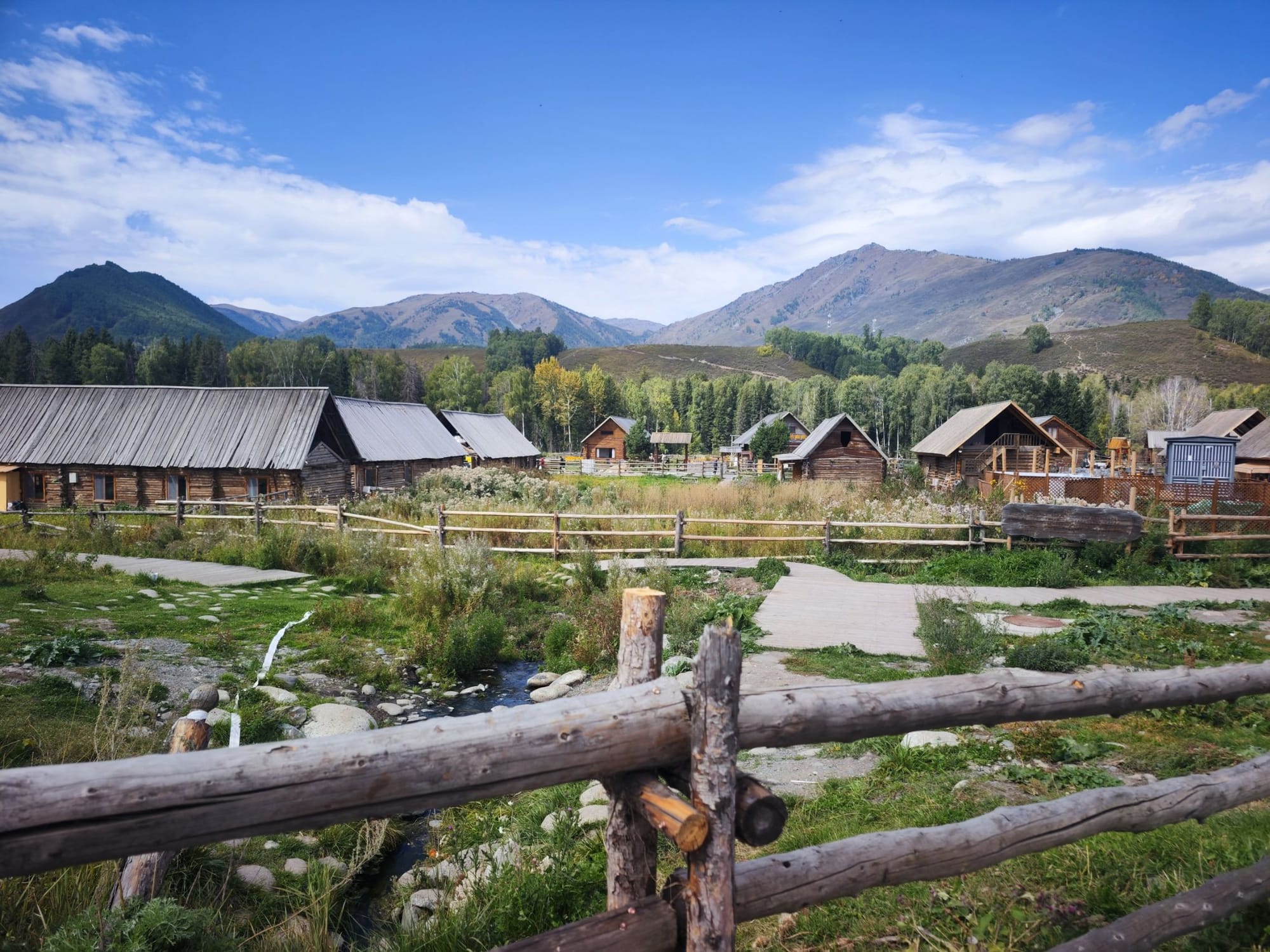
Far in northern Xinjiang, Hemu has a completely different beauty from the older villages of east China. This is a Tuva settlement of low wooden houses set in a broad valley of birch forest, river bends, and Altai Mountain scenery. Tripadvisor describes it as a Tuvan ethnic settlement inside the Kanas Scenic Area, traversed by the Hemu River and set near the borders with Russia, Kazakhstan, and Mongolia, while TravelChinaGuide emphasizes its remote feel and strong autumn reputation. If you want a village that feels like a frontier landscape rather than a museum of old China, Hemu is one of the best picks in the country.
Highlights
- Tuva wooden houses in an Altai valley
- Beautiful in autumn and snow season
- One of China’s most distinctive frontier villages
Hemu belongs here because its atmosphere is shaped as much by open landscape as by the village itself.
Cuandixia
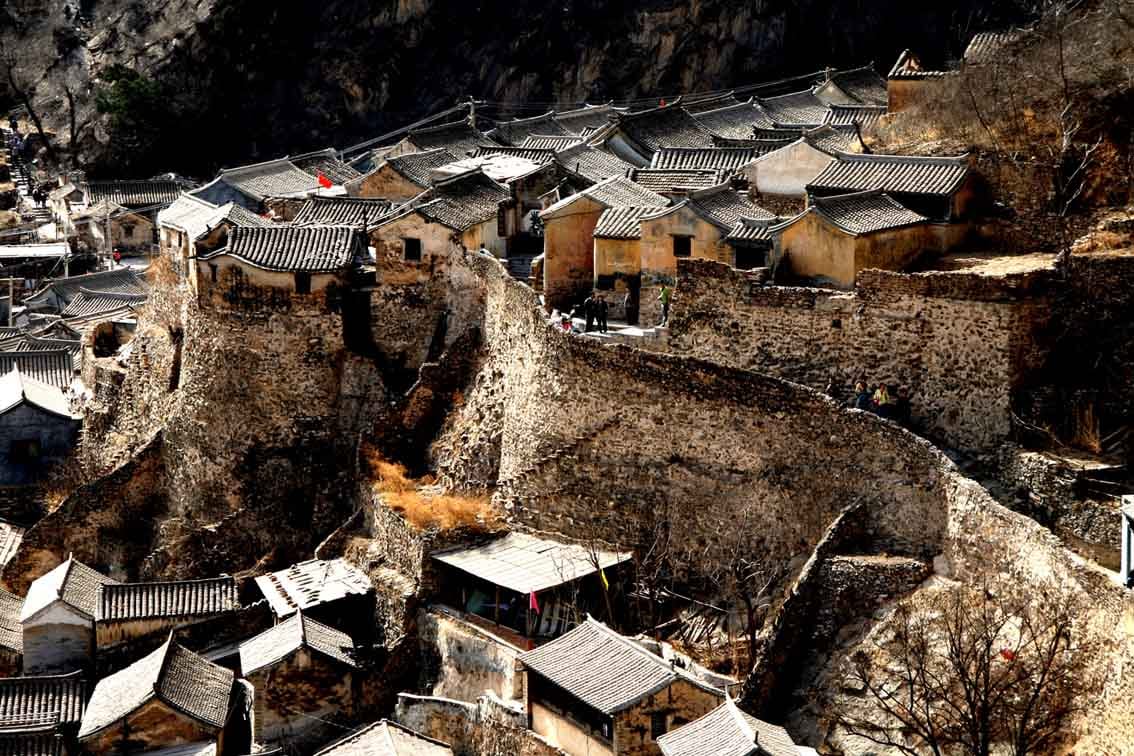
If you want a beautiful village near Beijing, Cuandixia is the standout. Hidden in Mentougou’s mountain country, this Ming-era village is built from stone and courtyards rather than timber and terraces, which gives it a tougher, northern character than the southern villages on this list. Wikipedia notes its well-preserved courtyard homes, stone-paved lanes, and steep staircases, and also notes that many of the old homes have been adapted into inns. It feels historic, compact, and more rugged than polished.
Highlights
- Mountain village day trip from Beijing
- Ming- and Qing-era courtyard houses
- Great choice for stone lanes and old northern architecture
Cuandixia stands out because it offers a different village look from the white-walled south or wooden southwest.
Yubeng Village
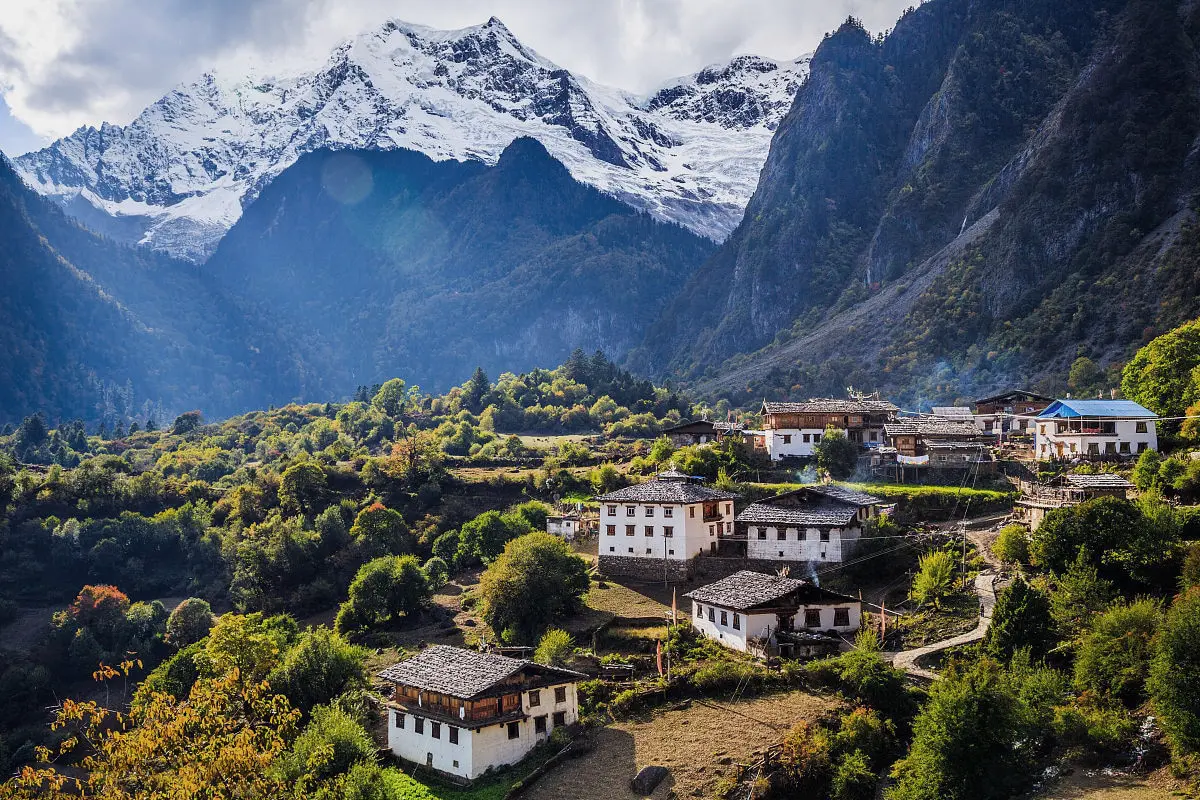
Yubeng is the wild-card choice on this list. Deep in northwest Yunnan near Meili Snow Mountain, it is less a casual sightseeing stop than a remote village base for hikers and mountain lovers. Tripadvisor highlights that Yubeng is split into upper and lower villages and is prized as a base for nearby trails, which is exactly why it feels so special: you are staying in a real high-valley settlement surrounded by serious mountain scenery. If your version of a beautiful village includes effort, remoteness, and altitude, Yubeng is unforgettable.
Highlights
- Remote village beneath major mountain scenery
- Upper and lower village setting
- One of China’s best trekking-base villages
Yubeng makes this list because almost no other village in China feels this tucked away.
Not A Member? ✈️
Save 50%-95% with Jetsetter Alerts - Airline Mistake Fare & Flash Sales Alerts!
Other Popular Articles
 Jetsetter Alerts
 Jetsetter Alerts
 Jetsetter Alerts
 Jetsetter Alerts