
8 Most Beautiful Villages In Austria
In this guide we explore 8 of the most beautiful, and talked about villages in Austria that should be included in any nature lovers travel itinerary when visiting this beautiful nation.
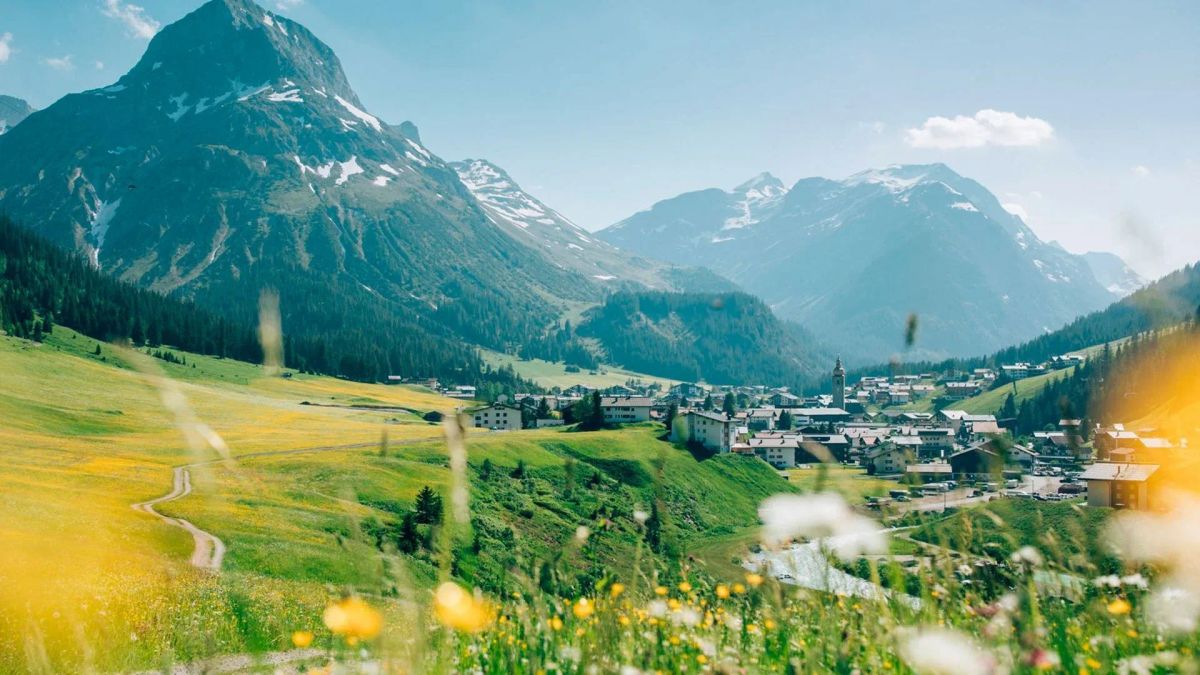
Austria's beautiful villages does postcard scenery better than anywhere: lake villages pressed against mountain walls, flower-filled Tyrolean hamlets, Danube wine towns, and high-alpine bases beneath some of the country’s biggest peaks.
The villages below were chosen for a mix of setting, atmosphere, architecture, and what travelers repeatedly praise in forums and itinerary discussions, with famous names like Hallstatt, St. Wolfgang, Dürnstein, and Alpbach showing up again and again. ✅
Not A Member of Jetsetter Alerts? ✈️
Sign up for our cheap flight alerts to get notified of any amazing deals on flights to Austria!
We let you know about any amazing flash sales & mistake fares around the world!
Hallstatt
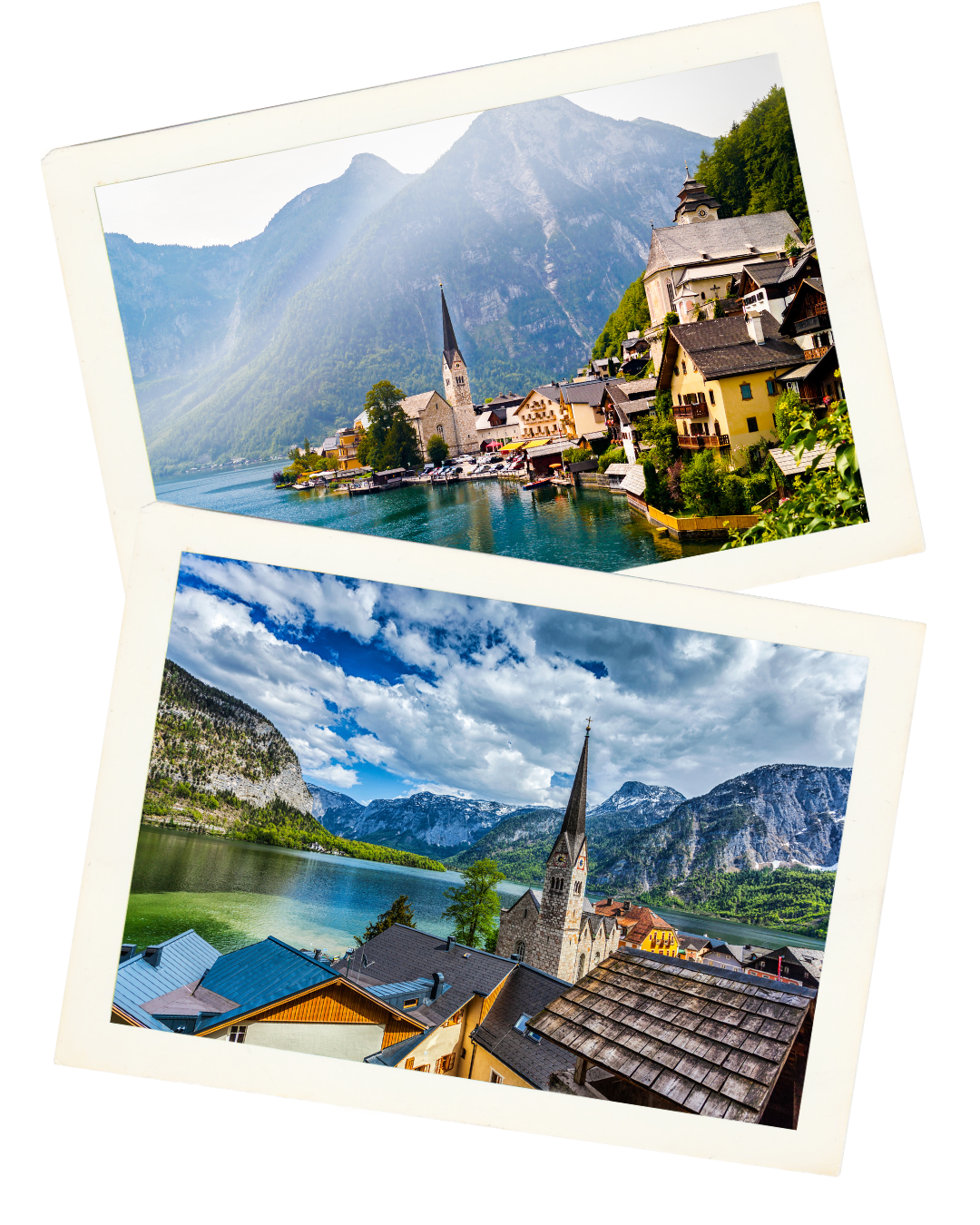
Hallstatt is Austria’s ultimate fairytale village: a tight row of pastel houses, steep lanes, and church spires squeezed between Hallstätter See and the Dachstein massif in Upper Austria’s Salzkammergut. Its salt-mining history gives it more depth than a simple photo stop, but the setting is what makes it unforgettable. Travelers still rave about how well the village, lake, and mountains work together visually, even while many also warn that Hallstatt is no longer a secret and is best handled early or late in the day.
Highlights
- Storybook lakeside setting
- Salt-mine heritage and skywalk views
- One of Austria’s most iconic village silhouettes
That mix of lakefront beauty, deep history, and dramatic mountain scenery is exactly why Hallstatt remains on nearly every Austria village shortlist.
Alpbach
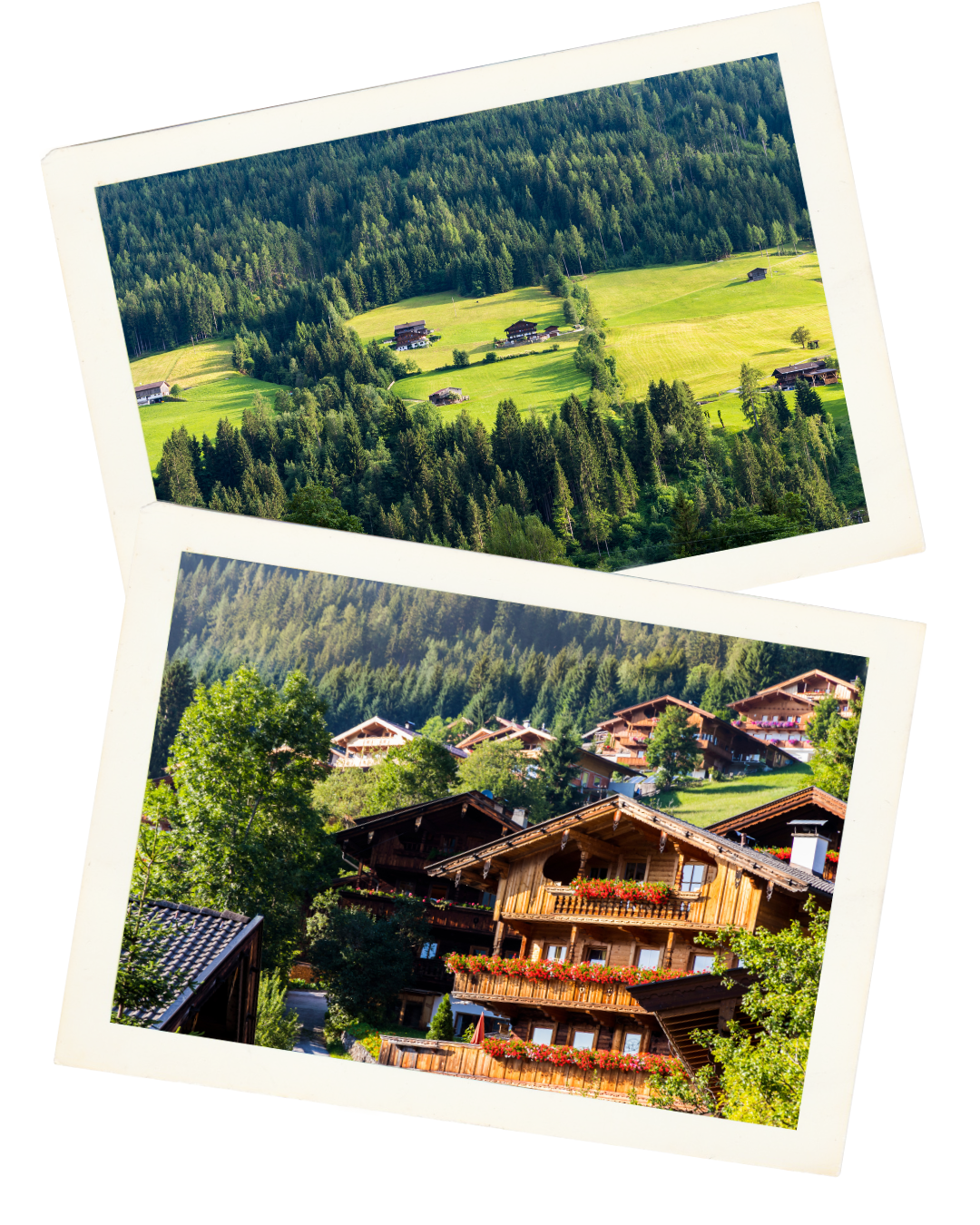
In Tyrol’s Alpbachtal, Alpbach feels unusually harmonious because the whole village follows a traditional wooden building style. The result is a place of dark timber façades, flower-packed balconies, and chalets rising across green slopes beneath the Kitzbühel Alps. This is the Austrian village to choose if you care as much about architecture as scenery. It is beautiful in both summer and winter, but especially striking in the warmer months when the flower boxes soften every street and balcony.
Highlights
- Uniform traditional wooden architecture
- Flower-filled balconies and chalet streets
- Excellent base for alpine walks and meadows
Alpbach’s reputation is built on exactly those elements, which is why local tourism pages and traveler reviews both lean so heavily on its visual character.
Dürnstein
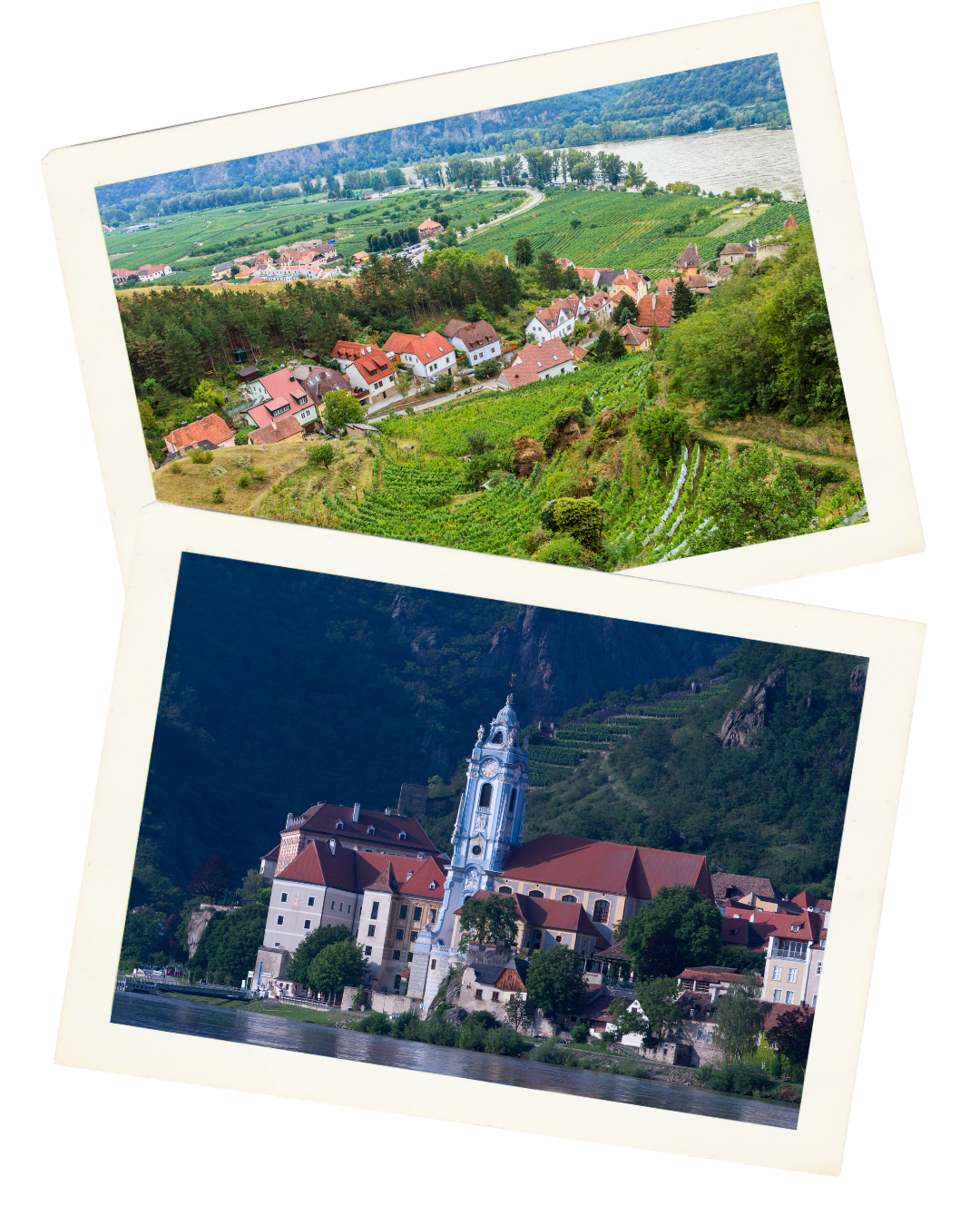
Dürnstein brings a completely different kind of beauty: apricot-and-wine-country beauty. Set right on the Danube in the Wachau Valley, this Lower Austrian village is known for its blue church tower, terraced vineyards, medieval lanes, and the castle ruins above town. It works especially well for travelers who want a village that feels scenic but also genuinely enjoyable to wander, eat, and drink in. This is one of Austria’s best small places for combining river views, wine taverns, and old-stone atmosphere.
Highlights
- Blue tower and castle-ruin skyline
- Danube river setting in the Wachau
- Excellent stop for wine, walks, and river cruising
Those are the defining reasons Dürnstein is one of the Wachau’s most visited and most photographed villages.
Heiligenblut am Großglockner
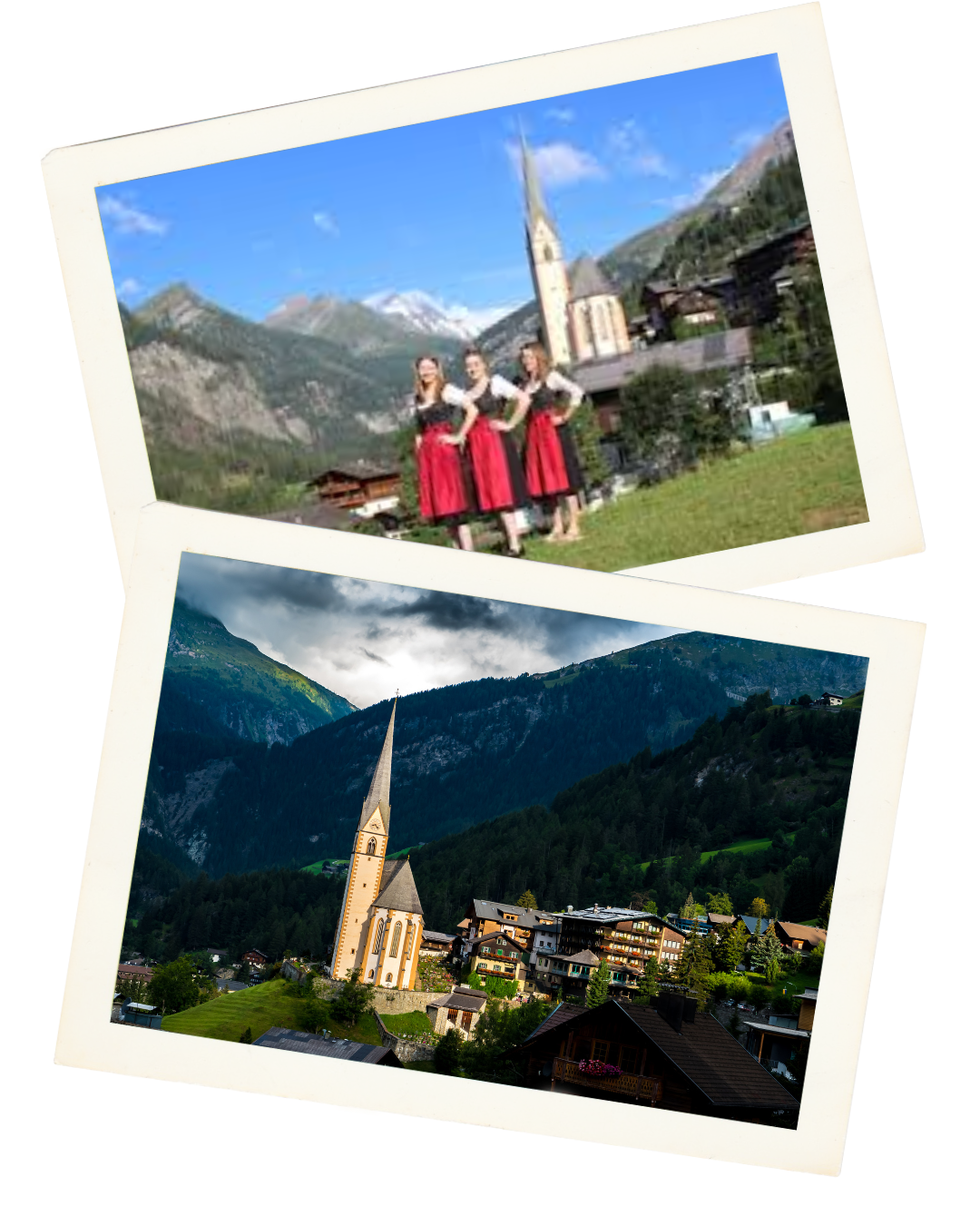
Heiligenblut is one of the most dramatic mountain villages in Austria. It sits in a high valley in Carinthia at the foot of the Großglockner, Austria’s highest mountain, with the village church spire creating one of the country’s classic alpine views. This is a place for glacier-scale scenery rather than lakefront prettiness: waterfalls, lookout roads, cable cars, and huge surrounding peaks. If you are building a route through Austria’s national parks, Heiligenblut is located directly within the Hohe Tauern National Park.
Highlights
- Famous church-and-mountain panorama
- Gateway to Großglockner scenery
- Strong base for hiking, viewpoints, and high-alpine drives
Its appeal comes from the scale of the landscape as much as the village itself, which is exactly what makes it so memorable.
St. Wolfgang im Salzkammergut
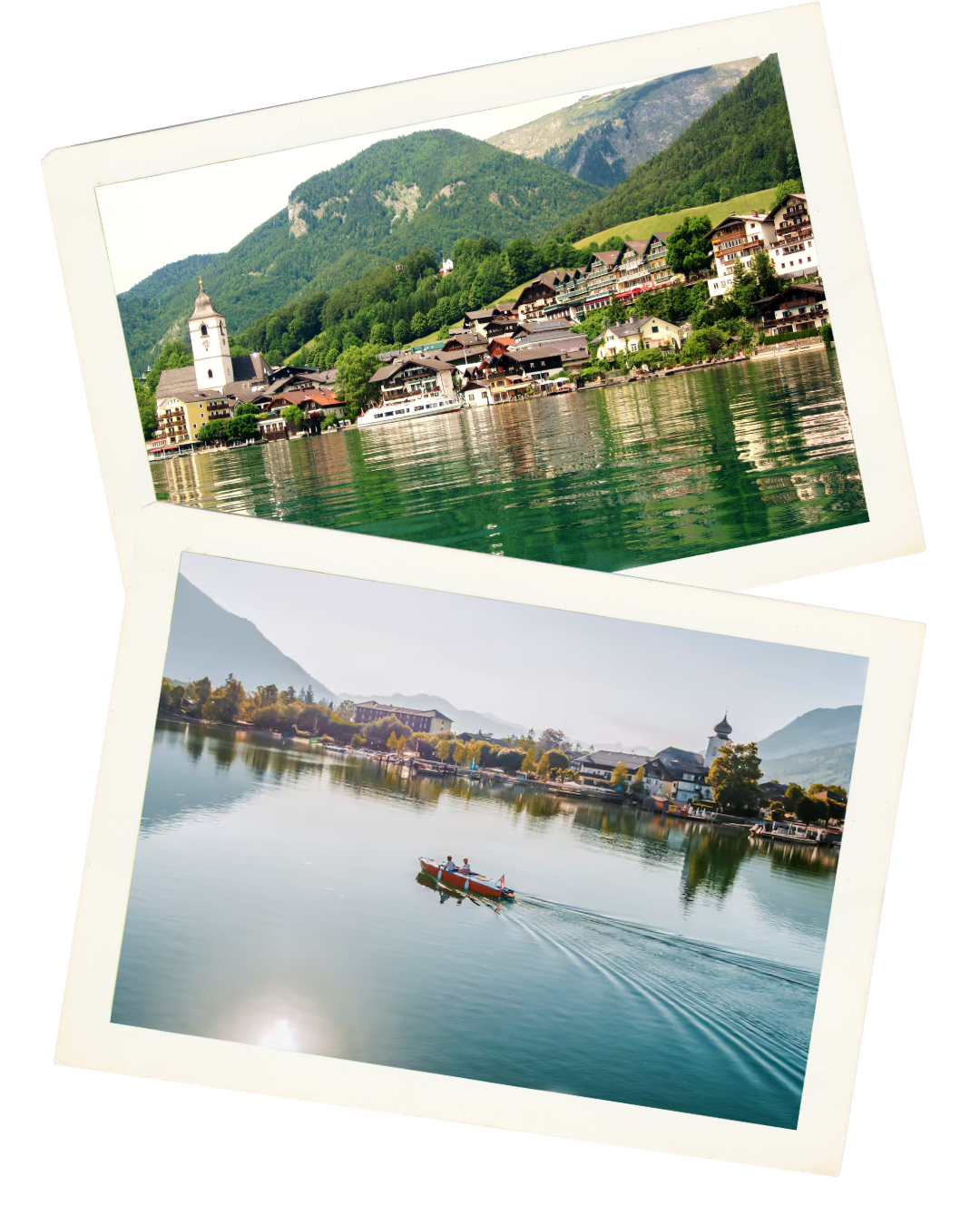
On the northern shore of Wolfgangsee, St. Wolfgang is the kind of village people often wish Hallstatt still felt like: scenic, classic, lively, and easier to build a longer stay around. The village combines a lakefront setting with a handsome church, old inn façades, and direct access to the Schafberg mountain railway. Travelers on Reddit and Tripadvisor discussions repeatedly call it one of Austria’s prettiest village bases because it offers both beauty and enough to do beyond taking photos.
Highlights
- Wolfgangsee waterfront and boat access
- Schafbergbahn cog railway
- Better all-round base than a pure photo stop
That combination of scenery and practicality is why St. Wolfgang is so often recommended in village-planning threads.
Gosau
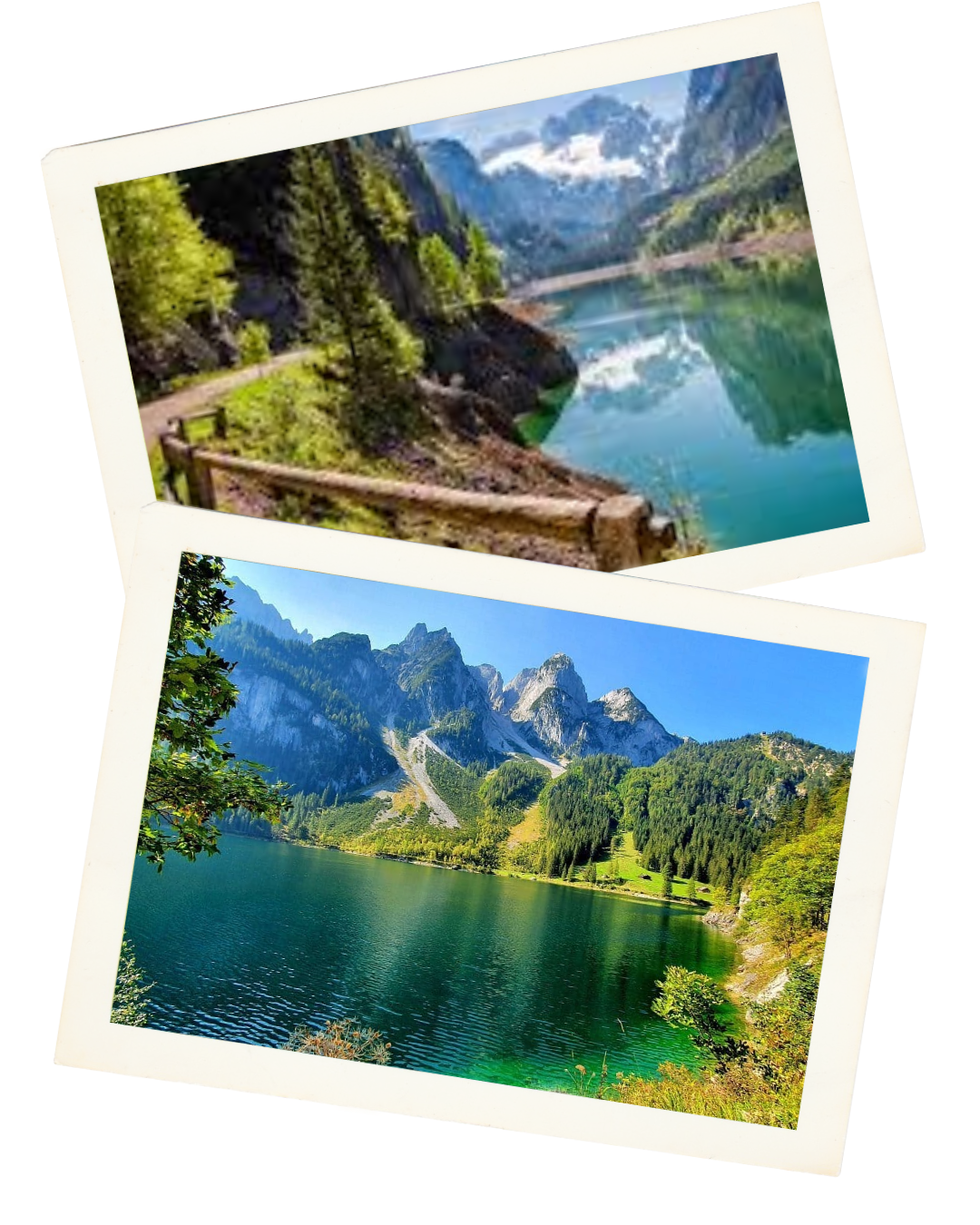
Gosau is one of the best alternatives for travelers who want big Salzkammergut scenery with a calmer, more spread-out village feel. The village lies in a broad valley in Upper Austria, with traditional houses, farm buildings, and mountain views all around, and it opens onto the Gosausee area, one of the most beautiful lake-and-Dachstein panoramas in the country. Gosau feels less polished than Hallstatt and less resorty than St. Wolfgang, which is exactly the point.
Highlights
- Access to Gosausee and Dachstein views
- Quiet village atmosphere in the Salzkammergut
- Great choice for hiking and photography
Its appeal is rooted in open valley scenery and easy access to one of Austria’s most striking mountain-lake viewpoints.
Filzmoos
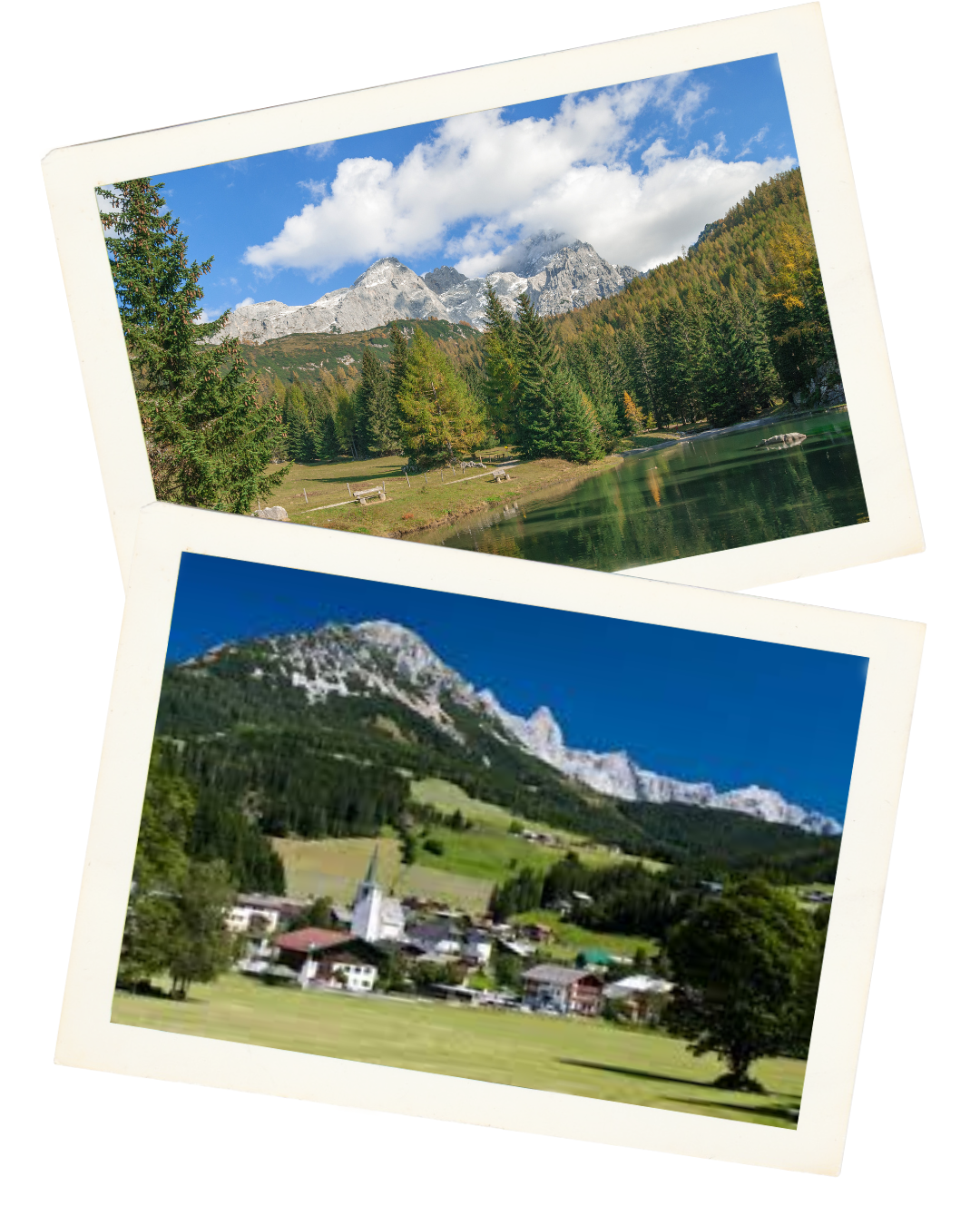
Filzmoos is a picture-book Salzburg mountain village set below the Gosaukamm and the distinctive Bischofsmütze peak. The scenery here is gentler than in Heiligenblut and less famous than Hallstatt, but the village is exceptionally pretty: alpine meadows, streams, mountain huts, and a compact center that still feels properly local. It works well for travelers who want a classic Austrian Alps stay with hiking in summer and snow reliability in winter, without the busier feel of major resort towns.
Highlights
- Bischofsmütze backdrop
- Gentle alpine-meadow scenery
- Strong year-round village base for hiking or winter trips
Filzmoos earns its place here because the surrounding mountain world feels scenic but still intimate and easy to enjoy.
Lech
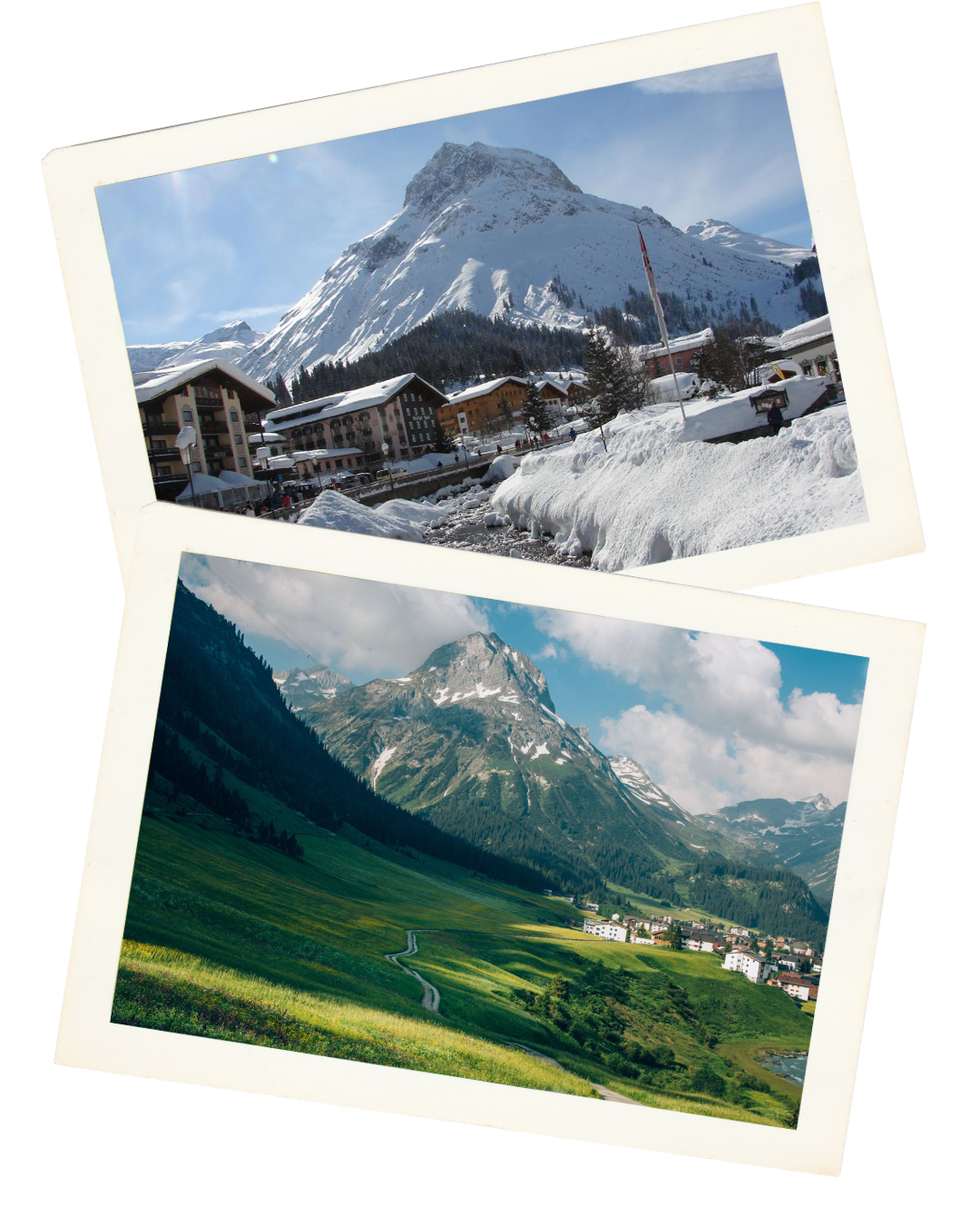
Lech, in Vorarlberg’s Arlberg region, is the polished end of Austrian village beauty. Yes, it is a luxury ski name, but what makes it belong on this list is that it still feels like a real alpine village rather than a purpose-built resort. Traditional hotels, careful preservation, mountain huts, and a strong sense of local style give it more warmth than many upscale destinations. In winter it is glamorous; in summer it becomes a beautiful base for lifts, meadows, and high-alpine walks.
Highlights
- Refined Arlberg village atmosphere
- Beautifully preserved alpine architecture
- Excellent food, hiking, and skiing base
Lech stands out because it manages to feel both high-end and authentically alpine at the same time.
For trip planning, check out the cost to visit Austria, best time to visit Austria, or Austria’s most beautiful national parks to help plan your itinerary