
How to Pack Your Bag for Travel: A Visual Guide
See how to turn an overflowing suitcase into a bag you can live out of, with photo examples for rolling clothes, using organizers, and keeping the things you need within reach.
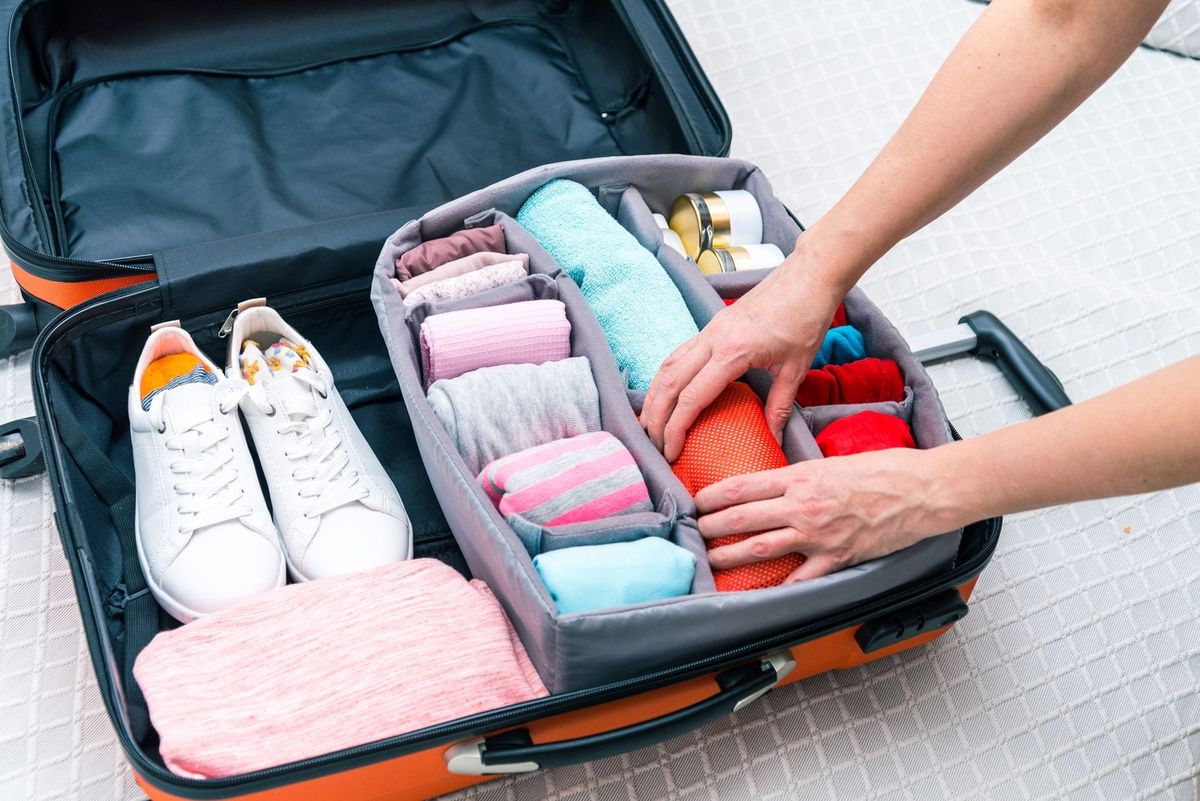
You get to your hotel late, open your suitcase, and realize your pajamas are somewhere under two pairs of shoes and a beach towel. Ten minutes later, half your bag is on the bed. Tomorrow morning, you’ll have to pack it all again just to get out the door.
A better way to pack is to choose clothes that work together, roll soft items so you can see them, and give everything you’ll need along the way a place you can reach. The photos below show what that looks like in a real suitcase, with or without packing cubes.
Why an Overstuffed Suitcase Is Hard to Live Out Of
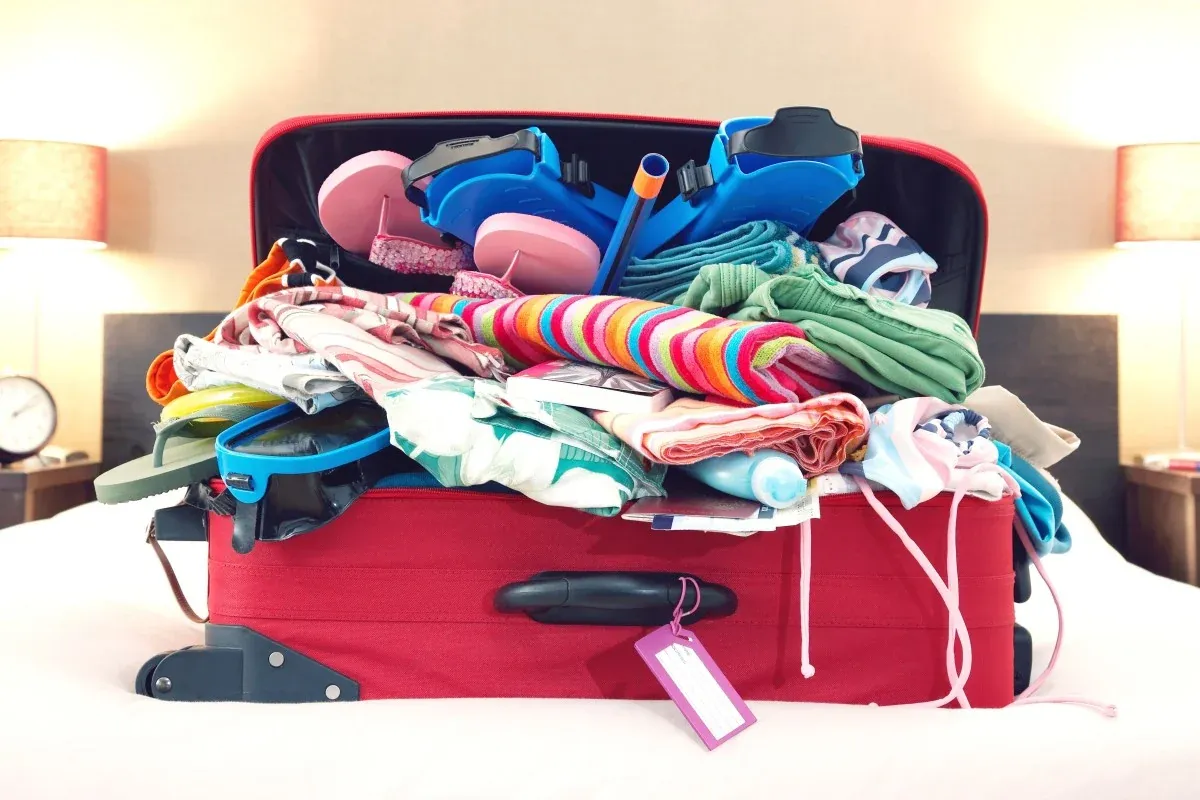
Look at everything fighting for space in this bag. The sandals are mixed in with the clothes, the snorkeling gear sits on top, and the things you’ll probably want first are buried. You might get it zipped at home, but can you close it again after a beach day when the towel is damp and the clothes have shifted?
Before you rearrange anything, lay it all out and decide what you’ll actually use. Start with what you’ll wear on a typical day, what you’ll need for any specific plans, and what you can wear twice. Check the weather for the hours you’ll be outside. A hot afternoon and a cool evening might call for one light layer that works with every outfit.
For a casual three-day trip, try three tops, two bottoms, one set of sleepwear, and a light layer. Add underwear and socks for each day, plus a spare if you have room. Wear your bulkier shoes in transit. Pack a second pair if it serves a different purpose, like sandals for the beach or dress shoes for a wedding.
Roll Soft Clothes and Pack Them Side by Side
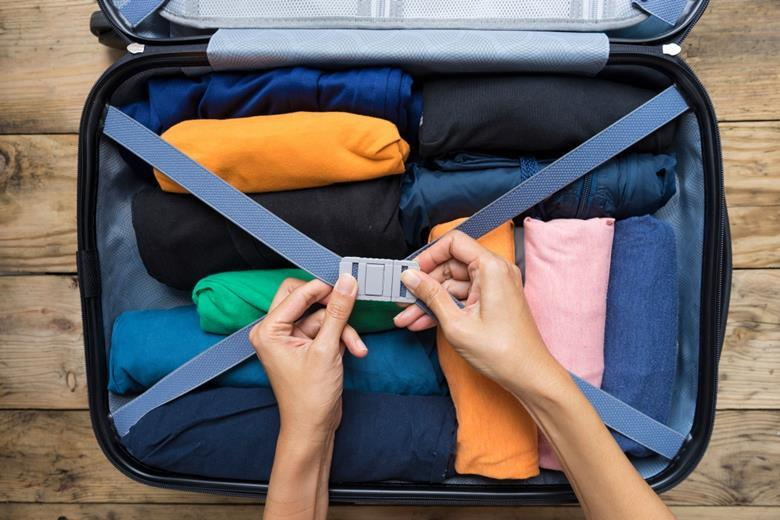
Rolling works well for T-shirts, workout clothes, pajamas, and other soft fabrics. The rolls fit into narrow spaces, and you can see what you brought when you open the bag. The trick is to pack them next to one another so you can lift out the blue shirt without digging through a stack.
- Lay the shirt flat and smooth it with your hands.
- Fold the sleeves inward and tuck the sides in to make a rectangle.
- Roll from the bottom hem toward the collar. Keep the roll snug enough to hold its shape.
- Place it next to the other rolls, then fasten the suitcase straps to keep the row in place.
Fold pieces that sit flatter that way. Jeans can go across the base or along the side of the suitcase. Lay a blazer or structured shirt near the top so it spends less of the trip under heavier items. Rolling can help soft clothes travel with fewer hard fold lines, but fabrics like linen can still crease.
Use a Small Organizer if You Like Everything in Its Place
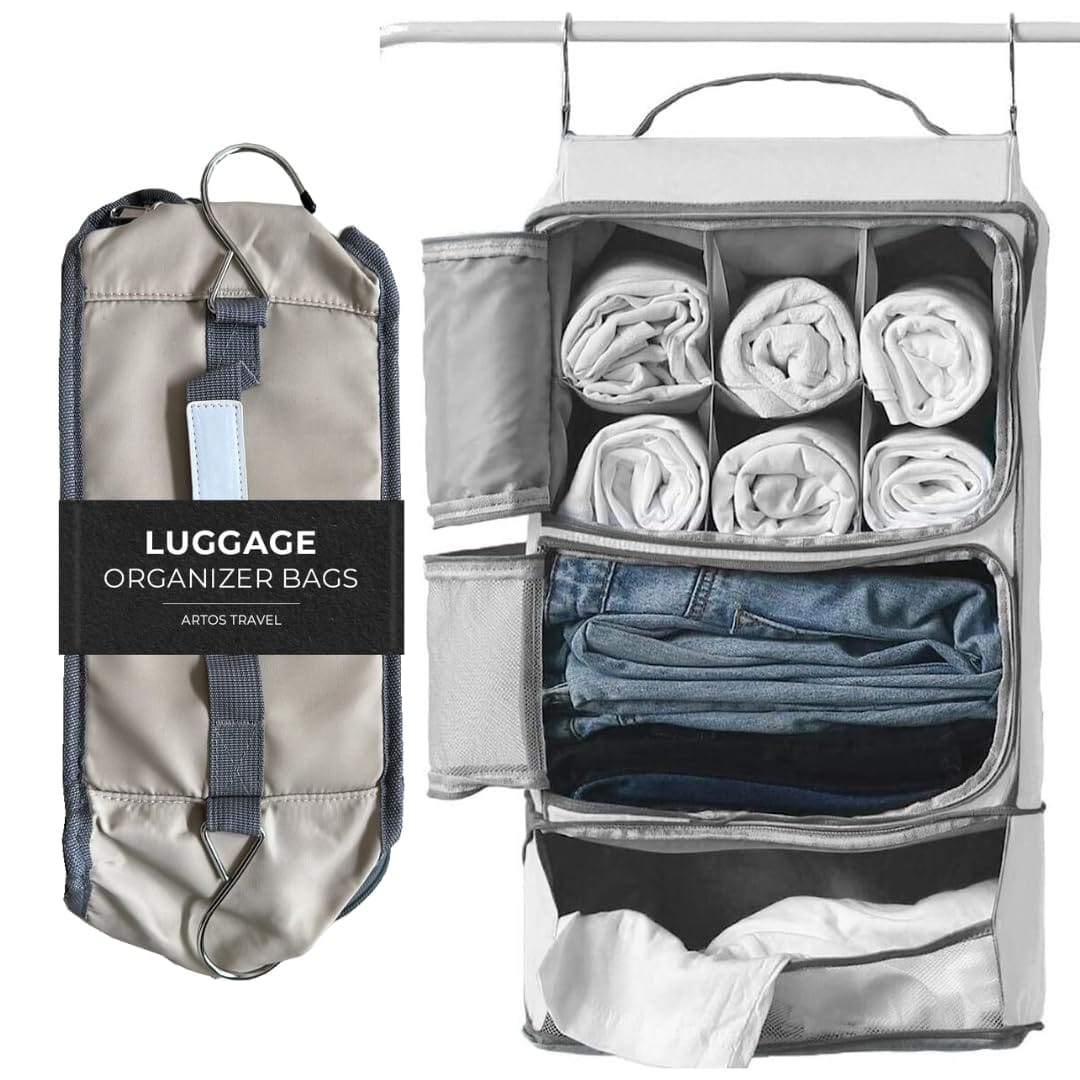
Once you experience an organizer bag that fits in your suitcase you will never want to travel any other way. It make a real difference if you’re moving between hotels or living out of your bag. Simply pull it out and hang it up, and you're done!
Rolling is nice, but nothing beats unzipping your suitcase and hanging up your organizer bag in the closet so you can easily access whatever you need without ever having to get in your suitcase again.
Put Heavy Items Where They’ll Stay Put
In a rolling suitcase, place shoes and other dense items near the wheels. That keeps the weight low when the case is upright and gives those items less room to slide down onto your clothes. Put shoes in a separate bag or cover the soles, then tuck clean socks inside them to use the empty space.
In a travel backpack, place heavier items close to your back and around the middle of the bag. Keep things you’ll reach for in transit, such as a rain layer or snack, near the top or in an outer pocket.
Choose your bag based on how you’ll get around. A small roller is easy to manage on smooth floors and sidewalks. A backpack can be easier on stairs, cobblestones, or uneven paths. If you’re flying, check the dimensions, weight limit, and baggage allowance for your fare before you pack. Some European budget airlines include only an under-seat bag in their lowest fares.
Keep Toiletries, Electronics, and Documents Within Reach
Toiletries. Decant what you’ll use into small, leak-resistant bottles. For standard U.S. TSA screening, carry-on liquids, gels, and aerosols such as shampoo and toothpaste go in containers of 3.4 ounces (100 mL) or less, packed together in one clear quart-size bag. Keep it near the top. Check the rules for each airport where you’ll clear security, including on connections.
Electronics. Use one small pouch for cables, headphones, and a plug adapter if you need one. Keep your power bank and spare lithium batteries in the cabin with you. If your carry-on is checked at the gate, take them out first. A padded sleeve gives a laptop or tablet its own place and makes it easier to pull out when you need it.
Documents and valuables. Keep your passport or ID, wallet, medication, and valuables in a zipped pocket of the personal item you’ll keep with you. Save your boarding pass, lodging details, and any required travel documents so you can pull them up offline. A bright luggage tag can help you spot a checked bag quickly at baggage claim.
Pack a Grab-and-Go Pouch When Traveling With Kids
Put the next diaper change, wipes, a spare outfit, snacks, and a small toy or book together in your personal item. Pack an extra shirt for yourself if you’re traveling with a baby. If there’s a spill halfway through the flight, you’ll be glad you can grab one pouch and leave the rest of the bag alone.
Keep formula or baby food handy for screening. At U.S. TSA checkpoints, reasonable quantities can exceed the standard liquids limit. Tell the officer at the start of screening so they can check those items separately.
Do One Last Check Before You Zip It
- Can you reach what you’ll need first? Put travel documents, chargers, and your first change of clothes where you can find them quickly.
- Can each extra item earn its space? If you packed three pairs of shoes, name when you’ll wear each one.
- Is there room for the trip home? Leave a little space for laundry that won’t fold as neatly and anything you pick up along the way. A lightweight foldable bag is handy for groceries or separating laundry.
- Can you lift the bag comfortably? Check the weight, close it, and carry it across the room before you leave.
The real test comes when you open your bag after a long travel day. If you can grab your pajamas in ten seconds and zip it back up with everything else still in place, you packed it well.