
How To Get The Cheapest Airline Tickets Every Time You Travel
This guide will show you the strategy digital nomads and expert budget travelers use to find amazing cheap flight deals every time they travel, and see the world for a fraction of the cost.
If you’ve been struggling to find cheap airline tickets, it’s not your fault—you’ve just been planning vacations the wrong way. And you’re far from alone. Most travelers still follow habits passed down from generations who planned trips long before the internet existed, yet they continue booking vacations the exact same way their grandparents did.
Booking cheap flights is not just about knowing where to find them—it is also about breaking the bad booking habits you have unknowingly developed. These are habits travelers have been conditioned to follow when buying flights, even though they would never use the same logic for almost any other purchase in life.
Not A Member? ✈️
Save 50%-95% with Jetsetter Alerts - Airline Mistake Fare & Flash Sales Alerts!
Bad Travel Planning Process You Must Stop
Most travelers still plan vacations in the same backwards order:
- Pick the destination.
- Pick the dates.
- Then scramble around online trying to find a good deal.
It feels normal because it has been normal for generations. For a long time, people had to plan this way. Work schedules were rigid. Time off had to be requested weeks, sometimes months, in advance. Dad got approved for the second week of July, so the second week of July became vacation week. The dates came first because they had to.
But today, continuing to plan travel this way by default is madness.
I call it on-demand travel: deciding exactly where you want to go, exactly when you want to go, and then demanding that the market hand you a bargain anyway.
No flexibility on destination.
No flexibility on timing.
No flexibility on the basic shape of the trip.
And then people wonder why flights are expensive, hotels feel overpriced, and they spend six hours bouncing between tabs looking for a magical deal that never really appears unless luck happens to intervene.
The truth is simple: when you plan this way, you are often choosing the most expensive version of the trip before you even start shopping for it.
To see how strange this is, imagine using the same buying strategy for a car.
You decide:
I will buy a car on this exact date.
I want this exact make and model.
I want to buy it close to home.
And I expect a great deal.
The day arrives. You walk into a dealership and tell them the car you want. They give you the price.
You blink.
That price is higher than you hoped.
So you ask for a better deal.
The salesperson asks whether you would consider a different trim, a different model year, a few more miles, or maybe another option on the lot. You say no. You want this car. Today. That is the deal.
At that point, you have told the dealership everything they need to know: you are not flexible, you are on a deadline, and you have already emotionally committed to buying.
You have handed away your bargaining power before the negotiation even started.
So you leave and try another dealership. Then another. But you repeat the exact same demand every time:
This car.
This date.
This price I want in my head.
By the end of the day, you are frustrated. Maybe even offended. How dare none of these dealers want your business badly enough to slash the price just because you showed up ready to buy?
But that is not how leverage works.
They know you need the purchase to happen today. They know you do not want to walk away. They know you have boxed yourself in.
Travel works the same way.
When you choose the destination first, lock in the dates second, and only then start hunting for a deal, you are walking into the airline, hotel, and rental car market with your hands already tied. You are telling them:
I must travel then.
I want to go there.
I am hoping you will discount it for me anyway.
Sometimes you get lucky. Most of the time, you just pay whatever the market is charging and call it “the best I could find.”
That is not smart deal-hunting. That is shopping from a position of weakness.
✅ Flip the Script: Let An Amazing Deal Be The Trigger To Plan
Here is the smarter way to travel. This is how experienced travelers, digital nomads, and people who consistently see more of the world for less money plan their trips.
Instead of forcing the market to obey a rigid vacation idea, they let exceptional deals reveal when it is actually worth moving.
The process looks like this:
- Sign up for cheap flight alerts.
- Keep a running list of places you genuinely want to visit, or at least the kind of trip you want next: beach, mountains, lake, big city, food destination, warm-weather escape, whatever fits the mood.
- Then wait for the alert to trigger your planning process.
An incredible fare appears for a destination that already belongs on your list.
That is when the planning begins.
Maybe flights are suddenly 50% to 70% cheaper than normal. Maybe the fare is available across a wide range of dates spread over three, four, or even five months. Instead of forcing one specific week to work, you are now choosing from a pool of already-discounted travel dates.
That is the difference.
You are no longer asking, “Can I make this exact trip cheap?”
You are asking, “Which of these already-cheap versions of the trip works best for me?”
From there, you compare the available airfare dates with lodging prices. You look at the hotel, rental, or accommodation options you would actually want, and see which dates line up with the best overall value.
Now the trip begins to narrow itself down in reverse:
- A destination I already wanted.
- A flight price that is unusually good.
- A set of travel dates where airfare is cheap.
- A smaller group of dates where lodging also looks strong.
Then, and only then, you take those dates to your employer and request the time off.
For many workers today, approval happens within 24 to 48 hours. Not always, of course. Some jobs are less flexible than others. But when this method works, it changes the entire economics of travel.
You repeat the process every time you want to go somewhere.
And here is what matters most: you have not given up the trip you wanted. You are still going to a place that excited you. You are still choosing something from your own bucket list. The only thing you stopped doing was insisting that the trip happen on dates that were expensive for no good reason.
- You kept your flexibility.
- You kept your options.
- You kept your leverage.
The alert simply told you, now is the time to plan this destination.
That is a far more powerful travel strategy than randomly picking dates first and then hoping the internet rewards you for it.
Think about airfare alerts like these:
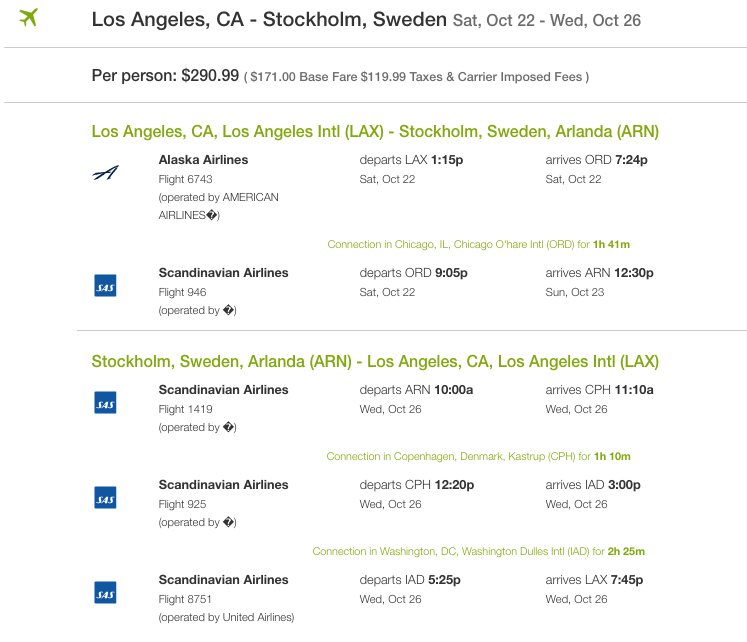
Los Angeles to Stockholm for $290 round trip.
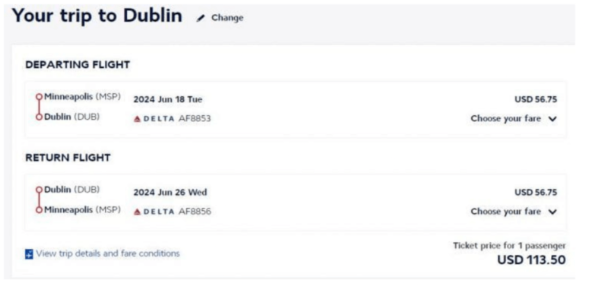
Minneapolis to Dublin for $113 round trip.
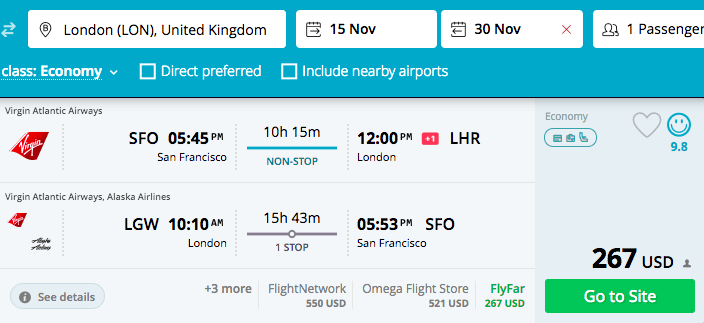
San Francisco to London for $267 round trip.
Houston to Jakarta in a business class lay flat for $361 round trip, which is obviously a mistake fare.
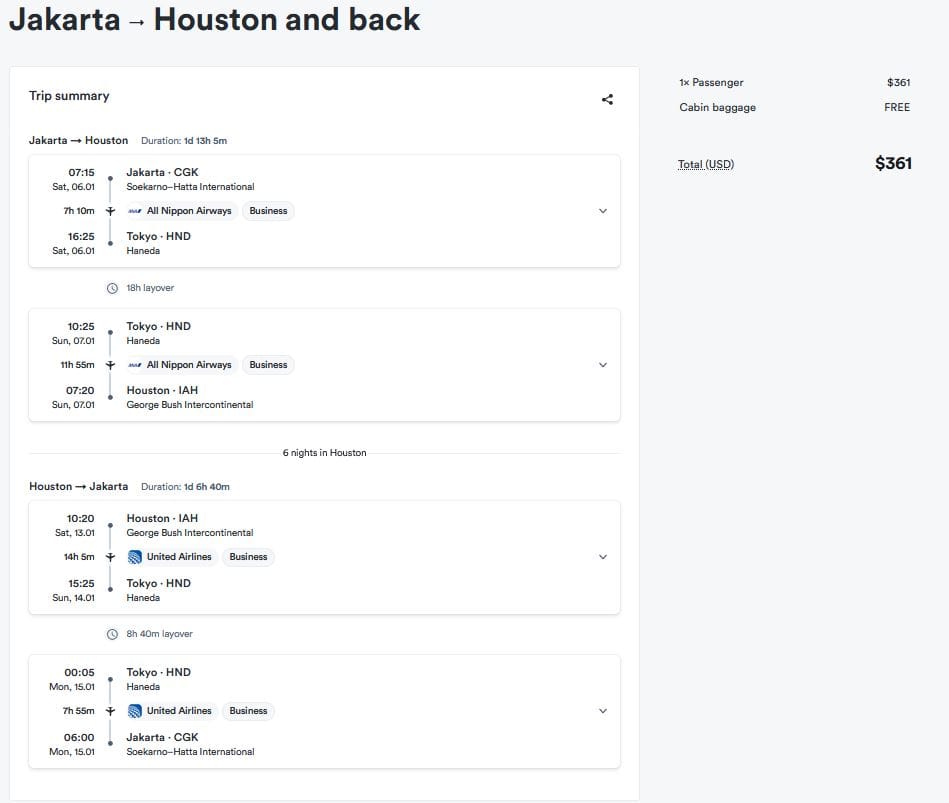
Those are the kinds of fares that can completely reshape what feels possible. A trip that once seemed too expensive suddenly becomes obvious. A destination you had mentally filed under “someday” moves into “why not now?”
That is the value of flight alerts. You are letting specialized tools and fare-scanning technology monitor the market for you, watching for those rare moments when prices drop far below normal. Instead of wasting night after night searching manually, you allow the deal to come find you.
For international trips, that airfare alert should often be the spark that starts the planning process.
For domestic trips you would drive to, the same principle still applies. The trigger may not be airfare. It might be unusually good hotel rates, resort discounts, or a lodging deal in a destination you already wanted to visit.
The exact tool can change.
The strategy does not.
You do not start with fixed demands and beg for a bargain afterward.
You let the bargain show you when to move.
The Smarter Travel Planning Process
🔔 Step 1: Sign Up for Cheap Flight Alerts
Join Jetsetter Alerts to get notified when unusually good airfare appears, including:
🔥 Flash sales that may only last 1–3 days
🛫 Mistake fares with massive, short-lived savings
✈️ Flight deals from the departure airports you choose
Instead of searching endlessly and hoping to stumble onto a deal, let the deal come directly to your inbox.
📝 Step 2: Build Your Bucket List
Make a list of the places you genuinely want to visit. It can be specific destinations, like Japan or Greece, or broader trip ideas, like:
- A beach escape
- A mountain getaway
- A major European city
- A tropical island
- A bucket-list international adventure
Then wait.
When an alert lands in your inbox for a destination that already fits your travel dreams, that is your signal to start planning.
📅 Step 3: Choose the Best Dates and Request Time Off
Once the flight deal arrives, look through the available discounted dates and find the options that work best for you and your travel party.
From there:
- Compare the low-fare travel dates
- Check which dates also have strong lodging prices
- Pick the best overall window
- Request the time off from work
- Start planning the rest of the trip
This is where the traditional travel process gets flipped on its head. You are not forcing one expensive week to work. You are selecting from dates that are already working in your favor.
💡 Step 4: Rinse and Repeat for Every Trip
This is now your travel planning system.
You are no longer booking like the average traveler who picks rigid dates first and then hopes to find a deal. You are planning like a digital nomad, a seasoned budget traveler, or someone who understands how to let the market work for them.
You wait for the right opportunity.
You move when the price is right.
You travel farther, more often, and for dramatically less.
Most importantly, you have reversed the leverage.
Instead of airlines, hotels, and travel companies deciding what you must pay after you have already boxed yourself in, you decide what is worth your money. You are still choosing destinations you want to visit. You are simply letting exceptional pricing determine when the trip makes the most sense.
That is how the world opens up.
Not because travel suddenly became cheap, but because you stopped planning it the expensive way.
Flights are only one part of the travel hacking process! This guide will show you how to get "free lodging" anywhere in the world.