
Cost To Visit Washington D.C.: Travel Budget Guide (2026)
In this guide, you’ll find the average cost to visit Washington D.C., including the daily budget you will need, transportation costs, attraction prices, museum costs, and what to expect during peak, shoulder, and off-season travel periods.
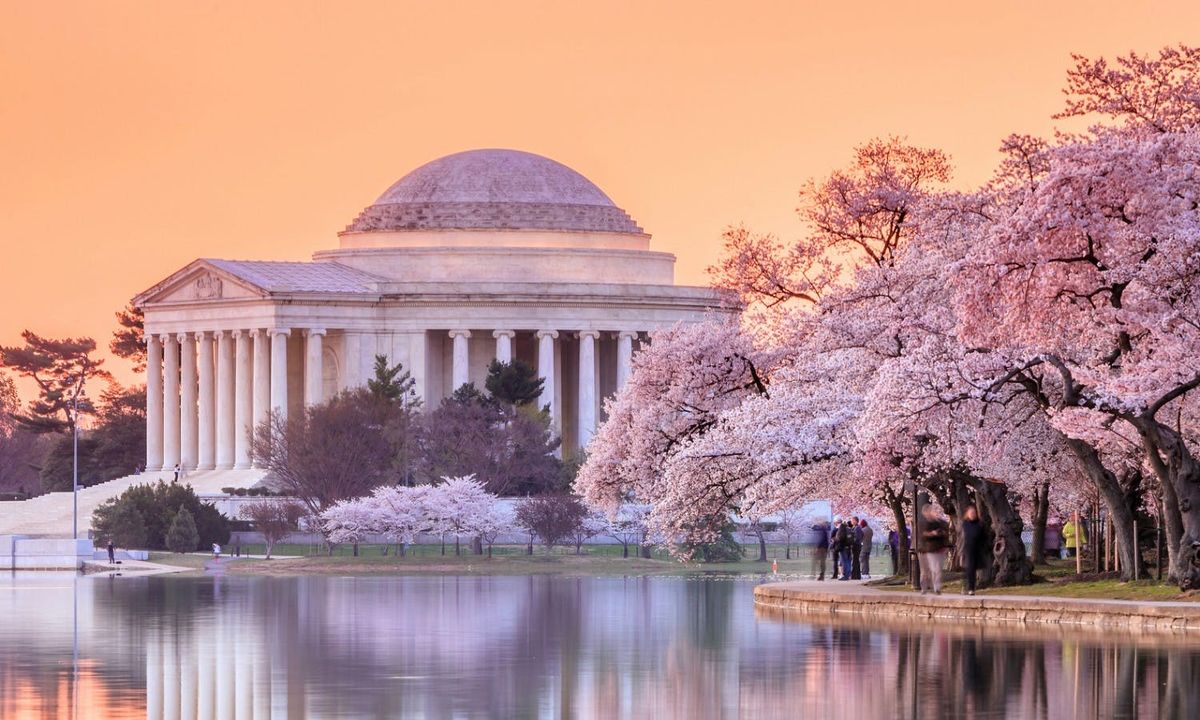
Washington D.C. is one of the more interesting U.S. cities to budget for because it can be expensive for hotels but surprisingly affordable for sightseeing. The city has high accommodation prices, especially during cherry blossom season, spring school trips, fall travel, major political events, graduation periods, and holiday weekends.
But once you are there, many of the most important things to do are free.
That is the biggest budget advantage. You can visit Smithsonian museums, walk the National Mall, see the Lincoln Memorial, tour the U.S. Capitol with a timed pass, visit the Library of Congress, and explore major monuments without paying admission.
The catch is that hotels, restaurants, taxis, parking, and paid museums can still push the total up quickly.
Not A Member of Jetsetter Alerts? ✈️
Sign up for our cheap flight alerts to get notified of any amazing deals on flights to Washington D.C.
Is Washington D.C. Cheap To Visit?
Washington D.C. is not usually cheap for accommodations, but it can be very good value for sightseeing. Compared with New York City, Boston, and some other major U.S. city breaks, D.C. can feel more affordable once you factor in how many world-class museums, monuments, memorials, and government buildings are free to visit.
The biggest cost is almost always lodging. Central hotels near the National Mall, Downtown, Penn Quarter, Capitol Hill, Dupont Circle, Foggy Bottom, Georgetown, and the Wharf can be expensive, especially in spring and fall. Budget travelers can save by staying near a Metro station outside the most expensive central zones, but they should still plan carefully because cheap rooms in D.C. can disappear quickly during high-demand periods.
Washington D.C. stays more affordable when you:
- Use Metro and buses instead of taxis
- Build your itinerary around free Smithsonian museums
- Walk the National Mall instead of taking multiple paid tours
- Stay near a Metro station rather than directly beside the National Mall
- Eat casual lunches, food-hall meals, grocery breakfasts, and quick-service dinners
- Visit in lower-demand months
- Book hotels early for cherry blossom season, spring weekends, and fall travel
Washington D.C. Vacation Costs
Below is a detailed expense breakdown for accommodations, food, transportation, and attractions—followed by attraction-cost tables and realistic daily/weekly budgets.
Avg. Accommodation Cost
Peak Season
- Budget Travelers: $50–160 per night
- Mid-Range Travelers: $170–360 per night
- Luxury Travelers: $400–1,000+ per night
Shoulder-Season
- Budget Travelers: $45–140 per night
- Mid-Range Travelers: $140–300 per night
- Luxury Travelers: $320–850+ per night
Off-Season
- Budget Travelers: $35–115 per night
- Mid-Range Travelers: $110–240 per night
- Luxury Travelers: $260–700+ per night
Note:
Better-value areas are often neighborhoods with strong Metro access like NoMa, Navy Yard, Shaw, Arlington, Alexandria, Rosslyn, Crystal City, and parts of Silver Spring if central D.C. prices are too high.
Food Cost
Budget Travelers
- Breakfast: $6–14
- Lunch: $10–20
- Dinner: $15–30
Mid-Range Travelers
- Breakfast: $14–28
- Lunch: $20–38
- Dinner: $35–75
Luxury Travelers
- Breakfast: $28–50
- Lunch: $45–90
- Dinner: $85–200+
Transportation Cost
Airport → City
- Ronald Reagan Washington National Airport (DCA) by Metro: usually $2.25–4 depending on route, day, and time
- Ronald Reagan Washington National Airport (DCA) by taxi/rideshare: usually $18–35+ to central D.C.
- Washington Dulles International Airport (IAD) by Silver Line Metro: usually $6.75 to Metro Center during weekday daytime pricing
- Washington Dulles International Airport (IAD) by taxi/rideshare: usually $55–100+ to central D.C.
- Baltimore/Washington International Airport (BWI) by MARC/Amtrak plus local transit: usually $8–30+ depending on train type and timing
- Baltimore/Washington International Airport (BWI) by taxi/rideshare/private transfer: usually $80–160+
Getting Around Washington D.C.
Metro Rail
- Weekday Metro Rail fare: $2.25–6.75 depending on distance and time
- Weekday evening fare after 9:30 p.m.: usually $2.25–2.50
- Weekend Metro Rail fare: usually $2.25–2.50
- Typical daily visitor spend using Metro: $5–15
Metrobus
- Regular Metrobus fare: $2.25
- Express Metrobus routes: usually $4.80
- Bus-to-bus transfers within the transfer window can help keep daily costs lower when using SmarTrip or contactless payment
Walking
- Walking cost: free
- Best areas for walking: National Mall, Capitol Hill, Penn Quarter, Georgetown, Dupont Circle, Foggy Bottom, U Street, and the Wharf
- Reality: D.C. looks compact on a map, but the National Mall is long. Comfortable shoes matter more here than many first-time visitors expect.
Taxis / Ride Services
- Short central ride: $10–20
- Cross-city ride: $18–40+
- Airport ride from DCA: usually $18–35+
- Airport ride from Dulles: usually $55–100+
- Late-night/event surge ride: can be much higher
Rental Car
- Off-Season Compact Car: $35–70/day
- Shoulder-Season Compact Car: $45–90/day
- Peak Compact Car: $60–130+/day
- Parking + fuel + tolls: usually $30–80+ per day
Transportation Tip:
A rental car can become more of a hassle than a benefit because parking is expensive, hotel parking can be very high, traffic can be slow, and most major attractions are better reached by Metro, walking, or rideshare.
Attractions
- Smithsonian museums: free admission at most D.C.-area Smithsonian museums, including major visitor favorites such as the National Museum of Natural History, National Museum of American History, National Air and Space Museum, and National Museum of African American History and Culture; some require free timed-entry passes
- National Mall monuments and memorials: free to visit independently; guided walking, bus, bike, or night tours usually run around $35–90+ depending on format
- Washington Monument: free admission, but advance online reservations usually carry a $1 service charge
- U.S. Capitol and Library of Congress: free with timed-entry passes, while guided Capitol Hill tours usually cost around $45–80+
- National Archives: free general admission, with optional $1 timed-entry reservations and paid guided tours usually around $50–75+
- Ford’s Theatre: free walk-up tickets may be available, but advance online reservations usually cost around $5
- International Spy Museum: one of D.C.’s most popular paid museums; usually around $30–45+ depending on date, demand, and ticket type
- Museum of the Bible: adult admission is usually around $34.99, with lower youth, senior, student, military, and first-responder pricing
- Smithsonian National Zoo: free admission, but free entry passes are required
- Hop-on hop-off sightseeing bus: usually around $45–70+ and useful for travelers who want easier movement between major landmarks
- Monuments by Moonlight tour: usually around $50–75+ and one of the most popular paid ways to see D.C. after dark
- National Gallery of Art: free admission and one of the best-value attractions in the city
- The National Mall: free to explore, but bike rentals, guided tours, paid museum cafés, and transportation between far-apart sights can add to the day’s cost
Washington D.C. is one of the best U.S. cities for travelers who want a low attraction budget. You can spend several full days visiting free museums, monuments, memorials, government buildings, galleries, parks, and historic neighborhoods before needing to pay for a major attraction.
Washington D.C. Attraction Costs
| Attraction | Area / How to Visit | Typical Cost | Best For |
|---|---|---|---|
| Smithsonian Museums | National Mall and other D.C. locations | $0 | History, science, art, culture, and families |
| National Mall Monuments and Memorials | Walk independently or join a guided tour | $0–$90+ | First-time visitors and classic D.C. sightseeing |
| Washington Monument | Timed-entry ticket required | $1 online reservation fee | City views and iconic landmark photos |
| U.S. Capitol and Library of Congress | Free timed-entry passes or guided Capitol Hill tour | $0–$80+ | Government, architecture, and U.S. history |
| National Archives | Free entry, optional timed-entry or guided tour | $0–$75+ | Declaration of Independence, Constitution, and Bill of Rights |
| Ford’s Theatre | Walk-up or advance timed-entry ticket | $0–$5 | Lincoln history and Civil War-era sites |
| International Spy Museum | Paid timed-entry museum | $30–$45+ | Interactive exhibits and families with older kids |
| Museum of the Bible | Paid timed-entry museum | $25–$35+ | Religion, archaeology, manuscripts, and exhibitions |
| Monuments by Moonlight Tour | Guided trolley or night sightseeing tour | $50–$75+ | Seeing the memorials lit up at night |
| Hop-On Hop-Off Sightseeing Bus | Major tourist route with multiple stops | $45–$70+ | Travelers who want less walking between sights |
Daily Budget Needed For Washington D.C.
| Season | Daily Total (Per Person) |
|---|---|
| Peak | $95–$205 |
| Shoulder | $80–$175 |
| Off-Season | $65–$145 |
| Season | Daily Total (Per Person) |
|---|---|
| Peak | $200–$420 |
| Shoulder | $170–$350 |
| Off-Season | $140–$290 |
| Season | Daily Total (Per Person) |
|---|---|
| Peak | $430–$1,050+ |
| Shoulder | $350–$850+ |
| Off-Season | $285–$700+ |
Weekly Budget (7 Days)
| Season | Lodging (7 nights) | Food (7 days) | Transport | Attractions | Total |
|---|---|---|---|---|---|
| Peak | $350–$980 | $245–$420 | $40–$120 | $60–$220 | $695–$1,740 |
| Shoulder | $280–$840 | $220–$385 | $35–$105 | $50–$190 | $585–$1,520 |
| Off-Season | $245–$700 | $200–$350 | $35–$90 | $40–$160 | $520–$1,300 |
| Season | Lodging (7 nights) | Food (7 days) | Transport | Attractions | Total |
|---|---|---|---|---|---|
| Peak | $1,190–$2,520 | $455–$910 | $70–$200 | $175–$490 | $1,890–$4,120 |
| Shoulder | $980–$2,100 | $420–$805 | $60–$175 | $150–$430 | $1,610–$3,510 |
| Off-Season | $770–$1,680 | $385–$700 | $55–$150 | $125–$350 | $1,335–$2,880 |
| Season | Lodging (7 nights) | Food (7 days) | Transport | Attractions | Total |
|---|---|---|---|---|---|
| Peak | $2,800–$7,000+ | $875–$2,100+ | $175–$600+ | $350–$1,200+ | $4,200–$10,900+ |
| Shoulder | $2,240–$5,950+ | $770–$1,820+ | $150–$520+ | $300–$1,000+ | $3,460–$9,290+ |
| Off-Season | $1,820–$4,900+ | $700–$1,575+ | $125–$450+ | $250–$850+ | $2,895–$7,775+ |
Washington D.C. Travel Seasons
Peak Season
Washington D.C.’s peak periods are usually spring and fall, with the highest demand around cherry blossom season, school-trip season, major conferences, government events, October travel, and holiday weekends.
- Highest hotel prices during cherry blossom season and major spring weeks
- Strong demand for rooms near the National Mall, Downtown, Capitol Hill, and Dupont Circle
- Longer lines at Smithsonian museums, National Archives, and popular timed-entry attractions
- Better weather for walking-heavy itineraries
- Higher risk of sold-out central hotels if you book late
Shoulder-Season
Early summer, late summer, and parts of November can work well depending on events, weather, and hotel demand. These periods are not always cheap, but they often give travelers a better balance than the busiest spring and fall windows.
- Better odds of finding fair hotel rates than in peak spring
- Good time to mix museums, monuments, and neighborhood exploring
- Summer heat can be intense, so hotel prices may soften at certain times
- Fewer school groups than spring
- Event calendars still matter a lot
Off-Season
The cheapest times to visit Washington D.C. are often January, February, August, and parts of December outside holidays and major events. Winter can be cold, and August can be hot and humid, but both periods can bring better hotel value.
- Lower accommodation demand in many weeks
- Easier time finding deals on hotels outside major event dates
- Great value for museum-heavy itineraries
- Less comfortable weather for long outdoor sightseeing days
- Some government/event-related dates can still raise prices unexpectedly
Frequently Asked Questions
Washington D.C. can be expensive to visit because hotels, restaurants, parking, and taxis often cost more than travelers expect. However, the city can also be excellent value because many of its best attractions are free.
The biggest D.C. travel expenses are usually:- Hotels near the National Mall, Downtown, Capitol Hill, and Dupont Circle
- Restaurant meals in central tourist areas
- Taxis, rideshares, and airport transfers from Dulles or BWI
- Paid museums, guided tours, and sightseeing buses
- Hotel parking or rental car costs
If you use Metro, stay near a transit station, and build your itinerary around free museums and monuments, Washington D.C. can be much easier to budget than many other major U.S. city breaks.
For 3 days in Washington D.C., a realistic budget is about $285–$615 for a budget traveler, $600–$1,260 for a mid-range traveler, and $1,290–$3,150+ for a luxury traveler, excluding flights.
A practical 3-day D.C. budget looks like this:- Budget traveler: simple lodging, casual food, Metro, free museums, and one or two paid experiences
- Mid-range traveler: comfortable hotel, restaurants, several paid attractions or tours, and occasional rideshares
- Luxury traveler: upscale hotel, private transfers, fine dining, premium tours, and high-end experiences
The total can rise quickly if you visit during cherry blossom season, major conferences, political events, spring break, or holiday weekends.
$100 a day can be enough for Washington D.C. if you are very careful, but it is tight once lodging is included. It works best for travelers staying in a hostel, splitting a hotel room, using Metro, and focusing mostly on free attractions.
To stay near $100 per day, you will usually need to:- Stay in a hostel dorm, budget room, or split lodging with another traveler
- Use Metro and buses instead of taxis
- Visit mostly free Smithsonian museums and memorials
- Limit paid attractions such as the Spy Museum, guided tours, and sightseeing buses
- Eat casual meals, grocery breakfasts, food trucks, and quick-service dinners
If you want a private hotel room in a central area, several paid tours, sit-down meals, and frequent rideshares, $100 per day will usually not be enough.
The cheapest months to visit Washington D.C. are often January, February, August, and parts of December outside major holidays and event dates. These months tend to have lower hotel demand than cherry blossom season, spring school-trip season, and many fall weekends.
The best lower-cost windows are often:- Mid-January through February
- August, if you can handle heat and humidity
- Early December before holiday demand rises
- Some November weeks outside Thanksgiving and major events
Winter is better for museums and indoor sightseeing, while August can be good for hotel deals if you plan your outdoor sightseeing early in the morning or after sunset.
Yes, many major museums in Washington D.C. are free, especially the Smithsonian museums. This is one of the biggest reasons D.C. can be a good-value destination even though hotels are expensive.
Free attractions often include:- Smithsonian National Museum of Natural History
- Smithsonian National Museum of American History
- Smithsonian National Air and Space Museum, with free timed-entry passes
- National Museum of African American History and Culture, with free timed-entry passes
- National Gallery of Art
- National Archives, with optional timed-entry reservations
- U.S. Capitol tours, with timed-entry passes
- Library of Congress, with free timed-entry tickets
Some museums and historic sites are paid, including the International Spy Museum, Museum of the Bible, some special exhibitions, and certain guided-tour experiences.
Public transportation in Washington D.C. is reasonably priced for visitors. Metro Rail fares usually range from $2.25 to $6.75 on weekday daytime trips, while most regular Metrobus rides cost $2.25.
Useful D.C. transit costs include:- Metro Rail weekday fare: $2.25–$6.75
- Metro Rail evening and weekend fare: usually $2.25–$2.50
- Regular Metrobus fare: $2.25
- Express Metrobus fare: about $4.80
- Dulles Airport to Metro Center by Silver Line: usually $6.75 during weekday daytime pricing
For most visitors, Metro is the best way to control transportation costs, especially if you are staying near a station and avoiding rental cars or daily rideshares.
Budget travelers should usually stay near a Metro station rather than paying a premium to be directly beside the National Mall. The best value often comes from balancing price, safety, transit access, and travel time.
Good budget-friendly areas to compare include:- NoMa and Union Market for Metro access and newer hotel options
- Shaw and U Street for restaurants, nightlife, and central access
- Navy Yard for newer hotels and Green Line access
- Rosslyn, Crystal City, and Arlington for Virginia-side hotel value
- Alexandria for charm, Metro access, and sometimes better weekend pricing
- Silver Spring for lower prices if you do not mind being farther out
The cheapest room is not always the best deal. If a hotel is far from Metro, taxi and rideshare costs can quickly erase the savings.
A couple should usually budget around $190–$410 per day for a careful budget trip, $340–$700 per day for a comfortable mid-range trip, and $700–$1,700+ per day for a luxury Washington D.C. trip, excluding flights.
For a 4-night D.C. trip, a couple might spend:- Budget couple: about $750–$1,650 with simple lodging, public transportation, casual meals, and mostly free attractions
- Mid-range couple: about $1,400–$3,000 with a comfortable hotel, restaurants, paid museums, and some rideshares
- Luxury couple: about $3,000–$7,000+ with upscale lodging, private transfers, fine dining, premium tours, and higher-end experiences
D.C. is often easier for couples than solo travelers because sharing a hotel room helps reduce the per-person lodging cost.