Travel Cost To Visit San Francisco: (2026)
See the cost to visit San Francisco, including hotels, food, transportation, attractions, day trips, and realistic daily and weekly travel budgets.
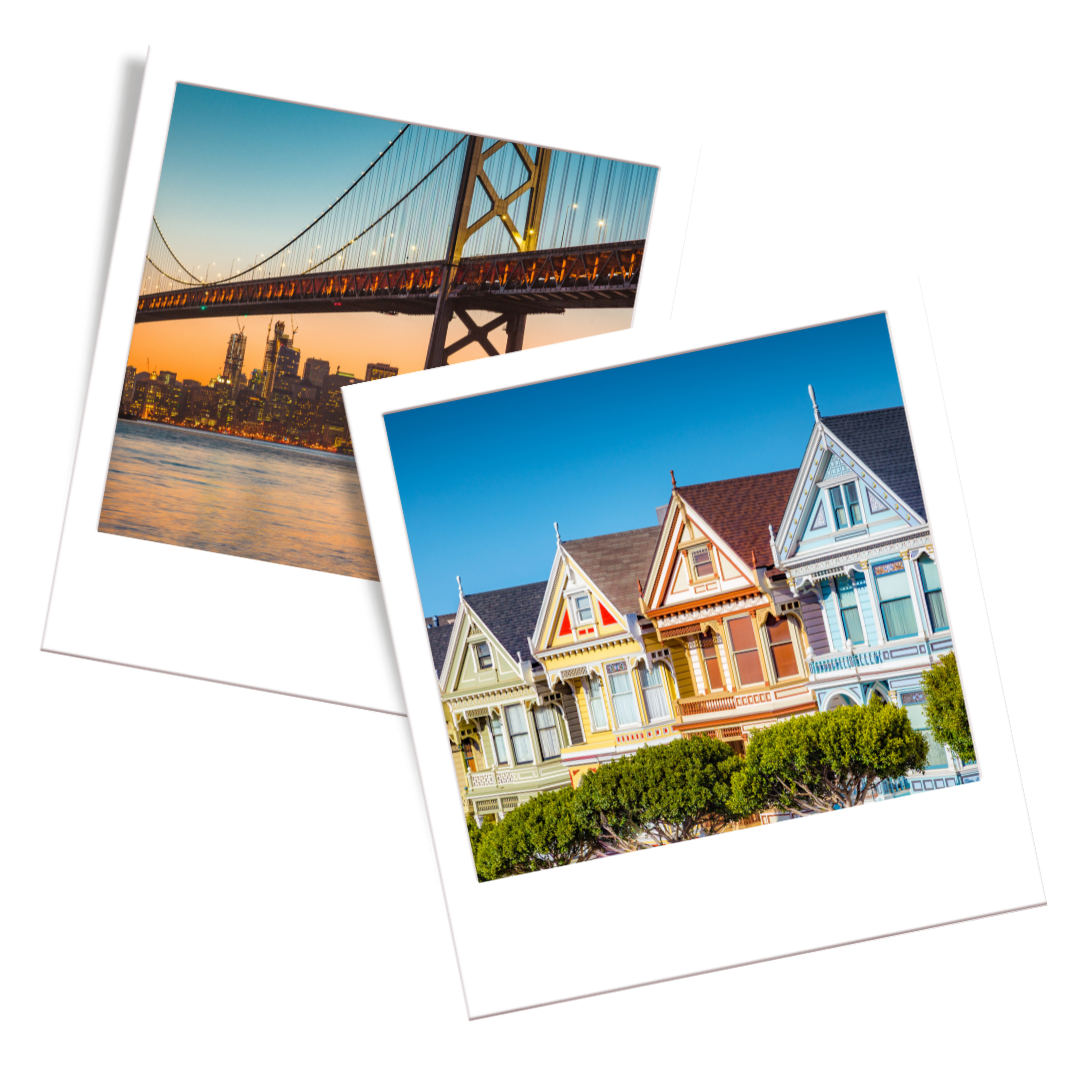
In this guide, you’ll find the average cost to visit San Francisco, including the daily budget you will need, transport costs, and what to expect to spend in peak, shoulder, and off-season travel periods.
Not A Member? ✈️
Save 5o%-95% with Jetsetter Alerts - Airline Mistake Fare & Flash Sales Alerts!
Sign up today, and get personalized airfare alerts in real-time for the hottest destinations in the US and around the world.
San Francisco can be very expensive to visit by U.S. city standards, especially for lodging, restaurants, parking, rental cars, and major attractions. Hotel prices are the biggest budget factor, and rates can jump sharply during conventions, holidays, summer travel periods, and major Bay Area events.
San Francisco is usually more expensive than many U.S. city breaks, and it can be similar to or more expensive than Los Angeles depending on your hotel choice, neighborhood, and whether you rent a car.
For many travelers, San Francisco gets more affordable when you:
- Stay near transit instead of renting a car
- Use Muni buses, light rail, historic streetcars, and BART when useful
- Choose neighborhoods like Union Square, Civic Center edges, SoMa, or airport-area hotels carefully based on price and transit access
- Mix paid attractions with free sights like the Golden Gate Bridge, Chinatown, North Beach, the Ferry Building, Dolores Park, Ocean Beach, Lands End, and Twin Peaks
- Travel outside the busiest summer, convention, and holiday periods
This guide goes over the cost of visiting San Francisco in detail, but you can also compare the cheapest and most expensive months to visit San Francisco before locking in your dates to help you plan when to visit.
San Francisco Vacation Costs
Below is a detailed expense breakdown for accommodations, food, transportation, and attractions—followed by day trip costs and realistic daily/weekly budgets.
Avg. Accommodation Cost
Peak Season
- Budget Travelers: $120–$220 per night
- Mid-Range Travelers: $220–$380 per night
- Luxury Travelers: $450–$900+ per night
Shoulder-Season
- Budget Travelers: $100–$190 per night
- Mid-Range Travelers: $180–$330 per night
- Luxury Travelers: $380–$800+ per night
Off-Season
- Budget Travelers: $85–$160 per night
- Mid-Range Travelers: $160–$300 per night
- Luxury Travelers: $330–$700+ per night
Note: San Francisco hotel rates can change quickly around conventions, tech events, holidays, concerts, and major sports weekends. A basic room that looks reasonable one week can be much more expensive the next.
Food Cost
Budget Travelers
- Breakfast: $8–$18
- Lunch: $15–$28
- Dinner: $18–$35
Mid-Range Travelers
- Breakfast: $18–$30
- Lunch: $25–$45
- Dinner: $40–$75
Luxury Travelers
- Breakfast: $30–$60
- Lunch: $50–$90
- Dinner: $90–220+
Reality: San Francisco has excellent food, but casual meals add up fast. Sit-down seafood meals around Fisherman’s Wharf, nicer restaurants in North Beach, waterfront dining, cocktail bars, and tasting-menu restaurants can raise the total quickly. Consider getting a room with a kitchenette, and limiting you eating out to one meal a day to save big.
Transportation Cost
Airport → City
- BART from SFO to downtown San Francisco: about $11.15 one way
- BART from Oakland-area airport access to downtown San Francisco: about $12.65 one way
- Taxi from SFO to central San Francisco: usually around $55–$75+ before tip, depending on traffic and destination
- Ride services from SFO to central San Francisco: often around $35–$75+, with surge pricing possible
- Private transfer / black car: usually around $90–$180+
Getting Around San Francisco
Long-Distance Buses
- Regional bus rides within the Bay Area: usually around $3–$15 one way depending on agency and distance
- Longer regional connections to places like Marin, Wine Country, or the Peninsula: usually around $8–$30+ one way depending on route
Trains
- BART within San Francisco / East Bay: usually around $2.40–$12.65 one way depending on distance
- Caltrain for Peninsula day trips: usually around $4–$15+ one way depending on zones
- Amtrak connections from the Bay Area: often useful for longer California trips, but usually not needed for a basic San Francisco city stay
Local Transit
- Muni single ride: about $2.85 with Clipper or MuniMobile, or $3 cash
- Muni day pass without cable cars: about $5.70
- Cable car single ride: about $9
- 1-day Muni Visitor Passport with cable cars: about $15
- 3-day Muni Visitor Passport with cable cars: about $35
- 7-day Muni Visitor Passport with cable cars: about $47
- Typical daily transit spend: about $6–$18, or more if you ride cable cars often
Taxis / Ride Services
- Short city ride: $12–$25
- Cross-city ride: $25–$50
- Airport, late-night, or surge-pricing ride: $35–$75+
Rental Car
- Off-Season: $45–$95/day
- Shoulder: $60–$120/day
- Peak: $80–$160+/day
- Parking, fuel, tolls, and hotel garage costs: often $35–$100+ per day combined
San Francisco is usually better without a rental car unless you are leaving the city for multiple day trips. Parking is expensive, traffic can be slow, and break-ins are a concern if luggage or valuables are left visible.
Attractions
- Alcatraz Island: one of San Francisco’s top paid attractions; day tours are usually around $47.95 for adults, while night tours usually cost more
- Golden Gate Bridge: free to walk, view, and photograph
- Pier 39: free to walk around, though food, shops, Aquarium of the Bay, and bay activities add cost
- Fisherman’s Wharf: free to explore, but restaurants, snacks, museums, cruises, and souvenirs can add up
- SFMOMA: usually around $30 for adult general admission
- Exploratorium: usually around $39.95 for adult daytime admission
- California Academy of Sciences: usually around $49–$55 for adult daytime admission depending on date
- Aquarium of the Bay: usually around $29–$31 for adult admission depending on booking method
- Bay cruise: usually around $39 for a standard 60-minute cruise, or one that includes Alcatraz as part of the cruise for close to $100.
- de Young Museum: usually around $20+ for adult general admission, with special exhibitions costing more
- Lombard Street: free to walk or view
- Chinatown: free to explore, with optional spending on food, shops, and walking tours
- Ferry Building Marketplace: free to browse, but food and specialty items are often pricey
- Lands End, Ocean Beach, Twin Peaks, Palace of Fine Arts, Dolores Park, and most neighborhood wandering: free
Here’s a collection of popular San Francisco tours and activities you can arrange from GetYourGuide.com, and save by booking in advance.
Day Trip Costs
| Day Trip | Transportation Cost (Round Trip) | Top Attraction | Attraction Cost |
|---|---|---|---|
| Sausalito | $17–$28 | Waterfront views, galleries, restaurants, and ferry ride | $0–$30+ |
| Muir Woods National Monument | $25–$130 | Old-growth redwoods and walking trails | $15 entrance + reservation / transport costs |
| Napa Valley or Sonoma | $40–$180+ | Wine tasting, food, scenery, and small towns | $25–$75+ per tasting |
| Monterey and Carmel | $70–$180+ | Coastal scenery, Cannery Row, aquarium, and Carmel | $0–$65+ |
| Yosemite National Park | $90–$250+ | Yosemite Valley, waterfalls, cliffs, and viewpoints | $20–$35+ depending on entry type |
| Berkeley or Oakland | $6–$20 | Campus, neighborhoods, restaurants, museums, and bay views | $0–$30+ |
| Half Moon Bay | $35–$120+ | Coastline, beaches, seafood, and scenic drives | $0–$25+ |
If you are adding national parks or other outdoor stops, compare the timing carefully because San Francisco’s best-value months may not always match the best months for Yosemite National Park or other California parks.
Daily Budget Needed For San Francisco
| Season | Daily Total (Per Person) |
|---|---|
| Peak | $145–$265 |
| Shoulder | $125–$230 |
| Off-Season | $105–$200 |
| Season | Daily Total (Per Person) |
|---|---|
| Peak | $285–$520 |
| Shoulder | $245–$460 |
| Off-Season | $215–$400 |
| Season | Daily Total (Per Person) |
|---|---|
| Peak | $600–$1,200+ |
| Shoulder | $520–$1,050+ |
| Off-Season | $450–$900+ |
Weekly Budget (7 Days)
| Season | Lodging (7 nights) | Food (7 days) | Transport | Attractions | Total |
|---|---|---|---|---|---|
| Peak | $840–$1,540 | $210–$385 | $50–$120 | $80–$220 | $1,180–$2,265 |
| Shoulder | $700–$1,330 | $190–$350 | $45–$110 | $70–$200 | $1,005–$1,990 |
| Off-Season | $595–$1,120 | $170–$320 | $40–$100 | $60–$180 | $865–$1,720 |
| Season | Lodging (7 nights) | Food (7 days) | Transport | Attractions | Total |
|---|---|---|---|---|---|
| Peak | $1,540–$2,660 | $490–$840 | $100–$250 | $180–$400 | $2,310–$4,150 |
| Shoulder | $1,260–$2,310 | $455–$770 | $90–$220 | $160–$360 | $1,965–$3,660 |
| Off-Season | $1,120–$2,100 | $420–$700 | $80–$200 | $140–$320 | $1,760–$3,320 |
| Season | Lodging (7 nights) | Food (7 days) | Transport | Attractions | Total |
|---|---|---|---|---|---|
| Peak | $3,150–$6,300+ | $1,050–$1,960+ | $300–$850+ | $350–$850+ | $4,850–$9,960+ |
| Shoulder | $2,660–$5,600+ | $910–$1,750+ | $250–$750+ | $300–$800+ | $4,120–$8,900+ |
| Off-Season | $2,310–$4,900+ | $770–$1,540+ | $220–$650+ | $275–$725+ | $3,575–$7,815+ |
Frequently Asked Questions
$1,000 can be enough for a short San Francisco trip, but it depends heavily on how many nights you stay and whether you are paying for a hotel room by yourself.
For a rough idea:- Budget traveler: $1,000 can usually cover about 3 to 5 days if you find a cheaper room, use transit, eat casually, and limit paid attractions
- Mid-range traveler: $1,000 is usually better for a 2 to 3 night trip with a comfortable hotel and a few paid experiences
- Luxury traveler: $1,000 can disappear quickly in San Francisco, sometimes covering only one or two nights once upscale lodging and dining are included
If flights are not included, $1,000 is a workable San Francisco budget for a careful long weekend. If flights are included, you will need to watch hotel costs closely.
For a 3-day San Francisco trip, a realistic budget is usually around $450–$800 for budget travelers, $850–$1,600 for mid-range travelers, and $1,800–$3,600+ for luxury travelers, not including flights.
A practical 3-day budget might look like this:- Budget: cheaper hotel or private room, casual food, Muni, free sights, and one major paid attraction
- Mid-range: comfortable hotel, sit-down meals, Alcatraz or a museum, some ride services, and a bay cruise or guided tour
- Luxury: upscale hotel, nicer restaurants, private transfers, premium tours, cocktails, and flexible transportation
The easiest way to reduce a 3-day San Francisco budget is to avoid renting a car and choose lodging based on both room price and transit access.
The cheapest months to visit San Francisco are usually in the winter and early spring, especially January, February, and parts of March. Some early December and late November dates can also be good value outside holiday periods.
Months that are often cheaper:- January
- February
- Early March
- Late November outside Thanksgiving
- Early December outside holiday-event periods
Hotel prices can still spike during conventions, major sports events, concerts, and holiday weeks, so the cheapest month is not always the cheapest week.
For a fuller breakdown of seasonal demand and which times of year are usually cheapest and most expensive, see our guide to the cheapest and most expensive times to visit San Francisco.
The cheapest areas to stay in San Francisco often include parts of Union Square, Civic Center edges, SoMa, Lombard Street motor-inn areas, and some airport-area hotels south of the city. The best choice depends on your comfort level, transit needs, and itinerary.
Common lower-cost options:- Union Square: often good for hotel deals and transit access, though prices vary widely
- Civic Center / Tenderloin edges: can be cheaper, but location choice matters a lot
- SoMa: useful for Moscone, museums, and downtown access, with event-driven price swings
- Lombard Street / Marina motor inns: sometimes better value for travelers with a car, but parking policies vary
- Airport-area hotels: often cheaper than downtown, but daily commute time and transit costs should be included
Do not choose the cheapest room only by nightly rate. In San Francisco, safety, transit access, parking fees, and commute time can change the real value of a hotel.
It can be cheaper to stay in Oakland or near SFO, but it is not always better. You need to compare the hotel savings against daily transportation costs, commute time, and how late you plan to return each night.
Oakland or East Bay can work well if:- Your hotel is close to BART
- You are comfortable commuting into San Francisco each day
- You find a major hotel price difference compared with downtown San Francisco
- You also want to visit Oakland, Berkeley, or other East Bay areas
- You have an early or late flight
- You are mainly trying to lower lodging costs
- You do not mind riding BART or using ride services into the city
For a short first-time trip, staying in San Francisco is usually more convenient. For a longer trip, a well-connected Oakland or SFO-area hotel can save money.
No, most visitors do not need a rental car in San Francisco. The city is usually easier and cheaper with a mix of walking, Muni, BART, ferries, taxis, and ride services.
A rental car usually costs more because of:- Hotel parking fees
- Garage and street parking costs
- Traffic and steep streets
- Bridge tolls if you leave the city
- The need to avoid leaving bags or valuables in the car
A rental car makes more sense if you are leaving San Francisco for multiple places like Muir Woods, Napa, Sonoma, Monterey, Carmel, or a longer California road trip. For city-only sightseeing, skip it.
The best way to visit San Francisco on a budget is to control lodging, transportation, and attraction costs. You do not need to pay for something every hour because many of the city’s best experiences are viewpoints, neighborhoods, parks, markets, and waterfront walks.
Good ways to save money:- Use Muni instead of ride services for most local trips
- Stay near a BART or Muni line instead of choosing only by neighborhood name
- Book Alcatraz early if it is a priority, then fill the rest of the trip with free sights
- Eat casual meals in Chinatown, the Mission, Richmond, Sunset, North Beach, and local bakeries
- Walk the Golden Gate Bridge, Lands End, Chinatown, North Beach, the Embarcadero, and Golden Gate Park
- Avoid renting a car unless you are leaving the city for multiple day trips
A budget-friendly San Francisco trip is very possible, but it works best when you plan around transit and choose only a few paid attractions instead of stacking several expensive activities each day.
Other Popular Articles
 Jetsetter Alerts
 Jetsetter Alerts