
Cost To Visit Miami: Travel Budget Guide (2026)
See the cost to visit Miami, including hotels, food, transportation, attractions, day trips, and realistic daily and weekly travel budgets.
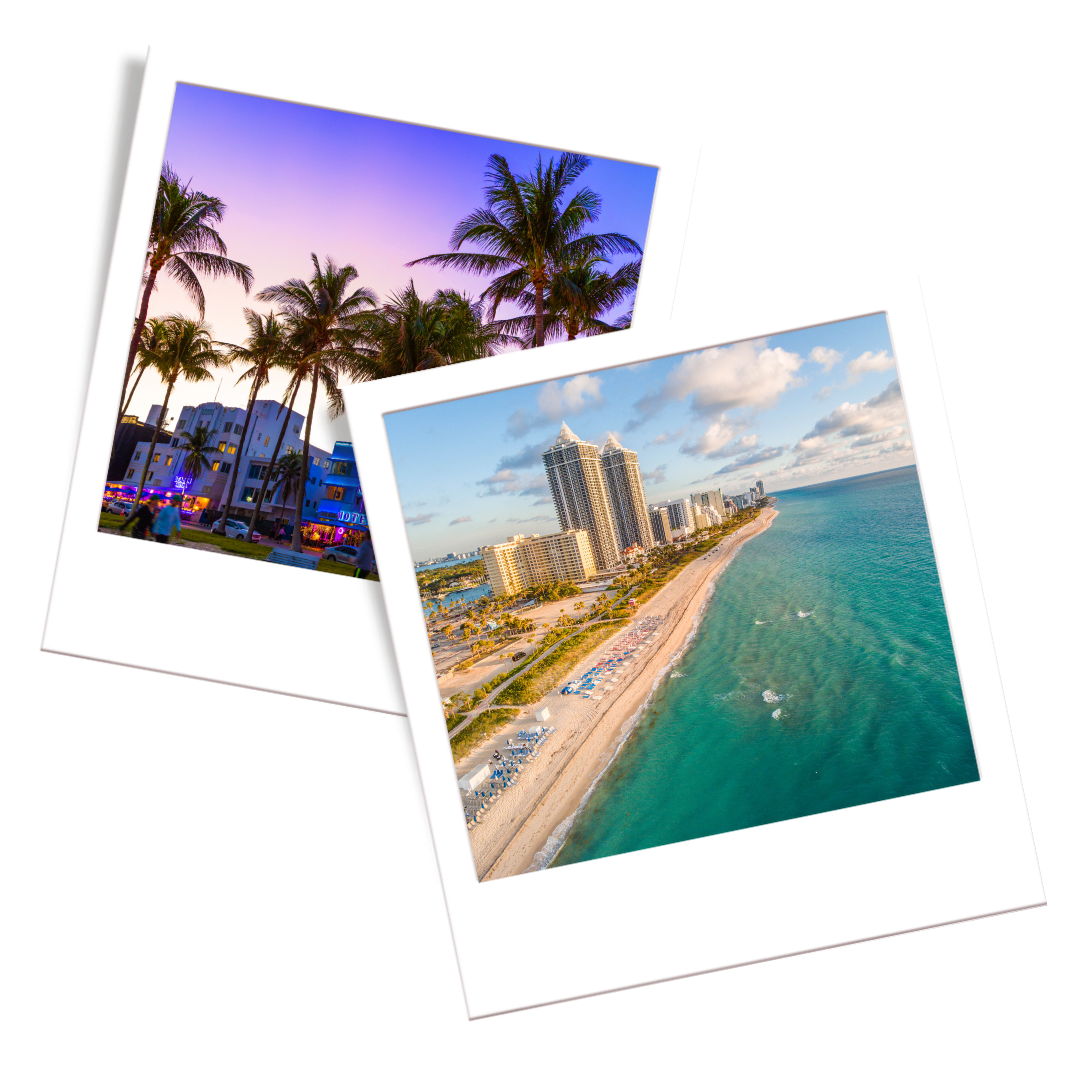
This guide will break down what you can expect to spend on all of it! Including hotels, food, attractions, day-trips, and more. Let's get into it!
Miami is one of the pricier warm-weather city trips in the United States, especially in South Beach and during peak winter or spring break travel periods. Costs rise fastest when you combine beach hotels, trendy restaurants, nightlife, parking, and popular day trips.
Miami is far from one of the cheapest beach vacations in the U.S., but it can still be cheaper than some other smaller resort-heavy destinations in Florida because there are more hotels, more neighborhoods, and more transportation options.
Miami can also be cheaper than Key West for travelers who want a South Florida beach trip with more lodging choices, better flight access, and a wider range of restaurants.
For many travelers, Miami gets more affordable when you:
- Stay outside the most expensive South Beach hotel zone
- Use the free Metromover in Downtown / Brickell
- Use free trolleys in Miami and Miami Beach when routes fit your plans
- Eat casual Cuban, Haitian, Venezuelan, Colombian, Peruvian, and bakery meals instead of waterfront sit-down meals every day
- Visit in summer or early fall if you can handle heat, humidity, rain risk, and hurricane-season uncertainty
- Limit rental car days instead of keeping a car for the entire trip
The guide below goes over the cost of visiting Miami in detail, but you can also compare the cheapest and most expensive times to visit Miami before booking flights or hotels to help you visit when things are the cheapest.
Miami Vacation Costs
Below is a detailed expense breakdown for accommodations, food, transportation, and attractions—followed by day trip costs and realistic daily/weekly budgets.
Avg. Accommodation Cost
Peak Season
- Budget Travelers: $120–$240 per night
- Mid-Range Travelers: $240–$450 per night
- Luxury Travelers: $500–$1,200+ per night
Shoulder-Season
- Budget Travelers: $90–$190 per night
- Mid-Range Travelers: $180–$340 per night
- Luxury Travelers: $380–$900+ per night
Off-Season
- Budget Travelers: $75–$160 per night
- Mid-Range Travelers: $150–$300 per night
- Luxury Travelers: $300–$750+ per night
Note: South Beach, Mid-Beach, Brickell, and luxury oceanfront hotels usually sit on the higher end. Airport-area hotels, some Downtown stays, North Beach, and inland neighborhoods can be cheaper, but you should factor in transportation time and ride-service costs.
Food Cost
Budget Travelers
- Breakfast: $8–18
- Lunch: $14–28
- Dinner: $18–35
Mid-Range Travelers
- Breakfast: $18–30
- Lunch: $25–45
- Dinner: $45–85
Luxury Travelers
- Breakfast: $35–70
- Lunch: $55–100
- Dinner: $100–250+
Reality: Miami food costs depend heavily on where you eat. Cafecitos, Cuban bakeries, casual Latin American restaurants, and neighborhood spots away from the tourist spots can be very reasonable. However, Ocean Drive restaurants, waterfront seafood, rooftop lounges, and cocktail bars will make you travel budget explode quickly.
Transportation Cost
Airport → City
- Metrorail from Miami International Airport to Downtown / Brickell areas: about $2.25
- Airport bus or public transit connection toward Miami Beach: about $2.25
- Taxi from MIA to central Miami or Miami Beach zones: often around $25–$45+ before tip, depending on destination and meter/route
- Ride services from MIA: often around $20–$60+, with higher prices during surge periods
- Private transfer / black car: usually around $80–$160+
Getting Around Miami
Long-Distance Buses
- Regional bus or coach ride to Fort Lauderdale, the Keys, or other South Florida stops: usually around $15–60+ one way depending on route and booking window
- Longer Florida coach routes, such as Orlando or Tampa: often around $25–$90+ one way depending on season and demand
Trains
- Metrorail within Miami-Dade: about $2.25 per ride
- Tri-Rail regional train: usually a low-cost option for longer South Florida moves, with fares depending on distance
- Brightline to Fort Lauderdale, Boca Raton, West Palm Beach, or Orlando: often much faster and more comfortable than cheaper transit options, but usually costs more
Local Transit
- Metrobus single ride: about $2.25
- Metrorail single ride: about $2.25
- Daily fare capping on Miami-Dade Transit: about $5.65 for eligible Metrobus / Metrorail use
- Metromover in Downtown / Brickell / Omni: free
- City of Miami trolley: free
- Miami Beach trolley: free
- Typical daily transit spend: about $0–$12 if you use public transit and free routes well
Taxis / Ride Services
- Short ride within one neighborhood: $10–$20
- Ride between Downtown / Brickell and South Beach: $18–$45+
- Longer cross-city ride: $30–$70+
- Surge-pricing ride after events, beach nights, or cruise/airport peaks: $40–$90+
Rental Car
- Compact car in Off-Season: $45–$90/day
- Compact car in Shoulder-Season: $55–$110/day
- Compact car in Peak Season: $70–$150+/day
- Hotel parking, garage parking, tolls, and fuel: often $35–$100+ per day combined
Miami can be frustrating with a car if you are staying in South Beach or mostly visiting dense neighborhoods. A rental car is more useful if you are visiting the Everglades, Key Biscayne, Biscayne National Park access points, Fort Lauderdale, Palm Beach, or the Keys.
Miami Attractions Cost
- South Beach: free to visit, though beach chairs, umbrellas, food, drinks, and parking can make the day expensive
- Wynwood Walls: usually around $13–$25+ depending on admission type or guided experience
- Vizcaya Museum and Gardens: usually around $20 for adult admission
- Pérez Art Museum Miami: usually around $18 for adult admission
- Frost Science: usually around $30+ for adult admission depending on date and ticket type
- Zoo Miami: usually around $26+ plus tax for adult admission
- Biscayne Bay sightseeing cruise: usually around $25–$45+ depending on company, date, and cruise style
- Little Havana: free to explore, though food tours usually cost around $60–$90+
- Art Deco Historic District: free to walk around, while guided tours often cost around $35–$55+
- Bayside Marketplace: free to browse, but food, drinks, shopping, and boat tours add cost
- Miami Design District: free to walk around, but shopping and dining can be expensive
- Everglades National Park day trip: entrance costs usually fall around $20–$35 depending on entry type, while airboat or guided experiences usually add more
Here’s a collection of all the most popular Miami tours and activities you can arrange from GetYourGuide.com, and save by booking in advance.
Cost of Day Trips From Miami
| Day Trip | Transportation Cost (Round Trip) | Top Attraction | Attraction Cost |
|---|---|---|---|
| Everglades National Park | $15–$120+ | Shark Valley, airboat rides, wildlife, and wetlands | $20–$35+ entrance / $30–$75+ airboat |
| Key West | $45–$150+ | Old Town, Duval Street, Southernmost Point, and sunset views | $0–$25+ |
| Key Biscayne | $10–$70+ | Bill Baggs Cape Florida State Park and beaches | $2–$8+ park entry |
| Fort Lauderdale | $12–$70+ | Beach, Las Olas, canals, and waterfront dining | $0–$35+ |
| West Palm Beach or Palm Beach | $30–$100+ | Worth Avenue, beaches, museums, and waterfront areas | $0–$30+ |
| Shark Valley | $20–$110+ | Tram road, observation tower, alligators, and birds | $20–$35+ entrance / tram or bike extra |
| Biscayne National Park area | $20–$120+ | Boat trips, snorkeling, kayaking, mangroves, and reefs | $0 park entry / $68–$180+ tours |
Daily Budget Needed For Miami
| Season | Daily Total (Per Person) |
|---|---|
| Peak | $150–$295 |
| Shoulder | $120–$245 |
| Off-Season | $100–$205 |
| Season | Daily Total (Per Person) |
|---|---|
| Peak | $300–$610 |
| Shoulder | $240–$500 |
| Off-Season | $205–$435 |
| Season | Daily Total (Per Person) |
|---|---|
| Peak | $675–$1,500+ |
| Shoulder | $540–$1,200+ |
| Off-Season | $440–$1,000+ |
Weekly Budget (7 Days)
| Season | Lodging (7 nights) | Food (7 days) | Transport | Attractions | Total |
|---|---|---|---|---|---|
| Peak | $840–$1,680 | $280–$560 | $50–$180 | $100–$300 | $1,270–$2,720 |
| Shoulder | $630–$1,330 | $250–$500 | $45–$160 | $90–$270 | $1,015–$2,260 |
| Off-Season | $525–$1,120 | $230–$460 | $40–$140 | $80–$240 | $875–$1,960 |
| Season | Lodging (7 nights) | Food (7 days) | Transport | Attractions | Total |
|---|---|---|---|---|---|
| Peak | $1,680–$3,150 | $630–$1,120 | $130–$350 | $250–$600 | $2,690–$5,220 |
| Shoulder | $1,260–$2,380 | $560–$980 | $110–$300 | $220–$540 | $2,150–$4,200 |
| Off-Season | $1,050–$2,100 | $500–$900 | $100–$280 | $200–$500 | $1,850–$3,780 |
| Season | Lodging (7 nights) | Food (7 days) | Transport | Attractions | Total |
|---|---|---|---|---|---|
| Peak | $3,500–$8,400+ | $1,330–$2,940+ | $350–$1,000+ | $500–$1,200+ | $5,680–$13,540+ |
| Shoulder | $2,660–$6,300+ | $1,120–$2,520+ | $300–$900+ | $450–$1,100+ | $4,530–$10,820+ |
| Off-Season | $2,100–$5,250+ | $980–$2,240+ | $250–$750+ | $400–$950+ | $3,730–$9,190+ |
For broader trip planning around the state, compare Miami with the cheapest and most expensive times to visit Florida, especially if you are pairing Miami with Orlando, Key West, or other South Florida stops.
If you are adding nature-focused stops, this guide to Florida most beautiful parks can help you decide on additional outdoor destinations to add to your itinerary.
Frequently Asked Questions
$1,000 can be enough for a short Miami trip, but it works best for a careful long weekend rather than a full week.
For a rough idea:- Budget traveler: $1,000 can usually cover about 3 to 5 days if you find a cheaper hotel, use transit, eat casually, and limit paid attractions
- Mid-range traveler: $1,000 is usually better for a 2 to 3 night trip with a comfortable hotel, a few sit-down meals, and one or two paid experiences
- Luxury traveler: $1,000 can disappear quickly in Miami, especially with an oceanfront hotel, upscale dining, beach clubs, and ride services
The biggest factor is lodging. A single expensive South Beach hotel room can take a large part of the budget before food, transportation, and attractions are included.
For a 3-day Miami trip, a realistic budget is usually around $450–$900 for budget travelers, $900–$1,800 for mid-range travelers, and $2,000–$4,500+ for luxury travelers, not including flights.
A practical 3-day budget might look like this:- Budget: cheaper hotel, casual food, free beach time, Metromover or trolley use, and one paid attraction
- Mid-range: comfortable hotel, sit-down restaurants, ride services, a museum or boat cruise, and one bigger night out
- Luxury: upscale beach hotel, private transfers, fine dining, cocktails, premium beach setup, and guided tours
Miami can be affordable for a beach-focused trip, but the cost rises quickly when you add nightlife, valet parking, beach clubs, and waterfront restaurants.
The cheapest months to visit Miami are usually in the hotter and wetter part of the year, especially August, September, and parts of June or July. Early fall can also be cheaper, but hurricane-season risk is part of the trade-off.
Months that are often cheaper:- August
- September
- Late June
- July outside holiday/event periods
- Early October, depending on events and weather risk
Winter and early spring are usually more expensive because the weather is more comfortable and demand is stronger. Major events, holidays, cruise weekends, and spring break can also make a normally affordable week much more expensive.
The cheapest areas to stay in Miami often include airport-area hotels, parts of Downtown Miami, some North Beach stays, and inland neighborhoods with less direct beach access. The best value depends on whether you want beaches, nightlife, transit, or day trips.
Common lower-cost options:- Airport-area hotels: often cheaper, but not ideal if you want easy beach access
- Downtown Miami: useful for transit, cruise access, events, and Metromover
- North Beach: often calmer and sometimes cheaper than South Beach
- Coconut Grove or Coral Gables edges: can work well for food, neighborhoods, and a quieter stay
- Inland budget hotels: can lower lodging costs, but transportation can offset the savings
Do not choose a Miami hotel only by nightly rate. Parking, resort fees, transportation time, and distance from the beach can change the real cost of the stay.
Downtown Miami is often cheaper than South Beach for hotels, especially outside major event weeks. South Beach is usually more expensive because it combines beach access, nightlife, restaurants, and strong visitor demand in one area.
South Beach is usually better if:- You want to walk to the beach every day
- You care most about nightlife, Ocean Drive, and Art Deco scenery
- You do not want to commute to beach areas
- You want better transit access
- You are going to a cruise, event, concert, or game
- You want to use the free Metromover
- You plan to split time between Brickell, Wynwood, Little Havana, and Miami Beach
For a first-time beach-focused trip, South Beach is more convenient. For a value-focused city trip, Downtown or Brickell can make more sense.
You do not need a rental car for every Miami trip. If you are staying in South Beach, Downtown, or Brickell and mostly visiting beaches, restaurants, museums, nightlife, and a few neighborhoods, it is often cheaper to skip the car.
A rental car usually costs more because of:- Hotel parking fees
- Beach and garage parking costs
- Traffic between Miami and Miami Beach
- Tolls and fuel
- Valet fees at hotels and restaurants
A rental car makes more sense if you are visiting the Everglades, Key Biscayne, Biscayne National Park access points, Fort Lauderdale, Palm Beach, or the Florida Keys.
The best way to visit Miami on a budget is to reduce lodging, transportation, and restaurant costs. Miami has plenty of expensive experiences, but many of its best basics are free or low-cost: beaches, waterfront walks, public art, neighborhoods, and casual food.
Good ways to save money:- Travel in summer or early fall if weather risk is acceptable
- Stay outside the most expensive South Beach hotel blocks
- Use Metromover, trolleys, Metrobus, and Metrorail when practical
- Eat at bakeries, ventanitas, casual Latin restaurants, and neighborhood spots
- Spend more time at South Beach, South Pointe Park, Wynwood, Little Havana, and Bayside instead of paying for several attractions per day
- Rent a car only for the days you actually need it
A budget-friendly Miami trip is easiest when you choose a hotel carefully and avoid stacking parking, ride services, resort fees, and expensive nightlife every day.
Miami is often cheaper than Key West for lodging and flights because it has a much larger hotel market and more flight options. Key West can be very expensive, especially for overnight stays in peak season.
Miami is usually cheaper for:- Flights
- Budget and mid-range hotel selection
- Public transportation options
- Casual restaurant variety
- Limited hotel inventory
- High peak-season demand
- Long driving time or added transport from Miami
- Expensive central Old Town lodging
A day trip to Key West can work, but it is a very long day. Staying overnight is more comfortable, but it usually raises the total trip cost.