
Cost To Visit India: Travel Budget Guide (2026)
Discover the cost to visit India, including hotels, food, transport, attractions, and average daily and weekly travel budgets.
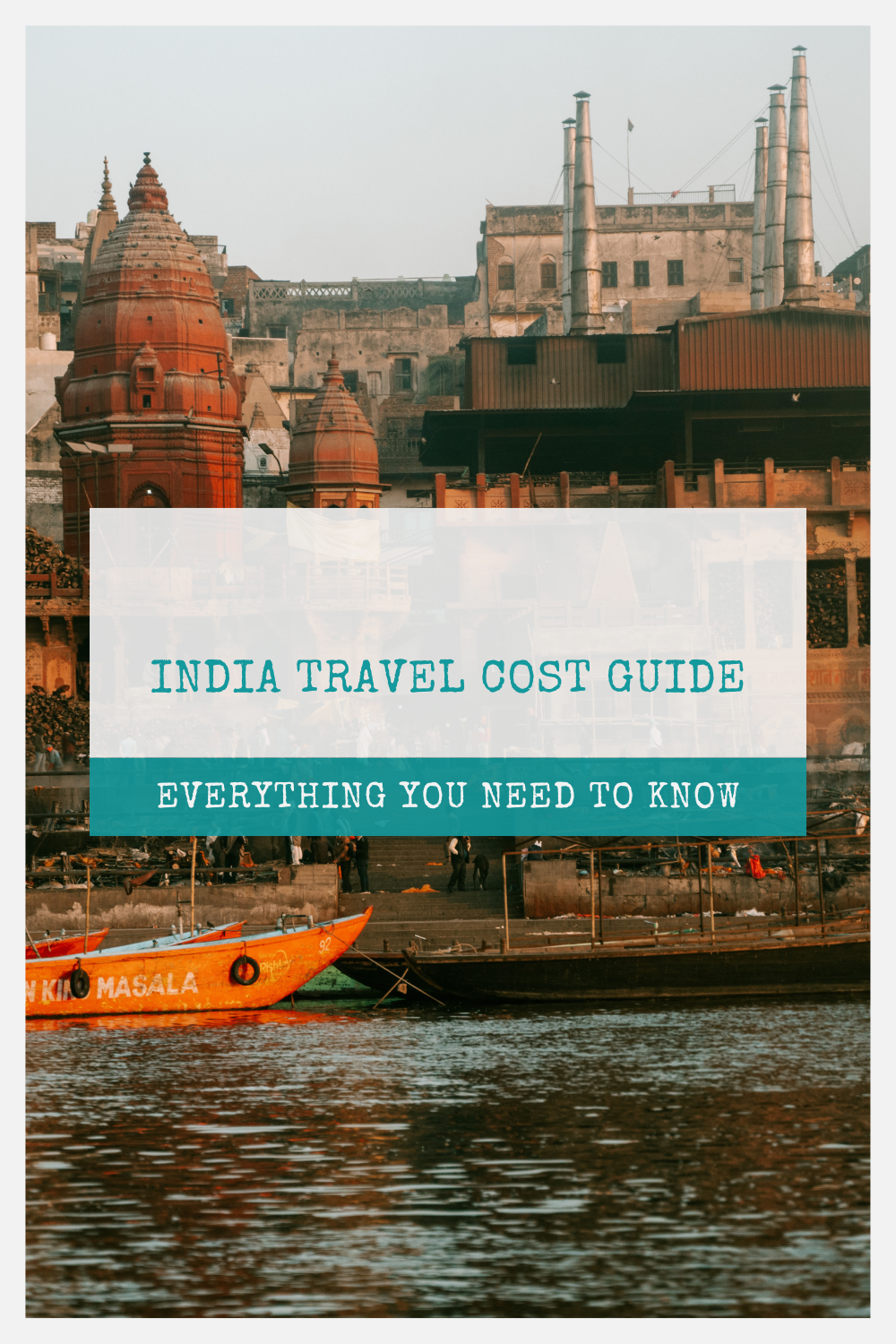
In this guide, you’ll find the average cost to visit India, including the daily budget you will need, transport costs, and what to expect to spend in peak, shoulder, and off-season travel periods.
Not A Member? ✈️
Save 40%-95% with Jetsetter Alerts - Airline Mistake Fare & Flash Sales Alerts!
Is India Cheap To Visit?
Yes, India can be very cheap to visit compared with many international destinations, especially for travelers who are comfortable with budget hotels, local trains, street food, casual restaurants, tuk-tuks, metros, and simple guesthouses.
Basic meals, local transportation, markets, temples, neighborhood walks, and many everyday costs are extremely affordable. The expensive part is usually comfort and logistics: private drivers, domestic flights, luxury hotels, palace stays, safaris, houseboats, guided tours, wellness retreats, and popular routes during peak season.
For many travelers, India stays more affordable when you:
- Use trains instead of domestic flights for shorter or medium-distance routes
- Mix private drivers with public transportation instead of hiring a car every day
- Eat at local restaurants, dhabas, thali spots, cafés, bakeries, and street-food stalls
- Stay in guesthouses, homestays, heritage havelis, and budget hotels
- Travel outside the Christmas/New Year, Diwali, Holi, winter Rajasthan, and peak Goa periods
- Build your route carefully using an India travel itinerary instead of backtracking across long distances
American travelers should also factor in the India visa cost. U.S. travelers need either a visa in their passport or an e-Tourist visa before entry, and the official e-Tourist visa fee chart lists U.S. fees at $10 for a 30-day April–June eVisa, $25 for a 30-day July–March eVisa, $40 for a 1-year eVisa, and $160 for a 5-year eVisa, plus an additional bank charge.
India's Cheaper and Most Costly Areas
India is a huge country, so destination choice can completely change your budget. For season planning, compare this guide with our article on the cheapest and most expensive times to visit India.
More Affordable Places In India
- Varanasi: Budget guesthouses, local food, ghats, temples, and boat rides make Varanasi one of India’s better-value cultural destinations.
- Rishikesh: Good value for yoga, cafés, guesthouses, river views, temples, and Himalayan foothill scenery.
- Jaipur: Rajasthan can be expensive in peak winter, but Jaipur still has many budget hotels, local restaurants, tuk-tuks, and good-value sightseeing.
- Jodhpur and Bikaner: Often better value than Udaipur or luxury-focused Rajasthan routes.
- Kolkata: One of India’s best-value big cities for food, transit, culture, and heritage.
- Amritsar: Affordable hotels, excellent food, and low-cost sightseeing around the Golden Temple area.
- Hampi: Popular with budget travelers for ruins, guesthouses, cafés, and slower travel.
- McLeod Ganj and Dharamshala: Good value outside holiday spikes, especially for longer stays.
- South India outside peak resort zones: Many parts of Tamil Nadu, Karnataka, and Kerala can be affordable if you avoid luxury beach and backwater stays.
More Expensive Places In India
- Mumbai: Usually one of India’s most expensive cities for hotels, especially in South Mumbai, Bandra, Juhu, and business areas.
- New Delhi: Delhi can be cheap or expensive depending on neighborhood, but nicer hotels and safer central stays cost more. For city-specific costs, use our cost to visit New Delhi guide.
- Goa: Budget options exist, but beach hotels, clubs, holiday periods, and North Goa peak-season stays can be expensive.
- Kerala backwaters: Simple Kerala travel can be affordable, but private houseboats, resorts, and wellness retreats cost much more.
- Udaipur: One of Rajasthan’s more expensive city stays because lake-view hotels, palace hotels, and destination weddings drive demand.
- Ranthambore and other safari areas: Safari permits, hotels, drivers, and peak wildlife season can make costs rise quickly.
- Ladakh and remote Himalayan routes: Flights, jeeps, permits, altitude logistics, and short travel seasons can increase the total.
- Andaman Islands: Flights, island transfers, beach stays, diving, and limited inventory can make the islands more expensive than mainland India.
India uses the Indian rupee. All costs are shown in ₹ and converted to $ (USD) using a rounded rate of ₹94 = $1 for easy planning. Recent USD/INR data has been moving around the low-to-mid ₹90s per $1, so final costs can shift slightly with the exchange rate.
India Vacation Costs
Below is a detailed expense breakdown for accommodations, food, transportation, and attractions—followed by day trip costs and realistic daily/weekly budgets.
Avg. Accommodation Cost
Peak Season
- Budget Travelers: ₹1,500–4,500 ($16–$48) per night
- Mid-Range Travelers: ₹4,500–12,000 ($48–$128) per night
- Luxury Travelers: ₹15,000–50,000+ ($160–$532+) per night
Shoulder-Season
- Budget Travelers: ₹1,200–3,500 ($13–$37) per night
- Mid-Range Travelers: ₹3,500–9,000 ($37–$96) per night
- Luxury Travelers: ₹12,000–35,000+ ($128–$372+) per night
Off-Season
- Budget Travelers: ₹900–2,800 ($10–$30) per night
- Mid-Range Travelers: ₹2,800–7,500 ($30–$80) per night
- Luxury Travelers: ₹9,000–25,000+ ($96–$266+) per night
Note: Mumbai, Delhi, Udaipur, Goa, Kerala resorts, Rajasthan palace hotels, luxury safari lodges, Ladakh, and the Andaman Islands usually sit on the higher end. Varanasi, Jaipur, Jodhpur, Amritsar, Kolkata, Rishikesh, Hampi, and many regional cities are often easier on the wallet.
Food Cost
Budget Travelers
- Breakfast: ₹60–200 ($0.65–$2)
- Lunch: ₹120–350 ($1–$4)
- Dinner: ₹200–600 ($2–$6)
Mid-Range Travelers
- Breakfast: ₹250–600 ($3–$6)
- Lunch: ₹500–1,200 ($5–$13)
- Dinner: ₹900–2,500 ($10–$27)
Luxury Travelers
- Breakfast: ₹800–1,800 ($9–$19)
- Lunch: ₹1,500–3,500 ($16–$37)
- Dinner: ₹3,000–10,000+ ($32–$106+)
Reality: India can be extremely affordable for food if you eat thalis, dosas, parathas, biryani, momos, chaat, local breakfasts, dhaba meals, and casual restaurant food. Costs climb fastest in luxury hotels, resort restaurants, fine dining spots, rooftop restaurants in tourist zones, and international-style cafés in Mumbai, Delhi, Goa, Udaipur, and luxury resort areas.
Transportation Cost
Airport → City
- Airport metro / city train where available: ₹50–250 ($0.50–$3)
- Prepaid taxi or ride service to central areas: ₹400–1,800 ($4–$19)
- Longer airport ride in large cities: ₹1,500–3,500+ ($16–$37+)
- Private hotel transfer: ₹1,500–6,000+ ($16–$64+)
Delhi’s Airport Express Line is one of the best-value airport transfers in India, with airport-to-city metro fares around the low hundreds of rupees depending on the route and destination, while Delhi Metro’s regular fare system remains low compared with taxis. (delhimetrorail.com)
Getting Around India
Long-Distance Buses
- Short regional bus: ₹150–700 ($2–$7)
- Longer intercity bus: ₹500–1,800 ($5–$19)
- Sleeper bus: ₹800–3,000 ($9–$32)
- Premium or high-demand bus route: ₹2,500–5,000+ ($27–$53+)
Trains
- Short local or regional train: ₹20–300 ($0.20–$3)
- Sleeper class / basic long-distance train: ₹300–1,200 ($3–$13)
- AC chair car or AC sleeper: ₹800–3,500 ($9–$37)
- Premium trains or higher AC classes: ₹1,500–6,000+ ($16–$64+)
- Major routes booked late: can cost more, especially for premium classes and holiday travel
Local Transit
- Metro ride in major cities: ₹10–80 ($0.10–$0.85)
- Local bus ride: ₹10–80 ($0.10–$0.85)
- Short auto-rickshaw ride: ₹80–250 ($1–$3)
- Longer auto-rickshaw or ride service: ₹250–800+ ($3–$9+)
- Typical daily local transit spend: ₹150–700 ($2–$7)
Mumbai Metro fares are usually distance-based and commonly fall around ₹10–80, while Delhi’s revised metro fares still keep most city journeys inexpensive compared with taxis. (Mumbai Metro Route)
Taxis / Ride Services
- Short city ride: ₹200–600 ($2–$6)
- Longer ride across a major city: ₹600–1,800+ ($6–$19+)
- Full-day local taxi or driver: ₹2,500–7,000 ($27–$74)
- Airport pickup surcharges: can make ride-service trips more expensive in some cities
Rental Car
- Self-drive compact car, Off-Season: ₹2,000–3,500/day ($21–$37/day)
- Self-drive compact car, Shoulder Season: ₹2,500–4,500/day ($27–$48/day)
- Self-drive compact car, Peak Season: ₹3,500–6,500+/day ($37–$69+/day)
- Car with driver: ₹3,000–8,000+/day ($32–$85+/day)
- Fuel + tolls + parking, typical daily: ₹700–2,500 ($7–$27)
For most first-time visitors, a car with a driver is usually more practical than self-driving. India’s large cities, road conditions, traffic, parking, tolls, and navigation can be stressful, while a driver can be useful for Rajasthan, Kerala, Himachal Pradesh, Uttarakhand, and Golden Triangle routes.
India's Attractions Cost
India is excellent for low-cost sightseeing because many temples, markets, ghats, city walks, beaches, viewpoints, and neighborhoods are free or inexpensive. The higher attraction costs usually come from famous monuments, foreigner ticket pricing, private guides, safaris, boat trips, and high-demand tours.
- Taj Mahal in Agra: foreign tourist ticket usually ₹1,100 ($12), plus ₹200 ($2) extra if entering the main mausoleum; total around ₹1,300 ($14)
- Agra Fort: usually around ₹650–850 ($7–$9) for foreign visitors depending on ticket type and current fee category
- Red Fort in Delhi: usually around ₹550 online or ₹600 cash ($6) for foreign visitors
- Qutub Minar / Humayun’s Tomb in Delhi: usually around ₹550–600 ($6) for foreign visitors
- Amber Palace / Amer Fort in Jaipur: foreign visitor tickets increased sharply for 2026, with Amber Fort listed around ₹1,000 ($11)
- Hawa Mahal and other Jaipur state monuments: often lower than Amber Fort individually, but Jaipur’s composite ticket can be expensive for foreign visitors
- City Palace in Jaipur or Udaipur: usually higher than government monuments, often around ₹700–1,500+ ($7–$16+) depending on access type
- Varanasi sunrise or evening boat ride: usually ₹500–2,500+ ($5–$27+) depending on boat type, route, and sharing
- Elephanta Caves near Mumbai: usually around ₹600 ($6) for foreign visitors, plus ferry costs
- Kerala backwater day cruise: usually ₹1,500–5,000+ ($16–$53+) depending on route and boat type
- Private Kerala houseboat overnight: often ₹8,000–30,000+ ($85–$319+) depending on comfort, season, and whether meals are included
- Ranthambore or other tiger safari: often ₹3,500–10,000+ ($37–$106+) per safari for foreign visitors depending on vehicle type, zone, booking, and hotel arrangements
- Goa beaches: usually free, with spending mainly on food, drinks, chairs, taxis, and water activities
- Temples, markets, ghats, gardens, bazaars, and many local neighborhoods: free or very low-cost
Official and current pricing sources confirm several of India’s key ticket costs, including the Taj Mahal’s ₹200 main mausoleum add-on, Red Fort foreign visitor pricing, and Rajasthan’s 2026 monument fee increases.
Here’s a collection of the most popular Taj Mahal, Delhi, Jaipur, Kerala, Goa, and India day tours you can arrange from GetYourGuide.com, and save by booking in advance.
Day Trip Costs In India
| Day Trip | Transportation Cost (Round Trip) | Top Attraction | Attraction Cost |
|---|---|---|---|
| Taj Mahal from Delhi | ₹1,000–5,500 ($11–$59) | Taj Mahal complex and main mausoleum | ₹1,100–1,300 ($12–$14) |
| Agra Fort from Agra or Delhi | ₹300–5,500 ($3–$59) | Mughal fort, palaces, courtyards, and river views | ₹650–850 ($7–$9) |
| Jaipur from Delhi | ₹800–4,500 ($9–$48) | Amber Palace | ₹1,000+ ($11+) |
| Sarnath from Varanasi | ₹200–1,500 ($2–$16) | Buddhist sites, ruins, temples, and museum area | ₹0–600 ($0–$6) |
| Elephanta Caves from Mumbai | ₹300–900 ($3–$10) | UNESCO-listed cave temples and island ferry trip | ₹600+ ($6+) |
| Kerala backwaters from Kochi or Alleppey | ₹300–2,500 ($3–$27) | Backwater boat ride or day cruise | ₹1,500–5,000+ ($16–$53+) |
| Goa beach day | ₹300–2,500 ($3–$27) | Beach, fort, market, or coastal village | ₹0–2,000+ ($0–$21+) |
| Varanasi ghats | ₹100–800 ($1–$9) | Ganga boat ride, ghats, temples, and aarti | ₹0–2,500+ ($0–$27+) |
Daily Travel Budget Needed For India
| Season | Daily Total (Per Person) |
|---|---|
| Peak | ₹2,700–6,000 ($29–$64) |
| Shoulder | ₹2,200–5,000 ($23–$53) |
| Off-Season | ₹1,800–4,200 ($19–$45) |
| Season | Daily Total (Per Person) |
|---|---|
| Peak | ₹7,500–18,000 ($80–$191) |
| Shoulder | ₹6,000–15,000 ($64–$160) |
| Off-Season | ₹5,000–12,500 ($53–$133) |
| Season | Daily Total (Per Person) |
|---|---|
| Peak | ₹24,000–75,000+ ($255–$798+) |
| Shoulder | ₹19,000–55,000+ ($202–$585+) |
| Off-Season | ₹15,000–42,000+ ($160–$447+) |
Weekly Budget (7 Days)
| Season | Lodging (7 nights) | Food (7 days) | Transport | Attractions | Total |
|---|---|---|---|---|---|
| Peak | ₹10,500–31,500 ($112–$335) | ₹2,800–8,000 ($30–$85) | ₹2,500–10,000 ($27–$106) | ₹2,000–9,000 ($21–$96) | ₹17,800–58,500 ($189–$622) |
| Shoulder | ₹8,400–24,500 ($89–$261) | ₹2,500–7,000 ($27–$74) | ₹2,200–8,500 ($23–$90) | ₹1,800–7,500 ($19–$80) | ₹14,900–47,500 ($158–$505) |
| Off-Season | ₹6,300–19,600 ($67–$209) | ₹2,200–6,500 ($23–$69) | ₹2,000–7,000 ($21–$74) | ₹1,500–6,000 ($16–$64) | ₹12,000–39,100 ($128–$416) |
| Season | Lodging (7 nights) | Food (7 days) | Transport | Attractions | Total |
|---|---|---|---|---|---|
| Peak | ₹31,500–84,000 ($335–$894) | ₹11,500–28,000 ($122–$298) | ₹8,000–28,000 ($85–$298) | ₹6,000–22,000 ($64–$234) | ₹57,000–162,000 ($606–$1,723) |
| Shoulder | ₹24,500–63,000 ($261–$670) | ₹10,000–24,000 ($106–$255) | ₹7,000–24,000 ($74–$255) | ₹5,000–18,000 ($53–$191) | ₹46,500–129,000 ($495–$1,372) |
| Off-Season | ₹19,600–52,500 ($209–$559) | ₹8,500–21,000 ($90–$223) | ₹6,000–20,000 ($64–$213) | ₹4,000–15,000 ($43–$160) | ₹38,100–108,500 ($405–$1,154) |
| Season | Lodging (7 nights) | Food (7 days) | Transport | Attractions | Total |
|---|---|---|---|---|---|
| Peak | ₹105,000–350,000+ ($1,117–$3,723+) | ₹38,000–110,000+ ($404–$1,170+) | ₹28,000–120,000+ ($298–$1,277+) | ₹20,000–100,000+ ($213–$1,064+) | ₹191,000–680,000+ ($2,032–$7,234+) |
| Shoulder | ₹84,000–245,000+ ($894–$2,606+) | ₹32,000–90,000+ ($340–$957+) | ₹24,000–95,000+ ($255–$1,011+) | ₹18,000–80,000+ ($191–$851+) | ₹158,000–510,000+ ($1,681–$5,426+) |
| Off-Season | ₹63,000–175,000+ ($670–$1,862+) | ₹26,000–75,000+ ($277–$798+) | ₹20,000–80,000+ ($213–$851+) | ₹15,000–65,000+ ($160–$691+) | ₹124,000–395,000+ ($1,319–$4,202+) |
Frequently Asked Questions
Most travelers should budget around ₹1,800–6,000 per day for budget travel, ₹5,000–18,000 per day for a mid-range trip, and ₹15,000–75,000+ per day for a luxury India trip. The lower end works best in budget-friendly cities and regional towns, while the higher end is more realistic for Mumbai, Delhi, Rajasthan, Goa, Kerala, safaris, private drivers, and luxury hotels.
Good daily planning ranges:- Budget traveler: ₹1,800–6,000 per day
- Mid-range traveler: ₹5,000–18,000 per day
- Luxury traveler: ₹15,000–75,000+ per day
For a first India trip with comfortable hotels, local restaurants, some trains, a few taxis, and paid attractions, a realistic mid-range target is usually around ₹6,000–15,000 per person per day outside the most expensive peak dates.
Yes, $2,000 can be enough to visit India for many travelers, not including international flights. It can cover a long budget trip, a comfortable mid-range trip, or a shorter higher-end trip depending on how many domestic flights, private drivers, luxury hotels, and guided tours you add.
A rough $2,000 India budget can work like this:- Budget traveler: around 3 to 6 weeks using guesthouses, trains, local food, and low-cost attractions
- Mid-range traveler: around 10 to 18 days with comfortable hotels, restaurants, trains, private transfers, and major sights
- Luxury traveler: around 4 to 8 days if using higher-end hotels, private touring, luxury resorts, or safari lodges
The biggest budget risks are luxury hotels, private drivers every day, domestic flights, safaris, Kerala houseboats, Goa peak season, Rajasthan palace hotels, and expensive holiday travel periods.
There is not one single cheapest area of India, but some of the best-value places are usually Varanasi, Rishikesh, Amritsar, Kolkata, Hampi, Jodhpur, Bikaner, parts of Jaipur, and many smaller regional cities. These places usually have cheaper guesthouses, local restaurants, markets, and affordable transportation.
Best-value places to compare:- Varanasi for ghats, temples, local food, and budget guesthouses
- Rishikesh for yoga, cafés, hostels, and foothill scenery
- Amritsar for food, culture, and lower hotel prices
- Kolkata for food, transit, history, and big-city value
- Jodhpur and Bikaner for lower-cost Rajasthan stays
If price is your main concern, be careful with Mumbai, Goa in peak season, luxury Kerala resorts, Udaipur lake-view hotels, Ranthambore safari lodges, Ladakh, and the Andaman Islands.
Americans need a visa or e-Tourist visa to visit India, and the fee depends on the visa length and season. The official e-Tourist visa fee chart lists U.S. travelers at $10 for a 30-day April–June eVisa, $25 for a 30-day July–March eVisa, $40 for a 1-year eVisa, and $160 for a 5-year eVisa, plus an additional bank charge.
India e-Tourist visa fees for U.S. travelers:- 30-day eVisa, April to June: $10 plus bank charge
- 30-day eVisa, July to March: $25 plus bank charge
- 1-year eVisa: $40 plus bank charge
- 5-year eVisa: $160 plus bank charge
Visa fees and rules can change, so travelers should verify the current fee on the official India eVisa application process before paying or booking nonrefundable travel.
Trains in India are usually very affordable, especially compared with flights or private drivers. Basic sleeper and regional trains can be extremely cheap, while AC classes, premium trains, and last-minute tickets cost more. For many visitors, trains are one of the best ways to keep an India travel budget under control.
Ways to save on trains in India:- Book popular routes early, especially during holidays and winter peak season
- Use AC chair car or 3AC for a balance of comfort and value
- Use overnight trains to save on one night of accommodation
- Compare trains with flights only on very long routes
- Avoid building an itinerary with too many last-minute premium tickets
For the classic Delhi, Agra, Jaipur, Varanasi, Mumbai, and South India routes, trains can keep transportation costs much lower than hiring private cars for every leg.
The cheapest months to visit much of India are usually May, June, July, August, and parts of September, but these months can also bring intense heat or monsoon rain. The best cheap month depends on the region because India’s climate changes dramatically from North India to South India, the Himalayas, the desert, and the coast.
Cheaper travel windows to compare:- May and June: cheaper in many cities, but very hot in much of North India
- July and August: lower prices in many places, but monsoon can affect beaches, hill roads, and outdoor sightseeing
- September: often a good value month before peak winter demand rises
- Early April: can still offer decent value before the worst heat in some areas
For most travelers, September and early October often offer a better balance of price and comfort than the hottest summer months.
The Taj Mahal is not expensive compared with major world attractions, but it is one of the pricier monument tickets in India for foreign visitors. Foreign travelers should usually budget around ₹1,100 for the standard entry ticket, or around ₹1,300 if they want to enter the main mausoleum.
Costs to plan for:- Taj Mahal standard foreigner ticket: around ₹1,100
- Main mausoleum add-on: around ₹200
- Guide: extra if you hire one
- Transport in Agra: taxi, auto-rickshaw, or hotel transfer
- Agra Fort add-on: extra if you combine both sights in one day
The best way to keep the day affordable is to book official tickets, avoid overpriced packages, and combine the Taj Mahal with Agra Fort or Mehtab Bagh if you are already in Agra.
Travelers should carry some cash in India, especially for tuk-tuks, small restaurants, markets, tips, temples, rural areas, and places where foreign cards may not work smoothly. Large cities and better hotels are more card-friendly, but cash is still useful every day.
A practical cash plan:- Daily city spending: ₹1,000–3,000 in small bills is usually useful
- Long travel days: carry extra cash for snacks, taxis, station transfers, and tips
- Small bills: ₹10, ₹20, ₹50, ₹100, ₹200, and ₹500 notes are more useful than large notes
- Remote areas: carry more cash before leaving major cities
- Backup: keep emergency cash separate from your daily wallet
Do not rely only on cards or one ATM card, especially if your route includes smaller towns, national parks, beaches, or mountain regions.
 Jetsetter Alerts
Not A Member? ✈️
Save 40%-95% with Jetsetter Alerts - Airline Mistake Fare & Flash Sales Alerts!