
Cost To Visit Faroe Islands: Travel Budget Guide (2026)
Planning to visit the Faroe Islands? Learn how much money you will need for hotels, food, transportation, and attractions—plus seasonal price changes, day trip costs, and realistic daily and weekly budgets.
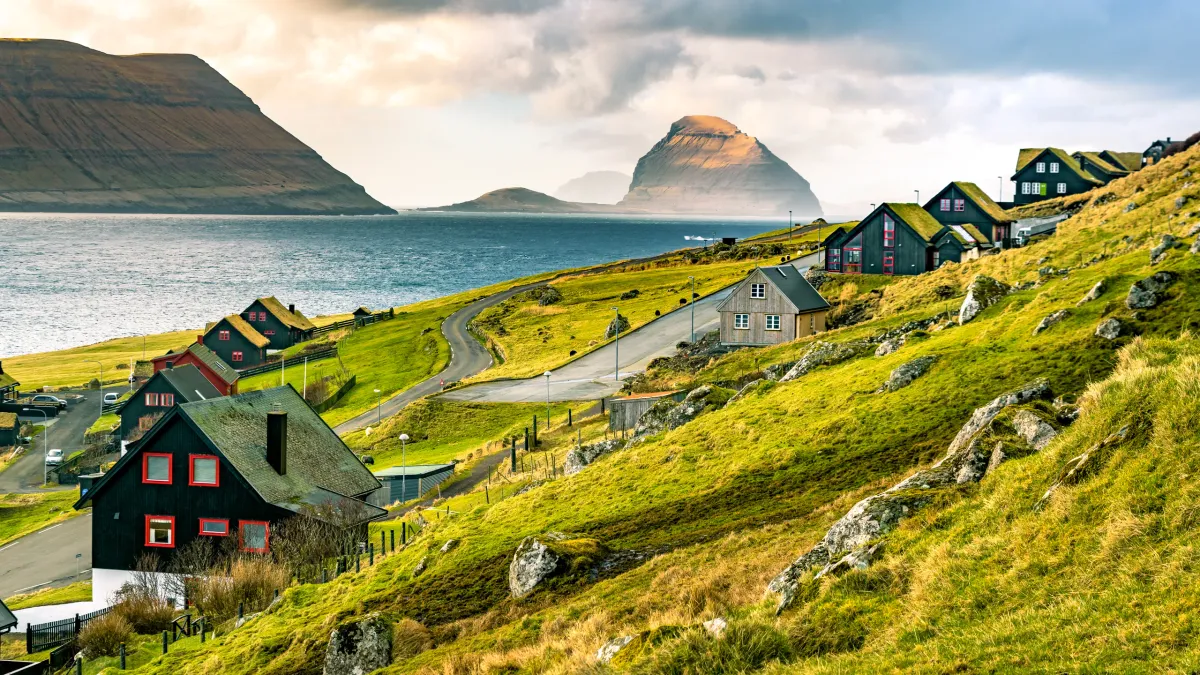
There are many things that can affect the cost of your trip to the Faroe Islands—when you go and what type of traveler you are will also play a part. This guide breaks down the basics of what you can expect to spend when visiting the Faroe Islands, so you can plan your travel budget.
Is the Faroe Islands Expensive To Visit?
Yes—The Faroe Islands are typically expensive to visit—especially for hotels, rental cars, and restaurants—and would be considered pricey for Europe (similar to other Nordic/North Atlantic destinations).
You can still make it work on a tighter budget by booking lodging early, cooking some meals, and focusing on free scenery and hikes (which are world-class).
The best ways to lower your on-the-ground cost are:
- Stay in guesthouses/apartments and cook some meals
- Travel in shoulder/off-season for better lodging availability
- Use public buses where practical, and limit paid tours (many highlights are free)
The Faroe Islands use the Danish krone (DKK). Prices have been converted from DKK and are only shown in $ (USD) for ease of use for our U.S. audience.
Faroe Islands Vacation Costs
Below is a detailed expense breakdown for accommodations, food, transportation, and attractions—followed by day trip costs and realistic daily/weekly budgets.
Avg. Accommodation Cost
Peak
- Budget Travelers: $120–$220 per night
- Mid-Range Travelers: $240–$420 per night
- Luxury Travelers: $520–$1,100+ per night
Shoulder-Season
- Budget Travelers: $105–$200
- Mid-Range Travelers: $220–$380
- Luxury Travelers: $480–$980+
Off-Season
- Budget Travelers: $95–$180
- Mid-Range Travelers: $200–$340
- Luxury Travelers: $420–$850+
Food Cost
Budget Travelers
- Breakfast: $6–$14
- Lunch: $12–$22
- Dinner: $18–$32
Mid-Range Travelers
- Breakfast: $14–$24
- Lunch: $22–$35
- Dinner: $45–$90
Luxury Travelers
- Breakfast: $24–$40
- Lunch: $35–$65
- Dinner: $120–$250+
Big money-saver: plan on grocery breakfasts + a few simple lunches, then do a couple of memorable dinners out.
Transportation Cost
Vágar Airport (FAE) → Tórshavn / popular bases
- Bus: $8–$15
- Taxi: $130–$220
- Private transfer: $220–$380+
Getting around (what most travelers actually do)
Car rental (most common + most efficient)
- Compact car:
- Off-Season: $80–$130/day
- Shoulder: $100–$160/day
- Peak: $140–$220+/day
- Fuel + parking (typical daily): $15–$35
- Tunnels/fees (as needed): $5–$25/day (route-dependent)
Public buses (budget-friendly, but slower/limited)
- Local/regional rides: $5–$20 (varies by distance)
Ferries (depending on islands/route)
- Typical passenger fares: $10–$40
- Vehicle ferries: $40–$120+ (route-dependent)
Guided tours (if you don’t rent a car)
- Day tour (small group): $140–$280+
- Private driver/guide: $450–$900+ per day
Attractions
Many “top attractions” are free viewpoints and hikes, with costs mainly coming from transport and occasional fees/tours.
- Múlafossur Waterfall (Gásadalur viewpoint): free
- Saksun lagoon viewpoint + beach area: free (parking/fees may apply)
- Tórshavn old town (Tinganes) walk: free
- Kirkjubøur historic area: free/low-cost (museum entry varies)
- Kalsoy (ferry + hike areas): cost is transport
- Mykines (bird island): transport + local fees/tour rules
- Boat trip to sea cliffs/caves (seasonal): $90–$220+
- Museums/cultural sites (where applicable): $8–$20
Day Trip Costs
| Day Trip | Transportation Cost (Round Trip) | Top Attraction | Attraction Cost |
|---|---|---|---|
| Gásadalur (from Vágar / Tórshavn) | $20–$60 (car fuel/tunnels) • $140–$280 (tour) | Múlafossur Waterfall viewpoint | Free |
| Saksun + Tjørnuvík | $25–$70 (car fuel/tunnels) • $160–$300 (tour) | Saksun lagoon viewpoint | Free–$10 |
| Kalsoy | $60–$160 (ferry + car) • $180–$350 (tour) | Iconic Kalsoy hike/viewpoints | Free |
| Mykines (seasonal) | $70–$160 (ferry/bus) • $220–$420 (tour) | Puffins + coastal trails | $10–$40+ |
| Streymoy + Eysturoy viewpoints | $20–$65 (car fuel/tunnels) • $140–$280 (tour) | Scenic villages + lookouts | Free |
| Boat tour (cliffs/caves, seasonal) | $0–$30 (local transit/taxi) • often included | Sea cliffs + caves | $90–$220+ |
| Tórshavn culture day | $0–$15 (bus) • $10–$35 (taxi) | Tinganes + museums | Free–$20 |
Faroe Islands Daily Travel Budget
| Season | Daily Total (Per Person) |
|---|---|
| Peak | $160–$260 |
| Shoulder | $145–$240 |
| Off-Season | $135–$220 |
| Season | Daily Total (Per Person) |
|---|---|
| Peak | $320–$520 |
| Shoulder | $295–$480 |
| Off-Season | $270–$440 |
| Season | Daily Total (Per Person) |
|---|---|
| Peak | $520–$1,100+ |
| Shoulder | $480–$980+ |
| Off-Season | $420–$850+ |
Faroe Islands Weekly Travel Budget (7 Days)
| Season | Lodging (7 nights) | Food (7 days) | Transport | Attractions | Total |
|---|---|---|---|---|---|
| Peak | $840–$1,540 | $245–$420 | $280–$700 | $120–$350 | $1,485–$3,010 |
| Shoulder | $735–$1,400 | $230–$385 | $260–$650 | $110–$320 | $1,335–$2,755 |
| Off-Season | $665–$1,260 | $220–$350 | $240–$600 | $100–$300 | $1,225–$2,510 |
| Season | Lodging (7 nights) | Food (7 days) | Transport | Attractions | Total |
|---|---|---|---|---|---|
| Peak | $1,680–$2,940 | $420–$700 | $350–$900 | $200–$650 | $2,650–$5,190 |
| Shoulder | $1,540–$2,660 | $385–$665 | $320–$840 | $180–$600 | $2,425–$4,765 |
| Off-Season | $1,400–$2,380 | $350–$630 | $300–$780 | $170–$560 | $2,220–$4,350 |
| Season | Lodging (7 nights) | Food (7 days) | Transport | Attractions | Total |
|---|---|---|---|---|---|
| Peak | $3,640–$7,700+ | $700–$1,750+ | $520–$1,600+ | $350–$1,200+ | $5,210–$12,250+ |
| Shoulder | $3,360–$6,860+ | $630–$1,600+ | $480–$1,450+ | $320–$1,100+ | $4,790–$11,010+ |
| Off-Season | $2,940–$5,950+ | $560–$1,400+ | $420–$1,260+ | $300–$980+ | $4,220–$9,590+ |
Faroe Islands Flight Cost
Flight cost depends on where you’re departing from, the season, and the airline. Major international airports will have cheaper flights than smaller airports. Most U.S. routes connect via Copenhagen (and sometimes other European hubs) into Vágar Airport (FAE).
Average round-trip flight ranges from the U.S.:
- Peak: $850–$1,600
- Shoulder: $700–$1,350
- Off-Season: $600–$1,150
You can save money on flights by signing up for cheap flight alerts from Jetsetter Alerts.
Faroe Islands Travel Seasons
Peak Season
The peak season in the Faroe Islands is June–August, when prices and demand are highest—especially for car rentals and the best-located lodging—because daylight lasts long and the widest range of tours runs daily.
Shoulder-Season
The shoulder season in the Faroe Islands is April–May and September–early October, and it’s often the best sweet spot for value—lodging and cars are usually easier to book than summer, crowds are lighter, and sightseeing conditions are still strong.
Off-Season
The off-season in the Faroe Islands is late October–March, when you’ll often find more lodging availability and occasional deals, but weather is rougher and some tours or boat routes may run less often—making it a good time for cozy village vibes, photography, and staying flexible with plans.
- Why it’s cheaper: fewer tourists and more pricing flexibility.
- Tradeoff: harsher weather, short daylight, and reduced schedules for some tours/boat routes.
Sometimes—but it depends on lodging and whether you rent a car. A $2,000 week is most realistic if you book early, keep lodging modest (or share costs), cook some meals, and limit guided tours.
- Budget Travelers (7-day total): $1,225–$3,010
- Mid-Range Travelers (7-day total): $2,220–$5,190
- Luxury Travelers (7-day total): $4,220–$12,250+
If you add a rental car in peak weeks plus multiple paid tours, it’s easy to exceed $2,000.
- Lodging (limited inventory in popular areas)
- Car rental + fuel (often the easiest way to see the islands)
- Restaurant meals (costly compared to many European destinations)
Not A Member? ✈️
Save 40%-95% with Jetsetter Alerts - Airline Mistake Fare & Flash Sales Alerts!