
Cost To Visit Canary Islands: Travel Budget Guide (2026)
Planning to visit to the Canary Islands? Learn how much money you will need for hotels, food, transportation, and attractions—plus seasonal price changes, day trip costs, and a realistic daily budget needed when visiting.
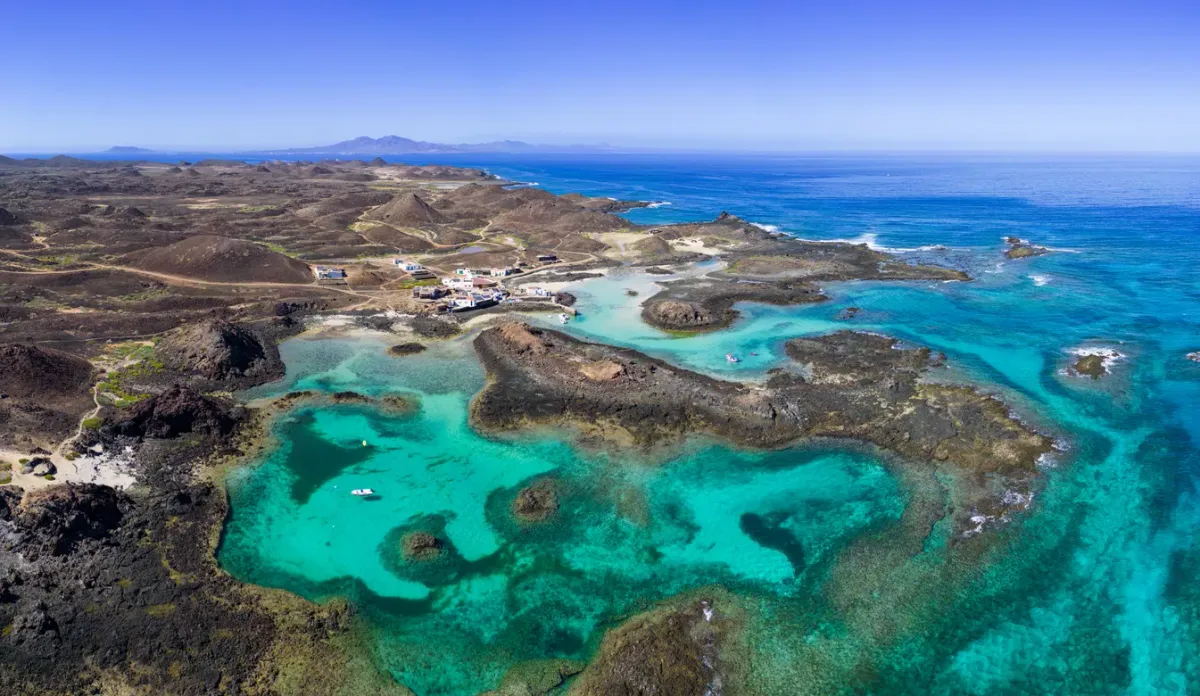
There are many things that can affect the cost of your trip in the Canary Islands—when you go and what type of traveler you are will also play a part. This guide breaks down the basics of what you can expect when visiting, so you can plan your travel budget.
The Canary Islands use the euro (EUR). Prices have been converted from EUR and are only shown in $ (USD) for ease of use for our U.S. audience.
Is the Canary Islands Expensive To Visit?
On-the-ground, the Canary Islands are typically cheaper than most U.S. beach destinations, especially for food and casual lodging—though top resorts in Tenerife, Gran Canaria, and Lanzarote can get pricey in high demand weeks. For Western Europe, the Canaries are generally considered good value, with many free/low-cost nature attractions (beaches, hikes, viewpoints).
What tends to raise costs is:
- Resort-heavy areas and oceanfront rooms in peak demand weeks
- Rental car prices when supply is tight (varies by island)
- Guided experiences (whale watching, volcano tours, water sports)
You can keep it affordable by staying in apartments/guesthouses, eating local (rather than resort-only dining), and mixing paid activities with beaches and hikes.
Canary Islands Vacation Costs
Below is a detailed expense breakdown for accommodations, food, transportation, and attractions—followed by day trip costs and realistic daily/weekly budgets.
Avg. Accommodation Cost
Peak Season
- Budget Travelers: $75–$140 per night
- Mid-Range Travelers: $150–$260 per night
- Luxury Travelers: $320–$750+ per night
Shoulder-Season
- Budget Travelers: $65–$125
- Mid-Range Travelers: $135–$230
- Luxury Travelers: $290–$680+
Off-Season
- Budget Travelers: $55–$110
- Mid-Range Travelers: $120–$210
- Luxury Travelers: $260–$620+
Tip: Tenerife and Gran Canaria have the most inventory (often best value). Smaller or trendier pockets and top beachfront resorts can run higher.
Food Cost
Budget Travelers
- Breakfast: $5–$10
- Lunch: $10–$16
- Dinner: $14–$26
Mid-Range Travelers
- Breakfast: $10–$18
- Lunch: $16–$28
- Dinner: $28–$60
Luxury Travelers
- Breakfast: $18–$30
- Lunch: $28–$50
- Dinner: $80–$180+
Money Saver: apartment stays + grocery breakfasts and a few simple lunches, then enjoy seafood dinners out.
Transportation Cost
Airport → main resort zones (varies by island)
- Public bus: $3–$10
- Taxi: $25–$65
- Private transfer: $70–$160+
Getting around (what most travelers do)
Rental car (often the best value for exploring)
- Compact car:
- Off-Season: $25–$45/day
- Shoulder: $30–$60/day
- Peak: $55–$95+/day
- Fuel + parking (typical daily): $10–$25
Public buses (good in major areas, slower for remote sights)
- Typical rides: $2–$8
Taxis / rideshare
- Taxis widely available in tourist areas.
- Short rides: $10–$20
- Longer rides: $20–$55+
Island-to-island flights
- One-way: $35–$110+
- Round trip: $70–$220+
Ferries
- Passenger ferries (route-dependent): $25–$80
- With vehicle (route-dependent): $70–$180+
Private driver
- Half-day: $180–$320+
- Full day: $300–$550+
Attractions
- Beaches + viewpoints: free
- Teide National Park (Tenerife): free to enter (transport extra)
- Teide cable car (if operating/available): $45–$65+
- Timanfaya National Park (Lanzarote): $15–$22
- Whale/dolphin watching (Tenerife/La Gomera common): $40–$85+
- Water parks (Tenerife/Gran Canaria): $40–$60
- Museums/cultural sites: $5–$15
- Guided volcano/nature tours: $60–$140+
Day Trip Costs
| Day Trip | Transportation Cost (Round Trip) | Top Attraction | Attraction Cost |
|---|---|---|---|
| Teide National Park (Tenerife) | $15–$45 (car fuel) • $60–$140 (tour) | Teide cable car / viewpoints | $0–$65+ |
| Whale watching (Tenerife) | $0–$20 (local transit/taxi) • often included | Whale & dolphin cruise | $40–$85+ |
| Timanfaya (Lanzarote) | $15–$45 (car fuel) • $70–$140 (tour) | Volcanic park route | $15–$22 |
| Anaga Rural Park (Tenerife) | $15–$50 (car fuel) • $70–$140 (tour) | Hikes + viewpoints | Free |
| Las Palmas old town (Gran Canaria) | $4–$16 (bus) • $12–$40 (taxi) | Historic center walk | Free–$15 |
| La Gomera (from Tenerife) | $60–$140 (ferry) • $120–$240 (tour) | Garajonay area viewpoints | Free–$10 |
| Water park day (Tenerife/GC) | $0–$20 (local transit/taxi) | Major water park entry | $40–$60 |
Canary Islands Daily Travel Budget
| Season | Daily Total (Per Person) |
|---|---|
| Peak | $85–$150 |
| Shoulder | $75–$135 |
| Off-Season | $65–$125 |
| Season | Daily Total (Per Person) |
|---|---|
| Peak | $175–$310 |
| Shoulder | $160–$280 |
| Off-Season | $145–$250 |
| Season | Daily Total (Per Person) |
|---|---|
| Peak | $320–$750+ |
| Shoulder | $290–$680+ |
| Off-Season | $260–$620+ |
Weekly Budget (7 Days)
| Season | Lodging (7 nights) | Food (7 days) | Transport | Attractions | Total |
|---|---|---|---|---|---|
| Peak | $525–$980 | $140–$245 | $90–$260 | $90–$240 | $845–$1,725 |
| Shoulder | $455–$875 | $130–$230 | $80–$240 | $80–$220 | $745–$1,565 |
| Off-Season | $385–$770 | $120–$210 | $70–$220 | $70–$210 | $645–$1,410 |
| Season | Lodging (7 nights) | Food (7 days) | Transport | Attractions | Total |
|---|---|---|---|---|---|
| Peak | $1,050–$1,820 | $245–$455 | $120–$350 | $140–$420 | $1,555–$3,045 |
| Shoulder | $945–$1,610 | $230–$420 | $110–$320 | $130–$380 | $1,415–$2,730 |
| Off-Season | $840–$1,470 | $220–$385 | $100–$300 | $120–$350 | $1,280–$2,505 |
| Season | Lodging (7 nights) | Food (7 days) | Transport | Attractions | Total |
|---|---|---|---|---|---|
| Peak | $2,240–$5,250+ | $455–$1,260+ | $200–$700+ | $220–$750+ | $3,115–$7,960+ |
| Shoulder | $2,030–$4,760+ | $420–$1,120+ | $190–$630+ | $210–$680+ | $2,850–$7,190+ |
| Off-Season | $1,820–$4,340+ | $385–$980+ | $180–$560+ | $200–$630+ | $2,585–$6,540+ |
Flight Cost
Flight cost depends on where you’re departing from, the season, and the airline. Major international airports will have cheaper flights than smaller airports. Most U.S. travelers fly into Tenerife (TFS/TFN) or Gran Canaria (LPA) via connections through Europe.
Average round-trip flight ranges from the U.S.:
- Peak: $750–$1,400
- Shoulder: $650–$1,200
- Off-Season: $550–$1,050
You can save money on flights by signing up for cheap flight alerts from Jetsetter Alerts.
Canary Islands Travel Seasons
The Canary Islands have a mild, subtropical climate year-round, so there's no true "off-season" with bad weather or everything closed—tourism is steady, but crowds and prices fluctuate.
- Peak season (high season, busiest and priciest):
- December to February (winter escape for Europeans seeking sun; peaks around Christmas/New Year and February Carnival in Tenerife).
- July to August (summer beach holidays, especially for families and Spanish/European vacations).
Expect higher accommodation costs, more crowds at beaches/resorts (especially southern Tenerife, Gran Canaria, Lanzarote), and book ahead.
- Shoulder season (best balance: good weather, fewer crowds, lower prices):
- March to May/June (spring; March-May often highlighted as ideal for hiking, milder temps, blooming landscapes, and fewer people post-winter rush).
- September to November (fall; September-October great for lingering summer warmth, wine harvest on some islands, and quieter vibes before winter picks up).
This is widely considered the sweet spot for most travelers—pleasant 70–82°F (21–28°C) days, low rain, and better deals.
- Off-season / low season (quietest, cheapest, but still enjoyable):
The islands don't really have a deep off-season due to consistent sunshine (even in "slow" months). The quietest periods are often late fall/early winter transitions like November (shorter days but still 6+ hours of sun) or early spring like March (pre-peak warmth). Some sources note May/October as slower too. Everything stays open, weather remains mild (rarely below 60°F/15°C), and you get the lowest rates—great if you prefer peace over peak energy.
- Why it’s cheaper: better hotel deals and more rental car availability.
- Tradeoff: slightly cooler evenings and occasional wind/rain depending on the island.
Yes—often. A $2,000 weekly budget can work well in the Canary Islands, especially if you stay in an apartment/guesthouse, eat local, and mix paid activities with free beaches and hikes.
- Budget Travelers (7-day total): $645–$1,410
- Mid-Range Travelers (7-day total): $1,280–$2,505
- Luxury Travelers (7-day total): $2,585–$6,540+
If you’re trying to stay close to $2,000, the biggest variables are peak-season hotel pricing and rental car costs.
Not A Member? ✈️
Save 40%-95% with Jetsetter Alerts - Airline Mistake Fare & Flash Sales Alerts!