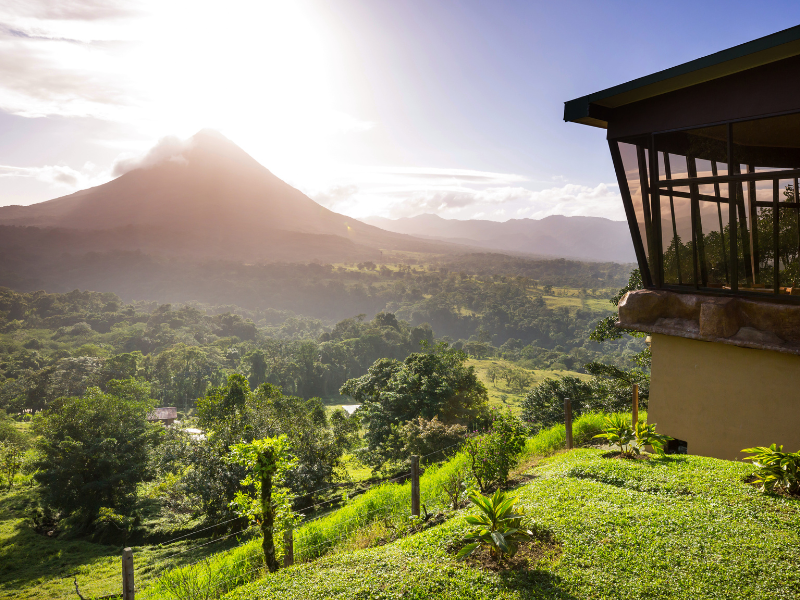
5 Cheapest Nations in S. America to Backpack (Daily Cost)
If your goal is to stretch your money while still seeing mountains, colonial cities, jungles, and incredible food, these are typically the best-value backpacking countries in South America.

The costs below assume you’re traveling as a budget backpacker—think dorms or simple guesthouses, local food, and public transit. Prices are listed in local currency with current USD conversions.
Important: Prices vary a lot by city and season. Capital cities and tourist hotspots cost more; smaller towns cost less.
Quick Overview: Daily Budget (Per Person)
| Country | Typical Budget Daily Total |
|---|---|
| Bolivia | 120–240 BOB (≈ $17–$35) |
| Paraguay | 150,000–280,000 PYG (≈ $20–$38) |
| Peru | 110–220 PEN (≈ $29–$58) |
| Ecuador | $30–$60 (USD) |
| Colombia | 150,000–260,000 COP (≈ $38–$66) |
Bolivia
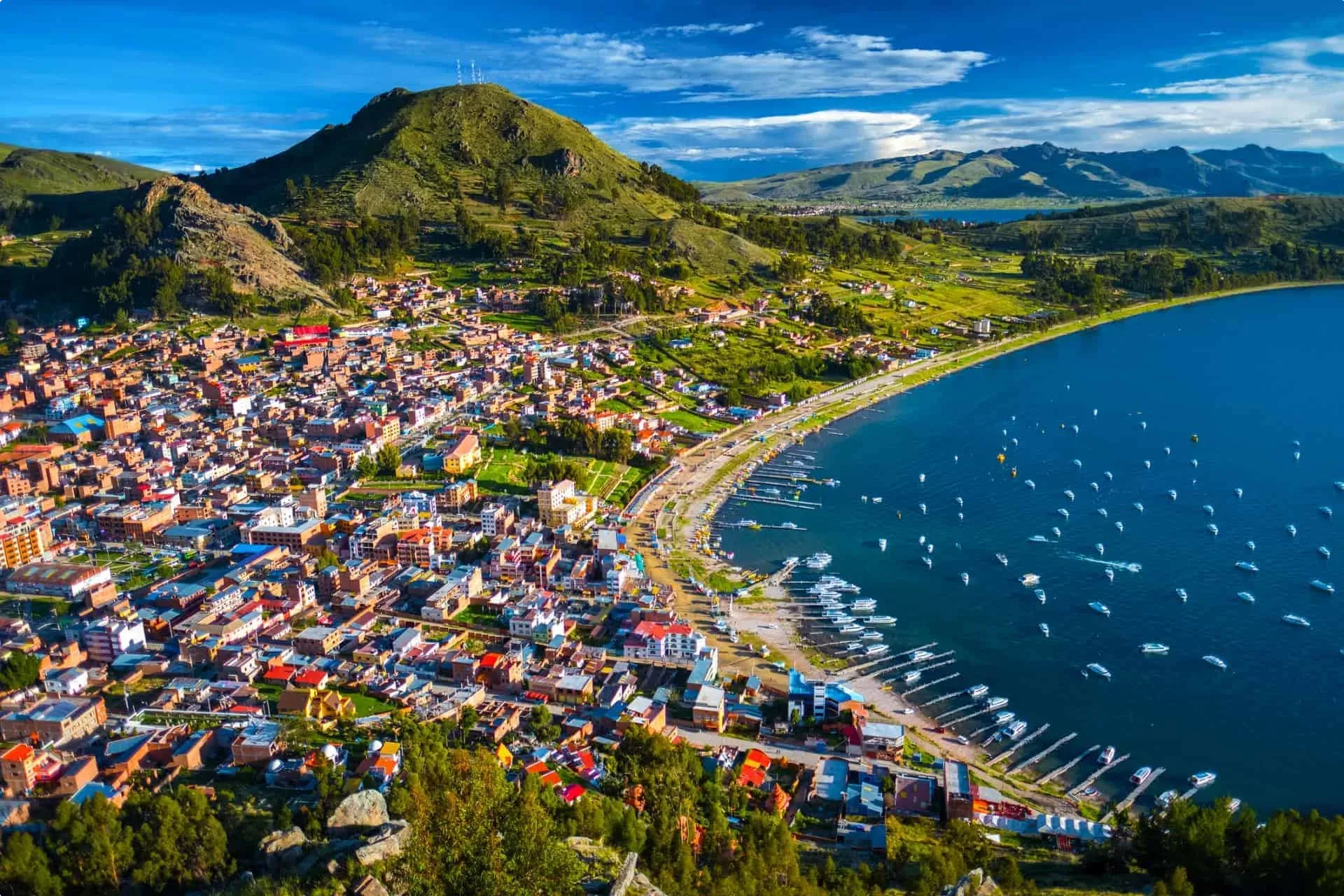
Bolivia is often the cheapest overall for backpackers in South America—and it’s one of those places where your money stretches far without feeling like you’re missing out. Day-to-day costs stay low across the board, from simple dorms and guesthouses to filling local meals that don’t leave you staring at your wallet afterward. Getting around is usually affordable too—buses between cities are the norm, and even longer routes tend to be priced for locals first, travelers second.
What makes Bolivia such a win is that the low prices come with big payoffs. You can base yourself in cities like La Paz or Sucre, then branch out to places like Lake Titicaca or the Uyuni salt flats without needing a luxury budget to pull it off. Stick to local markets, set-menu lunches, and shared transport, and Bolivia stays one of the easiest countries in the region to backpack cheaply while still stacking up unforgettable scenery.
Accommodation (per night)
- Hostel dorm: 40–80 BOB (≈ $6–$12)
- Budget private room: 90–180 BOB (≈ $13–$26)
Food (per day)
- Street/local meals: 35–75 BOB (≈ $5–$11)
- A nicer sit-down meal: 45–80 BOB (≈ $6–$12) each
Transportation (per day average)
- Local buses/minibus: 6–20 BOB (≈ $1–$3)
- Occasional longer intercity bus averaged out: 20–60 BOB (≈ $3–$9)
Budget daily total (per person)
- 120–240 BOB (≈ $17–$35)
Bolivia often ranks #1 on least expensive countries in South America for backpackers!
Paraguay
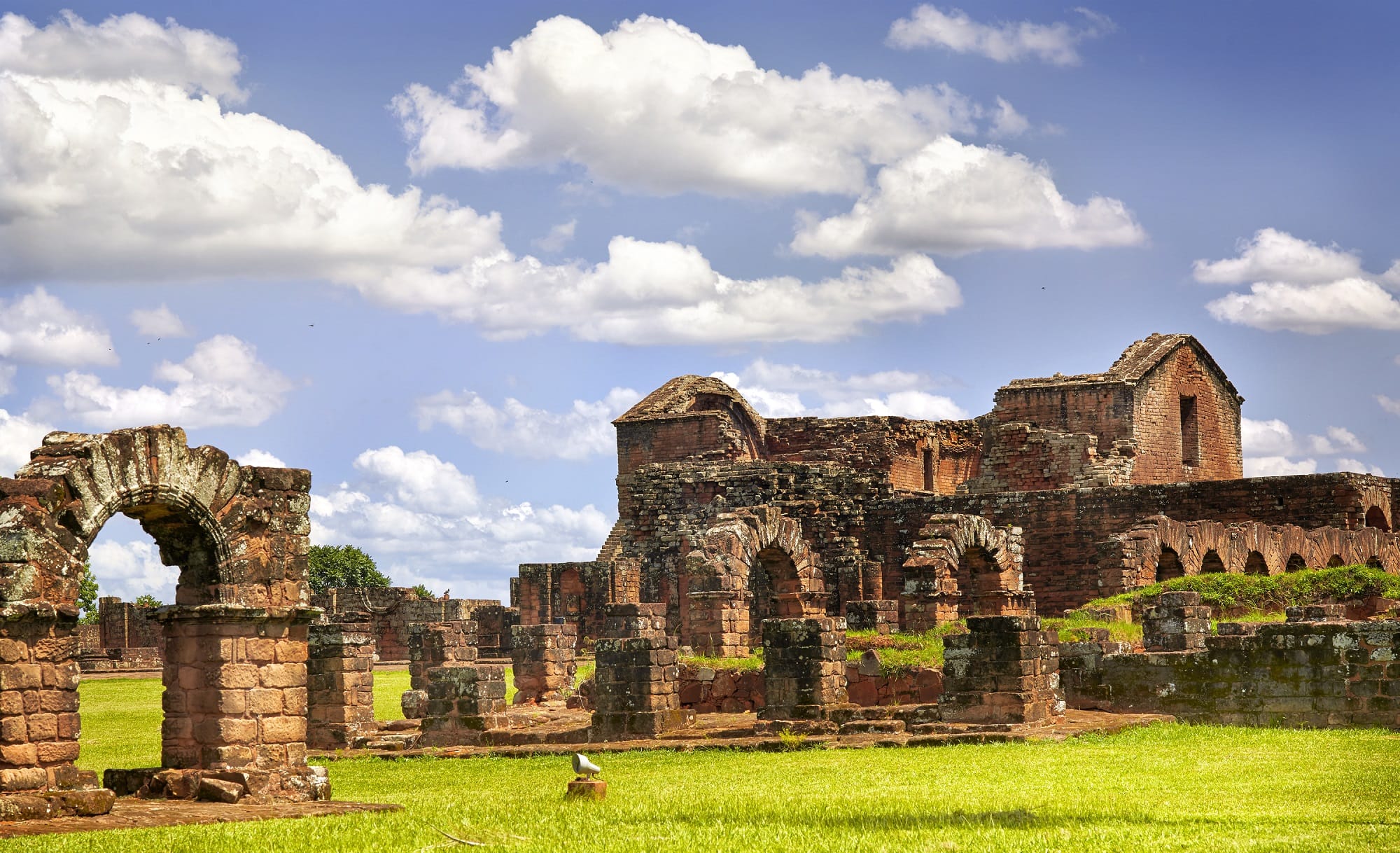
Paraguay is underrated and very wallet-friendly—and the fact that it doesn’t pull huge tourist crowds is a big reason your daily costs can stay low. Accommodation is often cheaper than neighboring hotspots, especially if you’re fine with simple guesthouses or basic hostels. Food is usually easy on the budget too—local eateries and markets keep meals affordable, and you won’t feel forced into “tourist pricing” the way you might in more popular stops.
It’s also a solid country for a slower, cheaper backpacking pace. Instead of bouncing from one headline attraction to the next, Paraguay is better for taking your time—hanging out in smaller cities, day-tripping to nature spots, and getting a more local feel without spending much to do it. Public buses are the main way to get around and are typically inexpensive, which makes it easy to move between towns without your transportation costs eating up your budget.
Accommodation (per night)
- Hostel dorm: 60,000–120,000 PYG (≈ $8–$16)
- Budget private room: 120,000–220,000 PYG (≈ $16–$30)
Food (per day)
- Local restaurants/markets: 50,000–120,000 PYG (≈ $7–$16)
- Coffee/snacks: 10,000–30,000 PYG (≈ $1–$4)
Transportation (per day average)
- City buses: 8,000–20,000 PYG (≈ $1–$3)
- Occasional longer bus (averaged): 25,000–80,000 PYG (≈ $3–$11)
Budget daily total (per person)
- 150,000–280,000 PYG (≈ $20–$38)
Peru
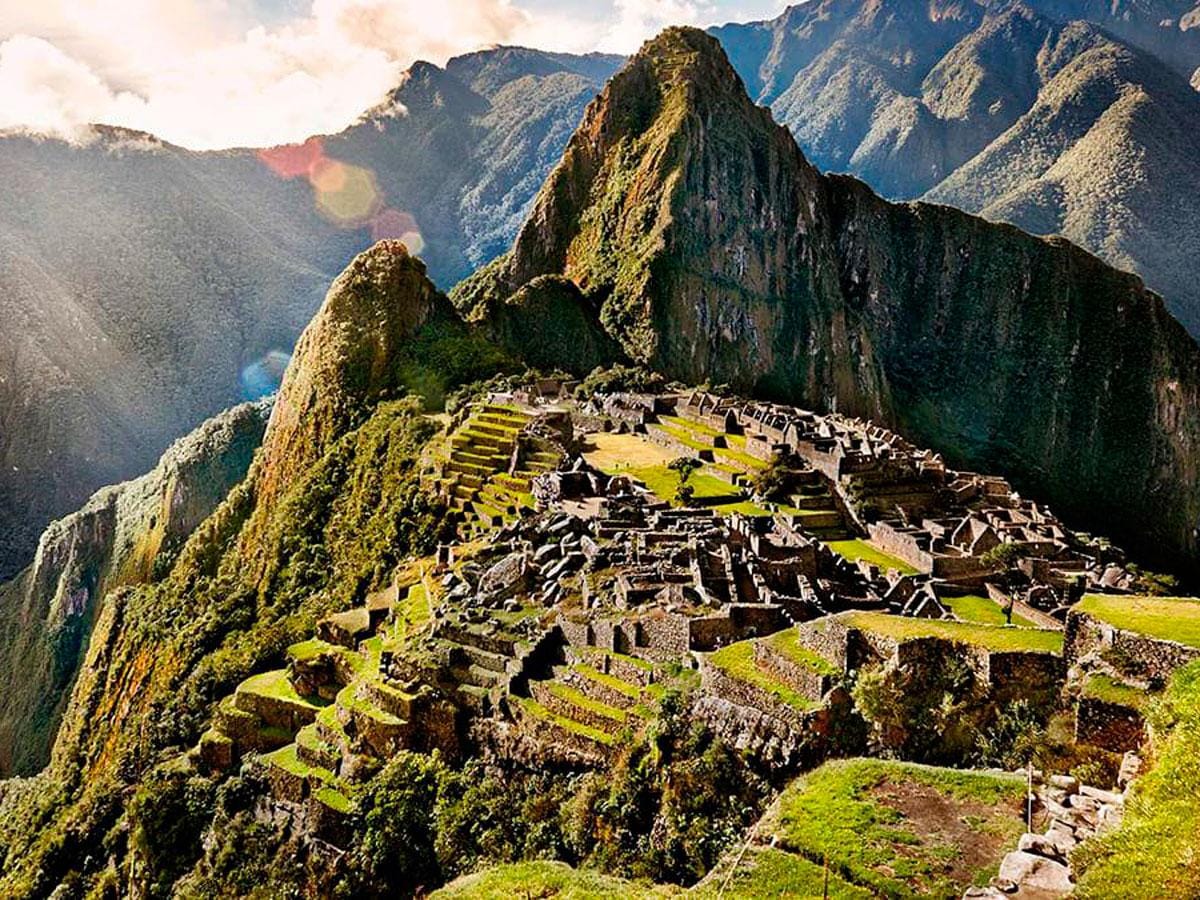
Peru can be cheap if you avoid “tourist pricing”—and day-to-day it really can be a great deal for backpackers once you know how the country works. In most cities and smaller towns, dorm beds and simple guesthouses are reasonably priced, and you can eat well for little money by sticking to local spots—think set-menu lunches, markets, and neighborhood restaurants. Public transit and buses between towns are also usually a strong value, which helps keep your daily budget under control even if you’re moving around a lot.
Where Peru gets expensive is in the big-name tourist zones. Places with heavy demand can push up costs fast—especially for accommodation, guided activities, and certain transportation routes that cater mainly to visitors. The best way to keep Peru affordable is to base yourself just outside the busiest areas when you can, eat where locals eat, and shop around for buses and tours instead of booking the first option you see. Do that, and Peru stays one of the best “bang for your buck” countries in South America—without your daily spend spiraling just because you’re near a famous site.
Accommodation (per night)
- Hostel dorm: 30–60 PEN (≈ $8–$16)
- Budget private room: 60–130 PEN (≈ $16–$34)
Food (per day)
- Local “menu del día” style meals: 25–55 PEN (≈ $7–$14)
- A nicer meal: 35–80 PEN (≈ $9–$21) each
Transportation (per day average)
- City transport: 6–15 PEN (≈ $2–$4)
- Longer bus days (averaged): 15–50 PEN (≈ $4–$13)
Budget daily total (per person)
- 110–220 PEN (≈ $29–$58)
Ecuador
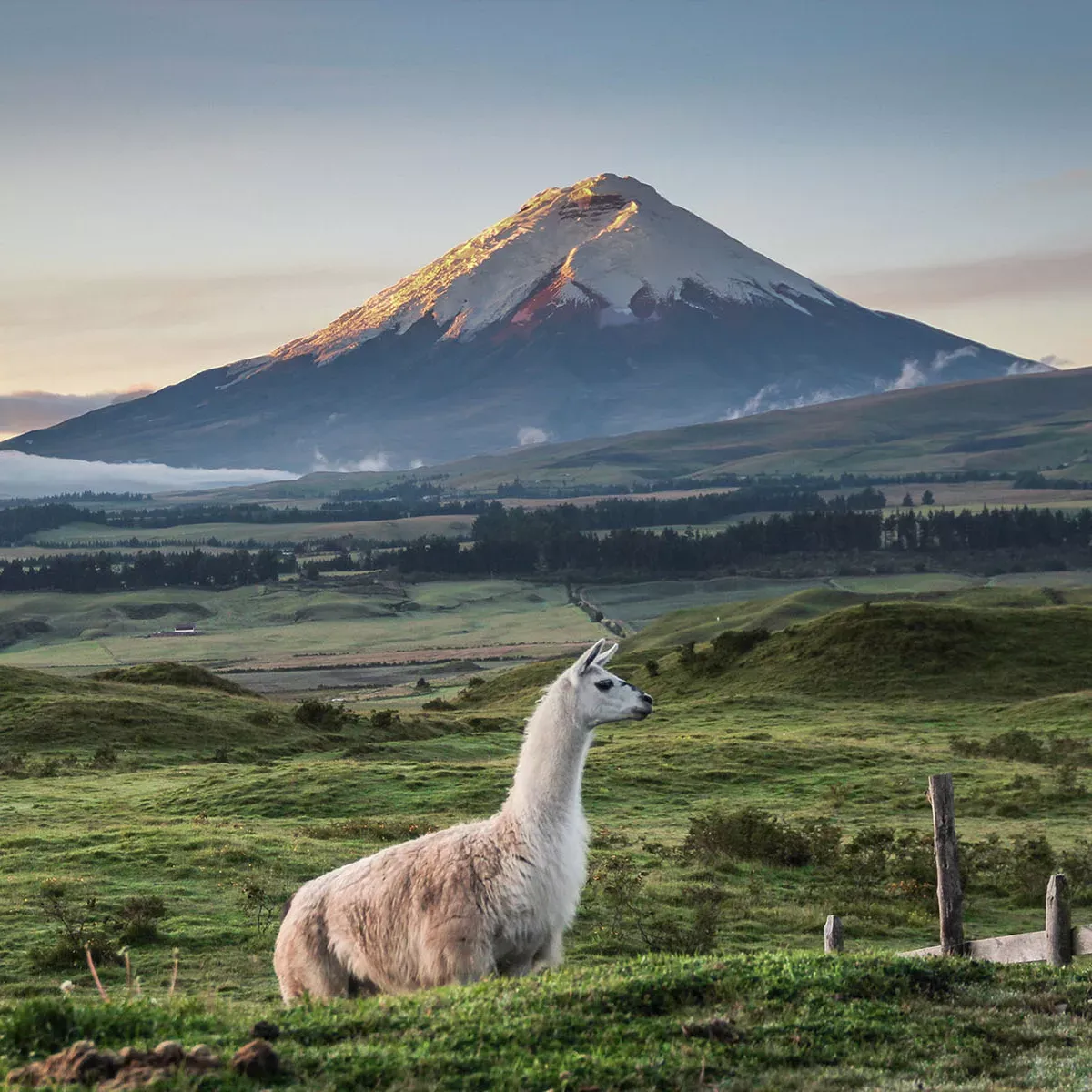
Ecuador’s big perk for U.S. travelers is that prices are already in USD—so budgeting stays simple, and you don’t have to do mental math every time you pay for something. For backpackers, it’s usually very reasonable across the basics: dorms and simple guesthouses can be found in most popular areas, local meals are easy to keep cheap if you stick to neighborhood spots and markets, and buses are a solid value for getting between cities and towns.
Ecuador is also nice because you can build a low-cost route without feeling stuck in one region. You can bounce between places like Quito and Cuenca, head into the Andes for smaller mountain towns, or work your way toward the coast—often without your transportation budget getting out of hand. As long as you avoid getting locked into tourist-only restaurants and private transport, Ecuador tends to stay consistently affordable day-to-day, which is exactly what most backpackers want when they’re trying to stretch a trip longer.
Accommodation (per night)
- Hostel dorm: $10–$18
- Budget private room: $20–$45
Food (per day)
- Local meals: $10–$20
- Nicer meal: $12–$25 each
Transportation (per day average)
- City transport: $1–$4
- Longer buses (averaged): $4–$15
Budget daily total (per person)
- $30–$60
Colombia
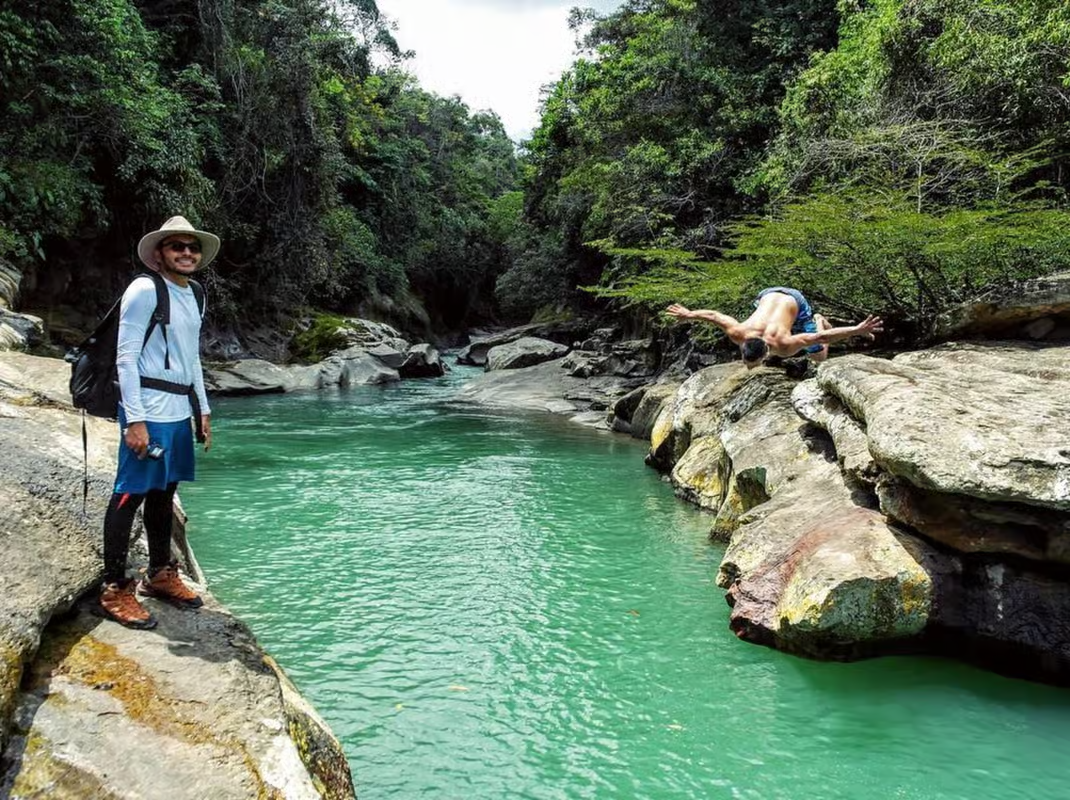
Colombia is often slightly pricier than Bolivia or Paraguay, but it’s still a strong budget destination—and most backpackers find the value is really solid once you’re on the ground. Hostels are widely available in the main travel hubs, with plenty of dorm options that stay affordable if you book a little ahead or travel outside peak holiday weeks. Food is another big win—local set lunches, street snacks, and neighborhood restaurants make it easy to eat well without spending much, especially if you skip the tourist-heavy blocks.
Getting around is usually budget-friendly too. Long-distance buses connect most of the country and are a popular way to travel cheaply, and city transit can be inexpensive when you rely on buses and metro systems where available. Costs tend to rise most in the biggest tourist zones and in trendier neighborhoods—so if you stay a few streets away from the hottest areas and keep meals local, Colombia stays very doable on a backpacker budget while still giving you a ton of variety from region to region.
Accommodation (per night)
- Hostel dorm: 45,000–80,000 COP (≈ $12–$20)
- Budget private room: 90,000–170,000 COP (≈ $23–$43)
Food (per day)
- Local meals: 35,000–70,000 COP (≈ $9–$18)
- Nicer meal: 45,000–90,000 COP (≈ $11–$23) each
Transportation (per day average)
- City transport: 8,000–18,000 COP (≈ $2–$5)
- Longer buses (averaged): 18,000–60,000 COP (≈ $5–$15)
Budget daily total (per person)
- 150,000–260,000 COP (≈ $38–$66)
How to stay in the “cheap” range (works in all 5 countries)
- Sleep in dorms or simple guesthouses (private rooms still cheap in many places).
- Eat where locals eat: set lunches, markets, and small family spots.
- Use public buses and walkable neighborhoods; save taxis/rideshares for late nights.
- Move slower: intercity transport becomes a big chunk of your budget when you change places constantly.
If you want, tell me your expected pace (slow travel vs moving every 2–3 days) and whether you’ll do mostly dorms or private rooms, and I’ll tailor a “realistic daily budget” for your style across these five.
Not A Member? ✈️
Save 40%-95% with Jetsetter Alerts - Airline Mistake Fare & Flash Sales Alerts!
Looking to backpack in Central America? Check out this epic 30 Days in Central America
Other Popular Articles
 Jetsetter Alerts
 Jetsetter Alerts
 Kylie Jones