
Cheapest And Most Expensive Times To Visit Taiwan
Planning a trip to Taiwan and not sure when to visit? This guide breaks down the cheapest and most expensive times to visit Taiwan so you can plan around weather, crowds, holidays, and travel costs.
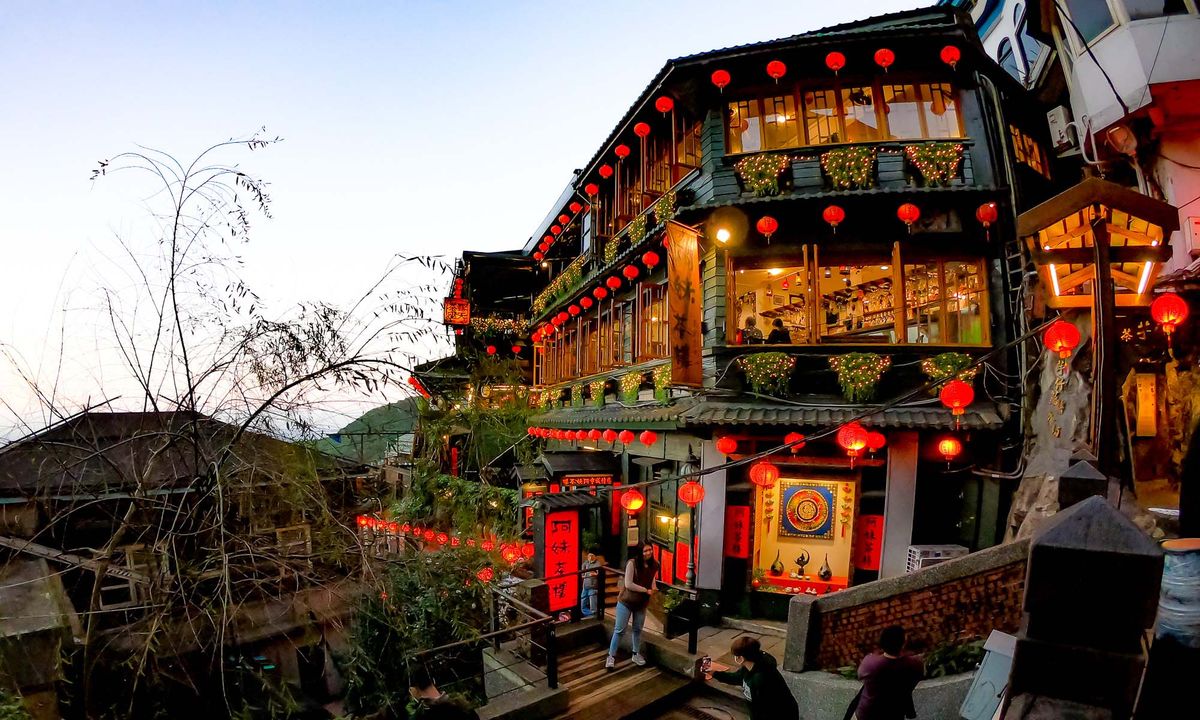
The cheapest time to visit Taiwan is usually during the cooler winter months outside Lunar New Year, the plum rain season, and the typhoon-risk summer window, while the most expensive time to visit Taiwan is during spring, fall, Lunar New Year, and major holiday travel weeks.
- Cheapest months: January, February, March, May, June, July, August, September, and late November can offer lower prices, depending on weather, holidays, and local travel demand.
- Best value months: Late January through March outside Lunar New Year and late November are often good value windows for lower prices, lighter crowds, and more comfortable sightseeing weather.
- Most expensive months: March, April, May, October, and early November are often more expensive because they fall during Taiwan’s most comfortable spring and fall travel seasons.
- Holiday price spikes: Lunar New Year, late December, and early January can be some of the most expensive times to visit Taiwan because hotels, trains, flights, and tours book up quickly.
- Summer pricing exception: July and August can be cheaper because of heat, humidity, and typhoon risk, but prices may still rise in beach areas, island destinations, and family vacation spots during school breaks.
- Why prices change: Taiwan gets more expensive when the weather is mild, outdoor travel is easier, seasonal scenery is popular, and locals are traveling during major holidays.
- Budget tip: For the best mix of price and comfort, target late winter outside Lunar New Year, May to mid-June, or late November. For the lowest possible prices, July through September can bring deals, but you’ll need flexibility because storms can disrupt plans.
Most Expensive Time To Visit Taiwan
The most expensive time to visit Taiwan is usually during the spring and fall weather peaks, Lunar New Year, and major holiday travel weeks. These periods bring higher demand for hotels, flights, trains, tours, and popular attractions, especially in Taipei, scenic mountain areas, hot spring towns, and coastal destinations.
March To May
Noteworthy: Spring Peak Season: March through May is one of the most expensive times to visit Taiwan because the weather is comfortable, skies are often clearer, and travelers are eager to explore cities, national parks, temples, night markets, and seasonal flower-viewing areas.
Hotel prices can rise in Taipei, Taichung, Alishan, Sun Moon Lake, and other popular sightseeing regions, especially during weekends and spring bloom periods.
October To Early November
Noteworthy: Fall Peak Season: October through early November is another expensive time to visit Taiwan because the weather is usually mild, humidity drops, and outdoor travel becomes much easier. This is one of the best times for hiking, city exploring, food trips, hot springs, and scenic train routes.
Because fall is one of Taiwan’s most comfortable travel seasons, hotels and tours can cost more in major cities and popular nature destinations.
Late January Or February
Noteworthy: Lunar New Year: Lunar New Year is one of the busiest and most expensive times to travel in Taiwan. The exact dates change each year, but this holiday usually falls in late January or February.
During this period, domestic travel surges as families visit relatives, take vacations, and book hotels across the island. Trains, domestic flights, buses, and hotels can sell out early, and prices often jump before, during, and after the holiday.
Late December To Early January
Noteworthy: Holiday Travel: Late December through early January can also be expensive, especially in Taipei and other major cities. Travelers visit for New Year’s events, short winter trips, shopping, food, and city breaks.
Well-located hotels near transit, nightlife, shopping areas, and major attractions can become more expensive during this window.
July And August
Noteworthy: Summer School Break Demand: July and August can be more expensive than expected, even though Taiwan is hot, humid, and more prone to heavy rain or storms. Family travel, school breaks, beach trips, and summer vacations can raise prices in popular vacation areas.
This is especially true for coastal destinations, islands, theme parks, and family-friendly attractions.
Cheapest Time To Visit Taiwan
The cheapest time to visit Taiwan is usually during the cooler winter months outside Lunar New Year, the rainier late spring window, and the summer typhoon-risk period. These months often bring lower hotel prices, fewer visitors, and better chances to save—if you stay flexible with weather.
January To March: Best Value Window Outside Lunar New Year
January through March can be one of the cheapest times to visit Taiwan, as long as your trip does not overlap with Lunar New Year. After the New Year holiday rush fades, hotel prices are often more reasonable, crowds are lighter, and cooler weather makes city sightseeing easier.
This can be a smart time for Taipei, night markets, museums, hot springs, food trips, and cultural sightseeing.
May To Mid-June: Plum Rain Season
May through mid-June is often cheaper because of Taiwan’s plum rain season. You may deal with cloudy days and frequent rain, but hotel prices can be better than during the spring and fall peak seasons.
This can still be a good time to visit if your trip is focused on food, cities, markets, temples, museums, tea houses, and flexible day trips instead of nonstop outdoor plans.
July To September: Typhoon Season Risk Window
July through September can bring lower prices because of heat, humidity, and typhoon-season risk. This does not mean every day will be ruined, but storms can disrupt flights, ferries, hikes, beach plans, and transportation.
If you are flexible, this can be a cheaper time to visit Taiwan. Just avoid locking yourself into too many weather-dependent plans.
Late November: Fall Value Window
Late November can be a good value window after the busiest fall travel weeks slow down and before winter holiday demand begins. The weather can still be pleasant, but prices may be easier to manage than in October or early November.
For budget travelers, late November can be one of the better times to visit Taiwan if you want decent weather without paying peak fall prices.
Taiwan Seasonal Demand Chart
| Time Period | Price Level | Why It Matters |
|---|---|---|
| March–May (spring peak) | 💲💲💲 High | Comfortable temps and clearer days make spring a top pick—hotels and tours often run higher in Taipei and popular scenic areas. |
| October–November (fall peak) | 💲💲💲 High | Mild weather and lower humidity drive demand—especially for outdoor-heavy itineraries. |
| Late Jan–Feb (Lunar New Year, dates vary) | 💲💲💲 Highest | One of the biggest travel periods—transport and lodging tighten fast and prices often jump. |
| Late Dec–early Jan (holiday weeks) | 💲💲💲 Very High | Popular short-trip window—rates can climb in major cities and well-located hotels. |
| July–August (summer school break demand) | 💲💲💲 Mid–High | Hot and humid, but families still travel—prices can rise in beach areas and classic vacation regions. |
| January–March (best value, outside Lunar New Year) | 💲 Low | Cooler weather and fewer visitors often mean better hotel pricing—especially after New Year’s once the rush fades. |
| May–mid-June (plum rain season) | 💲 Low | More daily rain lowers demand—good value for food-focused trips and city hopping with indoor backups. |
| July–September (typhoon season risk window) | 💲 Lowest | Storm risk can disrupt plans—deals are common if you keep your itinerary flexible. |
| November (late fall, after peak weeks) | 💲 Low–Mid | Often calmer after the busiest fall dates—sometimes solid value before winter holiday demand builds. |
| Late February–March (sweet spot) | 💲💲 Mid | After Lunar New Year but before spring pricing peaks—pleasant weather without the biggest crowds. |
| Late September–October (sweet spot) | 💲💲 Mid | After summer heat but before fall demand tops out—often easier pricing than the busiest fall weeks. |
| May–mid-June and July–September (rainy season timing) | 💲 Low | Plum rains (May–mid-June) and typhoon risk (July–Sept, sometimes into Oct) are why prices often soften outside peak weeks. |
Not A Member? ✈️
Save 50%-95% with Jetsetter Alerts - Airline Mistake Fare & Flash Sales Alerts!