
Cheapest and Most Expensive Times To Visit Spain
Wondering when it’s cheapest to visit Spain? This guide breaks down the most affordable — and most expensive — times to plan your trip.
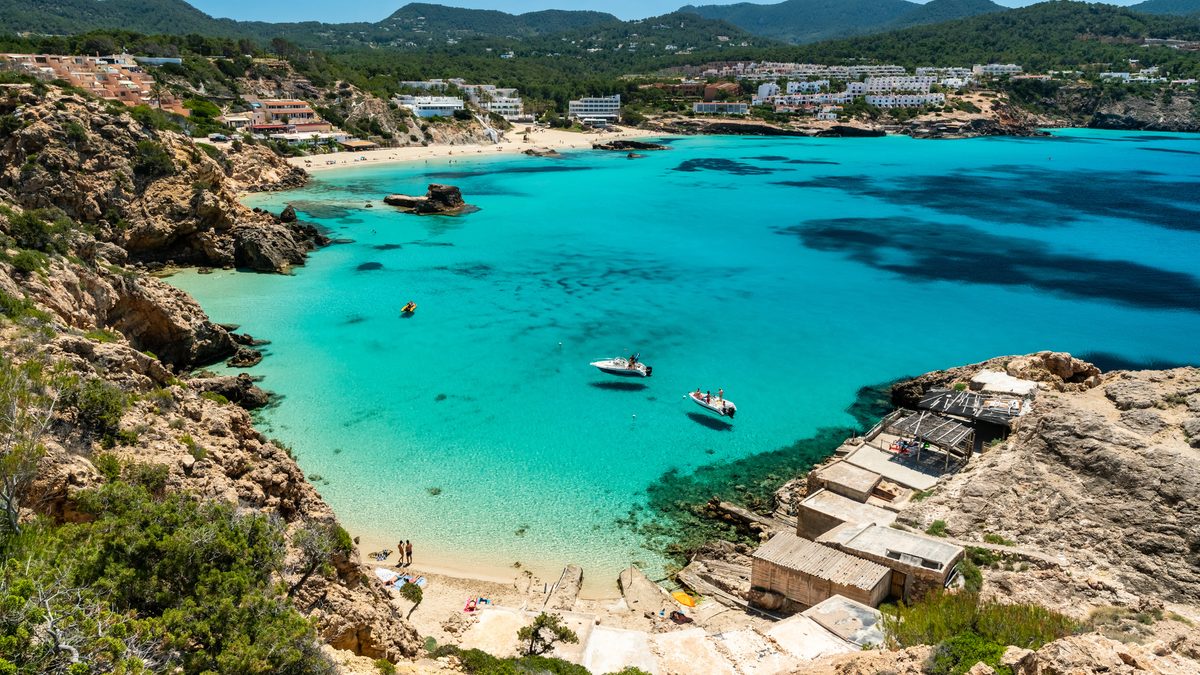
Most Expensive Time To Visit Spain
The most expensive time to visit Spain is usually during summer, major holiday periods, and big event weeks. Spain’s high season generally runs from June through August, when beach destinations, islands, major cities, and coastal resorts see some of their strongest demand.
Summer Peak Season
Summer is usually the most expensive season to visit Spain, especially if you are heading to the coast, islands, or major cities.
- Most expensive months: June, July, and August.
- Why it’s expensive: Warm weather, school holidays, beach trips, cruise traffic, and Europe vacation season all overlap.
- Where prices rise the most: Barcelona, Madrid, Mallorca, Ibiza, Costa del Sol, Costa Brava, Canary Islands, Valencia, Alicante, and beach towns across Andalusia.
- What costs more: Hotels, flights, beach resorts, rental cars, restaurants, tours, ferries, and short-term apartments.
- Budget warning: July and August can be especially expensive in beach and island destinations, while inland cities can still cost more because of international summer travel.
- Best advice: Avoid peak summer if your main goal is saving money.
July and August
July and August are often the worst months for budget travelers visiting Spain. These months bring the highest mix of international visitors, European vacationers, beach demand, and family travel.
- Why it’s expensive: This is prime vacation time across Europe, and Spain is one of the most popular summer destinations.
- What gets expensive: Coastal hotels, island resorts, city-center stays, beach clubs, flights, trains, rental cars, and ferries.
- Budget warning: Even normally affordable towns can become much more expensive when summer demand hits.
- Where it hurts most: Mallorca, Ibiza, Menorca, Barcelona, Marbella, Málaga, Costa Brava, San Sebastián, Valencia, and the Canary Islands.
- Better budget move: Visit in late fall, winter, or early spring if you want lower prices.
Easter and Semana Santa
Easter and Semana Santa can be one of the most expensive spring travel periods in Spain. This is a major holiday window, and prices can rise quickly in cities known for processions, cultural events, and domestic travel.
- Why it’s expensive: Locals travel, international visitors arrive, and many cities see heavy demand around religious celebrations.
- What gets expensive: Hotels, trains, flights, restaurants, and central stays.
- Where prices can rise: Seville, Málaga, Granada, Córdoba, Madrid, Barcelona, Toledo, and other cities with major Semana Santa traditions.
- Budget warning: Spring may look cheaper than summer at first, but Easter week can be a major exception.
- Best advice: If you want spring weather without peak pricing, avoid Easter week and compare nearby dates.
Christmas and New Year
Christmas and New Year can also be expensive in Spain, especially in Madrid, Barcelona, ski areas, island destinations, and places popular for winter city breaks.
- Why it’s expensive: Holiday travelers, family trips, festive events, and New Year celebrations push demand higher.
- What gets expensive: Flights, hotels, central apartments, restaurants, trains, and last-minute stays.
- Where prices can rise: Madrid, Barcelona, Seville, Granada, the Canary Islands, ski towns, and major coastal cities.
- Budget warning: Early December can be more affordable, but prices often climb closer to Christmas and New Year.
- Best advice: Visit before the holiday rush or wait until January for better pricing.
Spring and Fall Event Weeks
Spain can also become expensive during major events, festivals, conferences, and sports weeks. These price spikes can happen outside the normal peak season, especially in Barcelona, Madrid, Seville, Valencia, Málaga, and island destinations.
- Why it’s expensive: Large events fill hotels and push up short-term rental prices.
- What gets expensive: Hotels, flights, taxis, restaurants, and central stays.
- Common price-spike periods: Major conferences, football matches, festivals, city fairs, music events, and large trade shows.
- Budget warning: A random week in February, March, April, September, or October can cost much more if a major event is happening.
- Best advice: Always compare hotel prices across several nearby weeks before booking.
Late Spring and Early Fall
Late spring and early fall can be expensive because the weather is often better for sightseeing than peak summer. These months can be especially popular with travelers who want Spain without the worst heat.
- Potentially expensive months: May, June, September, and early October.
- Why it’s expensive: Weather is pleasant, crowds are strong, and demand stays high in cities and coastal areas.
- What gets expensive: Hotels, flights, tours, trains, rental cars, and attraction tickets.
- Where prices can rise: Barcelona, Madrid, Seville, Valencia, San Sebastián, Mallorca, Ibiza, and the Costa del Sol.
- Budget warning: These months may be cheaper than July and August, but they are not always cheap.
- Best advice: For better value, compare November, January, February, and early March.
Most Expensive Places In Spain During Peak Season
- Ibiza: One of Spain’s most expensive summer destinations because of nightlife, beach clubs, luxury hotels, and limited high-demand inventory.
- Mallorca: Prices rise sharply in summer, especially near beaches, resort towns, and scenic coastal areas.
- Barcelona: Expensive during summer, major conferences, cruise season, and holiday periods.
- Madrid: Can spike during major events, holidays, football matches, and high-demand city-break weekends.
- Costa del Sol: Marbella, Málaga, and nearby beach towns can be costly in summer.
- San Sebastián: Summer and food-focused travel can make hotels expensive.
- Canary Islands: Prices can rise during winter sun season, holidays, and school breaks.
- Seville: Spring events and Semana Santa can push prices much higher than normal.
Most Expensive Months To Visit Spain
- April: Can be expensive when Easter and Semana Santa fall during this month.
- May: Higher demand for city breaks, spring weather, and events.
- June: Start of peak summer pricing in many parts of Spain.
- July: One of the most expensive months for beaches, islands, and major cities.
- August: Usually one of the worst months for budget travelers because of peak vacation demand.
- September: Can stay expensive in beach areas, islands, and major cities because the weather is still good.
- Late December: Higher prices around Christmas and New Year.
Why Spain Gets So Expensive
- Summer demand is huge: Spain is one of Europe’s top warm-weather destinations.
- Beach and island prices rise fast: Coastal areas and islands have strong seasonal demand.
- Major cities stay popular year-round: Barcelona and Madrid rarely become truly quiet.
- Events can change prices quickly: Festivals, conferences, football matches, and holiday weeks can make hotel rates jump.
- Domestic travel matters too: Spaniards travel during holidays and summer breaks, adding more demand to already-popular areas.
- Last-minute booking costs more: During peak periods, waiting too long can mean higher prices or fewer good options.
Worst Time To Visit Spain On A Budget
The worst time to visit Spain on a budget is July and August, followed by Easter/Semana Santa, Christmas and New Year, major event weeks, and high-demand spring or fall weekends. These are the periods when flights, hotels, trains, tours, rental cars, and beach stays are most likely to cost more.
For a cheaper Spain trip, avoid peak summer, compare several nearby travel dates, and be careful with major events in Barcelona, Madrid, Seville, Valencia, Málaga, Ibiza, Mallorca, and the Canary Islands.
Cheapest Time To Visit Spain
The cheapest time to visit Spain is usually during the winter low season, especially January and February, followed by November and early December before Christmas travel demand picks up. Spain’s low season generally runs from November through February, while June through August is the main high season.
Winter Low Season
Winter is usually the cheapest season to visit Spain, especially if you are visiting major cities, inland regions, or cultural destinations instead of beach resorts.
- Cheapest months: January and February.
- Why it’s cheaper: Holiday travel is over, beach demand is low, and fewer travelers are planning Spain vacations.
- What costs less: Hotels, flights, apartments, tours, trains, and some city-center stays.
- Where it works best: Madrid, Barcelona, Seville, Granada, Córdoba, Toledo, Bilbao, Valencia, Zaragoza, and other city-focused destinations.
- Budget warning: Christmas and New Year are exceptions. Early winter can be affordable, but prices often rise around the holidays.
- Best for: Travelers who want museums, food, architecture, historic centers, day trips, and fewer crowds instead of beach weather.
January and February
January and February are usually the best months to visit Spain on a budget. These months tend to bring lower hotel demand, cheaper airfare, and fewer crowds in major cities. Multiple travel pricing guides point to January and February as some of the lowest-cost months for Spain, especially after the holiday rush ends.
- Why they’re cheaper: Most travelers have already finished their holiday trips, and Spain is outside its main beach and summer travel season.
- What gets cheaper: Flights, hotels, city stays, apartments, and some guided tours.
- Best places to visit: Madrid, Barcelona, Seville, Granada, Córdoba, Valencia, Bilbao, and Málaga.
- Budget warning: Northern Spain and inland cities can be cold, so this is better for sightseeing than beach trips.
- Best advice: Visit after New Year demand fades if you want some of the lowest prices of the year.
November
November is one of the best cheaper months to visit Spain because it falls after the busy fall travel period but before Christmas pricing begins.
- Why it’s cheaper: Summer is over, fall crowds are lower, and many travelers wait until the holidays or spring to visit.
- What costs less: Hotels, flights, rental cars, train tickets, and city breaks.
- Where it works best: Madrid, Barcelona, Seville, Granada, Valencia, Córdoba, Toledo, and Andalusia.
- Budget warning: Beach towns and island resorts may feel quieter, and some seasonal businesses may reduce hours.
- Best for: Travelers who want better value, cooler walking weather, and fewer crowds at major attractions.
Early December
Early December can be a smart budget window in Spain, especially before Christmas and New Year travel begins.
- Why it’s cheaper: It sits between the late-fall travel period and the holiday rush.
- What costs less: Hotels, flights, apartments, and some city stays.
- Where it works best: Madrid, Barcelona, Seville, Valencia, Granada, Málaga, and other city destinations.
- Budget warning: Prices can rise quickly as Christmas and New Year get closer.
- Best advice: Early December can be a good value window, but late December is usually not a budget-friendly time to visit Spain.
Early Spring
Early spring can be a good value period, especially March, before Easter, Semana Santa, and late-spring demand push prices higher.
- Best budget month: March.
- Why it’s cheaper: Spain is not fully into peak travel season yet, but the weather is often better than deep winter.
- What costs less: Hotels, flights, tours, and some city stays compared to late spring and summer.
- Budget warning: Easter and Semana Santa can make spring much more expensive, especially in Andalusia and major cities.
- Best for: Travelers who want a better mix of lower prices, mild weather, and sightseeing.
Cheapest Months To Visit Spain
- January: Usually one of the cheapest months after the holiday rush ends.
- February: Another strong budget month, especially for hotels and flights.
- March: Often good value before Easter and spring travel demand picks up.
- November: One of the best cheaper months for city trips and cultural travel.
- Early December: Can be affordable before Christmas and New Year pricing begins.
Cheapest Places In Spain During Low Season
- Madrid: Often a strong winter value because the city has plenty to do indoors and does not rely on beach weather.
- Barcelona: Usually cheaper in winter than summer, especially if you avoid major event weeks.
- Seville: Can be a great value in winter before spring festivals and hotter months bring more demand.
- Granada: Often more affordable outside peak spring, summer, and holiday periods.
- Valencia: Usually cheaper than Barcelona and still works well for food, architecture, beaches, and city sightseeing.
- Córdoba: A strong budget option in winter and late fall, especially compared to busier spring periods.
- Málaga: Can offer better value in winter than peak coastal travel months.
- Northern Spain: Bilbao, Santander, Oviedo, and Santiago de Compostela can be cheaper outside summer, though weather may be cooler and rainier.
Spain’s Best Budget Shoulder Seasons
The best shoulder-season value in Spain is usually March, November, and early December. These periods can offer lower prices than peak summer while still giving travelers a better experience than the coldest or quietest parts of winter.
- March: Good for lower prices before spring demand builds.
- November: Good for fewer crowds, city breaks, and lower hotel rates.
- Early December: Good for holiday atmosphere before the most expensive travel dates arrive.
- May and September: These can be beautiful months, but they are not always cheap because weather is good and demand stays strong.
Why Spain Is Cheaper During These Months
- Beach demand is lower: Spain’s coast, islands, and resort towns are most expensive when travelers want warm weather and beach time.
- Hotels have more availability: More open rooms usually means better pricing, especially in major cities.
- Flights are easier to price shop: Airfare to Spain is often more affordable outside summer, Christmas, New Year, Easter, and major holiday periods.
- Crowds are smaller: Major attractions in Madrid, Barcelona, Seville, Granada, and Valencia are usually easier to visit.
- Day trips can cost less: Trains, rental cars, tours, and nearby stays may be easier to book outside peak travel weeks.
Budget Warning For Spain’s Islands
Spain’s islands do not always follow the same pricing pattern as mainland Spain.
- Balearic Islands: Mallorca, Ibiza, and Menorca are usually much cheaper outside summer, especially when beach and nightlife demand drops.
- Canary Islands: The Canary Islands can stay popular in winter because travelers visit for warmer weather, so winter is not always the cheapest time there.
- Best advice: For the lowest prices, compare island rates carefully and avoid holidays, school breaks, and major event periods.
Cheapest Time To Fly To Spain
The cheapest time to fly to Spain is usually outside summer, Christmas and New Year, Easter, and major spring or fall event periods.
- Cheaper flight months to compare: January, February, March, November, and early December.
- More expensive flight periods to avoid: June through August, Easter/Semana Santa, Christmas, New Year, and major conference or festival weeks.
- Best booking move: Compare several nearby dates instead of choosing one fixed week.
- Budget tip: Midweek flights and shoulder-season dates are often easier to price shop than weekend or holiday flights.
Best Time To Visit Spain On A Budget
The best time to visit Spain on a budget is January, February, November, or early December. These months usually give travelers the best chance at cheaper flights, lower hotel prices, and fewer crowds.
For the best mix of price and weather, March and November are usually two of the strongest choices. January and February are often cheaper, but the weather is cooler. Early December can also be a smart option if you avoid the Christmas and New Year travel window.
Cheapest Way To Visit Spain
- Visit in winter or late fall.
- Avoid July, August, Easter, Semana Santa, Christmas, and New Year.
- Choose cities over beach resorts if price matters most.
- Compare Madrid and Barcelona flights with Málaga, Valencia, Seville, and Bilbao.
- Stay near public transportation instead of paying extra for the most central hotel zones.
- Use trains and buses instead of renting a car in major cities.
- Book major attractions early if visiting during shoulder season.
- Compare nearby dates before booking because festivals, football matches, and conferences can raise prices fast.
Cheapest Time To Visit Spain For Good Value
For the lowest prices, visit Spain in January or February. For the best mix of lower prices, better weather, and fewer crowds, visit in March, November, or early December. These months are usually the best fit for budget travelers who want Spain’s cities, food, culture, architecture, and day trips without paying peak-season prices.
Spain Travel Demand Summary
| Time Period | Cost | Summary |
|---|---|---|
| June – August | 💲💲💲 Highest | Peak summer, beaches & islands crowded, hotels + flights surge |
| Semana Santa (March/April) | 💲💲💲 Very High | Major Easter parades in Seville, Málaga, and Granada |
| Las Fallas (March – Valencia) | 💲💲💲 Very High | Famous festival, hotels and flights sell out early |
| San Fermín (July – Pamplona) | 💲💲💲 Very High | Running of the Bulls, local prices double or triple |
| La Tomatina (Late August) | 💲💲💲 Very High | Tomato festival + peak summer overlap raises demand |
| Mid-Dec – Early Jan | 💲💲💲 High | Christmas & New Year celebrations, festive markets |
| Jan – Feb | 💲 Lowest | Winter off-season, cheapest hotels and airfare |
| Nov – Early Dec | 💲 Low | Pre-holiday quiet period, discounted stays |
| Mar–May & Sept–Oct (non-festival) | 💲 Low–Moderate | Shoulder seasons, good weather, fewer crowds |
Other Related Post
Barcelona
- Explore Barcelona's Sagrada Familia
- Free Things To Do In Barcelona
- Best Areas Of Barcelona To Stay In
- Barcelona's Magic Fountain of Montjuïc
- Cheapest and Most Expensive Times To Visit Barcelona
- Barcelona: Transportation Guide
- Things To See In Barcelona's Gothic Quarter
- Cost To Visit Barcelona
Madrid