
Cheapest And Most Expensive Times To Visit Shenzhen
Shenzhen is priciest in Oct–Nov and major holiday weeks—and cheapest May–Sep when heat, rain, and typhoon risk bring better hotel deals.
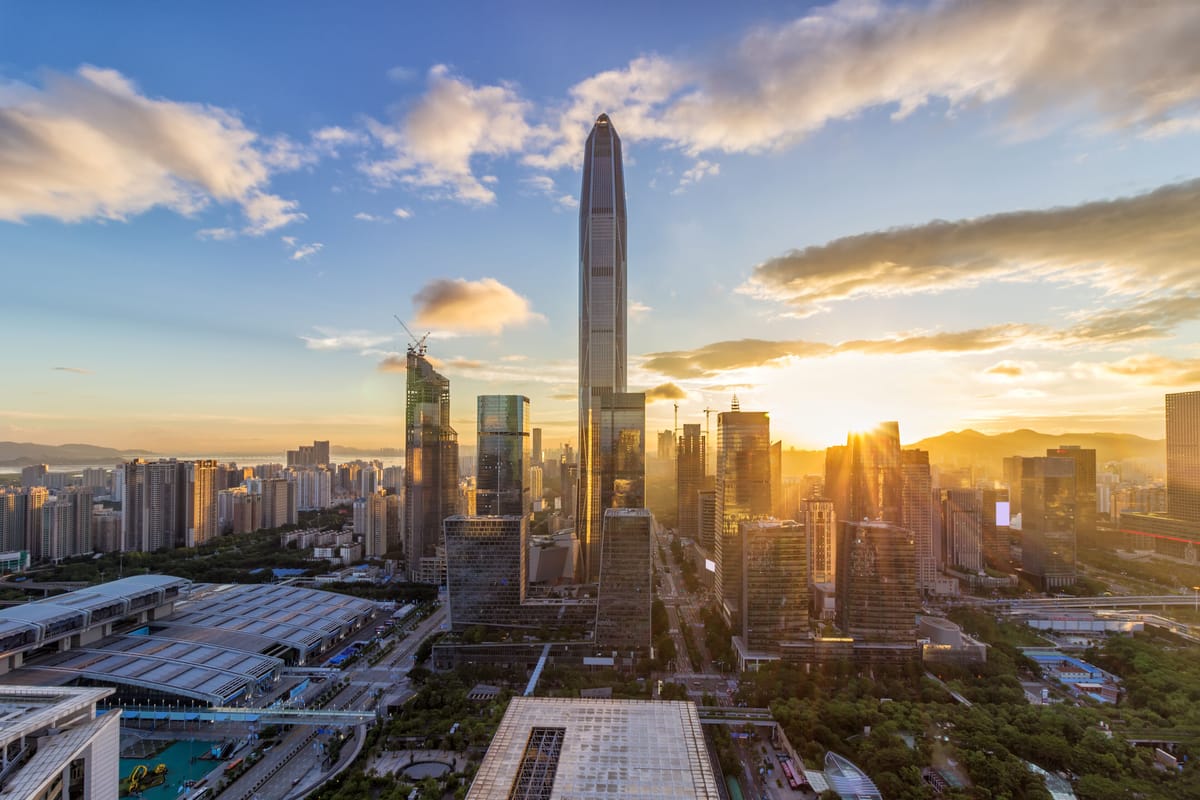
Shenzhen is usually most expensive in fall and early spring, when the weather is more comfortable for long days outside. It’s usually cheapest in summer, when the city turns hot, humid, and rainy—plus there’s higher typhoon disruption risk.
Most Expensive Time To Visit Shenzhen
- October–November (Fall Peak For Comfort)
This is one of the best weather windows—lower humidity, nicer walking days, and strong demand for short trips. - March–April (Spring Peak)
Another comfortable stretch before the heaviest rain and summer heat settle in—prices often run higher than winter and summer. - Early October (National Day Golden Week)
One of the biggest travel surges in China—hotels and transport can jump in price fast. - Late January Or February (Chinese New Year, Dates Vary)
Demand and availability can swing a lot around this holiday—especially if you’re connecting to other cities. - Mid-November (Big Trade Show Weeks, Like CHTF, Dates Vary)
Large conventions can push up hotel rates citywide—especially near major venues and business districts.
Cheapest Time To Visit Shenzhen
- May–September (Hot, Rainy Season Value Window)
This is typically the best stretch for deals. You’ll trade comfort for savings—expect sticky heat and frequent heavy showers. - June–August (Peak Heat And Rain, Often Lowest Demand)
These months are usually the toughest for “walking all day” trips—so hotel pricing often softens. - January (After The Holiday Rush, If You Time It Right)
If your dates land after the busiest holiday stretch, you can sometimes get solid value with mild temps. - Late September (Before Golden Week Hits)
It can still be warm, but this can be a smart timing play if you want better prices before the early-October spike.
Looking for places to add to your itinerary? Discover China's Best National Parks, and the Best Rural Towns & Villages To Explore The Great Wall or take a look at this 14-day China Itinerary to help you plan.
Best Time To Visit Shenzhen For Good Weather And Decent Prices
- Late November–Early December
Often comfortable, usually less pressure than October peak weeks—nice balance for a city break. - Late February–Early March
Good walking weather without the full spring pricing that can build later in March and April.
When Is Rainy Season In Shenzhen?
Shenzhen’s wetter stretch generally runs late spring through summer, with the rainiest period typically falling between May and September. Typhoon risk is most common in mid-to-late summer, so it helps to keep outdoor-heavy plans flexible.
Quick Ways To Spend Less In Shenzhen
- Aim for May–September if saving money is the main goal
- Avoid Golden Week and Chinese New Year if you don’t want price spikes and crowded transport
- Watch for major convention weeks—hotel rates can jump quickly
- Go midweek when possible—weekend rates often climb first
- Build an indoor backup plan in summer—malls, markets, museums, and food neighborhoods save the day when rain hits
Is Shenzhen Expensive To Visit?
Shenzhen can be very manageable, but hotel prices swing based on weather and business events. If you go in October–November or during big convention weeks, you’ll usually pay more. If you go in summer, you can often save a lot—just plan around heat, rain, and the chance of stormy days.
Shenzhen Seasonal Price Demand
| Time Period | Price Level | Why It Matters |
|---|---|---|
| October–November (fall peak for comfort) | 💲💲💲 Highest | One of the best weather windows—lower humidity and easier walking days drive strong demand for short trips. |
| March–April (spring peak) | 💲💲💲 High | Comfortable stretch before the heaviest rain and summer heat—often pricier than winter and summer. |
| Early October (National Day Golden Week) | 💲💲💲 Highest | One of China’s biggest travel surges—hotels and transport can jump fast and sell out early. |
| Late Jan–Feb (Chinese New Year, dates vary) | 💲💲💲 Very High | Demand and availability swing sharply—especially if you’re connecting to other cities. |
| Mid-November (big trade show weeks, dates vary) | 💲💲💲 Very High | Large conventions can push up hotel rates citywide—especially near major venues and business districts. |
| Late November–early December (good weather/value window) | 💲💲 Mid–High | Often comfortable with less pressure than October peak weeks—nice balance for a city break. |
| Late Feb–early March (good weather/value window) | 💲💲 Mid | Good walking weather without the full spring pricing that can build later in March and April. |
| May–September (hot, rainy season value window) | 💲 Low | Best stretch for deals—sticky heat and frequent heavy showers lower demand, with more flexibility needed. |
| June–August (peak heat and rain) | 💲 Lowest | Hardest months for walking all day—hotel pricing often softens the most. |
| January (after the holiday rush, if timed right) | 💲 Low–Mid | Mild temps with occasional value—works best if you avoid the Chinese New Year travel window. |
| Late September (before Golden Week hits) | 💲 Low–Mid | Still warm, but often a smart timing play—better prices before the early-October spike. |
| Mid-to-late summer (typhoon risk window) | 💲 Low | Higher disruption risk can keep demand down—having indoor backups helps when storms roll through. |
Not A Member? ✈️
Save 40%-95% with Jetsetter Alerts - Airline Mistake Fare & Flash Sales Alerts!