
Cheapest and Most Expensive Times To Visit Seattle
Planning a visit to Seattle and unsure when to visit? This guide goes into the seasonality of the city, so you know the cheapest and most expensive times of year to visit.
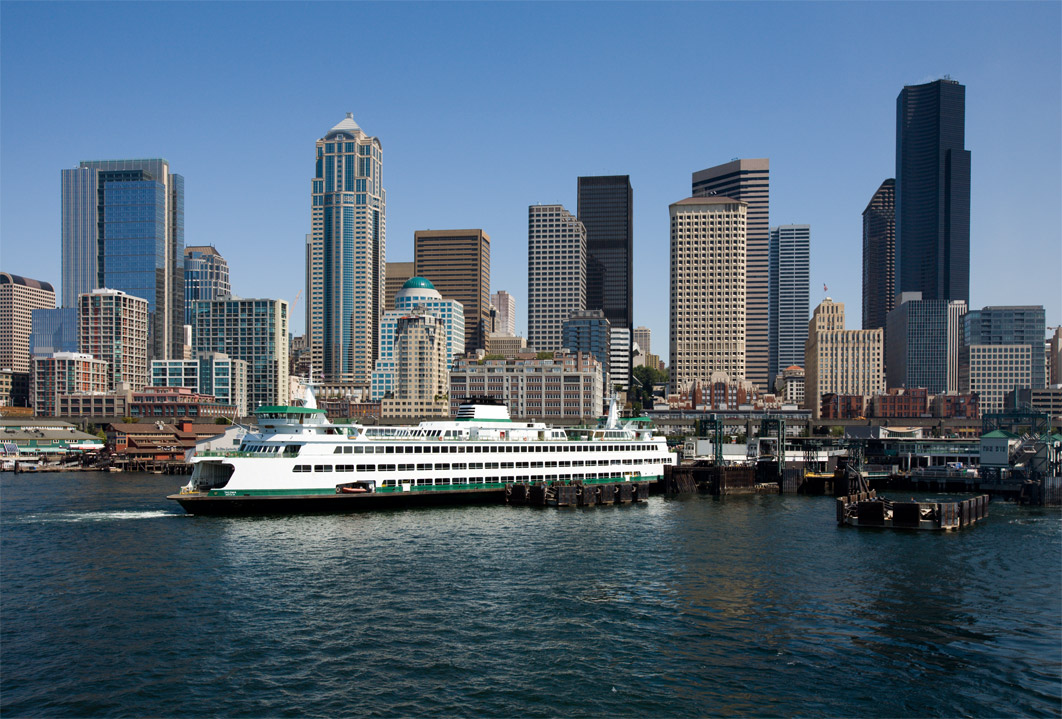
This Seattle travel demand guide breaks down the cheapest times of year to visit if you’re on a budget, along with the most expensive periods you may want to avoid.
Quick Take
- Most expensive time to visit Seattle: June through August, when summer weather, cruise season, outdoor travel, and higher hotel demand overlap.
- Worst months for budget travelers: July and August, especially if you want to stay in Downtown Seattle, near Pike Place Market, or along the waterfront.
- Other expensive periods: Alaska cruise weekends, major concerts, sports weekends, conventions, Thanksgiving, Christmas, and New Year.
- Cheapest time to visit Seattle: January, February, November, and early March, when rainier weather usually keeps hotel and flight demand lower.
- Best budget tip: Avoid peak summer and cruise-heavy weekends, then compare hotel prices across several nearby dates before booking.
Not A Member? ✈️
Save 50%-95% with Jetsetter Alerts - Airline Mistake Fare & Flash Sales Alerts!
Cheapest Time To Visit Seattle
The cheapest time to visit Seattle is usually from November through February, with January and February often being the best months for lower hotel and flight prices. This is Seattle’s rainy low season, so you’ll trade sunny skies for cheaper rates, fewer crowds, and better value on a city trip.
Winter Low Season
Winter is usually the cheapest season to visit Seattle because the weather is cooler, wetter, and darker than the summer months.
- Cheapest months: January and February.
- Why it’s cheaper: Fewer travelers visit after the holiday season, and many people avoid Seattle’s rainier months.
- What costs less: Hotels, flights, short-term rentals, some tours, and weekday stays.
- Where it works best: Downtown Seattle, Capitol Hill, Queen Anne, South Lake Union, Belltown, Ballard, Fremont, and neighborhoods near light rail or bus routes.
- Budget warning: Seattle is still a major city, so hotel prices can rise during conventions, concerts, sports weekends, and major events.
- Best for: Travelers who want coffee shops, museums, food, markets, music, breweries, waterfront walks, and indoor attractions more than sunny outdoor weather.
January and February
January and February are usually the best months to visit Seattle on a budget. The Christmas and New Year rush is over, summer is still far away, and hotels usually have more open rooms.
- Why they’re cheaper: Rain, shorter daylight, and cooler weather keep many tourists away.
- What gets cheaper: Hotels, airfare, weekday stays, and some attraction packages.
- Best places to stay: Downtown, Belltown, Capitol Hill, Queen Anne, South Lake Union, University District, and neighborhoods near the Link light rail.
- Budget warning: Expect wet weather and gray skies. This is a better time for a city-focused trip than a hiking-heavy trip.
- Best advice: Visit in January or February if your main goal is lower prices and you don’t mind planning around rain.
February For Museum Deals
February can be one of the best-value months for travelers who want indoor attractions. Seattle Museum Month has offered 50% off admission at participating museums for visitors with qualifying hotel stays, making February a strong budget month for culture-focused trips.
- Why it’s a good deal: You can pair lower hotel demand with discounted museum admission.
- Best for: Families, couples, solo travelers, and anyone who wants a cheaper indoor-focused Seattle trip.
- What to plan around: Museums, coffee shops, Pike Place Market, the waterfront, breweries, bookstores, and live music.
- Budget warning: Check current participation before building your whole trip around museum discounts.
November
November can also be a cheaper time to visit Seattle, especially before Thanksgiving and the holiday season fully pick up.
- Why it’s cheaper: Summer crowds are gone, fall travel slows, and many visitors wait until the holidays or spring.
- What costs less: Hotels, flights, apartments, and some weekday stays.
- Budget warning: Rain becomes more common, and daylight gets shorter.
- Best for: Travelers who want lower prices, fewer crowds, cozy food spots, coffee culture, and indoor attractions.
Early December
Early December can be a decent budget window before Christmas travel becomes more expensive.
- Why it’s cheaper: It falls between the slower late-fall period and the holiday rush.
- What costs less: Hotels and flights can be cheaper than late December.
- Budget warning: Prices can rise closer to Christmas and New Year’s, especially for last-minute stays.
- Best advice: Early December is better for savings than the final holiday weeks of the month.
Early Spring
Early March can sometimes offer better value before spring break and late-spring travel demand build.
- Why it can be cheaper: Seattle has not fully entered its warmer-weather travel season yet.
- What costs less: Hotels and flights may still be lower than late spring and summer.
- Budget warning: Weather can still be rainy, and prices may rise during big events or school breaks.
- Best for: Travelers who want slightly longer days than January or February but still want to avoid peak prices.
Cheapest Months To Visit Seattle
- January: Usually one of the cheapest months after holiday travel ends.
- February: Another strong budget month, especially for hotels and indoor attractions.
- November: Often cheaper than summer, with fewer crowds and lower demand.
- Early December: Can be affordable before Christmas and New Year’s travel ramps up.
- Early March: Can offer good value before spring demand increases.
Why Seattle Is Cheaper During These Months
- Rain lowers demand: Many travelers prefer Seattle in summer, when the weather is drier and outdoor activities are easier.
- Hotels have more availability: More open rooms can mean better prices, especially on weekdays.
- Flights can be easier to price shop: Airfare is usually more flexible outside summer, holidays, and school breaks.
- Indoor attractions still work well: Pike Place Market, the Museum of Pop Culture, Seattle Art Museum, coffee shops, bookstores, breweries, and restaurants are still easy to enjoy in rainy weather.
- Fewer crowds at popular spots: The Space Needle, Chihuly Garden and Glass, Pike Place Market, the waterfront, and ferry terminals are usually easier to manage than in summer.
Cheapest Time To Fly To Seattle
The cheapest time to fly to Seattle is usually outside summer, Thanksgiving, Christmas, New Year’s, spring break, and major event weekends.
- Cheaper flight months to compare: January, February, early March, November, and early December.
- More expensive flight periods to avoid: June through August, Thanksgiving, Christmas, New Year’s, spring break, and major sports or concert weekends.
- Best booking move: Compare nearby travel dates instead of locking into one exact weekend.
- Budget tip: Midweek flights are often easier to price shop than Friday and Sunday flights.
Best Time To Visit Seattle On A Budget
The best time to visit Seattle on a budget is January or February. These months usually give travelers the best chance at lower hotel prices, cheaper flights, fewer crowds, and better overall value.
For the best balance of price and experience, November and early March can also work well. You may still deal with rain, but the city is easier to explore without summer prices, packed hotels, and peak-season crowds.
Not A Member? ✈️
Save 40%-95% with Jetsetter Alerts - Airline Mistake Fare & Flash Sales Alerts!
Most Expensive Time To Visit Seattle
The most expensive time to visit Seattle is usually summer, especially June through August, followed by major event weekends, cruise season, holiday periods, and peak outdoor travel months. Seattle is at its best when the skies are clearer, the days are long, and travelers can easily enjoy waterfront walks, ferry rides, mountain views, outdoor dining, and day trips. That is also when hotel rates and airfare usually climb.
Summer Peak Season
Summer is usually the most expensive season to visit Seattle, especially from June through August. This is when the city gets its best weather, longest days, and strongest outdoor travel demand.
- Most expensive months: June, July, and August.
- Why it’s expensive: Travelers come for drier weather, cruise departures, outdoor dining, festivals, waterfront activities, ferry trips, and access to nearby national parks.
- What costs more: Hotels, flights, short-term rentals, rental cars, tours, ferry-heavy itineraries, restaurants, and airport-area stays.
- Where prices rise the most: Downtown, Pike Place Market, the waterfront, Belltown, Capitol Hill, Queen Anne, and areas near Seattle Center.
- Budget warning: Seattle’s summer weather is a major draw, so even weekday hotel rates can be much higher than winter.
- Best advice: Avoid June through August if your main goal is saving money.
July and August
July and August are often the worst months for budget travelers visiting Seattle. These are the city’s driest and most popular months, which means prices can rise across hotels, flights, tours, and car rentals.
- Why it’s expensive: Summer weather is at its best, and travelers use Seattle as a base for city sightseeing, cruises, national parks, islands, and Pacific Northwest road trips.
- What gets expensive: Central hotels, waterfront hotels, short-term rentals, rental cars, guided tours, ferries, airport hotels, and weekend stays.
- Where prices rise: Downtown, Pike Place Market, Belltown, Queen Anne, Capitol Hill, South Lake Union, Seattle Center, and the waterfront.
- Budget warning: Waiting until the last minute can be painful in July and August because the best-located hotels often sell out or jump in price.
- Better budget move: Visit in January, February, November, or early March if lower prices matter more than summer weather.
Cruise Season
Seattle can become more expensive during Alaska cruise season because many travelers arrive before or after their cruise and need hotels, airport transfers, restaurants, and tours.
- Why it’s expensive: Cruise passengers often book one- or two-night stays before sailing, which increases demand near the waterfront, downtown hotels, and airport-area hotels.
- What costs more: Hotels, airport transfers, rideshares, restaurants, luggage storage, pre-cruise tours, and weekend stays.
- Where prices rise: Downtown, the waterfront, Belltown, Queen Anne, Seattle Center, and hotels near cruise terminals.
- Budget warning: A hotel that looks reasonable in winter can be much more expensive on a summer cruise weekend.
- Best advice: Avoid cruise-heavy weekends or book early if your Seattle trip lines up with Alaska sailings.
Major Event Weekends
Seattle hotel prices can rise quickly during major concerts, sports weekends, conventions, festivals, and large city events. A weekend that looks normal on the calendar can become much more expensive if several events overlap.
- Why it’s expensive: Visitors need hotels, restaurants, taxis, rideshares, and event-area stays at the same time.
- What costs more: Hotels, short-term rentals, parking, rideshares, restaurants, and last-minute rooms.
- Where prices rise: Downtown, Belltown, Capitol Hill, Queen Anne, Seattle Center, stadium-area hotels, and airport hotels.
- Budget warning: Event weekends can make Seattle expensive even outside peak summer.
- Best advice: Compare hotel rates across nearby weekends before booking.
Seattle Center and Space Needle Area
The area around Space Needle, Seattle Center, and Queen Anne can get expensive during summer and event-heavy weekends.
- Why it’s expensive: Travelers want easy access to major attractions, museums, festivals, concerts, restaurants, and walkable sightseeing.
- What costs more: Hotels, parking, rideshares, attraction tickets, restaurants, and nearby short-term stays.
- Budget warning: Staying close to Seattle Center can be convenient, but prices can rise fast when festivals, concerts, or major events are happening nearby.
- Best advice: Compare nearby neighborhoods or light-rail-friendly areas if Seattle Center hotel rates are too high.
Pike Place Market and Waterfront Stays
The Pike Place Market and waterfront area can be one of Seattle’s more expensive places to stay during peak travel periods.
- Why it’s expensive: Travelers want walkable access to the market, restaurants, ferries, waterfront views, downtown attractions, and cruise-related stays.
- What costs more: Hotels, waterfront rooms, restaurants, parking, tours, and last-minute stays.
- Budget warning: This is one of the most convenient areas for first-time visitors, but convenience often comes with higher prices.
- Best advice: Stay a little farther from the waterfront if you want lower rates while still being close to transit.
Peak Outdoor Travel Season
Seattle gets more expensive when nearby outdoor destinations are in high demand. Summer and early fall can raise prices because travelers use the city as a base for mountains, islands, ferries, and road trips.
- Why it’s expensive: Visitors come for clearer mountain views, hiking, kayaking, ferry trips, whale-watching tours, and road trips.
- What costs more: Rental cars, tours, hotels, ferries, weekend stays, and airport hotels.
- Where prices rise: Seattle, airport-area hotels, ferry-access neighborhoods, and places tied to road trips toward Mount Rainier, Olympic National Park, the San Juan Islands, and nearby coastal towns.
- Budget warning: Even if you are mostly staying in the city, regional summer demand can still affect rental car and hotel prices.
- Best advice: Book early if your Seattle trip includes national parks, ferries, or island travel.
Thanksgiving, Christmas, and New Year
Seattle can also become more expensive around major holiday periods, especially Thanksgiving, Christmas, and New Year.
- Why it’s expensive: Holiday travel, family visits, shopping trips, winter events, and limited travel dates can push prices higher.
- What costs more: Flights, hotels, airport stays, rental cars, restaurants, and last-minute bookings.
- Where prices rise: Downtown, airport hotels, central neighborhoods, and areas near major event venues.
- Budget warning: Early December can sometimes offer value, but prices usually rise closer to Christmas and New Year.
- Best advice: Visit in January or February if you want lower winter prices after holiday demand fades.
Most Expensive Months To Visit Seattle
- May: Prices can start rising as cruise season, better weather, and spring events increase demand.
- June: Summer travel begins, and hotels become more expensive as outdoor travel improves.
- July: One of the most expensive months because of dry weather, family travel, cruises, and peak sightseeing demand.
- August: Usually one of the worst months for budget travelers because summer demand is still very strong.
- September: Can stay expensive because weather is often still good, events continue, and cruise demand may still affect hotel rates.
- Late November: Can rise around Thanksgiving travel.
- Late December: Higher prices around Christmas and New Year.
Why Seattle Gets More Expensive During Peak Season
- Summer weather drives demand: Seattle’s best weather usually lines up with its highest hotel prices.
- Cruise season affects hotels: Alaska cruise passengers increase demand for downtown, waterfront, and airport-area stays.
- Outdoor trips add pressure: Visitors use Seattle as a base for national parks, ferries, islands, and Pacific Northwest road trips.
- Central hotels are limited: The most convenient hotels near Pike Place Market, the waterfront, Seattle Center, and downtown can get expensive quickly.
- Major events create sudden spikes: Concerts, sports weekends, conventions, festivals, and large city events can raise rates even outside peak summer.
- Last-minute booking costs more: During summer and event weekends, waiting too long can mean paying more or staying farther out.
Worst Time To Visit Seattle On A Budget
The worst time to visit Seattle on a budget is July and August, followed by cruise-heavy weekends, major event weekends, late spring, early fall, Thanksgiving, Christmas, and New Year. These are the periods when flights, hotels, rental cars, tours, and central stays are most likely to cost more.
For a cheaper Seattle trip, avoid peak summer, compare hotel prices across several nearby dates, and be careful with downtown, Pike Place Market, the waterfront, Belltown, Queen Anne, Capitol Hill, and South Lake Union during event-heavy weekends.
Not A Member? ✈️
Save 50%-95% with Jetsetter Alerts - Airline Mistake Fare & Flash Sales Alerts!