
Cheapest and Most Expensive Times To Visit New Zealand
Planning a trip to New Zealand, and unsure when to visit? This guide goes into the seasonal travel demand of the country, so that you know the cheapest and most expensive times to visit.
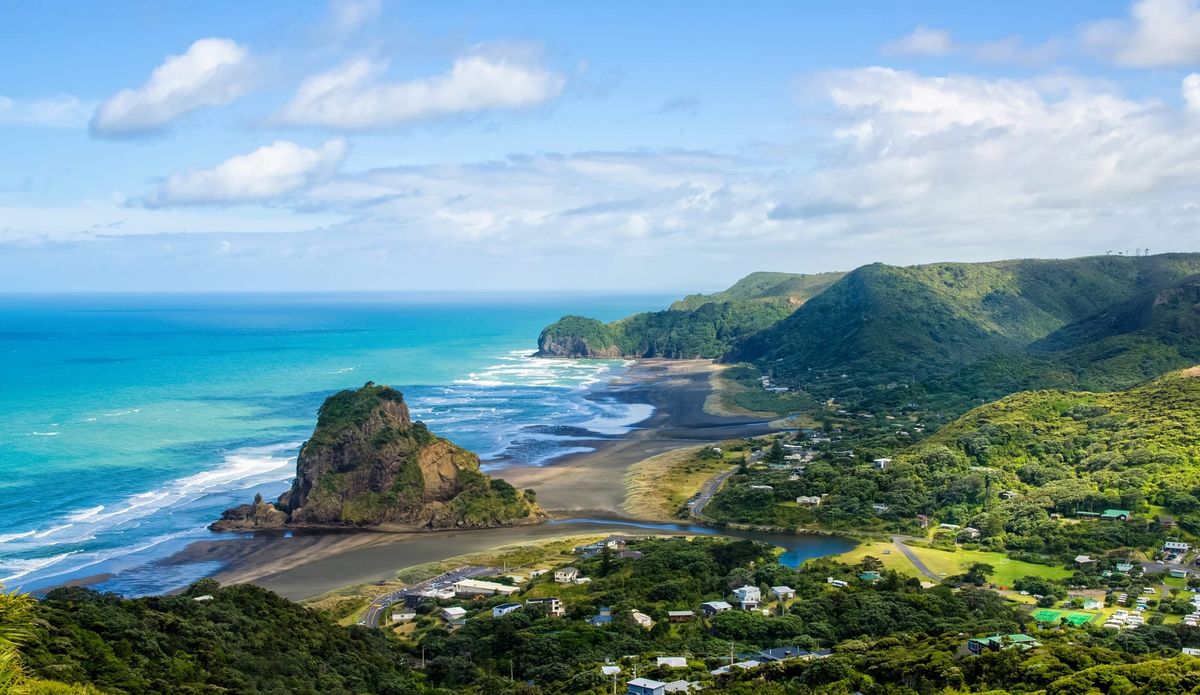
This guide goes into the details of New Zealand's seasonal travel demand, and when you should visit if you're on a budget, or better yet the times you should avoid.
Quick Take
- Most expensive time to visit New Zealand: December through February, when summer weather, school holidays, road trips, hiking, beaches, and outdoor travel push demand higher.
- Worst months for budget travelers: December, January, and February, especially around Christmas, New Year, and January road trip season.
- Other expensive periods: Easter, school holidays, and July through August in ski destinations like Queenstown and Wānaka.
- Most expensive places in peak season: Queenstown, Wānaka, Auckland, Rotorua, Milford Sound, Fiordland National Park, and Abel Tasman National Park.
- Cheapest time to visit New Zealand: May, June, September, October, and early November, when prices are usually lower than peak summer.
- Best budget tip: Avoid peak summer, Christmas, New Year, Easter, and South Island ski-season dates, then compare campervan, rental car, hotel, and flight prices before booking.
Planning to visit Auckland, and want to know how much you will actually spend? Check out this Auckland Travel Cost Guide.
Most Expensive Times To Visit New Zealand
The most expensive time to visit New Zealand is usually during the summer high season, especially December through February, followed by Christmas and New Year, school holiday periods, Easter, and winter ski season in the South Island. This is when flights, hotels, campervans, rental cars, guided tours, ferry routes, and outdoor experiences can all cost more.
Summer Peak Season
Summer is usually the most expensive season to visit New Zealand. This is when travelers come for road trips, hiking, beaches, national parks, long daylight hours, and outdoor adventures.
- Most expensive months: December, January, and February.
- Why it’s expensive: Warm weather, school holidays, international tourism, road trips, campervan travel, and outdoor tours all peak at the same time.
- What costs more: Flights, hotels, campervans, rental cars, ferries, guided tours, day trips, national park stays, and scenic cruises.
- Where prices rise the most: Auckland, Queenstown, Wānaka, Rotorua, Taupō, Wellington, Christchurch, Bay of Islands, the Coromandel Peninsula, and popular South Island road trip routes.
- Budget warning: Summer is the hardest time to find cheap campervans and rental cars, especially if you are planning a long road trip.
- Best advice: Avoid December through February if your main goal is saving money.
Christmas and New Year
Christmas and New Year are usually among the most expensive times to visit New Zealand. This period overlaps with summer, school holidays, domestic travel, and international vacation demand.
- Why it’s expensive: Locals and international visitors are traveling at the same time, which puts pressure on hotels, flights, campervans, and coastal destinations.
- What gets expensive: Flights, hotels, campervans, rental cars, ferries, vacation rentals, tours, and last-minute bookings.
- Where prices rise: Auckland, Queenstown, Wānaka, Bay of Islands, the Coromandel Peninsula, Rotorua, Taupō, Christchurch, and beach towns.
- Budget warning: This is one of the worst windows for last-minute planning. The best-priced lodging and vehicles can disappear early.
- Best advice: If you want summer weather for less, compare late November, early December, March, or April instead.
January Road Trip Season
January can be one of the most expensive months for New Zealand road trips because it sits right in the heart of summer holiday travel.
- Why it’s expensive: Families, backpackers, campervan travelers, and international visitors are all moving around the country.
- What costs more: Campervans, rental cars, ferry crossings, hotels, lodges, holiday parks, and guided day trips.
- Where prices rise: South Island routes, Queenstown, Wānaka, Christchurch, Milford Sound, Fiordland National Park, Abel Tasman National Park, and coastal North Island areas.
- Budget warning: Even simple stays can become expensive when road trip demand peaks.
- Best advice: Book early or shift your trip into March or April for better value.
Easter and School Holidays
Easter and school holiday periods can also make New Zealand more expensive, especially when families are traveling domestically.
- Why it’s expensive: Families use school breaks for road trips, outdoor travel, and longer domestic vacations.
- What costs more: Hotels, campervans, rental cars, ferries, guided tours, and family-friendly stays.
- Where prices rise: Auckland, Rotorua, Taupō, Queenstown, Wānaka, Christchurch, Wellington, coastal towns, and national park gateways.
- Budget warning: Easter can make fall feel more expensive than expected, especially if your trip overlaps with school holidays.
- Best advice: If you want fall scenery without the higher prices, compare dates before or after Easter and school breaks.
Winter Ski Season
Winter can be cheaper in many parts of New Zealand, but ski destinations are the major exception. Queenstown and Wānaka can become expensive during the ski season because travelers come for snow sports, alpine scenery, nightlife, and winter adventure trips.
- Most expensive ski months: July and August.
- Why it’s expensive: Snow season raises demand for flights, hotels, rental cars, ski rentals, lift passes, and winter tours.
- What costs more: Lodging, domestic flights, rental cars, ski packages, airport transfers, restaurants, and last-minute rooms.
- Where prices rise: Queenstown, Wānaka, and areas near ski fields like Coronet Peak, The Remarkables, Cardrona, and Treble Cone.
- Budget warning: Do not assume winter is automatically cheap in New Zealand. Ski towns can be more expensive than some summer destinations.
- Best advice: Visit ski towns in May, June, September, or October if you want mountain scenery without peak ski pricing.
Most Expensive Months To Visit New Zealand
- December: Expensive because summer begins, holiday travel rises, and international visitors arrive.
- January: Usually one of the most expensive months because of summer holidays, road trips, campervan demand, and beach travel.
- February: Still expensive because summer conditions remain strong and international tourism continues.
- March: Can stay pricey in popular areas because weather is still good and fall travel begins.
- April: Can rise around Easter and school holidays.
- July: Expensive in ski destinations like Queenstown and Wānaka.
- August: Still expensive in ski towns because winter sports demand continues.
Why New Zealand Gets More Expensive During Peak Season
- Summer is the main travel season: December through February brings the best-known road trip, hiking, beach, and outdoor travel conditions.
- Campervans and rental cars can jump in price: New Zealand is a road trip destination, so vehicle demand matters a lot.
- Domestic and international travel overlap: Locals travel during school holidays while international visitors arrive for summer.
- Small towns have limited inventory: Places near national parks, beaches, lakes, and scenic routes can sell out or raise rates quickly.
- Ski towns are a winter exception: Queenstown and Wānaka can be expensive in July and August even when other parts of the country are cheaper.
- Last-minute booking costs more: During summer, Christmas, New Year, Easter, and ski season, waiting too long can mean higher prices or fewer options.
Worst Time To Visit New Zealand On A Budget
The worst time to visit New Zealand on a budget is December through February, especially around Christmas, New Year, and January road trip season. Easter and school holidays can also raise costs, while Queenstown and Wānaka can become expensive during the July and August ski season.
For a cheaper New Zealand trip, avoid peak summer, major school holidays, and ski-season dates in South Island resort towns. May, June, September, October, and early November are usually better windows for budget travelers who still want a strong travel experience.
Cheapest Times To Visit New Zealand
The cheapest times to visit New Zealand are usually during the winter low season and shoulder seasons, especially May through August, followed by September, October, and parts of November. New Zealand’s peak travel season is summer, from December through February, so prices are usually easier to work with outside that window. (New Zealand)
Winter Low Season
Winter is usually the cheapest season to visit New Zealand, especially if your trip is focused on cities, road trips, food, wine, museums, scenic drives, and quieter landscapes instead of warm-weather hiking.
- Cheapest months: June, July, and August.
- Why it’s cheaper: Fewer international travelers visit during the colder months, and demand drops outside ski towns and winter resort areas.
- What costs less: Flights, hotels, rental cars, campervans, tours, and some multi-night stays.
- Where it works best: Auckland, Wellington, Christchurch, Rotorua, Dunedin, Napier, Nelson, and many lower-elevation road trip routes.
- Budget warning: Ski destinations can be more expensive in winter, especially Queenstown, Wānaka, and areas near popular ski fields.
- Best for: Travelers who want lower prices, fewer crowds, scenic drives, hot springs, food, wine, cities, and moody mountain views.
May and June
May and June are often strong budget months because they fall after the busy fall travel period and before winter demand builds in ski-heavy destinations.
- Why they’re cheaper: Summer is over, fall travel has slowed, and New Zealand has not reached its peak winter ski demand everywhere.
- What gets cheaper: Flights, hotels, rental cars, campervans, and some guided tours.
- Weather trade-off: Days are cooler, daylight is shorter, and some alpine areas can become more weather-dependent.
- Budget warning: Mountain roads, hikes, and remote areas may require more planning as winter conditions arrive.
- Best advice: May is one of the best months for lower prices without jumping fully into deep winter.
July and August
July and August can be cheaper for many parts of New Zealand, but they are not always cheap in ski towns. These months can work well for city trips and scenic winter travel, but Queenstown and Wānaka may be pricier because of snow sports.
- Why they can be cheaper: Many travelers skip New Zealand in winter unless they are coming specifically for skiing.
- What costs less: Flights, city hotels, road trip stays outside ski areas, and some tours.
- Weather trade-off: Expect colder temperatures, shorter days, snow in alpine regions, and more weather-related flexibility.
- Budget warning: Ski areas can reverse the low-season pattern, with higher lodging and rental car demand.
- Best for: Travelers who want winter scenery, city stays, hot springs, and lower prices outside ski hubs.
September and October
September and October can be excellent budget months because they sit between winter and summer demand. This is spring in New Zealand, so you may get better weather than winter while still avoiding the highest summer prices.
- Why they’re cheaper: Summer demand has not fully started, and many travelers wait until December through February.
- What costs less: Flights, hotels, rental cars, campervans, and some tours compared with peak summer.
- Weather trade-off: Spring weather can be changeable, with rain, wind, and cooler conditions depending on the region.
- Budget warning: Popular outdoor tours may still be weather-dependent, especially in alpine and coastal areas.
- Best for: Travelers who want a better mix of price, fewer crowds, spring scenery, and improving weather.
November
November can be a good value month before peak summer prices take over. It is not always as cheap as winter, but it can be one of the best months for balancing cost, daylight, scenery, and weather.
- Why it can be cheaper: Peak summer travel has not fully arrived, but the weather is usually improving.
- What costs less: Hotels, campervans, rental cars, and some flights compared with December and January.
- Weather trade-off: Weather can still vary, especially in mountain regions, but conditions are usually better than winter.
- Budget warning: Prices can start rising later in the month as summer demand builds.
- Best advice: Visit earlier in November for better value before the summer season picks up.
Cheapest Months To Visit New Zealand
- May: Often one of the best months for lower prices and cooler but manageable weather.
- June: Can be affordable before ski demand fully affects certain areas.
- July: Often cheaper for flights and city stays, but not always cheap in ski towns.
- August: Can still offer lower prices outside ski-heavy destinations.
- September: A strong shoulder-season month with better value before summer.
- October: Often a good mix of lower prices, spring scenery, and fewer crowds.
- Early November: Can offer good value before peak summer demand builds.
Why New Zealand Is Cheaper During These Times
- Summer demand drops: New Zealand is most popular during its warm-weather months, especially December through February.
- Flights can be easier to price shop: Airfare is often easier to find outside peak summer and major holiday periods, with some flight data showing July as a lower-season month for U.S. routes. (KAYAK)
- Rental cars and campervans can cost less: Road trips are a huge part of New Zealand travel, and vehicle prices can rise quickly in summer.
- Hotels have more availability: More open rooms usually means better pricing outside peak travel months.
- Crowds are smaller: Popular places can feel easier to explore when you are not competing with peak summer travelers.
Budget Warning For Ski Towns
Winter can be cheaper across much of New Zealand, but ski destinations are the major exception.
- Queenstown and Wānaka can be expensive in winter because travelers come for ski season, mountain views, nightlife, and winter adventure trips.
- Rental cars and hotels may rise near ski areas during peak snow weeks.
- Flights into Queenstown can cost more when winter demand is strong.
- For lower prices, compare Christchurch, Dunedin, Wellington, Auckland, Rotorua, and other city or road-trip routes.
Cheapest Time To Fly To New Zealand
The cheapest time to fly to New Zealand is usually outside peak summer, Christmas, New Year, school holidays, and major event periods.
- Cheaper flight months to compare: May, June, July, August, September, and October.
- Good-value shoulder months: March, May, September, October, and early November.
- More expensive flight periods to avoid: December, January, February, Christmas, New Year, and major holiday periods.
- Best booking move: Compare flights into Auckland, Wellington, Christchurch, and Queenstown instead of only checking one arrival city.
- Budget tip: If Queenstown is expensive, compare flying into Christchurch and building a South Island route from there.
Best Time To Visit New Zealand On A Budget
The best time to visit New Zealand on a budget is usually May, June, September, or October. These months often give travelers a better mix of lower prices, fewer crowds, and more manageable weather than deep winter.
For the absolute lowest prices, June through August can be strong, but ski destinations may cost more. For the best overall value, May, September, October, and early November are usually smarter choices because they sit outside peak summer while still offering solid travel conditions.
New Zealand Travel Demand Summary
| Time Period | Price Level | Why It Matters |
|---|---|---|
| Dec – Feb (Summer) | 💲💲💲 Highest | Warm weather, peak international tourism |
| Late Dec – Early Jan | 💲💲💲 Very High | Christmas & New Year, busiest holiday period |
| March – April (Easter/School Breaks) | 💲💲💲 High | Local holidays, family travel |
| July – Aug (Ski Season) | 💲💲💲 High | Peak in ski towns like Queenstown & Wanaka |
| May – Early June | 💲 Lowest | Post-Easter lull, cheapest hotels & flights |
| June – Aug (non-ski regions) | 💲 Low | Winter off-season, discounted stays |
| Sept – Oct | 💲 Low–Mid | Pre-summer shoulder season, affordable travel |
Not A Member? ✈️
Sign up for Jetsetter Alerts to get personalized airfare alerts, and be notified in real-time of any amazing flight deals to New Zealand!