
Cheapest and Most Expensive Times To Visit India
Discover the most affordable and most expensive months to visit India to help you plan your visit.
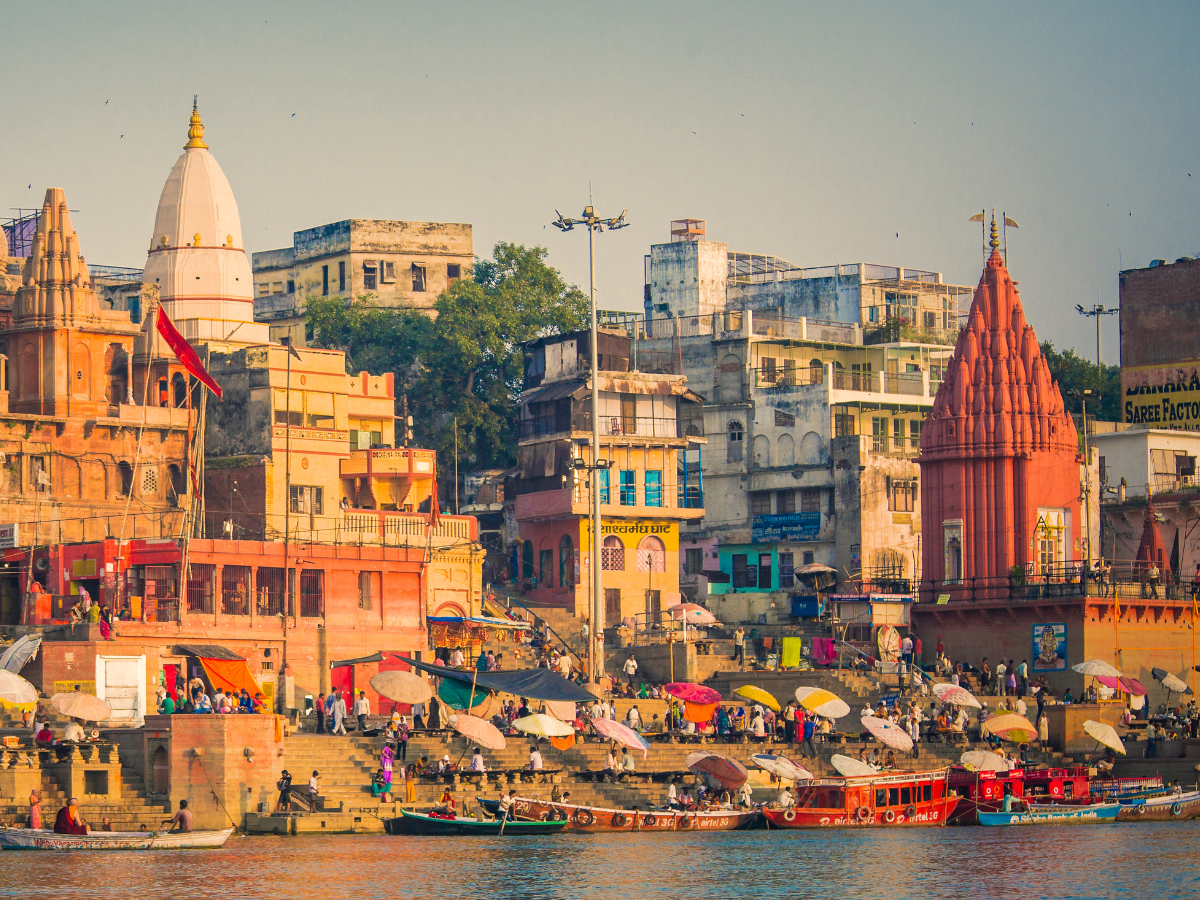
Most Expensive Time to Visit India
The most expensive time to visit India is during its peak travel seasons, when both domestic and international tourism spikes. These high-demand periods drive up flight and hotel costs across the country.
Winter Tourist High Season (December to January)
The pleasant winter weather makes this the busiest and costliest period to explore India. Popular destinations such as Delhi, Jaipur, Agra, Goa, and Kerala are flooded with visitors escaping colder climates.
- Expect high hotel prices—especially in Rajasthan, Goa, and major metro cities.
- Flights fill quickly and can increase 30–60% compared to off-peak seasons.
Festive Period (October to November)
Major holidays like Diwali, Durga Puja, and the Pushkar Camel Fair attract millions of domestic and international travelers.
- Accommodation in cities like Kolkata, Jaipur, and Varanasi becomes scarce and expensive.
- Tourist hotspots see huge crowds and steep price surges.
Summer Hill-Station Rush (May to June)
When temperatures rise, domestic travelers flock to cooler mountain destinations such as Shimla, Manali, Kashmir, and Darjeeling.
- Hotel and taxi prices surge sharply in hill regions.
- Flights to northern mountain states become expensive and often sell out.
Not A Member? ✈️
Save 40%-95% On Flights With Jetsetter Alerts Airline Mistake Fare & Flash Sales Alerts!
Cheapest Time to Visit India
The cheapest time to visit India is during its off-peak seasons, when tourism slows and travel prices drop. These periods fall outside major weather and festival rushes.
Monsoon Season (July to September)
Heavy rains keep many tourists away, but prices drop dramatically across the country.
- Expect cheaper airfare and discounted hotels in cities like Mumbai, Delhi, Chennai, and Kochi.
- Ideal for budget travelers and those interested in lush landscapes and fewer crowds.
Late Spring Shoulder Season (February to Early March)
After the winter rush but before temperatures peak, this is a quieter and more affordable period.
- Flights and hotels become more reasonably priced.
- Great for visiting cultural sites in Delhi, Rajasthan, and central India without heavy crowds.
Pre-Winter Shoulder Season (Late August to Early October, excluding festivals)
As monsoon begins to retreat, travel demand is still low.
- Lower hotel rates in beach destinations like Goa and Kerala before the tourist wave begins.
- Pleasant weather in many regions with fewer tourists.
Price Summary Table for India Travel
| Time Period | Price Level | Why It Matters |
|---|---|---|
| December – January | 💲💲💲 Highest | Peak winter tourism, best weather, very high demand |
| October – November | 💲💲💲 Very High | Major festivals (Diwali, Durga Puja), cultural events |
| May – June | 💲💲💲 High | Hill-station rush, domestic summer travel |
| July – September | 💲 Lowest | Monsoon season, lowest tourist numbers |
| February – Early March | 💲 Low | Post-winter, pre-summer shoulder season |
| Late Aug – Early Oct (non-festival) | 💲 Low | Retreating monsoon, low demand |