
Cheapest and Most Expensive Times To Visit Fiji
The cheapest time to visit Fiji is usually during wet-season months like February, March, and November, while dry-season holidays cost the most.
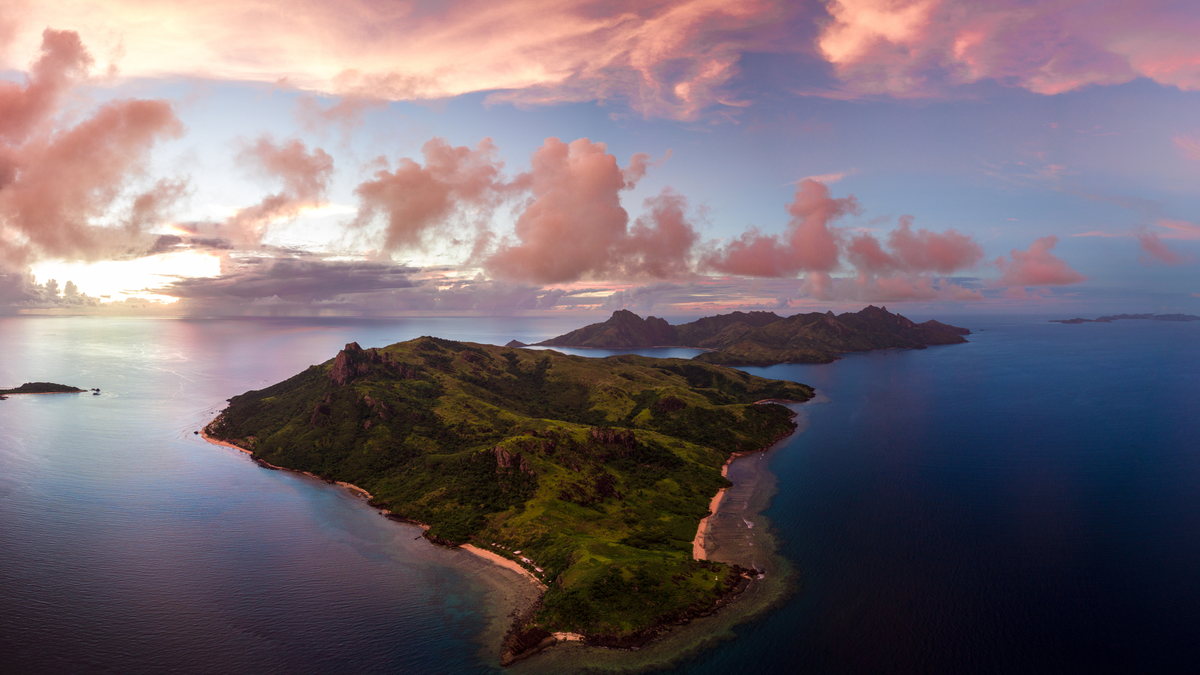
The cheapest time to visit Fiji is usually during the wet season, especially February, March, and November, when fewer travelers are booking island resorts and airfare demand is softer. The most expensive time to visit Fiji is during the dry season, especially June through August, plus Christmas, New Year’s, Easter, and major school holiday periods.
Fiji can be a dream trip, but timing matters a lot. A beachfront resort in the Mamanuca Islands, Yasawa Islands, Denarau, or Coral Coast can feel like a completely different price depending on whether you visit during a quiet rainy month or a peak dry-season holiday week.
The guide below breaks down Fiji’s seasonal price changes, but if you want a full trip budget, check out our Fiji Travel Cost Guide for what you can expect to spend on hotels, food, attractions, transportation, and more.
Quick Take
- Cheapest months to visit Fiji: February, March, and November are usually the cheapest months, with lower demand after the holiday rush and before the strongest dry-season travel period.
- Best value months for Fiji: May, early June, September, and October often give travelers a better mix of weather, prices, and crowd levels.
- Most expensive months to visit Fiji: June, July, August, late December, and early January are usually the priciest times because of dry-season weather, school holidays, and holiday travel.
- Biggest price spike: Christmas and New Year’s are usually the most expensive weeks of the year for Fiji resorts, flights, private-island stays, and family-friendly properties.
- Weather trade-off: The cheapest months overlap with Fiji’s wet season and cyclone season, which runs from November to April, with the usual peak cyclone risk around January and February.
- Festival exceptions: Nadi, Suva, Lautoka, and Labasa can see local price bumps during major festivals, even if the month is not the highest-demand period nationwide.
Cheapest Time To Visit Fiji
The cheapest time to visit Fiji is usually during the wet season, especially February, March, and November. These months tend to have fewer international travelers, more flexible resort pricing, and better odds of finding package deals compared with the dry-season rush.
This does not mean Fiji is “cheap” in the same way as Southeast Asia or Central America. Fiji is still an island destination, and imported goods, resort transfers, boat rides, private islands, and guided tours can add up quickly. What changes during the cheaper months is demand. When fewer families and honeymooners are competing for the same rooms, resorts are more likely to discount.
February and March
February and March are often among the cheapest months to visit Fiji because they fall after the Christmas and New Year’s holiday rush. Families from Australia, New Zealand, and North America are usually back in school or work mode, and many travelers avoid these months because of rain, humidity, and storm risk.
That lower demand can make February and March appealing for budget travelers, especially if you are staying on Viti Levu in areas like Nadi, Denarau, the Coral Coast, or Pacific Harbour. These areas generally have more accommodation options than the smaller islands, which gives travelers more room to shop around.
The trade-off is weather. March can be one of the wetter months, and heavy rain can affect boat transfers, island day trips, waterfalls, hiking trails, snorkeling visibility, and outdoor plans. If your dream Fiji trip is built around perfect beach days every morning, these months require flexibility.
- Best for: Budget travelers, flexible travelers, resort deals, fewer crowds
- Watch for: Rain, humidity, cyclone-season disruptions, rougher sea conditions
- Best strategy: Book refundable or flexible stays when possible, and build in extra time between island transfers and your flight home.
November
November is another cheaper time to visit Fiji, especially before the Christmas and New Year’s travel surge begins. It sits at the start of the wet season, so humidity and rain chances increase, but prices are often better than the dry-season months.
November can be a smart month for travelers who want warm water, fewer crowds, and more value before holiday rates take over. The catch is that weather becomes less predictable, and Diwali may create local closures, family travel, and event-related demand depending on the year. Fiji lists Diwali as a public holiday, with the date changing based on the calendar.
- Best for: Lower resort prices before the holiday season
- Watch for: Diwali, heavier humidity, early wet-season storms
- Best strategy: Travel earlier in the month if you want a better shot at lower prices before holiday demand builds.
Best Time To Visit Fiji On A Budget
The best time to visit Fiji on a budget is usually May, early June, September, October, or November. These months are not always the absolute cheapest, but they often give you a better overall trip for the money.
February and March may be cheaper, but they come with more weather risk. May and early June can be more comfortable because Fiji is moving into the drier season, but you may still avoid the strongest July and August price spikes. September and October can also be strong value months after the biggest winter holiday crowds begin to thin out.
May
May is one of the best budget-friendly months to visit Fiji because it falls near the start of the dry season. Rain usually begins easing compared with the wetter months, humidity feels more manageable, and travelers can still find better prices than the heart of peak season.
This is a great month for travelers who want Fiji to feel like Fiji—blue water, warm beaches, slow resort mornings, and sunset dinners—without paying the highest dry-season rates.
- Best for: Better weather without peak-season pricing
- Watch for: Late booking if travel demand is strong
- Best strategy: Compare Coral Coast, Nadi, Denarau, Mamanuca Islands, and Yasawa Islands because prices can vary a lot by region.
Early June
Early June can be a sweet spot before July school holiday demand kicks in. The weather is usually more favorable than the wet season, but prices may not have fully climbed to the highest levels yet.
This is especially useful for couples, honeymooners, and adults traveling without school-age children. You can often get a better resort experience before family travel fills up the most popular properties.
- Best for: Honeymooners, couples, shoulder-season resort stays
- Watch for: Demand rising as dry season builds
- Best strategy: Avoid the final weeks leading into July school holidays if you want better prices.
September and October
September and October are two of the best months for a Fiji trip if you want good weather but do not want to pay the highest July and August prices. The dry season is still in play, but the most intense winter holiday demand has usually softened.
October can be especially appealing for beach travelers because it sits near the end of the dry season before the wetter summer pattern returns. Just watch for Fiji Day in October, which can increase local travel and event demand around the holiday.
- Best for: Beach trips, snorkeling, diving, couples, families with flexible schedules
- Watch for: Fiji Day, limited availability at smaller island resorts
- Best strategy: Book outer-island stays earlier because inventory is limited.
Most Expensive Time To Visit Fiji
The most expensive time to visit Fiji is usually June through August, late December through early January, Easter, and major school holiday periods. These are the times when Fiji has its strongest mix of good weather, high family travel demand, and limited resort availability.
Fiji’s visitor numbers show how strong this period can be. In 2025, August, July, and June were the top three months for arrivals, and Australia and New Zealand made up the largest share of visitors.
June Through August
June, July, and August are usually among the most expensive months to visit Fiji because they fall during the dry season. The weather is one of the main reasons people are willing to pay more: less rain, lower humidity, cooler evenings, better beach conditions, and more reliable outdoor plans.
This is also winter in Australia and New Zealand, which sends a lot of travelers north to Fiji for warmth. July school holidays can be especially expensive, and family-friendly resorts often book up early. Travel demand from Australia and New Zealand remains a major driver for Fiji tourism, and capacity typically builds ahead of the May-to-October peak travel season.
- Why prices rise: Dry-season weather, school holidays, strong Australia and New Zealand demand
- Most affected areas: Denarau, Coral Coast, Mamanuca Islands, Yasawa Islands, family resorts, all-inclusive packages
- Best strategy: Book early, compare weekday flights, and avoid the exact school holiday windows when possible.
Christmas and New Year’s
Christmas and New Year’s are usually the most expensive weeks to visit Fiji. This is when holiday demand hits at the same time as family vacations, long school breaks, resort celebrations, and limited availability.
Even though December falls in the wet season, price does not always follow weather. Holiday demand can overpower the rainy-season discount. Families want an island Christmas, couples want a warm-weather escape, and resorts know those rooms will sell.
- Why prices rise: Global holiday travel, school breaks, resort events, limited rooms
- Most affected areas: Beachfront resorts, private islands, Denarau, Mamanuca Islands, Yasawa Islands
- Best strategy: Avoid late December and early January if price matters more than the holiday experience.
Easter and School Holidays
Easter can be another expensive time to visit Fiji, especially when it overlaps with school breaks in major visitor markets. Fiji also observes Good Friday, Easter Saturday, and Easter Monday as public holidays, which can add local demand to international travel.
This period is not always as expensive as Christmas or July, but it can still surprise travelers who assume April is “shoulder season.” If Easter falls in April, prices can climb quickly at resorts that cater to families.
- Why prices rise: School breaks, public holidays, long-weekend travel
- Most affected areas: Family resorts and easy-access beach areas
- Best strategy: Check holiday timing before booking April travel.
Fiji Events That Can Raise Prices
Fiji’s biggest price swings usually come from weather seasons and school holidays, but festivals can still affect hotel demand in specific cities. These events may not raise prices nationwide, but they can make certain areas harder to book.
Bula Festival in Nadi
The Bula Festival is held in Nadi and can create extra demand around town, especially for travelers staying near Nadi before or after island transfers. If you are using Nadi as a one-night stop before the Mamanucas or Yasawas, check festival timing before assuming it will be a cheap, easy layover.
- Where it matters most: Nadi
- Typical timing: July or late July into early August
- Price impact: Local hotel and transport demand can rise.
Hibiscus Festival in Suva
The Hibiscus Festival is one of Fiji’s major community festivals and is held in Suva. This matters more for travelers staying in or around Suva than for those heading straight to Denarau or the outer islands.
- Where it matters most: Suva
- Typical timing: August
- Price impact: City hotels and local transport may see higher demand.
Lautoka Sugar Festival
The Lautoka Sugar Festival is held in Lautoka, one of the main cities on Viti Levu. It can affect travelers staying in the Nadi-Lautoka area, especially if dates overlap with broader dry-season demand.
- Where it matters most: Lautoka and nearby western Viti Levu
- Typical timing: September
- Price impact: Mostly local and regional, not usually island-wide.
Friendly North Festival in Labasa
The Friendly North Festival is held in Labasa on Vanua Levu. This is a bigger consideration for travelers exploring Fiji beyond the main resort corridors.
- Where it matters most: Labasa and parts of Vanua Levu
- Typical timing: Late August or September
- Price impact: Local hotels and domestic travel demand can rise.
Fiji Day and Diwali
Fiji Day in October and Diwali, which often falls in October or November depending on the year, can affect local travel, business hours, events, and short-stay demand. These holidays do not always create the same price surge as Christmas, but they are worth checking if you are planning a city stay, domestic flight, or short island transfer around those dates.
Fiji Wet Season vs. Dry Season Prices
Fiji’s travel prices make more sense once you separate weather from demand.
Wet Season: November to April
The wet season is usually cheaper because the weather is less predictable. You can still have sunny days, warm water, and beautiful beach time, but rain, humidity, and storms are more likely. Afternoon downpours are common, and the cyclone season overlaps with these months.
This is when travelers are more likely to find better rates, especially outside Christmas, New Year’s, and Easter.
- Cheapest wet-season months: February, March, November
- Most expensive wet-season period: Christmas and New Year’s
- Best for: Budget travelers, flexible travelers, resort deals
- Worst for: Travelers who need perfect weather every day
Dry Season: May to October
The dry season is usually more expensive because the weather is easier to plan around. Days tend to be sunnier, rainfall drops, humidity is lower, and beach conditions are more reliable. This is when Fiji looks closest to the postcard version people imagine.
The downside is price. Resorts, flights, tours, and transfers can all cost more, especially when dry-season weather overlaps with Australian and New Zealand holidays.
- Most expensive dry-season months: June, July, August
- Best-value dry-season months: May, September, October
- Best for: Beach vacations, snorkeling, diving, honeymoons, family trips
- Worst for: Travelers trying to avoid peak prices
Cheapest Time To Visit Fiji By Travel Style
Budget Travelers
Budget travelers should look hardest at February, March, and November. Staying on Viti Levu instead of a private island can also help keep costs down because you have more guesthouses, smaller hotels, restaurants, buses, taxis, and tour options.
Honeymooners
Honeymooners who want better weather without the highest prices should look at May, early June, September, or October. These months can feel more polished than the wet-season bargain months without forcing you into the highest July or Christmas pricing.
Families
Families usually pay more because school breaks line up with Fiji’s most popular travel windows. For better value, look at May, September, or October if your schedule allows. Avoid July school holidays and late December unless the holiday timing matters more than the price.
Divers and Snorkelers
Diving and snorkeling can be good in Fiji year-round, but conditions vary by island, wind, rain, and water clarity. For a stronger balance of weather and value, September and October are often excellent months to compare.
Luxury Travelers
Luxury travelers may find the biggest savings during February, March, and November, but private island resorts do not always discount as deeply as mainland hotels. With limited rooms, high-end properties can hold prices even when broader demand softens.
Month-By-Month Fiji Price Guide
January
January starts expensive because of New Year’s travel, then prices may drop later in the month as families return home. Weather is hot, humid, and wet, with cyclone-season risk.
February
February is one of the cheapest months to visit Fiji. It is better for flexible travelers than travelers who want guaranteed sunshine.
March
March is usually cheap, but it can be rainy and humid. This is a budget month, not a perfect-weather month.
April
April can be mixed. Prices may be lower than peak dry season, but Easter can create a major price spike when it falls during this month.
May
May is one of the best-value months to visit Fiji. Weather usually improves, but peak-season pricing has not always fully arrived.
June
June starts the more expensive dry-season stretch. Early June can still be decent value, but prices often rise as the month goes on.
July
July is one of the most expensive months to visit Fiji because dry-season weather overlaps with major school holiday demand.
August
August is also expensive, with strong weather, high arrivals, and festival demand in some cities.
September
September can be one of the best months to visit Fiji for value. Weather is still favorable, but the biggest July-August pressure may ease.
October
October can be a strong value month near the end of the dry season. Watch for Fiji Day and local holiday demand.
November
November is usually one of the cheapest months to visit Fiji. It is warmer, wetter, and more humid, but prices can be much better before the Christmas rush.
December
Early December may offer better value than late December, but Christmas and New Year’s are among the most expensive times of the year.
Best Time To Visit Fiji For Lower Prices and Good Weather
The best time to visit Fiji for lower prices and good weather is usually May, early June, September, or October. These months are not always the rock-bottom cheapest, but they often give travelers the best balance.
If you only care about saving money, look at February, March, or November. If you care about weather, comfort, and still getting a better deal than peak season, focus on May, early June, September, and October.
Times To Avoid If You Want Cheaper Fiji Prices
Avoid these periods if you are trying to keep your Fiji trip affordable:
- Late December to early January: Christmas and New Year’s bring some of the highest resort and flight prices of the year.
- July school holidays: This is one of Fiji’s biggest family travel windows, especially for Australian and New Zealand travelers.
- Peak dry-season weekends: June through August weekends can be expensive, especially at popular resorts.
- Easter holidays: April can jump in price when Easter overlaps with school breaks.
- Major city festivals: Nadi, Suva, Lautoka, and Labasa can see local demand spikes around their biggest annual events.
Final Takeaway
The cheapest time to visit Fiji is usually February, March, and November, but those savings come with wetter weather, humidity, and cyclone-season risk. The most expensive time to visit Fiji is usually June through August and the Christmas-New Year’s holiday period, when better weather and school holidays push prices higher.
For most travelers, the best budget-friendly sweet spot is May, early June, September, or October. You may not get the absolute lowest prices, but you get a much better shot at good weather, lower crowds, and a Fiji trip that still feels worth every dollar.